Motorcycle Helmet Law in California
Navigating the aftermath of a motorcycle accident is already a dizzying, stressful experience. But when you add in the complexities of California's helmet laws and how they might impact your ability to recover damages, it can feel like you're fighting an uphill battle even before you begin. This comprehensive guide is here to clarify California's specific motorcycle helmet mandates and explain precisely how helmet use – or non-use – can influence your personal injury claim.
The Universal Mandate in California: What Every Rider Needs to Know
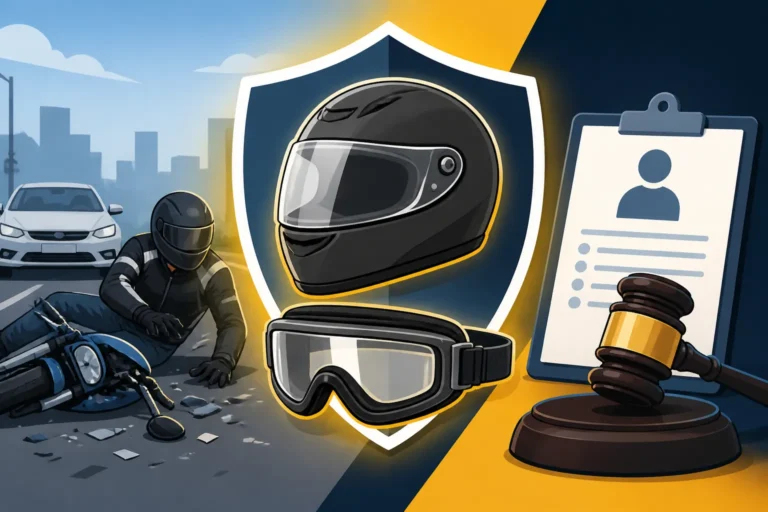
California has long stood out as a state committed to rider safety, and its motorcycle helmet laws are a testament to that commitment. Unlike some states with age-based restrictions or optional helmet use, California maintains a strict universal helmet law that applies to every single person on a motorcycle. This isn't just a recommendation; it's a legal requirement designed to protect riders and passengers from severe injury.
The Specifics of California's Universal Helmet Law
If you've ever ridden a motorcycle on California roads, you're familiar with the golden rule: helmet on. California Vehicle Code Section 27803 explicitly states that a person operating or riding on a motorcycle, motor-driven cycle, or motorized bicycle shall wear a safety helmet meeting federal standards. This means there are no exceptions based on age, experience, or where you're riding. Whether you're a seasoned rider cruising down Highway 101 or a new enthusiast learning the ropes on a local street, you must wear a helmet. Passengers are included in this mandate too, so if you're giving a friend a lift to grab some coffee, make sure they have a proper helmet as well.
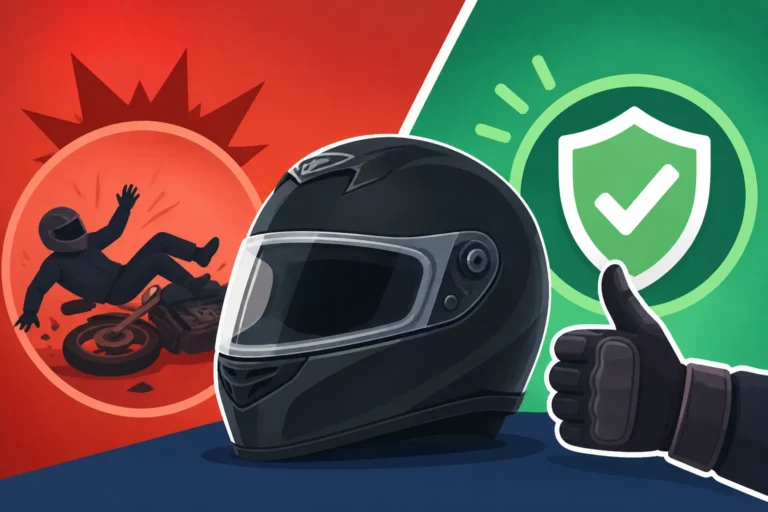
The intention behind this universal law is clear: to minimize head injuries in the event of a crash. When an accident occurs, a helmet acts as a crucial barrier, absorbing impact forces and helping to prevent catastrophic brain injuries. Without one, the risk of severe, life-altering trauma skyrockets. Riders in California understand that this law isn't just about avoiding a ticket; it's about safeguarding their lives.
DOT Compliance and Helmet Standards
Simply wearing any helmet isn't enough to meet California's legal requirements. The law specifically mandates that helmets must comply with federal safety standards, as set forth by the U.S. Department of Transportation (DOT). How do you know if your helmet is DOT-compliant? Look for the DOT certification sticker on the back of the helmet. This sticker isn't just a label; it signifies that the helmet has passed rigorous testing for impact absorption, penetration resistance, and retention system strength.
Unfortunately, not all helmets are created equal. "Novelty helmets," often recognized by their thin shells, minimal padding, and lack of DOT certification, are illegal for use on California roads. While they might look cool or offer a certain aesthetic, they provide virtually no protection in a crash. An insurer will quickly point out the lack of a proper helmet if you're involved in an accident while wearing one, which can severely complicate your claim. When you're shopping for new gear at places like Cycle Gear, always prioritize DOT certification. You can learn more about How to Choose a DOT-Approved Helmet to ensure you're making a safe and legal choice. Remember, an uncertified helmet offers false security and can leave you exposed both physically and legally.
The "Helmet Defense" in California: How Not Wearing a Helmet Affects Your Claim
Even if you weren't the one at fault in a motorcycle accident, the decision to ride without a DOT-compliant helmet in California can still come back to haunt you. Insurance companies are always looking for ways to reduce payouts, and the "helmet defense" is a powerful tool in their arsenal. It essentially argues that your own failure to wear a proper helmet contributed to your injuries, even if it didn't cause the accident itself.
Understanding Comparative Negligence in California
California operates under a "pure comparative negligence" system. This means that if you're found partially at fault for an accident, your compensation can be reduced by your percentage of fault. For example, if you sustained $100,000 in damages but were found 20% at fault, you would only recover $80,000. This is distinct from other states that might bar recovery completely if you're above a certain fault percentage. The concept of Comparative Negligence in Motorcycle Accidents is crucial to understand. You can also dive deeper into Pure vs Modified Comparative Negligence to see how California's system compares to others.
The critical thing to understand about the helmet defense is that it doesn't necessarily claim you caused the accident. Instead, it argues that you contributed to the severity of your injuries. Let's say a car driver ran a red light and hit you. They are clearly at fault for the collision. However, if you weren't wearing a helmet and suffered a severe traumatic brain injury, the at-fault driver's insurance company could argue that your head injury would have been less severe, or even avoided entirely, had you been wearing a DOT-approved helmet. This argument aims to assign a percentage of fault for your injuries to you, thereby reducing the compensation you receive.
How Helmet Non-Use Can Reduce Your Settlement
Insurance companies, like GEICO or Progressive, are experts at minimizing payouts. If you weren't wearing a helmet as required by California law, they will almost certainly use this against you. Their defense will typically revolve around medical experts who will testify that your specific head injuries were exacerbated, or directly caused, by the lack of head protection. They might present statistical data on helmet efficacy and argue that a compliant helmet would have significantly mitigated the damage.
For instance, if you suffer a severe concussion or a skull fracture in a crash where you weren't wearing a helmet, the insurance company will argue that those specific injuries wouldn't have been as bad, or even occurred at all, if you had been wearing one. This can directly reduce the portion of your settlement allocated for those head injuries. While your claims for property damage or injuries to other parts of your body might not be affected, the compensation for your most severe injuries, often the ones that lead to the highest medical bills and pain and suffering, could be drastically cut. This is a central component of How Not Wearing a Helmet Affects Your Settlement and a key reason why understanding How Helmet Laws Affect Your Accident Claim is so vital. It's a frustrating reality for riders, but it's a legal battleground where insurance companies frequently fight hard.
Countering the Helmet Defense
While the helmet defense is a formidable challenge, it's not insurmountable. There are strategies to How to Counter the Helmet Defense and protect your claim. First, it's important to establish that the helmet (or lack thereof) had no bearing on the cause of the accident. The focus must remain on the other driver's negligence.
Secondly, you might argue that your head injuries would have occurred even if you had been wearing a helmet, particularly in cases of extremely high-impact collisions. An accident reconstruction expert or medical professional could testify that the forces involved were so immense that even the best helmet might not have prevented the specific type of injury you sustained. For example, if you suffered a neck injury that wasn't directly a result of head impact, the absence of a helmet might be irrelevant to that specific injury claim.
Furthermore, if your injuries are primarily to other parts of your body—like broken legs, road rash on your arms, or a spinal injury—the helmet defense becomes less relevant to those specific damages. The insurance company can only apply the helmet defense to injuries that could have been prevented or mitigated by a helmet. Proving that your non-head injuries are severe and unrelated to helmet use can help ensure that compensation for those damages remains intact. It's important to understand When Helmet Non-Use Cannot Be Used Against You and to build a strong argument with proper legal guidance.
Beyond Helmets: Other Gear and Legal Implications in California
While helmets rightly take center stage in California's motorcycle safety laws, they are far from the only piece of protective equipment that riders should consider. Other gear, though not always legally mandated, plays a crucial role in rider safety and can significantly impact the outcome of a personal injury claim after an accident.
Eye Protection and Other Safety Gear Requirements
In addition to the universal helmet law, California Vehicle Code 27803 also requires eye protection for all motorcycle riders and passengers if the motorcycle is not equipped with a windshield. This means if you're riding a cruiser without a fairing or a sportbike with just a small windscreen, you'll need to wear goggles or a face shield that meets American National Standards Institute (ANSI) Z87.1 requirements. Clear visibility is paramount to safe riding, and adequate eye protection prevents debris, wind, and insects from impairing your vision, which could otherwise lead to dangerous situations.
Beyond legal requirements, riders in California often invest in a full suite of protective gear, even if it's not mandated by law. This typically includes sturdy riding jackets (often made from leather or abrasion-resistant textiles), protective gloves, reinforced riding pants, and over-the-ankle boots. While the law doesn't explicitly require these items, they are essential for preventing common motorcycle injuries like road rash, broken bones, and joint damage. Places like Cycle Gear offer a wide range of such protective apparel, and making smart choices here can profoundly affect your safety and subsequent legal standing. Investing in Motorcycle Safety Gear and Legal Protection isn't just about comfort; it's about minimizing risk and protecting yourself physically and legally.
How Gear Choice Affects Your Claim
Wearing comprehensive protective gear, even non-mandated items, can actually strengthen your motorcycle accident claim. Here’s why:
Firstly, it demonstrates your commitment to safety. When an insurance company tries to paint you as a reckless rider (a common stereotype they use against motorcyclists), your full gear can counter that narrative. You were doing everything you could to ride safely and mitigate potential injuries. This can make it harder for them to argue that your injuries were a result of your own negligence or lack of precaution.
Secondly, the gear itself can provide vital evidence. Damaged helmets, torn jackets, scuffed boots, and shredded gloves can clearly illustrate the forces involved in the collision. These items show exactly where impact occurred, the type of abrasion sustained, and the severity of the crash. A heavily damaged helmet isn't just a loss; it's tangible proof of a significant impact that could have caused far worse injuries without its protection. Photos of your damaged gear at the scene, before it's removed or repaired, can be incredibly persuasive. This evidence directly supports your claim for injury severity and damage. Understanding How Gear Damage Supports Your Claim can be crucial in the early stages after an accident. Moreover, documentation of your quality riding apparel, like a robust Dainese jacket or Alpinestars boots, can help illustrate your proactive approach to safety, which can be useful when discussing How Riding Gear Reduces Injury Claims Disputes.
Navigating a California Motorcycle Accident Claim with Helmet Issues
When you've been in a motorcycle accident in California, especially one where helmet use might be questioned, the path to fair compensation can feel complex and overwhelming. Knowing the right steps to take immediately after the crash and understanding the importance of expert legal guidance are critical to protecting your rights and maximizing your claim.
Documentation and Evidence Collection
The moments immediately following a motorcycle accident are chaotic, but they are also crucial for gathering evidence. Even if you're injured, try to document as much as you can, or ask someone trustworthy to do it for you. This includes:
- Photos and Videos: Use your phone to take extensive photos and videos of the accident scene from multiple angles. Capture the position of all vehicles, damage to your motorcycle and the other vehicle, road conditions, traffic signs, skid marks, and any visible injuries.
- Witness Information: Collect contact details from any witnesses. Their unbiased accounts can be invaluable, especially if fault is disputed or if the helmet defense is raised.
- Police Report: Ensure law enforcement is called to the scene to file an official accident report. This report will detail their initial findings on fault and conditions.
- Medical Treatment: Seek immediate medical attention, even if you feel fine. Some injuries, especially head injuries, can have delayed symptoms. Documenting your injuries by a medical professional is paramount.
Crucially, do not discard your damaged helmet. Your helmet, no matter how mangled, is a piece of critical evidence. Preserve it exactly as it was after the crash. Its condition can help an expert assess the impact forces and whether it performed its job, potentially countering arguments that it was insufficient or that a different helmet would have prevented your injuries. This focus on immediate action aligns with advice on What to Do After a Motorcycle Accident and Photos to Take to Prove Motorcycle Fault.
The Importance of Legal Counsel
Attempting to navigate a motorcycle accident claim in California, particularly when helmet use is a factor, without experienced legal representation is a significant gamble. Insurance companies have vast resources and will aggressively pursue any avenue to reduce their liability. They will almost certainly raise the helmet defense if you weren't wearing a DOT-compliant helmet, even if the other driver was clearly at fault for the collision.
A skilled motorcycle accident attorney understands California's comparative negligence laws and the specific tactics insurance companies employ. They can:
- Investigate the Accident: They will gather all necessary evidence, including police reports, witness statements, traffic camera footage, and medical records.
- Counter the Helmet Defense: An attorney can bring in accident reconstruction experts or medical professionals to testify that your helmet (or lack thereof) did not contribute to the cause of the accident, or that your injuries would have been severe regardless. They can also focus on non-head injuries to ensure those damages are fully compensated.
- Negotiate with Insurers: Lawyers are adept at negotiating with insurance adjusters, who often make lowball offers to unrepresented claimants. They know the true value of your claim and will fight for fair compensation for all your damages, including medical bills, lost wages, pain and suffering, and property damage.
- Represent You in Court: If a fair settlement cannot be reached, a lawyer can prepare your case for trial and represent your interests in court.
The complexities of California's legal system, combined with the inherent bias sometimes faced by motorcyclists, make legal representation not just helpful, but often essential. Considering Do You Need a Motorcycle Accident Lawyer and researching How to Find a Motorcycle Accident Lawyer in California are crucial first steps after ensuring your immediate safety and medical needs are met.
| Aspect of Law | California's Helmet Law Specifics | Common Misconceptions/Impact |
|---|---|---|
| Mandate Type | Universal (All riders & passengers, all ages) | "Only riders under 18 need a helmet" or "Helmets are optional if you have enough insurance." (Both false – universal law applies). |
| Helmet Standard | DOT-compliant (Federal Motor Vehicle Safety Standard No. 218) | "Any helmet is fine" or "Novelty helmets offer protection." (Novelty helmets are illegal and unsafe; only DOT-certified helmets are legal). |
| Eye Protection | Required if no windshield (must be ANSI Z87.1 compliant) | "Sunglasses are enough." (While better than nothing, sunglasses often don't meet legal standards or offer sufficient protection against debris). |
| Legal Impact (Fault) | Does not determine fault for the accident itself, but can be used to assign comparative fault for injuries. | "If I wasn't wearing a helmet, I'm automatically at fault for the crash." (Not true for causation, but it can reduce compensation for head injuries under comparative negligence). |
| Injury Claims | Insurance companies use "helmet defense" to argue head injuries were exacerbated by non-use. | "It doesn't matter if I wore a helmet if the driver was 100% at fault." (It does matter for injury valuation, as compensation for head injuries can be reduced). |
| Settlement Value | Potential for reduction in compensation for head-related damages under pure comparative negligence. | "My settlement won't be affected if I had severe road rash but no head injury." (Correct, if injuries are unrelated, but any head trauma opens the door for the defense to reduce that specific damage claim). |
Disclaimer
The information provided in this guide is for general informational purposes only and does not constitute legal advice. Motorcycle accident laws are complex and vary by jurisdiction. You should consult with a qualified attorney for advice regarding your individual situation.