How Riding Gear Reduces Injury Claims Disputes
Let's face it, getting into a motorcycle accident is one of the most terrifying and disruptive experiences a rider can endure. Beyond the immediate shock and physical pain, the ensuing battle with insurance companies over injury claims can feel like a secondary, equally grueling crash. It’s infuriating when you're already hurting, and some adjuster tries to minimize your suffering or shift blame. This guide is all about giving you some power back, showing you how your choice of riding gear isn't just about protecting your body, but also about protecting your potential claim from unnecessary disputes.
The Unseen Battle: How Lack of Gear Fuels Disputes
It's a tough truth, but in the aftermath of a motorcycle accident, the legal and insurance systems often view riders with a certain bias. This isn't fair, and it's certainly not right, but understanding it is key to navigating your claim effectively. When you're injured, especially if you weren't wearing adequate gear, insurance adjusters often see an opening to dispute the extent of your injuries or even your right to full compensation.
The Insurance Company's Playbook Against Riders
Insurance companies are businesses, and their goal is to minimize payouts. They have a whole playbook designed to do just that, and unfortunately, motorcyclists are often prime targets. One of the most common tactics is to subtly, or sometimes not so subtly, imply that you, the rider, somehow contributed to your own injuries by riding a motorcycle at all, or by not wearing "enough" protective gear. This plays into deeply ingrained stereotypes about motorcyclists being inherently reckless.
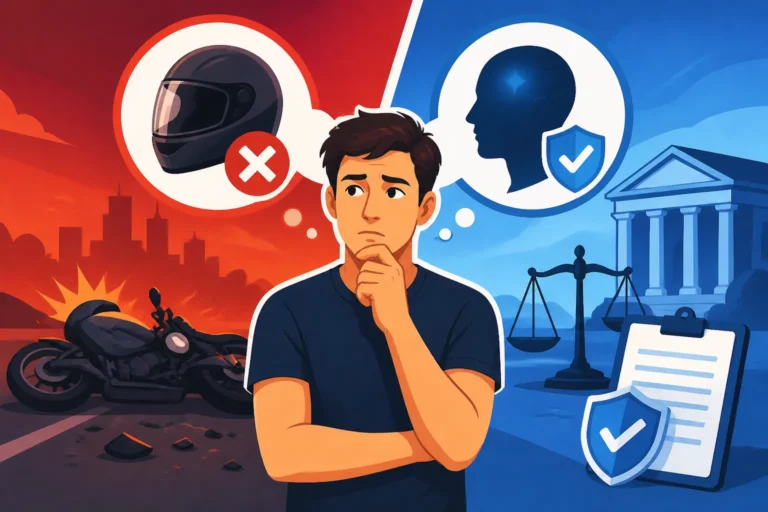
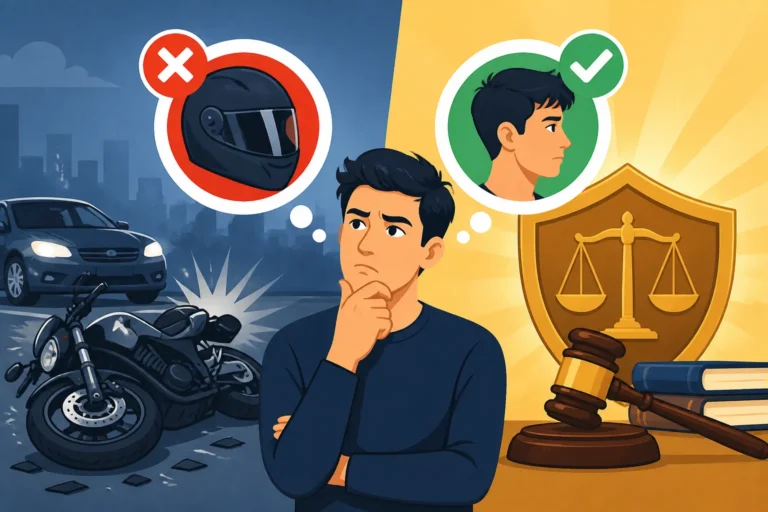
They might argue that your injuries would have been less severe if only you had worn a full-face helmet instead of a half-shell, or if only you had chosen leather over textile. This is often referred to as "the helmet defense" when it specifically relates to head injuries. The unfortunate reality is that if you weren't wearing appropriate safety gear, like a DOT-compliant helmet, insurers will absolutely try to use that against you. They will attempt to demonstrate that your injuries were exacerbated by your own negligence, regardless of who caused the accident. This can significantly reduce the amount you receive in a settlement for your injuries. They might send out investigators who specifically look for evidence of minimal gear usage, using photos from the scene or even social media posts to bolster their case. It's a frustrating situation because it shifts focus from the at-fault driver's negligence to your choices.
Minimizing Injuries Minimizes Disputes
This might sound obvious, but it's critically important: the less severe your injuries are, the less room an insurance company has to dispute their causation or extent. When you're laid up in a hospital bed with massive road rash, multiple fractures, or a traumatic brain injury, the costs skyrocket. This gives the insurer a strong incentive to fight tooth and nail.
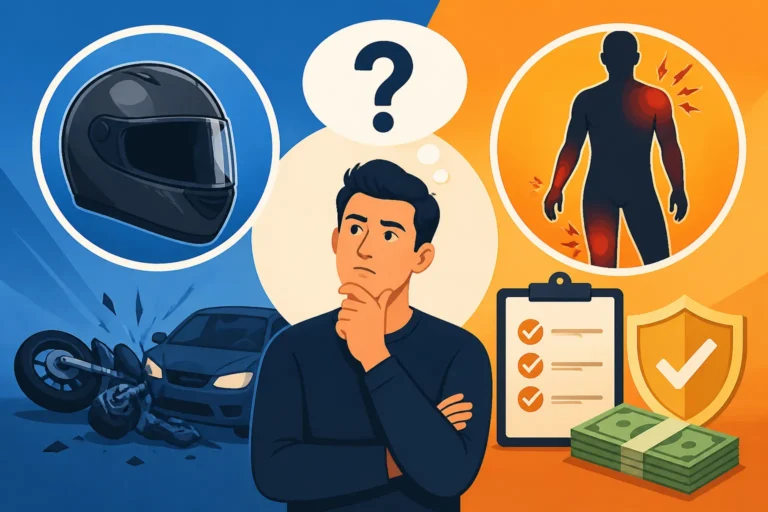
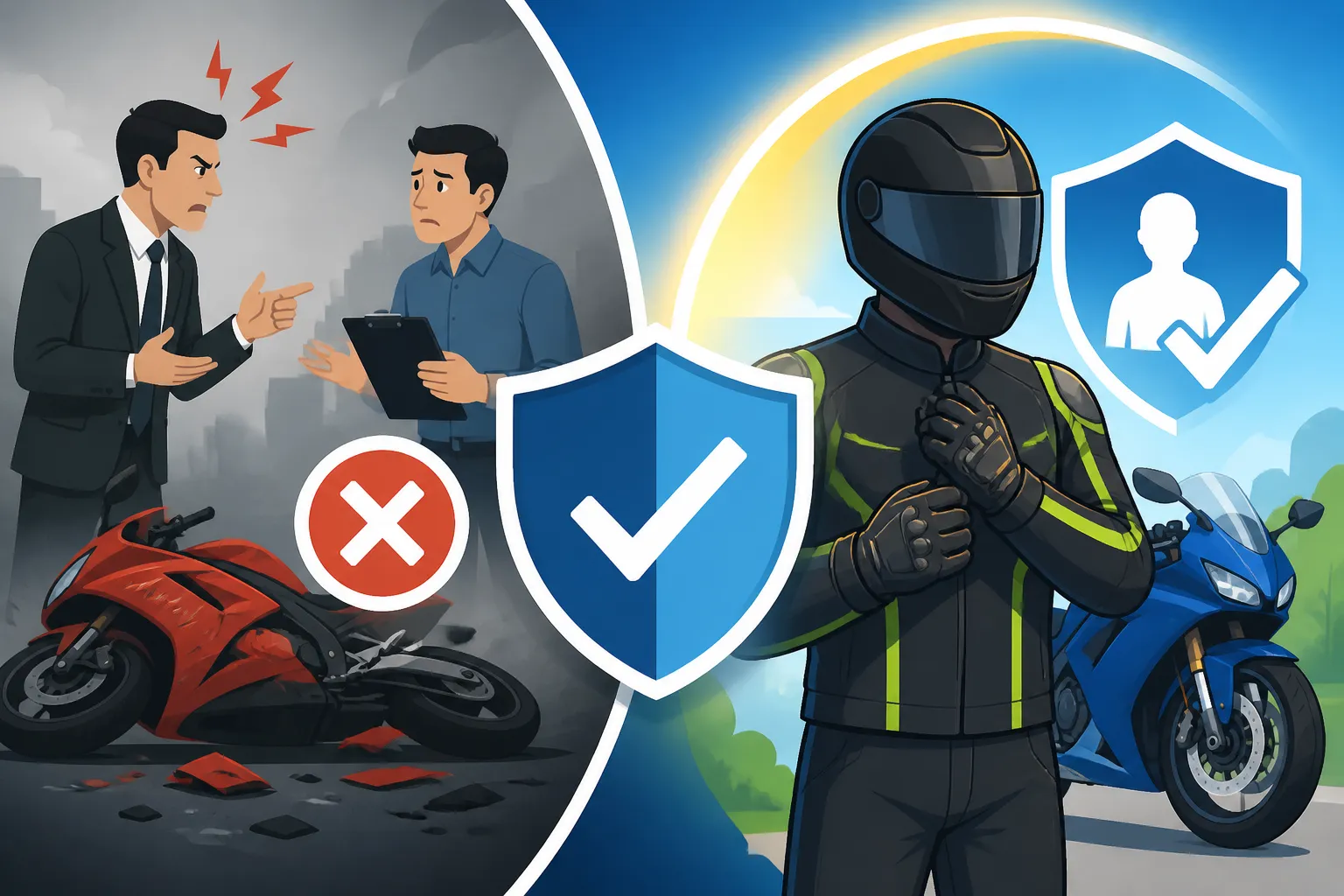
Imagine two scenarios: In one, a rider in full, robust gear suffers some bruising, a minor fracture, and their motorcycle is damaged. The insurance company might still try to quibble over the valuation of the motorcycle or a few days of lost wages, but the actual injury claim is relatively straightforward. The medical bills are clear, and the recovery time is predictable. Now, picture a rider in minimal gear who suffers severe road rash requiring skin grafts, a broken leg, and a concussion. Their medical bills will be astronomical, their lost wages extensive, and their pain and suffering much greater. In this second scenario, the insurance company has a much larger potential payout to avoid. They'll be looking for any angle to reduce their liability, and your lack of protective gear becomes a huge one. They might argue that the skin grafts could have been avoided with proper abrasion-resistant pants and jackets, or that the concussion was made worse by a non-DOT helmet. By reducing the severity of your injuries through proper gear, you remove much of their ammunition for these kinds of disputes, making your case stronger and potentially leading to a smoother settlement process. When your injuries are clearly documented and directly attributable to the accident, and not seemingly preventable by gear choices, the path to fair compensation becomes much clearer.
The Unsung Heroes: How Specific Gear Protects Your Claim
When we talk about riding gear, we're not just talking about fashion statements or looking cool. We're talking about a comprehensive system designed to protect you from the harsh realities of hitting the pavement. Each piece plays a vital role, not only in keeping your skin and bones intact but also in fortifying your injury claim should the unthinkable happen.
Helmets and Head Injury Claims
Let's start with the most critical piece of gear: the helmet. In many states, wearing a helmet is not just good practice, it's the law. For example, California has a universal helmet law, meaning all riders must wear one, regardless of age. Even in states with partial helmet laws, where only riders under a certain age are required to wear them, choosing to wear a DOT Helmet Requirements Explained compliant helmet is paramount. If you're involved in a crash and sustain a head injury while not wearing a helmet in a state where it's legally required, or even if it's not required but would have clearly mitigated the injury, the insurance company will almost certainly invoke "the helmet defense."
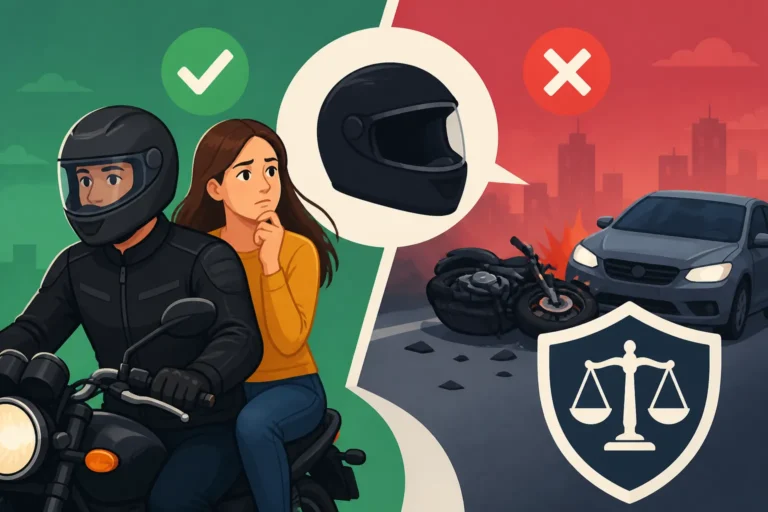
This defense basically argues that your head injury was either caused or made significantly worse by your failure to wear a helmet, thereby reducing their liability. Imagine a rider involved in a low-speed collision who, without a helmet, hits their head on the pavement, resulting in a severe concussion or even a traumatic brain injury. An insurance adjuster for the at-fault driver would immediately point to the absence of a helmet, arguing that a significant portion of the head injury could have been prevented. Conversely, a rider wearing a full-face, DOT-certified helmet who suffers a concussion has a much stronger case. The helmet itself, even if damaged, serves as physical evidence that you took reasonable precautions. It demonstrates that you did what you could to protect yourself, making it much harder for the insurer to argue contributory negligence regarding your head trauma. This simple piece of gear can make or break a Motorcycle Accident Traumatic Brain Injuries claim.
Jackets, Pants, and Road Rash Prevention
While helmets protect your head, quality jackets and pants are your first line of defense against the dreaded "road rash." Road rash, while often appearing superficial, can be incredibly painful, lead to serious infections, nerve damage, and require extensive medical treatment, sometimes even skin grafts. Companies like Cycle Gear offer a wide array of protective outerwear, from rugged leather to advanced textile gear with built-in armor.
When you're sliding across asphalt at speed, even for a short distance, the friction can strip away layers of skin in an instant. A good riding jacket and pants, made from abrasion-resistant materials like heavy leather, Kevlar-reinforced denim, or high-denier textile, create a protective barrier. If you hit the ground in jeans and a t-shirt, you're almost guaranteed to suffer significant Road Rash Injuries and Claims. This can lead to lengthy recovery periods, missed work, and hefty medical bills. When you present an injury claim with severe road rash, the insurance company might argue that your decision to ride without proper protective clothing contributed to the severity of these injuries. They'll look at your hospital bills for wound care, pain management, and potential cosmetic procedures, and try to whittle them down by claiming you were negligent in your choice of attire. However, if your jacket and pants show clear signs of impact and abrasion, but your skin beneath is relatively unscathed, that's powerful evidence. It shows you were protected, and the injuries that did occur are much harder to dispute as preventable by your own choices. This kind of gear is crucial for mitigating injuries that often attract the most aggressive disputes from insurers.
Gloves, Boots, and Protecting Extremities
It’s easy to overlook the importance of gloves and boots, but these pieces of gear protect some of the most vulnerable and frequently injured parts of a rider's body: their hands and feet. Our instinct during a fall is often to brace ourselves with our hands, making wrist and hand injuries incredibly common. Similarly, feet and ankles are often caught under the bike or crushed by other vehicles.
High-quality riding gloves, typically made from leather with reinforced knuckles and palm sliders, are designed to absorb impact and abrasion. They can prevent broken fingers, wrist fractures, and severe lacerations that can take months to heal and potentially leave you with permanent loss of function. Riding boots, often reinforced with ankle support and sturdy soles, protect against crushing injuries, sprains, and fractures. Think about the common scenario where a motorcycle goes down: the rider’s feet are often dragged, twisted, or pinned. A good pair of boots can prevent catastrophic foot and ankle injuries. When seeking compensation for a broken wrist, a fractured foot, or severe lacerations, showing that you were wearing appropriate, undamaged (or damaged, but protective) gloves and boots makes it far more difficult for an insurer to argue that these injuries would have been less severe if you had simply worn better protection. When your medical records detail a Motorcycle Broken Bones Claims and Compensation in your hand or foot, and you can show that your gear minimized the impact, it solidifies your position in the claim.
Documenting Your Gear: Turning Protection into Proof
Wearing the right gear is one thing; proving you wore it and how it helped is another. After an accident, your focus is rightly on your health, but taking a few crucial steps regarding your gear can provide invaluable evidence for your injury claim. This isn't just about showing you were responsible; it's about telling a complete story of the accident and your efforts to mitigate harm.
Post-Accident Evidence Collection for Gear
In the chaotic moments following a motorcycle accident, it's hard to think clearly. However, if you are able, documenting the scene is vital. This includes getting clear photos of your damaged gear. Don't just focus on the bike and the other vehicle; your helmet, jacket, pants, gloves, and boots are all pieces of evidence. Even minor scuffs, tears, or impact marks on your gear can tell a powerful story about the force of the collision and how your gear absorbed it, potentially saving you from far worse injuries.
Think of it like this: if your helmet has a significant crack where your head would have hit, that's undeniable proof of impact absorption. Take multiple photos from different angles, both close-up and wider shots that show the gear in relation to the accident scene if possible. If you had an emergency responder cut off your jacket or helmet, ask if they can keep it for you as evidence or at least note its condition. Once you're home and safe, resist the urge to throw away or clean your damaged gear. Preserve it exactly as it was after the accident. Store it safely and document its condition in detail, noting any areas of impact, tears, or scuffs. This evidence can become critical when an insurance company tries to dispute the severity of your injuries or suggest they were worse due to lack of protection. Remember, documenting everything is part of the first steps to protect your motorcycle claim, and your gear is a big part of that. Knowing How to Document the Scene to Prove Fault effectively extends to your personal protective equipment.
The "Gear Damage" Story: How It Supports Your Narrative
Your damaged gear isn't just a collection of ruined items; it's a silent witness to the severity of the crash and the effectiveness of your proactive safety measures. When an insurance adjuster or defense attorney tries to downplay your injuries, presenting them with photos or the actual damaged gear can be incredibly impactful. The visual evidence of a scuffed helmet, torn jacket, or scraped boots directly corroborates the force of the impact.
Consider a rider who suffers a serious leg fracture. If their riding pants are shredded in that area, it validates the mechanism of injury and shows the gear reached its protective limit. If the pants are intact, but still show scuff marks, it demonstrates how the gear helped prevent an even more severe outcome, like severe road rash in addition to the fracture. This tangible evidence helps counter arguments that your injuries were exaggerated or that they were primarily your fault for not protecting yourself. It proves that despite your best efforts with protective equipment, the force of the collision was such that injuries were unavoidable. In essence, How Gear Damage Supports Your Claim is by providing a physical, undeniable record of what happened, making it much harder for insurance companies to deny or minimize your experiences. This can transform your claim from a "he said, she said" argument into a data-backed factual presentation.
Real-World Scenarios: Gear in Action (or Inaction) in Claims
To truly appreciate the impact of riding gear on injury claims, let's look at a couple of hypothetical, but all too common, scenarios. These examples underscore how your choices before the ride can dramatically alter the outcome after a crash, both physically and legally.
Case Study: The Fully Geared Rider
Imagine Sarah, a seasoned rider from Portland, Oregon, who always invests in top-tier gear. She’s wearing a full-face Shoei helmet, a Dainese leather jacket with CE-rated armor, Kevlar-reinforced riding jeans, sturdy Alpinestars riding boots, and full-gauntlet gloves. One sunny afternoon, while riding through downtown Portland, a distracted driver attempts an illegal lane change without looking, clipping the front of Sarah’s motorcycle and sending her tumbling.
Sarah suffers a broken collarbone, some bruising, and a mild concussion. Her gear, however, takes the brunt of the impact. Her helmet has a clear impact mark but no penetration, her jacket is scraped and a seam is torn, her riding jeans are scuffed but her skin underneath is largely intact, and her boots are scraped. The emergency responders note her protective gear. When it comes time for her injury claim, her medical records clearly show the extent of her injuries. Crucially, the evidence of her protective gear, documented with photographs and even the gear itself, makes it very difficult for the at-fault driver's insurance company to argue that her injuries were worse due to her own negligence. They can't invoke "the helmet defense" because she was wearing a proper helmet. They can't argue her road rash was avoidable because her abrasion-resistant clothing protected her skin. While they might still dispute the monetary value of her pain and suffering or lost wages, the fundamental causal link between the accident and her injuries is robust and hard to challenge. This means the negotiation process is likely to be smoother and more focused on fair compensation, rather than fighting over whether her injuries were "her fault" for not dressing appropriately.
Case Study: The Under-Geared Rider
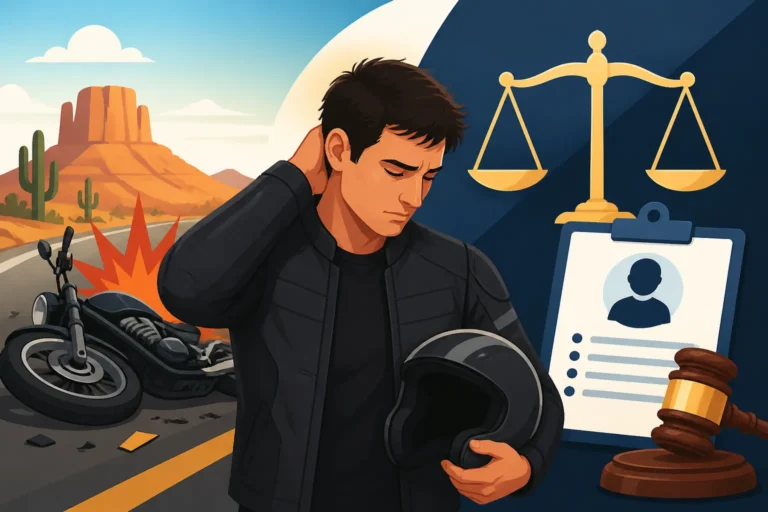
Now, let's consider Mark, a rider in Phoenix, Arizona, who prefers the open-air feel and casual look of a short-sleeved shirt, jeans, and a novelty "brain bucket" helmet, which offers minimal protection. He’s also wearing sneakers and no gloves. Similar to Sarah, Mark is involved in an accident where a driver fails to yield, hitting him.
Mark is ejected from his bike and lands hard on the asphalt. His novelty helmet cracks, leading to a significant traumatic brain injury (TBI) and extensive facial lacerations. His exposed arms and legs suffer severe, third-degree road rash, requiring multiple skin grafts and extensive hospitalization. His feet are badly scraped, and he suffers several broken bones in his hands and wrists from trying to brace his fall without gloves. The medical bills are astronomical, and his recovery will be long and arduous, potentially involving permanent disfigurement and cognitive issues. When Mark's claim goes to the insurance company, they have multiple avenues for dispute. They immediately point to his non-DOT compliant helmet, arguing that his TBI would have been less severe with proper head protection. They contend that his extensive facial injuries and road rash were a direct result of his choice to ride without proper abrasion-resistant clothing. They might argue that How Not Wearing a Helmet Affects Your Settlement is by allowing them to drastically reduce the portion of the settlement attributed to head and facial injuries. This introduces a significant degree of shared fault, making his claim much more complex, contentious, and likely to result in a significantly reduced payout, even if the other driver was clearly at fault for the collision itself. Mark’s recovery is not only physical but also a frustrating legal battle, compounded by his gear choices.
Beyond the Crash: Gear as an Investment in Your Well-being and Claim
Thinking about riding gear solely in terms of accident protection is like only considering healthy eating after you've been diagnosed with an illness. While crucial for minimizing harm in a crash, quality gear offers benefits that extend far beyond the moment of impact. It's a proactive investment that safeguards not just your body, but your financial future and even your peace of mind on the road.
The Cost of Gear vs. The Cost of Injury
Let's talk brass tacks: good riding gear isn't cheap. A quality full-face helmet can cost hundreds of dollars, and a complete set of leather or armored textile gear can easily run into four figures. It's a significant upfront expense that often makes new riders, or those on a budget, hesitate. However, when you compare the cost of gear to the astronomical costs of a serious motorcycle injury, the choice becomes clear.
Consider the price of a life-flight helicopter ride, emergency room visits, multiple surgeries, weeks or months of hospitalization, physical therapy, lost wages, and the potential for long-term care or even permanent disability. A single severe injury, like a traumatic brain injury or extensive skin grafts from road rash, can easily incur hundreds of thousands of dollars in medical bills, not to mention the non-economic damages like pain, suffering, and loss of enjoyment of life. For instance, a quality riding jacket from a reputable brand like Rev'It! or an armored textile setup from Cycle Gear might cost you $500-$1000. That's a lot of money. But what's the cost of avoiding a $50,000 skin graft procedure? Or mitigating a head injury that could cost millions in lifetime care? The financial reality is stark. Investing in protective gear is one of the most cost-effective forms of personal insurance you can buy. It's a tangible demonstration of your commitment to safety, which in turn strengthens your position when navigating the complex world of What Affects Your Motorcycle Accident Payout calculations.
Mental Fortitude and Confidence
Beyond the physical and financial protections, there's a significant psychological benefit to wearing proper riding gear. When you suit up in a well-fitting, armored jacket, sturdy pants, and a secure helmet, you feel more protected. This isn't just an illusion; it's a real psychological boost that contributes to your overall riding experience and safety.
That feeling of being protected can reduce anxiety, allowing you to focus more keenly on the road, traffic, and potential hazards around you. Less anxiety means a more relaxed rider, which can translate into quicker reaction times and better decision-making in critical situations. When you're constantly worried about "what if," your attention is divided. When you trust your gear, you can dedicate your mental energy to anticipating risks and enjoying the ride. This increased confidence and focus can, paradoxically, reduce your chances of being in an accident in the first place, or at least help you react more effectively to avoid a collision. So, while gear helps after a crash, it also contributes to safer riding practices that might prevent a crash altogether. It’s an integral part of Motorcycle Safety Gear and Legal Protection, extending into every aspect of your time on two wheels.
Disclaimer
Please remember that this article provides general information and does not constitute legal advice. Every motorcycle accident claim is unique, and the information presented here should not replace consultation with a qualified legal professional regarding your specific situation. Laws regarding motorcycle accidents, liability, and helmet use vary significantly by state.