Does Not Wearing a Helmet Affect a Claim in Missouri
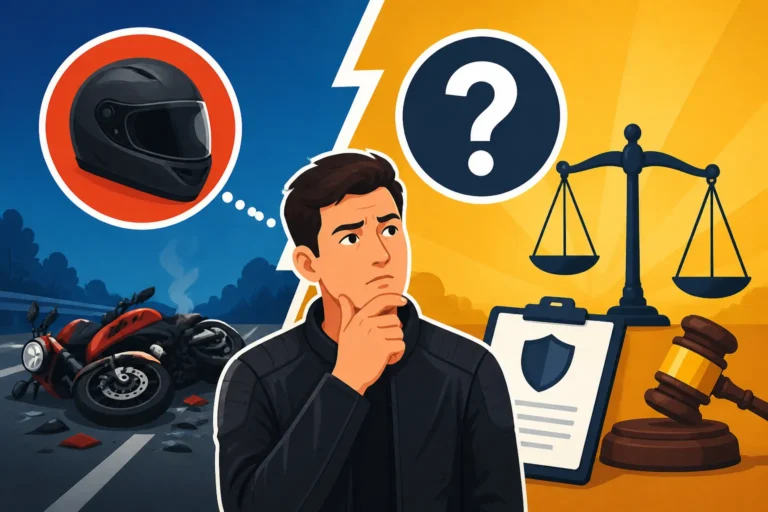
Riding the open roads of Missouri on two wheels offers an incredible sense of freedom, but it also comes with unique risks and legal considerations. One of the most common worries for riders, especially after an accident, revolves around helmet laws and how not wearing one might impact their claim. It's a frustrating situation, where your passion for riding collides with legal technicalities. This guide is here to shed light on Missouri's specific helmet laws and meticulously break down how not wearing a helmet can, or cannot, affect your motorcycle accident claim.
Understanding Missouri's Helmet Laws for Motorcyclists
Let's cut right to the chase because helmet laws can feel like a moving target, especially with recent changes. It’s easy to get confused about what's required and what isn't, and that confusion can have real consequences if you’re ever involved in a crash.
The Nuances of Missouri's Helmet Requirements
In Missouri, the law surrounding motorcycle helmets isn't as straightforward as a universal "everyone must wear one." For many years, Missouri was a state with a universal helmet law, meaning every rider and passenger had to wear a helmet, regardless of age. However, things changed as of August 28, 2020.
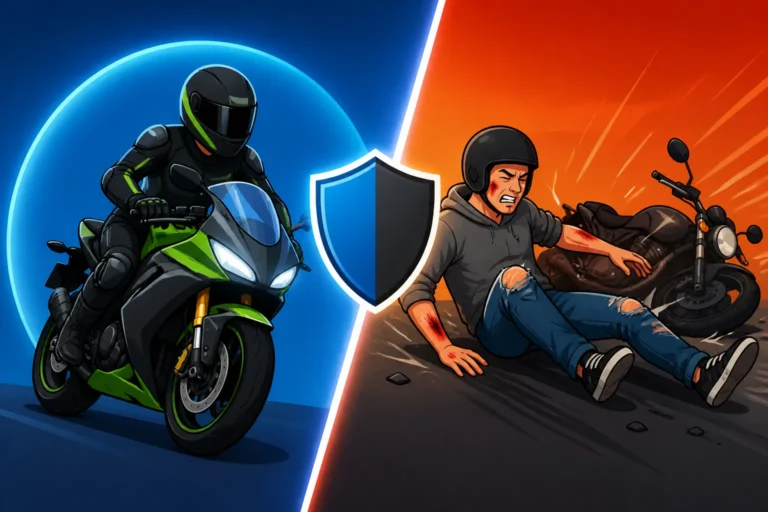
Currently, if you're a rider aged 26 or older, you actually have the option to ride without a helmet, provided you have proof of health insurance. This insurance must cover medical benefits for injuries incurred in a motorcycle accident. If you're under 26 years old, or if you're 26 or older but don't carry the required health insurance, you are still legally mandated to wear a DOT-compliant helmet. This also applies to all passengers, regardless of their age, if the operator doesn't meet the requirements for exemption. This partial helmet law aims to give experienced riders a choice while still protecting younger, potentially less experienced riders and ensuring some level of medical coverage for those opting out of a helmet. It’s a delicate balance between personal freedom and public safety concerns.
What Constitutes a Legal Helmet in Missouri?
If you are required to wear a helmet in Missouri, or if you simply choose to for safety, it's not just any helmet that will do. The law specifies that the helmet must be approved by the U.S. Department of Transportation (DOT). This isn't just bureaucratic jargon; it's a safety standard.
A DOT-compliant helmet means it has met rigorous testing for impact attenuation, penetration resistance, and retention system strength. These helmets feature a sturdy outer shell, an impact-absorbing liner (usually expanded polystyrene or EPS foam), and a strong chin strap. When you're looking at helmets, you'll see a DOT sticker on the back. It's crucial to ensure this sticker isn't a fake, as some "novelty helmets" try to mimic the look without offering any real protection. These novelty helmets, while they might look cool, do not meet DOT standards and essentially offer little to no protection in a crash. Wearing one could not only put your life at greater risk but also pose legal problems if you're involved in an accident where a helmet was legally required. Investing in a quality, DOT-approved helmet from a reputable retailer like Cycle Gear or a dedicated motorcycle shop is always the smartest move, regardless of the specific age exemptions in your state.
How Not Wearing a Helmet Impacts Your Accident Claim in Missouri
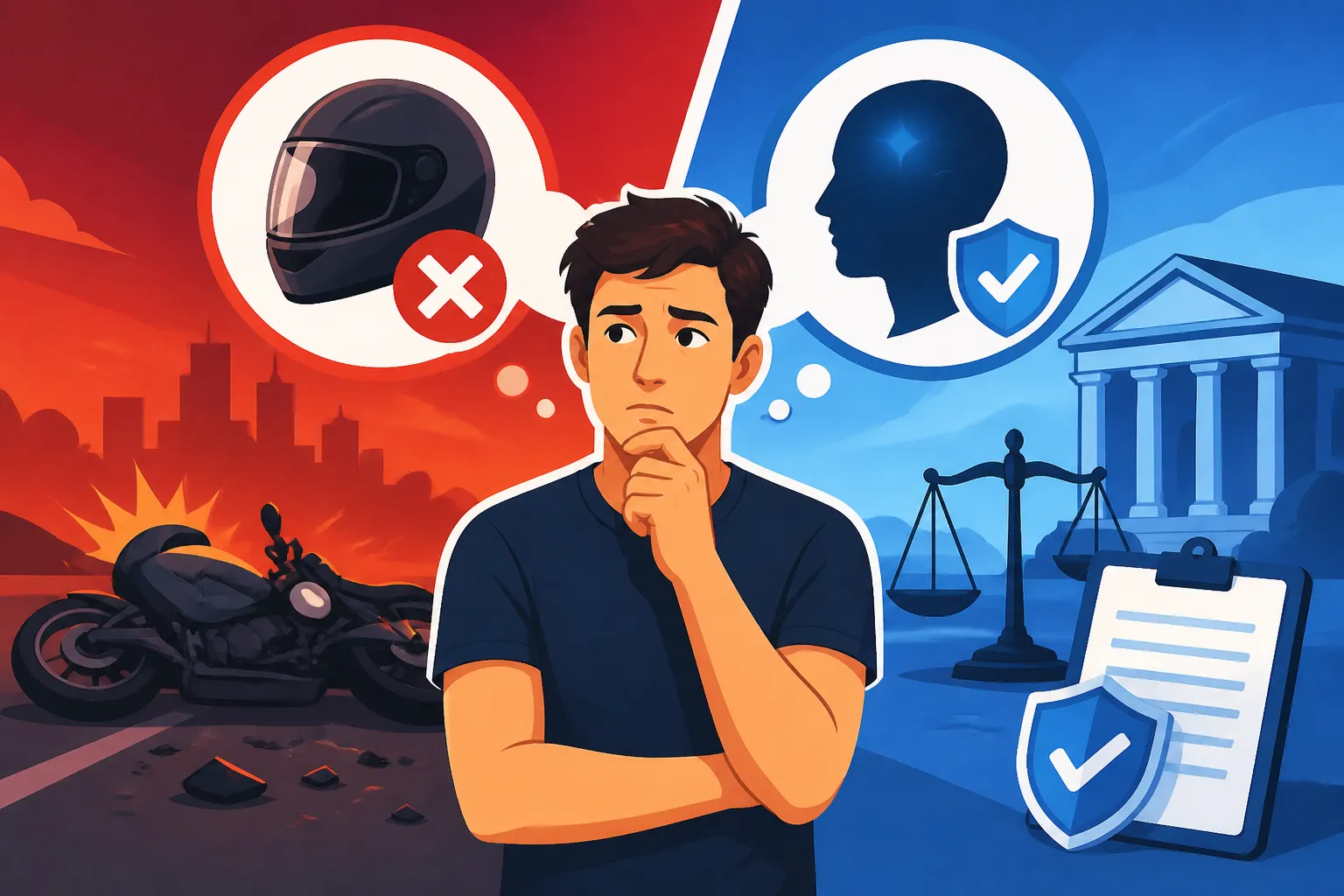
This is where the rubber meets the road, so to speak. While the helmet law itself might dictate whether you get a ticket, the real concern for many riders after a crash is how it impacts their ability to recover damages for their injuries and losses.
The "Helmet Defense" and Comparative Negligence
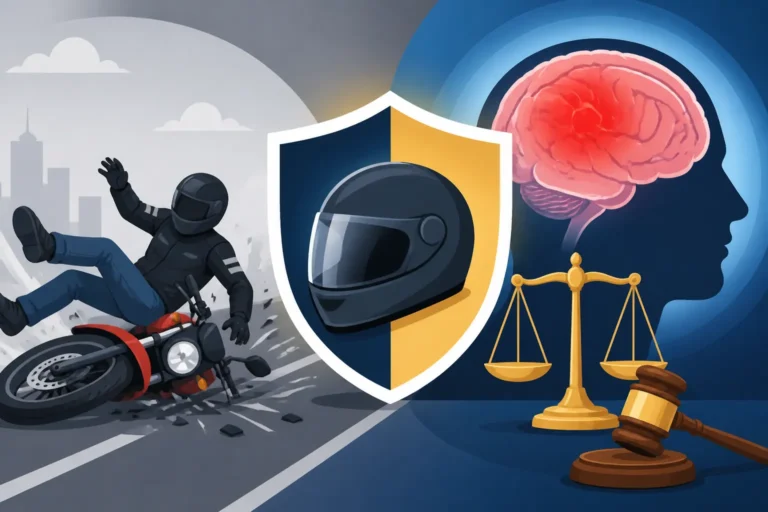
Even if the other driver was clearly at fault in your motorcycle accident, the fact that you weren't wearing a helmet (if you were required to or if the defense can argue it contributed to your injuries) can be used against you. This is known as the "helmet defense." Insurance companies and their legal teams will jump on any opportunity to reduce the amount they have to pay out. In Missouri, this defense is especially relevant because the state operates under a "pure comparative negligence" system.
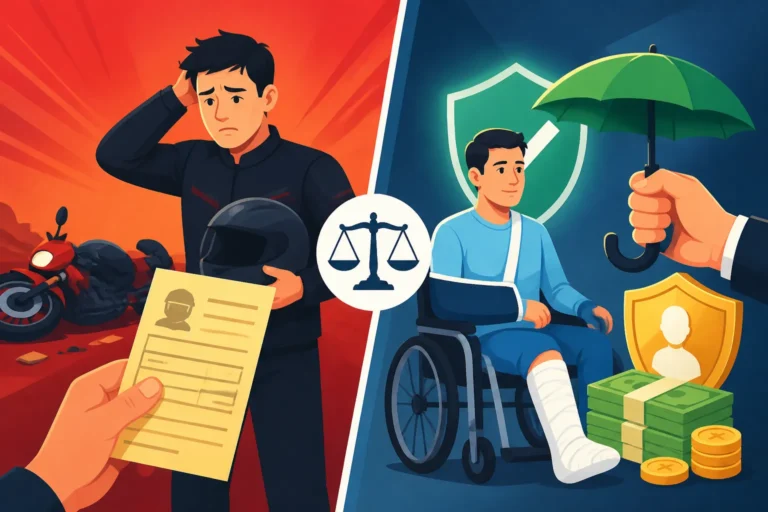
Pure comparative negligence means that even if you are 99% at fault for an accident, you can still recover damages for the 1% of fault attributed to the other party. Conversely, if you are found partially at fault for your injuries – for example, because you weren't wearing a helmet and it's argued that doing so would have prevented or reduced your head injury – your total compensation can be reduced by your percentage of fault. So, if a jury determines your total damages are $100,000, but you were 30% responsible for the severity of your head injury because you didn't wear a helmet, your payout could be reduced to $70,000. This concept of shared fault in motorcycle accidents is a significant factor. For more details on this, you might find our article on "How Comparative Negligence Reduces Your Payout" particularly insightful.
Proving Causation: The Crucial Link
For the helmet defense to stick, the other side doesn't just need to prove you weren't wearing a helmet. They have to establish a direct causal link between your lack of helmet use and the specific head injuries you sustained. This is often the battleground in these types of claims. It's not enough for them to say, "He wasn't wearing a helmet." They must prove, usually through expert testimony, that your head injury would have been less severe, or perhaps entirely avoided, had you been wearing a DOT-compliant helmet.
This typically involves accident reconstruction experts and medical professionals. An accident reconstruction expert might analyze the impact dynamics to estimate the forces involved and compare them to helmet safety standards. A medical expert, often a neurologist or neurosurgeon, would then testify about the nature of your head injury (such as a traumatic brain injury) and explain how a helmet would have mitigated the force or prevented penetration. Conversely, your legal team would challenge this, perhaps arguing that even with a helmet, the injury would have been severe due to the extreme nature of the impact, or that your injuries are not exclusively head-related. It's a complex dance of scientific and medical evidence aimed at proving or disproving causation.
It’s important to note that the helmet defense primarily applies to head injuries. If you sustained a broken leg, road rash, or internal injuries, the argument that a helmet would have prevented those specific injuries simply doesn't hold water. While insurers might still try to use your non-compliance as a general attack on your credibility, it has less direct impact on non-head injury claims. Our article on "The Helmet Defense Explained" delves deeper into this often-used tactic by insurance companies.
Navigating Your Claim When Helmet Use Is an Issue
Discovering that your helmet choice could complicate your recovery for injuries and damages is frustrating, to say the least. But it doesn't mean your claim is dead in the water. Far from it.
Immediate Steps After an Accident (Helmet or No Helmet)
Regardless of whether you were wearing a helmet, the immediate aftermath of a motorcycle accident is critical for your safety and your potential claim. First and foremost, if you're injured, seek immediate medical attention. Don't try to tough it out or delay seeing a doctor, even if you feel okay. Some injuries, especially head injuries, might not present symptoms immediately. Gaps in medical treatment can be used by insurance companies to argue your injuries weren't severe or weren't caused by the accident. Our guide on "What to Do After a Motorcycle Accident" provides a comprehensive checklist for these crucial first hours.
After ensuring your safety and getting medical care, document everything. Take photos of the accident scene, your motorcycle, the other vehicles involved, and any visible injuries. Exchange information with the other driver and gather contact details for any witnesses. Report the accident to the police and your insurance company promptly. Remember, avoid admitting fault at the scene, even if you're unsure. Let the professionals determine liability.
Strategies to Protect Your Claim
When helmet use is a factor, protecting your claim requires a strategic approach. One of the most important steps you can take is to consult with a qualified motorcycle accident lawyer as soon as possible. An attorney specializing in motorcycle cases will understand the nuances of Missouri's laws and the specific tactics insurance companies use, including the helmet defense. They can help you gather "Motorcycle Accident Evidence for Proving Fault" and "How to Document Injuries for a Claim".
Your lawyer will also help counter the pervasive rider bias that often surfaces in these cases. Unfortunately, motorcyclists sometimes face unfair stereotypes, with some people quick to assume the rider was acting recklessly. This bias can influence how insurance companies "How Insurance Companies Assign Blame to Riders". A lawyer can present evidence that focuses on the other driver's negligence and minimizes any perceived fault on your part due to helmet non-use. While a helmet doesn't protect against all injuries, other "Motorcycle Safety Gear and Legal Protection" like jackets, gloves, and boots can demonstrate a commitment to safety, which may help mitigate negative perceptions about helmet non-use.
Real-World Scenarios and Outcomes
Understanding the legal framework is one thing, but seeing how it plays out in various accident scenarios really helps clarify the potential impact of not wearing a helmet in Missouri.
Minor Head Injuries vs. Catastrophic Brain Injuries
The severity and type of head injury you sustain will significantly influence how aggressively the helmet defense is used and its potential impact on your settlement. For instance, if you suffer a mild concussion that resolves quickly, an insurance company might still raise the helmet defense, but the reduction in your settlement might be relatively small because the proven benefit of a helmet for a minor concussion is harder to quantify in terms of major cost savings.
However, if you suffer a severe traumatic brain injury (TBI) with long-term cognitive impairment, paralysis, or require lifelong care, the helmet defense can become a monumental hurdle. The defense will argue that a DOT-compliant helmet would have significantly reduced the force of impact, potentially preventing or lessening the TBI, and thus saved millions in future medical expenses and lost earning capacity. In such cases, your settlement for "Motorcycle Accident Traumatic Brain Injuries" could be substantially reduced, perhaps by 20%, 30%, or even more, depending on expert testimony and jury findings. This is where an expert legal team becomes invaluable, as they will need to counter these arguments with their own medical and accident reconstruction experts.
Non-Head Injuries and the Helmet Defense
What if your injuries aren't to your head at all? Say you break an arm and several ribs, or suffer severe road rash, but your head wasn't impacted. Can the helmet defense still be used against you? Generally, no, not directly for those specific injuries. The principle of causation dictates that if not wearing a helmet did not contribute to your arm, rib, or road rash injuries, then it shouldn't reduce your compensation for them.
However, insurance adjusters are notorious for trying every angle to minimize payouts. They might still bring up the fact that you weren't wearing a helmet as a way to generally paint you as a "reckless" rider in the eyes of a jury or to leverage a lower settlement. They might argue that if you weren't concerned enough about your safety to wear a helmet, perhaps you were reckless in other ways that contributed to the accident or other injuries. While this indirect tactic is much harder to prove in court for non-head injuries, it's a common strategy. This is why it’s always important to understand "Types of Damages in a Motorcycle Accident Claim" and how they are calculated. The best defense is a strong offense, meticulously documenting all "Common Motorcycle Accident Injuries" and losses, and having an attorney ready to dismantle such speculative arguments.
Summary of Helmet Use and Claim Impact in Missouri
Here’s a quick overview of how helmet use (or lack thereof) can affect your claim in Missouri:
Factor Description Impact on Claim (Missouri) is required to wear a helmet, the defendant would then argue that this directly caused or worsened the head injury. This is not about challenging the accident's cause, but about minimizing the damages.
Scenario Missouri Helmet Law Compliance (if applicable) Impact on Claim (if not wearing helmet when required) The open road calls to every serious biker, but life sometimes throws a curveball, leading to an accident. When a crash occurs in Missouri, and you weren’t wearing a helmet, a question immediately pops up: how will this affect your personal injury claim? It’s a completely understandable concern, and the truth is, it can have an impact, but not always in the way you might think. This guide will walk you through the nuances of Missouri’s helmet laws and how they intersect with your right to recover damages after an accident.
Understanding Missouri's Helmet Laws for Motorcyclists
Let's start by clarifying the current lay of the land regarding motorcycle helmet use in Missouri. These laws have seen some significant shifts, which can make it confusing for even seasoned riders. Knowing the exact requirements is your first line of defense, both for safety and for legal considerations.
The Evolution and Current State of Missouri's Helmet Requirements
For many years, Missouri maintained a universal helmet law, mandating that all motorcycle riders and passengers wear protective headgear. This was a clear, unambiguous rule aimed at maximizing safety for everyone on two wheels. However, the legal landscape changed in August 2020. With the passage of Senate Bill 46, Missouri transitioned from a universal helmet state to one with a more conditional requirement.
Now, if you are a motorcycle operator or passenger aged 26 or older, you are legally permitted to ride without a helmet only if you have proof of health insurance. This insurance must provide medical benefits coverage, specifically for injuries sustained in a motorcycle accident. This is a crucial distinction. If you are under 26 years old, or if you are 26 or older but do not possess the mandated health insurance coverage, you are still legally required to wear a helmet. Furthermore, all passengers, regardless of their age, must wear a helmet if the operator does not meet the criteria for exemption (i.e., if the operator is under 26 or lacks the necessary insurance). This change was driven by a desire to give experienced adult riders more freedom while still maintaining safety nets for younger riders and ensuring financial responsibility for medical costs. It's a system that, while offering flexibility, adds layers of complexity that riders must be aware of.
Defining a Legal Helmet in Missouri
If the law dictates that you must wear a helmet, or if you simply choose to prioritize your safety, it's essential to understand what qualifies as a legal helmet in Missouri. The state, like most others, specifies that any helmet worn must meet the safety standards set by the U.S. Department of Transportation (DOT). This isn't just an arbitrary label; it signifies that the helmet has undergone rigorous testing designed to ensure a certain level of protection in an impact.
A DOT-compliant helmet is constructed with a robust outer shell, an inner layer designed to absorb impact energy (typically EPS foam), and a strong retention system, like a secure chin strap, to keep the helmet firmly in place during a collision. You can identify these helmets by the DOT certification sticker usually found on the back. Beware of "novelty helmets" – these often mimic the appearance of real helmets but lack the necessary protective materials and testing. While they might satisfy a desire for a particular aesthetic, they offer virtually no real protection in a crash and, critically, do not meet Missouri's legal requirements for helmets. Relying on a novelty helmet when a DOT-compliant one is required could expose you to citations and significantly jeopardize any accident claim you might have. When shopping for gear, ensure you purchase from reputable sources like Cycle Gear, which stocks properly certified helmets. Our article "What Is a DOT-Compliant Helmet" provides a deeper dive into these standards.
How Not Wearing a Helmet Impacts Your Accident Claim in Missouri
This is arguably the most pressing question for riders involved in a crash: how will my decision or legal obligation regarding a helmet play out when it comes to getting compensation for my injuries? The answer isn't always black and white, but it's crucial to understand the legal mechanisms at play.
The "Helmet Defense" and Missouri's Comparative Negligence System
Even if the other driver was 100% at fault for causing the initial collision, the fact that you weren't wearing a helmet (especially if you were legally required to, or if it can be argued that it worsened your injuries) can be used by the opposing party's insurance company or legal team to reduce your compensation. This tactic is commonly referred to as the "helmet defense." Insurers are in the business of minimizing payouts, and they will exploit any avenue to do so. In Missouri, this defense is particularly potent due to the state's "pure comparative negligence" system.
Pure comparative negligence allows an injured party to recover damages even if they are largely at fault for the accident, though their recovery will be reduced by their percentage of fault. For example, if you sustained $100,000 in damages, but a jury determines you were 20% at fault for contributing to the severity of your head injury because you weren't wearing a helmet, your total settlement could be reduced to $80,000. It's vital to understand that this isn't about your fault in causing the crash, but rather your fault in contributing to the extent of your injuries. This aspect of shared fault in motorcycle accidents is a key consideration. To learn more about how this system works, check out our piece on "How Comparative Negligence Reduces Your Payout".
Proving Causation: The Direct Link Between Helmet Use and Injury
For the helmet defense to successfully reduce your settlement, the opposing party must do more than just point out you weren't wearing a helmet. They bear the burden of proving a direct causal link between your lack of helmet use and the specific head injuries you suffered. This means they need to demonstrate, with compelling evidence, that your injuries would have been less severe or entirely avoided had you been wearing a DOT-compliant helmet.
This typically involves bringing in expert witnesses. An accident reconstructionist might analyze the specifics of the impact, the forces involved, and then present a scientific opinion on how a helmet would have altered the outcome for your head. Simultaneously, medical experts, such as neurologists or neurosurgeons, would testify about the nature of your head injuries, like a traumatic brain injury (TBI), and explain the protective mechanisms of a helmet. They would assert that the helmet would have attenuated the impact or prevented penetration, thereby reducing the severity of your brain injury. Your legal team, in turn, would challenge these assertions, perhaps by presenting alternative expert opinions that the impact was so severe that a helmet would have offered minimal additional protection, or that some head injuries might have occurred regardless of helmet use. The legal battle often centers on these expert testimonies and the scientific plausibility of the helmet's protective capabilities in the specific circumstances of your crash. It's a complex and often highly technical aspect of a motorcycle accident claim.
It's also crucial to differentiate between head injuries and other types of injuries. If you suffered injuries to other parts of your body—say, a broken collarbone, severe road rash, or internal organ damage—the helmet defense is typically not applicable to those specific injuries. A helmet would not have prevented a broken arm, for instance. While an insurance company might still attempt to introduce the lack of a helmet as a general argument about your overall negligence or recklessness, this argument is far less likely to succeed in reducing compensation for non-head injuries. This distinction is paramount in evaluating "Types of Damages in a Motorcycle Accident Claim". Our article "The Helmet Defense Explained" offers a comprehensive exploration of this defense and how it functions.
Navigating Your Claim When Helmet Use Is an Issue
Realizing that your helmet status could become a point of contention in your accident claim can be incredibly stressful, adding another layer of complexity to an already difficult situation. However, this doesn't mean your claim is automatically lost or severely diminished. There are strategic steps you can take to protect your rights and maximize your recovery.
Critical First Steps After a Motorcycle Accident
No matter if you were wearing a helmet or not, the immediate aftermath of a motorcycle accident demands swift and decisive action. Your health and safety are always the top priority. If you've been injured, even if it feels minor, seek medical attention immediately. Adrenaline can mask pain and the severity of injuries, especially "Motorcycle Traumatic Brain Injury: Claims and Compensation" or spinal injuries, which might not manifest symptoms right away. A delay in seeking treatment can be detrimental to your health and can provide ammunition for insurance companies to argue that your injuries were not serious or were not directly caused by the accident. Always prioritize your well-being.
Once immediate medical needs are addressed, documenting the scene is paramount. If you're able, take copious photos of the accident scene from various angles, including damage to your motorcycle and the other vehicles, road conditions, traffic signs, and any visible injuries you or your passenger sustained. Gather contact information from the other driver and any witnesses. Make sure a police report is filed, as this will be a crucial document for your claim. When speaking with law enforcement or insurance adjusters, stick to the facts and avoid speculating or admitting fault. Remember, every statement you make can be used later in your claim. For a detailed checklist of actions, consult our guide on "What to Do After a Motorcycle Accident".
Strategies to Fortify Your Claim Against the Helmet Defense
When your helmet use is an issue, a robust strategy is essential. The most impactful step you can take is to engage a seasoned motorcycle accident lawyer without delay. An attorney who specializes in motorcycle accidents will possess a deep understanding of Missouri's specific helmet laws and how the pure comparative negligence system applies. They are also well-versed in the common tactics insurance companies employ to devalue claims, including the helmet defense. Your lawyer can expertly guide you in gathering crucial "Motorcycle Accident Evidence for Proving Fault" and "How to Document Injuries for a Claim", which might include medical records, accident reconstruction reports, and witness statements.
A significant challenge in motorcycle accident claims is overcoming pervasive rider bias. Unfortunately, many people, including jurors and even some insurance adjusters, hold unfair stereotypes about motorcyclists, sometimes assuming reckless behavior. Your lawyer can effectively combat this bias by focusing on the other driver's negligence and presenting you as a responsible individual who, despite the helmet issue, was injured due to someone else's fault. Even if you weren't wearing a helmet, demonstrating that you did wear other "Motorcycle Safety Gear and Legal Protection" like a sturdy jacket, protective gloves, and robust riding boots can paint a picture of a safety-conscious rider. This comprehensive approach helps in "How to Maximize Your Motorcycle Accident Settlement" and ensures that all aspects of your case are presented in the most favorable light possible.
Real-World Scenarios and Outcomes
To truly grasp how Missouri’s helmet laws can affect your claim, it helps to consider various real-life scenarios. The impact is rarely a simple "yes" or "no" but rather a nuanced assessment of your injuries and the specific circumstances.
Head Injuries: Minor vs. Catastrophic
Let's imagine two hypothetical scenarios involving head injuries in Missouri. In the first, a rider, compliant with Missouri law (say, over 26 with health insurance), chose not to wear a helmet. They are involved in a low-speed collision, hit their head, and suffer a mild concussion that resolves within a few weeks with no lasting symptoms. In this instance, while the helmet defense might still be raised, its impact on the final settlement might be relatively contained. The defense would have to prove that a helmet would have prevented or significantly reduced the concussion, and the dollar amount associated with a minor, temporary injury might not be drastically different. It becomes a harder argument to sway a jury to reduce a large sum for an injury that didn't incur massive medical bills or long-term disability.
Now consider a second scenario: a rider under 26, legally required to wear a helmet, opts not to. They are involved in a high-speed crash and sustain a severe traumatic brain injury (TBI) that leads to permanent cognitive deficits, requiring lifelong medical care and rendering them unable to work. In this tragic case, the helmet defense would be vigorously pursued. The defense would argue, likely with strong expert testimony, that a DOT-compliant helmet could have either prevented the TBI entirely or significantly reduced its severity, thereby saving millions in projected medical expenses, lost earning capacity, and "Pain and Suffering in Motorcycle Settlements". Here, the reduction in settlement due to comparative negligence could be substantial, potentially 30%, 40%, or even more, depending on the specifics and the jury's findings. This is where the battle over causation and injury mitigation becomes intensely complex and financially significant.
Non-Head Injuries and the Helmet Defense: Limited Direct Impact
What happens if your injuries are not related to your head at all? Suppose a car makes an illegal left turn, causing you to lay down your motorcycle and suffer multiple fractures to your leg, severe road rash on your arms, and internal injuries. You weren't wearing a helmet, but your head was never impacted. Could the helmet defense still reduce your claim?
In such cases, the direct application of the helmet defense to your non-head injuries is typically very limited, if not entirely irrelevant. A helmet offers no protection against a broken leg or road rash. The opposing party would struggle to establish causation between your lack of helmet use and these specific injuries. While they might still try to introduce your non-helmet use as a general character attack, implying recklessness to reduce your overall credibility or settlement, a skilled attorney can usually argue successfully that this is irrelevant to the specific injuries claimed. Your compensation for "Motorcycle Broken Bones: Claims and Compensation" or "Road Rash Injuries and Claims" should largely remain unaffected by your helmet status, provided your head was not injured. This highlights why understanding "Motorcycle Helmet Laws by State" and their specific nuances, along with an attorney's expertise, is so vital for motorcycle accident claims.
Disclaimer
Please remember that this article provides general information and insights into Missouri's motorcycle helmet laws and their potential impact on accident claims. It is not a substitute for professional legal advice. Every accident and claim is unique, and the specifics of your situation can significantly alter the outcome. If you've been involved in a motorcycle accident, especially if helmet use is a factor, it is crucial to consult with a qualified personal injury attorney in Missouri to discuss your specific case and understand your legal options.