Novelty Helmets and Legal Risk
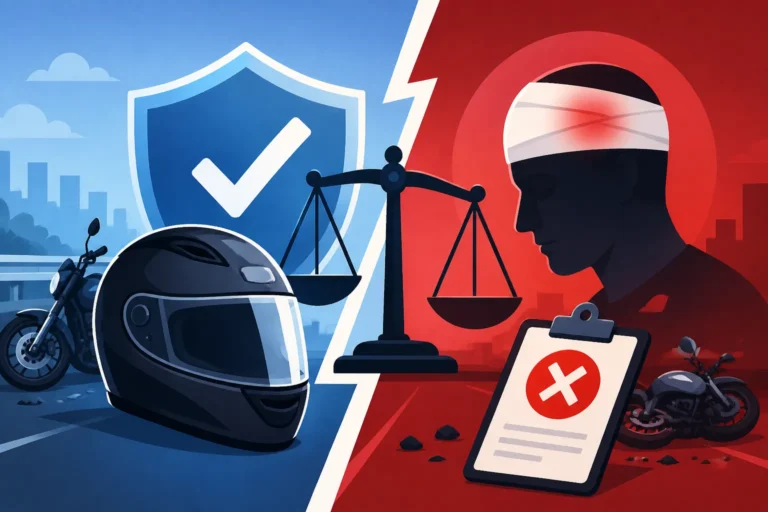
Riding a motorcycle offers unparalleled freedom and a connection to the open road that few other experiences can match. But with that freedom comes a heightened sense of vulnerability, and sometimes, a desire to express your unique style, even with your gear. Unfortunately, choosing a "novelty" helmet to complete your look can have far more serious consequences than you might imagine, especially if you ever find yourself involved in a motorcycle accident. This guide is here to shed light on the stark realities of novelty helmets, their inherent dangers, and the significant legal risks they pose to your accident claim and financial recovery.
Understanding the Appeal and Peril of Novelty Helmets
There's no denying the aesthetic appeal of a sleek, low-profile helmet that perfectly matches your custom paint job or riding persona. For many riders, the bulkiness of a full-face or even a standard open-face helmet can feel restrictive or simply not fit their desired look. This is where novelty helmets often come into play. They promise that classic, minimalist biker style without the perceived hassle of a more substantial helmet.
What Exactly are Novelty Helmets?
Novelty helmets are essentially decorative headwear designed to look like helmets, but they offer little to no actual impact protection. They're often thin, lightweight, and lack the crucial multi-layered construction that genuine safety helmets possess. You'll typically find them marketed as "brain buckets," "shorty helmets," or "beanies." The key giveaway is often their lack of a Department of Transportation (DOT) certification sticker, or a fake one, which we'll delve into shortly. These helmets might make you feel cooler, or complement your ride, but they are fundamentally ill-equipped to safeguard your head in the event of a crash.
Why Riders Choose Them (and Why It's a Mistake)
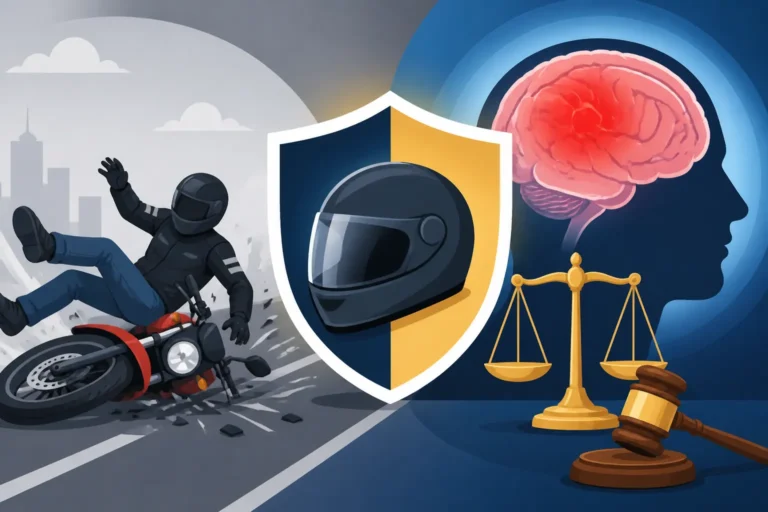
Many riders gravitate towards novelty helmets for a few simple reasons: comfort, style, and sometimes, a misunderstanding of what a helmet is supposed to do. They're lighter, less bulky, and can feel less cumbersome on long rides. For some, it's about adhering to a certain "rebel" image, preferring minimal gear. However, the critical flaw here is perspective. While a standard helmet might feel a bit clunky, it’s a meticulously engineered piece of safety equipment. A novelty helmet is, at best, a stylish accessory. In a crash, where your head might strike the pavement, another vehicle, or a roadside object, the difference between a real helmet and a novelty one can literally be life or death, or the difference between a minor concussion and a traumatic brain injury.
The Critical Absence of DOT Certification
The single most important indicator of a helmet's safety standard in the United States is its DOT certification. This isn't just a sticker; it represents rigorous testing and adherence to federal safety regulations.
What DOT Certification Truly Means
The U.S. Department of Transportation sets minimum performance standards for motorcycle helmets under Federal Motor Vehicle Safety Standard (FMVSS) 218. When a helmet is DOT-certified, it means the manufacturer has self-certified that the helmet meets these standards. This involves tests for impact attenuation (how well the helmet absorbs shock), penetration resistance, and retention system effectiveness (how well the chin strap stays fastened).
A genuine DOT-certified helmet will have a sticker on the back that says "DOT FMVSS No. 218 CERTIFIED." This isn't just a marketing ploy; it's a statement that the helmet has been designed and constructed to offer a certain level of protection that has been proven through testing. Places like Cycle Gear, for instance, prominently display DOT certification on their helmets, making it easy for riders to identify compliant gear. You can read more about what makes a helmet compliant in our guide on what to expect from a What Is a DOT-Compliant Helmet.
How Novelty Helmets Fail These Standards
Novelty helmets almost universally fail to meet FMVSS 218 standards. They typically lack the thick, energy-absorbing EPS (Expanded Polystyrene) foam liner that is crucial for dissipating impact forces. Their outer shells are often made from thin plastic, which can crack or shatter upon impact instead of distributing force. The chin straps and retention systems are frequently flimsy and prone to failing during a crash, meaning the helmet could come off when you need it most.
Imagine dropping a bowling ball on a real helmet versus a novelty one; the difference in how they absorb the impact would be stark. A novelty helmet might crack or deform significantly, offering little to no protection to the wearer's skull. This fundamental design flaw is why they are so dangerous and why their use carries such significant legal risk in the aftermath of an accident.
Legal Repercussions in a Motorcycle Accident
When you're involved in a motorcycle accident, every detail can be scrutinized, especially anything related to your safety and adherence to the law. Choosing a novelty helmet can open a Pandora's Box of legal challenges that can severely undermine your ability to recover damages.
The "Helmet Defense" and Comparative Negligence
Perhaps the biggest legal hurdle you'll face is the "helmet defense," a tactic often employed by opposing attorneys and insurance companies. This defense argues that your injuries, particularly head injuries, would have been less severe or avoided entirely had you been wearing a legally compliant, DOT-certified helmet. Even if the other driver was clearly at fault, this defense seeks to assign a portion of the blame to you for not adequately protecting yourself. This ties directly into the concept of Comparative Negligence in Motorcycle Accidents.
For example, in a state like California, which has a universal helmet law, if you suffer a traumatic brain injury while wearing a novelty helmet, the opposing side will almost certainly argue that your non-compliant gear contributed to the severity of your injury. This argument can be incredibly powerful in court and can significantly reduce the amount of compensation you receive, even for other injuries. They might say, "Yes, our client was negligent, but your head injury is primarily due to your own failure to wear a proper helmet."
Impact on Your Injury Claim and Settlement
The correlation between helmet use (or lack thereof) and injury severity is well-established. If you sustain a head injury while wearing a novelty helmet, the insurance company or defense attorney will argue that a portion, or even a majority, of your medical expenses, lost wages, and pain and suffering related to that head injury are your own responsibility. This doesn't just affect head injuries; a severe head injury can impact your overall recovery and ability to work, making all aspects of your claim vulnerable.
Consider a rider in Florida, a state with partial helmet laws. If an adult rider over 21 is not required to wear a helmet if they have sufficient insurance, but they choose a novelty helmet that offers no protection, and then suffer a severe brain injury, the insurer will still argue the helmet was inadequate. This scenario gets even more complicated in states with strict universal helmet laws, like New York or Oregon, where riding with a non-DOT helmet is a clear violation. The simple fact that you weren't wearing a legal helmet can be enough for the defense to shift a substantial portion of the liability for your head injuries onto you, severely reducing your Motorcycle Accident Settlement Amounts.
State-Specific Helmet Laws and Novelty Helmets
Motorcycle helmet laws vary significantly across the United States. Understanding your state's specific requirements is crucial, as even in states with partial or no helmet laws for adults, the type of helmet you choose can still have legal ramifications.
Universal vs. Partial Helmet Laws and Novelty Helmets
Some states, like California, have States with Universal Helmet Laws, meaning all riders and passengers must wear a DOT-compliant helmet regardless of age or experience. In these states, wearing a novelty helmet is not only dangerous but also illegal. If you're involved in an accident while wearing one, you've already committed a traffic infraction, which immediately puts you at a disadvantage in proving fault or recovering damages. The argument from the opposing side becomes even stronger, asserting your direct non-compliance with the law contributed to your injuries.
Other states operate under States with Partial Helmet Laws, often requiring helmets only for riders under a certain age (e.g., 18 or 21) or those without adequate insurance coverage. Even in these states, while an adult rider might legally ride without a helmet, if they choose to wear one, it generally must meet DOT standards if it's going to be considered a protective device in a legal context. Wearing a novelty helmet in these situations doesn't meet the spirit of protection and will still be used against you. It's essentially the worst of both worlds: you thought you were wearing something for protection, but it offered none and still carries legal baggage.
Examples of State Laws and Their Impact
Let's look at a couple of examples. In Texas, riders 21 and older are exempt from wearing a helmet if they have completed a motorcycle safety course or are covered by an adequate health insurance policy. While you might legally ride without a helmet in Texas under those conditions, if you opt for a novelty helmet and suffer a head injury, the defense will argue it was a conscious decision to wear inadequate protection, directly contributing to your injury. The fact that you wore a helmet that looked like protective gear but wasn't can be more detrimental than wearing no helmet at all in some arguments, as it implies a false sense of security and potentially a misrepresentation of protective intent.
Contrast this with a state like Washington, which mandates universal helmet use for all riders. In Washington, if you're riding with a novelty helmet and crash, you're not only dealing with potential injuries but also a clear violation of state law, making it significantly harder to argue against the helmet defense. Insurance companies like Geico or Progressive often have specialized legal teams who are very familiar with these state-specific nuances and will leverage every legal angle to reduce their payout, especially when issues like non-DOT helmets are involved.
How Insurers Weaponize Novelty Helmets Against You
Insurance companies are in the business of minimizing payouts. They have extensive experience and resources to identify any factor that can reduce their liability. Novelty helmets provide them with a very strong tool to do just that.
Rider Bias and Stereotypes
Unfortunately, motorcycle riders often face unfair biases, often portrayed as reckless or irresponsible. This "rider bias" can subtly influence how claims are perceived, even by juries. When you add a novelty helmet into the mix, it can reinforce negative stereotypes. An insurance adjuster, or later a jury, might subconsciously or explicitly view a rider wearing a novelty helmet as someone who disregards safety, which can then be used to argue against the severity of their injuries or their right to full compensation. It plays into the narrative that the rider was taking unnecessary risks. Understanding and combating this bias is a crucial part of navigating Rider Bias in Fault Determination.
The opposing side will try to paint a picture that you, the rider, were knowingly choosing to ride unprotected, even if the primary cause of the accident was the other driver's negligence. This narrative is incredibly damaging to your case, especially for non-economic damages like pain and suffering, where the perception of your responsibility can heavily influence a jury's award.
Reducing Damages Even When the Other Driver Is at Fault
Even when the other driver is clearly at fault for the accident, wearing a novelty helmet can significantly reduce your recoverable damages. This reduction often happens through the application of comparative negligence laws. If a jury determines that the other driver was 90% at fault, but your decision to wear a novelty helmet contributed 10% to the severity of your head injury, then your compensation for that specific injury (and potentially related damages like lost earning capacity) could be reduced by 10%.
The impact of this can be substantial. For instance, if your medical bills, lost wages, and pain and suffering for a traumatic brain injury total $500,000, and a court finds you 10% responsible due to the novelty helmet, your payout could be reduced by $50,000. This is a significant sum, and it’s a direct consequence of choosing inadequate protective gear. This aspect is thoroughly explained in How Comparative Negligence Reduces Your Payout. The insurance company will use accident reconstruction experts and medical professionals to argue that a DOT-compliant helmet would have lessened the injury.
Protecting Your Claim: The Smart Choices You Can Make
Given the severe legal and personal risks associated with novelty helmets, making informed choices about your gear is one of the most proactive steps you can take to protect yourself both on the road and in the unfortunate event of an accident.
Always Choose DOT-Compliant Helmets
This cannot be stressed enough: always, always choose a DOT-compliant helmet. Look for the DOT certification sticker on the back of the helmet, and ideally, check for additional certifications like Snell or ECE, which often indicate even higher safety standards. These certifications aren't just bureaucratic hurdles; they represent a commitment to rider safety through rigorous testing. A good quality, full-face DOT-certified helmet provides protection for your skull, face, and chin, drastically reducing the risk of severe injury in a crash. You can find a wide range of compliant helmets at stores like Cycle Gear, ensuring you get both safety and style.
It's not just about meeting the minimum legal requirement; it's about investing in your own well-being. A properly fitting, DOT-compliant helmet can mean the difference between walking away from a crash with minor injuries and suffering life-altering brain damage. Ensure you know How to Choose a DOT-Approved Helmet to make the best decision.
Documenting Your Proper Gear After an Accident
If you are involved in an accident and were wearing a DOT-compliant helmet, it is absolutely vital to document this fact. Take photographs of your helmet at the scene, showing its condition and the visible DOT sticker. Do not discard your damaged helmet, as it serves as crucial evidence of its impact absorption and your adherence to safety standards. Keep it safely stored.
This evidence can be incredibly powerful in countering any "helmet defense" arguments. It demonstrates that you were taking reasonable steps to protect yourself, and it can help prove that the severity of your injuries was not due to your negligence but rather the force of the collision itself. Your proactive steps in documenting your gear can strengthen your claim for damages like medical expenses, lost wages, and pain and suffering, making it much harder for insurance companies to diminish your legitimate losses. For further information, our guide on Motorcycle Accident Evidence for Proving Fault offers excellent advice on documenting the scene, including your gear.
| Feature | Novelty Helmet | DOT-Compliant Helmet |
|---|---|---|
| Purpose | Style, decoration, minimal head covering | Impact protection, energy absorption, penetration resistance |
| Construction | Thin shell, often no EPS liner, weak retention system | Robust multi-layer shell, thick EPS liner, strong chin strap |
| Certification | No DOT sticker or fake one | Official DOT FMVSS No. 218 certification |
| Legality | Illegal in universal helmet law states; often not recognized as protective gear elsewhere | Legal in all states (where helmets are required) |
| Impact on Claim | High legal risk, invites "helmet defense," reduces settlement | Provides evidence of rider responsibility, strengthens injury claim |
| Protection | Virtually none against impact or penetration | Significant protection against head trauma |
Disclaimer
The information provided in this guide is for general informational purposes only and does not constitute legal advice. Motorcycle accident laws are complex and vary by jurisdiction. You should consult with a qualified legal professional for advice regarding your specific situation.