Does Wearing Full Gear Help Your Case
After a motorcycle accident, one of the most disheartening things can be the immediate assumption that you, the rider, must have been at fault or were somehow less careful. It’s a frustrating stereotype many of us have faced. But beyond the immediate safety benefits, the gear you choose to wear can actually play a surprisingly crucial role in how your motorcycle accident claim is perceived and ultimately resolved. This guide will walk you through exactly how your riding gear can become a powerful ally in proving your case and protecting your legal rights.
The Impact of Motorcycle Gear on Your Claim's Narrative
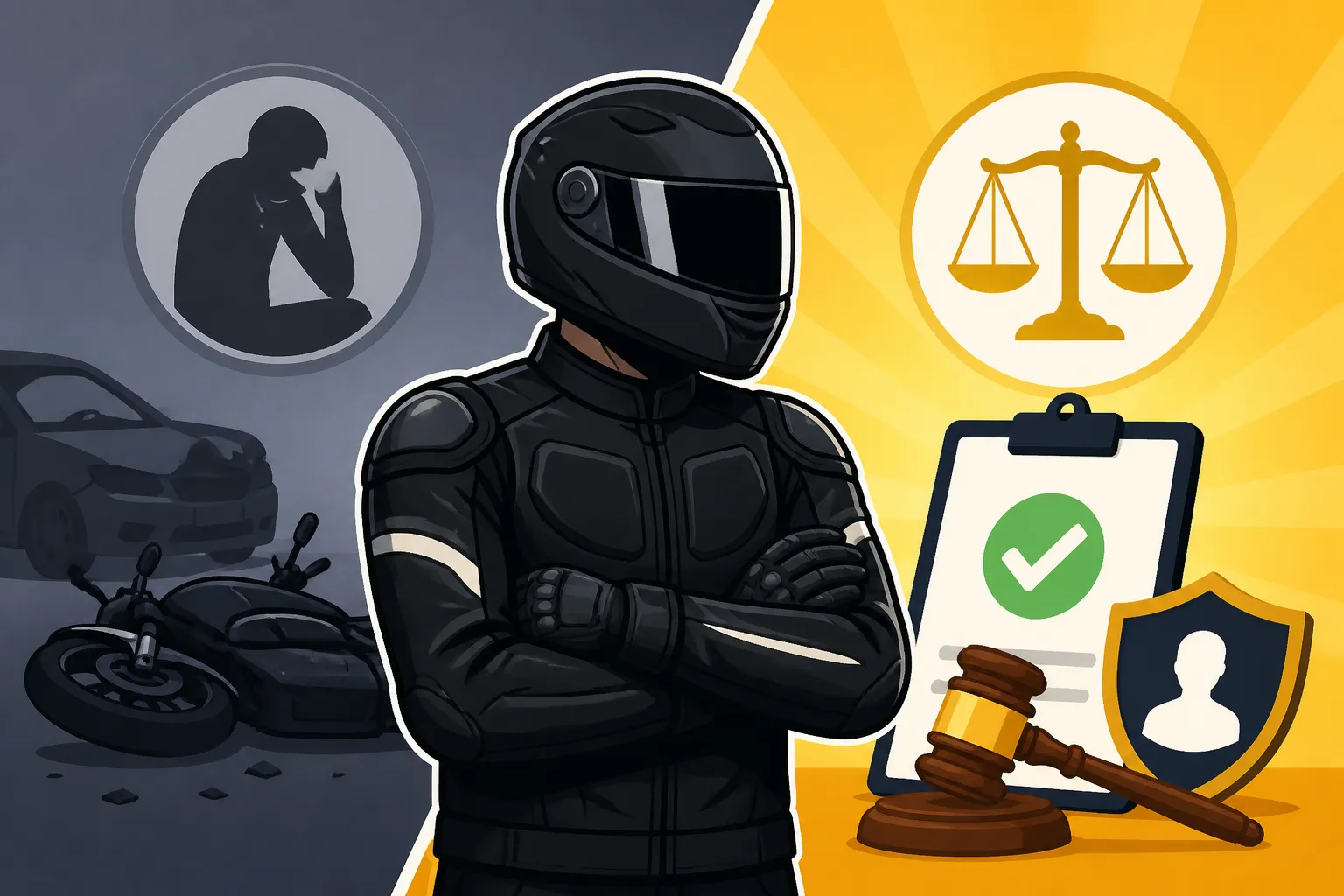
When you're involved in a motorcycle accident, the scene can often be chaotic, and narratives are formed quickly, sometimes unfairly. There's a persistent, unfortunate stereotype that motorcycle riders are inherently reckless, and this bias can subtly (or not so subtly) influence police officers, witnesses, and even insurance adjusters. However, demonstrating that you were wearing appropriate, high-quality riding gear can immediately begin to dismantle that prejudice and establish a narrative of responsibility and care.
Shifting the Narrative from "Reckless Rider"
Let's be honest, we've all heard the comments or seen the looks. The idea that someone on a motorcycle is just "asking for it" is deeply ingrained in some corners of society. But when you roll up to the scene of an accident, or when an investigation begins, if you're found to be wearing a DOT-approved helmet, a sturdy riding jacket, armored pants, and proper boots, it paints a very different picture. It tells anyone observing that you weren't just out for a joyride with disregard for your safety; you took precautions.
This visual evidence of responsibility can be incredibly powerful. It helps combat the negative assumptions that often arise, making it harder for the other driver's insurance company to claim you were being careless or negligent. Instead, it suggests you were a prudent rider who understood the risks and actively took steps to mitigate them. This proactive approach to safety can subtly but effectively shift the initial perception of fault, paving the way for a more favorable assessment of your claim. This is especially important when considering issues of How Insurance Companies Assign Blame to Riders.
Documenting Your Gear's Protective Role
Your gear isn't just about looking good or keeping you warm; it's designed to literally save your skin, and sometimes your life. In the aftermath of a crash, the physical state of your gear can serve as compelling evidence of the force of impact and, crucially, how much worse your injuries could have been without it. A torn jacket with scraped armor, a cracked helmet, or scuffed boots aren't just damaged items; they are tangible proof of the forces that would have otherwise directly impacted your body.
For example, if your helmet is visibly damaged, it strongly indicates that your head sustained a significant blow that the helmet absorbed. This helps counter arguments that your head injury was minor or not related to the crash. Similarly, extensive road rash on your gear, but not on your skin (or significantly less severe on your skin), clearly shows the protective role your jacket or pants played. These physical pieces of evidence can be photographed, cataloged, and even presented to insurance adjusters or in court to demonstrate the severity of the impact and your diligent efforts to protect yourself. This kind of evidence is crucial for Motorcycle Accident Evidence for Proving Fault and establishing the extent of your damages.
Specific Gear and Its Legal Significance
While all gear contributes to your overall safety and claim strength, certain pieces have specific legal implications, particularly concerning the types of injuries they prevent and how those prevention efforts are viewed by claims adjusters and the legal system. Understanding these distinctions can further empower your accident claim.
Helmets and Head Injury Claims
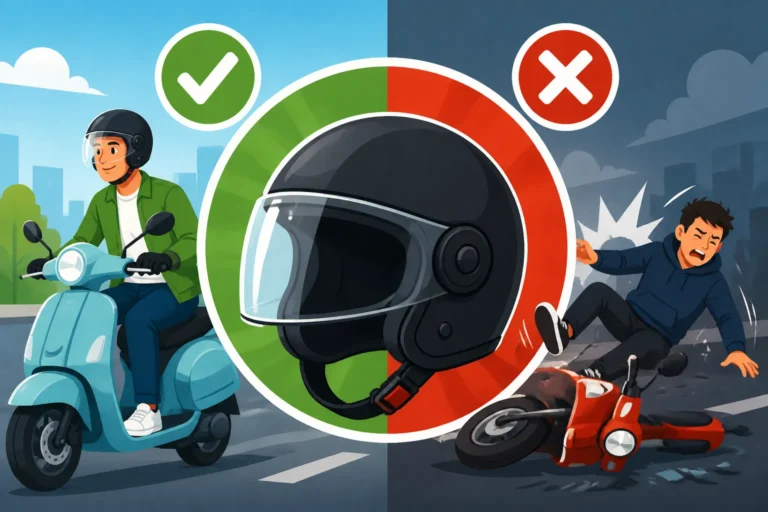
Let's start with the most obvious and legally scrutinized piece of gear: the helmet. The importance of wearing a DOT-compliant motorcycle helmet cannot be overstated, both for your physical safety and the legal standing of your claim. In many states, helmet laws mandate their use for all riders, or at least for riders under a certain age. For example, states like California and New York have States with Universal Helmet Laws, while others like Texas have States with Partial Helmet Laws. Regardless of your state's specific laws, wearing a helmet is always a good idea.
If you sustain a head injury, such as a traumatic brain injury (TBI), and you were not wearing a helmet, the opposing insurance company will almost certainly invoke what's known as the "helmet defense." This legal strategy argues that your head injury was either caused or exacerbated by your failure to wear a helmet, regardless of who was at fault for the accident itself. They might try to reduce your compensation significantly, or even deny claims for head injuries altogether, arguing you failed to mitigate your damages. This is a common tactic, and understanding How the Helmet Defense Reduces Settlements is vital. Conversely, wearing a proper helmet and demonstrating its protective role can powerfully counter this defense, strengthening your claim for damages related to head injuries.
Jackets, Pants, and Boots for Road Rash and Fractures
Beyond helmets, your riding jacket, pants, and boots are crucial for protecting you from the brutal reality of sliding across asphalt. These items are designed with abrasion-resistant materials like leather or specialized textiles, often incorporating impact armor in key areas like shoulders, elbows, knees, and hips.
Without these protections, even a low-speed slide can result in severe road rash, which are essentially deep abrasions that can require extensive medical treatment, including skin grafts, and leave permanent scarring. Wearing appropriate gear from a trusted brand like Cycle Gear, with built-in armor, can absorb impacts and prevent or reduce the severity of fractures to extremities. If you're wearing robust gear and suffer, say, a broken leg, it's easier to argue that the fracture was due to the immense force of the collision rather than a lack of basic protection. The condition of your gear after the crash serves as clear evidence of the force you endured and your efforts to prevent more severe injuries. This directly impacts claims for Motorcycle Road Rash Claims and Compensation and Motorcycle Broken Bones Claims and Compensation.
Eye Protection and Visibility
While often overlooked, eye protection, whether it's a helmet visor or dedicated goggles, plays a significant role in both accident prevention and injury mitigation. Clear vision is paramount for safe riding, helping you avoid road hazards and react to other drivers. If debris or a bug impacts your eye at speed, it could momentarily blind you, leading to an accident.
Legally, wearing eye protection demonstrates a commitment to safe riding practices. If an accident occurs, proper eye protection can prevent serious eye injuries, which, if sustained, can lead to complex and costly medical treatments. Furthermore, if the opposing side tries to argue that your visibility was impaired (perhaps due to glare or debris), having worn appropriate eye protection strengthens your counter-argument that you took all reasonable steps to maintain clear vision. Many states also have Eye Protection Requirements by State, making compliance not just smart, but legally necessary.
How Insurance Companies View Your Riding Gear
Insurance companies are in the business of minimizing payouts, and they will scrutinize every aspect of your accident. Your riding gear, or lack thereof, can become a significant factor in their assessment of your claim. They often use concepts like "comparative negligence" or "mitigation of damages" to reduce the amount they owe.
Mitigating Damages and Comparative Negligence
The concept of "mitigation of damages" requires an injured party to take reasonable steps to prevent their injuries from getting worse or to prevent them in the first place. In the context of a motorcycle accident, an insurance company might argue that if you weren't wearing appropriate gear, you failed to mitigate your potential injuries. For instance, if you weren't wearing a jacket and suffered severe road rash, they might argue that a properly armored jacket would have prevented or significantly reduced those injuries, thus reducing their liability for that specific damage.
This ties directly into comparative negligence. Most states operate under some form of comparative negligence, which means that if you are found partially at fault for your injuries (even if not for the accident itself), your total compensation can be reduced by your percentage of fault. For example, in a state like Florida or California, which use pure comparative negligence, if you're found 10% responsible for the extent of your head injury because you weren't wearing a helmet, your overall settlement for that injury could be reduced by 10%. Your full gear essentially acts as a shield not just for your body, but for your claim against arguments of Comparative Negligence in Motorcycle Accidents. This can be a huge hurdle to overcome, making it harder to get a fair settlement and highlighting How Comparative Negligence Reduces Your Payout.
Evidence to Present to Insurers
To effectively use your gear as evidence, you need to be strategic. Simply saying "I was wearing a helmet" isn't enough. You need to provide concrete evidence to the insurance company. This includes:
- Photos of the Damaged Gear: Take clear, detailed photographs of all damaged gear immediately after the accident, before it's moved or discarded. Show the extent of the damage, highlighting areas where impact or abrasion occurred. These photos can corroborate the severity of the crash and the path your body took during the impact.
- Receipts or Purchase Records: Proof of purchase helps establish the quality and type of gear you were wearing. If you bought that top-of-the-line jacket from Cycle Gear, provide the receipt. This shows you invested in protection, further bolstering your image as a responsible rider.
- Expert Testimony: In severe cases, an accident reconstruction expert or a medical professional might be able to testify how your gear prevented more catastrophic injuries, or how the damage to the gear correlates with the forces involved in the crash.
- Product Specifications: Having information about your gear's safety ratings (e.g., DOT certification for helmets, CE ratings for armor) demonstrates that you chose gear designed for high levels of protection.
Presenting this comprehensive evidence makes it much harder for insurance adjusters to dismiss your injuries as a result of your own negligence or lack of protection. It strengthens your position for How to Negotiate a Motorcycle Accident Settlement by providing objective facts.
Practical Steps to Strengthen Your Claim with Gear Evidence
Knowing that your gear helps is one thing; knowing how to use it effectively in your claim is another. Here are some actionable steps you should take immediately after an accident, if you are able, to preserve this crucial evidence.
Preserve Your Damaged Gear
It might sound counterintuitive, especially if your gear is mangled and unsightly, but do not throw away your damaged riding gear. This is critical evidence. Your helmet, jacket, pants, gloves, and boots, no matter how mangled, are physical artifacts that tell the story of the crash. They show the points of impact, the scraping, and the forces that were absorbed.
Imagine a scenario: You're in an accident, and your expensive helmet has a noticeable crack. If you discard it, the insurance company could later claim you weren't wearing a helmet, or that any head injury was not severe enough to cause helmet damage. But if you keep that cracked helmet, it serves as undeniable proof that your head struck something with enough force to compromise the helmet's integrity, directly supporting your claim for Motorcycle Traumatic Brain Injury Claims and Compensation. Store your damaged gear in a safe place, away from further damage or contamination, until your claim is resolved. This includes items you might consider minor, like a ripped glove or scuffed boot.
Photograph Everything
As soon as safely possible after the accident, and before any vehicles or gear are moved, take as many photographs as you can. This is perhaps the most important piece of advice anyone can give you about collecting evidence.
Focus on your gear. Get close-up shots of any rips, tears, scuffs, or cracks. Take pictures from different angles. Show where the damage is relative to your body. For your helmet, capture the DOT sticker or any other safety certifications. If your jacket has CE-rated armor, try to photograph that. These images provide a visual timeline and undeniable proof of what you were wearing and how it was damaged. They can be invaluable for showing the impact points and the extent of the forces involved, which in turn helps establish the severity of your injuries and the costs associated with Motorcycle Accident Traumatic Brain Injuries or Road Rash Injuries and Claims.
Also, consider taking photos of yourself wearing the gear before an accident, if possible, as part of your regular riding routine. While not directly relevant to this specific incident, it establishes a pattern of responsible riding.
The Power of Your Gear as Evidence
Ultimately, wearing full, protective riding gear isn't just about reducing your physical injuries; it's about building a stronger, more credible legal case. It demonstrates responsibility, mitigates potential arguments of negligence, and provides tangible evidence of the accident's impact. Your gear transforms from mere clothing into a silent witness, testifying to your caution and the true severity of the forces you endured.
| Type of Gear | Primary Protection Provided | Legal Benefit in a Claim |
|---|---|---|
| Helmet | Head, Brain, Face | Counters "helmet defense," proves mitigation of head injury |
| Riding Jacket | Torso, Arms, Road Rash, Impact | Reduces road rash & fractures, shows responsible self-protection |
| Riding Pants | Legs, Hips, Road Rash, Impact | Protects lower body, disproves negligence for leg injuries |
| Gloves | Hands, Fingers, Abrasions | Prevents hand injuries, shows awareness of common impact points |
| Boots | Feet, Ankles, Crushing, Abrasion | Minimizes foot/ankle damage, supports claims for lower body trauma |
| Eye Protection | Eyes (debris, wind, glare) | Prevents vision-related accidents, protects against specific eye injuries |
Remember, every piece of gear contributes to your narrative as a careful, responsible rider. When you're facing the aftermath of a crash, this narrative can be just as crucial as the physical evidence itself. Investing in quality gear from places like Cycle Gear is not just an investment in your safety, but an investment in the strength of your future legal claim. Taking the time to document and preserve your damaged gear is a proactive step that can significantly impact the outcome of your motorcycle accident claim.
Disclaimer
Please remember that this information is intended for general guidance and informational purposes only, and does not constitute legal advice. Every motorcycle accident claim is unique, and the laws governing personal injury claims vary by state. It is highly recommended that you consult with a qualified legal professional to discuss the specifics of your situation and understand your rights and options.