What Eye Protection Is Legally Required
Riding a motorcycle offers unparalleled freedom, but it also comes with a unique set of challenges, especially when it comes to safety and legal compliance. One common area of confusion for many riders, new and seasoned alike, revolves around what eye protection is actually required by law. It can be incredibly frustrating to try and decipher state-specific regulations that often feel vague or hidden in layers of legal jargon, leaving you wondering if your favorite shades are enough or if you need a full face shield. This guide aims to clear up that confusion, diving deep into the specifics of eye protection laws, the different types of gear available, and why making the right choice is crucial not just for legal reasons, but for your safety and potential accident claims.
The Patchwork of Eye Protection Laws Across the States
When you hit the open road, the rules about what you need to wear can change faster than the weather. Eye protection laws for motorcyclists are a prime example of this, varying significantly from state to state. There isn't a single, universal federal standard that dictates precisely what kind of eye gear you must don before starting your engine. This regional variation means that what's perfectly legal in, say, Arizona, might get you pulled over for a ticket in New York. It's a real headache to keep track of, especially if you enjoy cross-country rides or live near state borders. The inconsistency underscores the importance of knowing your local laws inside and out, because ignorance, unfortunately, is rarely accepted as an excuse when dealing with law enforcement or, even worse, after an accident.
Universal Eye Protection Requirements
Some states take a very clear, straightforward approach: if you're riding a motorcycle, you need eye protection. Period. These "universal" states often require some form of eye protection for all riders, regardless of age or whether their motorcycle has a windshield. For instance, California, which also has a universal helmet law, generally mandates that all motorcyclists wear eye protection unless their motorcycle is equipped with a windshield of a certain height. This kind of blanket requirement simplifies things for riders in those states, as there's little room for interpretation. You simply put on your gear, and you're good to go.
This often means a full-face helmet with an integrated visor, or a ¾ helmet paired with goggles or a separate face shield. The key is that your eyes must be shielded from dust, debris, wind, and insects, which can appear out of nowhere and cause momentary blindness, leading to dangerous situations. Thinking about those highway pebbles that suddenly fly up, it's not hard to imagine how quickly a small annoyance can escalate into a major accident without proper protection. Understanding these universal rules is the first step to ensuring you're compliant, and more importantly, safe.
Conditional Eye Protection Requirements
Then there are the states that introduce more nuanced, conditional requirements. These laws often hinge on factors like the rider's age, whether they have a valid motorcycle endorsement, or if their motorcycle is equipped with a windshield. For example, some states might only require eye protection for riders under a certain age, often 18 or 21, or if the motorcycle lacks a windshield. This can create a confusing landscape, where a rider might be legally protected one day but not the next, depending on a slight change in circumstances or even the motorcycle they choose to ride.
Consider a rider in a state like Florida, where there's no universal helmet law for those over 21 with adequate insurance coverage. Even there, eye protection may still be a requirement for all riders, regardless of age or helmet use, if the motorcycle doesn't have a windshield. These conditional rules demand a deeper understanding of the specific statutes in your state. You can't just assume what applies to your friend applies to you, or that what worked on your old bike will work on your new one. Staying informed is key, and resources like your state's Department of Motor Vehicles website or even a quick chat at your local Cycle Gear store can help clarify the specifics.
Exemptions and Specific Scenarios
Just when you think you've got it figured out, there are always exceptions and specific scenarios that can muddy the waters. Some states might offer exemptions for certain types of motorcycles, such as autocycles or three-wheeled vehicles, which may fall under different classifications than traditional two-wheeled motorcycles. Additionally, historical or antique motorcycles might sometimes be exempt from modern equipment requirements, though this is less common for safety gear like eye protection. It’s rare, but it happens.
Another common exemption is for motorcycles equipped with an approved windshield that meets specific height and material standards. If your windshield is tall enough to deflect wind and debris over your head, some states might consider that sufficient eye protection, negating the need for goggles or a face shield. However, even with a windshield, many experienced riders still opt for additional eye protection to guard against debris coming from the sides or over the top, or simply for better clarity in varying weather conditions. It's always best to err on the side of caution when it comes to your vision on the road.
Understanding Different Types of Eye Protection
Choosing the right eye protection isn't just about what's legally required; it's about what truly keeps you safe and comfortable. The market is flooded with options, each designed to offer different levels of protection, comfort, and style. From integrated visors to standalone goggles, knowing the pros and cons of each type can help you make an informed decision that suits your riding style and environment. Ultimately, the goal is clear vision and maximum protection, ensuring that you're prepared for anything the road throws your way.
Helmets with Integrated Visors
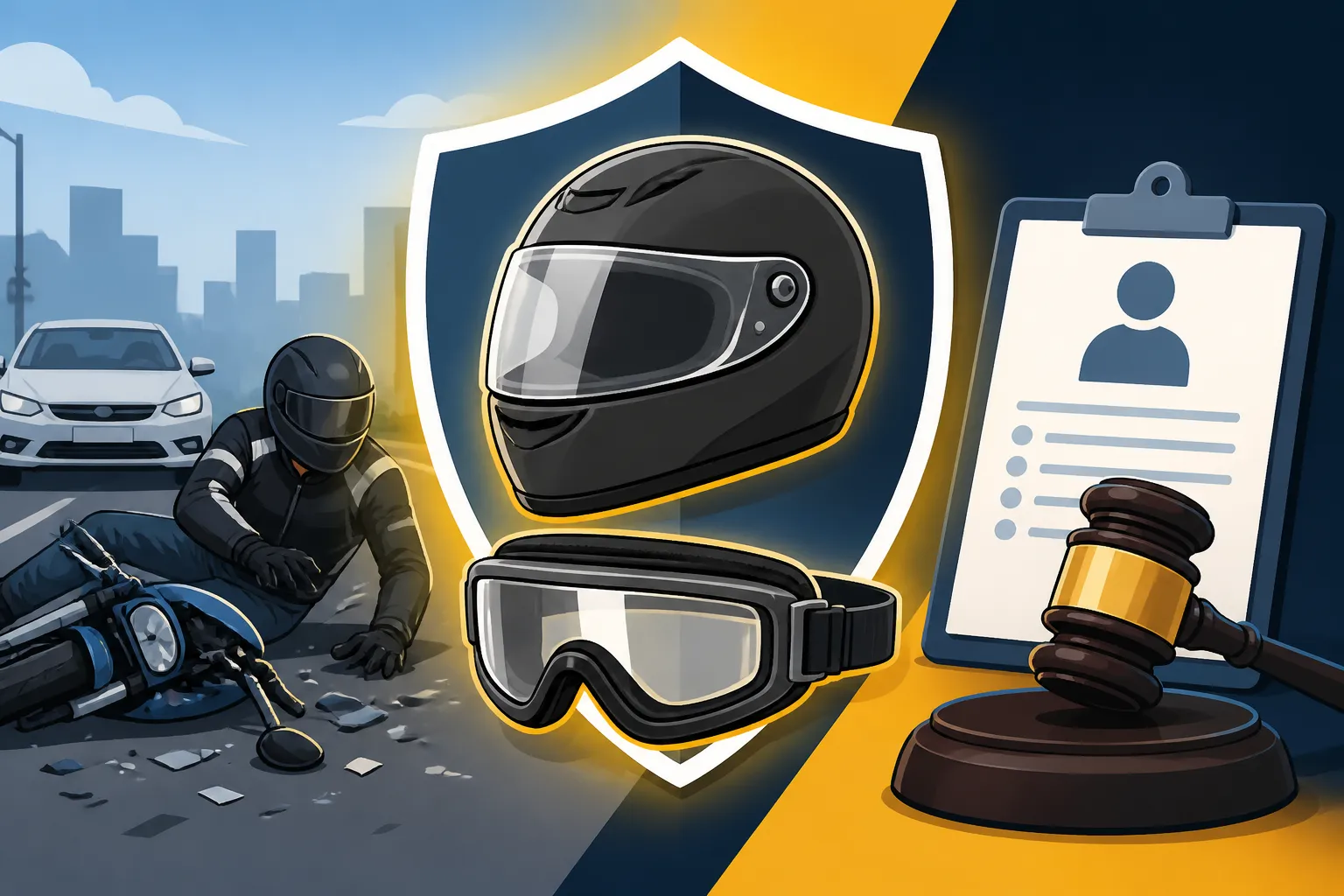
For many riders, a full-face helmet with an integrated visor is the gold standard for eye and face protection. This type of helmet offers comprehensive coverage, protecting your entire face, including your chin and jaw, in addition to your eyes. The visor itself is usually made from impact-resistant polycarbonate, often treated with anti-fog and anti-scratch coatings. This combination provides excellent protection against debris, wind, rain, and UV rays, all in one convenient package. Plus, with the visor down, you avoid the sensation of wind tearing at your eyes, which can be incredibly fatiguing on longer rides.
The beauty of an integrated visor is its seamless design. You don't have to worry about separate pieces of gear, and many modern helmets offer easy-to-use mechanisms for opening, closing, or even swapping out visors for different tints or conditions. Some even feature internal drop-down sun visors, providing instant relief from glare without having to change your main shield or wear sunglasses underneath. This versatility makes full-face helmets a top choice for riders prioritizing safety and convenience, especially for those who log many miles or ride at varying times of day. This is one of the most effective types of Motorcycle Safety Gear and Legal Protection.
Goggles and Face Shields
If you prefer an open-face or ¾ helmet, or even a half-helmet in states where it's legal and you're appropriately covered by insurance, goggles or a standalone face shield become your primary forms of eye protection. Goggles, often seen on dirt bikers or café racers, strap around your head or helmet and fit snugly around your eyes. They offer excellent wind and debris protection, often with good peripheral vision. They come in various tints and can be particularly effective in dusty environments or for riders who appreciate a more traditional look.
Face shields, on the other hand, attach directly to some open-face helmets via snaps or a pivot mechanism, providing broader coverage than goggles. They extend down past your chin, protecting more of your face from wind, bugs, and impacts. While they offer more comprehensive protection than goggles, they may not seal as tightly around the eyes, potentially allowing some wind or dust to sneak in. However, both goggles and face shields are crucial for riders who choose helmets without integrated visors, ensuring that their eyes remain shielded from the elements and potential hazards. When choosing, look for products that meet or exceed industry safety standards to ensure they provide adequate protection.
Prescription Eyewear and Sunglasses
For riders who wear prescription glasses or sunglasses, the question often arises: are these sufficient for legal eye protection? Generally, no. While prescription glasses and sunglasses provide vision correction and some UV protection, they are typically not designed to offer the same level of impact resistance or comprehensive coverage as dedicated motorcycle eye protection. They can shatter upon impact, potentially causing more harm than good, and they leave large gaps where wind, dust, and debris can easily enter, compromising your vision.
Many states specifically require "shatter-resistant" eye protection, a standard that most regular eyeglasses and fashion sunglasses simply don't meet. If you need corrective lenses, the best approach is to either wear them under a full-face helmet with an integrated visor or under motorcycle-specific goggles designed to fit over glasses. Alternatively, some riders opt for prescription inserts for their goggles or dedicated prescription motorcycle sunglasses that are built with impact-resistant lenses and a more secure fit. Always prioritize safety over convenience when it comes to your vision on the road, as a momentary obstruction could lead to a serious crash.
Why Proper Eye Protection Matters Beyond the Law
It's easy to view eye protection simply as a legal hurdle, another rule to follow to avoid a ticket. But the truth is, the legal requirements are there for a reason, and the importance of proper eye protection extends far beyond mere compliance. Ignoring these regulations or opting for inadequate gear can have severe consequences, impacting your safety, the outcome of an accident claim, and your overall riding experience. In the dynamic and often unpredictable world of motorcycling, your eyes are your most critical tool, and protecting them should be a top priority.
Preventing Accidents and Injuries
Imagine cruising down the highway when a pebble, a bee, or a piece of road debris suddenly smacks into your unprotected eye. Your immediate reaction would likely be to flinch, blink, or even momentarily close your eyes, causing you to lose focus and control of your bike. This fraction of a second is all it takes for a situation to turn catastrophic. Proper eye protection acts as a literal shield, deflecting these hazards and allowing you to maintain clear vision and control. It prevents immediate distractions that can lead to Common Causes of Motorcycle Accidents, like swerving or sudden braking.
Beyond small projectiles, eye protection also shields you from the relentless assault of wind and sun. Constant wind can cause your eyes to tear up, blurring your vision and leading to fatigue. Glare from the sun can temporarily blind you, especially when transitioning from shaded areas to bright sunlight. By mitigating these environmental factors, appropriate gear helps you stay alert, focused, and in command of your motorcycle, significantly reducing your risk of being involved in a crash. It's a fundamental aspect of proactive safety, not just reactive damage control.
Impact on Your Motorcycle Accident Claim
In the unfortunate event of a motorcycle accident, the type of gear you were (or weren't) wearing can have a significant impact on your ability to recover damages. Insurance companies and defense attorneys often look for any reason to reduce their payout, and failing to wear legally required or appropriate safety gear is a common tactic they employ. This is often referred to as the "helmet defense," but it applies equally to eye protection. If you suffer an eye injury and weren't wearing adequate protection, the opposing side might argue that your injuries were exacerbated, or even caused, by your negligence, regardless of who was at fault for the accident itself.
This argument can be used to invoke principles like Comparative Negligence in Motorcycle Accidents, where your awarded compensation might be reduced by the percentage of fault attributed to you for your own injuries. For instance, if you sustain a severe eye injury in a crash where the other driver was 100% at fault, but you weren't wearing legally required eye protection, a jury might decide that 20% of your injury could have been prevented had you been properly geared up. This could reduce your settlement by a substantial amount. Even if you believe the other driver was clearly at fault, failing to comply with safety laws can create an unnecessary hurdle in your claim.
Choosing the Right Gear for Maximum Safety
With so many options available, choosing the "right" eye protection can feel overwhelming. However, focusing on safety standards, fit, and visibility is key. Look for products that meet DOT (Department of Transportation) standards, and preferably Snell or ECE certifications for helmets, as these indicate rigorous testing for impact resistance. When selecting goggles or face shields, ensure they are made from shatter-resistant materials like polycarbonate. Brands like Bell, Shoei, and Scorpion, widely available at retailers like Cycle Gear, offer a range of products that meet these high safety standards.
Beyond certifications, fit is paramount. Eye protection should fit snugly without being uncomfortable or restricting your peripheral vision. Goggles should seal tightly around your eyes to prevent wind and debris intrusion, and face shields should be free of distortions that could impair your vision. Consider the conditions you typically ride in: clear visors for night riding, tinted or photochromic options for bright sunny days. Investing in quality, well-fitting eye protection isn't just about avoiding a ticket; it's about safeguarding your most vital sense on the road and bolstering your position should you ever need to file a motorcycle accident claim.
Staying Compliant and Riding Safely
Understanding the specific legal requirements for eye protection in your state is the foundation of safe and compliant riding. However, laws can change, and your gear can degrade over time. Maintaining a proactive approach to your safety and legal obligations means regularly checking regulations and ensuring your equipment remains in top condition. Don't wait until you're pulled over or, worse, involved in an accident, to realize you weren't properly protected.
Checking Your State's Specific Regulations
Given the varied landscape of eye protection laws, it's absolutely essential to know the specific regulations for the state (or states) where you ride most frequently. These laws are not static; they can be updated or changed by legislative action. The best place to start is your state's Department of Motor Vehicles (DMV) website or equivalent agency. Look for sections pertaining to motorcycle equipment laws or rider requirements. For instance, if you're riding in Oregon, you'll find that all motorcyclists and passengers are required to wear a helmet, and if the motorcycle doesn't have a windshield, then glasses, goggles, or a transparent face shield are also mandatory.
It's also a good idea to consult local motorcycle clubs or experienced riders in your area, as they often have practical insights into how these laws are interpreted and enforced. While not a substitute for official sources, their collective experience can be a valuable complement to your research. Remember that state laws, like Motorcycle Accident Fault Laws in California, can sometimes have unique nuances that aren't immediately obvious, so thorough research is always recommended. This diligence ensures you're not just riding, but riding legally and with peace of mind.
| State Type | Eye Protection Mandate | Helmet Mandate | Common Exemption |
|---|---|---|---|
| Universal (e.g., CA) | All riders | All riders | Approved windshield |
| Conditional (e.g., FL) | Often if no windshield | Age-based (e.g., <21) or insurance-based | Approved windshield |
| Partial (e.g., OR) | If no windshield | All riders | N/A |
| No Specific Law (Rare) | No specific law, but often recommended | Varies | N/A |
Regular Maintenance and Replacement of Gear
Even the best eye protection won't do its job if it's not properly maintained or has reached the end of its lifespan. Visors and goggles can get scratched, hazy, or lose their anti-fog properties over time, significantly reducing visibility. Scratches, in particular, can cause dangerous glare, especially when riding towards the sun or at night, creating halos around lights. Dust, dirt, and bug splatters can also build up, necessitating regular cleaning with appropriate, non-abrasive cleaners to avoid damaging coatings.
It's important to inspect your eye protection regularly for any signs of wear and tear, especially after any impact, no matter how minor. Even a small crack in a visor or a stretched goggle strap can compromise its protective capabilities. Most manufacturers recommend replacing helmets every five to seven years, or immediately after an accident, and the same principle applies to visors and goggles. If your visor is heavily scratched or cracked, replace it. You can find replacement visors and a wide array of eye protection options at specialized retailers like Cycle Gear or through authorized dealer networks. Your vision is simply too critical to risk on worn-out gear.
Disclaimer
Please remember that this article provides general information and is not a substitute for legal advice. Motorcycle laws, including those related to eye protection, can be complex and are subject to change. Always consult with a qualified legal professional or your state's Department of Motor Vehicles for the most accurate and up-to-date information specific to your jurisdiction. Riding a motorcycle carries inherent risks, and proper safety gear is crucial for your protection.