Are Goggles or a Windshield Required
One of the most common head-scratchers for riders, especially those new to two wheels or traveling to different states, is figuring out the exact legal requirements for eye protection. It’s not always as simple as "wear a helmet," and the nuances between goggles, face shields, and windshields can leave many wondering if they’re riding legally or putting themselves at unnecessary risk. This comprehensive guide is here to cut through the confusion, clearly outlining what eye protection is typically required, what options fulfill those requirements, and why protecting your peepers is crucial, law or no law.
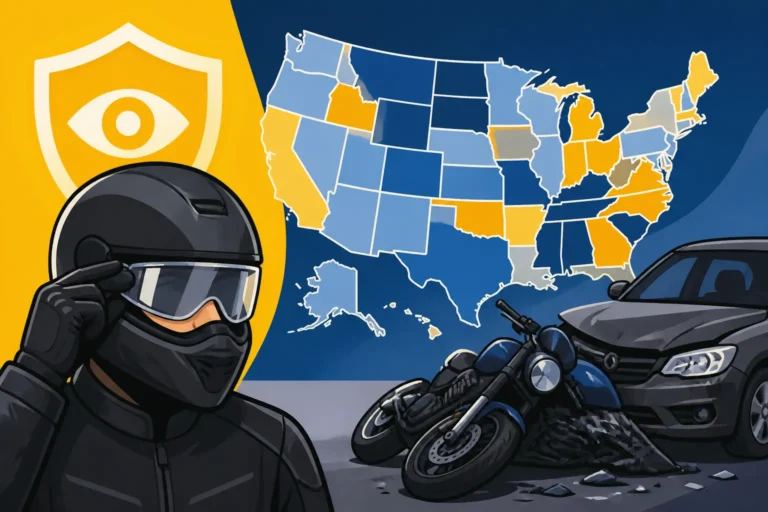
The Legal Landscape: State-by-State Eye Protection Requirements
When it comes to motorcycling, it often feels like you need a law degree just to understand what gear is mandatory. Eye protection is a prime example of this complexity, with rules varying wildly from one state line to the next. The core principle generally revolves around ensuring a rider's clear and unobstructed vision, regardless of external elements like wind, dust, or flying debris.
Universal vs. Conditional Requirements
Most states fall into one of two categories regarding eye protection: either it's universally required for all riders (if they don't have a substantial windshield), or it's conditionally required based on the presence of a windshield. In states like California, if your motorcycle isn't equipped with a windshield that's high enough to protect your eyes, you must wear eye protection. This isn't just a suggestion; it's the law. Contrast this with a state like Florida, where if your motorcycle has a windshield, additional eye protection isn't specifically mandated for most adult riders, though it's always recommended. These conditional laws mean you need to know not only the state's statutes but also the specifics of your bike's setup.
For instance, in some states, the windshield must be of a certain height to be considered "adequate." This often means it must rise above the handlebars or be tall enough to deflect wind and debris over the rider's eyes while they are seated in a normal riding position. A small, cosmetic "flyscreen" or fairing might not meet this legal definition, even if it offers some wind deflection. This is a critical detail many riders overlook, potentially leading to citations or, worse, severely compromising safety in a crash. Understanding these specific requirements is as important as knowing your Motorcycle Helmet Laws by State.
States with Specific Eye Protection Laws
Let's look at some examples to illustrate the variations across the country.
- California: California's Vehicle Code Section 27400 mandates that "No person shall operate a motorcycle, motor-driven cycle, or motorized bicycle if the operator or any passenger is not wearing a safety helmet of a type approved by the Department of Transportation, and any required safety goggles or eye protection." The "required" part refers to situations where the motorcycle is not equipped with a windshield.
- New York: New York Vehicle and Traffic Law states that "It shall be unlawful for any person to operate a motorcycle unless he is wearing eye protection of a type approved by the commissioner." This is a universal requirement unless the motorcycle has a windshield that "provides adequate eye protection."
- Pennsylvania: In Pennsylvania, the law says, "Every person operating or riding on a motorcycle shall wear protective headgear unless the person is 21 years of age or older and has been licensed to operate a motorcycle for at least two years or has completed a motorcycle safety course approved by the department or the Motorcycle Safety Foundation." However, it then adds, "Every person operating a motorcycle shall wear eye protection of a type approved by the department." So, while helmet laws have age/experience exemptions, eye protection is generally always required for the operator.
These examples highlight the patchwork nature of state laws. Always verify the specific statutes for the state you're riding in, especially if you plan to travel. Ignorance of the law is rarely an acceptable defense, and a lack of proper eye protection could even factor into how Motorcycle Accident Liability: A Complete Guide is determined in a crash, particularly if vision impairment contributed to the incident.
Here's a quick, general overview of how some states handle eye protection laws for motorcycle riders, assuming no adequate windshield is present:
| State | Eye Protection Required? | Specifics |
|---|---|---|
| California | Yes | If no windshield, eye protection (goggles/face shield) must be worn. |
| Florida | No | Generally no specific eye protection required for riders over 21 if they have certain insurance coverages. |
| New York | Yes | Unless windshield provides "adequate eye protection," approved eye protection is mandatory for all riders. |
| Texas | No | If rider is 21 or older and has specific insurance coverage, eye protection is not strictly mandated. |
| Washington | Yes | All motorcycle riders and passengers must wear eye protection unless the motorcycle has a windshield. |
| Pennsylvania | Yes (for operator) | Operator must wear eye protection. Helmet law has exemptions for those over 21 with experience/course. |
| Arizona | Yes | All operators and passengers must wear eye protection if the motorcycle is not equipped with a protective windshield. |
Disclaimer: This table provides a general overview and is not exhaustive or legal advice. Laws can change, and specific interpretations may vary. Always consult current state vehicle codes or local authorities.
Understanding What Counts as "Adequate" Eye Protection
The term "adequate eye protection" gets thrown around a lot in state laws, and it can be a little vague. What one rider considers enough, a law enforcement officer or an insurance adjuster might not. Generally, it means a device specifically designed to protect your eyes from the elements and potential impacts while riding a motorcycle.
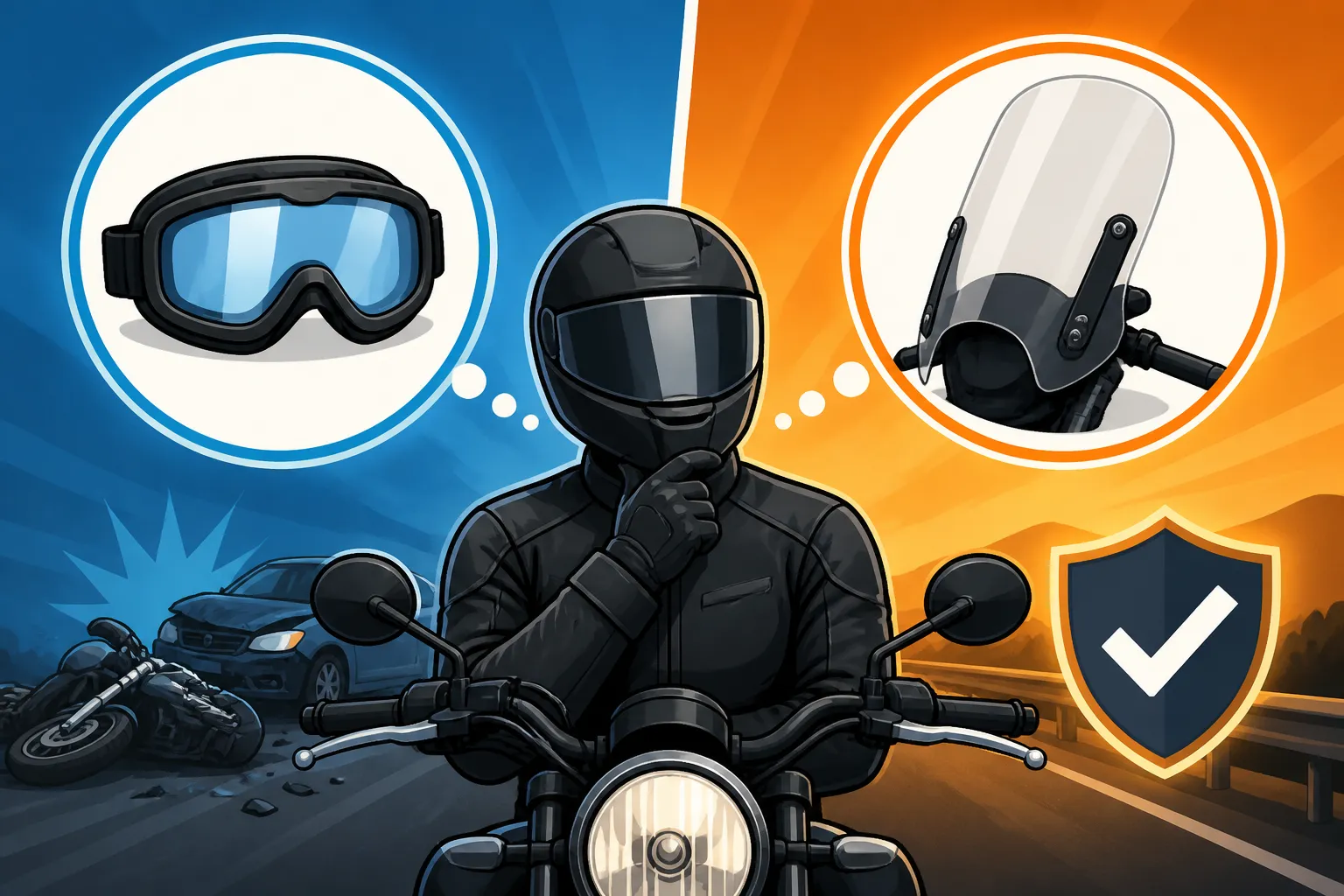
Goggles: The Classic Choice
Motorcycle goggles are a time-honored form of eye protection, offering a secure fit and robust defense against wind, dust, insects, and small projectiles. Modern goggles, especially those from reputable brands like Cycle Gear, often feature anti-fog coatings, UV protection, and interchangeable lenses for various light conditions. The key here is a snug fit that seals around your eyes, preventing wind or debris from sneaking in. Cheap, ill-fitting goggles might offer some protection, but they won't provide the same level of clarity or security, potentially impairing your vision rather than enhancing it.
When choosing goggles, consider:
- Impact Resistance: Look for lenses made from polycarbonate or similar impact-resistant materials.
- Ventilation: Good airflow prevents fogging, which is crucial for safety.
- Strap Comfort: A wide, adjustable strap will keep the goggles secure over a helmet or directly on your head.
- Optical Clarity: Distorted vision from cheap lenses is a huge safety hazard.
Face Shields: Integrated Protection
Many full-face and modular helmets come equipped with integrated face shields. These offer excellent, wide-field vision and comprehensive protection for the entire face, not just the eyes. A well-designed face shield will be optically correct, resistant to scratches, and have an anti-fog treatment. They typically lock into place to prevent unexpected opening at speed and can be flipped up when stopped or riding slowly. This integrated design is often the most convenient and effective form of eye protection.
However, even with a face shield, maintaining its condition is vital. A scratched or dirty shield can severely reduce visibility, especially when riding into the sun or at night. Regularly cleaning it with appropriate solutions and replacing it when it shows significant wear is crucial. This proactive maintenance ties directly into ensuring your safety and, by extension, your ability to make a strong Motorcycle Accident Evidence for Proving Fault case should you ever need to.
Windshields: A Bike-Mounted Solution
A motorcycle windshield acts as a barrier mounted to the bike itself, deflecting wind, rain, and debris over the rider's head. For a windshield to satisfy legal eye protection requirements, it generally needs to be of sufficient height and integrity to provide actual protection to the rider's eyes. This means it should effectively keep the slipstream and any airborne particles from hitting your face when you're in a normal riding position. A small, decorative "wind deflector" or a low fairing often won't cut it legally.
The effectiveness of a windshield also depends on its design and your height. Some riders opt for taller, touring-style windshields for maximum protection and comfort, while others prefer smaller ones for aesthetic or aerodynamic reasons. If your motorcycle has a windshield, it’s a good idea to ensure it meets any specific height or coverage requirements in your state. If you’re unsure, a quick call to your local Department of Motor Vehicles or a traffic enforcement agency can clarify. For those without a factory-installed windshield, aftermarket options are plentiful, and stores like Cycle Gear can help you find one that fits your bike and meets legal criteria.
The Role of Prescription Eyewear and Sunglasses
While prescription glasses and sunglasses are essential for clear vision, they typically do not count as adequate eye protection on their own under most state laws. They lack the impact resistance, full coverage, and secure fit required to protect your eyes from the high-speed impacts of road debris or the constant buffeting of wind. If you wear prescription glasses, you'll generally need to wear goggles over them or use a full-face helmet with a face shield. Many goggles are designed to fit comfortably over prescription glasses, ensuring you don't have to compromise on vision or safety.
Sunglasses, while providing UV protection, similarly do not offer sufficient physical protection. In many cases, if you're pulled over and only wearing sunglasses, you could still be cited for not having proper eye protection. Always layer your protection or opt for a solution that combines vision correction with robust safety features, like prescription motorcycle glasses or contacts worn with a face shield.
Why Eye Protection Matters Beyond the Law
While legal mandates are a strong motivator, the practical benefits of proper eye protection far outweigh merely avoiding a ticket. Riding a motorcycle exposes you to a unique set of hazards that can quickly turn a pleasant ride into a dangerous situation if your vision is compromised.
Enhancing Safety and Visibility
The primary purpose of eye protection is safety. At highway speeds, even a small insect can feel like a rock hitting your eye, causing involuntary blinking, tearing, and momentary loss of vision. This split-second distraction can be disastrous. Debris like gravel, sand, or discarded trash from other vehicles poses an even greater threat, capable of causing serious eye injury or a crash. Proper goggles or a face shield act as a crucial barrier, allowing you to maintain focus on the road ahead, react to hazards, and avoid becoming a statistic in Common Causes of Motorcycle Accidents.
Consider a scenario on Interstate 5 in Washington State. Traveling at 70 mph, a small piece of tire tread suddenly peels off the truck in front of you. If you're wearing only sunglasses, that debris could easily strike your eye, causing pain, disorientation, and a potential loss of control. With a sturdy face shield or impact-resistant goggles, that same debris would likely bounce harmlessly off, allowing you to continue riding safely. This difference can literally be life-saving.
Protecting Against the Elements and Fatigue
Beyond immediate hazards, eye protection also shields you from the relentless assault of the elements. Wind can cause your eyes to dry out, leading to irritation, fatigue, and blurred vision on longer rides. Rain, especially heavy downpours, can make seeing the road incredibly difficult without a clear, treated face shield or goggles that shed water effectively. In sunny conditions, UV protection in your lenses prevents eye strain and long-term damage from sun exposure.
Riding without adequate eye protection significantly increases rider fatigue. Constantly squinting against the wind, sun, or glare tires your eyes and your mind, dulling your reaction time and overall awareness. This kind of fatigue is a silent danger, contributing to errors that could lead to an accident. Investing in high-quality eye protection, perhaps from a specialized vendor like Cycle Gear, not only keeps you legal but also keeps you sharper and more comfortable on those long hauls across the country.
Mitigating Injury Severity in an Accident
Should the unthinkable happen and you're involved in a motorcycle accident, the presence and quality of your eye protection can dramatically influence the severity of any injuries. Motorcycle Safety Gear and Legal Protection extends to your eyes. Without a face shield or goggles, your eyes and face are entirely exposed to impacts, road rash, and lacerations. Facial injuries, especially those involving the eyes, can be devastating, leading to permanent vision loss, disfigurement, and extensive medical treatments.
For example, road rash on your face can be incredibly painful and disfiguring, sometimes requiring multiple surgeries and skin grafts. An impact to the eye can cause anything from a corneal abrasion to a detached retina or even orbital fractures. These types of severe injuries not only have a profound personal impact but also significantly influence Types of Damages in a Motorcycle Accident Claim and potential settlement amounts, often leading to claims for substantial medical expenses, lost wages, and pain and suffering. Protecting your eyes is a simple, effective way to reduce the risk of such catastrophic outcomes.
Navigating Exemptions and Special Cases
While the general rules for eye protection are fairly clear in most states, there are always a few specific scenarios or vehicle types that might have different regulations. Being aware of these exceptions can save you a headache, and potentially a citation, down the road.
Three-Wheeled Motorcycles and Autocycles
The rise of three-wheeled motorcycles (like Can-Am Spyders or Harley-Davidson Trikes) and autocycles (like the Polaris Slingshot) has introduced a gray area in some states' helmet and eye protection laws. Because these vehicles often have a more car-like stance or, in the case of autocycles, are sometimes enclosed or have full windshields, the requirements can differ. Many states classify three-wheeled motorcycles similarly to two-wheeled ones, meaning eye protection (if no adequate windshield is present) is still mandatory. However, autocycles with enclosed cabins or substantial car-style windshields might be exempt from motorcycle-specific eye protection laws, though seatbelt laws and standard vehicle safety regulations would apply.
It's crucial not to assume. Just because it has three wheels or an open-air cockpit doesn't automatically mean the rules are different. Always check the vehicle code specific to your state for these alternative vehicle types. A quick search for "motorcycle helmet laws by state for three-wheelers" or "autocycle eye protection laws" can usually provide the necessary clarity. This is particularly important for newer models like the Vanderhall Carmel, which blurs the lines between a car and a motorcycle.
Mopeds and Scooters
Mopeds and scooters, while technically two-wheeled vehicles, often fall under a separate category in many state statutes due to their lower speeds and engine displacement. Some states might have relaxed helmet laws or no specific eye protection requirements for mopeds, especially if the rider is above a certain age. Other states treat them exactly like motorcycles for safety gear purposes. For example, in states like North Carolina, mopeds typically have different registration and licensing rules than motorcycles, and sometimes, this extends to helmet and eye protection laws, too.
Always check your local DMV guidelines for mopeds and scooters. Don't just assume the "motorcycle" rules apply, or don't apply. These distinctions are critical for compliance, as penalties for violating Moped-specific laws can still result in fines or other legal repercussions.
Out-of-State Riders and Reciprocity
One of the trickiest aspects of motorcycle laws is navigating them when you're traveling across state lines. A common misconception is that you only need to abide by the laws of your home state. This is incorrect. When you ride into another state, you are generally subject to that state's traffic and equipment laws, including those for helmets and eye protection. This principle is called reciprocity.
So, if you're a rider from Florida, where eye protection might not be strictly mandated for you (if you have a windshield and specific insurance), but you decide to take a road trip through New York, you would need to comply with New York's universal eye protection law. Failing to do so could result in a traffic stop, a citation, and potentially impact any motorcycle accident claims if you were involved in an incident in that state. Before any long road trip, a quick review of the motorcycle laws for each state you plan to enter is a smart move. Resources like the Motorcycle Legal Foundation or state DMV websites often have summaries of these laws.
Protecting Your Claim: Documentation and Best Practices
Beyond personal safety, adhering to eye protection laws and best practices can also play a crucial role if you ever find yourself involved in an accident and need to file a motorcycle accident claim. Insurance companies, and even juries, often scrutinize a rider's compliance with safety laws.
The "Helmet Defense" and Eye Protection
You might have heard of the "helmet defense," where insurance companies try to argue that a rider's injuries would have been less severe if they had been wearing a helmet, even if the helmet wasn't legally required or didn't directly prevent the injury. A similar, though less common, argument can be made regarding eye protection. If you suffer an eye injury in an accident and weren't wearing legally required eye protection, the at-fault party's insurance company might try to claim that your failure to comply contributed to your injury, potentially reducing your compensation under Comparative Negligence in Motorcycle Accidents laws.
Even in states where eye protection isn't strictly mandatory, proving you were wearing it and that it was high-quality can strengthen your position. For example, if you sustain an eye injury despite wearing DOT-approved goggles, it shows you took reasonable precautions, which can be valuable when Proving Fault in a Motorcycle Accident.
Documenting Your Gear
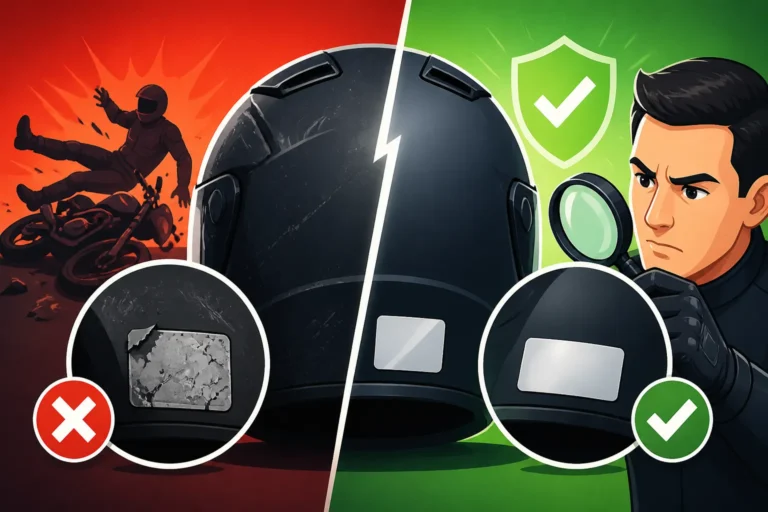
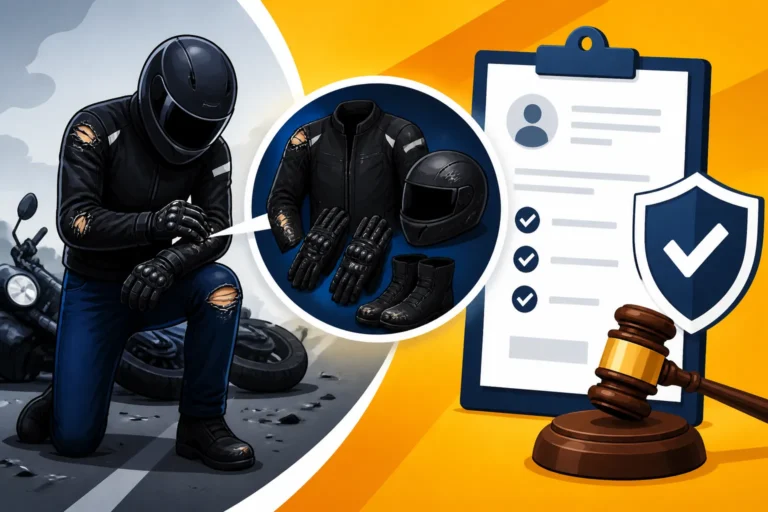
After an accident, documenting all your gear, including your eye protection, is critically important. Take clear photos of your helmet, face shield, and goggles, showing any damage they sustained. This damage can serve as powerful evidence of the force of impact and how your gear protected you. For instance, a cracked face shield or scuffed goggles are tangible proof that your eye protection absorbed impact that otherwise would have hit your face or eyes.
When you're gathering Motorcycle Accident Evidence for Proving Fault, include:
- Photos of your eye protection: Document the condition, any damage, and how it was worn.
- Receipts or proof of purchase: Showing you invested in quality, legally compliant gear.
- Witness statements: If anyone saw you wearing appropriate eye protection.
These details might seem minor in the chaos after a crash, but they can be instrumental in protecting your rights and ensuring you receive fair compensation for your injuries and damages. Always prioritize your safety and legal standing by wearing the best possible eye protection for every ride.
Disclaimer
The information provided in this article is for general informational purposes only and does not constitute legal advice. Motorcycle laws, including those pertaining to helmets and eye protection, vary by state and can change. Always consult with a qualified legal professional or your state's Department of Motor Vehicles for the most current and specific information applicable to your situation.