Why Motorcycle Settlements Are Higher Than Car Accidents
It's a devastating reality that when a motorcycle is involved in a crash with another vehicle, the rider often bears the brunt of the impact. This inherent vulnerability frequently leads to more severe injuries and, consequently, higher settlement amounts compared to typical car accidents. If you've been in a motorcycle accident and are wondering why your potential claim value seems different, this comprehensive guide will walk you through the critical factors that contribute to higher motorcycle accident settlements.
The Stark Reality of Motorcycle Accident Injuries
Let's be brutally honest for a moment: motorcycles offer little to no protection in a collision. Unlike car occupants who are encased in a steel cage, surrounded by airbags, and restrained by seatbelts, a motorcyclist is directly exposed to the road and other vehicles. This fundamental difference is the primary driver behind the often-catastrophic nature of motorcycle accident injuries and, by extension, the higher settlement figures.
Increased Severity and Vulnerability
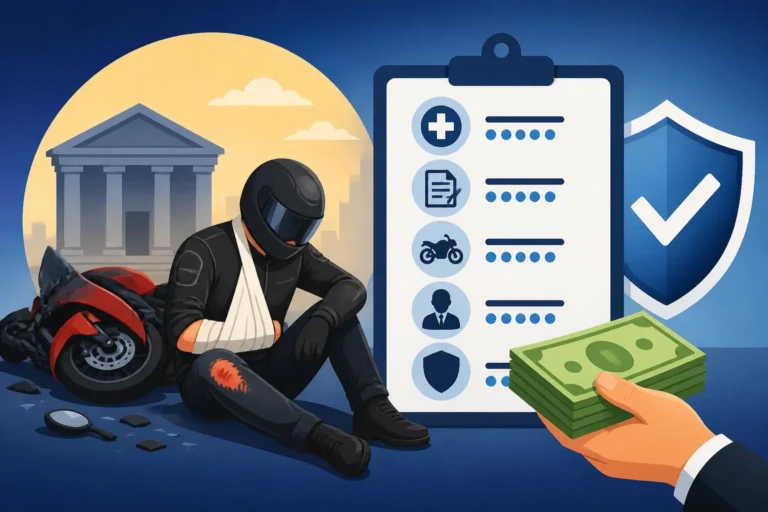
When a car and a motorcycle collide, physics is unforgiving. The sheer difference in mass and structural integrity means the motorcyclist is almost always at a severe disadvantage. We're talking about direct impact, being thrown from the bike, or getting trapped beneath a vehicle. These aren't minor fender-benders; they are often life-altering events. The force of impact, combined with the lack of protective barriers, means injuries are far more widespread and severe. You're not just dealing with whiplash; you're often facing multiple fractures, internal trauma, and critical head injuries. This severe impact dramatically elevates the immediate and long-term medical needs, which then directly influences the overall settlement value. Understanding the Common Motorcycle Accident Injuries is crucial for any rider.
Common Catastrophic Injuries
The types of injuries sustained by motorcyclists are frequently among the most severe seen in personal injury claims. We're talking about things like traumatic brain injuries, spinal cord injuries, and extensive road rash. A Motorcycle Accident Traumatic Brain Injury can lead to lifelong cognitive and physical impairments, requiring extensive ongoing care, therapy, and sometimes 24-hour supervision. Similarly, a Spinal Cord Injuries from Motorcycle Accidents can result in paralysis, profoundly altering every aspect of a person's life and demanding massive financial resources for medical equipment, home modifications, and personal assistance. Even seemingly less severe injuries like Road Rash Injuries and Claims can be incredibly debilitating, requiring painful debridement, skin grafts, and leaving permanent scarring and nerve damage. The costs associated with these severe injuries, both current and future, are immense, making higher settlements a necessity to cover care and compensate for lost quality of life.
The Financial Avalanche of Medical Expenses
After a motorcycle accident, the medical bills don't just pile up; they can create a veritable avalanche of debt that can bury a family. This isn't just about a quick trip to the emergency room; it's about a complex, multi-stage process of recovery that can span months, years, or even a lifetime. The sheer volume and cost of necessary medical interventions are a huge factor in why motorcycle accident settlements are so much higher.
Immediate and Long-Term Medical Care
Think about the immediate aftermath: ambulance rides, emergency room visits, diagnostic tests like X-rays, CT scans, and MRIs. Then comes surgery – often multiple surgeries – followed by hospitalization. For severe injuries, a stay in an intensive care unit might be necessary, incurring astronomical daily costs. But it doesn't stop there. Once discharged, the journey of recovery truly begins with long-term care, rehabilitation, and follow-up appointments. This could include physical therapy, occupational therapy, psychological counseling to deal with trauma, pain management specialists, and various medications. Each step is essential for recovery, but each also adds substantially to the financial burden. All these factors contribute significantly to How Medical Bills Affect Your Settlement.
Specialized Treatment and Rehabilitation
Many motorcycle accident injuries require highly specialized treatment plans that go beyond what a typical car accident victim might need. For instance, severe burns from road rash often necessitate reconstructive surgery and specialized burn units. Traumatic brain injuries might require neuro-rehabilitation centers, cognitive therapy, and speech therapy. Spinal cord injuries mean not just physical rehabilitation but also specialized equipment like wheelchairs, accessible vehicles, and home modifications to accommodate new mobility challenges. These are not standard treatments; they involve highly skilled professionals and state-of-the-art facilities, driving up costs significantly. The need for these unique and intensive therapies ensures that the compensation sought in a motorcycle accident claim reflects the true cost of regaining as much functionality and quality of life as possible.
Significant Economic Losses Beyond Medical Bills
Beyond the staggering medical costs, motorcycle accident victims often face a devastating blow to their financial stability through lost income and severe damage to their prized possession. These are what we refer to as Economic vs Non-Economic Damages Explained, and they represent tangible, calculable losses that directly inflate settlement amounts.
Lost Wages and Earning Capacity
When you're recovering from catastrophic injuries, going back to work simply isn't an option for many. This leads to immediate lost wages, but the impact can be far more profound. Many riders suffer injuries so severe that they can't return to their previous job, or worse, are permanently disabled and unable to work at all. This isn't just about the paychecks missed in the past; it's about the future. How Lost Wages Are Calculated in a settlement often includes not only current lost income but also the loss of future earning capacity – essentially, the money you would have earned over your entire career had the accident not occurred. For a skilled tradesperson, a construction worker, or even an office professional, a permanent injury can mean the end of a career and the loss of millions over a lifetime. This long-term financial devastation is a major component of a higher settlement.
Property Damage and Motorcycle Replacement
While not as critical as human life, the motorcycle itself often represents a significant financial investment and a passion. Unlike cars, which might sustain damage and be repairable, motorcycles in severe accidents are frequently totaled. Replacing a high-end touring bike like a Harley-Davidson or a BMW, or a performance sportbike like a Ducati or a Kawasaki Ninja, can easily run into tens of thousands of dollars. The property damage claim for the motorcycle itself, including any custom parts, gear, and accessories, becomes another substantial line item in the overall settlement. Sometimes, there's even damage to personal items carried on the bike, like helmets, riding jackets, or electronics. While this isn't about personal injury, it's a very real economic loss that contributes to the total value of the claim.
The Weight of Non-Economic Damages
While economic damages are about calculable financial losses, non-economic damages address the intangible, yet very real, suffering endured by the accident victim. These are often the largest components of a motorcycle accident settlement, reflecting the profound impact an injury has on a person's life beyond simple dollar figures.
Quantifying Pain and Suffering
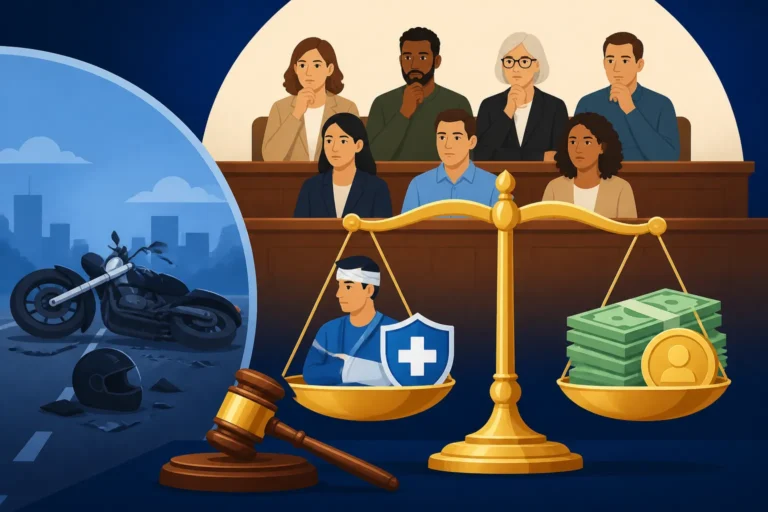
How do you put a price on agony? It's a difficult question, but one that personal injury law attempts to answer. Pain and Suffering in Motorcycle Settlements refers to the physical pain, emotional distress, discomfort, and mental anguish caused by the injuries. For motorcyclists, due to the severe nature of their injuries, this is often immense. Imagine living with chronic pain every day, undergoing painful therapies, enduring sleepless nights, and facing the emotional toll of permanent disfigurement or disability. Insurance adjusters and juries use various methods, like the multiplier method, to calculate this. A multiplier (ranging from 1.5 to 5 or even higher for catastrophic cases) is applied to the total economic damages (medical bills, lost wages) to arrive at a figure for pain and suffering. Given the high economic damages in motorcycle accidents, even a modest multiplier can lead to very substantial non-economic damage awards.
Loss of Enjoyment of Life and Emotional Distress
Beyond physical pain, motorcycle accidents often strip riders of their ability to enjoy life as they once did. This is known as "loss of enjoyment of life." For a rider who cherished the freedom of the open road, the inability to ride again can be a profound source of sadness and loss. Perhaps they can no longer participate in hobbies, spend quality time with family in the same ways, or engage in sports. These are deeply personal losses that affect mental well-being. Furthermore, many accident victims experience significant emotional distress, including anxiety, depression, post-traumatic stress disorder (PTSD), and even fear of riding or driving again. These psychological impacts are just as real as physical injuries and require acknowledgment and compensation. The profound and often permanent alteration of a rider's life contributes heavily to the higher non-economic damages, making the overall settlement significantly larger. In essence, What Affects Your Motorcycle Accident Payout goes far beyond just medical bills.
Legal and Insurance Dynamics at Play
The legal landscape and insurance industry dynamics also play a significant role in why motorcycle accident settlements tend to be higher. There are specific challenges and opportunities within the claims process that can tip the scales towards a larger payout for injured riders.
Proving Fault and Overcoming Rider Bias
One of the biggest hurdles motorcyclists face is the inherent bias many people, including some jurors and even insurance adjusters, hold against riders. There's a persistent stereotype that motorcyclists are reckless or inherently at fault. This "rider bias" means that proving the other driver was solely responsible can be an uphill battle, often requiring robust evidence and expert testimony. However, when fault is clearly established against the other driver, this can significantly bolster the settlement.
Insurance companies frequently attempt to use arguments of comparative negligence, claiming the motorcyclist was partly at fault – perhaps for speeding, lane splitting, or even just being "hard to see." Successfully countering these arguments and clearly demonstrating the other party's negligence, such as a driver making an illegal left turn or failing to yield, is crucial. For instance, in states like California, which has a pure comparative negligence rule, your settlement can be reduced by your percentage of fault. If you are found 20% at fault, your $100,000 settlement would be reduced to $80,000. However, when the other driver is clearly 100% at fault, especially in cases of drunk driving or egregious distraction, the settlement values typically rise to reflect their full liability for the extensive damages. This is a critical factor in How Insurance Companies Assign Blame to Riders.
Higher Policy Limits and Underinsured/Uninsured Motorist Coverage
Often, drivers who cause serious accidents may not carry sufficient liability insurance to cover the extensive damages incurred by a severely injured motorcyclist. This is a common frustration, as even a clear-cut case of fault can be limited by the at-fault driver's minimal policy. However, savvy motorcycle accident victims, or their legal representation, will explore all avenues for recovery.
This often involves tapping into the rider's own underinsured motorist (UIM) or uninsured motorist (UM) coverage. Many riders, recognizing their vulnerability, carry higher UM/UIM limits, sometimes $250,000, $500,000, or even $1 million, specifically for situations where the at-fault driver is underinsured. When these coverages are in place, they can significantly increase the total available funds for a settlement, making it higher than it would be if only relying on the other driver's minimal policy. Therefore, How Insurance Policy Limits Affect Your Payout can be a double-edged sword, but proactive riders often mitigate this risk.
| Factor | Motorcycle Accidents | Car Accidents (Typical) |
|---|---|---|
| Injury Severity | High, often catastrophic (TBI, SCI, amputations, severe road rash) | Moderate to severe (whiplash, fractures, minor TBI) |
| Medical Expenses | Very high, complex surgeries, long-term rehabilitation, specialized care | Moderate, emergency care, physical therapy, sometimes surgery |
| Lost Wages/Earning Capacity | Significant, often permanent disability, inability to return to work | Moderate, temporary time off work, sometimes job modification |
| Pain and Suffering | Extreme, profound impact on quality of life, emotional distress, PTSD | Moderate to high, depending on injury, but often less debilitating long-term |
| Property Damage | High, motorcycles often totaled, expensive gear replacement | Moderate, car repairable or totaled, less personal gear damage |
| Rider Vulnerability | Direct exposure, no physical protection from vehicle | Encased in vehicle, airbags, seatbelts offer protection |
| Potential Settlement Range | Higher, often six figures to multi-million for severe injuries | Lower to moderate, typically five to low six figures for significant injuries |
Disclaimer
Please remember that this article provides general information and does not constitute legal advice. Every motorcycle accident claim is unique, and the information provided here may not apply to your specific situation. For personalized guidance regarding your motorcycle accident claim, it is crucial to consult with a qualified legal professional in your jurisdiction.