Average Motorcycle Accident Settlement in New Jersey
It's incredibly frustrating when you're dealing with the aftermath of a motorcycle accident in New Jersey, trying to heal, and simultaneously wondering what kind of financial recovery you can realistically expect. Many riders feel lost, facing mounting medical bills and lost wages, all while navigating a complex legal system. This guide is here to shed light on what influences motorcycle accident settlements in the Garden State, helping you understand the factors at play and how to pursue a fair resolution.
Understanding Motorcycle Accident Settlements in New Jersey
When you've been in a motorcycle accident, one of the first questions that often pops into your head is, "What's my case worth?" It's a natural concern, especially with medical bills piling up and possibly being out of work. However, pinning down an "average" motorcycle accident settlement in New Jersey isn't as straightforward as it might seem. Every accident, every injury, and every individual's circumstances are uniquely complicated.
Why "Average" Can Be Misleading
The term "average settlement" can be incredibly deceptive because there's no official database tracking every single motorcycle accident payout in New Jersey. What one person receives for a seemingly similar injury might be vastly different from another, depending on a multitude of factors. For instance, a minor fender-bender might result in a few thousand dollars for property damage and minimal medical treatment, while a catastrophic collision involving a traumatic brain injury could easily lead to a multi-million dollar settlement. The sheer range makes any single "average" figure almost useless for predicting your specific case's value. It’s not just about the type of injury, but also the severity, the long-term impact on your life, and the specifics of the accident itself.
Think about it this way: comparing a sprained ankle case to one involving a spinal cord injury is like comparing apples to very, very expensive oranges. Both are injuries, but the costs associated with treatment, rehabilitation, and long-term care are entirely different. This is why focusing on the specific details of your case, rather than a broad average, is absolutely critical.
Key Factors Influencing Your Payout
While there's no magic number, several crucial elements consistently shape the value of a motorcycle accident settlement. Understanding these can help you better assess your situation.
First and foremost are the severity and nature of your injuries. This is often the biggest driver of settlement value. A broken bone that requires surgery and extensive physical therapy will generally lead to a higher settlement than road rash that heals within a few weeks, though even road rash can be incredibly painful and debilitating. The more serious, debilitating, or permanent your injuries are, the higher the potential compensation. This includes not just the initial injury but also any complications, long-term pain, or disability you might experience.
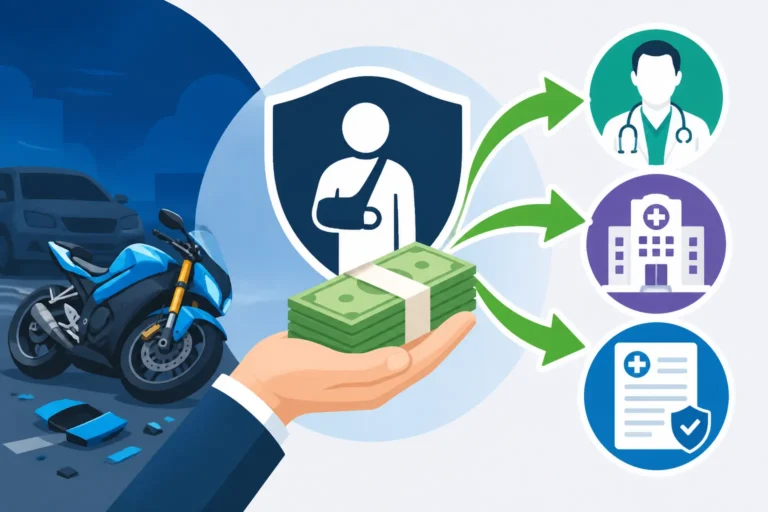
Next, medical expenses play a significant role. This includes everything from emergency room visits, ambulance rides, doctor consultations, diagnostic tests (X-rays, MRIs), surgeries, medications, physical therapy, rehabilitation, and even future medical needs. Every dollar spent on your treatment, and every dollar projected for future care, adds to the economic damages of your claim.
Lost wages and loss of earning capacity are also huge considerations. If your injuries prevent you from working, either temporarily or permanently, you can seek compensation for those lost earnings. For riders who can no longer perform their previous job or have reduced earning potential due to their injuries, calculating Loss of Earning Capacity Explained becomes a complex but vital part of the claim. This often requires expert economic analysis to project future losses.
The impact on your quality of life, also known as pain and suffering, is another major component. This accounts for the physical pain, emotional distress, mental anguish, loss of enjoyment of life, and disruption to your daily activities caused by the accident and injuries. This category, known as non-economic damages, can be substantial, especially in cases involving chronic pain or permanent disfigurement.
Finally, the clarity of fault and the insurance policy limits involved are paramount. New Jersey operates under specific fault rules, and who is determined to be responsible for the crash directly impacts your ability to recover. If the other driver was clearly at fault, your case is stronger. However, even with clear fault, the maximum amount you can recover from the at-fault driver's insurance company is limited by their policy. If their coverage isn't enough to cover your damages, it can complicate matters significantly.
Common Damages Riders Face in New Jersey Accidents
Motorcycle accidents often result in severe injuries due to the lack of protection compared to occupants of a passenger vehicle. This translates into substantial damages, both economic and non-economic, that need to be accounted for in any settlement. Understanding these different categories is key to building a comprehensive claim.
Economic Damages: The Tangible Costs
These are the calculable, out-of-pocket expenses that have a direct monetary value. They are often easier to prove because they come with receipts, bills, and pay stubs.
- Medical Bills: This is usually the largest component of economic damages. It includes immediate emergency care, hospitalization, surgeries, follow-up doctor visits, specialist consultations, prescription medications, medical devices (like crutches or wheelchairs), and therapeutic interventions such as physical therapy, occupational therapy, and chiropractic care. For serious injuries, ongoing care for months or even years, or even a lifetime, can add up to astronomical figures. For example, a rider with a spinal cord injury might need extensive rehabilitation, home modifications, and assistive technology for the rest of their life.
- Lost Wages and Future Earning Capacity: If your injuries prevent you from working, you can claim compensation for the income you've already lost. But what about the future? If your injuries lead to a permanent disability or prevent you from returning to your previous profession, you can seek damages for Lost Wages in a Motorcycle Claim and loss of future earning capacity. This requires a careful calculation, often with the help of economists, to project what you would have earned had the accident not occurred, taking into account your age, profession, and career trajectory.
- Property Damage: This covers the cost to repair or replace your motorcycle, helmet, and any damaged riding gear. If your bike is totaled, you're entitled to its fair market value. Don't forget to include the cost of a rental vehicle if you needed one while your bike was being assessed or repaired.
- Out-of-Pocket Expenses: These smaller, often overlooked costs can quickly add up. They include transportation to medical appointments, childcare services you had to pay for while recovering, modifications to your home or vehicle to accommodate your injuries, and even over-the-counter pain medications. Keeping meticulous records of all these expenses is vital for your claim.
Non-Economic Damages: The Intangible Toll
While not as straightforward to calculate, non-economic damages are incredibly real and represent the profound impact the accident has had on your life beyond financial costs. These damages compensate you for your subjective suffering.
- Pain and Suffering: This is compensation for the actual physical pain you endure from your injuries, as well as the emotional and mental anguish that often accompanies a traumatic event like a motorcycle crash. This includes acute pain from the injury itself, chronic pain that may persist long after initial treatment, and the psychological distress of the entire experience. It's not just about the initial crash, but the recovery process too.
- Emotional Distress and Mental Anguish: Many riders experience significant psychological trauma after an accident. This can manifest as anxiety, depression, fear of riding again (even as a passenger), sleep disturbances, or even PTSD After a Motorcycle Accident. These emotional consequences can be just as debilitating as physical injuries and deserve compensation.
- Loss of Enjoyment of Life: This damage compensates you for being unable to participate in activities you once loved. If you can no longer ride your motorcycle, play with your kids, pursue hobbies, or engage in sports due to your injuries, this is a profound loss. It's about the diminishment of your overall quality of life.
- Disfigurement and Scarring: Many motorcycle accidents result in significant scarring, especially from severe road rash or surgical incisions. If these scars are permanent and visible, they can lead to feelings of self-consciousness, embarrassment, and a permanent alteration of your appearance. This is particularly relevant for permanent scarring and disfigurement damages on visible body parts like the face or arms.
It’s crucial to understand that both economic and non-economic damages contribute to the overall value of your claim, as outlined in Types of Damages in a Motorcycle Accident Claim.
New Jersey's Unique Laws Affecting Your Settlement
Every state has its own specific set of laws that govern personal injury claims, and New Jersey is no different. These laws can significantly impact how fault is assigned and, consequently, how much compensation you can receive after a motorcycle accident. Navigating these nuances is critical for any rider seeking a fair settlement.
Comparative Negligence in the Garden State
New Jersey operates under a "modified comparative negligence" rule, specifically the 51% bar rule. This is a big deal for motorcycle accident claims. Here’s how it works:
If you are found to be partially at fault for the accident, your total damages can be reduced by your percentage of fault. For example, if your total damages are $100,000, but you are found 20% at fault, your settlement would be reduced to $80,000. This is a common practice, and insurers will often try to assign some fault to the rider to reduce their payout. Understanding When a Rider Is Partially at Fault is crucial.
However, the "51% bar rule" has a critical cutoff: if you are found 51% or more at fault for the accident, you are legally barred from recovering any damages from the other party. This means even if your injuries are severe and costs are high, if a jury or insurance adjuster determines you were primarily responsible, you walk away with nothing. This can be a particularly harsh reality for motorcycle riders who often face inherent biases from drivers and even juries. For a deeper dive, you might want to explore Comparative Negligence in Motorcycle Accidents.
This rule makes documenting everything after an accident incredibly important. Anything that can prove the other driver's fault and minimize your own, such as police reports, witness statements, dashcam footage, or accident reconstruction, will be vital to your claim.
Insurance Minimums and Policy Limits
Another significant factor in New Jersey is the other driver's insurance coverage. Even if you have an iron-clad case and your damages are extensive, you can generally only recover up to the at-fault driver's policy limits. New Jersey requires minimum liability insurance coverage for bodily injury of $25,000 per person and $50,000 per accident, and $25,000 for property damage. While these are minimums, many drivers only carry these amounts.
What does this mean for you? If you suffer a catastrophic injury that costs $150,000 in medical bills and lost wages, but the at-fault driver only has a $25,000 bodily injury policy, you could be left trying to recover the remaining $125,000 from other sources. This is where your own Uninsured/Underinsured Motorist (UM/UIM) coverage becomes your best friend.
UM/UIM coverage protects you if the at-fault driver either doesn't have insurance or doesn't have enough insurance to cover your damages. If you opted for robust UM/UIM coverage on your own policy, it can kick in to cover the gap between the at-fault driver's insufficient coverage and your actual damages. This is why experienced riders in New Jersey often carry much higher UM/UIM limits than the state minimums – it’s literally your safety net against someone else’s poor insurance choices. Understanding How Insurance Policy Limits Affect Your Payout and the value of your own UM/UIM coverage cannot be overstated.
How to Maximize Your Settlement After a New Jersey Motorcycle Accident
Securing a fair settlement after a motorcycle accident in New Jersey isn't just about what happened; it's also about what you do after it happened. The steps you take can significantly influence the outcome and help you get the compensation you truly deserve.
Documenting Your Case Thoroughly
From the moment the accident occurs, documentation is your most powerful tool. The more evidence you have, the stronger your position will be when negotiating with insurance companies.
First and foremost, seek immediate medical attention. This isn't just for your health – it's crucial for your claim. Delays in medical treatment can be used by insurance companies to argue that your injuries weren't serious or weren't caused by the accident. Make sure every injury, no matter how minor it seems at the time, is recorded by a medical professional. Keep meticulous records of all diagnoses, treatments, medications, and therapy sessions. Your medical records serve as objective proof of your injuries and their severity. For more on this, check out How to Document Injuries for a Claim.
Beyond medical records, gather all possible evidence from the accident scene. If you're able, take photos and videos of the accident scene from various angles, including your motorcycle, the other vehicle, road conditions, traffic signs, skid marks, and any visible injuries. Exchange information with all parties involved, including names, contact details, insurance information, and vehicle license plates. Get contact information from any witnesses, as their statements can be invaluable in establishing How Fault Is Determined in Motorcycle Accidents. A police report is also a critical piece of evidence; ensure you obtain a copy.
Keep an injury journal or diary. Document your daily pain levels, how your injuries impact your daily life, your emotional state, and any activities you can no longer enjoy. This helps articulate your non-economic damages, like pain and suffering and loss of enjoyment of life, in a way that dry medical reports cannot. These personal accounts are powerful evidence of the real-life consequences of your accident.
Finally, keep track of all financial expenses. This includes not just medical bills but also receipts for prescription medications, mileage to and from appointments, lost wages (pay stubs, employer letters), and any other out-of-pocket costs related to your injuries or recovery. These tangible records are essential for calculating your economic damages.
The Role of Legal Representation
While you can try to handle a motorcycle accident claim on your own, the reality is that insurance companies are formidable opponents. They have vast resources and strategies designed to minimize payouts. This is where experienced legal representation becomes invaluable.
A New Jersey motorcycle accident attorney understands the complexities of state-specific laws, like modified comparative negligence, and knows how to counter the tactics insurance companies often employ. They can handle all communication with the insurance adjusters, protecting you from saying anything that could jeopardize your claim. This is especially important when considering that insurance companies often attempt to shift blame to the motorcyclist, playing into negative stereotypes. An attorney can effectively challenge this Rider Bias in Fault Determination.
Beyond negotiations, an attorney will thoroughly investigate your accident, gather crucial evidence, and enlist experts if needed (such as accident reconstructionists or medical specialists) to build a strong case. They can accurately assess the full value of your damages, including future medical costs and lost earning capacity, ensuring that no potential compensation is overlooked. For many, figuring out How to Estimate Your Motorcycle Accident Settlement alone is daunting, but a lawyer provides clarity.
Perhaps most importantly, having an attorney demonstrates to the insurance company that you are serious about your claim. This often leads to more respectful negotiations and higher settlement offers. If negotiations fail, a lawyer can guide you through the litigation process, advocating for your rights in court. Many riders wonder, Do You Need a Motorcycle Accident Lawyer? If you have significant injuries, disputed fault, or simply feel overwhelmed, the answer is almost always yes.
Factors Affecting Motorcycle Accident Settlement Values in New Jersey
To give you a clearer picture of how different elements might influence a potential settlement, here's a breakdown of common factors and their general impact:
| Factor | Description | General Impact on Settlement Value |
|---|---|---|
| Injury Severity | Minor injuries (road rash, sprains) vs. Severe (TBI, spinal cord, multiple fractures, amputation) | Low to Extremely High |
| Medical Expenses | Cost of treatment, surgeries, therapy, medication, future medical care | Direct Proportional Increase |
| Lost Wages | Income lost due to time off work, including future earning capacity | Direct Proportional Increase |
| Pain & Suffering | Physical pain, emotional distress, mental anguish, loss of enjoyment of life, scarring/disfigurement | Significant, subjective increase |
| Clearness of Fault | Undisputed fault of other driver vs. Shared fault (comparative negligence) or disputed fault | Higher with clear fault, lower/none with shared fault |
| Insurance Limits | At-fault driver's liability coverage limits and your own UM/UIM coverage | Ceiling for recovery |
| Evidence Quality | Detailed medical records, police report, witness statements, photos, videos, expert testimony | Enhances validity, increases value |
| Legal Representation | Skilled attorney navigating legal complexities and negotiating effectively | Often leads to significantly higher payouts |
| Venue (County) | Juries in certain New Jersey counties might be more generous than others (e.g., Camden County vs. more conservative rural areas) | Variable, can be moderate impact |
| Recovery Time | Length of rehabilitation, permanent disability, and long-term impact on daily life | Longer/more severe recovery, higher value |
As you can see, predicting an "average" number is nearly impossible. Instead, focusing on these specific factors in your case will give you a much more realistic understanding of what to expect.
Disclaimer
Please remember that this article provides general information and insights into motorcycle accident settlements in New Jersey. It is not legal advice. The specifics of your case are unique, and you should consult with a qualified personal injury attorney in New Jersey to discuss your individual circumstances and legal options.