Helmet Laws for Electric Motorcycles
Navigating the road on an electric motorcycle can be an exhilarating experience, offering a unique blend of modern technology and classic two-wheeled freedom. However, the rapidly evolving landscape of electric vehicles often leaves riders scratching their heads when it comes to legal requirements, particularly those surrounding helmet laws. This guide aims to cut through the confusion, helping you understand how helmet regulations apply to electric motorcycles, state by state, so you can ride confidently and legally.
Understanding Electric Motorcycles and the Law
It's easy to assume that all two-wheeled vehicles are treated the same under the law, but the reality is far more nuanced, especially with the rise of electric models. The critical factor often boils down to how your specific electric motorcycle is legally defined, which then dictates the rules you need to follow.
What Defines an Electric Motorcycle Legally?
The definition of an "electric motorcycle" isn't always as straightforward as it sounds, and it can vary significantly from one state to another. For many states, the legal classification hinges on a few key characteristics, often mirroring how traditional gasoline-powered motorcycles are defined:
- Motor Power: This is usually measured in wattage or horsepower. Vehicles with higher power output are more likely to be classified as motorcycles. For instance, an electric bicycle might have a motor under 750 watts, while a full-fledged electric motorcycle like a Zero SR/F will boast significantly more power, propelling it to highway speeds.
- Speed Capability: How fast can the vehicle go without pedal assistance? If it can exceed a certain speed (often 20 MPH or 28 MPH for electric bicycles, depending on the state), it's more likely to be considered a motor vehicle and thus a motorcycle.
- Weight: Heavier electric vehicles, especially those designed with substantial frames, larger batteries, and suspension systems akin to gasoline bikes, often fall into the motorcycle category.
- Seating/Design: If it has a seat designed for a single rider or a passenger, footpegs, and controls that mimic a traditional motorcycle, it will almost certainly be classified as such.
The challenge arises with vehicles that blur the lines – think powerful electric scooters or even some high-end electric bicycles that can reach impressive speeds. A vehicle that might look like an oversized bicycle but can hit 45 mph on throttle alone is very different from a pedal-assist e-bike. Many state Departments of Motor Vehicles (DMVs) have specific rules for classifying these types of vehicles. For example, California defines a "motor-driven cycle" as having an engine under 150cc (or equivalent electric power) and not requiring a helmet if the rider is over 21, yet a full electric motorcycle still requires a helmet regardless of age. This distinction is paramount, as it directly impacts whether you need a helmet, a special license, or even insurance.
Why the Confusion Around Helmet Laws?
The legal landscape struggles to keep pace with innovation. Electric vehicles have exploded in popularity relatively recently, and many existing traffic laws were written long before a silent, powerful electric two-wheeler was even a dream. This leads to a lot of grey areas and misunderstandings.
- New Technology, Old Laws: Most states have "motorcycle" laws on the books that don't specifically mention electric propulsion. When an electric motorcycle rolls off the factory floor, authorities often default to classifying it based on its operational characteristics (speed, weight, power) rather than its fuel source.
- Varying Interpretations: What one state calls an "electric bicycle," another might call a "motorized scooter," and a third might consider a "motorcycle." This patchwork of regulations can be incredibly frustrating for riders, especially if they travel across state lines. A rider might be legal without a helmet in one state on their high-powered electric bike, only to find themselves breaking the law the moment they cross into a neighboring state.
- Manufacturer Spec Confusion: Some manufacturers market their products ambiguously, perhaps calling something an "e-bike" when its specs technically push it into the "motorcycle" category in certain jurisdictions. Riders might purchase a vehicle unaware of its legal classification, leading to unintended violations.
It’s this very confusion that often lands riders in trouble or, worse, puts them at unnecessary risk. Understanding the underlying legal definitions is your first and most crucial step in navigating helmet laws for electric motorcycles.
State-by-State Helmet Laws for Electric Motorcycles
Once your electric two-wheeler is legally classified as a "motorcycle" (or a similar category that mandates helmets), the state's existing motorcycle helmet laws apply directly to you. These laws generally fall into three categories: universal, partial, or no helmet laws for adult riders.
Universal Helmet Law States
In states with universal helmet laws, all riders, regardless of age or experience level, are legally required to wear a helmet while operating a motorcycle. If your electric vehicle is classified as a motorcycle in one of these states, then you absolutely must wear a helmet. There's no wiggle room.
For instance, states like California, Georgia, and Maryland enforce universal helmet laws. If you're cruising on your LiveWire One in San Diego or your Damon HyperSport in Atlanta, you'll need to be wearing a DOT-compliant helmet. These laws are typically broad, applying to any vehicle legally designated as a motorcycle, irrespective of its propulsion system. The rationale behind these laws is simple: helmets save lives and reduce severe injuries. Not wearing a helmet in a universal helmet law state can result in fines, points on your license, and if you're involved in an accident, it can significantly impact your ability to recover damages in a claim. For example, if you're in a crash and weren't wearing a helmet in California, an insurance company or court could use that against you, even if the other driver was clearly at fault, arguing that your injuries would have been less severe had you worn one. This is often referred to as the "helmet defense." To ensure you're equipped for both safety and legal compliance, always look for high-quality, DOT-approved helmets, readily available at retailers like Cycle Gear.
Partial Helmet Law States
Partial helmet law states represent a middle ground, requiring helmets only for certain groups of riders, typically based on age or insurance coverage. This is where the distinctions can become even more critical for electric motorcycle riders.
In many partial helmet law states, riders under a specific age (often 18 or 21) are mandated to wear helmets. Some states also have provisions that allow adult riders to forgo a helmet if they carry a certain amount of medical insurance or have completed an approved safety course. For example, in Texas, riders under 21 must wear a helmet, while those 21 and older can ride without one if they have completed a motorcycle safety course and carry adequate medical insurance. Similarly, Florida requires helmets for riders under 21, but those over 21 can choose not to wear one if they have at least $10,000 in medical benefits coverage.
For electric motorcycle riders, it's crucial to confirm whether their vehicle falls under the "motorcycle" classification and then understand the age and insurance stipulations of their specific state. If you're an adult riding an electric motorcycle in a partial law state and choose not to wear a helmet, you must ensure you meet all the legal exceptions. Falling short could lead to a citation and potentially impact a future claim. Understanding "How Not Wearing a Helmet Affects Your Settlement" is vital, as insurers will almost certainly use non-compliance as leverage to reduce your payout, even if the crash wasn't your fault.
States with No Helmet Laws
A very small number of states have no universal or partial helmet laws for adult motorcycle riders, meaning adults are not legally required to wear a helmet. These states often include Iowa and New Hampshire, for adult riders at least.
In these states, if your electric vehicle is classified as a motorcycle, adult riders have the freedom to choose whether or not to wear a helmet. While this might sound liberating, it's essential to remember that the physical risks of riding remain the same, regardless of legal requirements. Even in states where helmets aren't mandatory, they are universally recommended by safety experts. Choosing to ride without a helmet, even where legal, means you're taking on significant personal risk in the event of a crash. Your head is incredibly vulnerable. While the law might not require it, common sense and a deep understanding of "Motorcycle Safety Gear and Legal Protection" suggest that a helmet is always a wise choice.
Here's a simplified overview of how helmet laws generally apply across different state categories, keeping in mind the electric motorcycle must first be classified as a motorcycle:
| State Helmet Law Category | General Requirement for Riders | Impact on Electric Motorcycles (if classified as 'motorcycle') |
|---|---|---|
| Universal | All riders must wear a helmet | All electric motorcycle riders must wear a helmet. |
| Partial | Helmets required for specific age groups (e.g., under 18/21), or if specific insurance/training criteria not met | Electric motorcycle riders must comply with age/insurance/training requirements. |
| No Helmet Law | No helmet required for adult riders | Adult electric motorcycle riders are generally not legally required to wear a helmet. |
Disclaimer: This table is for general informational purposes only. Specific laws vary greatly by state and can change. Always verify current regulations for your specific vehicle and location.
Practical Advice and Safety Considerations
Riding an electric motorcycle is a fantastic experience, but it comes with responsibilities. Beyond just understanding the law, it's about making informed choices that prioritize your safety.
Verifying Your Vehicle's Classification and Local Laws
This is perhaps the most critical actionable step you can take. Never assume. The easiest way to get definitive answers about your electric motorcycle's classification and the corresponding helmet laws is to do a bit of homework.
Start by checking your vehicle's title or registration documents. What does it say? Is it listed as a "motorcycle," "scooter," "moped," or something else? This is the primary indicator of how it's legally viewed. Next, review your specific state's Department of Motor Vehicles (DMV) or Department of Transportation (DOT) website. Look for sections on "motorcycle" or "motorized vehicle" definitions. Pay close attention to power output, top speed, and weight thresholds that differentiate categories like electric bicycles from scooters or motorcycles.
If the information isn't clear, or if you have a vehicle with ambiguous specifications, pick up the phone and call your state's DMV directly. Explain your vehicle's make, model, and capabilities, and ask them for a definitive classification and the helmet requirements. It's far better to spend a few minutes on the phone now than to face a ticket or, worse, deal with the fallout of an accident while non-compliant. Ignoring these steps could mean you're inadvertently breaking the law, leading to fines, legal issues, or even having your vehicle impounded. Furthermore, in the event of a crash, a lack of proper registration or license could complicate any injury claim you might pursue.
Why Wearing a Helmet is Always a Good Idea
Let's be real, even if your state doesn't legally require a helmet for your electric motorcycle, your skull isn't suddenly made of steel. Riding any two-wheeled vehicle, whether electric or gas-powered, carries inherent risks. A helmet provides crucial protection against head injuries, which are often the most devastating outcomes of a motorcycle accident.
Think about the physics of a crash. When you hit the ground, or a car hits you, the impact force can be tremendous. A good helmet, especially one that meets "DOT Helmet Requirements Explained", is designed to absorb and dissipate much of that force, protecting your brain from direct trauma. This isn't just about avoiding a cracked skull; it's about preventing concussions, traumatic brain injuries (TBIs), and other neurological damage that can have lifelong consequences. Even a low-speed fall can result in a serious head injury if your head strikes the pavement unprotected. Beyond the direct trauma, helmets also offer protection from wind, road debris, and even insects, improving visibility and comfort, which indirectly contributes to safer riding. While no gear can guarantee absolute safety, a helmet is your single most effective piece of protective equipment. You can find a wide range of properly certified helmets at reputable retailers like Cycle Gear.
Other Essential Gear for Electric Motorcycle Riders
While the helmet often gets the spotlight (and rightly so), it's just one part of a comprehensive safety strategy. Electric motorcycles, despite their quiet operation, are still capable of high speeds and can inflict the same types of severe road rash and impact injuries as their gas-powered counterparts. That's why considering other "Motorcycle Gear Laws and Requirements" – and going beyond them – is vital.
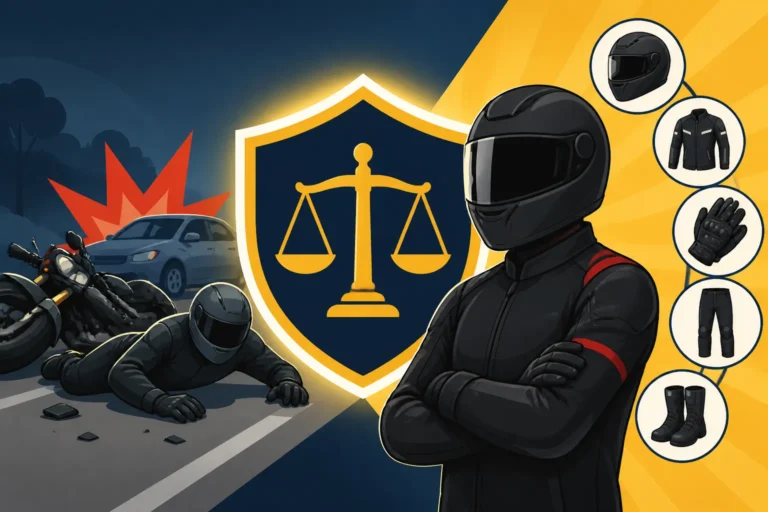
Think head-to-toe protection:
- Armored Jacket: A good motorcycle jacket, often made from leather or abrasion-resistant textiles, offers protection for your torso, shoulders, and elbows. It can significantly reduce the severity of road rash and provide impact protection.
- Gloves: In a fall, your hands are almost instinctively the first thing you put out. Quality motorcycle gloves protect your hands from abrasions, impacts, and offer better grip.
- Pants: Regular denim offers minimal protection against sliding on asphalt. Dedicated motorcycle pants, often reinforced with Kevlar or other protective materials and featuring armor at the hips and knees, are a much safer choice.
- Boots: Sturdy, over-the-ankle boots protect your feet and ankles from impacts, crushing injuries, and abrasions.
Remember, the goal is to create a protective barrier between your body and the road. While it's true that some gear laws might not cover every item, understanding "How Gear Affects Injury Severity" makes it clear why investing in quality, comprehensive gear is crucial. Electric motorcycles are just as exposed to the elements and other vehicles as traditional bikes. Don't let the silent hum fool you; a collision at 30 mph is still a collision at 30 mph, regardless of the power source. Many riders find excellent options for all these protective items at stores like Cycle Gear, where they can try on gear and ensure a proper fit.
Disclaimer
The information provided in this article is for general informational purposes only and does not constitute legal advice. Laws regarding electric motorcycle classification and helmet requirements vary by jurisdiction and are subject to change. Always consult with your local Department of Motor Vehicles or a legal professional to ensure compliance with current regulations in your specific area.