Helmet Laws in No-Fault States
Riding a motorcycle offers unparalleled freedom, but it also comes with unique challenges, especially when navigating the aftermath of an accident. One of the most confusing aspects for riders is understanding how helmet laws interact with different state insurance systems, particularly in "no-fault" states. This guide aims to demystify these complex regulations, providing clear, in-depth information on how helmet use (or lack thereof) can impact your motorcycle accident claim, even when your state's laws prioritize your own insurance for initial medical costs.
Understanding No-Fault vs. At-Fault Systems
It can feel like you need a law degree just to understand what happens after a motorcycle accident, especially when states have vastly different approaches to insurance claims. The distinction between "no-fault" and "at-fault" systems is fundamental to how your accident will be processed and how you can recover damages. Many riders, understandably, get these mixed up, leading to a lot of frustration and potential pitfalls when dealing with insurance companies.
What is a No-Fault State?
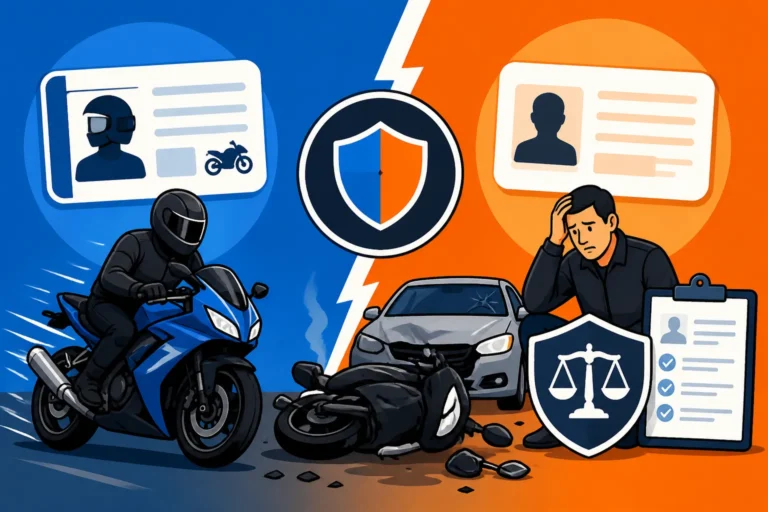
In a no-fault state, your own insurance policy is typically the first line of defense for medical expenses and lost wages, regardless of who caused the accident. This is often handled through Personal Injury Protection (PIP) coverage. The idea behind no-fault insurance is to streamline the process, reduce litigation, and ensure that injured parties receive prompt medical care without having to prove fault first. For a motorcyclist, this means that if you're involved in a collision, you would generally file a claim with your own insurer to cover your initial medical bills and a portion of any lost income, up to your policy limits. It sounds straightforward on paper, but the reality is often far more complicated. Many states, like Florida, New York, and Michigan, operate under some form of a no-fault system. However, it's crucial to understand that no-fault rules can vary wildly from one state to another, and motorcycle riders are sometimes treated differently than car drivers under these laws. For instance, in some no-fault states, motorcycles are entirely exempt from the no-fault rules, meaning riders must still prove fault to recover compensation, even for minor injuries. This distinction is often overlooked and can come as a nasty surprise to riders who assume they're covered.
The Traditional At-Fault Approach
On the flip side, most states operate under an "at-fault" or "tort" system. In these states, the person who caused the accident is responsible for all the resulting damages, including medical bills, lost wages, pain and suffering, and property damage. If you're injured in an at-fault state, you would typically file a claim against the at-fault driver's insurance policy. This means the burden is on you (or your legal representation) to prove that the other driver was negligent and that their negligence directly led to your injuries and damages. This process can be much more contentious and time-consuming, often involving extensive investigations, evidence collection, and negotiations. Think of states like California or Texas, where proving fault is central to almost every motorcycle accident claim. For riders, this often means a more direct path to recovering the full spectrum of damages, including non-economic losses like pain and suffering, which are often limited or excluded under no-fault systems unless certain thresholds are met. However, it also means a potentially longer fight with insurance adjusters who are looking for any reason to deny or minimize your claim, including scrutinizing your riding habits or whether you were wearing appropriate gear. You might find more detailed information on this topic in our guide on Who Is at Fault in a Motorcycle Accident.
Helmet Laws Across the States: A Quick Refresher
Before diving into how helmet laws intersect with no-fault insurance, it's important to grasp the landscape of helmet legislation across the United States. It's not a one-size-fits-all situation, and what's legal in one state might be a serious violation in another. This patchwork of laws can be incredibly confusing for riders, especially those who travel between states.
Universal Helmet Laws
Many states recognize the overwhelming safety benefits of motorcycle helmets and enforce what are known as "universal helmet laws." These laws mandate that all motorcycle riders and passengers, regardless of age or experience level, must wear a DOT-compliant helmet whenever they are operating or riding on a motorcycle. States with universal helmet laws, such as California, New York, and Georgia, often see a significant reduction in head injuries and fatalities compared to states with less stringent regulations. The logic is simple: helmets save lives and prevent severe brain trauma. When you're cruising down the Pacific Coast Highway in California, you'll notice nearly every rider is helmeted, not just because it's the law, but because it's widely accepted as a fundamental safety practice. Even in states where you might technically be able to ride without a helmet under certain conditions, wearing a quality helmet, perhaps from a reputable brand like Cycle Gear, is always the safest choice and can make a substantial difference in the event of an accident. Our article on Motorcycle Helmet Laws by State delves deeper into the specifics for each jurisdiction.
Partial Helmet Laws
Then we have states with "partial helmet laws." These laws typically require certain categories of riders to wear helmets, most commonly those under a specific age (e.g., 18 or 21) or those with limited riding experience. For example, in states like Florida and Texas, riders over 21 who carry sufficient medical insurance coverage (often $10,000 or more) may be exempt from the helmet requirement. This approach tries to balance personal freedom with public safety concerns. While it offers more choice to experienced adult riders, it also introduces a layer of complexity. If you're an adult rider in a partial helmet law state, it's critical to understand the precise insurance requirements and age restrictions that apply to you. Riding without a helmet, even if you think you're legally exempt, can still carry significant risks, not just to your physical well-being but also to your ability to recover damages in an accident claim, a topic we'll explore further. You can find more details in our comparison of Universal vs Partial Helmet Laws Explained.
States with No Helmet Law
Believe it or not, a few states have no statewide helmet law for adult riders. Iowa and New Hampshire are two such examples. In these states, adult riders are generally free to choose whether or not to wear a helmet. While this might appeal to some as the ultimate expression of personal liberty on the open road, it comes with a heightened risk of severe head injuries in the event of a crash. From an insurance and legal perspective, not wearing a helmet in these states can still complicate an accident claim, even though it's legally permissible. Insurance companies and opposing legal teams often argue that even if legal, the decision not to wear a helmet constitutes a failure to mitigate damages, potentially reducing any settlement amount. It's a tricky situation where "legal" doesn't always equate to "prudent," especially when your health and financial future are on the line.
The Intersection of Helmet Laws and No-Fault Insurance
Now, let's get to the crux of the matter: how helmet laws interact with no-fault insurance systems. This is where things get really nuanced, and a lack of understanding can seriously jeopardize your ability to recover compensation after a crash. Many riders mistakenly believe that if their state is no-fault, their helmet choice won't matter, but that's rarely the full picture.
PIP Coverage and Helmet Use
In most no-fault states, Personal Injury Protection (PIP) coverage is designed to pay for your medical expenses and lost wages up to a certain limit, regardless of who was at fault. This is supposed to be quick and efficient, helping you get back on your feet without waiting for a lengthy fault investigation. However, even within this framework, your helmet use can become a point of contention. Some no-fault states or specific insurance policies might have clauses that reduce or deny PIP benefits if you were not wearing a helmet when required by law, or even if you were wearing one but it wasn't DOT-compliant. For instance, imagine a scenario in Michigan, a no-fault state, where an accident occurs. If a rider wasn't wearing a helmet and sustained a head injury, the insurance company might argue that a significant portion of those head injury costs could have been avoided had a helmet been worn. Even if the state's no-fault system is supposed to pay out regardless of fault, the insurer could try to attribute a percentage of the severity of the injury, and thus the cost, to the rider's non-compliance. This is often an attempt by insurers to shift some financial burden away from themselves. This doesn't mean your PIP claim is automatically denied; rather, it introduces another hurdle you might have to clear. Always ensure your helmet meets current DOT Helmet Requirements Explained, and consider robust options from retailers like Cycle Gear.
Thresholds for Stepping Outside No-Fault
One of the defining features of no-fault systems is the concept of a "serious injury threshold." If your injuries meet this threshold (which can be defined by medical expenses, duration of disability, or specific injury types like permanent disfigurement or death), you may be allowed to step outside the no-fault system and pursue a traditional personal injury lawsuit against the at-fault driver. This allows you to seek compensation for non-economic damages like pain and suffering, which are usually excluded from basic PIP benefits.
Here's where helmet use becomes critical: if you weren't wearing a helmet (especially if legally required), and you sustained a head injury, the at-fault driver's insurance company will almost certainly invoke the "helmet defense." They will argue that your injuries would have been less severe, or perhaps wouldn't have met the serious injury threshold, had you been wearing a helmet. This argument aims to reduce the amount of compensation you can claim for pain and suffering or even prevent you from crossing the threshold entirely. For example, in a state like Florida, where riders over 21 can legally ride without a helmet if they have certain insurance, if such a rider gets into an accident and suffers a severe traumatic brain injury, the defense will almost certainly argue that the injury would have been much less severe if they had worn a helmet, even though it was not legally required for them. This directly impacts how your settlement is calculated and can be devastating to your claim. Understanding How Not Wearing a Helmet Affects Your Settlement is vital for any rider.
The Impact on Personal Injury Protection
While PIP is designed to be "no-fault," meaning it pays out regardless of who caused the accident, the amount it pays and the ease with which you receive it can still be influenced by helmet use. In some jurisdictions, if you were not wearing a helmet and sustained a head injury, your insurer might try to argue that a portion of the medical costs associated with that head injury is not covered, or they might delay payments while investigating the circumstances. They might claim that your failure to wear a helmet, even if not legally required in a partial helmet state, demonstrates a lack of reasonable care, which could impact the scope of the medical treatment they deem "reasonable and necessary."
Moreover, while PIP covers initial medical expenses, it has limits. If your head injury is severe due to not wearing a helmet, you could quickly exhaust your PIP benefits, leaving you to shoulder significant out-of-pocket costs. If you then try to pursue a claim against the at-fault driver beyond the PIP limits, the helmet defense will be used aggressively to reduce your ability to recover those excess medical costs and other damages. This is a common tactic by insurance carriers, like Progressive or GEICO, who are constantly looking for ways to minimize their payouts. They might even try to suggest that injuries to other parts of your body were exacerbated by the trauma to your head, all stemming from not wearing a helmet. It underscores why understanding How Helmet Laws Affect Your Accident Claim is so critical.
How the Helmet Defense Works in No-Fault States
The "helmet defense" is a formidable tool insurance companies and opposing attorneys use to reduce a rider's compensation. In no-fault states, its application can be particularly tricky, as it often intersects with concepts of comparative or contributory negligence, even when fault for the accident itself isn't initially the primary focus for medical costs.
The "Helmet Defense" in Practice
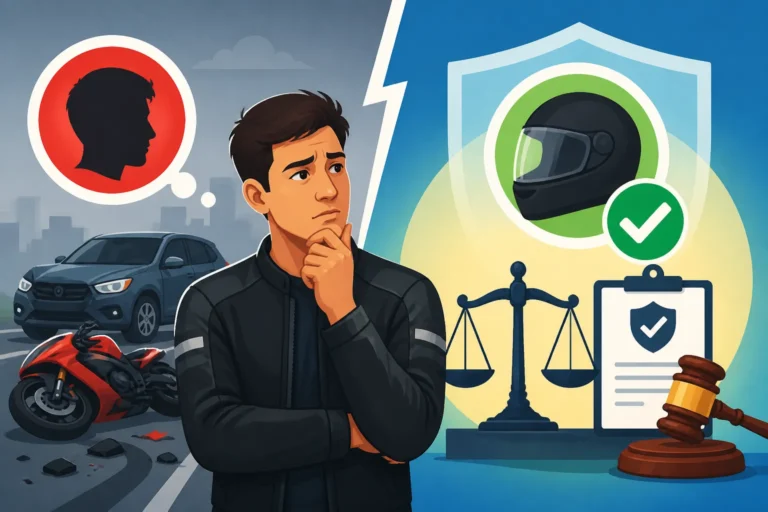
In essence, the helmet defense argues that a rider's injuries, particularly head injuries, would have been less severe, or entirely avoided, if they had been wearing a proper, DOT-compliant helmet. This isn't about proving who caused the collision; it's about proving who caused or exacerbated the injuries. Let's say a rider in a no-fault state like New York (which has a universal helmet law) is hit by a car that ran a red light. The car driver is clearly at fault for the collision. However, if the rider wasn't wearing a helmet and suffered a traumatic brain injury, the defense will argue that the rider's failure to wear a helmet contributed to the severity of their TBI. This argument can significantly reduce the non-economic damages (like pain and suffering) that the rider can recover from the at-fault driver, and sometimes even a portion of the economic damages, if it's proven that a helmet would have prevented certain medical costs. Even in a no-fault state, if you're seriously injured enough to step outside the no-fault system and pursue a traditional tort claim, the helmet defense will be a central part of the opposing counsel's strategy. Our detailed look into The Helmet Defense Explained provides a full picture of this common tactic.
Contributory Negligence vs. Comparative Negligence
The impact of the helmet defense often hinges on whether your state follows a pure contributory negligence, pure comparative negligence, or modified comparative negligence rule.
- Contributory Negligence States: In a few states (like Alabama, Maryland, North Carolina, Virginia, and the District of Columbia), if you are found even 1% at fault for your injuries (not necessarily the accident itself) due to not wearing a helmet, you could be completely barred from recovering any damages. This is a harsh rule that can devastate a claim. Even if the other driver was 100% at fault for causing the crash, if your failure to wear a helmet contributed to your head injury, you might get nothing.
- Pure Comparative Negligence States: In states like California, Florida, and New York, your compensation is reduced by your percentage of fault. If a jury finds you 20% responsible for the severity of your head injury because you weren't wearing a helmet, your total damages would be reduced by 20%. So, if you had $100,000 in damages, you would receive $80,000. This system still allows for recovery, but your helmet choice can directly impact your payout.
- Modified Comparative Negligence States: Most states fall into this category, using either a 50% or 51% bar rule. In a 50% rule state (like Colorado or Ohio), you can only recover if you are 49% or less at fault for your injuries. If you're 50% or more responsible for the severity of your injuries due to not wearing a helmet, you get nothing. In a 51% rule state (like Illinois or Texas), you can recover if you are 50% or less at fault. If you're 51% or more responsible, you get nothing. This is where the helmet defense can completely derail a claim, even if the other driver was the primary cause of the accident. How Helmet Use Affects Comparative Negligence is a deep dive into this complex interaction.
It's important to note that these rules typically apply when you're trying to recover damages beyond what your PIP covers in a no-fault state, specifically when you're seeking compensation from the at-fault driver for non-economic damages or expenses exceeding your PIP limits.
When Helmet Non-Use Cannot Be Used Against You
There are situations, albeit rare, where the "helmet defense" might not be effectively used against a rider. The primary instance is if the rider's injuries are not head-related. If you weren't wearing a helmet but suffered a broken leg or severe road rash (which, by the way, wearing protective gear from a store like Cycle Gear can significantly mitigate), the defense generally cannot argue that a helmet would have prevented these injuries. The connection between the lack of a helmet and the specific injury must be direct and demonstrably causal for the defense to be effective.
Also, if your state's helmet law specifically exempts you (e.g., an adult rider with sufficient insurance in a partial helmet law state), and your attorney can successfully argue that your lack of helmet was not a contributing factor to the specific head injury sustained, it might weaken the defense's argument. However, even in these cases, insurance companies are notorious for trying to exploit any perceived negligence, and a jury might still subconsciously factor in the helmet non-use, regardless of the law. It's an uphill battle that's best avoided by always wearing appropriate safety gear.
Navigating Your Claim with No-Fault and Helmet Laws
Dealing with the aftermath of a motorcycle accident is stressful enough without having to decipher complex insurance and legal statutes. For riders in no-fault states, the added layer of helmet laws can make the process feel like an insurmountable maze. However, by taking proactive steps and understanding the critical elements, you can significantly strengthen your position.
Documenting Your Injuries and Gear
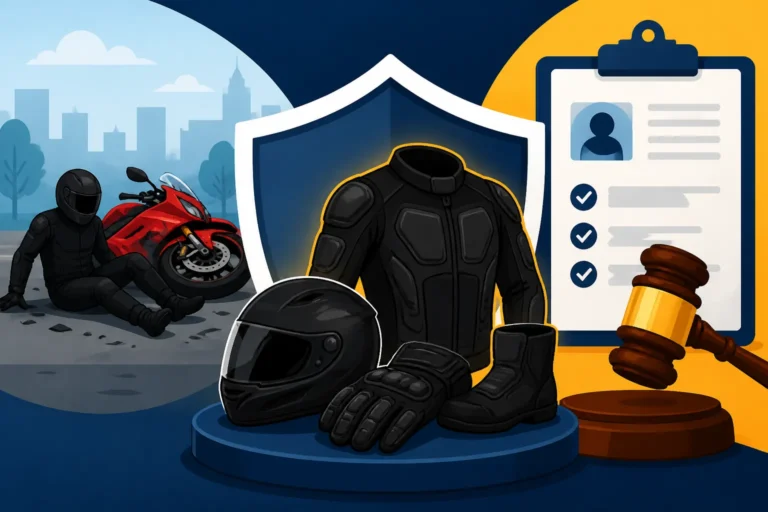
After any accident, regardless of its severity, documenting everything is paramount. For motorcyclists, this means not only documenting the accident scene itself but also your injuries and the condition of your riding gear. As soon as physically possible and safely allowed, take comprehensive photos and videos of the accident scene, vehicle damage, and any visible injuries. If you were wearing a helmet, take clear pictures of it, especially if it shows signs of impact. A damaged helmet is powerful evidence that it absorbed significant force, potentially preventing a more severe head injury. Even if your helmet looks fine, it's best to treat it as compromised and keep it as evidence. Likewise, photograph any other protective gear you were wearing, like jackets, gloves, or riding boots, especially if they show scuffs or tears. This proves you were making an effort to protect yourself, which can counter arguments about rider negligence. Many riders overlook how crucial this evidence is; it’s not just about proving fault, but about demonstrating the extent of your injuries and the protective measures you took. Our guide on Motorcycle Accident Evidence for Proving Fault covers more on this.
Seeking Medical Attention Promptly
This cannot be stressed enough: seek immediate medical attention after a motorcycle accident, even if you feel fine. Adrenaline can mask pain, and some serious injuries, especially concussions or internal bleeding, might not manifest symptoms for hours or even days. A delay in seeking medical care creates a "gap in treatment" that insurance companies love to exploit. They will argue that your injuries weren't serious enough to warrant immediate attention, or worse, that they were caused by something else after the accident. In a no-fault state, promptly establishing a clear medical record is essential for your PIP claim to be processed smoothly. It also provides objective proof of your injuries should you need to pursue a claim beyond the no-fault threshold. Make sure all your symptoms, no matter how minor they seem, are documented by medical professionals. Consistent follow-up care is equally important; adhere to all recommended treatments, physical therapy, and doctor's appointments. This demonstrates the seriousness of your injuries and your commitment to recovery.
Understanding Your Insurance Policy
Many riders simply pay their premiums without truly understanding the intricacies of their own insurance policies. This oversight can be costly after an accident, especially in no-fault states. Take the time to review your policy details, specifically your Personal Injury Protection (PIP) limits, any medical payments (MedPay) coverage, and importantly, Underinsured/Uninsured Motorist (UM/UIM) coverage. In many no-fault states, if you exhaust your PIP benefits, your UM/UIM coverage can kick in to cover additional medical expenses and other damages if the at-fault driver either doesn't have enough insurance or has none at all.
Beyond the basic coverage, check for any specific exclusions related to motorcycle accidents or conditions that might impact your benefits, such as not wearing a helmet when required by law. Knowing these details beforehand empowers you to make informed decisions and prevents nasty surprises during the claims process. If you're unsure about any aspect of your policy, contact your insurance agent for clarification. They can walk you through the specifics of your coverage and how it applies to motorcycle accidents in your no-fault state. Remember, your insurance company is a business, and they will look for any reason to limit their payout, so being informed is your best defense. For a broader understanding of insurance protections, consider reading our post on Motorcycle Insurance Requirements by State.
Practical Advice for Riders in No-Fault Jurisdictions
Riding a motorcycle is an exhilarating experience, but being prepared for the unexpected is part of being a responsible rider. When you're in a no-fault state, your preparation needs to extend beyond just safe riding practices to include a thorough understanding of the legal and insurance landscape.
Always Wear a DOT-Compliant Helmet
This is arguably the most critical piece of advice for any rider, regardless of state laws, but it holds even more weight in no-fault states where the helmet defense can be so impactful. A DOT-compliant helmet is one that meets the safety standards set by the U.S. Department of Transportation. It's not just about avoiding a ticket; it's about protecting your brain, which is irreplaceable. Novelty helmets or those not certified often fail to provide adequate protection and can actually hurt your claim more than help it.
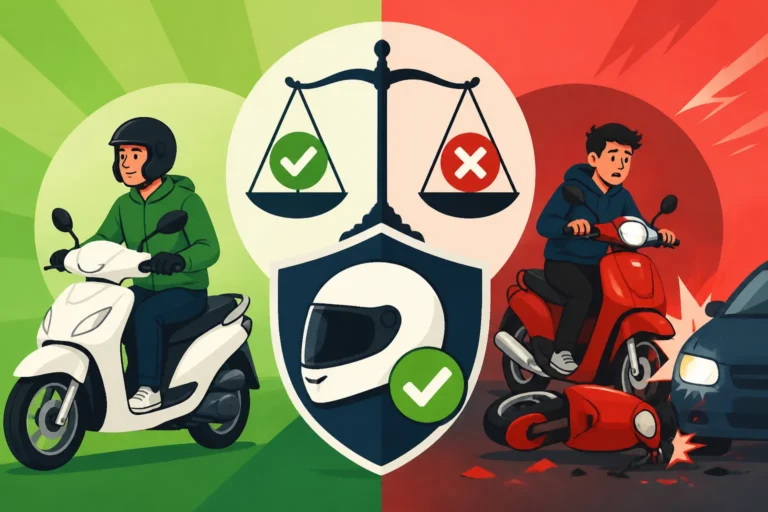
By always wearing a DOT-compliant helmet, you minimize the risk of severe head injuries, which are often the most devastating and costly. More importantly, you remove a powerful weapon from the arsenal of insurance companies and opposing attorneys. They simply cannot argue that your head injuries were exacerbated by your failure to wear a helmet if you were indeed wearing one. This simple act can safeguard not only your health but also your financial recovery. Brands like Bell, Shoei, and HJC offer excellent DOT-approved options available at retailers such as Cycle Gear, ensuring you ride with both protection and peace of mind. A damaged helmet is also powerful evidence in your favor, proving you took protective measures, as explained in our guide How to Prove You Wore a Helmet.
Know Your State's Specific Laws
While this guide provides general information about no-fault states and helmet laws, the specifics can vary significantly from one state to another. For example, Florida is a no-fault state, but its helmet law allows adult riders to forgo a helmet if they have specific medical coverage. New York, also a no-fault state, has a universal helmet law. The implications for an accident claim will be vastly different.
It's your responsibility as a rider to know the precise helmet laws in your state and any state you plan to ride through. Are there age restrictions? Are there insurance requirements that allow you to ride without a helmet? What exactly constitutes a "DOT-compliant" helmet in your area? Ignorance of the law is never a valid defense, and a failure to comply can have severe consequences for both your health and your accident claim. Spend some time researching your local Department of Motor Vehicles or state transportation department websites to ensure you're fully informed. This due diligence can save you immeasurable grief and financial hardship in the long run.
Consulting with a Legal Professional
Given the complexities of no-fault insurance, helmet laws, and the potential for the helmet defense to reduce your settlement, it's almost always in your best interest to consult with an experienced motorcycle accident attorney after a crash. Even if your injuries seem minor, an attorney can help you understand your rights, navigate the claims process, and protect you from aggressive insurance tactics.
An attorney can determine if your injuries meet the "serious injury threshold" to step outside the no-fault system, build a strong case to counter the helmet defense (if applicable), and negotiate with insurance companies on your behalf. They understand the nuances of Comparative Negligence in Motorcycle Accidents and how it might impact your payout. While no-fault aims to simplify things, insurance companies still seek to minimize payouts, and they often treat unrepresented individuals differently than those with legal counsel. Don't let the insurance company dictate the terms of your recovery; an attorney can ensure your rights are protected and you receive the full compensation you deserve. This is especially true when fault is disputed in a motorcycle crash, as an attorney can help gather evidence and expert testimony.
Comparative Table of Helmet Law and No-Fault Impact
To help visualize how helmet laws and no-fault systems can interact, here's a simplified table. Keep in mind that specific state laws and policy details always supersede this general overview.
| Scenario / State Type | Helmet Law Requirement | No-Fault Status | Initial Medical Coverage | Potential for Helmet Defense Impact (Beyond PIP) |
|---|---|---|---|---|
| California (At-Fault) | Universal (All Riders) | At-Fault | At-fault driver's Ins. | Minimal (if compliant) / High (if non-compliant) |
| Florida (No-Fault) | Partial (Age/Insurance) | No-Fault | Your PIP | Moderate (if legally exempt but suffered head injury) / High (if non-compliant) |
| New York (No-Fault) | Universal (All Riders) | No-Fault | Your PIP | Minimal (if compliant) / High (if non-compliant) |
| Iowa (At-Fault) | None (Adult Riders) | At-Fault | At-fault driver's Ins. | High (even if legal, argument of failure to mitigate damages) |
| Michigan (No-Fault) | Universal (All Riders) | No-Fault | Your PIP | Minimal (if compliant) / High (if non-compliant) |
| Texas (At-Fault) | Partial (Age/Insurance) | At-Fault | At-fault driver's Ins. | Moderate (if legally exempt but suffered head injury) / High (if non-compliant) |
Note: "High" impact means the defense will likely significantly reduce compensation; "Moderate" means it could still reduce compensation due to negligence arguments, even if legally exempt; "Minimal" means wearing a compliant helmet protects against this specific defense.
Disclaimer
The information provided in this guide is for general informational purposes only and does not constitute legal advice. Motorcycle accident laws, including helmet laws and insurance regulations, vary significantly by state and are subject to change. It is crucial to consult with a qualified legal professional and your insurance provider for advice tailored to your specific situation and jurisdiction. Relying solely on this information without professional guidance is not recommended.