How Soon Should You Contact a Lawyer After a Crash
When you've been in a motorcycle accident, the moments afterward are a blur of pain, confusion, and shock. It's easy to feel overwhelmed, unsure of what step to take next. While your immediate priority is always your health and safety, delaying certain actions, especially contacting legal counsel, can seriously jeopardize your future and your ability to recover compensation. This guide will walk you through why contacting a lawyer quickly after a motorcycle crash isn't just a good idea, it's often absolutely essential.
The Critical First Hours and Days After a Motorcycle Crash
That immediate aftermath of a motorcycle accident is a whirlwind. You’re likely dealing with injuries, adrenaline pumping, and a general sense of disbelief. It’s natural to want to just get home and process what happened. However, this is precisely when critical decisions need to be made, and gathering initial information becomes paramount.
Documenting the Scene and Gathering Initial Evidence
Even if you're injured, if you're able, taking immediate steps to document the accident scene can be invaluable. Think about it: once the vehicles are moved, the debris is cleared, and witnesses go home, that fresh, raw evidence is gone forever. This is why capturing as much as you can, right then and there, is so important.
If you can, snap photos with your phone from various angles, capturing the position of your bike, the other vehicles involved, any visible damage, road conditions, traffic signs, and even the weather. Don’t forget to photograph your injuries and any damaged gear, like your helmet or leathers – these can be powerful visual proof later on. Exchange information with the other driver, but remember, Why You Should Never Admit Fault at the Scene. You'll want to get names, phone numbers, insurance details, and license plate numbers. If there are any witnesses, get their contact information too. Their perspective can be crucial, especially if fault is disputed. Police reports, while not always perfect, also contain vital information and officer observations that can help establish fault. Gathering this kind of evidence quickly is a foundational step in First Steps to Protect Your Motorcycle Claim.
Prioritizing Your Health and Seeking Medical Attention
I cannot stress this enough: your physical well-being comes first, always. Even if you feel okay, or just have what seems like minor scrapes, always seek medical attention immediately after a motorcycle accident. Adrenaline can mask pain, and some serious injuries, like internal bleeding or a concussion, might not show symptoms right away. It's not uncommon for riders to feel a bit banged up but otherwise "fine," only to have excruciating pain or debilitating symptoms surface days or even weeks later.
Going to the emergency room, an urgent care clinic, or your family doctor promptly creates an official record of your injuries directly linked to the accident. This medical documentation is vital for your health and for any potential legal claim. If there's a gap between the accident and when you first see a doctor, the insurance company might try to argue that your injuries weren't caused by the crash, but rather by something else, or that they aren't as severe as you claim. Even if you only have some bumps and bruises, getting checked out by a medical professional ensures your well-being and helps in How to Document Injuries for a Claim down the line. Remember, Why You Should Seek Immediate Treatment is about both your health and protecting your legal rights.
Why Every Moment Counts: The Risks of Delaying Legal Counsel
After a crash, it's easy to think you can handle things on your own, especially if the other driver seems cooperative or you think your injuries are minor. But from years of experience, I can tell you that delay is one of the biggest mistakes you can make. It gives the opposing parties – usually the insurance company – a significant advantage.
The Insurer's Playbook: Minimizing Your Claim
Insurance companies are businesses, and their primary goal is to protect their bottom line. This means paying out as little as possible on claims. When you're an unrepresented injured rider, you are at a distinct disadvantage. They might call you very quickly after the accident, sometimes even while you're still recovering, offering a quick settlement. This offer is almost always a "lowball," designed to close your case before you even fully understand the extent of your injuries or all your potential damages.
They might try to get you to give a recorded statement, which they can then twist and use against you later to minimize your injuries or assign partial blame. They might even use stereotypes against riders, suggesting you were somehow at fault, even if you weren't. These tactics are common, and without a knowledgeable advocate on your side, it's easy to fall into their traps. This is where an expert who understands How Insurance Companies Assign Blame to Riders comes in. A reputable service like LegalMatch can help connect you with attorneys who know these tactics inside and out.
The Statute of Limitations: Your Legal Lifeline
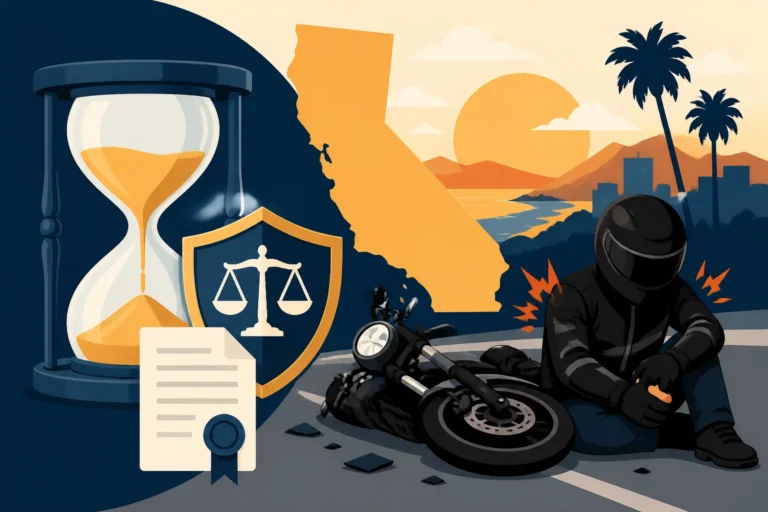
Every state has strict deadlines for filing a personal injury lawsuit, known as the statute of limitations. This isn't just a suggestion; it's a hard legal cutoff. If you miss this deadline, you forfeit your right to pursue compensation through the court system, regardless of how severe your injuries are or how clear the other driver's fault was. The exact timeframe varies significantly from state to state. For example, in California, the general statute of limitations for personal injury is two years, while in New York, it's typically three years. However, even within a state, there can be different rules for claims against governmental entities or for wrongful death.
This deadline applies not just to filing a lawsuit but also to notifying certain parties. Missing it can be catastrophic for your claim. You might think you have plenty of time, but legal investigations, gathering evidence, and negotiating with insurance companies all take time. It’s far better to consult with an attorney early on so they can inform you of these critical deadlines and ensure everything is filed properly and on time. Knowing The Statute of Limitations Explained for your specific state is paramount, and an attorney can help ensure you don't miss these critical dates.
Eroding Evidence and Fading Memories
Imagine trying to recall every detail of a stressful event months or even a year later. Memories fade, people move, and physical evidence disappears. The skid marks wash away, surveillance footage gets overwritten, and witnesses' recollections become less precise. This erosion of evidence is a powerful reason not to delay.
An attorney can act quickly to secure evidence that might otherwise be lost. They can send spoliation letters to preserve crucial video footage, interview witnesses while their memories are fresh, and arrange for accident reconstruction experts to examine the scene if necessary. If you wait too long, proving key aspects like How Fault Is Determined in Motorcycle Accidents becomes exponentially harder. The longer you wait, the more difficult it becomes to build a strong, compelling case.
The Tangible Benefits of Prompt Legal Engagement
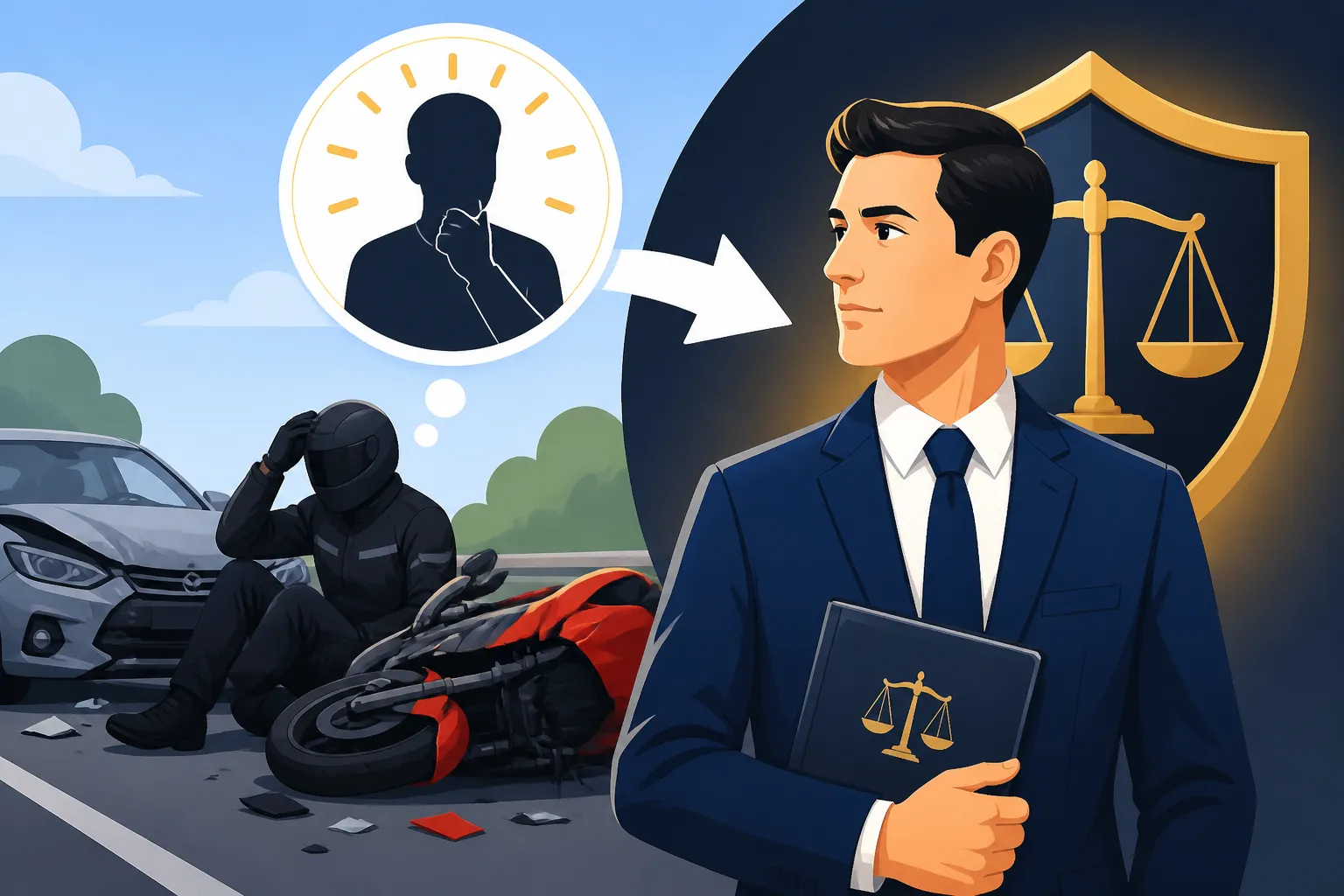
So, you've been in a crash, you're hurt, and you're thinking about legal options. The best advice I can give, based on years of seeing how these cases unfold, is to reach out to an attorney as soon as you're medically stable. It’s not about being aggressive; it’s about protecting your rights and ensuring you get a fair shake.
Immediate Protection and Expert Guidance
One of the biggest reliefs for injured riders is having an experienced legal professional take over the burden of dealing with the aftermath. When you hire an attorney, they immediately become your shield against the relentless calls and manipulative tactics of insurance adjusters. They will instruct you on what to say (and, more importantly, what not to say) to insurance companies, ensuring you don't inadvertently harm your own case.
An attorney provides clarity and guidance during a confusing and stressful time. They'll explain your rights, outline the legal process, and help you understand the potential value of your claim. This immediate peace of mind allows you to focus on what truly matters: your physical recovery. Understanding What a Motorcycle Accident Lawyer Does can illuminate just how much support they can offer from day one.
Leveling the Playing Field Against Insurance Companies
Let's face it: insurance companies have vast resources, legal teams, and adjusters whose job it is to minimize payouts. As an individual, you’re up against a powerful, well-oiled machine. Hiring an attorney, especially one with specific experience in motorcycle accidents, levels that playing field. They understand the nuances of motorcycle law, common biases against riders, and the strategies insurance companies employ.
Your attorney will handle all communication, paperwork, and negotiations with the insurance company. They'll meticulously gather evidence, including medical records, police reports, and witness statements. They might even work with accident reconstructionists or medical experts to strengthen your case. This proactive approach by an attorney helps prevent the insurance company from taking advantage of your vulnerability. Services like LegalMatch are designed to connect individuals with attorneys experienced in personal injury, including motorcycle accidents, who can effectively go toe-to-toe with these large insurance carriers.
Maximizing Your Potential Compensation
Ultimately, the goal of a personal injury claim is to recover fair compensation for all your damages. This includes not only your immediate medical bills and property damage but also lost wages, future medical care, pain and suffering, emotional distress, and more. Calculating the full extent of these damages, especially for long-term injuries or emotional trauma, is complex and requires expertise.
An experienced motorcycle accident attorney knows how to accurately assess your damages, including those you might not even consider, like diminished quality of life or future lost earning capacity. They will build a comprehensive demand package and aggressively negotiate on your behalf to secure the maximum possible settlement. Studies often show that individuals represented by an attorney generally receive significantly higher settlements than those who try to negotiate on their own. This is a crucial step towards How to Maximize Your Motorcycle Accident Settlement and ensuring your financial future is protected.
Understanding the Legal Clock: Statutes of Limitations and Deadlines
It's impossible to overstate the importance of understanding the various timelines that govern a motorcycle accident claim. These aren't just suggestions; they are hard-and-fast rules that can make or break your ability to recover compensation.
General Timelines to Be Aware Of
As we touched upon, the statute of limitations is the most critical deadline. It's the maximum time you have from the date of the accident to file a lawsuit in court. This period varies by state and can range anywhere from one year (in states like Kentucky and Tennessee for personal injury) to six years (in places like Maine). For property damage, it might be a different timeframe entirely.
| State | Typical Personal Injury Statute of Limitations | Special Notes for Motorcycle Accidents |
|---|---|---|
| California | 2 years | Strict compliance; governmental claims have shorter windows. |
| Texas | 2 years | Applies to most personal injury cases. |
| Florida | 2 years | Applies to personal injury claims (effective 3/2023). |
| New York | 3 years | Different limits for governmental entities. |
| Arizona | 2 years | Discovery Rule can sometimes extend. |
| Illinois | 2 years | Includes wrongful death claims. |
| Pennsylvania | 2 years | Strict application; no-fault system adds complexity. |
| North Carolina | 3 years | Contributory negligence state, making deadlines critical. |
Disclaimer: This table provides general information and should not be considered legal advice. Specific situations may vary, and consulting with a legal professional is always recommended.
Beyond the statute of limitations, there are other, often much shorter, deadlines. For instance, if the accident involved a city, county, or state vehicle, or was caused by a road hazard due to governmental negligence, you might have only a few months to file a formal "notice of claim" – sometimes as little as 30 to 90 days. Missing this initial notice can be just as detrimental as missing the lawsuit filing deadline. This is why knowing How Long You Have to Hire a Lawyer is so important.
Unique Considerations for Your Specific Situation
Every accident is unique, and your specific circumstances might introduce additional complexities and deadlines. Were you involved in a multi-vehicle accident? Was a commercial truck involved? Did the accident happen on federal property? Each of these scenarios can have different legal implications and timelines.
For example, if a defective part on your motorcycle contributed to the crash, you might have a product liability claim against the manufacturer, which could have its own set of rules and deadlines. If you were under 18 at the time of the accident, the statute of limitations might be "tolled" (paused) until you reach adulthood, but this is a nuance that requires expert interpretation. These are all reasons why seeking early legal advice is crucial; an attorney can immediately identify all potential claims and applicable deadlines, ensuring no opportunity for compensation is lost. For example, LegalMatch can help you find an attorney who specializes in these kinds of complex cases, giving you peace of mind that all angles are covered.
By understanding these timelines and acting swiftly, you give yourself the best possible chance to recover fully, both physically and financially. Don’t let confusion or procrastination stand between you and the justice you deserve.
Disclaimer
Please note that this article provides general information and insights into motorcycle accident claims and should not be construed as legal advice. Every accident and legal jurisdiction is unique. The information contained herein is for educational purposes only and does not create an attorney-client relationship. For personalized legal counsel regarding your specific situation, it is imperative to consult with a qualified attorney in your state.