What Eye Protection Is Legally Required
Motorcycle eye protection laws vary by state, detailing universal rules and conditional requirements based on windshields and age.
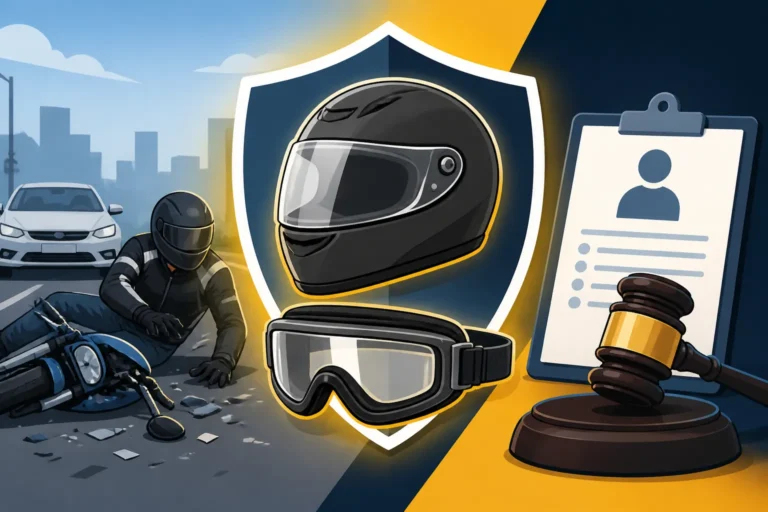
Motorcycle eye protection laws vary by state, detailing universal rules and conditional requirements based on windshields and age.
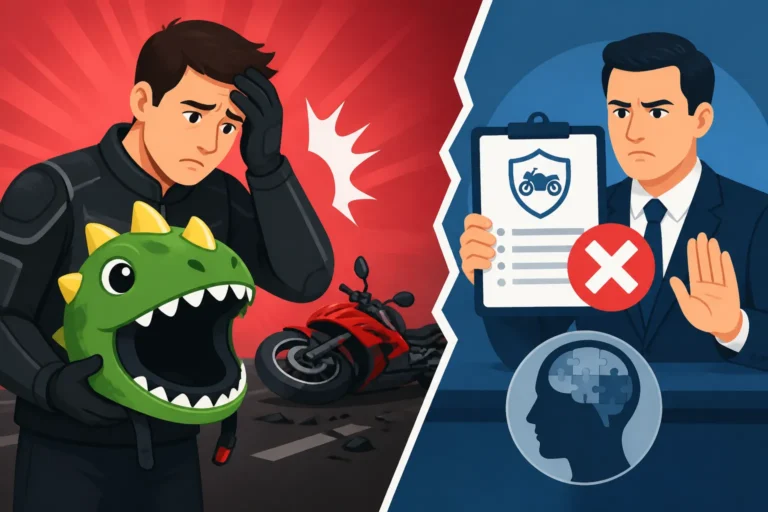
Novelty helmets lack the Department of Transportation safety standards required to protect your injury claim after a motorcycle crash.
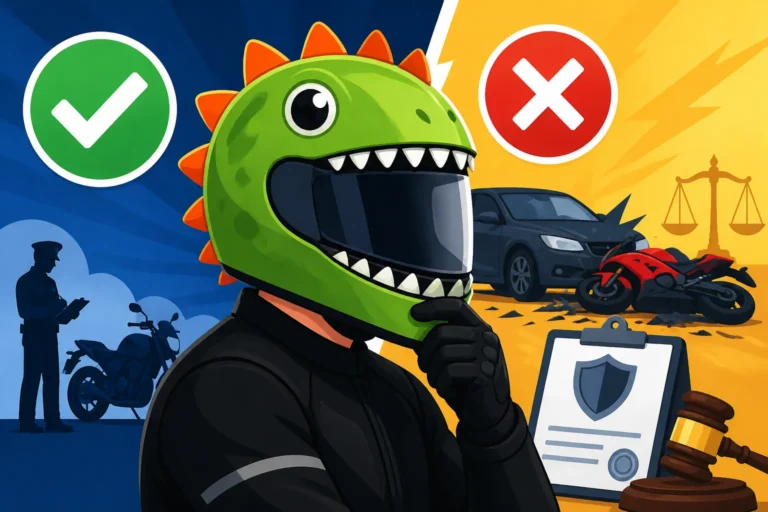
Novelty motorcycle helmets lack Department of Transportation safety certification and often fail to meet legal requirements for public roads.
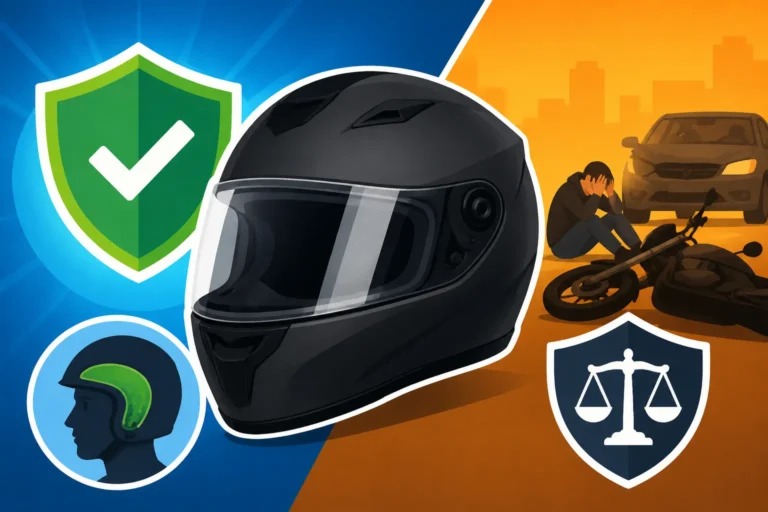
DOT certification for motorcycle helmets explains Federal Motor Vehicle Safety Standard 218 testing requirements, impact absorption, and legal protections.
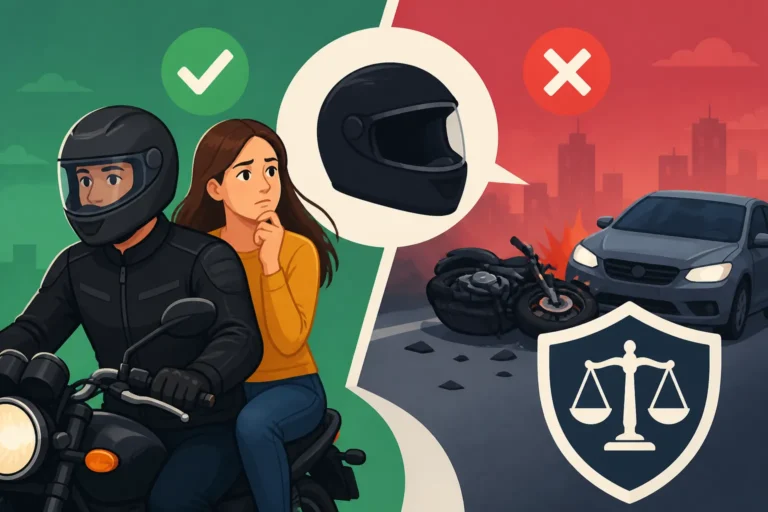
Motorcycle helmet laws for passengers explain legal requirements across universal and partial states based on age and insurance.
Insurance companies use the helmet defense to reduce payouts after motorcycle accidents by blaming riders for injury severity.
The helmet defense allows insurance companies to reduce injury settlements after motorcycle accidents when riders lack proper headgear.
Insurance companies use the helmet defense in motorcycle accident claims to reduce compensation for injured riders.
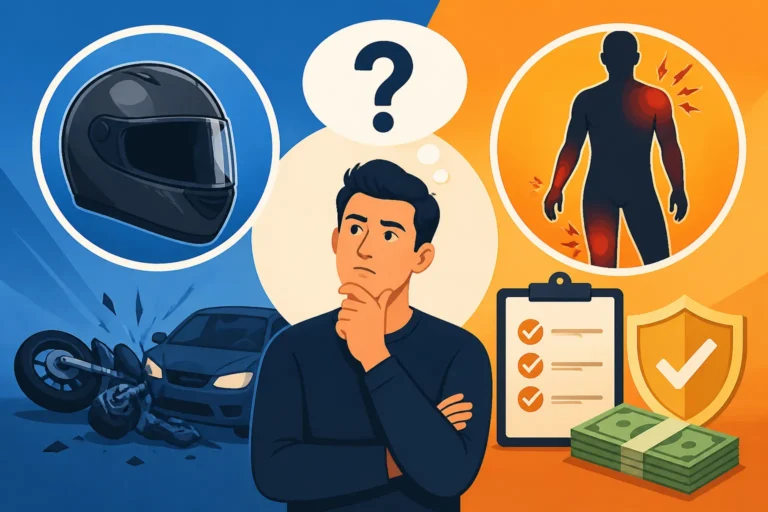
Motorcycle helmet non-use and causation principles affecting California claims for non-head injuries like a broken leg or road rash.
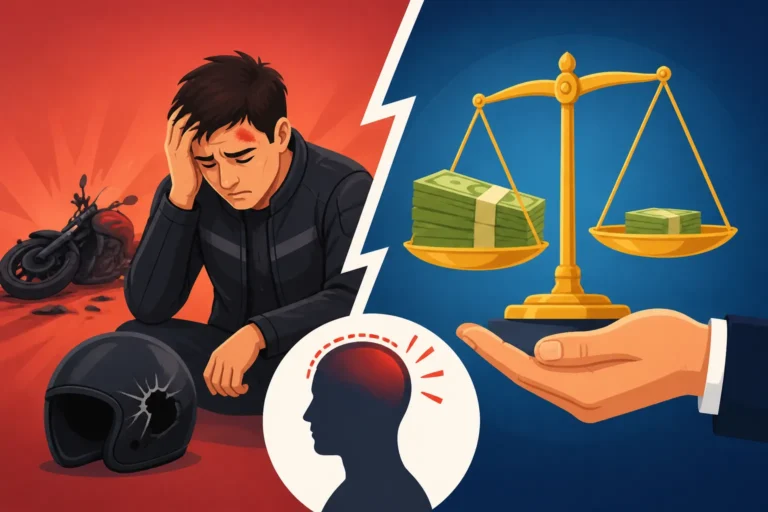
The helmet defense allows insurance companies to reduce motorcycle accident settlements by blaming head injuries on unhelmeted riders.