Long-Term Effects of Motorcycle Injuries
A motorcycle accident is more than just a momentary crash; for many riders, it's the start of a long and challenging journey marked by lasting injuries. While the immediate pain and chaos are overwhelming, what truly impacts a survivor's life are the profound, often permanent, long-term effects that extend far beyond the emergency room. This guide delves deep into these enduring consequences, offering a realistic look at how these injuries can change everything from your physical capabilities to your financial stability and emotional well-being.
The Devastating Reality of Motorcycle Injuries
Riding a motorcycle offers unparalleled freedom and exhilaration, a connection to the open road that few other experiences can match. But with that freedom comes a unique vulnerability. When a crash occurs, especially involving another vehicle, the rider often bears the brunt of the impact, with little protection compared to someone inside a car. This fundamental difference is why motorcycle injuries are so frequently severe and why their long-term effects can be so profoundly life-altering. It’s not just about broken bones or cuts; it's about the fundamental shifts in how you live, work, and interact with the world.
Why Motorcycle Accidents Are Different
Unlike occupants in a car, who benefit from airbags, seatbelts, and a protective metal cage, motorcycle riders are exposed. There's no steel frame around you, no crumple zones to absorb impact energy, and no airbags to cushion a blow. This lack of protection means that even a relatively minor collision at low speeds can result in catastrophic injuries for the rider. The forces exerted on a rider's body during an impact are often direct and unmitigated, leading to higher rates of severe trauma to critical areas like the head, spine, and limbs. It’s a harsh reality that sets motorcycle crashes apart from other vehicle accidents, and it directly contributes to the severity of the long-term challenges.
Furthermore, the nature of a motorcycle accident often involves the rider being ejected from the bike, sliding across asphalt, or colliding with multiple surfaces. This "second impact" of hitting the ground or other obstacles after the initial collision can cause a complex array of injuries, from extensive road rash to blunt force trauma. This unique exposure to multiple impact points and high-friction surfaces means that riders often suffer a combination of injuries that compound recovery efforts and contribute to more complex, enduring conditions.
Beyond Immediate Pain The Hidden Impact
When you're reeling from a crash, your focus is naturally on the immediate pain, the visible wounds, and getting through medical treatment. But the true battle often begins weeks, months, or even years down the line. Many long-term effects of motorcycle injuries aren't immediately apparent. Some injuries, like traumatic brain injuries (TBIs) or spinal cord damage, might have subtle symptoms at first that worsen over time, or their full impact on cognitive function and mobility only becomes clear after the initial shock subsides. The ripple effect extends to every aspect of a survivor's existence.
Consider the emotional and psychological scars that linger long after physical wounds have healed. The sheer trauma of a crash can leave riders with debilitating anxiety, fear of riding again, or even post-traumatic stress disorder (PTSD). These invisible injuries can be just as debilitating as physical ones, affecting relationships, work, and overall quality of life. The journey from accident to recovery is rarely linear or straightforward, and recognizing these hidden impacts is crucial for understanding the true scope of what riders face.
Understanding Long-Term Physical Consequences
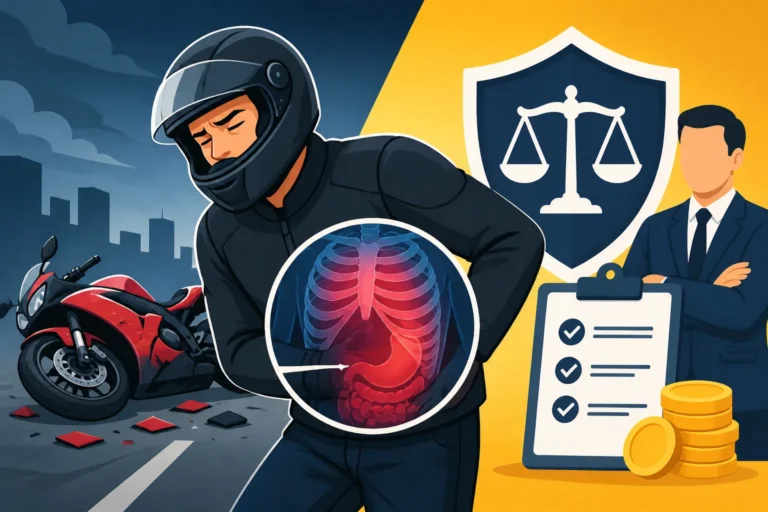
The physical toll of a motorcycle accident is often immense, leaving many riders with life-altering changes. It's not just about mending bones or stitching up skin; it's about coping with conditions that might never fully resolve, requiring ongoing medical care, rehabilitation, and significant adjustments to daily life. These are some of the most common and devastating long-term physical consequences.
Traumatic Brain Injuries A Life Forever Changed
A traumatic brain injury (TBI) is, without a doubt, one of the most frightening and impactful injuries a motorcycle rider can sustain. Despite wearing a helmet – and it’s critical that you always do – the force of impact can still cause the brain to violently collide with the inside of the skull. This can result in bruising, bleeding, tearing of brain tissue, or diffuse axonal injury, where nerve fibers are stretched and torn. The immediate aftermath might involve loss of consciousness, confusion, or severe headaches, but the long-term effects are far more insidious and can truly redefine a person's life.
Survivors of severe TBIs often face a spectrum of challenges. Physically, they might experience persistent headaches, dizziness, fatigue, and problems with balance and coordination. Imagine struggling to walk a straight line or constantly feeling disoriented – these can be daily realities. Cognitively, the impact can be profound, affecting memory, concentration, problem-solving abilities, and executive functions like planning and decision-making. Someone who was once sharp and quick-witted might find themselves struggling to follow conversations or remember simple tasks. Emotionally, a TBI can lead to significant personality changes, increased irritability, anxiety, depression, and mood swings, straining relationships with loved ones. It's a complete shift in who they are, impacting their ability to return to work, manage finances, or even enjoy hobbies. You can learn more about the specifics of Motorcycle Accident Traumatic Brain Injuries.
Spinal Cord Injuries A New Reality of Mobility
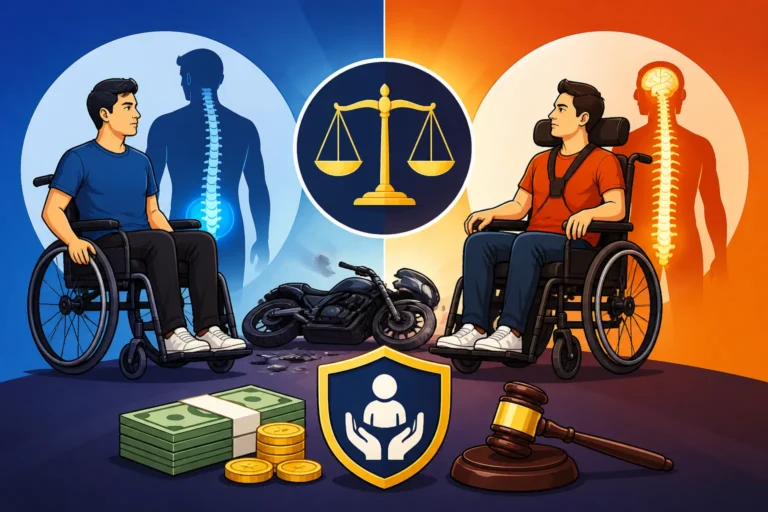
A spinal cord injury (SCI) is another catastrophic outcome of severe motorcycle accidents, often resulting from direct impact or extreme torsion of the spine. The spinal cord is the main pathway for messages between the brain and the rest of the body. When it's damaged, those messages can't get through, leading to partial or complete loss of sensation and motor function below the point of injury. This can manifest as paraplegia (loss of function in the lower half of the body) or quadriplegia (loss of function in all four limbs). The diagnosis of an SCI instantly transforms a rider's reality, marking a permanent change in their physical capabilities.
The long-term effects of a spinal cord injury are incredibly extensive and demand constant management. Beyond the obvious loss of mobility, which often necessitates the use of wheelchairs or other assistive devices, SCI survivors face numerous secondary complications. These can include chronic pain, muscle spasms, loss of bladder and bowel control, pressure sores, respiratory issues, and increased susceptibility to infections. The daily routine becomes a complex series of medical tasks, physical therapy, and careful self-management. The emotional toll is equally heavy, as individuals grapple with the loss of independence, changes in body image, and the profound grief for the life they once knew. Navigating this new reality requires immense resilience and an extensive support system. Understanding How a Spinal Cord Injury Changes Your Life is crucial for those affected.
Road Rash and Disfiguring Scars More Than Skin Deep
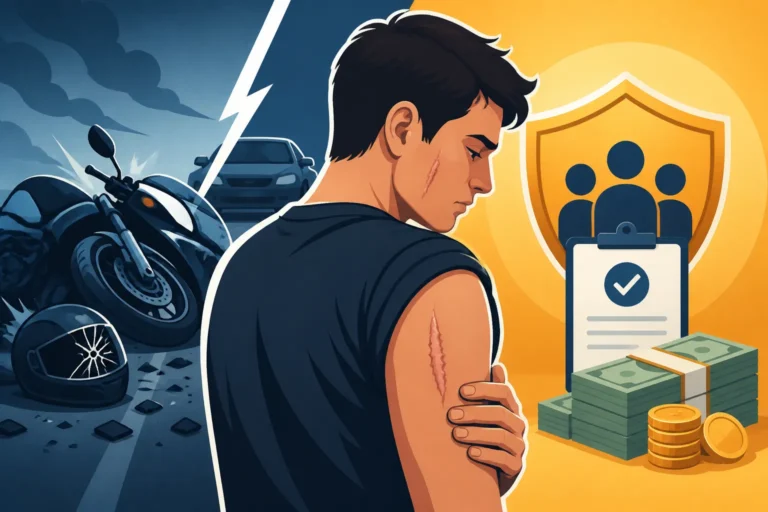
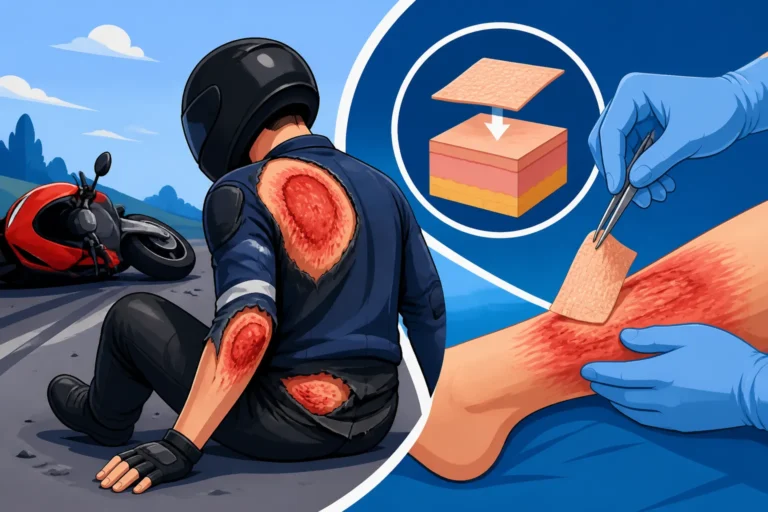
While perhaps not as immediately life-threatening as a TBI or SCI, road rash is a ubiquitous motorcycle accident injury that can lead to significant long-term issues, both physical and psychological. Road rash occurs when a rider's skin scrapes against the asphalt or other abrasive surfaces during a fall, effectively tearing away layers of skin. Depending on the speed and duration of the slide, road rash can range from superficial scrapes to deep, third-degree wounds that expose muscle and bone. Even with protective gear, some degree of road rash is common.
The long-term effects extend far beyond the initial excruciating pain. Severe road rash often requires extensive medical care, including repeated wound cleanings, debridement (removal of damaged tissue), and potentially skin grafts. Even after healing, the affected areas can be left with permanent scarring, disfigurement, and changes in skin texture and pigmentation. These scars can be thick, itchy, painful, and restrict movement if they cross joints. The psychological impact of disfigurement, especially on visible parts of the body like the face or hands, can be profound, leading to self-consciousness, social anxiety, and a diminished sense of self-worth. It can impact clothing choices, career prospects, and intimate relationships. Read more about Road Rash Injuries and Claims.
Broken Bones and Joint Damage Chronic Pain and Limited Function
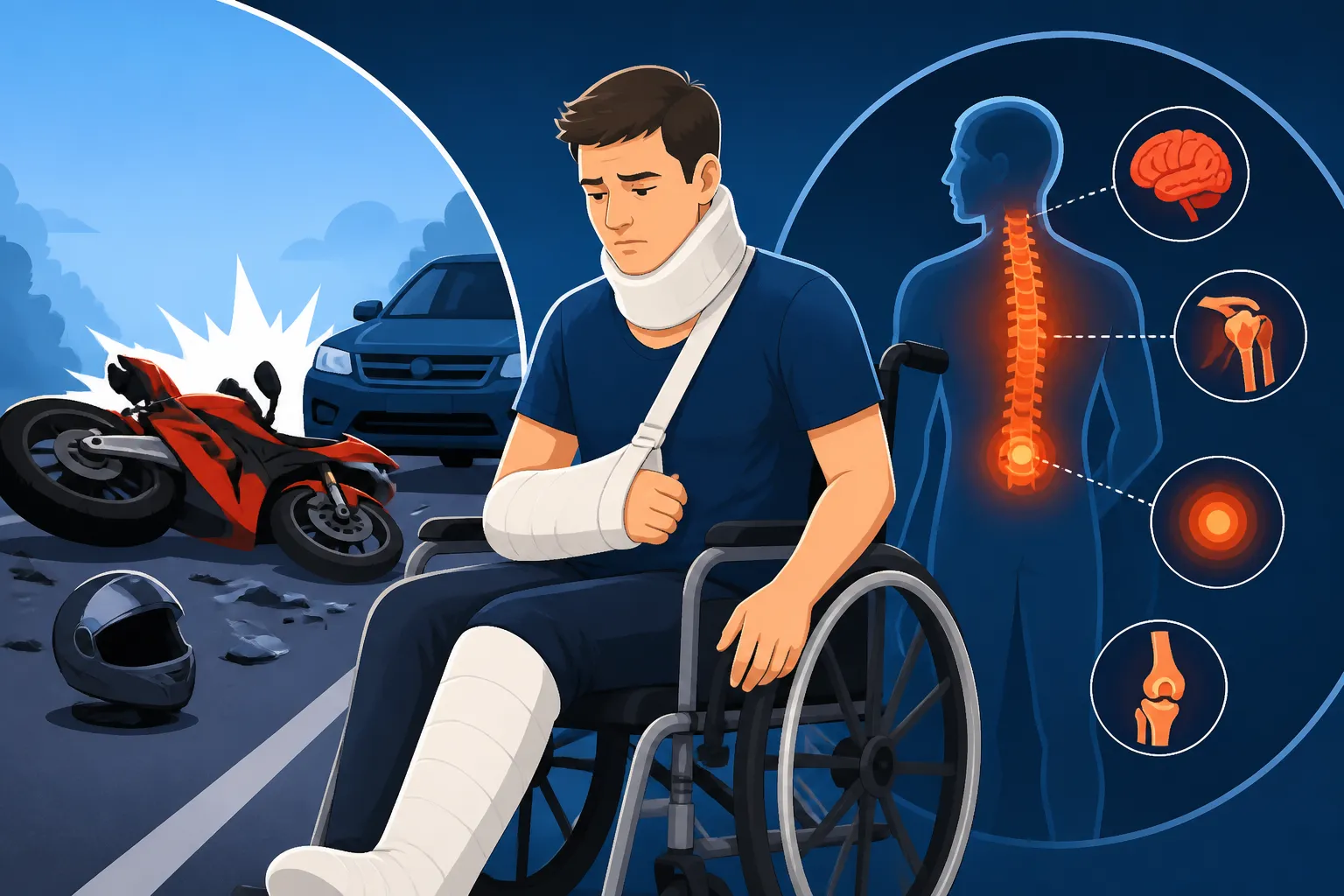
Fractures, or broken bones, are incredibly common in motorcycle accidents, often affecting the extremities like arms, legs, wrists, and ankles, as well as the ribs and collarbones. While bones can heal, the process is often lengthy and painful, and the long-term consequences can be significant, especially with complex fractures or those involving joints. A simple break might heal completely, but a compound fracture (where the bone breaks through the skin) or a comminuted fracture (where the bone shatters into many pieces) presents a much more challenging recovery.
Long-term effects of severe fractures can include chronic pain, reduced range of motion, and persistent stiffness in the affected limb or joint. Arthritis often develops in joints that have sustained significant trauma or required surgical repair, leading to progressive pain and stiffness over time. Nerve damage can also accompany fractures, causing numbness, tingling, or weakness that may be permanent. For riders, this can mean a permanent inability to grip handlebars properly, shift gears, or even walk without a limp. The need for ongoing physical therapy, pain management, and even future surgeries to address hardware issues or arthritic changes is a common reality.
The Enduring Psychological and Emotional Toll
While physical injuries are often the most visible and immediately disruptive, the psychological and emotional scars left by a motorcycle accident can be just as profound and debilitating, sometimes even more so because they are invisible to the outside world. The trauma of a crash can shatter a rider's sense of safety, independence, and well-being, leading to conditions that require long-term mental health support.
Post-Traumatic Stress Disorder PTSD and Anxiety
It’s completely normal to feel shaken up after an accident, but for many motorcycle accident survivors, these feelings escalate into something far more persistent and debilitating: post-traumatic stress disorder (PTSD) and severe anxiety. PTSD is characterized by intrusive memories or flashbacks of the accident, nightmares, intense emotional distress when exposed to reminders of the trauma, and avoidance of anything associated with the crash. This could mean avoiding riding a motorcycle again, avoiding certain roads, or even avoiding conversations about the accident itself. The sheer terror and helplessness experienced during the impact can be deeply ingrained in the psyche.
Alongside PTSD, many survivors develop generalized anxiety disorder or specific phobias related to riding or driving. They might experience heightened vigilance on the road, a constant sense of dread, panic attacks, or an overwhelming fear of another accident. These psychological responses aren't just an inconvenience; they can severely impact a person's ability to work, socialize, and enjoy life. Imagine the stress of simply getting into a car as a passenger, let alone considering getting back on a bike. These conditions often require professional therapy, medication, and a long process of healing and re-establishing a sense of safety.
Depression and Loss of Enjoyment of Life
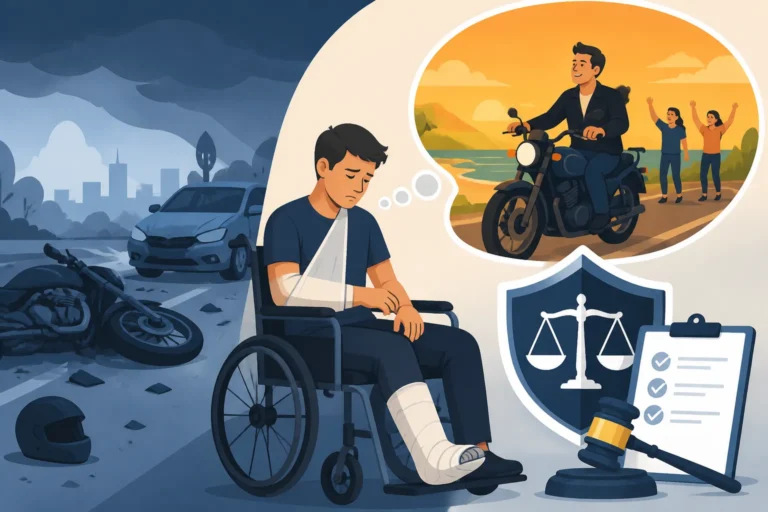
The physical pain, limitations, financial strain, and general upheaval caused by a severe motorcycle accident can easily lead to profound feelings of sadness, hopelessness, and clinical depression. Losing the ability to participate in cherished hobbies, maintain employment, or even perform basic daily tasks can strip away a person's sense of purpose and identity. Many riders find immense joy and freedom in riding, and the loss of that passion due to injury or fear can be a devastating blow.
This often manifests as a "loss of enjoyment of life," a non-economic damage recognized in accident claims. It refers to the inability to partake in activities that once brought happiness and fulfillment. This isn't just about big things like riding; it can be as simple as not being able to play with your children, walk your dog, or tend to your garden without pain or difficulty. The chronic pain itself can be a major contributor to depression, creating a vicious cycle where pain exacerbates depression, and depression lowers one's pain tolerance. Addressing these emotional injuries is just as vital as treating the physical ones for a holistic recovery.
Impact on Relationships and Social Life
A severe motorcycle accident doesn't just impact the rider; it sends ripples through their entire social fabric. Relationships with family, friends, and partners can come under immense strain. The physical limitations might mean less participation in family outings or social events. The psychological changes – irritability, withdrawal, mood swings – can be challenging for loved ones to understand and cope with, leading to misunderstandings and feelings of isolation for the survivor.
Furthermore, the role reversal that sometimes occurs, where a previously independent rider now relies heavily on family for care, can be difficult for everyone involved. Spouses might become caregivers, children might witness their parent struggling, and friendships might dwindle as the survivor becomes more withdrawn or unable to participate in shared activities. The loss of independence and the inability to maintain previous social connections can lead to profound loneliness. Rebuilding these relationships and finding new ways to connect and participate socially becomes a crucial, yet often overlooked, part of the long-term recovery journey.
Financial and Vocational Ramifications
Beyond the immediate medical costs and property damage, the long-term financial and vocational consequences of a serious motorcycle accident can be staggering. Many riders find themselves facing a mountain of debt, a diminished capacity to earn a living, and unexpected expenses that continue for years, if not for the rest of their lives. These financial pressures add another layer of stress to an already challenging recovery.
Skyrocketing Medical Bills and Ongoing Care
Let's be brutally honest: medical care in the United States is expensive, and a serious motorcycle accident generates enormous bills. The initial emergency care, surgeries, hospital stays, and immediate rehabilitation are just the beginning. For many severe injuries like TBIs or SCIs, the need for medical attention doesn't end when you leave the hospital. Survivors often require ongoing physical therapy, occupational therapy, speech therapy, psychological counseling, pain management specialists, and regular follow-up appointments with various doctors. These can go on for years, potentially for a lifetime.
Think about the cost of specialized equipment: wheelchairs, adaptive vehicles, prosthetics, and home modifications. These aren’t one-time purchases; they might need maintenance, upgrades, or replacements over time. Prescription medications for pain, muscle spasms, or mental health conditions can also be a significant ongoing expense. Even with health insurance, deductibles, co-pays, and services not fully covered can quickly deplete savings. This seemingly endless stream of medical bills and the burden of securing adequate long-term care can be one of the most stressful aspects of recovery. It’s why documenting all your medical expenses is so important for your claim. You can learn more about Medical Expenses in a Motorcycle Claim.
Lost Wages and Diminished Earning Capacity
One of the most immediate and impactful financial consequences is the loss of income due to being unable to work. Whether it's a few weeks, several months, or even permanently, lost wages can quickly create financial hardship. For many riders, especially those in physically demanding jobs, a serious injury can mean a complete end to their career as they knew it. Even if they can eventually return to work, they might have to take a lower-paying job, work fewer hours, or transition to a completely different field, resulting in a "diminished earning capacity."
This isn't just about the salary you missed during recovery; it's about the difference between what you could have earned over your lifetime had the accident not occurred, versus what you will earn with your injuries. Consider a skilled tradesperson, like an electrician or carpenter, who relies on fine motor skills and physical strength. A hand injury or spinal cord damage could render them unable to perform their trade, forcing them into a desk job with a significantly reduced income. This long-term financial hit can jeopardize retirement savings, children’s education plans, and overall financial security. Accurately calculating Lost Wages in a Motorcycle Claim and diminished earning capacity is a complex task but crucial for fair compensation.
Home Modifications and Adaptive Equipment
When a motorcycle accident leads to severe physical disabilities, particularly those affecting mobility like spinal cord injuries or amputations, the victim’s home often needs significant modifications to become accessible. This isn't just a matter of convenience; it's essential for maintaining independence and safety. Imagine someone who now uses a wheelchair returning to a home with narrow doorways, stairs, or bathrooms that aren't equipped for their needs. These are significant barriers.
Modifications can include installing wheelchair ramps, widening doorways, lowering countertops, modifying bathrooms with roll-in showers and grab bars, and even installing elevators or stairlifts. The cost of these structural changes can easily run into tens of thousands of dollars, depending on the extent of the alterations needed. Beyond the home, adaptive equipment like specialized vehicles with hand controls, adaptive technologies for communication, or customized athletic equipment might be necessary to help the survivor regain a semblance of their former life and pursue hobbies. These expenses are a critical component of assessing the full scope of damages.
Navigating the Legal and Insurance Landscape with Long-Term Injuries
Dealing with insurance companies and the legal system after a motorcycle accident is challenging enough. When long-term injuries are involved, the process becomes infinitely more complex. Insurers often look for ways to minimize payouts, and the future, uncertain nature of long-term damages provides them ample opportunity to do so. Understanding how to document and present these damages is crucial for a fair settlement.
Documenting Long-Term Damages
For any injury claim, documentation is king, but it's even more vital when dealing with long-term effects. You need to meticulously record every piece of evidence that demonstrates the lasting impact of your injuries. This includes not just medical bills and reports from your initial treatment, but also ongoing therapy notes, prescriptions, receipts for adaptive equipment, and records of any home modifications. It’s not enough to say you're in pain; you need medical professionals to provide consistent, detailed accounts of your condition, prognosis, and future needs.
A critical tool in proving long-term damages is an injury journal. In this journal, you should regularly detail your daily pain levels, emotional struggles, limitations in activities, medications, and therapy sessions. Photos of injuries, particularly scarring or disfigurement, should be taken over time to show their permanence. Expert testimony from medical specialists, such as neurologists, orthopedic surgeons, physical therapists, and vocational rehabilitation specialists, will be essential to project future medical costs, lost earning capacity, and overall life impact. The more thorough and consistent your documentation, the harder it will be for insurance companies to dispute the extent of your long-term suffering. Detailed advice on How to Document Injuries for a Claim can be invaluable.
The Importance of Reaching Maximum Medical Improvement MMI
One of the most critical aspects of dealing with long-term injuries in a legal claim is understanding the concept of Maximum Medical Improvement (MMI). MMI is reached when your medical condition has stabilized, and further medical treatment is not expected to significantly improve your condition. This doesn't necessarily mean you're fully recovered; it often means you've reached a plateau, and any remaining symptoms or disabilities are likely permanent.
Why is MMI so important? Because it’s nearly impossible to accurately assess the full scope of your long-term damages – including future medical expenses, permanent disability, and future lost wages – until your doctors can definitively say your condition is stable. If you settle your claim before reaching MMI, you risk underestimating your future needs and could find yourself without sufficient funds for ongoing care or lost income down the line. Insurance companies love to push for quick settlements, especially before MMI, precisely because they know it reduces their potential payout. Waiting until MMI ensures a more accurate and comprehensive assessment of your long-term needs. This is why Why You Should Wait Until MMI to Settle is such crucial advice.
How Insurance Companies Assess Long-Term Claims
Insurance companies are not charities; they are businesses focused on profitability. When it comes to long-term injury claims, their primary goal is to pay out as little as possible. They will scrutinize every aspect of your claim, looking for weaknesses, inconsistencies, or pre-existing conditions they can blame for your current state. They may argue that your injuries aren't as severe as you claim, that your long-term prognosis is exaggerated, or that you share some fault for the accident, which could reduce your overall payout. Learn more about How Insurance Companies Assign Blame to Riders.
Insurers often employ their own medical experts to review your records and challenge your doctors' opinions. They might also attempt to use "rider bias" against you, playing on stereotypes about motorcyclists to imply recklessness, regardless of the actual circumstances of the crash. They will look for gaps in treatment, delayed reporting of symptoms, or any activity on social media that might contradict your stated limitations. Navigating these tactics requires not only a clear understanding of your legal rights but also meticulous preparation and often the expertise of a personal injury attorney who specializes in motorcycle accidents.
Strategies for Coping and Rebuilding Life
Life after a severe motorcycle accident is undoubtedly challenging, but it is not without hope. Many survivors find ways to adapt, cope, and even thrive, rebuilding their lives with resilience and determination. This journey often involves a multi-faceted approach, combining medical rehabilitation with psychological support and community engagement.
Seeking Comprehensive Rehabilitation and Support
Comprehensive rehabilitation is the cornerstone of recovery for many long-term injuries. This isn't just about physical therapy; it encompasses a broad spectrum of care designed to help individuals regain function, adapt to new limitations, and improve their overall quality of life. For someone with a TBI, this might involve cognitive therapy, speech therapy, and occupational therapy to relearn daily tasks. For a spinal cord injury survivor, physical therapy is critical for strength and mobility, alongside occupational therapy for adaptive strategies, and possibly vocational therapy to explore new career paths.
Beyond the physical, mental health support is paramount. Therapy with a qualified psychologist or counselor can help address PTSD, anxiety, depression, and the emotional grief associated with losing one's former abilities. Support groups, both in-person and online, provide invaluable connections with others who understand similar struggles, fostering a sense of community and reducing isolation. Places like the Shepherd Center or Craig Hospital are renowned for their comprehensive rehabilitation programs for spinal cord and brain injuries, offering integrated care that addresses both physical and emotional needs.
Adapting to New Physical and Emotional Realities
Adapting to a "new normal" is a continuous process after a severe motorcycle accident. This means accepting that some abilities may never return fully and finding creative ways to navigate daily life with new physical or cognitive limitations. It involves learning to use adaptive equipment, developing new routines, and adjusting expectations for oneself and one's future. For example, a rider who can no longer operate a conventional motorcycle might discover adaptive trikes or sidecars that allow them to continue experiencing the open road safely.
Emotionally, adaptation involves processing grief, managing chronic pain or discomfort, and cultivating resilience. Mindfulness practices, meditation, and journaling can be powerful tools for emotional regulation and acceptance. It’s also about finding new sources of joy and fulfillment, rediscovering passions that can be pursued within new physical parameters, or developing entirely new interests. This journey of adaptation is deeply personal and often fluctuates, with good days and bad, but the goal is always forward progress.
The Role of Community and Advocacy
No one should have to face the long-term effects of a motorcycle accident alone. The support of a strong community—family, friends, fellow riders, and specialized advocacy groups—can make an immense difference. Families often become primary caregivers and advocates, learning alongside the survivor about their medical conditions and needs. Friends can provide emotional support and help maintain social connections.
Motorcycle riding communities often show incredible solidarity. Rider organizations and clubs sometimes step up to support injured members through fundraising, visiting, or providing practical assistance. Beyond personal networks, advocacy groups dedicated to spinal cord injuries, brain injuries, or general accident survivors provide resources, information, and a collective voice for change. Organizations like the Brain Injury Association of America or the Paralyzed Veterans of America offer vital support, legal guidance, and advocacy for policies that benefit survivors. Engaging with these communities can provide both practical help and a powerful sense of belonging, reminding survivors that they are not alone in their fight.
Protecting Your Future Why Early Action Matters
When you’ve just been through a traumatic motorcycle accident, the thought of legal action or future planning might be the last thing on your mind. You're focused on survival, on healing. But for severe, long-term injuries, early action in protecting your legal rights and gathering evidence is absolutely critical to securing the financial and medical support you’ll need for the rest of your life. The decisions you make in the immediate aftermath can profoundly impact your long-term stability.
Gathering Evidence of Long-Term Impact
From the moment the accident occurs, a clock starts ticking. While your priority is always medical attention, it's also the beginning of gathering evidence. This includes photos of the accident scene, your damaged motorcycle, and your initial injuries. As you embark on your long recovery, documenting the progression of your injuries and their impact on your life becomes paramount. Every doctor's visit, every therapy session, every prescription, every piece of adaptive equipment, and every day you miss from work is a piece of evidence. This is why Motorcycle Accident Evidence for Proving Fault is so important.
Maintain detailed records of your medical care, including contact information for all healthcare providers. Keep a personal journal documenting your pain levels, emotional state, limitations, and how your injuries affect your daily activities and relationships. The more comprehensive and consistent your documentation, the stronger your case will be for demonstrating the lasting effects of the crash. Memories fade, but written records and expert medical opinions create an irrefutable timeline of your suffering and needs.
The Value of Legal Representation
Facing an insurance company alone, especially with complex, long-term injuries, is like bringing a knife to a gunfight. They have vast resources, legal teams, and strategies designed to minimize their payout. This is where a skilled personal injury attorney specializing in motorcycle accidents becomes your most valuable ally. An experienced attorney understands the nuances of proving long-term damages, including accurately calculating future medical expenses, lost earning capacity, and pain and suffering.
A good lawyer will gather all necessary medical records, coordinate with your doctors and other experts to establish a comprehensive long-term prognosis, and consult with vocational specialists to assess your diminished earning capacity. They will handle all communication with the insurance companies, shielding you from their aggressive tactics while you focus on recovery. They know how to counter common insurance defenses, such as claims of pre-existing conditions or shared fault. Ultimately, an attorney can significantly increase your chances of securing a fair settlement that truly reflects the devastating, lifelong impact of your injuries. This is why Do You Need a Motorcycle Accident Lawyer is a question every injured rider should seriously consider.
Here's a table summarizing common motorcycle injuries and their potential long-term effects:
Injury Type Common Initial Symptoms Potential Long-Term Effects
Traumatic Brain Injury (Tricky one to catch sometimes, but very serious) Headaches, confusion, memory loss, dizziness, fatigue, nausea, personality changes, difficulty concentrating. Persistent cognitive deficits (memory, concentration, problem-solving), chronic headaches, extreme fatigue, emotional lability (mood swings), depression, anxiety, personality changes, seizures, increased risk of neurodegenerative diseases, impaired motor skills, difficulties with speech or language. These effects can significantly impact work, relationships, and independent living. Ratios, like gearing ratios for performance and insurance for coverage.
Disclaimer
The content on this blog is intended for informational purposes only and does not constitute legal, medical, or financial advice. Motorcycle accident claims are complex and highly dependent on the specific facts of each case and the laws of your state. We highly recommend consulting with a qualified professional for advice tailored to your individual situation. Do not rely solely on the information provided here when making critical decisions regarding your health, finances, or legal rights.