Loss of Consortium Explained
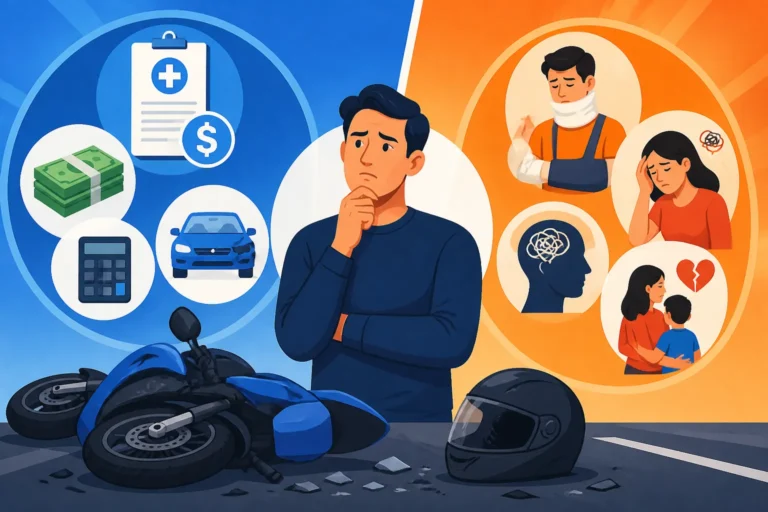
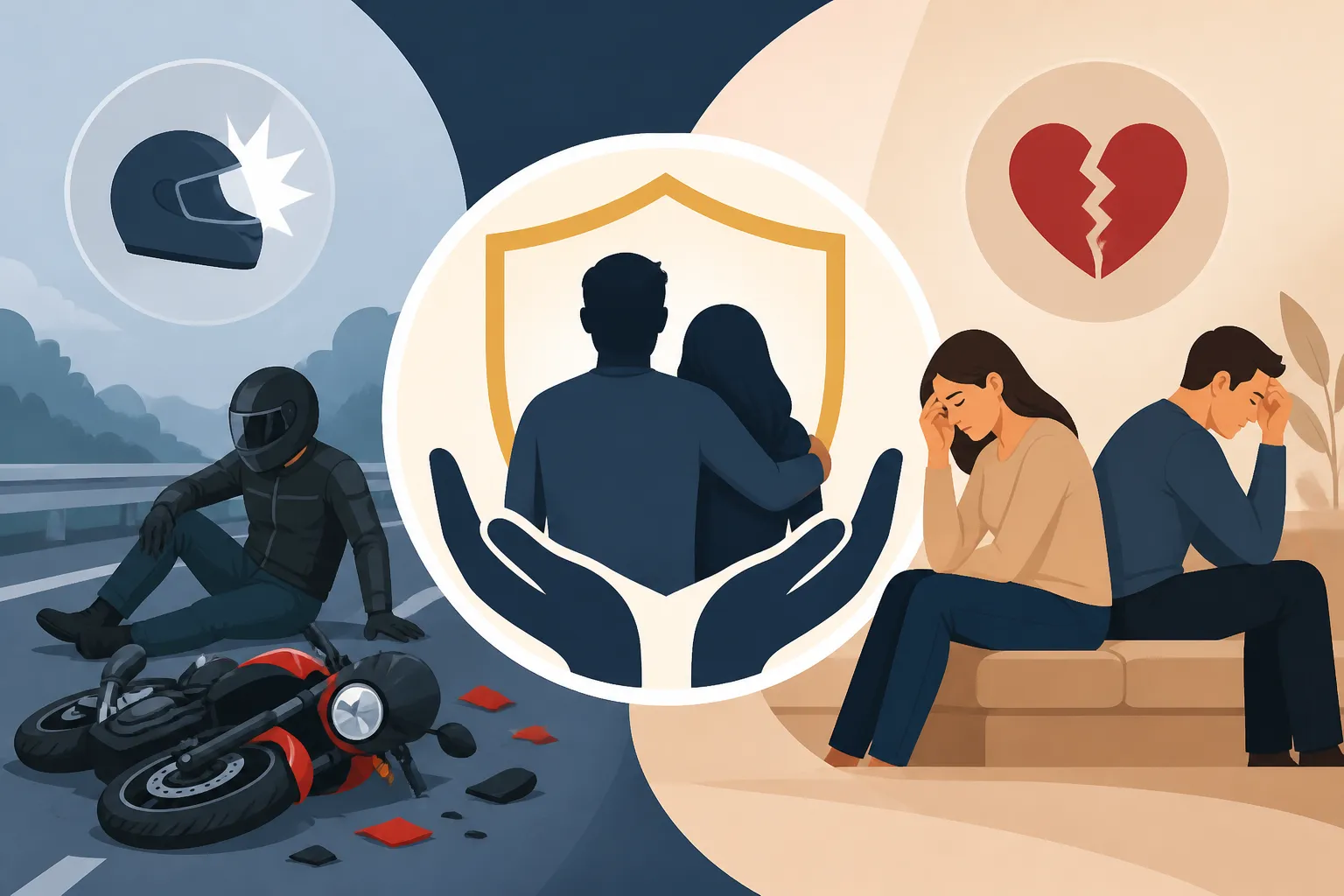
When a loved one is involved in a devastating motorcycle accident, the impact extends far beyond just their physical injuries and mounting medical bills. The emotional, physical, and intimate toll on their spouse, children, or even parents can be profound, often leaving families feeling helpless and overlooked by the legal system. This guide is here to shed light on "loss of consortium," a crucial but often misunderstood type of damage that recognizes the immense suffering experienced by family members when a motorcycle crash shatters the fabric of their daily lives and relationships.
What Exactly Is Loss of Consortium?
Loss of consortium is a legal term that refers to the deprivation of the benefits of a family relationship due to injuries caused by another party's negligence. In simpler terms, it's about the loss of the intangible aspects of a relationship – the companionship, affection, comfort, moral support, sexual relations, and even the household services that a severely injured person can no longer provide. It’s not about the financial losses of the injured party themselves, but rather the losses suffered by their loved ones.
The Intangible Toll on Relationships
Imagine a couple, married for decades, who always enjoyed long rides together, quiet evenings on the porch, and sharing household chores. Then, one day, one of them is hit by a careless driver while out on their motorcycle. They survive, but with catastrophic injuries—perhaps a Spinal Cord Injuries from Motorcycle Accidents that leaves them paralyzed, or a severe Motorcycle Accident Traumatic Brain Injuries that fundamentally alters their personality and cognitive abilities. The partner who was not physically injured now faces a drastically different reality. Their life partner is still there, but the shared life they built, the emotional intimacy, the partnership in raising children, the simple joys and comforts they once shared, are gone or severely diminished. This isn't just sadness; it's a tangible loss in the eyes of the law, even if it's difficult to quantify with a price tag.
Recognizing Non-Economic Damages
Loss of consortium falls under the umbrella of what are called non-economic damages. Unlike economic damages, which are relatively easy to calculate (think medical bills, lost wages, property damage), non-economic damages aim to compensate for subjective, non-monetary losses. These can include pain and suffering, emotional distress, and, of course, loss of consortium. Many people are familiar with the concept of Pain and Suffering Damages Explained for the injured person, but fewer realize that their loved ones might also have a valid claim for their own distinct form of suffering. The legal system acknowledges that an individual's value to their family extends beyond their earning capacity or ability to perform physical tasks. It recognizes the profound human need for companionship, affection, and mutual support within a family unit.
Types of Relationships Eligible for Loss of Consortium Claims
While often associated with spouses, loss of consortium claims aren't exclusively limited to marital relationships. The specific types of relationships that qualify can vary significantly by state law, but generally, courts consider those with a close, legally recognized bond to the injured individual.
Spousal Claims
This is the most common and widely recognized type of loss of consortium claim. A spouse whose partner is severely injured in a motorcycle accident can seek damages for the loss of companionship, affection, love, comfort, sexual relations, and even household services that their injured spouse can no longer provide. This claim recognizes that marriage is a partnership, and when one partner is incapacitated, the other suffers a direct, personal loss to that partnership. For example, if a motorcycle rider suffers an injury that prevents them from engaging in intimate relations, participating in family vacations, or simply sharing the emotional burdens of life, their spouse can claim for these losses. The impact on the quality of their marriage and their day-to-day life together is at the core of a spousal loss of consortium claim.
Parental Claims
In some states, parents can file a loss of consortium claim if their child suffers a severe, debilitating injury that affects the parent-child relationship. This is typically reserved for cases where the child's injuries are so profound that they fundamentally alter the parent's ability to receive the child's care, comfort, companionship, or assistance. For instance, if a child is rendered comatose or experiences a severe motorcycle traumatic brain injury that results in permanent cognitive impairment, parents may lose the joy of their child's company, guidance, and emotional support. These claims are often more challenging to prove than spousal claims, as the nature of the parent-child relationship is different, and courts might be more restrictive in what constitutes a "loss of consortium" in this context. However, for parents enduring the profound anguish of seeing their child's future stolen or severely limited, this avenue offers some recognition of their unique suffering.
Child Claims
Conversely, some states also permit children to bring a loss of consortium claim if their parent is catastrophically injured in a motorcycle crash. This acknowledges the children's loss of a parent's guidance, support, companionship, love, and affection. Imagine a parent, previously active and involved in their child's life, who is now bedridden or unable to communicate due to severe injuries. The child loses not only the day-to-day presence but also the invaluable mentorship, emotional connection, and participation in their upbringing. These claims often focus on the impact on the child's development, emotional well-being, and quality of life without the full participation of their parent. The specific age limits for children to bring such claims can vary, with some states focusing on minor children and others allowing adult children in specific circumstances.
Other Family Relationships
While less common, a few states might extend loss of consortium claims to other close family members, such as domestic partners, fiancés, or even siblings, especially if they can prove a strong, interdependent relationship and significant emotional and practical losses. However, these are generally exceptions and require a very specific legal framework. It's vital to consult with a legal professional to understand the precise eligibility requirements in your state, as these laws are constantly evolving and subject to interpretation. The table below illustrates common eligible relationships and the typical losses associated with a successful claim.
| Eligible Relationship | Common Types of Losses Claimed |
|---|---|
| Spouse | Loss of companionship, affection, love, comfort, solace, emotional support, sexual relations, mutual assistance, household services, and aid. |
| Parent | Loss of child's companionship, society, comfort, guidance, assistance, and affection. Typically applies when the child is severely injured and dependent, or the parent loses the ability to receive the child's care/comfort. (Varies greatly by state). |
| Child | Loss of parental guidance, instruction, training, moral upbringing, companionship, society, love, affection, comfort, and emotional support. Often limited to minor children, but some states allow adult children depending on circumstances. |
| Domestic Partner | In some states with recognized domestic partnerships or common-law marriages, similar losses to a spouse might be claimed. Requires proof of a committed, long-term relationship. (Highly state-specific). |
| Fiance | Very rarely allowed, and only in states that recognize a breach of promise to marry as a tort. Requires strong evidence of imminent marriage and significant interdependency. (Extremely rare and difficult to prove). |
Damages Included in a Loss of Consortium Claim
When pursuing a loss of consortium claim, it's crucial to understand what types of damages are typically included. These are inherently subjective and aim to compensate for the profound, non-economic impact a motorcycle accident has on a family's well-being. Unlike a doctor's bill, there’s no fixed price for affection or companionship, which makes these claims complex but no less valid.
Loss of Companionship and Society
This is perhaps the broadest category under loss of consortium. It encompasses the absence or diminution of the injured person's presence in family life. Think about shared activities that are no longer possible: going to concerts, hiking, family dinners, attending school events, or even just having meaningful conversations. A spouse might lose their best friend and confidant. Children might lose a parent who used to play sports with them or help with homework. This isn't just about physical absence; it's about the emotional void created when the injured person's personality, interests, and ability to engage are altered by their injuries. It’s the silence where laughter used to be, the unshared moments, and the loneliness that settles in.
Loss of Affection and Love
The warmth, tenderness, and emotional connection that define a loving relationship can be deeply affected by severe injuries. A person suffering from a severe Motorcycle Accident Traumatic Brain Injury might experience personality changes, mood swings, or a diminished capacity for emotional expression. This can leave a spouse feeling like they've lost the person they married, even if their physical body is still present. Children might struggle with a parent who is emotionally distant or unable to provide the same level of comfort and affection they once did. This loss of affection and love isn't just psychological; it can fundamentally alter the dynamics of the family, leaving all members feeling deprived of vital emotional sustenance. Proving these damages often involves testimony from family members, friends, and sometimes psychological experts who can articulate the depth of these emotional changes.
Loss of Sexual Relations and Intimacy
For married couples, the loss of sexual relations and intimacy is a significant component of a loss of consortium claim. Severe physical injuries, chronic pain, medication side effects, or psychological trauma from a motorcycle accident can all severely impair a person's ability or desire to engage in physical intimacy. This loss goes beyond just the physical act; it affects the deep bond, vulnerability, and closeness that sexual intimacy fosters within a marriage. When one partner is unable to participate, or the relationship becomes strained due to the physical and emotional burdens of the injury, it can lead to feelings of frustration, sadness, and isolation for both individuals. This aspect of the claim often requires sensitive handling and careful documentation, as it delves into a deeply personal area of a couple's life.
Loss of Household Services and Assistance
Beyond the emotional and intimate aspects, loss of consortium can also include the practical contributions an injured person made to the household. While some of these might seem like Economic Damages Explained, they are often bundled into non-economic consortium claims because they represent the disruption to the family unit's functioning and the burden placed on the uninjured family members. This could include contributions like:
- Childcare: A parent no longer able to care for children.
- Home maintenance: Mowing the lawn, fixing things around the house, cleaning.
- Meal preparation: Cooking meals for the family.
- Financial management: Handling household budgets, paying bills.
- Emotional support for family members: Providing comfort and stability.
If the uninjured spouse or family member now has to take on all these additional responsibilities, it adds stress, time, and emotional strain to their already difficult situation. While hiring help for these tasks might be an economic damage, the loss of the partner's contribution and the burden on the surviving family member is often viewed through the lens of consortium, reflecting the loss of the partnership itself.
Proving Loss of Consortium in a Motorcycle Accident Case
Proving something as intangible as the loss of affection or companionship can feel daunting, especially when dealing with the aftermath of a traumatic event. However, the legal system has established methods and types of evidence that can effectively demonstrate the profound impact a motorcycle accident has had on a family relationship. It’s about building a compelling narrative supported by objective facts and emotional testimony.
Gathering Compelling Evidence
To successfully claim loss of consortium, you need to provide clear and convincing evidence that illustrates the nature of the relationship before the accident and how it changed as a direct result of the injuries. This isn't just about making a statement; it's about backing it up.
Here are some key types of evidence:
- Witness Testimony: This is paramount. Testimony from friends, neighbors, family members, and colleagues who observed the relationship before and after the accident can be incredibly powerful. They can speak to the couple's closeness, the parent's involvement with their children, or the child's bond with their parent. For instance, a neighbor might testify, "Before the crash, John and Sarah were inseparable, always working on their bikes or gardening together. Now, Sarah mostly sits alone, and John can't do anything without assistance."
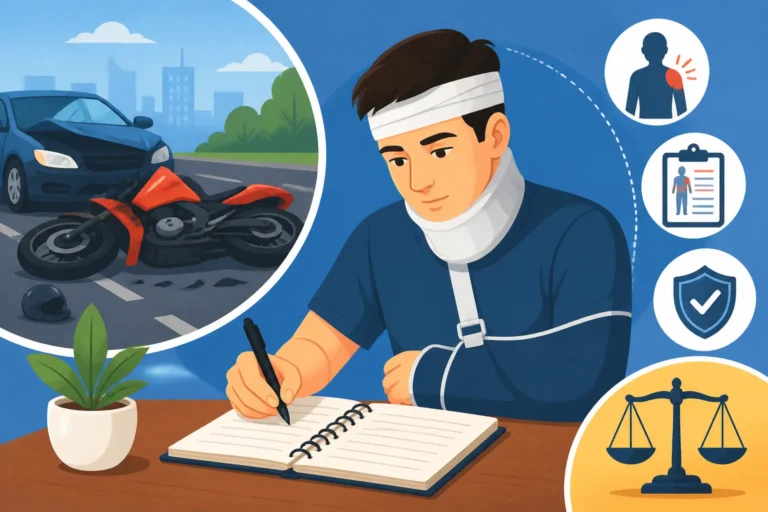
- Personal Journals/Diaries: If the uninjured spouse or family member kept a journal documenting their emotional struggles, the changes in their loved one, and the deterioration of their relationship, these can serve as poignant evidence. These entries provide a real-time, unfiltered account of the suffering endured.
- Photographs and Videos: Images and videos of the family before the accident, showcasing their interactions, shared activities, and affectionate moments, can powerfully illustrate the "before" picture. While these don't prove the "after," they establish the baseline of what was lost.
- Medical Records of the Injured Party: The extent and nature of the injured person's physical and psychological injuries are directly relevant. Records detailing permanent disability, chronic pain, cognitive impairment, or mental health issues (like depression or PTSD) due to the accident underscore why the relationship has changed. These records help establish the causality between the accident and the inability to maintain the prior relationship. This is where topics like Common Motorcycle Accident Injuries and Long-Term Effects of Motorcycle Injuries become crucial.
- Therapy Records: If the uninjured family member sought therapy or counseling to cope with the changes in their relationship and the emotional distress caused by the accident, these records can corroborate their suffering. A therapist's notes can provide a professional assessment of the psychological impact.
Expert Testimony and Assessments
Because loss of consortium deals with complex emotional and relational dynamics, expert testimony can be invaluable in establishing the extent of the damages.
- Psychological or Psychiatric Experts: These professionals can assess the emotional and psychological state of both the injured person and the uninjured family member. They can provide expert opinions on how the injuries have affected the injured person's capacity for intimacy, companionship, and emotional connection, as well as the emotional toll on the claimant. They might diagnose the claimant with anxiety, depression, or even PTSD as a direct result of their loved one's accident and subsequent changes.
- Vocational Experts: In cases where the injured person's ability to perform household tasks or provide child-rearing assistance is impacted, a vocational expert might be able to assess the value of those lost services, even if the primary claim isn't purely economic.
- Life Care Planners: For catastrophic injuries, a life care planner can project the long-term needs of the injured person, which indirectly highlights the ongoing burden and changes to family dynamics that the uninjured spouse will face. While primarily focused on the injured person's needs, their assessment can support the consortium claim by demonstrating the sheer scale of the care and support now required from family members.
Understanding How to Document Injuries for a Claim is not just for the injured party, but also vital for those bringing a loss of consortium claim, as the severity of the primary injury directly correlates with the losses felt by family members.
Factors That Influence the Value of a Loss of Consortium Claim
Determining the monetary value of a loss of consortium claim is one of the most challenging aspects of a motorcycle accident settlement. There’s no exact formula for assigning a dollar amount to love, companionship, or the heartache of a broken family dynamic. However, several key factors significantly influence how judges and juries (or insurance adjusters during settlement negotiations) might value these damages.
Severity and Permanence of the Injury
The more severe and permanent the injured person's condition, the greater the potential for a substantial loss of consortium claim. A temporary injury, like a broken arm that heals completely, will typically have a minimal impact on a relationship compared to a catastrophic injury like a spinal cord injury leading to paralysis, or a severe traumatic brain injury that fundamentally alters personality and cognitive function. The long-term implications for the family are central.
- Catastrophic Injuries: Injuries that result in permanent disability, chronic pain, disfigurement, cognitive impairment, or a drastically shortened life expectancy naturally lead to higher consortium awards. When a person requires lifelong care, can no longer work, or has lost the ability to communicate effectively, the uninjured family members are clearly facing a profound and irreversible loss. This aligns with the discussion on Catastrophic Motorcycle Injuries Explained.
- Mental and Emotional Impact: Beyond the physical, consider the psychological and emotional impact of the injuries. If the injured person develops severe depression, PTSD, or experiences significant personality changes due to brain damage, this can be just as devastating to a relationship as physical incapacitation.
Strength and Stability of the Relationship
The court will often scrutinize the nature of the relationship before the accident to determine the true extent of the loss. A strong, loving, and stable relationship that was flourishing prior to the incident will typically yield a higher award than a relationship that was already strained, turbulent, or on the brink of dissolution.
- Duration of Relationship: Longer marriages or established family units often suggest a deeper bond and a greater loss. A couple married for 30 years with shared children and grandchildren generally has a more substantial history of companionship and mutual support than a newly dating couple.
- Evidence of Affection and Interdependence: Evidence demonstrating shared activities, mutual support, emotional intimacy, and interdependence (e.g., shared hobbies, vacations, joint decision-making, caregiving for children or elderly parents) will bolster the claim. Conversely, evidence of separation, ongoing conflict, or lack of engagement could weaken it.
- Presence of Children: For spousal claims, the presence of minor children can sometimes increase the perceived loss, as the children also suffer from the diminished capacity of an injured parent, further impacting the spousal relationship dynamic.
Age of the Parties Involved
The age of both the injured person and the claimant can play a role in valuing loss of consortium.
- Younger Parties: Generally, claims involving younger individuals tend to yield higher awards. If a young spouse or parent suffers a permanent injury, the loss of companionship, intimacy, and parental guidance is projected over a much longer lifetime, potentially decades into the future. The total duration of the lost benefits is greater.
- Elderly Parties: While older individuals may have a shorter life expectancy, their claims are still valid and significant. The loss of companionship in retirement years, after a lifetime of shared experiences, can be profound. The argument here is not about the number of years lost, but the quality of the years that remain and the deep bonds cultivated over time. However, the calculation of future losses will be based on actuarial tables, which will naturally show a shorter remaining lifespan.
Expert Opinions and Jury Persuasion
Ultimately, the value of a loss of consortium claim can hinge on the ability to persuade a jury (or insurance adjusters) of the genuine and profound nature of the loss. This often comes down to the compelling testimony of the claimant and other witnesses, backed by expert opinions from psychologists or life care planners. A skilled motorcycle accident attorney understands how to present these subjective damages in a clear, relatable, and impactful way, helping the jury connect with the human story behind the legal claim. This is where an understanding of How Motorcycle Accident Settlements Are Calculated and What Affects Your Motorcycle Accident Payout becomes critical, as these non-economic factors are interwoven with the overall case value.
Challenges and Defenses Against Loss of Consortium Claims
While loss of consortium is a recognized legal right in many jurisdictions, it's far from a straightforward claim. Insurance companies and defense attorneys often employ various strategies to challenge or minimize these damages, making it essential for claimants and their legal counsel to be prepared.
Disputing the Severity of Injury or Causation
The most direct way a defense can challenge a loss of consortium claim is by disputing the severity of the injured party's injuries or arguing that the injuries were not directly caused by the motorcycle accident. If the defense can successfully argue that the injured person's condition is not as debilitating as claimed, or that their physical or emotional limitations existed prior to the crash, it weakens the basis for the consortium claim.
- Pre-existing Conditions: Defense lawyers will rigorously investigate the injured person's medical history for any pre-existing conditions that could explain their current limitations. For instance, if the injured spouse had back pain or depression before the accident, the defense might argue that the alleged loss of intimacy or companionship is due to these pre-existing issues, not the crash itself. This is where knowledge of How Pre-Existing Conditions Affect Claims becomes vital.
- Independent Medical Exams (IMEs): Insurers often request that the injured person undergo an IME with a doctor chosen by the defense. This doctor's report may downplay the severity of injuries or suggest that maximum medical improvement (MMI) has been reached, implying less long-term impact on the relationship.
- Lack of Causal Link: The defense might argue that the alleged changes in the relationship are not a direct result of the accident but rather other factors, such as normal marital difficulties, aging, or unrelated personal stressors.
Questioning the Stability of the Relationship
Another common defense tactic involves scrutinizing the claimant's relationship with the injured party before the accident. The goal is to demonstrate that the relationship was not as strong or stable as the claimant asserts, thereby diminishing the perceived loss.
- Marital Discord: Evidence of marital problems, separation, divorce proceedings, or infidelity prior to the accident can be used to argue that the relationship was already significantly fractured, and therefore, the loss of consortium is minimal or non-existent.
- Lack of Interdependence: For non-spousal claims (parent-child, etc.), the defense might try to show a lack of strong emotional connection or interdependence. For example, if a child rarely saw an injured parent, or if a parent was largely uninvolved in a child's life, it's harder to prove a substantial loss of companionship or guidance.
- Social Media and Surveillance: Insurance companies and defense attorneys are notorious for scouring social media profiles and sometimes even employing surveillance to find evidence that contradicts the claimant's portrayal of their relationship or their level of suffering. Pictures of the claimant participating in joyful activities or appearing to manage well can be used to suggest the claimed emotional distress is exaggerated.
State-Specific Limitations and Caps
It's crucial to remember that laws regarding loss of consortium, including who can claim it and how much they can receive, vary significantly by state. Some states may have:
- Caps on Non-Economic Damages: Many states impose statutory caps on non-economic damages, including pain and suffering and loss of consortium. These caps can significantly limit the amount a jury can award, regardless of the severity of the loss. For example, states like Texas, while not universally capping all non-economic damages in personal injury cases, often have caps in medical malpractice cases. It's essential to understand the specific Motorcycle Accident Fault Laws in Texas or any other relevant state.
- Strict Eligibility Rules: As mentioned earlier, some states only allow spouses to claim loss of consortium, excluding parents or children. Others may have very specific criteria for minor children or adult dependents.
- Contributory/Comparative Negligence: If the injured motorcycle rider is found to be partially at fault for the accident, this can also reduce the overall settlement or award for all damages, including loss of consortium. For instance, in states that follow Comparative Negligence in Motorcycle Accidents, if the injured party is found 20% at fault, their total damages, and consequently, the consortium claim, might be reduced by 20%.
These challenges underscore the importance of securing experienced legal representation. An attorney specializing in motorcycle accidents will understand how to anticipate and counter these defense strategies, gather the necessary evidence, and persuasively present your case to maximize your potential recovery.
Navigating the Legal Process and Maximizing Your Claim
Successfully pursuing a loss of consortium claim after a motorcycle accident requires a strategic approach. It's not just about stating your losses; it's about systematically building a compelling case, understanding the legal landscape, and effectively negotiating with insurance companies.
The Role of an Experienced Motorcycle Accident Attorney
This is where a specialized legal professional truly shines. An attorney experienced in motorcycle accident claims understands the nuances of proving non-economic damages like loss of consortium. They know how to collect the right evidence, engage necessary experts, and present a persuasive argument.
- Evidence Collection: Your attorney will guide you in gathering critical evidence, from medical records to personal journals and witness statements. They know precisely what details the court and insurance companies look for. This includes helping you document the "before" and "after" of your family life, which is paramount.
- Expert Engagement: They can connect you with medical, psychological, and vocational experts who can provide testimony on the extent of the injuries and their impact on the family. These experts lend credibility and objective assessment to your subjective experiences.
- Negotiation with Insurers: Insurance companies are notorious for trying to minimize payouts, especially for non-economic damages. Your attorney will handle all communication and negotiation with the insurance adjusters, counter their lowball offers, and fight for a fair settlement. They understand How Insurers Use Rider Stereotypes Against You and can strategically combat such biases. Learning How to Negotiate a Motorcycle Accident Settlement is a complex skill that most laypersons aren't equipped for.
- Litigation if Necessary: If a fair settlement cannot be reached, your attorney will be prepared to take your case to trial, presenting your loss of consortium claim to a judge or jury. Their experience in the courtroom can be the difference between a minimal offer and a substantial award. If you're wondering, Do You Need a Motorcycle Accident Lawyer, a complex claim involving loss of consortium is a strong "yes."
Strategic Documentation of Your Losses
While your attorney will handle much of the legal heavy lifting, your active participation in documenting your daily life and emotional state can be invaluable.
- Maintain a Detailed Journal: Regularly write down how your loved one's injuries have impacted your daily routines, emotional well-being, and the nature of your relationship. Document specific instances where you feel the loss of companionship, affection, or assistance. For example, "Today, our anniversary, we couldn't even go for a walk, and he couldn't hold my hand like he used to," or "My son asked why Dad doesn't play catch anymore; it broke my heart." These firsthand accounts are incredibly powerful.
- Keep Records of Support Services: If you've had to hire help for childcare, household chores, or personal care that your injured loved one previously provided, keep detailed records of these expenses. While some may be economic, they also underscore the "loss of services" aspect of consortium.
- Seek Counseling: Engaging in therapy or counseling can not only help you cope with the emotional distress but also create a professional record of your suffering that can support your claim. A therapist's notes can corroborate the severity of your emotional and relational losses.
Understanding Settlement vs. Trial
Most personal injury cases, including those involving loss of consortium, are resolved through settlements rather than going to trial. A settlement is an agreement between you and the at-fault party's insurance company to resolve the claim outside of court.
- Settlement Benefits: Settlements offer more predictability and often a faster resolution. They also avoid the stress and uncertainty of a trial. Your attorney will advise you on what constitutes a fair settlement offer based on their valuation of your total damages, including loss of consortium. Understanding How to Maximize Your Motorcycle Accident Settlement is key here.
- Trial Considerations: If the insurance company refuses to offer a fair settlement, taking the case to trial might be necessary. While potentially leading to a higher award, trials are more time-consuming, expensive, and come with the risk of an unfavorable verdict. The jury's perception of your loss of consortium can be a significant factor in their decision.
Navigating the aftermath of a motorcycle accident is incredibly difficult, especially when you're dealing with your own grief and the profound changes to your family dynamic. Understanding loss of consortium and how to pursue it can provide a measure of justice and financial relief for the immense, non-economic losses you and your family have endured.
Disclaimer
Please remember that this information is intended for educational purposes only and does not constitute legal advice. Motorcycle accident laws, including those concerning loss of consortium, vary significantly by state. It is crucial to consult with a qualified personal injury attorney in your jurisdiction to discuss the specific details of your case and understand your legal rights and options.