Motorcycle Nerve Damage: Treatment and Long-Term Impact
Experiencing a motorcycle accident is terrifying enough, but discovering you’ve sustained nerve damage can add a whole new layer of frustration, pain, and uncertainty to an already difficult recovery. This invisible injury can dramatically alter your life, causing persistent numbness, sharp pain, or even paralysis, leaving you wondering if you'll ever truly recover. This comprehensive guide will walk you through the complexities of nerve damage from a motorcycle crash, covering everything from its initial diagnosis and treatment to its long-term impact on your life and, crucially, your injury claim.
Understanding Nerve Damage After a Motorcycle Accident
Nerve damage, often an insidious consequence of the sheer force and trauma involved in a motorcycle accident, can range from a temporary nuisance to a debilitating, life-altering condition. It’s not always immediately apparent, which can make the initial days and weeks after a crash particularly confusing and frustrating for riders.
What is Nerve Damage?
At its core, nerve damage refers to any injury to the nerves, which are essentially the communication wires of your body. These delicate fibers transmit signals between your brain, spinal cord, and the rest of your body, controlling everything from muscle movement to sensory perception like touch, temperature, and pain. When these critical pathways are disrupted, the consequences can be profound.
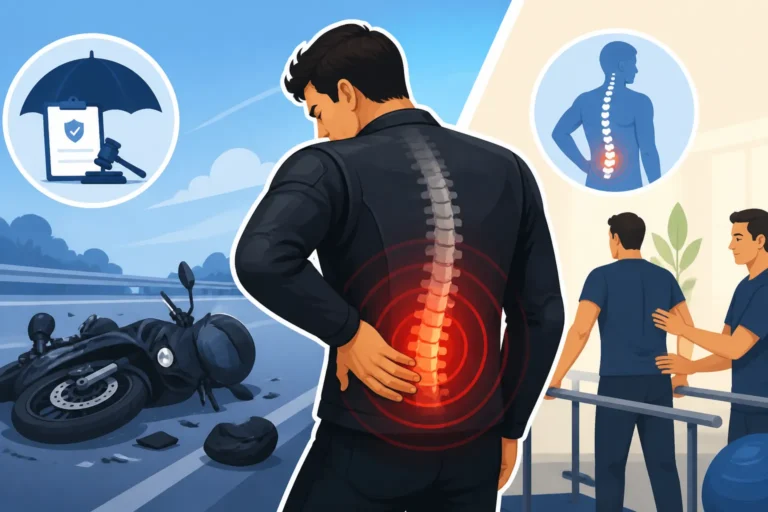
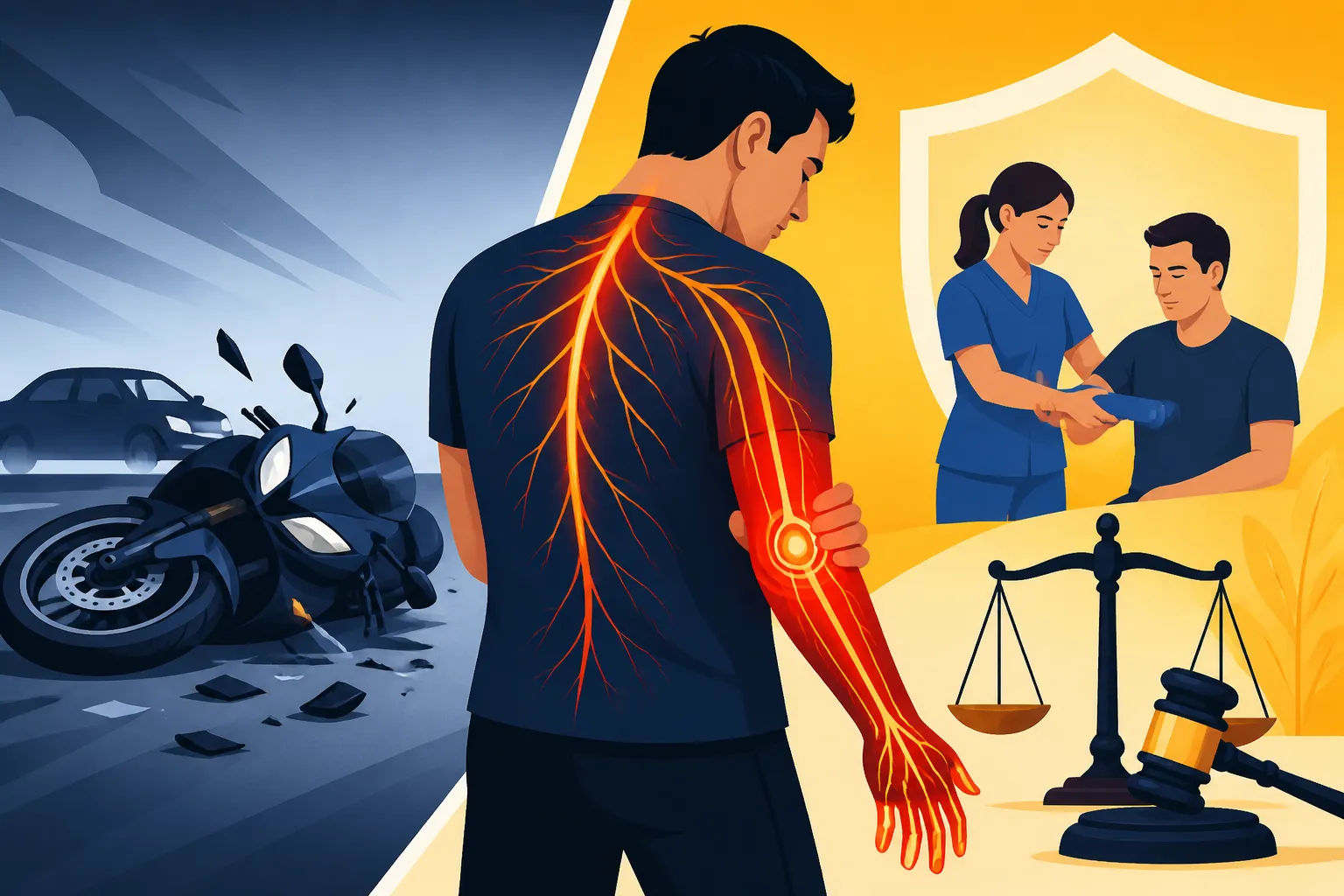
In a motorcycle accident, nerve damage can occur in several ways. You might experience direct trauma where a nerve is crushed, severed, or stretched due to impact or entanglement with the bike or other vehicles. Imagine the force of a sudden stop or a direct hit to your arm or leg – that energy can easily strain or tear nerves. Sometimes, the damage is indirect, caused by swelling, inflammation, or bone fragments that compress a nerve. The sheer velocity and uncontrolled impact often associated with motorcycle crashes make riders particularly vulnerable to these types of injuries. Unlike a broken bone, which often presents with clear symptoms and is easily visible on an X-ray, nerve damage can be far more subtle, making early diagnosis challenging.
Common Symptoms and Delayed Onset
One of the most maddening aspects of nerve damage is its unpredictable presentation. While some riders might experience immediate, excruciating pain or complete numbness in a limb right after the crash, many others report a delayed onset of symptoms. You might feel "fine" initially, attributing any discomfort to general soreness, only for pins and needles, weakness, or burning sensations to creep in days or even weeks later. This delay can lead to a lot of self-doubt and confusion, making you question if what you’re feeling is even related to the accident.
Common symptoms of nerve damage include:
- Numbness or reduced sensation: A feeling like part of your body has "fallen asleep" and won't wake up, or a diminished ability to feel touch, temperature, or pain.
- Tingling or "pins and needles": A prickling sensation that can be constant or come and go.
- Burning pain: Often described as a searing or electric shock-like sensation, sometimes radiating along the nerve path.
- Muscle weakness or paralysis: Difficulty moving a limb, a specific muscle, or even complete inability to move it.
- Hypersensitivity: Ordinary touch or pressure can feel intensely painful.
- Loss of coordination or balance: Especially if nerves in the legs or feet are affected.
- Autonomic symptoms: Changes in sweating, skin color, or swelling in the affected area, though these are less common and typically associated with more severe nerve injuries.
This delayed onset is precisely why it’s critical to seek medical attention immediately after any motorcycle accident, even if you feel relatively okay. Underlying injuries, particularly to delicate structures like nerves, may not manifest fully until inflammation sets in or the initial shock wears off. Ignoring these subtle signs could lead to long-term complications or make your eventual recovery much harder. The article on What to Do Immediately After a Motorcycle Accident offers essential first steps to protect your health and potential claim.
Specific Types of Nerve Injuries Common in Motorcycle Accidents
Motorcycle accidents, due to their unique dynamics and the rider's exposed position, often lead to specific patterns of nerve damage. Understanding these can help you recognize symptoms and discuss them effectively with your medical team.
- Brachial Plexus Injuries: These are incredibly common and devastating in motorcycle crashes. The brachial plexus is a network of nerves originating from the spinal cord in the neck and extending down into the arm, controlling movement and sensation in the shoulder, arm, and hand. A forceful impact or sudden jerk to the head, neck, or shoulder, like being thrown from your bike, can stretch, tear, or even avulse (rip from the spinal cord) these nerves. Symptoms range from numbness and weakness in the arm to complete paralysis. These can be particularly challenging to recover from and often require extensive intervention.
- Sciatic Nerve Damage: The sciatic nerve is the longest and widest single nerve in the human body, running from the lower back down each leg. Trauma to the pelvis, hip, or direct impact to the buttock or thigh during a crash can injure this nerve. Riders might experience shooting pain, numbness, or weakness in the buttock, back of the thigh, calf, or foot.
- Radial Nerve Palsy: The radial nerve runs down the arm and controls the muscles that extend the wrist and fingers. Fractures of the humerus (upper arm bone), or prolonged compression, perhaps from being trapped under the bike, can damage this nerve, leading to "wrist drop" where the wrist and fingers hang limply.
- Peroneal Nerve Injury: Located near the knee, the peroneal nerve can be damaged by direct impact, fractures around the knee, or even tight splinting. This often results in "foot drop," making it difficult to lift the front part of the foot, causing a dragging gait.
- Peripheral Neuropathy: While not a single injury, peripheral neuropathy refers to damage to nerves outside the brain and spinal cord. Severe road rash, lacerations, or crush injuries can directly damage smaller peripheral nerves, leading to localized numbness, burning, or hypersensitivity that persists long after the skin has healed.
These specific injuries highlight the vulnerability of riders and underscore why comprehensive medical evaluation is so important.
Initial Diagnosis and Treatment Approaches for Nerve Damage
The journey to recovery from nerve damage starts with an accurate diagnosis, which can sometimes be a complex process given the subtle nature of these injuries. Once diagnosed, treatment typically involves a multi-pronged approach tailored to the specific type and severity of the nerve damage.
The Diagnostic Process
When you're dealing with the aftermath of a motorcycle accident, getting to the root of your pain or functional loss is paramount. The diagnostic process for nerve damage usually begins with a thorough physical examination by a doctor, often a neurologist or orthopedic specialist. They will test your reflexes, muscle strength, sensation, and observe your gait and posture. They'll ask detailed questions about the accident, your symptoms, and how they’ve progressed. This initial assessment is crucial, but often, more advanced tests are needed to pinpoint the exact location and extent of the damage.
Common diagnostic tools include:
- Electromyography (EMG) and Nerve Conduction Velocity (NCV) studies: These are often performed together. An NCV test measures how fast electrical signals travel through your nerves, while an EMG assesses the electrical activity in your muscles, both at rest and during contraction. These tests can reveal if a nerve is damaged, how severely, and whether it’s recovering.
- Magnetic Resonance Imaging (MRI): While nerves themselves don't show up clearly on an MRI, this imaging can identify soft tissue damage, herniated discs, tumors, or inflammation that might be compressing or affecting a nerve.
- High-Resolution Ultrasound: In some cases, ultrasound can provide detailed images of peripheral nerves, helping to identify direct injury or compression.
- Computed Tomography (CT) scans: Primarily used to rule out bone fractures or severe internal bleeding, CT scans can sometimes indirectly reveal issues affecting nearby nerves.
The importance of early and accurate diagnosis cannot be overstated. The sooner nerve damage is identified, the sooner appropriate treatment can begin, which can significantly improve your prognosis. Consistent and detailed medical records stemming from this diagnostic phase are also absolutely vital for your future motorcycle accident claim, helping to establish the link between the crash and your injuries.
Non-Surgical Treatment Options
For many types of nerve damage, particularly those involving bruising, stretching (neuropraxia), or mild compression, non-surgical, conservative treatments are the first line of defense. The goal is to reduce inflammation, alleviate pain, and encourage nerve regeneration and function.
- Physical Therapy: This is often the cornerstone of nerve injury recovery. A physical therapist will design a personalized program including exercises to maintain range of motion, strengthen weakened muscles, and prevent stiffness. They might use techniques like massage, electrical stimulation, or heat/cold therapy to manage pain and promote healing. For instance, if you have radial nerve palsy, exercises to support wrist extension and finger movements would be critical.
- Medication: Your doctor might prescribe a variety of medications to manage symptoms. These can include over-the-counter pain relievers (NSAIDs), prescription pain medications, anti-inflammatory drugs, or even neuropathic pain medications like gabapentin or pregabalin, which are specifically designed to calm overactive nerve signals.
- Splinting or Bracing: In some cases, splints or braces are used to support an injured limb, prevent further stretching or compression of the nerve, and allow it to heal in a protected position. For example, a wrist splint might be used for radial nerve damage.
- Lifestyle Adjustments: Rest, avoiding activities that exacerbate symptoms, and proper nutrition can also play a role in supporting your body's healing process.
It's a long road, and consistency with these non-surgical methods is key. Many riders find the slow pace frustrating, but patience and adherence to your therapy plan are essential.
Surgical Interventions
When conservative treatments aren't enough, or if the nerve damage is severe (such as a complete tear or avulsion), surgical intervention may be necessary. The timing of surgery is often critical; generally, earlier intervention for severe injuries tends to yield better outcomes.
Common surgical procedures for nerve damage include:
- Nerve Repair (Neurorrhaphy): If a nerve is cleanly cut or severed, a surgeon can directly sew the severed ends back together. This is a delicate procedure requiring microsurgical techniques.
- Nerve Grafting: When there's a gap in a damaged nerve that's too wide for direct repair, a segment of a less critical nerve (a "donor nerve," often taken from the back of the leg) can be harvested and used to bridge the gap. The regenerating nerve fibers can then grow through this graft.
- Nerve Transfer: In cases where the injured nerve is severely damaged or avulsed and can't be directly repaired, a surgeon might take a less critical, functioning nerve nearby and attach it to the distal end of the injured nerve. This essentially "rewires" the system, giving the damaged muscle a new nerve supply.
- Neurolysis: This procedure involves removing scar tissue that might be compressing a nerve, freeing it up to function properly.
The success of nerve surgery can vary widely depending on the type of injury, the patient's age, and how quickly surgery is performed. Post-surgery, extensive physical therapy is always required to re-educate the muscles and help the nerves regenerate and regain function. The recovery period can be lengthy, sometimes taking months or even years, as nerves regenerate very slowly – about an inch per month. This prolonged healing time directly impacts the calculation of Future Medical Costs Explained in your claim.
Navigating the Long-Term Impact and Recovery Journey
The impact of motorcycle-related nerve damage rarely ends with the initial diagnosis and treatment. For many riders, it marks the beginning of a long and challenging journey through chronic symptoms, functional limitations, and significant emotional distress. It's crucial to acknowledge these realities and plan for the long haul. The article on Long-Term Effects of Motorcycle Injuries provides further context.
Chronic Pain and Sensory Changes
One of the most debilitating long-term effects of nerve damage is persistent, chronic pain. This isn't just regular soreness; it can be an unrelenting burning, shooting, or electric shock-like pain that defies conventional pain relievers. You might also experience constant numbness, tingling, or an uncomfortable hypersensitivity where even light touch feels excruciating. This sensory disruption can affect your quality of life profoundly. Imagine having to carefully select clothing because certain fabrics irritate your skin, or struggling to grip objects because you can’t properly feel them. This daily struggle can lead to secondary issues like sleep disturbances, fatigue, and irritability, creating a vicious cycle that impacts every aspect of your existence.
Motor Impairment and Functional Limitations
Beyond pain, nerve damage often translates to real, tangible losses in motor function. Depending on the nerve affected, you might experience muscle weakness, partial paralysis, or even complete loss of movement in a limb. A severe brachial plexus injury, for instance, could leave you with a completely flail arm, unable to lift or move it independently. Sciatic nerve damage might result in difficulty walking, climbing stairs, or standing for long periods.
These impairments can dramatically alter your ability to perform daily tasks, work, and, of course, ride your motorcycle. Activities you once took for granted – reaching for a cup, tying your shoes, or even operating the clutch – can become immense challenges. The loss of independence and the constant adaptation required can be deeply frustrating, impacting both your personal life and your professional prospects, contributing significantly to your Loss of Earning Capacity Explained.
Emotional and Psychological Toll
Living with chronic pain, functional limitations, and the uncertainty of nerve regeneration takes a significant emotional and psychological toll. It's not uncommon for riders with nerve damage to experience:
- Depression and Anxiety: The constant pain, loss of independence, and disruption to life can lead to profound feelings of sadness, hopelessness, and heightened anxiety about the future.
- Post-Traumatic Stress Disorder (PTSD): The traumatic experience of the accident itself, coupled with the ongoing physical struggle, can trigger PTSD symptoms, including flashbacks, nightmares, and avoidance behaviors.
- Frustration and Anger: Many riders feel angry about their situation, about the other driver's negligence, or about their body "failing" them. This frustration is a natural response to such a life-altering injury.
- Social Isolation: The inability to participate in hobbies, work, or social events can lead to feelings of isolation and loneliness.
It's vital to recognize these emotional challenges and seek mental health support alongside physical therapy. A holistic approach to recovery addresses both the body and the mind.
Rehabilitation and Adaptive Strategies
The recovery from severe nerve damage is rarely a linear path; it's more like a marathon with many ups and downs. Long-term rehabilitation is essential and often involves a team of specialists.
- Ongoing Physical and Occupational Therapy: These therapies remain crucial for regaining strength, improving range of motion, and learning adaptive techniques to manage daily tasks. Occupational therapists can help you modify your home or workplace, suggest adaptive equipment, and teach you new ways to perform activities.
- Pain Management Programs: For chronic nerve pain, a specialized pain management program might be necessary. This can involve a combination of medications, nerve blocks, spinal cord stimulation, or alternative therapies like acupuncture or biofeedback.
- Assistive Devices: Depending on the severity of motor impairment, you might need assistive devices such as braces, orthotics, canes, walkers, or even wheelchairs to maintain mobility and independence.
- Vocational Rehabilitation: If your injury impacts your ability to return to your previous job, vocational rehabilitation specialists can help you explore new career paths, acquire new skills, or adapt your current work environment.
Embracing these rehabilitation strategies and adapting to new ways of living is crucial for maximizing your long-term quality of life. The commitment to this ongoing process is significant, both physically and financially.
Building Your Motorcycle Accident Claim with Nerve Damage
When nerve damage is a result of someone else's negligence in a motorcycle accident, pursuing a personal injury claim becomes critical. However, nerve damage claims can be particularly complex due to the invisible nature of the injury and its often subjective impact. It's not like a clearly visible broken bone; the true extent of nerve damage and its long-term effects often require robust documentation and expert testimony.
Documenting Your Injuries Thoroughly
The foundation of any successful injury claim, especially one involving nerve damage, lies in comprehensive and consistent documentation. Insurance companies and courts need concrete evidence linking your nerve damage directly to the motorcycle accident.
- Immediate Medical Attention: As mentioned, seeking immediate medical care after the accident is paramount. Any delay can be used by the defense to argue that your injuries weren't severe or weren't caused by the crash. This also aligns with the advice in Why You Should Seek Immediate Treatment.
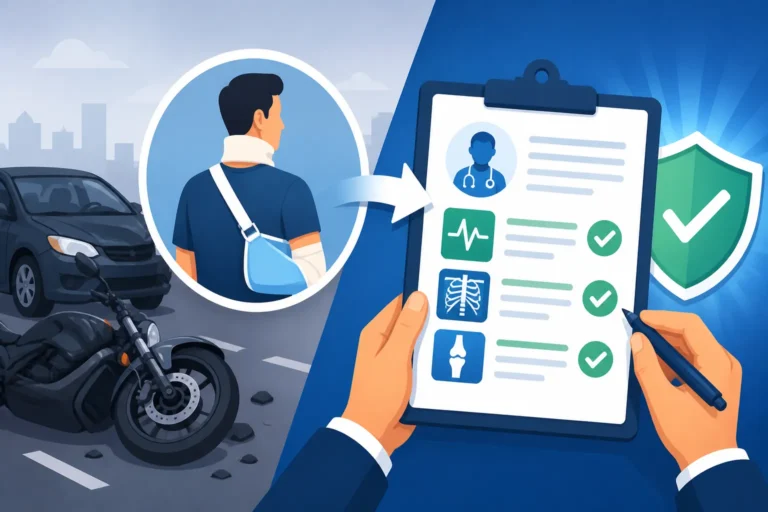
- Detailed Medical Records: Every doctor's visit, every diagnostic test (EMG, NCV, MRI), every prescription, and every therapy session needs to be thoroughly documented. These records should clearly detail your symptoms, the diagnosis of nerve damage, and the progression of your treatment.
- Maintain an Injury Journal: Keep a detailed personal journal of your symptoms, pain levels, limitations, treatments, and how your injuries affect your daily life. This can be incredibly powerful in showing the daily reality of living with nerve damage and proving your Pain and Suffering Damages Explained.
- Photographs: While nerve damage isn't visible, photos of any external injuries (road rash, bruising, swelling, scars) related to the crash can support your overall injury claim.
Remember, the more detailed and consistent your medical records, the stronger your case will be. The guide on How to Document Injuries for a Claim offers more in-depth advice on this.
Proving Long-Term Impact and Damages
One of the biggest challenges with nerve damage is proving its long-term impact, especially when it comes to compensation. Nerve damage often leads to permanent or long-lasting issues, and your claim needs to reflect these future costs and losses, not just your immediate bills.
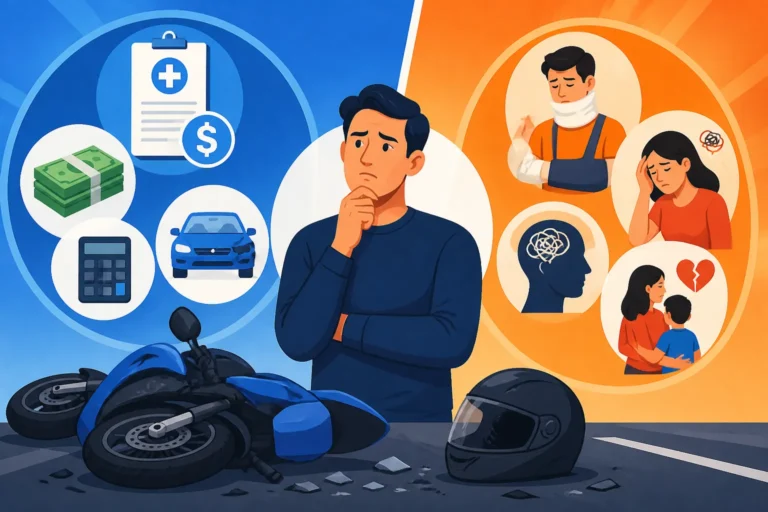
- Economic Damages: These are quantifiable financial losses.
- Medical Expenses: All past and future medical bills, including doctor visits, diagnostic tests, medications, surgeries, and ongoing physical or occupational therapy.
- Lost Wages: Income you've lost due to being unable to work, both in the past and projected future losses if your ability to work is permanently diminished. The article on How Lost Wages Are Calculated in a Motorcycle Claim can provide more details.
- Loss of Earning Capacity: If your nerve damage prevents you from returning to your previous profession or requires you to take a lower-paying job, you can claim for this future financial loss.
- Other Costs: This might include the cost of assistive devices, home modifications, specialized transportation, or in-home care.
- Non-Economic Damages: These are less tangible but often represent the largest portion of a settlement.
- Pain and Suffering: The physical pain, discomfort, and emotional distress you endure because of your nerve damage.
- Loss of Enjoyment of Life: Your inability to participate in hobbies, recreational activities, or social events you once enjoyed.
- Emotional Distress: The psychological impact, including anxiety, depression, frustration, and PTSD, stemming from your injury.
- Disfigurement or Scarring: If the accident or subsequent surgeries left you with permanent scars that affect your appearance or confidence.
Calculating these damages, especially future and non-economic ones, is complex and often requires the expertise of an attorney and medical or vocational experts. They understand What Affects Your Motorcycle Accident Payout.
Why Expert Medical Testimony is Crucial
Because nerve damage can be invisible and its effects highly individualized, expert medical testimony is often indispensable in proving your claim. A neurologist, orthopedic surgeon, or pain management specialist can:
- Confirm Diagnosis: Explain the nature of your nerve damage, how it occurred, and link it directly to the accident.
- Detail Prognosis: Provide an informed opinion on the likelihood of recovery, the extent of any permanent impairment, and the potential for long-term complications.
- Estimate Future Needs: Project your future medical care requirements, including therapies, medications, potential future surgeries, and adaptive equipment.
- Counter Defense Arguments: Effectively refute attempts by the at-fault driver's insurance company to downplay your injuries or argue they are not as severe or permanent as you claim.
An experienced motorcycle accident attorney understands how to leverage this expert testimony to demonstrate the true severity of your injuries and their profound impact on your life, helping you Maximize Your Motorcycle Accident Settlement. If you're wondering Do You Need a Motorcycle Accident Lawyer, especially with complex injuries like nerve damage, the answer is almost certainly yes.
Here's a quick overview of different aspects of nerve damage:
| Aspect | Description | Common Symptoms | Key Treatments | Potential Long-Term Impact |
|---|---|---|---|---|
| Nerve Bruising | Mild trauma, temporary disruption of nerve signals. | Mild numbness, tingling, temporary weakness. | Rest, physical therapy, anti-inflammatory medication. | Full recovery common, but can recur. |
| Nerve Stretching | Nerves pulled beyond their capacity, but still intact. | Moderate pain, numbness, burning, weakness (e.g., in an arm or leg). | Physical therapy, medication, splinting, watchful waiting. | Can recover over weeks/months, but some residual weakness/sensation loss possible. |
| Nerve Tearing | Partial or complete rupture of the nerve fiber. | Severe pain, significant numbness, muscle weakness or paralysis. | Surgery (nerve repair, grafting), extensive physical therapy, pain management. | Variable recovery, often with some permanent deficit in sensation or movement. |
| Nerve Avulsion | Nerve ripped completely from the spinal cord (e.g., brachial plexus). | Complete paralysis and loss of sensation in affected area, severe pain. | Surgery (nerve transfer), lifelong physical therapy, assistive devices. | Often results in permanent disability, significant functional limitations. |
| Nerve Compression | External pressure on a nerve from swelling, bone fragments, or scar tissue. | Localized pain, numbness, tingling, weakness worsening with activity. | Rest, medication, physical therapy, sometimes surgery to decompress. | Recovery varies by cause; can lead to chronic pain if untreated. |
Disclaimer
Please remember, the information provided in this guide is intended for informational purposes only and does not constitute legal or medical advice. Every motorcycle accident and every injury is unique. It is crucial to consult with a qualified medical professional for diagnosis and treatment of any injuries and to speak with an experienced motorcycle accident attorney to discuss the specifics of your case and understand your legal rights and options.