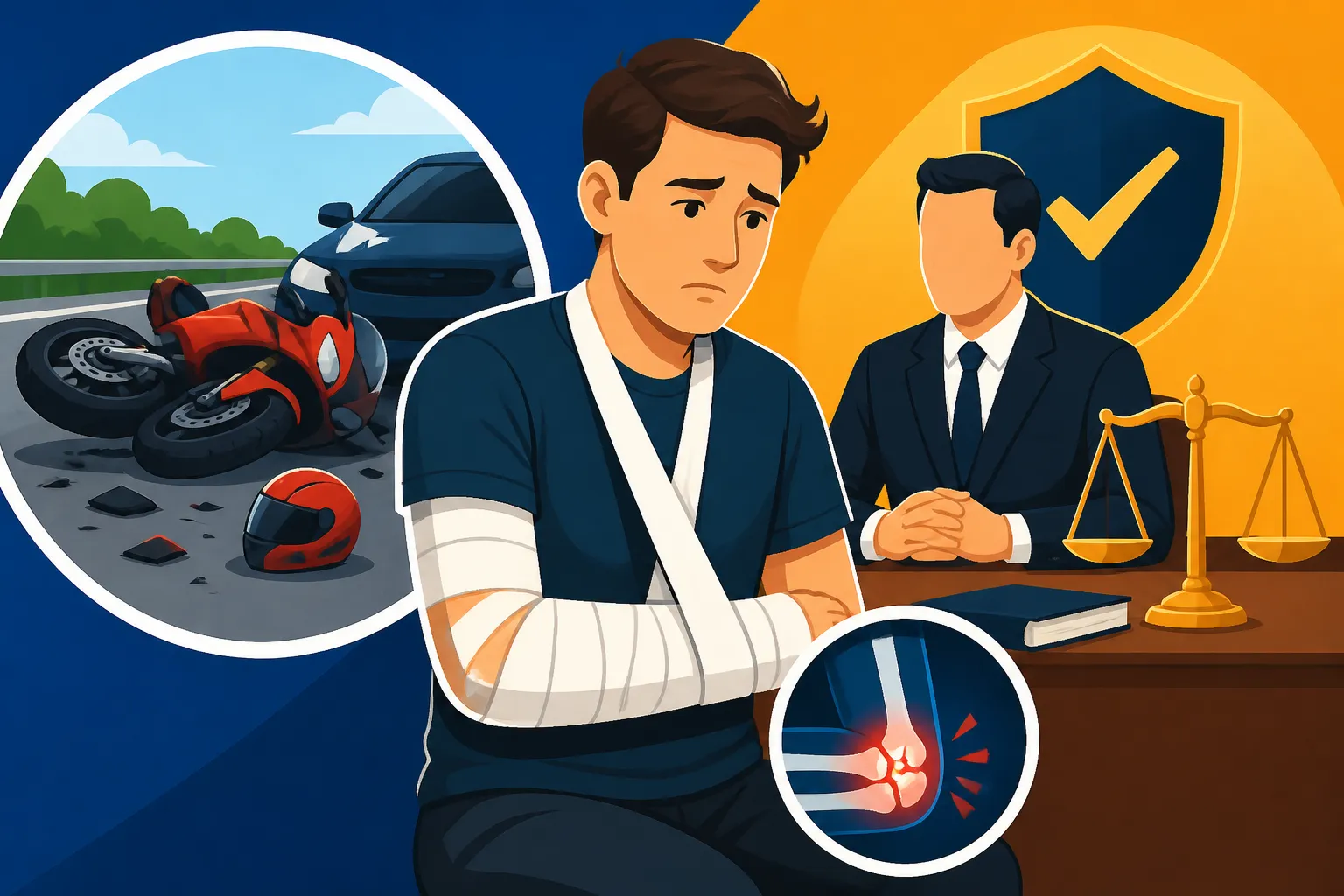
Is a Motorcycle Broken Bones a Permanent Injury
Experiencing a motorcycle accident is an incredibly jarring and often terrifying event, and one of the most immediate and painful consequences many riders face is a broken bone. It's natural to wonder, amidst the pain and disruption, if this injury is something you'll ever truly recover from, or if it's going to stick with you for the long haul. This guide is here to walk you through the realities of broken bones from motorcycle crashes, exploring what "permanent injury" truly means in this context and how it might impact your life and any potential claims.
Understanding What "Permanent Injury" Means for Broken Bones
When you break a bone, the first thing doctors usually talk about is healing: getting the bone back together, setting it, and ensuring it fuses properly. And most bones do heal. But "healing" in the medical sense doesn't always equate to a complete return to pre-injury function or the absence of long-term issues. For many motorcycle accident victims, a broken bone can leave behind lasting reminders, altering their physical capabilities and overall quality of life indefinitely.
A "permanent injury" isn't necessarily about a bone that never heals; it’s more about the residual effects that linger even after the primary bone healing is complete. This could manifest as chronic pain, stiffness, reduced range of motion, weakness, or even the early onset of conditions like arthritis in the affected joint. It means that while the fracture itself might be mended, the impact on your body and your ability to live life as you once did might be forever changed. It's a tough pill to swallow, especially for riders who value their freedom and physical activity.
The Spectrum of Bone Fractures in Motorcycle Accidents
Not all broken bones are created equal, and the severity and type of fracture play a huge role in determining if you'll face permanent issues. Motorcycle accidents, due to the high impact and lack of external protection for the rider, often result in particularly severe and complex fractures.
For example, a hairline fracture in a non-weight-bearing bone might heal with minimal long-term repercussions. However, a compound fracture where the bone pierces the skin, or a comminuted fracture where the bone shatters into multiple pieces, presents a much higher risk for permanent damage. These types of injuries often involve significant soft tissue damage, extensive surgery, and a prolonged, arduous rehabilitation process. The force involved in many motorcycle accidents often leads to these more devastating breaks.
Factors That Contribute to Long-Term Impact
Several elements can determine whether a broken bone from a motorcycle crash becomes a permanent fixture in your life. It’s not just about the initial injury; it’s a whole host of circumstances that play out over months and even years.
Your age and overall health, for instance, are significant factors. Younger, healthier individuals generally have a better capacity for healing and recovery compared to older riders or those with pre-existing conditions like osteoporosis. Nutrition, lifestyle, and even genetic predispositions can influence bone regeneration and the body's response to trauma. This means two riders with identical breaks might experience vastly different recovery trajectories based on their individual health profiles.
The quality and promptness of medical care you receive are also paramount. Timely and appropriate treatment, including expert surgical intervention if needed, can significantly reduce the risk of complications that lead to permanence. If a bone is set incorrectly (malunion) or fails to fuse at all (non-union), it almost certainly sets the stage for chronic problems. Missing follow-up appointments or not adhering to physical therapy recommendations can also derail even the best medical interventions, leading to suboptimal outcomes.
Common Broken Bones and Their Permanent Potential
Motorcycle accidents often lead to specific types of bone injuries, many of which carry a high risk of long-term or permanent complications. Understanding these common injuries can help you anticipate potential challenges. For more comprehensive information on the various physical traumas riders face, take a look at our guide on what are the most common motorcycle injuries.
Extremity Fractures: Arms, Legs, and Joints
Bones in the limbs, such as femurs, tibias, fibulas, humerus, radius, and ulna, are frequently broken in motorcycle crashes. These often involve critical joints like the knee, ankle, hip, elbow, and wrist. Fractures that extend into a joint are particularly problematic because they can damage the smooth cartilage surfaces, leading to post-traumatic arthritis years down the line.
Consider a tibia plateau fracture, common when a rider's leg is trapped or twisted upon impact. Even after extensive surgery to repair the bone and stabilize the knee, the damage to the knee joint's surface can cause persistent pain, swelling, and stiffness. Many riders who suffer such an injury find that running, prolonged standing, or even walking long distances becomes permanently difficult or impossible. They might face the prospect of total knee replacement surgery in the future, a testament to the injury's lasting impact. Similarly, a shattered wrist can limit grip strength and fine motor skills indefinitely, affecting everything from daily tasks to future employment.
Clavicle and Rib Fractures: More Than Just a "Broken Bone"
While often perceived as less severe than a shattered limb, fractures to the clavicle (collarbone) and ribs can also lead to permanent issues. A broken collarbone, especially one that displaces significantly, can cause chronic shoulder pain, nerve impingement, or a noticeable deformity if it doesn't heal perfectly aligned. This can affect overhead movements and overall arm strength, impacting activities like lifting or carrying objects.
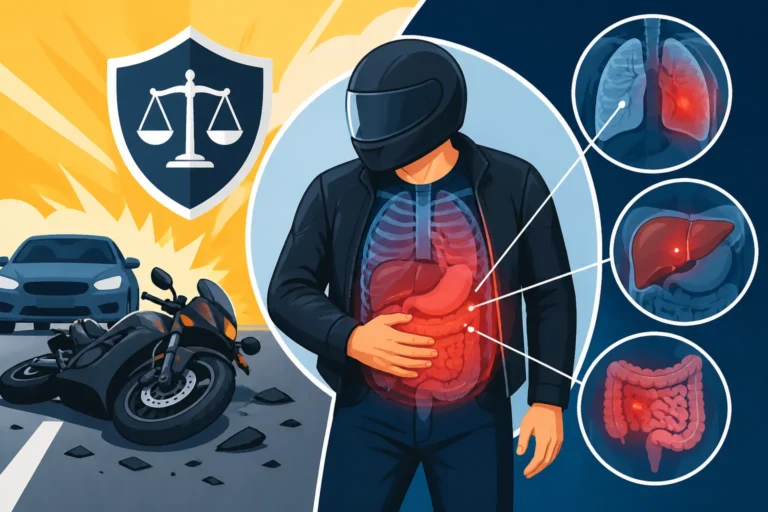
Rib fractures, especially multiple ones, can lead to chronic chest wall pain due to nerve damage or scar tissue formation. Beyond the initial excruciating pain, they can also increase the risk of respiratory complications like pneumonia, particularly in the elderly. In rare but serious cases, sharp rib fragments can puncture lungs or other internal organs, leading to internal injuries you might not notice immediately but which can have lasting health consequences. A thorough medical evaluation, even after what seems like a minor crash, is crucial.
Spinal Fractures: The Most Dire Permanent Injuries
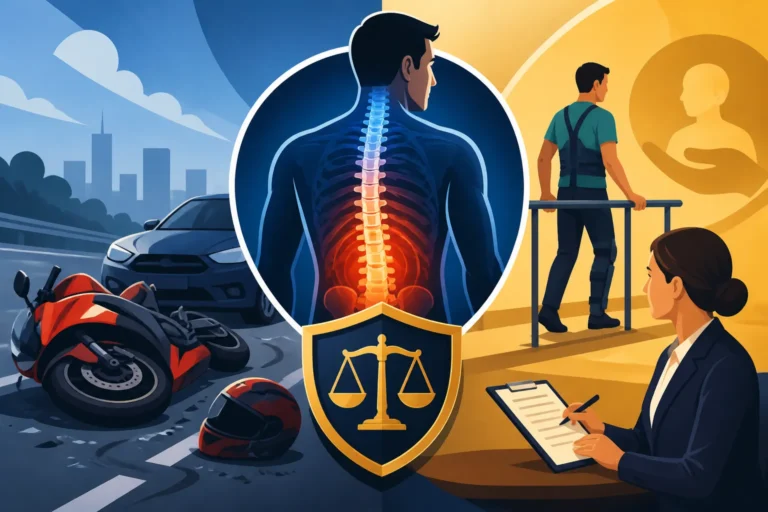
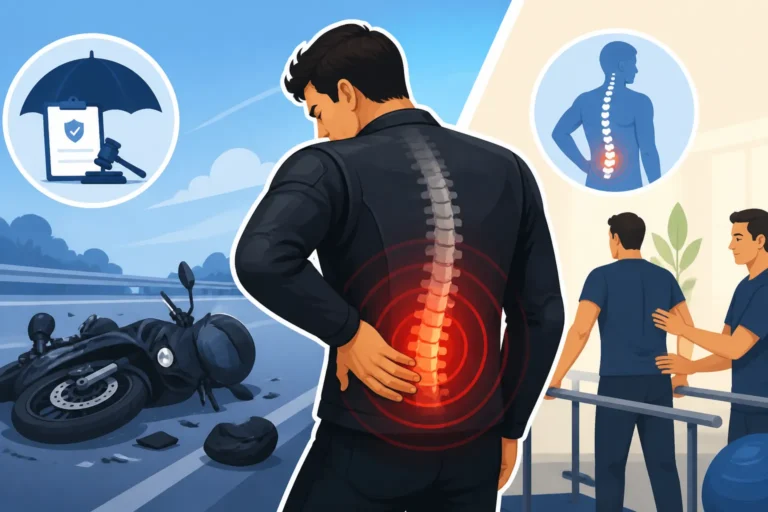
While spinal cord injuries are distinct, fractures to the vertebrae themselves can be incredibly serious and often result in permanent instability, pain, or neurological deficits. A compression fracture in the spine, for example, can alter posture, cause chronic back pain, and reduce mobility. If the fracture is unstable or compromises the spinal canal, it can lead to nerve damage, which might manifest as numbness, weakness, or even paralysis in parts of the body.
The long-term implications of a spinal fracture can be profound, requiring ongoing pain management, physical therapy, and potentially future surgeries. Even with successful fusion surgeries, many individuals never regain their full pre-injury flexibility or strength, enduring a permanent change in their physical capabilities. These are precisely the kinds of severe injuries that warrant a deep dive into how much compensation for motorcycle spinal cord injury might be available.
Life with Permanent Broken Bone Injuries
Living with a permanent broken bone injury means navigating a new reality. The initial pain and recovery eventually give way to a different kind of challenge: adapting to long-term limitations and managing chronic symptoms. This can affect every aspect of your life, from personal well-being to your ability to earn a living.
Chronic Pain and Discomfort
Perhaps the most common and debilitating permanent consequence of a severe broken bone is chronic pain. This isn't just a lingering ache; it can be persistent, often worsening with activity, changes in weather, or even emotional stress. This kind of pain can significantly diminish one's quality of life, making it hard to sleep, concentrate, or enjoy social activities.
For example, a rider who suffered a complex ankle fracture might experience persistent throbbing pain and swelling after standing for too long, making a simple trip to the grocery store an exhausting ordeal. This chronic discomfort often requires ongoing management, including medication, injections, or even nerve blocks, which themselves carry risks and side effects. The psychological toll of living with unceasing pain is also immense, often leading to depression and anxiety.
Functional Limitations and Reduced Mobility
Beyond pain, permanent broken bone injuries often lead to tangible reductions in physical function. This could be a limited range of motion in a joint, muscle weakness, or an inability to perform certain movements. An arm fracture that heals with some nerve damage, for instance, might result in permanent weakness or numbness in the hand, making it difficult to grip tools, type, or even hold a cup steadily.
A leg injury might cause a permanent limp, reduced stamina, or make it impossible to participate in sports or hobbies that were once cherished. Imagine a skilled mechanic who can no longer lift heavy equipment due to a permanently weakened shoulder, or a gardener who can't kneel due to chronic knee pain. These functional limitations directly impact independence and can force individuals to fundamentally alter their daily routines and life plans.
Post-Traumatic Arthritis and Degenerative Changes
When a fracture occurs near or within a joint, it significantly increases the risk of developing post-traumatic arthritis. This condition occurs because the impact and subsequent healing process can damage the smooth cartilage that cushions the ends of bones in a joint. Over time, this damage leads to inflammation, pain, stiffness, and further degeneration of the joint.
This can happen even years after the initial injury seems to have healed. A motorcycle rider who shattered their elbow might find themselves developing severe arthritis in that joint a decade later, leading to increasing pain and loss of movement. This often necessitates further medical interventions, including joint replacement surgery, which itself is a major undertaking with its own recovery period and potential complications. These are the long-term effects of a motorcycle accident that truly underscore the "permanent" nature of such an injury.
| Permanent Injury Aspect | Description | Common Impact on Life |
|---|---|---|
| Chronic Pain | Persistent pain that lasts long after the initial healing period, often intensifying with activity or environmental factors. | Reduced quality of life, sleep disturbances, difficulty concentrating, reliance on pain management, increased risk of mental health issues like depression and anxiety. |
| Reduced Mobility | Limited range of motion, stiffness, weakness, or altered gait in the affected limb or joint. | Inability to perform daily tasks, difficulty with hobbies/sports, reliance on assistive devices, challenges with employment, reduced independence. |
| Post-Traumatic Arthritis | Degeneration of joint cartilage due to injury, leading to pain, swelling, and stiffness, often years after the fracture. | Chronic joint pain, reduced joint function, potential need for future joint replacement surgeries, progressive worsening over time. |
| Nerve Damage | Injury to surrounding nerves during the accident or healing process, causing numbness, tingling, or persistent weakness. | Loss of sensation, impaired motor skills, chronic neuropathic pain, increased risk of secondary injuries due to reduced feeling. |
| Limb Length Discrepancy | When a bone heals shorter or longer, leading to an imbalance, most commonly in the legs. | Postural problems, gait abnormalities, chronic back or hip pain, need for custom orthotics or shoe lifts. |
| Psychological Impact | Emotional distress, anxiety, depression, or PTSD stemming from the accident and ongoing physical challenges. | Difficulty coping, social withdrawal, reduced engagement in life, need for mental health support in addition to physical therapy. |
Documenting Permanent Bone Injuries for Your Claim
If you’ve suffered a broken bone in a motorcycle accident, especially one with permanent implications, meticulous documentation is crucial for your personal injury claim. Insurance companies are notorious for trying to minimize payouts, and solid evidence of your injuries and their long-term impact is your strongest defense. This isn't just about showing up with a cast; it's about building a comprehensive picture of your suffering and losses. Our guide on how to document injuries for a claim provides more detailed advice.
Medical Records: The Foundation of Your Claim
Every single piece of medical documentation related to your broken bone injury is vital. This includes initial emergency room reports, ambulance records, diagnostic imaging (X-rays, CT scans, MRIs showing the fracture), surgical reports, hospital discharge summaries, physical therapy notes, and follow-up physician reports. Each document confirms the nature and severity of your injury, the treatments you received, and crucially, your prognosis.
It's particularly important to gather records that explicitly mention any permanent limitations, expected future complications like arthritis, or the need for ongoing care. If your doctor states that you have reached Maximum Medical Improvement (MMI) but still suffer from a permanent impairment, that statement is incredibly powerful. These records help paint a clear picture for insurance adjusters or a jury, illustrating not just what happened, but what will continue to happen to you because of the crash.
Expert Testimony: Projecting Future Needs and Costs
For injuries with permanent implications, expert testimony becomes indispensable. While your treating physician can attest to your current condition and prognosis, other specialists can project the long-term financial and personal impact. A life care planner, for example, can meticulously detail all future medical needs, including potential surgeries, medications, physical therapy, assistive devices, and even home modifications you might require over your lifetime.
Similarly, a vocational expert can assess how your permanent injury affects your ability to work, identifying any loss of earning capacity. If your shattered wrist means you can no longer perform the intricate work of a jeweler, this expert can quantify that financial loss. These experts provide objective, professional opinions that can dramatically increase the perceived value of your claim, moving beyond just immediate medical bills to encompass a lifetime of care and lost opportunities. You can learn more about how future medical costs are estimated and how lost earning capacity is explained in our other resources.
Personal Accounts and Impact Statements
While medical documents are objective, your personal experience adds a crucial human element. Keeping a detailed injury journal can be incredibly helpful. Document your daily pain levels, the struggles you face, medications you take, and how your injury prevents you from enjoying activities you once loved. This journal, combined with your testimony, helps articulate your pain and suffering damages explained.
Gathering statements from friends, family, or colleagues who can attest to the changes in your physical abilities and quality of life since the accident also adds weight to your claim. If your spouse can describe how you used to run marathons but now struggle to walk around the block, or if your employer can detail your reduced productivity or need for accommodations, it provides compelling evidence of the permanent shift in your life. Remember, proving pain and suffering is a critical component of any claim.
Maximizing Your Claim with Permanent Injuries
Dealing with a permanent injury from a motorcycle accident is not just a physical battle; it’s often a financial one as well. Maximizing your compensation requires a strategic approach that accurately reflects the full scope of your damages, both present and future. This is where understanding the various types of damages in a motorcycle accident claim truly comes into play.
Economic Damages: Covering Your Future Financial Needs
When a broken bone leaves you with permanent limitations, your economic damages extend far beyond the initial medical bills and lost wages. You need to account for a lifetime of potential expenses and lost income. This is where the long-term projection from experts becomes so vital.
Future medical expenses are a huge component. This could include ongoing physical therapy, medications, durable medical equipment like braces or wheelchairs, home healthcare services, and even anticipated future surgeries (like joint replacements that might be necessary down the road due to post-traumatic arthritis). Each of these elements needs to be carefully calculated and justified. Additionally, if your injury affects your ability to work at the same capacity or forces you into a lower-paying field, you can claim lost earning capacity, which compensates you for the difference in income you would have earned throughout your career. This often involves intricate calculations that factor in inflation, career trajectory, and life expectancy.
Non-Economic Damages: Acknowledging Your Pain and Suffering
Beyond the calculable financial losses, permanent injuries inflict immense non-economic damages. These are the intangible costs that profoundly impact your quality of life but don't come with a specific bill. This includes your physical pain and suffering, emotional distress, loss of enjoyment of life, and loss of consortium (the impact on your relationships with loved ones).
If your permanent knee injury means you can no longer ride your motorcycle, hike your favorite trails, or play with your grandchildren as you once did, that's a significant loss of enjoyment. The chronic pain might lead to depression or anxiety, which are also compensable. Insurance companies are often quick to downplay these aspects, so it's critical to have strong evidence, including your personal journals and professional psychological assessments, to demonstrate the profound and lasting impact on your mental and emotional well-being. Our articles on economic vs non-economic damages explained and how pain and suffering damages explained offer more detail.
The Impact of Injury Severity on Compensation
Ultimately, the more severe and permanent your broken bone injury, the higher the potential compensation in your claim. This isn't just because the medical bills are higher; it's because the long-term impact on your life is more profound. A simple fracture that heals completely with no residual effects will understandably yield a lower settlement than a complex, comminuted fracture that results in permanent nerve damage, chronic pain, and the inability to return to your previous profession.
Insurance companies often use various formulas, like the multiplier method, to calculate general damages based on the severity and permanence of injuries. The higher the multiplier, the greater the non-economic damages. The key is to thoroughly document every single aspect of your injury and its impact, leaving no stone unturned, to ensure that the full, permanent scope of your suffering is recognized and appropriately compensated. For deeper insight, you can explore how injury severity affects compensation.
Disclaimer
The information provided in this blog post is intended for general informational purposes only and does not constitute legal advice. Motorcycle accident claims are complex and highly dependent on individual circumstances and state laws. It is crucial to consult with a qualified legal professional specializing in motorcycle accident cases for advice tailored to your specific situation.