Is a Motorcycle Back Injury a Permanent Injury
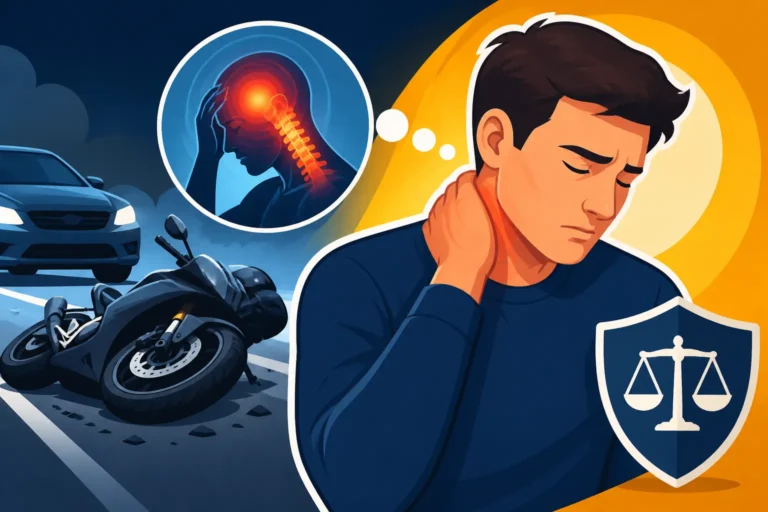
The crushing force of a motorcycle accident can leave you reeling, not just from the immediate pain, but from the haunting question: "Will I ever truly recover?" For riders who suffer a back injury, this question is particularly poignant, often accompanied by a profound fear that their life, as they know it, is irrevocably altered. This guide delves deep into the reality of motorcycle back injuries, exploring their nature, what makes them so devastating, and whether they can indeed leave you with permanent, life-altering consequences.
Understanding Motorcycle Back Injuries and Their Severity
When you're riding, you're exposed. There's no steel cage, no crumple zones, no airbags to absorb the impact. This inherent vulnerability means that when a crash happens, your body takes the brunt of it directly. Your spine, a complex and critical structure, is particularly susceptible, and a back injury can range from debilitating pain to life-changing paralysis.
Common Types of Back Injuries in Motorcycle Accidents
The variety of back injuries sustained in motorcycle crashes is wide, each with its own level of severity and potential for long-term impact. Understanding these types is the first step toward grasping the potential for permanence.
- Sprains and Strains: These might sound minor, but they can be incredibly painful and linger far longer than you'd expect. A back sprain involves torn or stretched ligaments, while a strain refers to damage to muscles or tendons. The sudden, violent movements during a motorcycle accident can easily overstretch these tissues, leading to inflammation, muscle spasms, and significant discomfort. While many acute sprains and strains heal, severe cases can lead to chronic pain, especially if the underlying instability isn't properly addressed or if the initial injury was significant. Imagine being thrown from your bike, your body contorting in unnatural ways upon impact – the sheer force can wreak havoc on your soft tissues.
- Herniated or Slipped Discs: Your spinal column is cushioned by rubbery discs between each vertebra. A sudden, jarring impact or a twisting motion, common in motorcycle collisions, can cause one of these discs to rupture or bulge, pushing out and pressing on nearby nerves. This can lead to excruciating pain, numbness, tingling, and weakness radiating down your arms or legs (sciatica). While some herniated discs respond to conservative treatment like physical therapy or injections, others may require surgery, and even after treatment, chronic pain or residual neurological symptoms can persist indefinitely. The continuous pressure on nerves can cause long-term damage, leading to permanent issues like foot drop or persistent nerve pain.
- Vertebral Fractures: These are breaks in the bones of your spine (vertebrae). They can range from minor compression fractures, where the bone collapses slightly, to severe burst fractures, where the vertebra shatters and bone fragments can push into the spinal canal. Burst fractures are particularly dangerous as they pose a high risk of spinal cord injury. Recovery from vertebral fractures often involves prolonged bracing, pain management, and extensive rehabilitation. Even with successful healing, residual pain, stiffness, and increased risk of future spinal problems are common. The sheer force of impact from hitting the pavement or another vehicle often directly causes these devastating fractures.
- Spinal Cord Injuries (SCI): This is, without a doubt, the most catastrophic type of back injury. The spinal cord is the main pathway for messages between your brain and the rest of your body. Damage to the spinal cord can disrupt these messages, leading to partial or complete loss of sensation and motor function below the site of the injury. This can manifest as paraplegia (paralysis of the lower body) or quadriplegia (paralysis of all four limbs). Sadly, most severe spinal cord injuries are permanent, resulting in lifelong disability, the need for extensive medical care, and significant changes to every aspect of a person's life. The direct compression or severing of the spinal cord is often irreversible. This is why it's crucial to understand the devastating reality of Spinal Cord Injuries from Motorcycle Accidents.
Why Motorcycle Accidents Lead to Severe Back Trauma
The unique dynamics of a motorcycle crash make riders incredibly vulnerable to severe back injuries. It’s not just bad luck; it’s a matter of physics and exposure.
- Lack of Protection: Unlike car occupants, who are surrounded by a vehicle's frame, airbags, and seatbelts, motorcyclists have virtually no external protection. When a motorcycle collides with another vehicle or the road, the rider is often ejected from the bike. This launch creates a high-impact collision between the rider's body and unforgiving surfaces, often at significant speed. The spine is directly exposed to these forces.
- Direct Impact and Crushing Forces: In many motorcycle accidents, the rider's back can directly strike the ground, a guardrail, a curb, or even the vehicle that hit them. This direct impact can cause compression, rotation, or hyperextension of the spine, leading to fractures, dislocations, or severe soft tissue damage. Imagine being hit from behind by a distracted driver while stopped at a light – the sudden forward propulsion combined with being thrown can cause a whip-like motion in the spine, far beyond its natural limits.
- Ejection and Secondary Impacts: Being thrown from a motorcycle means the rider can tumble, slide, and strike multiple objects. Each impact subjects the spine to further trauma. The unpredictable nature of these secondary impacts makes specific injury prediction difficult, but the chances of spinal column or spinal cord involvement increase significantly with multiple points of contact. The sheer kinetic energy involved in being ejected at 40 or 50 miles per hour, as is common in many accidents, is simply too much for the human body to withstand without severe consequences. This often leads to some of the Common Motorcycle Accident Injuries.
Factors Determining the Permanence of a Back Injury
The million-dollar question – "Is this permanent?" – depends on a constellation of factors, not just the initial injury. It's a complex equation involving the type of damage, the care received, and even individual physiology.
Injury Type and Extent
Not all back injuries are created equal, and their inherent nature plays the biggest role in determining their long-term outlook.
- Soft Tissue Injuries: While a severe sprain or strain can lead to chronic pain, these injuries generally have a better prognosis for full recovery than bone or nerve damage. However, even soft tissue damage can become permanent if the injury doesn't heal properly, or if it leads to chronic inflammation, scar tissue formation, or biomechanical imbalances. For instance, a persistent lumbar strain can lead to ongoing lower back pain, limiting flexibility and the ability to perform daily activities years after the initial incident. It's not uncommon for what initially seems like a "minor" soft tissue injury to develop into chronic pain syndrome, especially if physical therapy isn't diligently pursued or if nerve irritation persists.
- Herniated Discs: The permanence of a herniated disc largely depends on the degree of nerve compression and the success of treatment. If the disc impinges significantly on a nerve root, causing weakness or muscle wasting, and if surgical intervention isn't fully successful in relieving that pressure, then permanent nerve damage can occur. Many individuals experience recurring pain, numbness, or weakness even after surgery, signifying a long-term or permanent impact on their quality of life. The disc itself may never fully return to its original state, leaving a weakness in the spine.
- Vertebral Fractures: The outlook for vertebral fractures varies widely. A stable compression fracture might heal well, leaving some residual stiffness or occasional pain. However, a severe burst fracture that compromises the spinal canal, even if surgically stabilized, can lead to permanent neurological deficits. Furthermore, any spinal fracture increases the risk of developing degenerative disc disease or arthritis in the affected segment of the spine later in life, contributing to long-term pain and reduced mobility. The structural integrity of the spine is permanently altered, making it more vulnerable.
- Spinal Cord Injuries: As discussed, spinal cord injuries are most often permanent. The extent of the permanence – whether it's full paralysis or significant impairment – depends on the level and completeness of the injury. There's currently no cure for complete spinal cord transection, meaning the neurological deficits are lifelong. While rehabilitation can help individuals maximize their remaining function and adapt to their new reality, the fundamental loss of sensation and motor control below the injury site is generally irreversible. This leads to profound changes, as explored in articles like Motorcycle Back Injury: Claims and Compensation.
Impact of Medical Treatment and Rehabilitation
The path to recovery, and whether an injury becomes permanent, is heavily influenced by the quality and timing of medical intervention.
- Early and Appropriate Medical Care: Seeking immediate medical attention after a motorcycle accident is paramount. Early diagnosis and treatment can prevent an injury from worsening and can significantly improve the chances of a positive outcome. For example, stabilizing a spinal fracture promptly can prevent further damage to the spinal cord. Delays in treatment can allow inflammation to cause more damage or allow injuries to heal improperly, increasing the likelihood of chronic issues.
- Consistent and Tailored Rehabilitation: Physical therapy, occupational therapy, and other rehabilitative treatments are critical for regaining strength, flexibility, and function after a back injury. A personalized rehabilitation plan, diligently followed, can make a significant difference. Without proper rehabilitation, muscles can atrophy, joints can stiffen, and compensatory movement patterns can develop, leading to new pains and making the original injury's effects more permanent. Imagine skipping your PT sessions after a severe disc injury; you might never regain full range of motion or nerve function, settling for a permanently compromised back.
- Surgical Intervention: For certain back injuries, such as unstable fractures or severe disc herniations causing neurological compromise, surgery may be necessary. While surgery can alleviate pressure on nerves and stabilize the spine, it's not always a magic bullet. Scar tissue, adjacent segment disease, and residual pain can still occur, and sometimes, even after successful surgery, some degree of permanent impairment remains. Surgery aims to improve function and reduce pain, but it cannot always restore the spine to its pre-injury state.
Age and Pre-existing Conditions
Your personal health profile plays a surprisingly large role in how your body responds to trauma.
- Age: Younger individuals generally have a greater capacity for healing and tissue regeneration compared to older adults. Their discs are more hydrated, their bones are denser, and their soft tissues are more elastic. An older rider, perhaps already dealing with some degree of disc degeneration or arthritis, might find that a motorcycle accident exacerbates these pre-existing conditions, leading to a much more difficult and prolonged recovery, with a higher chance of the injury becoming permanent. The body's ability to repair itself diminishes with age.
- Pre-existing Conditions: Conditions like degenerative disc disease, arthritis, osteoporosis, or previous back surgeries can significantly complicate recovery from a new injury. A relatively minor impact that a healthy spine could easily withstand might cause severe damage to a compromised spine. Insurance companies often try to minimize payouts by blaming pre-existing conditions, but legal principles like the "eggshell skull" rule mean they are responsible for all damages, even if the victim was more susceptible to injury. However, the reality of recovery can still be tougher. This interaction between current and past injuries highlights why thoroughly documenting your health history and post-accident changes is vital for your claim. This is an important consideration when evaluating the Long-Term Effects of Motorcycle Injuries.
Living with a Permanent Motorcycle Back Injury
The impact of a permanent back injury extends far beyond physical pain. It reshapes daily life, affecting mental well-being, relationships, and financial stability. It's a journey no rider ever wants to embark upon.
Long-Term Physical and Emotional Challenges
A permanent back injury doesn't just mean a few aches and pains; it can fundamentally alter your existence.
- Chronic Pain: This is often the most pervasive and debilitating aspect of a permanent back injury. Unlike acute pain, which subsides as an injury heals, chronic pain persists for months or years, sometimes indefinitely. It can be dull and constant, or sharp and shooting, making everyday tasks, from sitting to sleeping, a monumental challenge. Managing chronic pain often involves a complex regimen of medication, injections, physical therapy, and even psychological support. The relentless nature of chronic pain can wear down even the strongest individuals, leading to exhaustion and despair.
- Mobility Limitations: Depending on the nature and severity of the back injury, permanent mobility limitations can range from reduced flexibility and range of motion to partial or complete paralysis. Simple acts like bending, lifting, twisting, or walking might become difficult, painful, or impossible. This can affect your independence, your ability to work, engage in hobbies, or even care for yourself. Imagine not being able to pick up your child, ride your bike again, or simply walk through a grocery store without severe discomfort or assistance.
- Neurological Deficits: Nerve damage from a permanent back injury can lead to a host of neurological issues, including persistent numbness, tingling, burning sensations, or weakness in the limbs. In severe cases, it can affect bladder and bowel control, sexual function, and even organ function. These deficits are not just physically challenging but can be deeply embarrassing and psychologically distressing, eroding a person's dignity and quality of life.
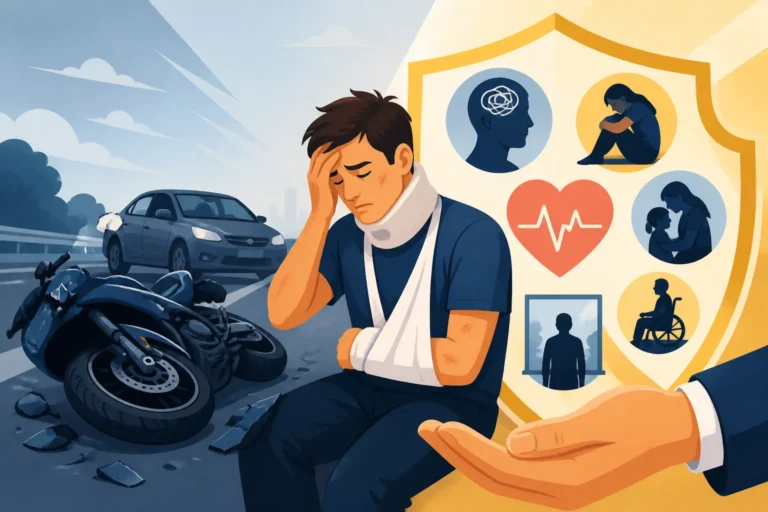
- Mental Health Impact: Living with chronic pain, disability, and the profound changes to one's life often takes a heavy toll on mental health. Depression, anxiety, anger, and feelings of isolation are common among those with permanent back injuries. The loss of independence, identity, and the ability to do things you once loved can lead to a prolonged grieving process. Many accident victims require ongoing counseling and support to cope with the psychological aftermath.
Financial Implications of Permanent Back Injuries
The costs associated with a permanent back injury are staggering, often extending over a lifetime. This is why accurately calculating damages is so critical.
- Ongoing Medical Care: This includes everything from regular doctor visits, pain management specialists, physical therapy, occupational therapy, and prescription medications to specialized equipment (wheelchairs, braces, home modifications) and potential future surgeries. For severe spinal cord injuries, the lifetime medical costs can run into the millions. It’s not just the initial hospital stay; it’s the continuous need for medical attention. When considering a settlement, it's vital to account for Future Medical Costs Explained.
- Lost Wages and Earning Capacity: A permanent back injury can severely limit your ability to work, either temporarily or permanently. This means lost income, benefits, and career opportunities. If the injury prevents you from returning to your previous profession or requires you to take a lower-paying job, you are entitled to compensation for your lost earning capacity. This isn't just about the money you missed out on yesterday; it's about the money you will never earn in the future. Calculating Lost Wages in a Motorcycle Claim is a complex process that often requires vocational experts.
- Non-Economic Damages: Beyond the measurable financial costs, a permanent back injury causes immense suffering. This includes compensation for pain and suffering, emotional distress, loss of enjoyment of life, and loss of consortium (the impact on your relationships). These damages are harder to quantify but are a significant part of any claim involving a permanent injury. They acknowledge the profound changes to your quality of life. Understanding Pain and Suffering Damages Explained is crucial for valuing your case.
- Support Services: For those with severe permanent injuries, the need for in-home care, assisted living, or specialized transportation can add substantial costs. These services are often necessary to maintain a reasonable quality of life and are a direct result of the permanent disability.
Table: Estimating Financial Impact of Permanent Back Injuries
| Category of Damage | Examples of Costs / Impact | Permanence Implication |
|---|---|---|
| Medical Expenses | Hospitalization, surgeries, physical therapy, prescription drugs, pain management, specialist visits, diagnostic tests, adaptive equipment (wheelchairs, braces, home modifications). | Lifetime Need: Often includes continuous care, medication, therapies, and equipment for decades. Future medical costs are projected over the plaintiff's life expectancy. Crucial to consider when calculating How Medical Bills Affect Your Settlement. |
| Lost Wages / Earning Capacity | Wages, salary, bonuses, benefits, commissions, retirement contributions lost due to inability to work or needing to take a lower-paying job. | Long-Term or Permanent Income Loss: If the injury prevents a return to work or necessitates a career change, the loss of income can span until retirement age, impacting family finances significantly. This directly impacts Permanent Disability Compensation. |
| Pain and Suffering | Physical pain, emotional distress, mental anguish, anxiety, depression, loss of enjoyment of life, inconvenience, scarring, disfigurement. | Ongoing Mental & Physical Impact: These non-economic damages are often directly proportional to the permanence and severity of the injury, reflecting a lifelong diminished quality of life. This is where How Injury Severity Affects Compensation becomes particularly apparent. |
| Home / Vehicle Modifications | Ramps, widened doorways, grab bars, accessible bathrooms, modified vehicles (hand controls, lift systems). | Permanent Lifestyle Change: Necessary to accommodate physical limitations for life, allowing for independence and safety. These are one-time but essential expenses that reflect the injury's permanence. |
| Vocational Rehabilitation | Retraining for new employment, job placement services, educational expenses if a new career path is required. | Career Redirection: If the original career is no longer viable, vocational rehabilitation is a long-term investment to mitigate lost earning capacity. |
| In-Home Care / Assistance | Professional caregivers, assistance with daily living activities (bathing, dressing, cooking), household chores, transportation. | Lifelong Dependency: For severe injuries (e.g., paraplegia, quadriplegia), this can be a lifelong necessity, involving substantial ongoing costs. |
Seeking Compensation for Permanent Back Injuries
When a motorcycle accident leaves you with a permanent back injury, the stakes are incredibly high. You're not just dealing with immediate costs, but a lifetime of challenges. Securing fair compensation is paramount to ensuring you have the resources needed for your future.
Documenting the Permanence of Your Injury
Proof is everything. The insurance company won't just take your word for it that your injury is permanent; they'll demand ironclad evidence.
- Comprehensive Medical Records: Every single doctor's visit, hospital stay, diagnostic test (X-rays, MRIs, CT scans), prescription, therapy session, and surgical report becomes a vital piece of evidence. These records chronologically document the severity of your injury, the treatments you've undergone, your response to those treatments, and the medical opinion regarding your long-term prognosis. Gaps in treatment or inconsistent medical follow-up can be used by insurance adjusters to argue that your injuries aren't as severe or permanent as you claim. It's an overwhelming task to manage this mountain of paperwork, but essential. This is why it's vital to know How to Document Injuries for a Claim.
- Expert Medical Testimony: For permanent injuries, it's often necessary to obtain expert testimony from treating physicians, neurologists, orthopedic surgeons, or pain management specialists. These experts can provide sworn statements or testimony detailing the nature of your injury, its permanence, the future medical care you will require, and the impact on your life. They can explain complex medical concepts to a jury in an understandable way. This is particularly important when you reach your "Maximum Medical Improvement" (MMI), which is the point where your condition is not expected to improve further. At this stage, your doctors can offer definitive opinions on the permanent nature of your injuries. This is a critical juncture, as understanding What Reaching MMI Means for Your Settlement is key to accurately assessing your long-term needs.
- Life Care Plans: For severe permanent injuries, especially spinal cord injuries, a life care planner is often engaged. This professional creates a detailed report outlining all current and future medical needs, therapy, equipment, home modifications, and personal assistance required over the victim's projected lifespan. This plan puts a concrete dollar figure on the long-term costs of living with a permanent injury.
- Personal Accounts and Journals: While not strictly medical, your personal injury journal can offer powerful qualitative evidence. Documenting your daily struggles, pain levels, limitations, and emotional impact provides a human element to the cold medical facts. Photos of your injuries, especially those that show scarring or visible limitations, can also be impactful.
Valuing Damages for Long-Term Impact
Calculating fair compensation for a permanent back injury is incredibly complex, as it involves projecting future losses and suffering over many years.
- Economic Damages: These are the calculable financial losses. They include all past medical bills, future medical expenses (as outlined in a life care plan), past lost wages, and future lost earning capacity. For a permanent back injury, future economic damages often form the largest component of a settlement. For example, if you can no longer work as a truck driver due to a debilitating back injury, a forensic economist would calculate the income you would have earned over your working life, factoring in raises and benefits, and subtract what you might be able to earn in a less physically demanding role.
- Non-Economic Damages: These are harder to quantify but are a critical part of compensation for permanent injuries. They include your physical pain and suffering, emotional distress (anxiety, depression, PTSD), loss of enjoyment of life (inability to participate in hobbies, recreational activities, or perform daily tasks), and loss of consortium (the impact on your marital relationship or family life). For permanent injuries, these damages are typically much higher than for temporary injuries, as the suffering is ongoing and lifelong. Imagine the pain of not being able to pick up your grandchild, or the emotional toll of constant, debilitating back pain. This is what Pain and Suffering Damages Explained aims to cover.
- The Role of Legal Counsel: Navigating the complexities of proving and valuing a permanent back injury claim, especially against insurance companies notorious for downplaying such injuries, is nearly impossible without experienced legal representation. A qualified motorcycle accident attorney understands how to gather the necessary evidence, engage the right experts, and negotiate aggressively for a settlement that truly reflects the lifelong impact of your injury. They know how to counter common insurance tactics, such as claims that your injuries are pre-existing or less severe than you assert. Without an attorney, you risk accepting a settlement that is a fraction of what you truly need and deserve for a permanent, life-altering condition.
In conclusion, a motorcycle back injury can absolutely be a permanent injury, ranging from chronic pain and limited mobility to catastrophic spinal cord damage resulting in lifelong paralysis. The journey of recovery is often long, arduous, and fraught with uncertainty, highlighting the critical need for thorough medical care and skilled legal advocacy to secure the resources necessary for a lifetime of care and adaptation.
Disclaimer
This article is for general informational purposes only and does not constitute professional advice. Laws and regulations vary by location and change over time. Consult a qualified professional for guidance on your specific situation.