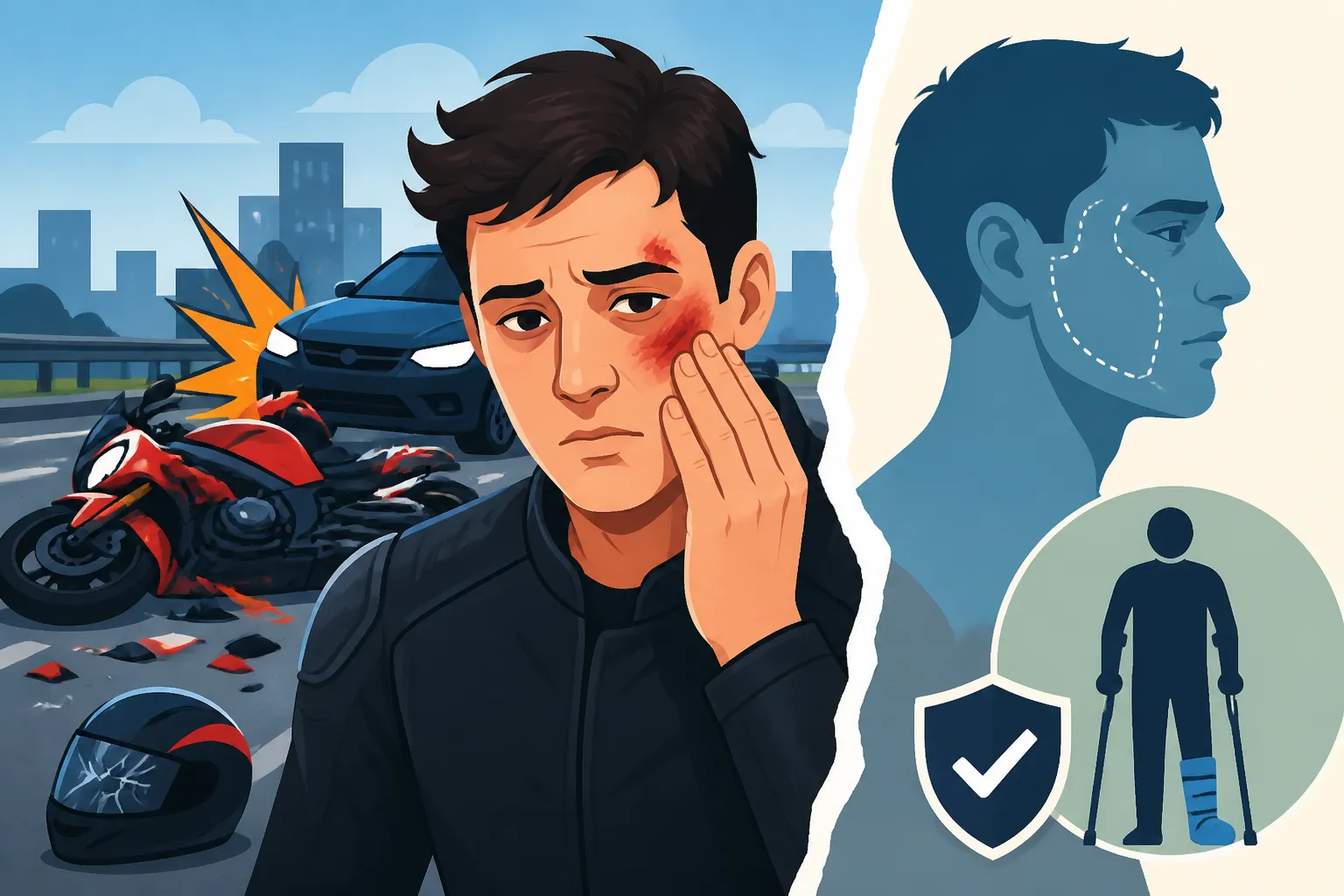
Is a Motorcycle Facial Injuries a Permanent Injury
There's a deep, gut-wrenching fear every rider carries: the thought of an accident, and beyond that, the lasting impact it could have. When it comes to motorcycle crashes, facial injuries are tragically common, and often, the immediate question that haunts survivors and their families is whether these injuries will ever truly heal, or if they'll be a permanent, painful reminder of that devastating moment. This guide will meticulously explore the nature of motorcycle facial injuries, delving into what makes them permanent, the long-term challenges they present, and how to navigate the complex road to recovery and compensation.
The Devastating Reality of Motorcycle Facial Injuries
Let's be brutally honest: when you're on a motorcycle, your face is incredibly exposed, even with a helmet. While a full-face helmet offers significant protection, impact forces can still cause severe damage. The human face is a complex structure of delicate bones, nerves, muscles, and soft tissues, all essential for sight, smell, taste, speech, and even just expressing emotion. A sudden, violent impact can shatter this intricate design in an instant, leading to injuries that profoundly alter a person's life.
Common Types of Facial Trauma
Motorcycle accidents often result in a horrific array of facial injuries, each carrying its own potential for lasting damage. These aren't just superficial cuts; they can be deep, complex, and debilitating.
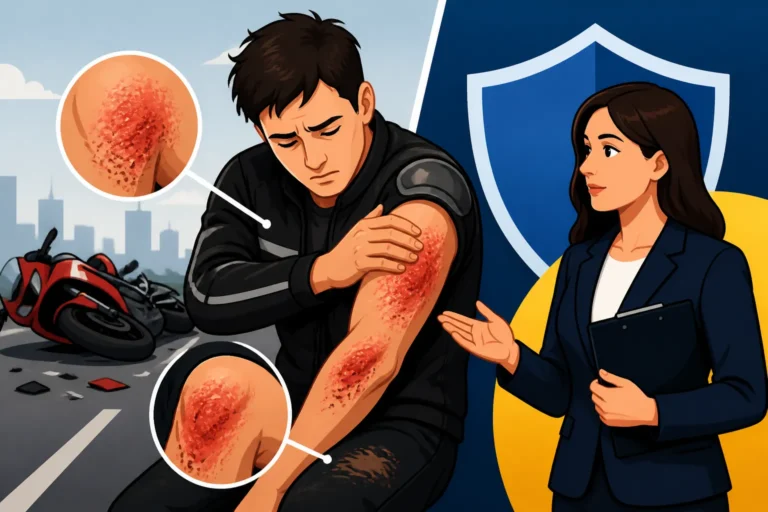
For instance, consider road rash. While often thought of as a skin-deep injury, on the face, severe road rash can strip away layers of skin, muscle, and even bone, leaving behind deeply disfiguring scars. Imagine scraping your cheek or forehead across asphalt at even a moderate speed; the friction and impact can cause third or fourth-degree road rash, leading to permanent discoloration, textural changes, and nerve damage that robs you of sensation. Even with the best medical care and reconstructive surgery, the original smoothness and evenness of your skin might be impossible to restore.
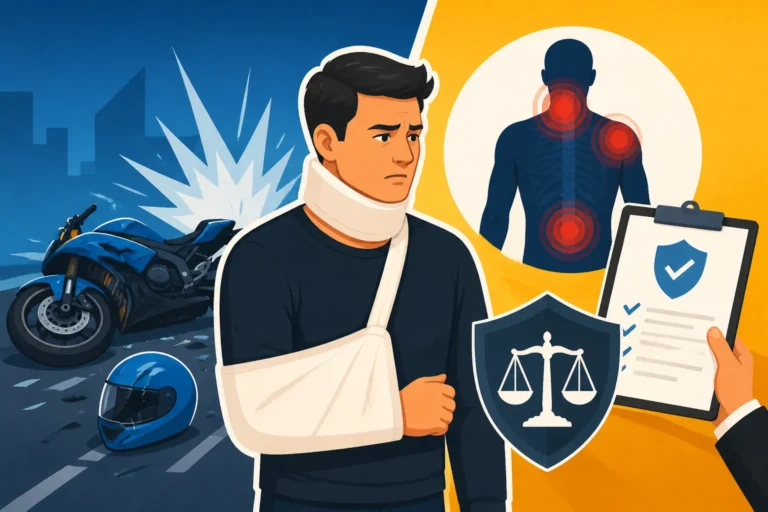
Then there are fractures. The facial bones – the jaw, cheekbones, nose, eye sockets, and forehead – are surprisingly fragile. A direct impact can lead to multiple fractures, known as complex facial fractures. A broken jaw, for example, can require your mouth to be wired shut for weeks or months, severely impacting your ability to eat, speak, and even breathe comfortably. Orbital fractures (breaks around the eye socket) can lead to double vision, sunken eyes, or even permanent vision loss if the optic nerve is damaged. Nasal fractures, while seemingly minor, can permanently alter your breathing, sense of smell, and the aesthetic appearance of your nose. These aren't simple breaks that heal perfectly; often, fragments need to be reset, sometimes with plates and screws, and the alignment might never be quite the same.
Soft tissue injuries are also a huge concern. Lacerations, avulsions (where tissue is torn away), and severe contusions can damage nerves, tear muscles, and disrupt blood flow. If nerves that control facial expressions are severed or permanently damaged, a person could suffer from facial paralysis, making it difficult to smile, frown, or close an eye. Such injuries can severely impact one's ability to communicate non-verbally and can be profoundly isolating. The severity of these injuries is often tied to the impact of the crash, which is why understanding the factors that contribute to events like a Head-On Collisions Motorcycle Accident or a Left-Turn Motorcycle Accidents Explained is so crucial in preventing them.
The Immediate Impact Beyond Physical Pain
The moments immediately following a motorcycle accident where facial injuries are sustained are nothing short of terrifying. Beyond the excruciating physical pain and the shock of seeing your own face disfigured, there's the immediate onset of functional impairments. Swelling can quickly obscure vision, making it impossible to assess the full extent of the damage. Bleeding can be profuse, creating a chaotic and frightening scene.
Many survivors describe an overwhelming sense of helplessness and panic. They might struggle to breathe if their nasal passages are blocked or their jaw is severely fractured. Speaking can become impossible, preventing them from communicating their pain or needs to first responders. Eating and drinking, fundamental human needs, are often immediately compromised, requiring liquid diets or feeding tubes for an extended period.
Beyond these immediate physical challenges, the psychological toll begins almost instantly. The face is central to our identity, how we perceive ourselves, and how others perceive us. To have it brutally altered can trigger an immediate sense of loss and despair. Imagine looking in a mirror and not recognizing the person staring back, or grappling with the fear of how your loved ones will react. This initial trauma sets the stage for a long and arduous journey, often fraught with uncertainty about what their "new normal" will look like. The sheer range of Common Motorcycle Accident Injuries can be overwhelming, but facial trauma hits particularly hard due to its visible and functional implications.
Understanding Permanence in Facial Injuries
When we talk about an injury being "permanent," it doesn't always mean that absolutely no recovery or improvement will ever occur. Instead, it often refers to a state where, despite all available medical interventions, there remains a significant, irreversible change in appearance, function, or sensation from the pre-injury state. For facial injuries, this can manifest in countless ways, from visible scarring and altered bone structure to chronic pain and nerve dysfunction.
Factors Determining Long-Term Outcomes
The permanency of a facial injury is influenced by a complex interplay of factors. The initial severity of the trauma is, of course, paramount. A simple hairline fracture of the nose will likely have a better long-term prognosis than a comminuted (shattered) fracture of the maxilla (upper jaw) involving the eye socket. The depth of road rash and whether it involves deeper tissues or bone also directly correlates with the likelihood of permanent scarring.
The type of tissue damaged also plays a crucial role. Bone, while it can heal, may never perfectly realign, leading to subtle or significant asymmetry. Nerve damage, especially to the facial nerves, can be particularly challenging. Nerves heal very slowly, if at all, and a severed nerve often results in permanent loss of sensation or motor control, leading to conditions like permanent facial paralysis. This means that even after years of therapy, a part of the face might remain unresponsive, causing a persistent droop or inability to close an eyelid.
The speed and quality of medical intervention are also critical. Prompt and skilled emergency care, followed by expert reconstructive surgery, can significantly mitigate the long-term impact. For example, a skilled plastic surgeon might be able to meticulously close lacerations to minimize scarring, or precisely reset fractured bones to restore facial symmetry. However, even the most advanced medical techniques have their limits. Scar tissue, for instance, is fundamentally different from original skin tissue; it lacks sweat glands and hair follicles, often appears discolored, and can be thicker or tighter than surrounding skin, creating a visible and tactile reminder of the injury. For more on this, check out our guide on Motorcycle Facial Injuries: Treatment and Long-Term Impact.
Medical Interventions and Their Limitations
Modern medicine offers a wide range of sophisticated treatments for facial trauma, aiming to restore both function and aesthetics. These can include:
- Surgical Reconstruction: This might involve realigning and plating fractured bones, repairing torn muscles and nerves, or using skin grafts and flaps to cover large areas of skin loss. Surgeons might use advanced techniques like micro-vascular surgery to reattach tiny blood vessels and nerves, offering the best chance for functional recovery.
- Plastic Surgery: Focused on aesthetics, plastic surgeons work to minimize visible scarring, restore facial contours, and address asymmetries. This can involve scar revision surgery, dermabrasion, laser treatments, fat grafting, and even facial implants to recreate lost volume or structure.
- Physical and Occupational Therapy: For functional impairments, therapists work to improve range of motion, strengthen weakened muscles, and help patients relearn basic functions like eating, speaking, and facial expressions.
- Speech Therapy: Essential for those with jaw or mouth injuries that affect articulation and swallowing.
- Ophthalmological and Dental Care: Specialized care for eye and dental injuries, which are frequently co-occurring with severe facial trauma.
Despite these incredible advancements, limitations persist. Scarring, while it can be improved, is almost always permanent to some degree. Nerve damage, especially if severe or extensive, may never fully recover, leaving patients with permanent numbness, weakness, or paralysis. Reconstructive efforts can restore function and form to a remarkable extent, but achieving the exact pre-injury state is often an impossible goal. For many, permanence means living with a new face, one that carries the indelible marks of their trauma, even if those marks are subtly integrated. The concept of Catastrophic Motorcycle Injuries Explained often encompasses these types of severe and long-lasting facial traumas.
Here's a quick overview of common facial injuries and their potential for permanent impact:
| Injury Type | Common Examples | Potential for Permanent Impact |
|---|---|---|
| Road Rash (Severe) | Deep abrasions, skin loss | Disfiguring scars, discoloration, textural changes, nerve damage/numbness |
| Facial Fractures | Broken jaw, cheekbone, orbital, nasal bones | Asymmetry, chronic pain, nerve impingement, vision issues, breathing difficulties |
| Lacerations/Avulsions | Deep cuts, torn skin/tissue | Visible scarring, keloids, nerve damage, muscle weakness, impaired expression |
| Nerve Damage | Severed facial nerves | Partial or complete facial paralysis, loss of sensation, difficulty with expressions |
| Eye Injuries | Orbital fractures, corneal abrasions | Double vision, vision loss, sunken eye appearance |
| Dental Injuries | Lost teeth, jaw misalignment, fractured teeth | Permanent dental work (implants, crowns), jaw pain, bite issues, speech problems |
The Broader Repercussions of Permanent Facial Injuries
The impact of a permanent facial injury extends far beyond the physical changes. It permeates every aspect of a survivor's life, creating psychological, emotional, social, and financial challenges that can be as debilitating as the injury itself.
Psychological and Emotional Scars
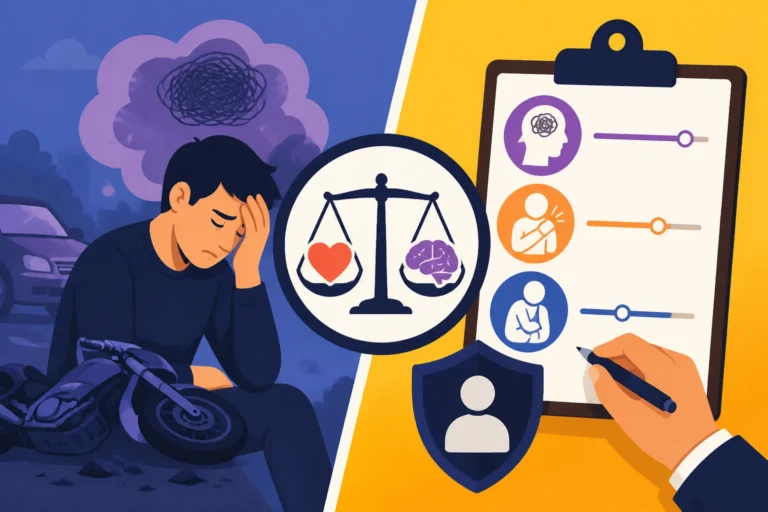
The face is not merely flesh and bone; it's the primary canvas for our identity and interaction with the world. When this canvas is permanently altered, the psychological and emotional fallout can be profound. Many survivors experience a deep sense of grief—grief for the face they once had, for the person they were, and for the life they envisioned. This can manifest as severe depression, anxiety, and even post-traumatic stress disorder (PTSD). Imagine struggling with constant flashbacks of the accident, or developing an intense fear of social situations due to self-consciousness about your appearance.
Social withdrawal is a common consequence. People with visible facial disfigurements might avoid public places, fear judgment, or struggle with interactions that were once effortless. Simple acts like going to a grocery store, attending a job interview, or even meeting new people can become sources of immense stress and self-doubt. This isolation can exacerbate feelings of loneliness and worthlessness.
Body dysmorphia, a mental health condition where a person obsesses over perceived flaws in their appearance, can also develop. While some improvements might be made through surgery, the mind might still perceive significant disfigurement, leading to ongoing distress. Anger, frustration, and a sense of injustice are also common, particularly when another driver's negligence was the Who Is at Fault in a Motorcycle Accident. The emotional burden is immense, requiring extensive therapy and support, often for many years. These are all critical aspects of Emotional Distress Damages that need to be considered in a personal injury claim.
Financial Burden of Long-Term Care
The road to recovery from severe facial injuries is not just emotionally taxing; it's staggeringly expensive. The journey often involves multiple surgeries, specialized therapies, ongoing medical consultations, and potentially lifelong medication.
Consider the cost of reconstructive surgeries alone. A single complex procedure can cost tens of thousands of dollars, and many patients require a series of operations over several years to achieve the best possible outcome. Then there are the costs of specialized care: ophthalmologists for eye issues, dentists and oral surgeons for dental and jaw problems, neurologists for nerve damage, and dermatologists for skin and scar management. Physical therapy, occupational therapy, and speech therapy sessions add up quickly, especially when required for months or even years.
Beyond direct medical bills, there are other significant financial strains. Many individuals with severe facial injuries are unable to work for extended periods, or may even face permanent disability, leading to substantial Lost Wages in a Motorcycle Claim and a reduced earning capacity for life. There are also indirect costs like transportation to appointments, specialized dietary needs, and psychological counseling. When you factor in the potential for repeated procedures decades down the line to maintain functionality or appearance, the lifetime financial burden can easily run into the hundreds of thousands, if not millions, of dollars. It's why comprehensively calculating the Types of Damages in a Motorcycle Accident Claim is so crucial.
Documenting and Proving Permanent Facial Injuries for a Claim
If you've suffered a permanent facial injury in a motorcycle accident, pursuing a personal injury claim is often the only way to secure the financial resources needed for your long-term care and to compensate you for the immense suffering you've endured. However, successfully proving the permanence and impact of these injuries requires meticulous documentation and strategic legal action.
The Critical Role of Medical Records and Expert Testimony
To prove the permanence of your facial injuries, comprehensive medical documentation is paramount. Every doctor's visit, every surgical report, every therapy session note, and every prescription must be carefully recorded. These records don't just show that you received treatment; they illustrate the nature of your injuries, the course of your recovery, the limitations you face, and the prognosis for future improvement (or lack thereof).
It’s crucial to document not just the physical injuries, but also all associated conditions. For example, if your orbital fracture led to ongoing vision problems, or your jaw injury caused chronic temporomandibular joint (TMJ) pain, these must be thoroughly documented by specialists. Similarly, any psychological counseling you receive for depression, anxiety, or PTSD directly linked to your facial disfigurement becomes vital evidence. This is why immediately seeking medical attention and continuing treatment without gaps is so important; gaps in treatment can be exploited by insurance companies to argue your injuries aren't as severe or were not caused by the accident. Our guide on How to Document Injuries for a Claim delves into this in detail.
Beyond your personal medical records, expert testimony is often essential, especially for proving permanence and future needs. This could come from:
- Your treating physicians: Surgeons, neurologists, ophthalmologists, and other specialists can testify about the nature of your injuries, the procedures performed, and their opinion on the long-term prognosis.
- Life care planners: These experts can project your future medical needs, including surgeries, therapies, medications, and assistive devices, and calculate the lifetime costs associated with these needs.
- Vocational experts: If your facial injuries impact your ability to work, a vocational expert can assess how your injuries have diminished your earning capacity and what accommodations or retraining might be necessary.
- Psychologists or psychiatrists: Can testify to the mental health impact of your disfigurement, including depression, anxiety, and PTSD, and the need for ongoing therapy.
- Accident reconstructionists: While not directly related to injuries, these experts can help establish how the accident occurred, which can strengthen the argument for liability and, by extension, the compensation for your injuries.
The combined weight of detailed medical records and credible expert testimony paints a clear picture for insurers and, if necessary, a jury, of the lasting and profound impact your facial injuries have had and will continue to have on your life.
Valuing Non-Economic Damages for Lasting Impacts
While economic damages cover quantifiable losses like medical bills and lost wages, non-economic damages address the less tangible but equally devastating impacts of a permanent facial injury. These include Pain and Suffering Damages Explained, emotional distress, loss of enjoyment of life, and, critically, Disfigurement and Scarring Damages.
Valuing these damages is challenging because they don't come with a price tag. However, they often represent a significant portion of a motorcycle accident settlement, especially when dealing with permanent facial disfigurement. The more severe and visible the disfigurement, the greater the impact on the individual's life, and thus, the higher the potential compensation for these non-economic losses.
To effectively claim these damages, it's not enough to simply state you are in pain or feel self-conscious. You need to provide compelling evidence that illustrates the profound changes to your life. This includes:
- Photographic and Video Evidence: Before-and-after photos of your face are incredibly powerful. Photos documenting the healing process, showing the extent of scarring, and how your face may have changed are essential. Videos can capture functional limitations, such as difficulty speaking or expressing emotions. Our guide on How Photos of Injuries Help Your Claim (while focused on fault, the principles of documenting injury apply) highlights the visual impact of such evidence.
- Personal Testimonies and Journals: Your own detailed account of how the injuries have impacted your daily life, your relationships, your hobbies, and your emotional well-being is vital. Keeping an injury journal where you document your pain levels, emotional struggles, and limitations can be invaluable.
- Testimony from Loved Ones: Family and friends can corroborate your struggles, describing how your personality, social life, and ability to perform daily tasks have changed since the accident.
- Expert Testimony: As mentioned, psychologists and other medical experts can attest to the mental and emotional toll of the disfigurement.
Ultimately, proving the permanence of facial injuries and securing adequate compensation is a complex legal battle. The insurance company will invariably try to minimize your injuries and their long-term impact. They might argue that scar revision surgery can "fix" everything, or that your emotional distress is not as severe as claimed. This is where the expertise of a seasoned personal injury lawyer becomes invaluable. They understand how to build a robust case, utilizing all available evidence to demonstrate the true extent of your losses and to ensure that you are fairly compensated for the life-altering consequences of a permanent facial injury. The goal is to ensure your compensation reflects the full measure of How Injury Severity Affects Compensation and how to truly How to Value Pain and Suffering.
Disclaimer
Please remember that this article provides general information and insights into motorcycle facial injuries and their potential permanence. It is not legal advice. Every accident and injury case is unique, and the information presented here should not be taken as a substitute for professional legal or medical consultation. If you have been involved in a motorcycle accident, it is crucial to seek immediate medical attention and consult with a qualified personal injury attorney to discuss the specifics of your situation.