Can You Settle a Motorcycle Claim Without a Lawyer
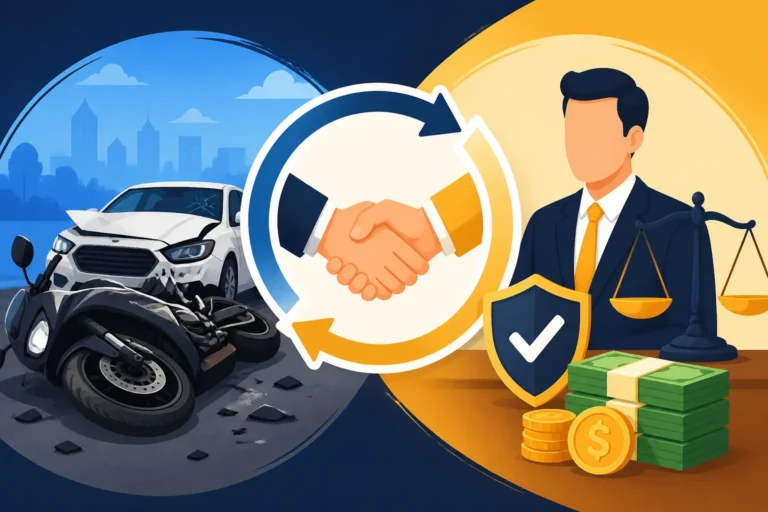
Facing the aftermath of a motorcycle accident can feel incredibly overwhelming, especially when you're hurt and just want to get back to normal. Many riders, often thinking they can save money or avoid hassle, wonder if it's truly possible to navigate the complex world of insurance claims and settlements without bringing in a lawyer. This guide is here to shed some light on that question, breaking down the realities, challenges, and potential advantages of going it alone versus seeking legal counsel, so you can make an informed decision when it matters most.
Understanding the Landscape of a Solo Motorcycle Claim
It's tempting to think that after a motorcycle accident, especially if the other driver seems clearly at fault, you can just call the insurance company, tell them what happened, and get a fair payout. The reality, however, is far more intricate than that. Insurance companies are businesses, and their primary goal is to protect their bottom line, not necessarily to ensure you receive maximum compensation. When you decide to handle a motorcycle accident claim on your own, you're essentially stepping into a negotiation with a professional adversary, often without the specific knowledge or experience to level the playing field.
The initial steps often involve reporting the accident, gathering basic information, and dealing with property damage. You'll speak with adjusters, fill out forms, and try to make sense of insurance jargon. It can feel like a part-time job, especially when you're trying to heal from injuries. Without a legal background, understanding all the nuances of your rights, the types of damages you can claim, and how to properly document everything can be a steep learning curve.
The Initial Appeal of Going It Alone
For many riders, the idea of handling their own motorcycle accident claim stems from a desire for simplicity and control. You might think, "Why give a portion of my settlement to a lawyer if I can do it myself?" This line of thinking is perfectly natural, especially when you're already stressed about medical bills, vehicle repairs, and lost income. There's a certain appeal to directly communicating with the insurance company, feeling like you have a direct say in how things progress. You might believe that if your injuries are minor and fault is undisputed, the process will be straightforward enough for you to manage.
Another factor is the misconception that lawyers are expensive upfront. Many people don't realize that personal injury attorneys, especially those specializing in motorcycle accidents, often work on a contingency fee basis. This means they only get paid if they win your case, and their fees come as a percentage of your final settlement or award. So, the upfront cost isn't usually a barrier to entry, but the perception can lead people to try to navigate the claim process by themselves. If you're wondering when exactly you might be able to manage without an attorney, you might want to look into When You Can Handle a Claim Without a Lawyer.
The Hidden Complexities You Might Miss
While going solo might seem appealing at first, the complexities quickly mount. Even a seemingly minor accident can lead to significant issues. For example, documenting all your injuries properly, from road rash to potential concussions, can be a challenge. You need to understand the difference between economic damages and non-economic damages, and how to accurately calculate each. Economic damages include tangible losses like medical bills, lost wages, and property damage. Non-economic damages, on the other hand, cover things like pain and suffering, emotional distress, and loss of enjoyment of life. Placing a monetary value on these less tangible losses is incredibly difficult without legal experience.
Insurance adjusters are trained to minimize payouts. They might try to use your own statements against you, question the severity of your injuries, or even suggest that your existing health conditions contributed to your current pain. They might offer a quick, lowball settlement hoping you'll accept it out of desperation or lack of knowledge. If you're unfamiliar with tactics like these, you could unknowingly accept far less than your claim is actually worth. You also need to be aware of how various factors, like Comparative Negligence in Motorcycle Accidents, can reduce your potential payout, even if the other driver was mostly at fault.
Navigating the Settlement Process Without Legal Counsel
Deciding to go it alone means taking on all the responsibilities that a lawyer would typically handle. This involves a lot of research, careful documentation, and tenacious negotiation. It's not impossible, but it demands a significant investment of your time and emotional energy during a period when you should be focusing on recovery.
Initial Steps and Documentation
After an accident, the first critical step, once medical attention is secured, is thorough documentation. This means taking pictures of everything: your motorcycle, the other vehicle, the accident scene from multiple angles, road conditions, skid marks, and any visible injuries you or your passenger sustained. Don't forget to get contact information for any witnesses. You'll also need to meticulously collect all medical records, including ambulance reports, emergency room visits, doctor's notes, physical therapy records, and prescription details. Keep a detailed log of all your expenses related to the accident, from co-pays to transportation costs for medical appointments. Lost wages due to time off work also need to be tracked precisely.
It's also crucial to understand What to Do Immediately After a Motorcycle Accident to protect your claim. Once you've gathered your evidence, you'll typically send a demand letter to the at-fault driver's insurance company. This letter outlines the accident, your injuries, the damages you've incurred, and the amount of compensation you are seeking. This is where many solo claimants struggle, as valuing a claim accurately requires an understanding of legal precedents and typical settlement ranges for similar injuries. You don't want to ask for too little, but an absurdly high demand can also be dismissed outright.
Direct Negotiation with Insurance Adjusters
This is often the most challenging part of going solo. Insurance adjusters are professional negotiators. They deal with claims every day and are trained to find reasons to reduce your settlement amount. They might call you frequently, trying to get you to make statements that could hurt your case. For instance, a casual "I'm feeling much better" during an early conversation could be used later to argue that your injuries weren't as severe or long-lasting as you claim. They know the ins and outs of policy language and state laws better than you likely will.
When negotiating, they'll often start with a lowball offer. It's up to you to present compelling evidence to justify a higher amount. This means clearly linking your medical expenses and other losses directly to the accident. You'll need to articulate how your injuries have impacted your daily life, your ability to work, and your overall well-being. Knowing How to Negotiate a Motorcycle Accident Settlement effectively requires confidence, a firm grasp of your claim's worth, and the ability to counter their arguments without becoming emotional or giving away information that could be used against you. Many people find this confrontational and exhausting, especially when dealing with recovery.
Understanding the Settlement Components
When negotiating a settlement, you need to have a clear understanding of what you're asking for and why. A comprehensive motorcycle accident settlement should cover various categories of damages. These typically include:
- Medical Expenses: Past and future medical bills, including emergency treatment, hospital stays, surgeries, medication, rehabilitation, and ongoing therapy.
- Lost Wages: Income you've lost due to being unable to work, both immediately after the accident and potentially in the future if your injuries affect your earning capacity.
- Property Damage: Costs to repair or replace your motorcycle, helmet, gear, and any other personal property damaged in the crash.
- Pain and Suffering: Compensation for physical pain, emotional distress, mental anguish, and the overall impact on your quality of life. This is often the most subjective and challenging aspect to quantify.
- Other Out-of-Pocket Expenses: Anything from transportation to medical appointments to home modifications if your injuries are severe.
A common pitfall for those settling on their own is failing to account for future medical needs or long-term impacts of their injuries. Once you sign a settlement agreement, it's usually final, meaning you can't go back and ask for more money if new medical issues arise or your recovery takes longer than expected. This is why understanding What Affects Your Motorcycle Accident Payout is so crucial, as it goes beyond just the immediate bills.
Common Pitfalls for Self-Represented Riders
While managing your own claim can save you attorney fees in a straightforward case, it opens the door to numerous potential missteps that can significantly reduce your compensation or even jeopardize your entire claim. Being aware of these common traps is vital, even if you still decide to proceed without a lawyer.
Undervaluing Your Claim
One of the biggest mistakes people make when settling a motorcycle claim without a lawyer is simply not knowing what their case is truly worth. Insurance adjusters will often present a settlement figure that seems reasonable on the surface, especially if you're dealing with immediate financial pressure. However, this initial offer is almost always a lowball, designed to test your knowledge and resolve. Without an attorney who understands the nuances of calculating both economic and non-economic damages, you might accept an offer that barely scratches the surface of your actual losses.
For instance, you might focus solely on immediate medical bills and forget to factor in potential future surgeries, ongoing physical therapy, or the long-term impact on your ability to enjoy hobbies like riding. You might not realize that your chronic knee pain, which seems minor now, could require surgery five years down the line, an expense that should ideally be covered by your current settlement. An attorney has access to experts, such as medical professionals and economists, who can provide detailed projections for future care and lost earning capacity, adding substantial value to your claim that you might completely overlook. This detailed valuation is key to countering a How to Handle a Lowball Settlement Offer.
Missing Critical Deadlines
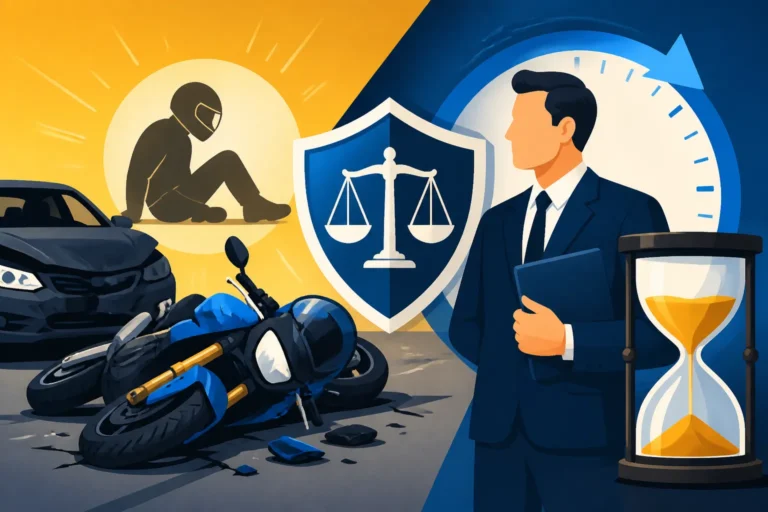
Every state has a Statute of Limitations, which is a strict deadline for filing a personal injury lawsuit. If you miss this deadline, you forfeit your right to pursue compensation, regardless of how strong your case might be. For instance, in many states, like California or Texas, the general personal injury statute of limitations is two years from the date of the accident. However, there can be exceptions, such as claims against government entities, which often have much shorter notification periods, sometimes as little as 30-180 days.
Trying to keep track of these legal deadlines, especially when recovering from serious injuries and managing other aspects of your life, can be incredibly difficult. A lawyer's office will meticulously track these dates, ensuring that all necessary paperwork is filed on time. For a deeper dive, it's worth understanding The Statute of Limitations Explained and how it applies to your specific situation. Missed deadlines are an unforced error that can have devastating consequences for your financial recovery.
Inadequate Evidence and Documentation
To prove your claim, you need strong, credible evidence. This goes beyond just photos and medical bills. It can involve accident reconstruction reports, expert witness testimony, traffic camera footage, cell phone records (to prove distracted driving by the other party), and detailed personal journals documenting your pain and suffering. Most individuals don't know how to obtain all this evidence, or how to present it in a way that is legally persuasive.
For example, if the other driver claims they didn't see you (a common defense, often referred to as 'I Didn't See the Motorcycle' Defense Explained), what evidence do you have to counter that? Did you have proper lighting? Was there anything obstructing their view? Did they make an illegal maneuver? Collecting and organizing this evidence effectively requires a strategic approach. Furthermore, maintaining a comprehensive record of communication with the insurance company, noting dates, times, and what was discussed, is vital. Without adequate documentation, the insurance company has an easier time disputing your version of events or the extent of your damages.
| Aspect of Claim | Self-Represented Challenges | Attorney Advantages |
|---|---|---|
| Claim Valuation | Often undervalues non-economic damages, misses future costs. | Expert valuation, includes future medical & lost earning capacity. |
| Legal Deadlines | Risk of missing critical Statute of Limitations. | Meticulous tracking, ensures timely filings. |
| Evidence Gathering | May miss key evidence, struggle with formal requests. | Access to expert investigators, subpoenas for records, dashcam footage. |
| Negotiation | Susceptible to lowball offers, may make compromising statements. | Experienced negotiator, protects client statements, knows insurer tactics. |
| Complex Laws | Unaware of specific state laws, comparative fault rules. | Deep knowledge of Motorcycle Accident Fault Laws in California, etc. |
| Court Procedures | Zero experience with litigation, discovery, trial prep. | Handles all litigation, court filings, trial if necessary. |
When a Lawyer Becomes Indispensable
While it's theoretically possible to settle a minor claim on your own, there are many situations where attempting to do so is not just difficult, but frankly, ill-advised. These are the moments when a seasoned motorcycle accident attorney truly earns their stripes and can make a monumental difference in the outcome of your case.
Severe or Catastrophic Injuries
If your motorcycle accident resulted in serious injuries – we're talking about things like traumatic brain injuries, spinal cord injuries, amputations, severe fractures, or significant road rash requiring skin grafts – then trying to handle the claim yourself is almost certainly going to lead to a suboptimal outcome. These types of injuries come with immense medical costs, both immediate and long-term. They can impact your ability to work, your daily functioning, and your overall quality of life for years, if not permanently. Accurately projecting these future costs and ensuring they are included in your settlement requires specialized expertise.
Insurance companies will fight tooth and nail to minimize payouts for severe injuries because the stakes are so high. They may try to argue that your injuries were pre-existing or less severe than claimed. An attorney can bring in medical experts, life care planners, and vocational rehabilitation specialists to clearly demonstrate the full extent of your damages and future needs. They will ensure that your claim reflects not just your current bills but also the true cost of your altered life. For more detailed information, consider reading about Common Motorcycle Accident Injuries and their impact.
Disputed Fault or Complex Accidents
What happens if the other driver blames you for the accident? Or if multiple vehicles were involved? Or if the accident was caused by a dangerous road condition? In these scenarios, proving who is at fault becomes incredibly challenging, and the insurance companies will quickly try to shift blame away from their policyholder. This is where the intricacies of How Fault Is Determined in Motorcycle Accidents really come into play.
A lawyer can launch a thorough investigation, collecting police reports, witness statements, traffic camera footage, and even hiring accident reconstructionists to piece together exactly what happened. They understand legal concepts like Lane Splitting and Motorcycle Accident Liability or Left-Turn Motorcycle Accidents Explained, which are often central to determining fault in motorcycle crashes. Without this expertise, you might find yourself unfairly assigned a portion of the blame, which could drastically reduce your settlement or even prevent you from recovering any damages at all, especially in states with strict contributory negligence laws. If fault is disputed, or if you're dealing with a situation where Who Is at Fault in a Motorcycle Accident is unclear, legal representation is almost always necessary.
Dealing with Unresponsive Insurers or Lawsuits
Sometimes, even with a seemingly clear-cut case, insurance companies drag their feet, refuse to make a fair offer, or stop communicating altogether. They might use delay tactics, hoping you'll get frustrated and give up, or accept a lower amount out of desperation. When faced with an unresponsive insurer, an individual often feels powerless.
Furthermore, if negotiations fail, the only way to recover compensation might be to file a lawsuit and take the case to court. This is a complex legal process involving discovery, depositions, motions, and potentially a full trial. This is definitely not a task for someone without legal training. An attorney will handle all legal filings, represent you in court, and navigate the entire litigation process on your behalf. They can force the insurance company to respond and take your claim seriously.
If you find yourself in any of these situations, or if the emotional and physical toll of the accident is already overwhelming, it's a strong indicator that you need professional legal help. When it comes to finding the right attorney, resources like LegalMatch can be incredibly helpful. They can connect you with qualified motorcycle accident lawyers in your area who understand the unique challenges riders face and work to protect their rights. Don't let the fear of legal fees stop you from exploring your options; a free consultation can clarify your position and the benefits a lawyer brings.
Finding the Right Support
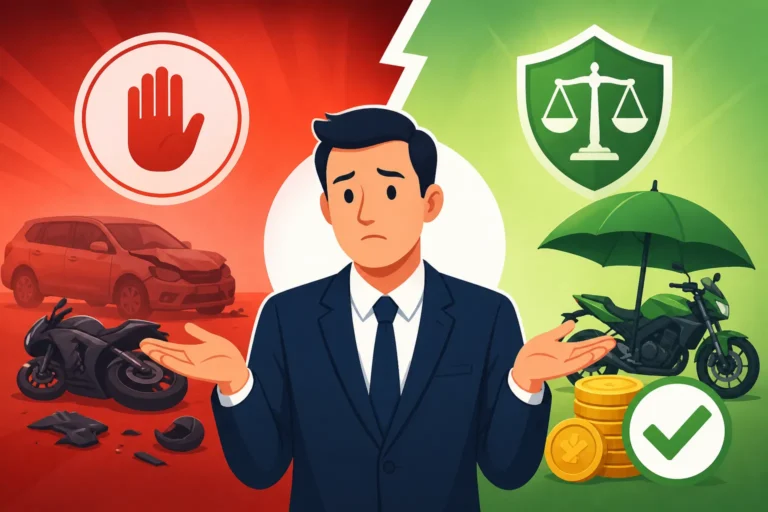
Deciding whether to go it alone or hire a lawyer after a motorcycle accident is a deeply personal choice. However, understanding the stakes and the support available can make that decision much clearer. While you might save on attorney fees in very simple cases, the potential cost of undervaluing your claim, missing deadlines, or failing to navigate complex legal arguments can be far greater.
The Value of a Free Consultation
If you're still on the fence, a free, no-obligation consultation with a motorcycle accident lawyer is an invaluable resource. During this meeting, you can discuss the specifics of your accident, your injuries, and the challenges you're facing. The attorney can provide an initial assessment of your case's strength, explain the legal process, and outline how they could help. They can give you an honest appraisal of whether your case is one that you could realistically handle on your own or if legal representation is strongly recommended.
Remember, this consultation costs you nothing and provides you with expert insights. It’s a chance to ask questions, understand your options, and gain clarity without any commitment. Services like LegalMatch are specifically designed to help individuals connect with attorneys offering these kinds of consultations, making it easier for you to find a lawyer who specializes in motorcycle accidents in your local area. This way, you're not just picking a name out of a phone book but finding a legal professional vetted for their expertise.
Partnering with Legal Expertise
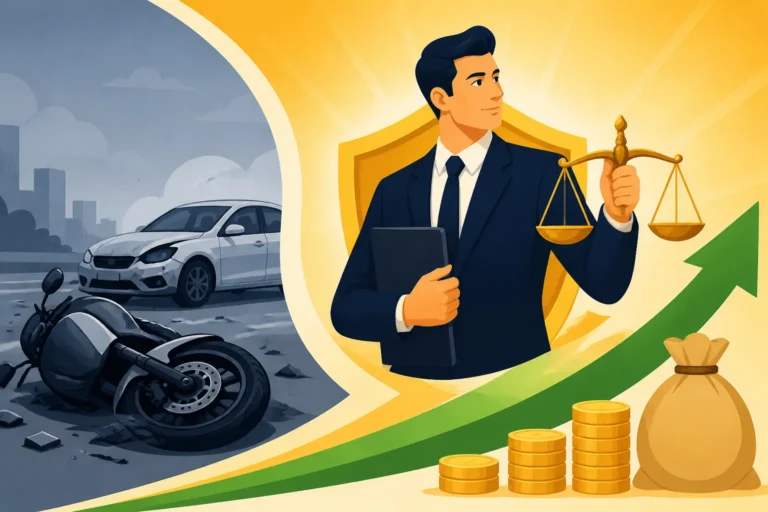
When you hire a motorcycle accident lawyer, you're not just getting legal advice; you're gaining a partner who will handle the entire burden of the legal process. They will investigate the accident, gather all necessary evidence, communicate with insurance companies, negotiate on your behalf, and if necessary, represent you in court. This allows you to focus on your recovery, your family, and getting your life back on track. A good lawyer will advocate fiercely for your rights, working to ensure you receive the maximum possible compensation for your injuries and losses.
They understand that insurance companies often harbor biases against motorcyclists and know how to counter these stereotypes. They also know how to calculate the true value of your damages, including those less obvious long-term impacts, ensuring you don't leave money on the table. While a portion of your settlement will go towards legal fees, most reputable attorneys will only take a percentage if they win your case. This contingency fee arrangement means there's no upfront cost to you, making legal representation accessible even if your financial situation is strained after the accident. In situations where Who Is at Fault in a Lane Splitting Motorcycle Accident is at issue, or when facing a severe injury, having that legal muscle behind you is paramount.
Ultimately, while settling a motorcycle claim without a lawyer can be done, it comes with significant risks and demands a considerable amount of time and effort from an individual who is likely already in a vulnerable position. For anything beyond the most minor of claims, the benefits of legal representation—from expert negotiation and evidence gathering to navigating complex legal procedures and ensuring maximum compensation—far outweigh the perceived savings of going it alone.
Disclaimer
The information provided in this article is for general informational purposes only and does not constitute legal advice. Motorcycle accident laws vary significantly by state and specific circumstances. It is highly recommended to consult with a qualified personal injury attorney to discuss your individual case and understand your legal rights and options.