Motorcycle Helmet Law in Texas
Riding the open roads of Texas on a motorcycle offers an unparalleled sense of freedom, but that freedom comes with important responsibilities, especially when it comes to understanding the state's motorcycle helmet laws. It's common for riders to hear conflicting information or be unsure about the exact rules, which can lead to unnecessary risks or legal trouble. This comprehensive guide aims to demystify the Texas motorcycle helmet law, detailing who is required to wear a helmet, the conditions for exemption, and why adhering to these rules is vital for your safety and potential legal claims.
Texas Helmet Law: Who Must Wear a Helmet
Navigating the intricacies of motorcycle helmet laws can often feel like deciphering a complex legal document, especially in a state like Texas, which has a nuanced approach. Many riders assume Texas is a "no helmet law" state, but that’s a common misconception. The truth is, Texas operates under a modified universal helmet law, meaning that while helmets are generally required, there are specific, stringent exemptions. Understanding this baseline is crucial for every rider.
The foundational rule in Texas is that all motorcyclists and their passengers must wear a helmet while riding on public roads. This isn't just a suggestion; it's codified in the Texas Transportation Code, Section 661.003. This means if you're pulling out of your driveway onto a city street in Dallas, cruising down I-45, or exploring the scenic Hill Country roads, the expectation is that your head will be protected. This blanket rule is designed to safeguard riders, acknowledging the inherent dangers of motorcycling and the devastating potential of head injuries in a crash. It applies equally to the rider operating the motorcycle and any passenger enjoying the ride with them, regardless of their position on the bike.
The intent behind this universal requirement is clear: to reduce fatalities and severe injuries. Motorcycles offer little protection in a collision, and the rider's head is particularly vulnerable. A properly fitted, DOT-compliant helmet can mean the difference between walking away from a minor spill and suffering a catastrophic brain injury. For those under the age of 21, this requirement is absolute and unwavering; there are no exceptions whatsoever. If you're 20 years old, riding a motorcycle in Texas, a helmet is not optional—it's mandatory. This specific age cutoff underscores a legislative intent to provide maximum protection to younger, often less experienced riders, who might be more susceptible to risky behaviors or less aware of the consequences.
It's also important to note that this law applies to all types of motorcycles that operate on public roadways, including scooters, mopeds, and three-wheeled motorcycles like Can-Am Spyders, if they meet the legal definition of a motorcycle in Texas. This means that the type of bike you ride doesn't change the helmet requirement. The state prioritizes rider safety across the board, recognizing that any two or three-wheeled vehicle exposes its occupants to similar head injury risks in an accident. Always ensure your helmet is properly fastened and meets the necessary safety standards to comply with the law and, more importantly, to protect yourself.
The Conditions for Helmet Exemption in Texas
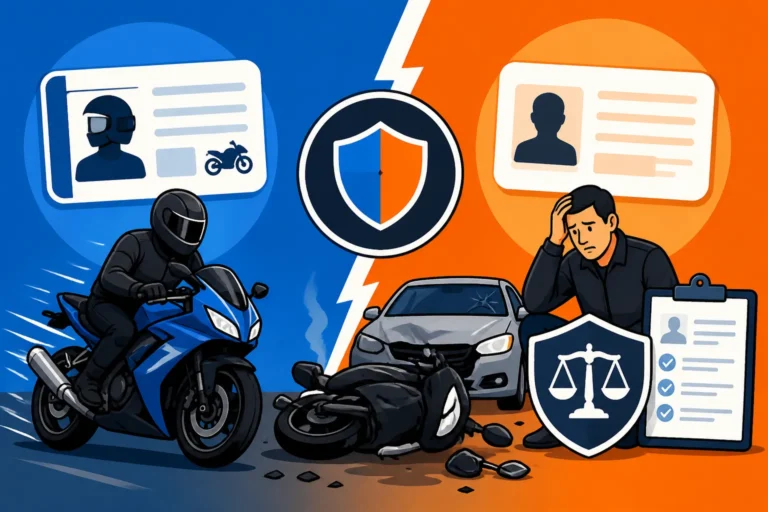
While Texas begins with a universal helmet requirement, it does offer specific exemptions for riders aged 21 and older. However, these aren't loopholes for just anyone to exploit. They come with very precise conditions that must be met, and frankly, a lot of riders misunderstand just how strict these requirements truly are. Simply being over 21 doesn't automatically mean you can toss your helmet in the saddlebag and hit the highway without it.
The primary exemption for riders 21 years of age or older hinges on two critical criteria:
Demonstrating Proof of Financial Responsibility
This sounds like legal jargon, but in simple terms, it means you must have adequate motorcycle insurance coverage. Specifically, Texas law requires that riders who choose not to wear a helmet must provide proof of successfully completing a motorcycle operator training and safety course and proof of financial responsibility. The financial responsibility requirement is typically met by carrying a valid liability insurance policy. This isn't just any old policy; it must meet the state's minimum requirements, which are currently 30/60/25. This means:
- $30,000 for bodily injury liability per person.
- $60,000 for total bodily injury liability per accident.
- $25,000 for property damage liability per accident.
This insurance serves as a safety net, not just for you but for others, should you be involved in an accident. The state's logic is that if you're choosing to ride without the primary protection of a helmet, you must be able to cover potential damages and injuries to yourself and others if a crash occurs. This isn't optional; if you're stopped by law enforcement and you're not wearing a helmet, you must be able to present valid proof of this financial responsibility, usually in the form of an insurance card or policy declaration page. Failure to do so can result in citations, fines, and potentially having your motorcycle impounded. It’s a serious requirement, designed to mitigate the financial burden that serious injuries (especially head injuries) could place on the public healthcare system or other drivers involved in a collision.
Completing an Approved Motorcycle Safety Course
The second critical component for helmet exemption for riders 21 and over is the successful completion of a motorcycle operator training and safety course approved by the state of Texas. This isn't just a casual online quiz; these are hands-on, comprehensive courses designed to significantly enhance a rider's skills and awareness. Programs like the Basic RiderCourse offered by the Motorcycle Safety Foundation (MSF) or similar courses approved by the Texas Department of Public Safety (DPS) are generally accepted.
These courses cover essential skills such as:
- Proper motorcycle control: Braking, turning, shifting, and obstacle avoidance.
- Defensive riding strategies: How to anticipate hazards, manage space, and react to unpredictable traffic conditions.
- Traffic laws and road hazards: A deeper understanding of rules and how to navigate common dangers like loose gravel or unexpected debris.
- Risk management: Understanding the consequences of impaired riding, fatigue, and other high-risk behaviors.
The idea behind this requirement is that if a rider chooses to forgo helmet use, they should at least possess a superior level of riding skill and safety awareness to reduce their risk of an accident. The certificate of completion from such a course is another document you must carry with you when riding helmet-free. It's not just about getting the piece of paper; it's about internalizing the skills and mindset that genuinely make you a safer rider. This dual requirement—insurance and training—is Texas's way of balancing individual freedom with public safety and fiscal responsibility. Riders who are serious about their safety, whether they choose to wear a helmet or not, often seek out quality gear. Places like Cycle Gear offer a comprehensive range of protective equipment, from DOT-compliant helmets to reinforced jackets and gloves, ensuring riders are as prepared as possible for whatever the road throws their way.
Here's a quick summary of the Texas helmet law breakdown:
| Rider Age | Helmet Requirement | Conditions for Exemption | Required Documentation for Exemption |
|---|---|---|---|
| Under 21 | Mandatory | None | N/A |
| 21 and Over | Generally Mandatory | Must meet both criteria | Proof of Financial Responsibility & Certificate of Approved Safety Course Completion |
Why Helmet Use Still Matters for Your Safety and Claim
Even if you meet the specific criteria for a helmet exemption in Texas, choosing to ride without one carries significant risks. Beyond the obvious safety concerns, your decision can have profound implications for your well-term health, financial well-being, and even the outcome of a motorcycle accident claim. This isn't about judgment; it's about being realistic and informed.
Mitigating Injury Severity in a Crash
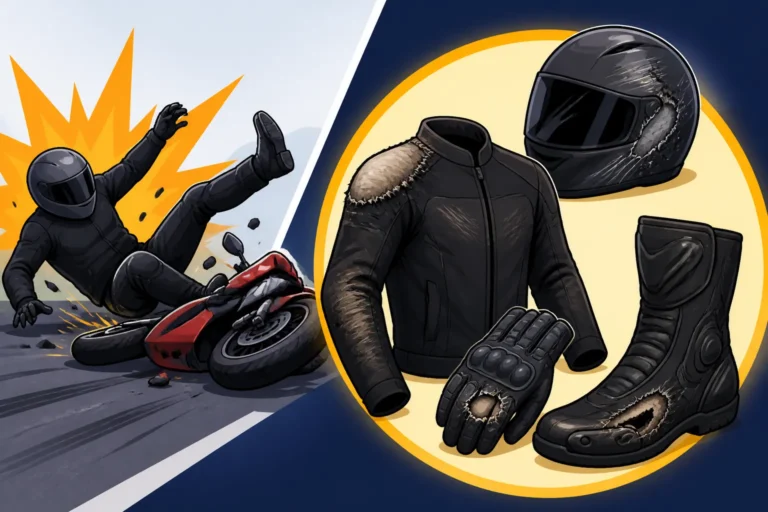
Let's face it: motorcycle accidents are inherently dangerous, and riders are incredibly vulnerable. Unlike occupants of a car who are surrounded by a steel cage, airbags, and seatbelts, motorcyclists have very little to protect them in a collision. The most common and often most devastating injuries in motorcycle accidents are head injuries, ranging from concussions to traumatic brain injuries (TBIs). A helmet, particularly a full-face, DOT-compliant helmet, is your first and best line of defense against these life-altering traumas.
Studies consistently show that helmets significantly reduce the risk of head injury and death in motorcycle crashes. For instance, the National Highway Traffic Safety Administration (NHTSA) estimates that helmets are 37% effective in preventing fatalities for motorcycle riders and 41% effective for motorcycle passengers. While no piece of gear can guarantee absolute protection, a helmet absorbs impact, distributes force, and prevents direct contact between your skull and the pavement or other objects. Imagine a low-speed tip-over where your head merely grazes the asphalt. Without a helmet, that could easily mean a concussion, road rash on your face, or a fractured skull. With a helmet, it's often just a scuff on the shell. Even in situations where you might be partially at fault in a motorcycle accident, the severity of your injuries could be dramatically reduced by wearing a helmet.
Beyond head injuries, wearing a helmet can prevent severe facial trauma, dental damage, and even eye injuries from debris or impacts. The cost of treating a serious TBI can run into hundreds of thousands, or even millions, of dollars over a lifetime, including rehabilitation, long-term care, and lost earning potential. Investing in a high-quality helmet from reputable brands available at retailers like Cycle Gear is a small price to pay for such vital protection. It’s not just about protecting your head; it’s about protecting your future quality of life. For more on this, you might find our guide on Motorcycle Safety Gear and Legal Protection helpful.
Impact on Your Motorcycle Accident Claim
This is where things can get particularly sticky if you've chosen to ride without a helmet and are involved in a crash. Even if another driver is clearly at fault, their insurance company will almost certainly try to use your lack of a helmet against you. This is known as the "helmet defense."
In Texas, which follows a modified comparative negligence rule (specifically the 51% bar rule), the concept of shared fault can significantly reduce or even bar your ability to recover damages. If the insurance company or opposing counsel can successfully argue that your injuries, particularly head injuries, would have been less severe if you had been wearing a helmet, they may try to assign a percentage of fault to you for your own injuries. For example, if you suffer a severe traumatic brain injury and the jury determines that 20% of the injury's severity was due to your helmet non-use, your total settlement could be reduced by that amount. Our article on How Helmet Laws Affect Your Accident Claim goes into greater detail on this tactic.
This becomes even more critical in cases involving Traumatic Brain Injuries from Motorcycle Accidents or other serious head trauma. Proving that your injuries are solely the fault of the other driver's negligence can become an uphill battle when the opposing side can point to your decision not to wear a helmet as a contributing factor to your own damages. They don't have to prove you caused the accident, only that you made your injuries worse. This can dramatically impact the value of your pain and suffering damages, future medical expenses, and lost wages. To truly understand the potential impact, exploring resources like How Not Wearing a Helmet Affects Your Settlement can provide critical insights.
Ultimately, while the law allows for an exemption, the practical reality of riding without a helmet in Texas means exposing yourself to greater physical danger and complicating any potential legal recourse should an unfortunate accident occur. It's a choice that goes far beyond a simple ticket; it's a decision with potentially life-altering consequences.
Ensuring Your Helmet is Compliant and Safe
If you choose to wear a helmet, or are legally required to do so in Texas, it’s not enough to just put any helmet on your head. The law specifies that helmets must meet certain safety standards to be considered compliant. This ensures that the helmet actually offers the protection it's designed for, rather than just being a decorative piece of headwear. Understanding these standards and how to choose the right helmet is paramount.
Understanding DOT Compliance
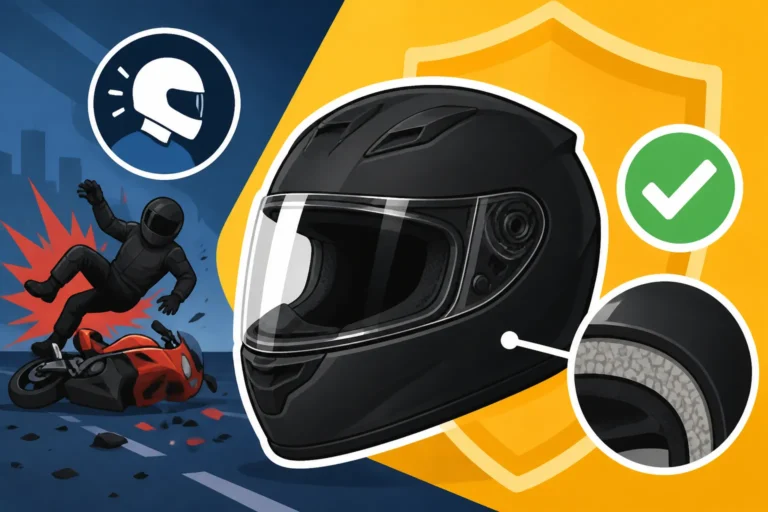
The most fundamental requirement for a motorcycle helmet in Texas, and indeed across the United States, is that it must be DOT compliant. DOT stands for the Department of Transportation, and their standard, FMVSS 218 (Federal Motor Vehicle Safety Standard 218), sets the minimum performance requirements for motorcycle helmets. A DOT-compliant helmet has undergone rigorous testing to ensure it can withstand certain impact forces, penetration, and chin strap retention.
Here's what to look for to ensure your helmet is DOT compliant:
- DOT Sticker: The most obvious sign is a white DOT sticker on the back of the helmet. This sticker should be permanently affixed and not easily removable. It usually includes the manufacturer's name, model designation, and the word "DOT."
- Manufacturer Information: Inside the helmet, you should find a label with the manufacturer's name, model, size, month and year of manufacture, and materials used.
- Helmet Features: DOT-compliant helmets typically have a thick inner liner (at least one inch of firm foam), a sturdy chin strap with rivets, and a shell that covers the ears and temple area. They don't usually have external protrusions that are more than 0.2 inches thick.
- Weight: Genuine DOT helmets generally have a substantial feel and weight due to the protective materials inside. Be wary of extremely lightweight, thin-shelled helmets often marketed as "novelty" helmets; these usually offer little to no actual protection and are not DOT compliant.
It’s crucial to avoid novelty helmets, which often lack the protective padding and construction needed to meet DOT standards. These helmets are essentially decorative and provide minimal protection in a crash. Wearing a novelty helmet, even if it looks like a real one, is akin to not wearing a helmet at all in terms of safety, and it won't satisfy the legal requirements in Texas if you're pulled over. For a deeper dive into the specifics, check out our piece on DOT Helmet Requirements Explained. When you're shopping for a helmet, make sure you're buying from a reputable retailer like Cycle Gear, where you can be confident that the helmets on offer meet these essential safety standards. They often have staff who can help you understand the differences and ensure a proper fit.
Proper Fit and Maintenance
Even a DOT-compliant helmet won't do its job effectively if it doesn't fit properly or isn't well-maintained. A helmet that's too loose can shift during an impact, exposing your head or even coming off. One that's too tight can be uncomfortable and distracting, compromising your focus on the road.
Here are tips for ensuring proper fit and maintenance:
- Snug Fit: The helmet should fit snugly all around your head, without any pressure points. It should not move when you shake your head from side to side or up and down. If you can slip your fingers between your head and the helmet liner, it's too big.
- Cheek Pads: Your cheeks should be slightly compressed by the pads.
- Chin Strap: The chin strap should be securely fastened so that only one or two fingers can fit between the strap and your chin. Never ride with an unbuckled or loose chin strap.
- Vision: Ensure your field of vision is not obstructed, particularly peripheral vision.
- Replace After Impact: A helmet is designed for one impact. If your helmet has been in a crash, even if there's no visible damage, its protective integrity might be compromised. Always replace it after an accident.
- Regular Cleaning: Keep the helmet clean, both inside and out. Use manufacturer-recommended cleaners for the shell and liners. Avoid harsh chemicals that could degrade the helmet's materials.
- Storage: Store your helmet in a cool, dry place away from direct sunlight and extreme temperatures, which can damage the materials over time.
Think of your helmet as a critical piece of safety equipment, much like the brakes on your motorcycle. You wouldn't neglect your brakes, so don't neglect your helmet. Regularly inspect it for cracks, loose parts, or signs of wear and tear. A well-fitting, well-maintained, DOT-compliant helmet significantly enhances your safety on the road and can play a crucial role in protecting you in the event of an accident. When considering other protective gear, don't forget the importance of things like eye protection. Texas has specific Eye Protection Requirements by State, even if you're exempt from wearing a helmet.
Disclaimer
Please remember that this article provides general information and insights into Texas motorcycle helmet laws and should not be considered legal advice. Laws can change, and interpretations may vary. For personalized legal guidance regarding a specific situation or motorcycle accident claim, it is always recommended to consult with a qualified attorney in your jurisdiction.