What States Require Helmets for All Riders
Riding a motorcycle offers unparalleled freedom, but it also comes with a unique set of challenges, especially when it comes to understanding the ever-changing landscape of state laws. One of the most common points of confusion and contention, particularly after a motorcycle accident, revolves around helmet requirements. It can be incredibly stressful trying to navigate legal intricacies while recovering from an incident. This guide is here to cut through that confusion, giving you a clear picture of which states have universal helmet laws and what that truly means for every rider on the open road.
Understanding Universal Helmet Laws Across the Nation
It’s a simple question with a surprisingly complex answer: which states require helmets for all riders? You'd think there'd be one clear rule across the board, but alas, our federal system allows each state to chart its own course when it comes to motorcycle safety legislation. This patchwork of laws means that a quick ride across state lines could suddenly put you on the wrong side of the law if you're not paying attention.
What "Universal" Really Means for Riders
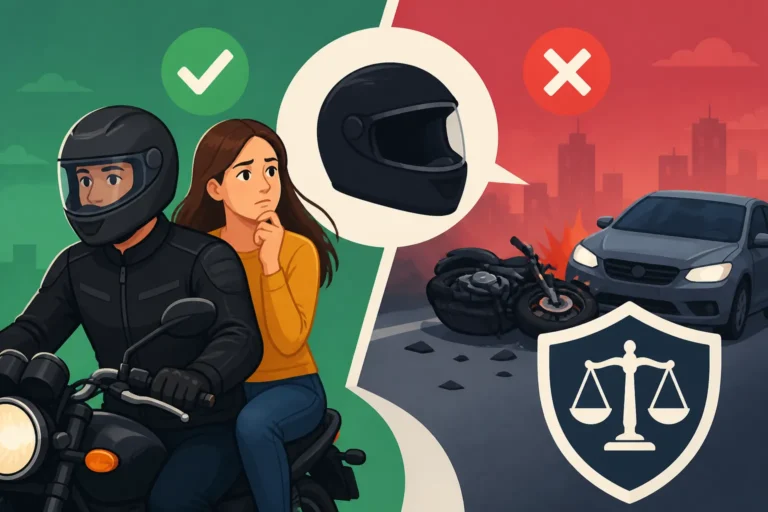
When we talk about "universal helmet laws," it's pretty straightforward: it means every single rider and passenger on a motorcycle, regardless of their age, experience, or insurance status, is legally required to wear a motorcycle helmet. There are no exceptions for riders over 21, or those with certain levels of insurance, unlike in some states with partial laws. This blanket requirement is often put in place with the primary goal of public safety and reducing the severity of injuries and fatalities in motorcycle crashes. States implement these laws based on extensive research and statistics showing that helmets are incredibly effective at preventing serious head trauma.
The rationale isn't just about individual safety, though that’s certainly a huge part of it. It also ties into public health costs. When riders sustain catastrophic head injuries, the long-term medical care can be incredibly expensive, often shouldered, at least in part, by public resources. By mandating helmets for everyone, states aim to reduce the societal burden of these severe injuries. This ongoing debate about personal freedom versus public safety is a constant legislative push and pull, leading to the various laws we see today.
A Current Snapshot of Universal Helmet Law States
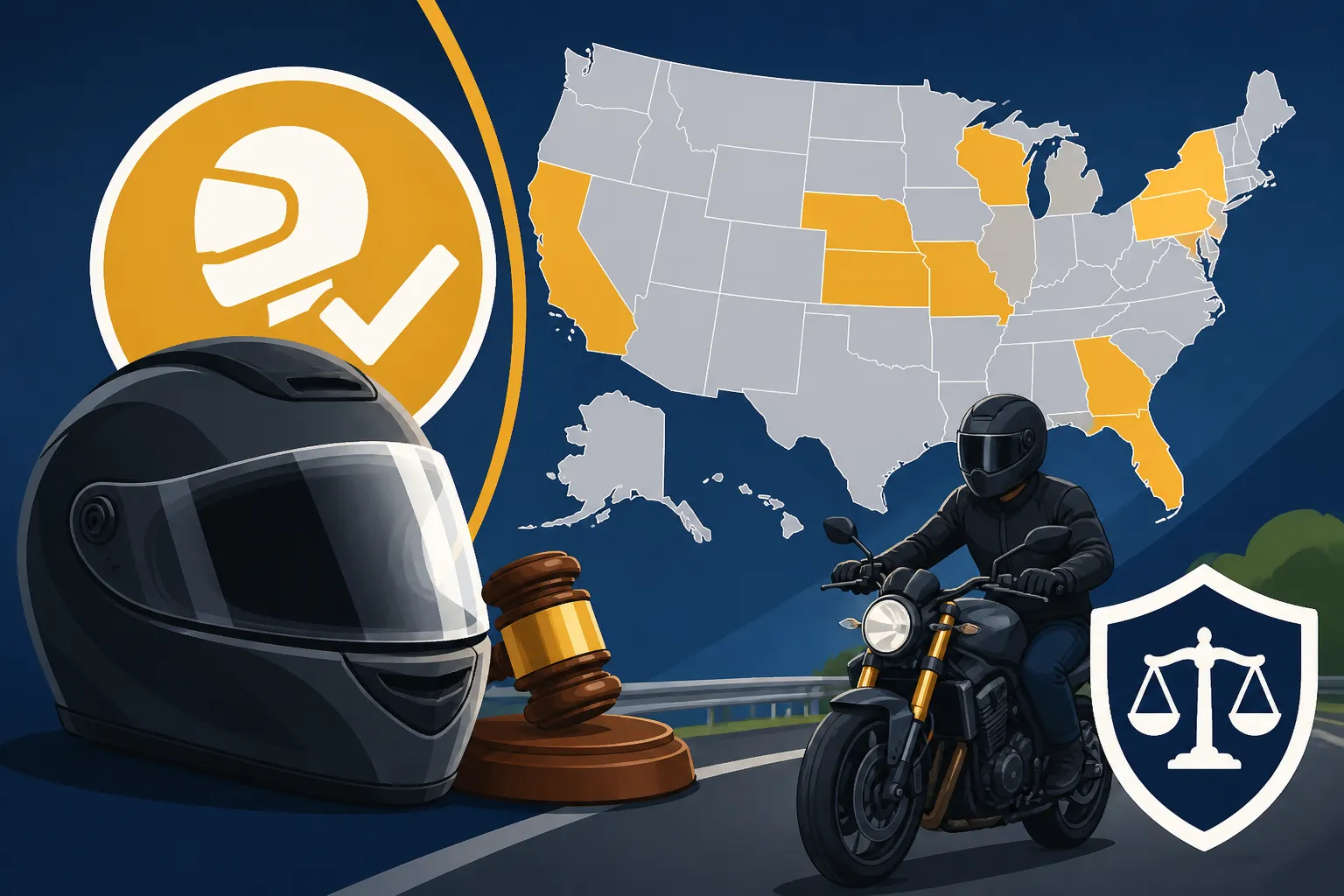
As of now, a solid portion of the United States has embraced universal helmet laws. If you're planning a cross-country trip or just wondering about your home state, it's vital to know where you stand.
States with universal helmet laws include:
- Alabama
- California
- Georgia
- Louisiana
- Maryland
- Massachusetts
- Mississippi
- Missouri
- Nebraska
- Nevada
- New Jersey
- New York
- North Carolina
- Oregon
- Tennessee
- Vermont
- Virginia
- Washington
- West Virginia
- District of Columbia
So, for example, if you're cruising down the Pacific Coast Highway in California, you'll notice every rider, young or old, is legally required to be wearing a DOT-compliant helmet. Similarly, taking a ride through the Blue Ridge Mountains in North Carolina means everyone on two wheels needs a lid. These laws are often enforced through traffic stops and citations, with fines that can range from minor to significant depending on the state and jurisdiction. It's not just a suggestion; it's a legal mandate that can result in a ticket and even impact your insurance if you're caught non-compliant. Understanding these requirements is the first step in ensuring a safe and legally sound ride. You can dive deeper into the specifics by checking out our guide on Motorcycle Helmet Laws by State.
The Impact of Helmet Laws on Your Ride and Your Claim
Beyond the immediate legal ramifications of a ticket, the presence or absence of a helmet in an accident can have profound effects, both on your physical well-being and the outcome of any subsequent motorcycle accident claim. It's a critical factor that insurers and legal teams scrutinize closely.
The Safety Aspect: Why Universal Laws Exist
The sheer number of motorcycle accident injuries underscores the importance of proper safety gear. Motorcycles offer very little physical protection in a crash, leaving riders vulnerable to direct impact with other vehicles, the road, and various obstacles. Head injuries, particularly traumatic brain injuries, are among the most devastating and life-altering consequences of motorcycle accidents. This is precisely why universal helmet laws were enacted in many states; they're not there to annoy you, but to literally save lives and prevent debilitating injuries.
Data consistently shows that wearing a DOT-compliant helmet significantly reduces the risk of head injury and fatality. Helmets absorb impact, distribute force, and protect your skull and brain from direct trauma. While a helmet can't prevent all injuries, it dramatically reduces the severity of the most catastrophic ones. Even if you're riding in a state with a partial helmet law or no helmet law at all, the physics of a crash remain the same. The risk of serious injury doesn't disappear just because the law doesn't mandate a helmet. This is why many experienced riders choose to wear a helmet every time, regardless of what the law says, seeing it as an essential piece of their personal safety equipment. When you consider the long-term effects of a traumatic brain injury, the choice to wear a helmet becomes less about legal compliance and more about protecting your future.
How Helmet Use Affects Your Accident Claim
This is where things can get particularly frustrating and confusing for riders. Even if you're involved in an accident that was clearly the other driver's fault, your decision not to wear a helmet, especially in a state where it’s legally required, can be used against you. This is often referred to as the "helmet defense." Insurance companies and opposing counsel will try to argue that your injuries, specifically head injuries, would have been less severe or avoided entirely had you been wearing a helmet. This argument aims to reduce the amount of compensation you receive, even if the other driver was primarily at fault for the crash itself.
In states with universal helmet laws, if you weren't wearing a helmet, it's generally much harder to argue against the helmet defense. Your non-compliance with the law becomes a clear point for the defense to exploit. They may contend that you contributed to your own injuries through negligence, which, in turn, can affect your settlement under principles of comparative negligence. This means that even if the other driver was 90% at fault, if the jury or adjuster determines your lack of helmet contributed 10% to your head injuries, your compensation could be reduced by that percentage.
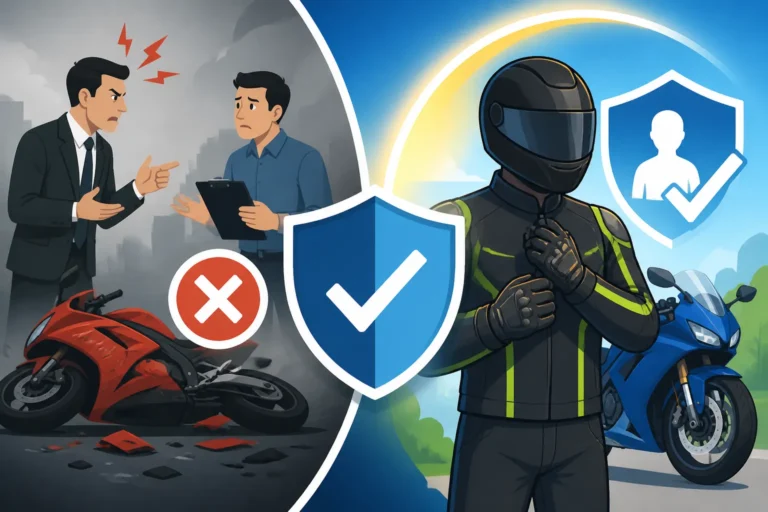
On the other hand, if you were wearing a compliant helmet in a state with a universal law, it usually strengthens your position significantly. You’ve met your legal obligation, and it becomes much harder for the defense to use the "helmet defense" to diminish your claim. Even if you suffered a head injury, the fact that you took all reasonable precautions demonstrates responsibility and often leads to a more favorable outcome for your claim. It’s a stark reminder that How Helmet Laws Affect Your Accident Claim can be substantial. To protect yourself both on the road and legally, always choosing to wear a proper helmet, like those found at Cycle Gear, is a wise decision.
Navigating Different State Laws and Making Smart Choices
The varying nature of helmet laws across state lines can be a real headache for riders. One moment you're fully compliant, the next you could be breaking the law. It’s crucial to understand these distinctions and, more importantly, to adopt habits that prioritize your safety above all else.
States with Partial or No Helmet Laws
While this guide focuses on states with universal helmet laws, it’s important to briefly touch upon the other categories to grasp the full landscape. Many states operate under "partial helmet laws." These laws typically require helmets only for riders below a certain age, commonly 18 or 21. Florida, for example, allows riders over 21 to ride without a helmet if they have at least $10,000 in medical insurance coverage. Texas also has a similar provision. Then there are a handful of states that have no helmet laws at all for adult riders, such as Iowa and New Hampshire.
This creates a complex patchwork. Imagine you start your ride in California, a universal helmet state, and then cross into Arizona, which has a partial law (helmets required for riders under 18). If you're an adult over 18, you might legally be able to remove your helmet in Arizona, but then you cross back into a universal state, and you're suddenly non-compliant again. This constant shifting of rules is why staying informed about Universal vs Partial Helmet Laws Explained is so important, especially for those who enjoy long-distance rides that span multiple states.
Best Practices for Riders, Regardless of the Law
No matter where you're riding, the best practice is always to wear a high-quality, DOT-approved helmet. A helmet is your first line of defense against the most severe injuries in a crash, and choosing a good one can truly be a life-saving decision. When you’re shopping for a helmet, don’t just look for something stylish; prioritize safety ratings and ensure it fits correctly. Retailers like Cycle Gear offer a wide selection of helmets, from full-face to modular, that meet rigorous safety standards. It's an investment in your future.
Beyond just a helmet, thinking about the rest of your gear is equally crucial. A sturdy motorcycle jacket, riding pants, gloves, and over-the-ankle boots might not be legally mandated in most places, but they are indispensable for protecting you from road rash, broken bones, and other common motorcycle accident injuries. These items reduce friction burns, provide impact protection, and can literally keep your skin on your body during a slide. While Motorcycle Safety Gear and Legal Protection doesn't explicitly guarantee a higher settlement, demonstrating that you took every possible safety precaution can certainly help your case by showing due diligence and responsibility. Ultimately, riding safe isn't just about following the rules; it's about making smart choices that keep you protected, both physically and legally, on every journey.
To help you visualize the current landscape, here’s a breakdown of states and their helmet requirements:
| Helmet Law Type | States (Examples) | Requirement for Riders | Impact on Accident Claim (Generally) |
|---|---|---|---|
| Universal Law | California, New York, Georgia, Maryland, Massachusetts, North Carolina, Washington, Virginia | All riders and passengers must wear a DOT-approved helmet. | Strengthens claim, harder for defense to argue injury contribution due to helmet non-use. |
| Partial Law | Florida (over 21 with $10k medical ins.), Texas (over 21 with $10k medical ins.), Arizona, Kentucky, Pennsylvania, South Carolina | Helmets required for riders under a specific age (e.g., 18 or 21). | Can be used against older riders if no helmet worn, potentially reducing settlement. |
| No Helmet Law | Iowa, New Hampshire, Illinois (no longer applies as of 2024 for riders over 21) | No helmet required for adult riders. | Still a risk. Insurers may argue injury severity would be less with a helmet, even if not legally required. |
Please note: Helmet laws can change, so always verify the most current regulations for any state you plan to ride in.
The most important takeaway is this: regardless of what the law dictates, wearing a high-quality, DOT-compliant helmet is always the smartest choice. It protects your most valuable asset – your brain – and can significantly influence the outcome of your personal injury claim. When it comes to your safety, why take unnecessary risks?
Disclaimer
This article is for general informational purposes only and does not constitute professional advice. Laws and regulations vary by location and change over time. Consult a qualified professional for guidance on your specific situation.