Does Not Wearing a Helmet Affect a Claim in Tennessee
It's an unfortunate truth that hitting the open road on your motorcycle, feeling the wind, and enjoying the freedom can sometimes take a tragic turn. When an accident happens, the immediate aftermath is chaotic, and dealing with injuries is paramount. But once the dust settles, a different kind of stress often sets in: navigating the complex world of insurance claims, especially when questions about helmet use come into play. Many riders in Tennessee wonder how not wearing a helmet might impact their ability to recover damages after a crash, and honestly, it's a valid concern that can feel like an uphill battle. This guide will walk you through Tennessee's specific helmet laws and explain in detail how your choice to wear or not wear a helmet can affect your motorcycle accident claim.
Tennessee's Universal Helmet Law and Its Meaning for Riders
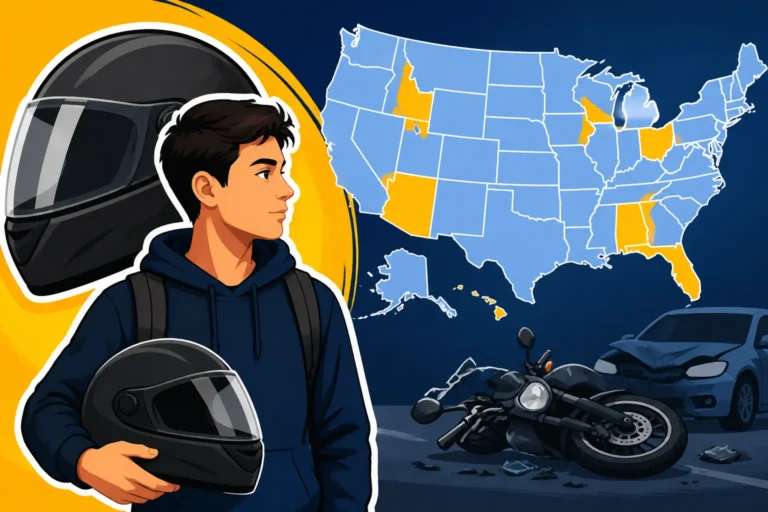
Before we dive into the claims process, it's absolutely crucial to understand the foundation: Tennessee's motorcycle helmet law. Unlike some states that have partial helmet laws, Tennessee operates under a universal helmet law, meaning all riders and passengers on motorcycles must wear a helmet, regardless of their age or experience level. This isn't just a suggestion; it's a non-negotiable legal requirement.
Who Must Wear a Helmet in Tennessee?
The law in Tennessee is pretty straightforward, leaving little room for ambiguity. Every single person on a motorcycle, whether they're the operator or a passenger, is legally required to wear a protective helmet. There are no exceptions for age, like those "riders under 21 must wear a helmet" rules you see in other states. This means if you're cruising down I-40 near Nashville or enjoying the scenic routes in the Great Smoky Mountains, your helmet needs to be on and properly fastened. This universal requirement is a critical piece of information that sets the stage for any discussion about how Motorcycle Helmet Laws by State can affect a personal injury claim in Tennessee.
The intent behind such a law is, of course, safety. Helmets are proven to significantly reduce the risk of severe head injuries and fatalities in motorcycle accidents. For example, a study by the National Highway Traffic Safety Administration (NHTSA) found that helmets saved an estimated 1,872 lives in 2017 alone. While many riders appreciate the freedom of the ride, adhering to these laws is not just about avoiding a ticket; it's fundamentally about protecting yourself, and as we'll see, it can deeply impact your legal standing after a crash.
What Constitutes a Legal Helmet in Tennessee?
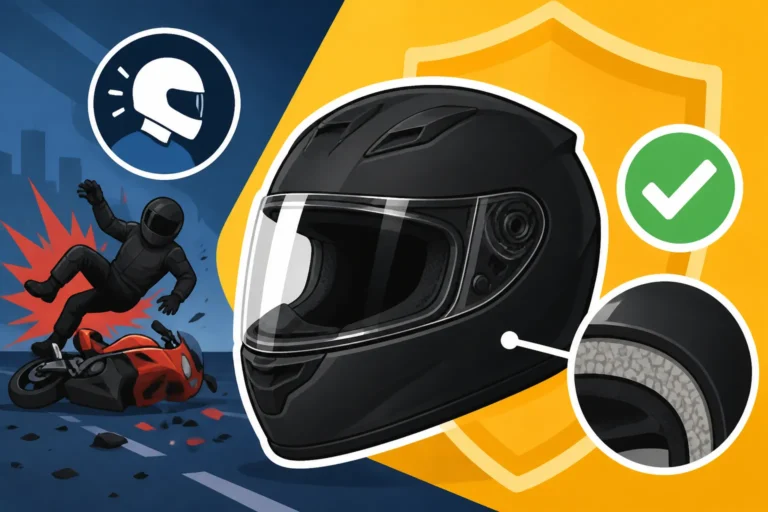
It's not enough to just put any head covering on and call it a helmet. Tennessee law, like federal regulations, specifies that motorcycle helmets must meet certain safety standards set by the U.S. Department of Transportation (DOT). A DOT-compliant helmet will have a sticker on the back that clearly indicates it meets Federal Motor Vehicle Safety Standard (FMVSS) 218.
This means those cool-looking "novelty" helmets that don't offer real protection are not legal. They might look the part, but they don't have the necessary padding, impact absorption, or structural integrity to pass DOT tests. An insurance company, or even a court, will scrutinize whether the helmet worn (or not worn) meets these standards. If you were wearing a non-DOT compliant helmet, it could be treated similarly to not wearing a helmet at all in the context of your claim, especially if head injuries are involved. So, when you're looking for gear, always prioritize safety and compliance. Brands like Cycle Gear offer a wide selection of DOT-approved helmets, ensuring you meet the legal requirements and get the best protection available.
How Not Wearing a Helmet Impacts Your Accident Claim in Tennessee
Now, let's get to the heart of the matter. You've been in an accident, you weren't wearing a helmet (or perhaps it wasn't DOT-compliant), and you're wondering what this means for your ability to recover compensation for your injuries and damages. This is where things get complicated, and it's where the legal concept of the "helmet defense" comes into play.
The "Helmet Defense" and Comparative Fault
In Tennessee, if you weren't wearing a helmet as required by law, the at-fault driver's insurance company will almost certainly try to use this against you. This is known as the "helmet defense," and it's a common strategy insurance adjusters use to reduce or even deny your claim. They'll argue that your decision not to wear a helmet contributed to the severity of your head injuries, or even caused them entirely, rather than the other driver's negligence. This directly impacts How Helmet Laws Affect Your Accident Claim.
Tennessee follows a "modified comparative negligence" rule, often referred to as the 50% rule. Here’s how it works: if you are found to be 50% or more responsible for the accident or the severity of your injuries, you are completely barred from recovering any damages. If you are found less than 50% at fault, your compensation will be reduced by your percentage of fault. For example, if your damages are $100,000 and you are found 20% at fault for your head injuries due to not wearing a helmet, your payout would be reduced to $80,000.
This means that even if the other driver was clearly at fault for the collision itself – perhaps they made a left-turn collision or an unsafe lane change – the insurance company will argue that your own actions regarding helmet use increased your damages. This isn't about proving who caused the initial crash, but rather about who caused the extent of your head injuries. This is a critical distinction that many riders find deeply frustrating, especially when they feel the accident was entirely preventable by the other driver.
Connecting Helmet Use to Specific Injuries
The impact of not wearing a helmet is most directly felt when it comes to head injuries. If you suffer a traumatic brain injury (TBI), concussion, skull fracture, or other head trauma, the insurance company's primary argument will be that these injuries either wouldn't have occurred or would have been far less severe had you been wearing a proper helmet. They'll gather medical records, accident reports, and potentially even hire their own experts to try and draw a direct causal link between your lack of a helmet and your head-related damages.
However, it's important to remember that not all injuries are head injuries. If you sustained road rash, broken bones in your arms or legs, or a spinal cord injury that didn't involve your head, the "helmet defense" becomes much weaker. It’s hard to argue that a helmet would have prevented a broken ankle, for instance. This is where a skilled legal professional can really make a difference, by dissecting the types of damages you've incurred and demonstrating which ones are truly unrelated to helmet use. Understanding Types of Damages in a Motorcycle Accident Claim is crucial here.
When Helmet Non-Use May Not Be a Factor
While the helmet defense is a powerful tool for insurance companies, it's not an automatic claim killer. There are situations where not wearing a helmet might have less impact, or even no impact, on certain aspects of your claim.
- Non-Head Injuries: As mentioned, if your injuries are primarily to other parts of your body – say, a broken collarbone, extensive road rash, or internal injuries – the defense that a helmet would have prevented these specific injuries holds little weight. While it doesn't excuse the helmet law violation, it detaches the causation argument from the damages you're claiming.
- The Other Driver's Extreme Negligence: In cases of egregious behavior by the other driver, such as drunk driving or extreme distracted driving, a jury might be less inclined to heavily penalize the rider for not wearing a helmet, particularly if the accident itself was catastrophic and unavoidable regardless of protective gear. However, even in these situations, the helmet defense can still reduce the portion of your claim related to head injuries.
- Lack of Causation Proof: The burden of proof is on the insurance company to demonstrate that your lack of a helmet caused or worsened your specific head injuries. It's not enough for them to simply point out that you weren't wearing one. They need medical expert testimony to establish a direct link. If they can't definitively prove this, their argument weakens.
It's a misconception that if you weren't wearing a helmet, you have no claim at all. That's simply not true, especially in a comparative negligence state like Tennessee. You may still be able to recover compensation for certain damages, but it will undeniably be a tougher fight. This is why understanding How Comparative Negligence Reduces Your Payout is so important for Tennessee riders.
Navigating Your Claim After a Crash Without a Helmet
If you find yourself in this unenviable position, the path forward can seem daunting. The insurance adjusters are likely already trying to pin as much blame as possible on you, using the helmet issue as their primary weapon. But you're not without options.
Documenting the Scene and Your Injuries
Even if you weren't wearing a helmet, the steps you take immediately after the accident are critical. Your priority, of course, is your health. Seek medical attention right away, even if you feel fine. Some serious injuries, like certain types of Motorcycle Accident Traumatic Brain Injuries or internal bleeding, might not present symptoms immediately. This creates a clear record of your injuries.
Once your immediate safety is handled, documenting the scene is vital. Take photos and videos of everything: the position of the vehicles, road conditions, traffic signs, skid marks, and any visible injuries. Exchange information with the other driver, and gather contact details for any witnesses. Even if your helmet status is an issue, comprehensive documentation helps establish the other driver's fault for the collision itself, which is still a major component of your claim. For instance, if you were hit by a distracted driver, evidence of their phone use or erratic driving can be crucial, regardless of your helmet use. It’s always important to know What to Do Immediately After a Motorcycle Accident.
Why Legal Guidance is Crucial
Let's be real: trying to navigate an injury claim where the insurance company is using the "helmet defense" against you is incredibly challenging. Insurance adjusters are experts at minimizing payouts, and they will exploit every legal vulnerability, including non-compliance with helmet laws. This is precisely why you need someone in your corner who understands these nuances.
An experienced motorcycle accident attorney in Tennessee can:
- Evaluate Your Case: They can assess the specifics of your accident, your injuries, and the applicability of the helmet defense to determine the strength of your claim. They know the ins and outs of Tennessee's unique laws and how judges and juries tend to view these cases.
- Counter the Helmet Defense: They can argue against the causal link between your helmet non-use and specific non-head injuries. They might also challenge the insurance company's medical experts or bring in their own to show that certain head injuries were inevitable given the force of the collision, regardless of helmet use, or that the other driver's negligence was the overwhelming cause of the accident.
- Negotiate with Insurers: Attorneys are skilled negotiators who won't be intimidated by aggressive insurance tactics. They understand How Insurers Use Rider Stereotypes Against You and can help How to Fight an Unfair Fault Assignment. They know the true value of your claim and how to push back against lowball offers.
- Prepare for Trial: If a fair settlement cannot be reached, a lawyer can prepare your case for trial, presenting evidence and arguments to a jury to ensure your rights are protected.
While you might think you can handle a minor claim yourself, when helmet laws are a factor, it becomes infinitely more complex. Even small claims can be reduced significantly without expert representation. Investing in a quality attorney from a firm like Morgan & Morgan, known for handling personal injury cases, can make a monumental difference in the outcome of your claim. They can help you understand Do You Need a Motorcycle Accident Lawyer and what to expect during the process. When considering your safety gear, remember that reputable retailers like Cycle Gear can provide you with quality, DOT-compliant helmets that prevent these kinds of legal complications in the first place.
| Injury Type | Potential Impact of No Helmet on Claim (Tennessee) | Explanation |
|---|---|---|
| Traumatic Brain Injury (TBI) | High Negative Impact | Directly linked to head protection. Insurance will strongly argue lack of helmet caused or worsened. |
| Concussion | High Negative Impact | Similar to TBI, often heavily disputed by insurers if helmet wasn't worn. |
| Skull Fracture | High Negative Impact | Clear defense target for insurers. |
| Facial Injuries | Moderate to High Negative Impact | Can be impacted by helmet type (full-face vs. open-face), but open-face or no helmet makes them worse. |
| Road Rash | Minimal to No Impact (for head/face) | Primarily skin damage. Helmet (or lack thereof) generally irrelevant to road rash on other body parts. |
| Broken Bones (limbs) | Minimal to No Impact | A helmet does not protect arms, legs, or torso from fractures. Unlikely to be a factor for these specific injuries. |
| Spinal Cord Injury (non-neck) | Minimal to No Impact | While a helmet protects the head, it offers little to no direct protection to the spine lower than the cervical region. May be relevant for neck/upper spine injuries. |
| Internal Organ Damage | Minimal to No Impact | Injuries to organs (e.g., spleen, liver) are typically caused by blunt force trauma to the torso, which a helmet doesn't protect. |
This table illustrates that while not wearing a helmet is a serious legal hurdle, it doesn't automatically negate claims for all injury types. The key is proving that the other driver's negligence was responsible for the accident and specific injuries, regardless of your helmet choice.
Protecting Your Rights and Maximizing Your Recovery
The road after a motorcycle accident in Tennessee, especially one where helmet use is questioned, is fraught with challenges. Insurance companies are not on your side; their goal is to pay as little as possible. Your actions, or inactions, regarding helmet use can become a significant point of contention, impacting your final settlement.
Understanding the specific nuances of Tennessee's universal helmet law and its modified comparative negligence rules is the first step. The second, and perhaps most crucial, step is seeking experienced legal counsel. Don't let the insurance company bully you or convince you that your claim is worthless simply because you weren't wearing a helmet. Every accident is unique, and you deserve to have your case thoroughly evaluated and fought for. Remember, protective gear like a DOT-approved helmet from a place like Cycle Gear is always the best defense, both physically and legally, on the open roads of Tennessee.
Disclaimer
This article provides general information and is not intended as legal advice. Motorcycle accident laws, including those regarding helmet use and comparative negligence, can be complex and vary by jurisdiction. It is crucial to consult with a qualified attorney in Tennessee for advice specific to your situation.