Does Not Wearing a Helmet Affect a Claim in New Jersey
Riding a motorcycle in New Jersey brings a unique sense of freedom, but it also comes with a distinct set of responsibilities and legal considerations, especially after an accident. One of the most common and often confusing questions riders have is how their decision to wear a helmet, or not wear one, impacts their ability to get compensation if they're injured in a crash. Many worry that without a helmet, their claim is dead in the water, even if the other driver was clearly at fault. This guide is here to untangle the specifics of New Jersey's helmet laws and explain exactly how not wearing a helmet can, and often doesn't, affect your motorcycle accident claim.
New Jersey's Motorcycle Helmet Laws Explained
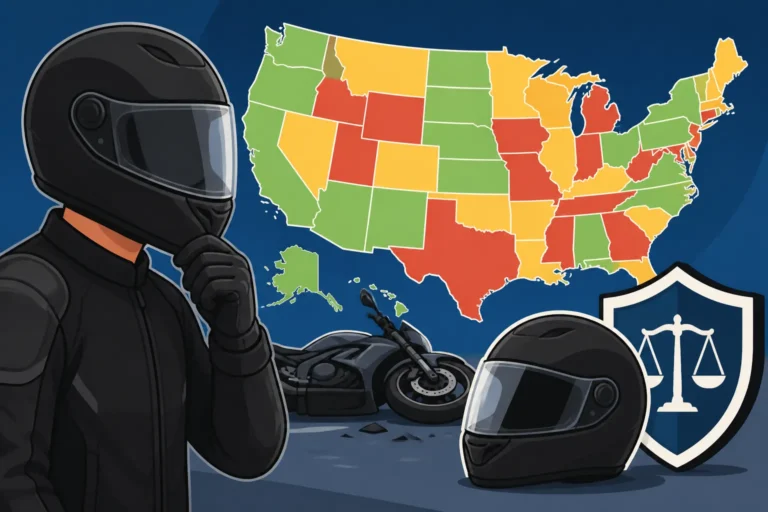
Let's start by clarifying the actual rules of the road in the Garden State, because misconceptions here can lead to a lot of unnecessary stress. New Jersey operates under what's often referred to as a "partial" or "modified" helmet law, which is quite different from states like California or New York where helmets are universally mandatory for all riders.
Who Must Wear a Helmet in New Jersey
In New Jersey, the law doesn't demand that every single motorcyclist wears a helmet. This is a crucial distinction and often surprises riders from other states. According to New Jersey Statute § 39:3-76.7, there are specific circumstances under which a helmet is required:
- Riders and Passengers Under 18: If you're under the age of 18, or if your passenger is, both of you must wear an approved helmet. There’s no wiggle room here; this is a hard-and-fast rule designed to protect younger riders and passengers.
- Permit Holders: If you're riding with a motorcycle examination permit, you are also required to wear an approved helmet, regardless of your age. This makes sense as you're still in the learning phase, and safety is paramount.
- Adult Riders (18+) with Specific Insurance: This is where it gets a bit nuanced. If you are 18 years of age or older and possess a valid motorcycle license, you are generally not required to wear a helmet, provided you have at least $10,000 in medical expense benefits coverage. This coverage is often referred to as PIP (Personal Injury Protection) or specific motorcycle medical payment coverage. It's designed to ensure that even without a helmet, there's some medical protection in place.
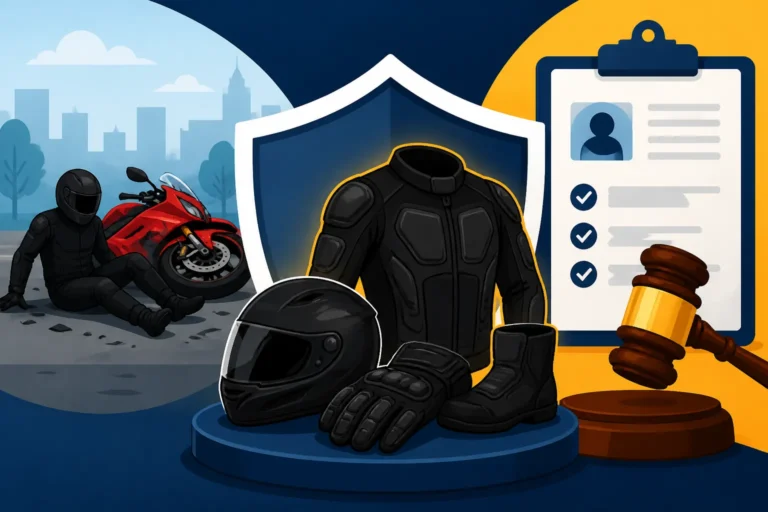
It's vital to remember that "approved helmet" means a helmet that meets federal safety standards, specifically those set by the Department of Transportation (DOT). You'll typically see a DOT sticker on the back of compliant helmets. While some riders might opt for novelty helmets for style, these rarely meet DOT standards and offer little protection, potentially putting you at risk both physically and legally. When you’re looking for a new lid, choosing a DOT-compliant model from a reputable retailer like Cycle Gear ensures you’re getting legitimate protection.
The Role of Helmet Use in Accident Prevention
Beyond the legalities, a helmet serves as your most critical piece of safety gear. We all know that riding motorcycles carries inherent risks, and head injuries are among the most devastating consequences of a crash. Even a minor tumble can result in a serious concussion or traumatic brain injury (TBI) without proper head protection.
While New Jersey law provides some leeway for adult riders, wearing a helmet significantly reduces the risk of severe head and brain injuries. It’s not just about meeting a legal requirement; it's about safeguarding your life and long-term well-being. A sturdy, full-face helmet, for instance, protects not only your skull but also your face and jaw, which are incredibly vulnerable in a fall. Even if you're a seasoned rider who thinks you'll never crash, the reality is that accidents happen, often due to the negligence of other drivers. Therefore, understanding Motorcycle Helmet Laws by State is critical, as these laws vary widely and can significantly impact your post-accident experience.
How Not Wearing a Helmet Can Affect Your Claim in New Jersey
Now, let's get to the heart of the matter: if you weren't wearing a helmet in New Jersey and you're involved in an accident, how does that play into your personal injury claim? The short answer is: it can affect it, but it doesn't automatically mean your claim is worthless. New Jersey's legal system, like many others, uses principles of fault and causation to determine compensation.
The "Helmet Defense" and Comparative Negligence
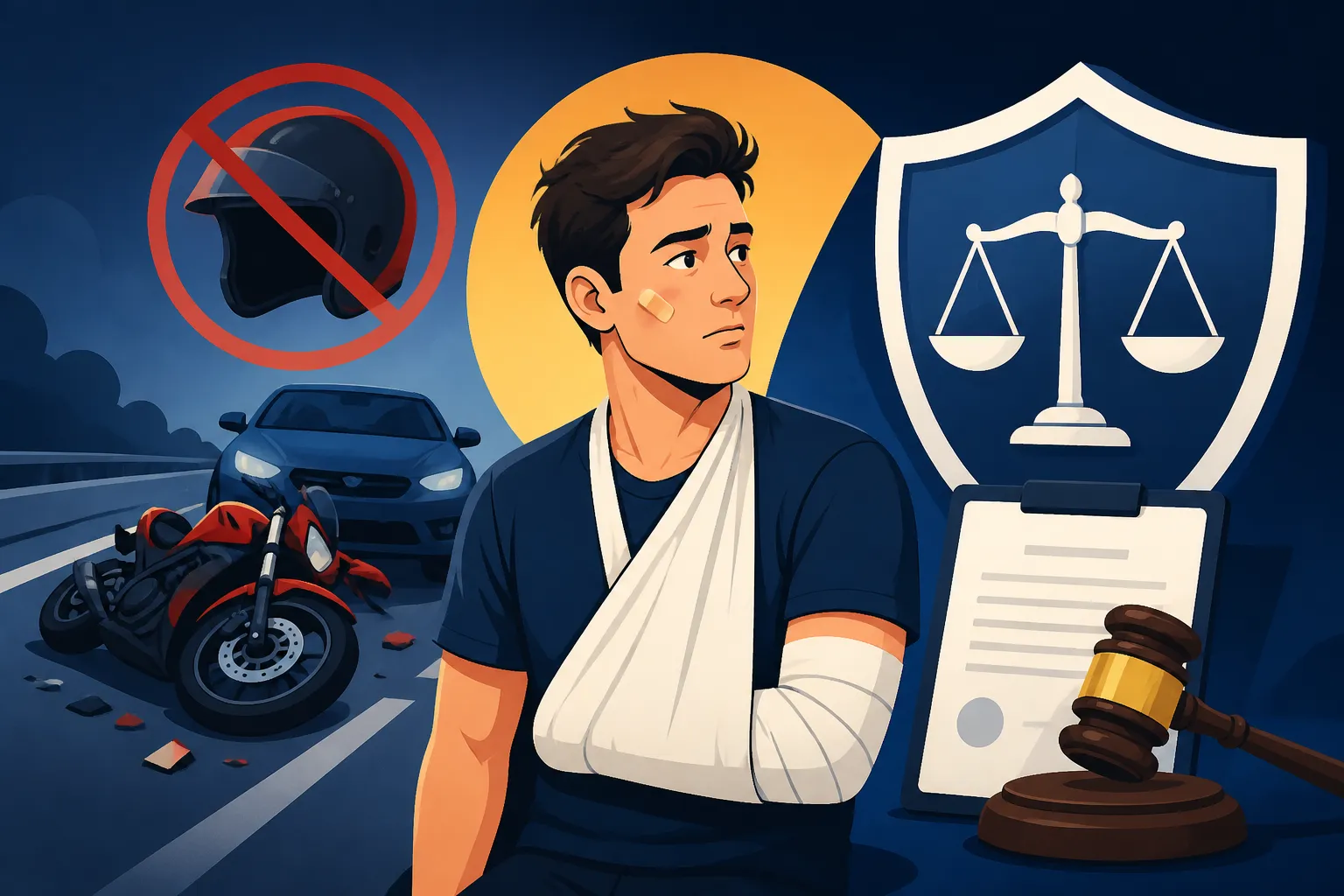
Insurance companies and defense attorneys are always looking for ways to reduce the amount they have to pay out. One of their most common tactics in motorcycle accident cases where a helmet wasn't worn is the "helmet defense," also known as the "helmet rule." This defense argues that your injuries, particularly head injuries, would have been less severe or entirely avoided if you had been wearing a DOT-approved helmet.
The helmet defense directly ties into New Jersey's system of comparative negligence. New Jersey follows a modified comparative negligence rule, specifically the 51% bar rule. What does this mean? It means that if you are found to be 51% or more at fault for your injuries, you are completely barred from recovering any damages. However, if you are found to be 50% or less at fault, you can still recover damages, but your compensation will be reduced by your percentage of fault. This is explained in more detail in our article on Comparative Negligence in Motorcycle Accidents.
Here's how it plays out:
Imagine you're involved in a crash caused by a distracted driver who pulled out in front of you. You sustain a severe traumatic brain injury. The other driver is clearly at fault for the accident itself. However, if you weren't wearing a helmet and New Jersey law didn't mandate it for you (e.g., you're an adult with the required medical coverage), the defense might argue that while their client caused the collision, your decision not to wear a helmet contributed to the severity of your head injury. They aren't saying you caused the accident, but that you contributed to your own damages.
- Impact on Head Injuries: If you have head injuries, the helmet defense can be a significant factor. The defense will likely present expert testimony to suggest that a helmet would have mitigated or prevented those specific head injuries. If successful, a jury might assign a percentage of fault for those head injuries to you. For instance, if your total damages are $200,000, and the jury finds you 20% responsible for the severity of your head injuries due to not wearing a helmet, your overall settlement could be reduced by that amount. This is a key aspect of How Helmet Laws Affect Your Accident Claim.
- Limited Impact on Other Injuries: It's important to understand that the helmet defense typically applies only to head-related injuries. If you suffer road rash, broken bones, internal injuries, or spinal cord injuries, your lack of a helmet generally won't be used to reduce compensation for those specific injuries, unless the defense can somehow prove a direct causal link (which is rare). For instance, if you broke your leg, a helmet wouldn't have prevented that, so your compensation for a broken leg would likely not be affected by your helmet choice.
The Burden of Proof for the Helmet Defense
The good news is that the burden of proving that your failure to wear a helmet contributed to your injuries falls squarely on the defendant (the at-fault driver's insurance company). They can't just assert it; they have to prove it. This usually involves:
- Medical Experts: They'll hire medical experts to analyze your injuries and argue how a helmet would have made a difference.
- Accident Reconstructionists: In some complex cases, they might use accident reconstructionists to model the crash and the potential impact a helmet would have had.
This isn't an easy task for them, especially if your injuries are extensive or if there's ambiguity about the exact mechanism of injury. A skilled personal injury attorney specializing in motorcycle accidents will be crucial in countering these arguments and ensuring that the blame is appropriately placed. We've seen How Insurers Use Rider Stereotypes Against You, and the helmet defense is one common way they try to do just that.
Examples of Settlement Reductions
Let's illustrate with a hypothetical:
Scenario 1: Head Injury Only
- Total Damages: $150,000 (primarily for a traumatic brain injury and related medical costs).
- Defendant's Fault (for causing the accident): 100%
- Your Fault (for contributing to head injury severity by not wearing a helmet): Jury finds you 30% at fault for the severity of the head injury.
- Your Recoverable Damages: $150,000 – (30% of $150,000) = $105,000.
Scenario 2: Multiple Injuries
- Total Damages: $250,000 ($100,000 for head injury, $150,000 for broken arm and road rash).
- Defendant's Fault (for causing the accident): 100%
- Your Fault (for contributing to head injury severity by not wearing a helmet): Jury finds you 20% at fault for the severity of the head injury. The helmet had no bearing on the arm or road rash.
- Calculations:
- Head Injury Damages: $100,000 – (20% of $100,000) = $80,000
- Arm/Road Rash Damages: $150,000 (no reduction)
- Your Recoverable Damages: $80,000 + $150,000 = $230,000.
As you can see, not wearing a helmet doesn't wipe out your claim entirely, but it can significantly reduce the portion related to head injuries. This is a critical factor when considering How Not Wearing a Helmet Affects Your Settlement.
Protecting Your Claim Even Without a Helmet in New Jersey
Even if you weren't wearing a helmet and sustained head injuries, there are crucial steps you can take to protect your motorcycle accident claim in New Jersey. Your case isn't automatically lost; it simply becomes more complex and requires a more strategic approach.
The Importance of Immediate Action
After any motorcycle accident, your first priority is always your safety and health.
- Seek Medical Attention Immediately: This cannot be stressed enough. Even if you feel fine, adrenaline can mask serious injuries. Head injuries, in particular, can have delayed symptoms. Getting checked out by paramedics at the scene or going to an emergency room is vital. This establishes a clear medical record that links your injuries directly to the accident, making it harder for insurance companies to argue they were pre-existing or unrelated. This is one of the First Steps to Protect Your Motorcycle Claim.
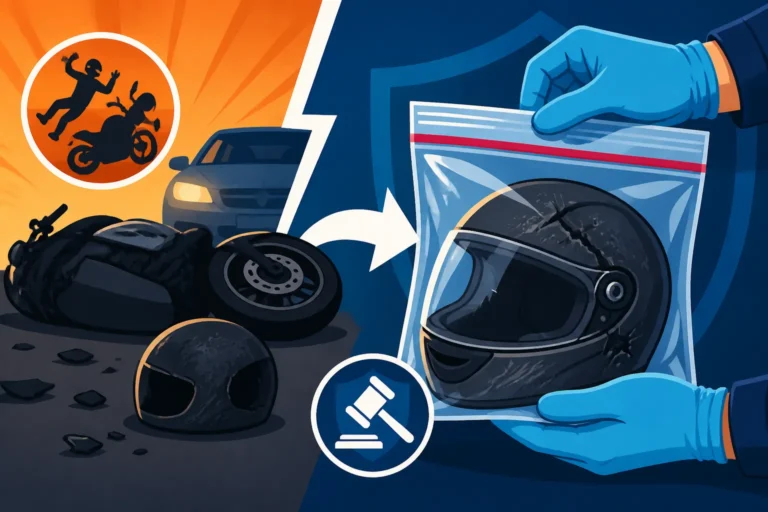
- Document Everything: If you're able, take photos and videos of the accident scene, including vehicle positions, road conditions, skid marks, traffic signs, and any visible injuries. Document your helmet (or lack thereof) and any damage to your bike or gear. The more evidence you have, the stronger your position. Photos to take to prove motorcycle fault are essential.
- Gather Witness Information: Independent witnesses can be incredibly valuable in corroborating your account of the accident, especially if fault is disputed. Get their names and contact information.
Focusing on the Other Driver's Negligence
Remember, even if the helmet defense is raised, it doesn't absolve the other driver of their primary negligence in causing the accident. Your attorney will focus heavily on proving that the other driver's actions were the direct cause of the collision. This involves:
- Police Reports: A detailed police report, while not always definitive, can provide an initial assessment of fault. If the officer assigned blame to the other driver, this is a strong piece of evidence.
- Traffic Laws: Demonstrating that the other driver violated traffic laws (e.g., ran a red light, failed to yield, was distracted, speeding) is key. For example, if a driver failed to yield when turning left, you may want to look into Who Is at Fault in a Left-Turn Collisions Motorcycle Accident.
- Witness Testimony: Eyewitnesses can provide critical accounts of how the accident happened.
- Accident Reconstruction: In serious cases, an expert can reconstruct the accident to show the sequence of events and how the other driver's actions led to the crash.
The other driver's negligence is the foundation of your claim. Your lack of a helmet is a secondary issue that may reduce specific damage amounts, but it doesn't negate the other driver's primary liability.
Seeking Experienced Legal Counsel
Navigating a motorcycle accident claim in New Jersey, particularly when the helmet defense is involved, is incredibly complex. Insurance companies are notorious for trying to minimize payouts, and they will use every legal tactic available. This is where an experienced motorcycle accident attorney becomes invaluable.
An attorney who specializes in motorcycle accidents in New Jersey will:
- Understand New Jersey Law: They know the intricacies of the state's helmet laws and comparative negligence rules, and how they apply specifically to motorcycle cases.
- Counter the Helmet Defense: They can challenge the defendant's expert witnesses, introduce their own medical experts, and argue that even if a helmet might have reduced injury, it doesn't diminish the other driver's culpability for causing the crash.
- Negotiate with Insurers: They are skilled negotiators who can push back against lowball offers and fight for the full and fair compensation you deserve. They understand How Insurers Use the Helmet Defense to their advantage.
- Collect and Present Evidence: Your attorney will meticulously gather all necessary evidence, from medical records and accident reports to witness statements and expert testimony, to build the strongest possible case.
- Maximize Your Settlement: By effectively arguing against the helmet defense and proving the other driver's fault, an attorney can significantly increase your chances of getting a fair settlement, covering not just medical bills and lost wages but also pain and suffering. They know the various Types of Damages in a Motorcycle Accident Claim that apply.
Consider this: an attorney can help ensure you don't fall victim to the common pitfalls and stereotypes that often plague motorcycle accident claims. They can fight to make sure that even if you weren't wearing a helmet, your right to compensation for the damages caused by another driver's negligence is protected. When considering Do You Need a Motorcycle Accident Lawyer, cases involving the helmet defense are a resounding yes.
Comparative Negligence in New Jersey and Your Claim
Let's dive a little deeper into New Jersey's comparative negligence rule, as it's the legal mechanism that truly determines how your helmet use (or lack thereof) might impact your final settlement. Understanding this rule is paramount to knowing what to expect.
New Jersey's 51% Rule in Action
As mentioned, New Jersey operates under a "modified comparative negligence" system, often referred to as the 51% rule. Here's what that entails:
- You Can Recover if Your Fault is 50% or Less: If a jury determines that your own negligence (which could include contributing to your injuries by not wearing a helmet when the law didn't require it, or other factors like speeding) is 50% or less, you can still recover damages from the other party.
- Your Damages are Reduced Proportionally: However, the total amount of damages you are awarded will be reduced by your percentage of fault. So, if you're found 20% at fault for your injuries, your $100,000 award becomes $80,000.
- No Recovery if Your Fault is 51% or More: If the jury finds you 51% or more responsible for the accident or the severity of your injuries, you are completely barred from recovering any compensation from the other driver.
This is a critical distinction from "pure comparative negligence" states (like California, where you can recover even if you're 99% at fault, though your payout would be minimal) and "contributory negligence" states (where even 1% fault bars all recovery). Thankfully, New Jersey is not a States Where 1% Fault Bars Recovery.
Let's look at how the helmet defense might interact with other aspects of fault.
Example: You are riding through an intersection, and another driver runs a red light and hits you. The police report clearly indicates the other driver ran the light, making them 90% at fault for causing the accident. However, you weren't wearing a helmet and sustained a severe head injury. The defense successfully argues that your lack of a helmet contributed 20% to the severity of your head injury.
In this complex scenario, a jury might determine fault for the accident (e.g., other driver 90%, you 10% for something minor like a slight lane deviation), and then separately consider your contribution to the severity of your injuries due to the helmet. It's not always a straightforward calculation, but the 51% rule is the ultimate threshold. If your combined fault for both the accident and the injury severity pushes you over 50%, your claim is gone.
How Insurance Companies Assign Blame
Insurance adjusters are trained to minimize payouts, and they will scrutinize every detail to assign blame. When a helmet isn't worn, it's an immediate red flag for them, even in a state like New Jersey where it's not universally mandated. They will use this information to argue for a reduced settlement.
They often employ tactics like:
- Initial Lowball Offers: They might make a quick, low offer hoping you'll settle before fully understanding the potential value of your claim or the complexities of the law.
- Suggesting Exaggerated Fault: They may try to imply your fault is higher than it actually is, putting pressure on you to accept a reduced settlement to avoid the risk of trial.
- Requesting Extensive Medical Records: While standard, they'll meticulously comb through your medical history to find any pre-existing conditions they can link to your current injuries, further muddying the waters.
This is precisely why having an attorney is crucial. An attorney understands How Insurance Companies Assign Blame to Riders and can push back against these tactics, ensuring that any assessment of your fault is fair and legally sound. They will argue that the primary cause of your damages was the other driver's negligence, and that the "helmet defense" only applies to specific, provable head injuries, not your entire claim.
A Look at Potential Outcomes with the 51% Rule
| Scenario (Adult Rider, No Helmet) | Other Driver's Fault for Accident | Rider's Fault (Other Reasons) | Rider's Contributory Fault (Helmet) | Total Rider Fault | Outcome |
|---|---|---|---|---|---|
| Clear Negligence, Head Injury | 100% | 0% | 20% (for head injury severity) | 20% | Recovers 80% of head injury damages, 100% of other damages. |
| Minor Rider Error, Head Injury | 70% | 15% | 10% (for head injury severity) | 25% | Recovers 75% of all damages (total reduced by 25%). |
| Significant Rider Error, Head Injury | 40% | 40% | 15% (for head injury severity) | 55% | Recovers $0. Barred from recovery due to exceeding 50% fault. |
| No Head Injury | 80% | 20% | 0% (helmet not relevant) | 20% | Recovers 80% of all damages. |
This table clearly illustrates the critical impact of the 51% rule in New Jersey. Your lawyer's job will be to meticulously gather evidence to prove the other driver's fault and to minimize any argument that your actions, including not wearing a helmet (if legally permissible for you), significantly contributed to your overall damages. By strategically presenting your case, an attorney can help How to Maximize Your Motorcycle Accident Settlement, even with these complex factors at play.
Disclaimer
Please remember that this information is for educational purposes only and not legal advice. Every motorcycle accident claim is unique, and the outcome depends heavily on the specific facts and applicable laws. If you've been involved in a motorcycle accident in New Jersey, especially if you weren't wearing a helmet, it is crucial to consult with a qualified personal injury attorney in New Jersey who specializes in motorcycle accidents. They can provide personalized advice based on your individual circumstances.