Average Motorcycle Accident Settlement in North Carolina
Navigating the aftermath of a motorcycle accident in North Carolina can feel like being caught in a whirlwind. Beyond the physical pain and emotional distress, many riders grapple with immense financial uncertainty, wondering how they'll cover medical bills, lost income, and repair costs. This guide will walk you through what to expect regarding average motorcycle accident settlement amounts in North Carolina, focusing on the unique legal landscape and factors that significantly impact your potential payout.
Understanding Motorcycle Accident Settlements in North Carolina
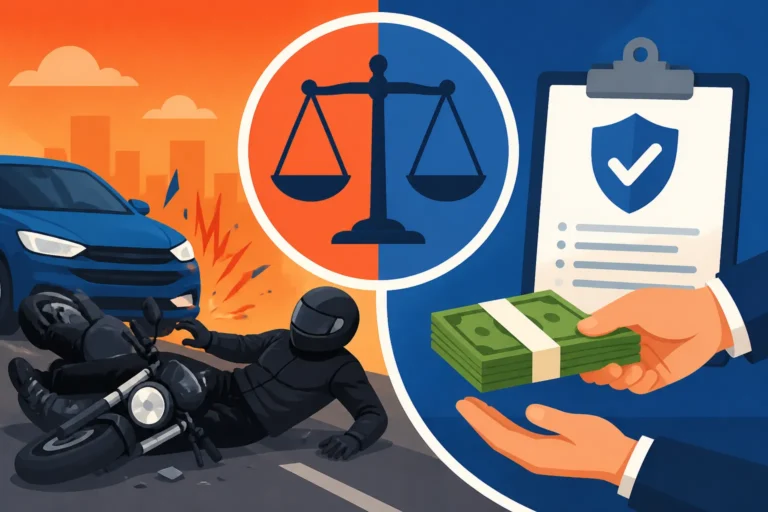
When you've been in a motorcycle accident, a "settlement" refers to a formal agreement between you (the injured rider) and the at-fault party's insurance company to resolve your claim outside of a courtroom. Instead of going through a full trial, both sides agree on a specific amount of money to compensate you for your damages. This process is often preferred because it avoids the lengthy, unpredictable, and often stressful nature of litigation, offering a more certain outcome.
In North Carolina, the settlement process typically begins after you've completed or are well into your medical treatment and have a clearer picture of your injuries, prognosis, and overall financial losses. Your legal representative will compile all your damages – medical bills, lost wages, property damage, and non-economic losses like pain and suffering – into a comprehensive demand package. This package is then sent to the at-fault driver's insurance company, initiating the negotiation phase. Understanding how these figures are calculated is crucial to setting realistic expectations for your recovery. The total value of your claim, and thus your potential settlement, is a direct reflection of the severity of your injuries, the clarity of fault, and the extent of your documented losses. For a deeper dive into the mechanics of valuation, consider reading our guide on How Motorcycle Accident Settlements Are Calculated.
What Influences Settlement Ranges in NC?
The idea of an "average" settlement can be a bit misleading because every motorcycle accident claim is unique. There's no one-size-fits-all figure that applies to every case in North Carolina. What one rider receives for a broken leg might be vastly different from another, even if their injuries seem similar on the surface. Factors like the specific injuries sustained, the amount of medical treatment required, whether you lost time from work, and the emotional toll the accident has taken all play a massive role.
Beyond the immediate tangible losses, the circumstances of the accident itself – such as the egregiousness of the other driver's actions or any perception of shared fault – significantly sway the negotiation. Insurance companies are skilled at minimizing payouts, and they will scrutinize every detail to find reasons to reduce their offer. Therefore, while we can discuss general ranges, remember that your personal circumstances will dictate your specific outcome.
Key Factors Influencing Your Payout in North Carolina
When you're dealing with the aftermath of a motorcycle accident in North Carolina, several critical elements come into play that will directly shape the size of your settlement. It's not just about the impact; it's about the verifiable costs and consequences of that impact on your life.
Injury Severity and Medical Expenses
This is often the most significant component of any motorcycle accident claim. Unlike car drivers, motorcyclists have far less protection, leading to typically more severe and catastrophic injuries. The nature, extent, and long-term implications of your injuries directly correlate with the compensation you can expect.
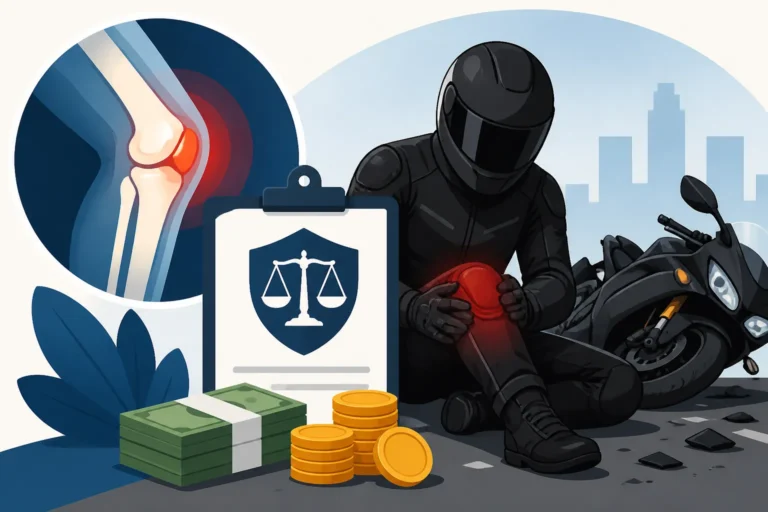
For example, a minor road rash injury that heals with basic wound care will command a much lower settlement than a complex spinal cord injury requiring multiple surgeries, extensive physical therapy, and potentially lifelong care. Think about the costs of ambulance rides, emergency room visits, hospital stays, diagnostic tests (X-rays, MRIs, CT scans), specialist consultations, surgeries, medications, rehabilitation, and any necessary adaptive equipment. All these expenses, both current and projected future costs, are meticulously documented and factored into your claim. It's not uncommon for motorcycle accidents to result in debilitating conditions such as traumatic brain injuries, which can impact cognitive function, personality, and the ability to perform daily tasks for years, or even a lifetime. We often see a wide spectrum of issues, from relatively Common Motorcycle Accident Injuries like fractures to severe conditions such as paralysis. Specific severe injuries like Road Rash Injuries and Claims can vary widely in severity, from superficial scrapes to deep abrasions requiring skin grafts, dramatically affecting treatment costs and settlement value.
Lost Wages and Earning Capacity
Motorcycle accidents often leave riders unable to work, sometimes for extended periods. This loss of income is a tangible and recoverable damage. Your settlement should account for any wages you've already lost due to your injuries, which is typically calculated by looking at your pay stubs, employment records, and tax returns.
However, the impact can extend far beyond immediate lost paychecks. If your injuries are severe enough to prevent you from returning to your previous job, or if they reduce your capacity to earn money in the future, you can claim "loss of earning capacity." This is a more complex calculation, often requiring economic experts to project your lost future income based on your age, profession, education, and the extent of your disability. This includes missed bonuses, commissions, benefits, and opportunities for advancement. The longer you're out of work or the more your ability to work is compromised, the higher this portion of your claim will be. Understanding How Lost Wages Are Calculated is vital for ensuring you don't undervalue this critical aspect of your claim.
Pain and Suffering Damages
Unlike medical bills or lost wages, which are relatively straightforward to quantify, "pain and suffering" falls under non-economic damages. These damages compensate you for the physical pain, emotional distress, mental anguish, inconvenience, loss of enjoyment of life, and overall impact the accident has had on your well-being. This is where the human element of your suffering comes into play.
In North Carolina, valuing pain and suffering can be challenging and subjective. There isn't a simple formula like "three times medical bills" that insurance adjusters sometimes throw around. Instead, factors like the severity and duration of your pain, the extent to which your daily life activities (hobbies, family time, personal care) have been disrupted, and any psychological trauma like PTSD or anxiety are considered. Keeping a detailed journal of your pain levels, emotional state, and daily struggles can be invaluable in demonstrating the profound impact the accident has had. While calculating these damages can be complex, understanding Pain and Suffering in Motorcycle Settlements and the often-overlooked aspect of Emotional Distress Damages is crucial for a complete claim.
The Impact of North Carolina's Contributory Negligence Rule
One of the most significant and often frustrating aspects of pursuing a motorcycle accident claim in North Carolina is its strict adherence to the doctrine of contributory negligence. This rule is a major outlier compared to most other states and can dramatically impact your ability to recover any compensation at all.
What is Contributory Negligence
Simply put, North Carolina is one of a handful of states that follows a "pure contributory negligence" rule. This means that if you are found to be even 1% at fault for the accident, you are legally barred from recovering any damages from the other party. Yes, you read that right – even a tiny sliver of blame can mean you walk away with nothing, regardless of how negligent the other driver was or how severe your injuries are. This is a stark contrast to the "comparative negligence" systems used in most other states, where you can still recover damages even if you're partially at fault, simply having your award reduced by your percentage of fault. This is why it’s so critical to understand the difference between Contributory vs Comparative Negligence Explained.
Imagine a scenario: you're riding your motorcycle, and a car suddenly makes a left turn directly in front of you, causing a collision. The car driver is clearly 99% at fault. However, if an investigation reveals you were traveling just 5 mph over the speed limit, even that minor infraction could be used by the defense to argue you contributed to the accident. Under North Carolina law, if that argument prevails, your claim could be entirely dismissed. This unforgiving rule places a heavy burden on the injured rider to prove the other party was solely at fault. It's one of the reasons why North Carolina is listed among the States Where 1% Fault Bars Recovery.
Exceptions and How They Apply
While North Carolina's contributory negligence rule seems incredibly harsh, there are a few very narrow exceptions that might allow a motorcycle rider to still recover damages. These exceptions are complex and highly fact-specific, making them challenging to prove.
One such exception is the "Last Clear Chance" doctrine. This doctrine applies when the defendant (the at-fault driver) had the last clear opportunity to avoid the accident, even if the plaintiff (the motorcyclist) was initially negligent. For this to apply, you would need to demonstrate that you were in a position of peril due to your own negligence, the other driver knew or should have known of your peril, and they had the physical ability and time to avoid the collision but failed to do so. Another potential argument involves "gross negligence" on the part of the defendant, where their actions were so reckless or wanton that they essentially override any minor fault on your part. Proving these exceptions requires a thorough understanding of North Carolina's specific legal precedents and a detailed investigation into the accident's circumstances. Because fault determination is so pivotal, understanding How Fault Is Determined in Motorcycle Accidents is paramount in North Carolina.
Navigating Insurance and Legal Processes in North Carolina
Dealing with the aftermath of a motorcycle accident is stressful enough. Adding the complexities of insurance claims and legal battles in a state with unique rules like North Carolina can feel overwhelming. It's crucial to approach these processes with a clear strategy.
Dealing with Insurance Companies
After an accident, the at-fault driver's insurance company will almost immediately begin their investigation. Their primary goal is to minimize their payout, and they have an arsenal of tactics to achieve this. In North Carolina, with its strict contributory negligence rule, insurance adjusters will often aggressively search for any evidence, no matter how minor, to assign even a tiny percentage of fault to the motorcyclist. They might try to get you to make recorded statements, offering seemingly friendly advice, but these statements can later be used against you. They know that motorcycle riders, unfortunately, often face negative stereotypes, and they won't hesitate to exploit these biases to argue the rider was reckless or contributed to the crash.
You might hear arguments about your speed, your lane position, your gear choice, or even your general riding style, all in an attempt to shift blame. They may offer a quick, lowball settlement hoping you'll accept it before you fully understand the extent of your injuries or the value of your claim. This is why it's so important to be cautious and to avoid giving any statements or signing anything without legal counsel. Being aware of How Insurers Use Rider Stereotypes Against You is your first line of defense. Remember, the insurance company is not on your side, and their adjusters are trained negotiators whose loyalty lies with their employer, not your recovery. This entire process is a negotiation, and preparing for it effectively is key, as highlighted in our article on How to Negotiate a Motorcycle Accident Settlement.
The Role of a Motorcycle Accident Attorney
Given North Carolina's harsh contributory negligence rule, having an experienced motorcycle accident attorney on your side is not just helpful, it's often absolutely essential. Attempting to navigate the insurance claims process and legal system by yourself in NC can be a recipe for disaster. An attorney understands the nuances of North Carolina law, particularly the contributory negligence defense, and knows how to strategically counter insurance company tactics.
Your attorney will immediately launch their own investigation, gathering crucial evidence like police reports, witness statements, traffic camera footage, and accident reconstruction reports. They will work tirelessly to establish the other driver's sole fault and protect you from any allegations of contributory negligence. Furthermore, they will help you accurately document all your damages, including future medical expenses and lost earning capacity, ensuring no stone is left unturned in valuing your claim. They handle all communication with the insurance companies, shielding you from their aggressive tactics and allowing you to focus on your recovery. For many riders, the question isn't whether they can settle without a lawyer, but whether they can achieve a fair settlement, or any settlement at all, without one. Knowing Do You Need a Motorcycle Accident Lawyer can provide important clarity. The earlier you consult an attorney, the better position you'll be in to protect your rights and build a strong case. This is why understanding When to Hire a Motorcycle Accident Lawyer is so critical.
Factors Affecting Motorcycle Accident Settlements in North Carolina
| Factor | Description | North Carolina Specific Consideration |
|---|---|---|
| Injury Severity | Type, extent, and long-term impact of physical injuries (e.g., road rash, broken bones, TBI). | Motorcycle injuries are often more severe. Thorough documentation is crucial for higher settlements, especially with NC's strict fault laws. |
| Medical Expenses | All past and future costs for treatment, medication, therapy, rehabilitation. | Comprehensive records of all medical care are paramount. Future medical expenses require detailed expert projections, especially since a claim can be barred by contributory negligence. |
| Lost Wages | Income lost due to inability to work, including past and future earning capacity. | Documented proof of lost income (pay stubs, tax returns) is essential. Expert testimony might be needed for loss of future earning capacity, particularly if an attorney needs to prove that 100% of the rider's losses are due to the defendant's actions. |
| Pain and Suffering | Non-economic damages for physical pain, emotional distress, mental anguish, loss of enjoyment of life. | Subjective but vital. Detailed personal journals, therapy records, and witness testimony can help substantiate these claims. However, if any contributory negligence is found, these non-economic damages will also be completely unrecoverable, making the 'pure fault' argument even more crucial. |
| Property Damage | Cost to repair or replace the damaged motorcycle, gear, and other personal items. | Typically a more straightforward calculation, but still part of the overall settlement. |
| Contributory Negligence | Legal rule where a plaintiff cannot recover damages if they contributed any fault to the accident. | CRITICAL NC FACTOR: If a rider is found even 1% at fault, they are barred from recovery. This is the biggest hurdle in NC motorcycle accident claims and dictates the entire legal strategy. |
| Insurance Policy Limits | Maximum amount the at-fault driver's insurance will pay for damages. | If damages exceed limits, other avenues (UM/UIM, personal assets) must be explored. Your own Underinsured/Uninsured Motorist coverage becomes vital. |
| Evidence Quality | Strength of collected evidence (police reports, photos, videos, witness statements, expert testimony). | Strong, unambiguous evidence of the other driver's sole fault is indispensable to overcome the contributory negligence defense. |
| Legal Representation | Having an experienced attorney to negotiate, litigate, and protect your rights. | HIGHLY RECOMMENDED IN NC: An attorney is often crucial to navigate contributory negligence and maximize your chances of any recovery. |
Disclaimer
The information provided in this article is for general informational purposes only and does not constitute legal advice. Every motorcycle accident claim is unique, and the outcome depends heavily on the specific facts and applicable laws. You should consult with a qualified legal professional for advice regarding your individual situation.