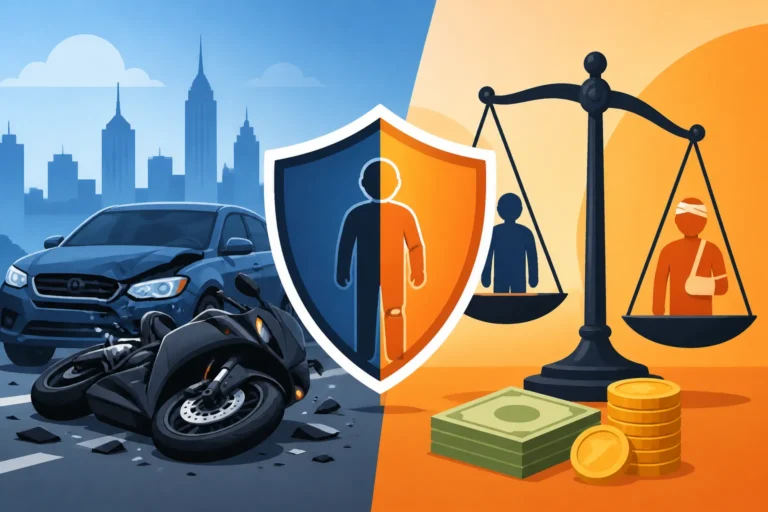
Average Motorcycle Accident Settlement in South Carolina
After a motorcycle accident in South Carolina, one of the most pressing questions on any rider's mind, beyond their immediate recovery, is often "What's my case worth?" It’s a completely natural concern, especially when faced with mounting medical bills, lost wages, and the uncertainty of future care. This guide aims to pull back the curtain on how motorcycle accident settlements are determined in the Palmetto State, offering realistic insights into what you might expect for your claim.
Understanding South Carolina's Unique Legal Landscape for Motorcycle Accidents
Dealing with the aftermath of a motorcycle accident is tough enough without having to decipher complex legal jargon. South Carolina has its own set of rules that significantly impact how motorcycle accident claims, and ultimately settlements, are handled. Knowing these specifics can make a real difference in how you approach your recovery and your claim.
At-Fault System and Comparative Negligence
South Carolina operates under an "at-fault" system when it comes to vehicle accidents. This means that the party responsible for causing the accident is generally liable for the damages incurred by others. So, if a negligent driver causes an accident that injures you on your motorcycle, their insurance company (or they, directly) would typically be on the hook for your expenses and losses. However, it's not always so black and white, especially when the insurance companies get involved. They often try to shift some or all of the blame to the rider.
This is where South Carolina's modified comparative negligence rule comes into play, a critical aspect that directly influences your potential settlement amount. Under this rule, if you are found to be 51% or more at fault for the accident, you are legally barred from recovering any damages from the other party. It's a harsh reality that can completely derail a claim, even if the other driver was also negligent. If you are found to be less than 51% at fault, your total damages will be reduced by your percentage of fault. For example, if your total damages are $100,000 but you are found to be 20% at fault, you would only be able to recover $80,000. Understanding who is at fault in a motorcycle accident is crucial, as is comprehending the intricacies of Comparative Negligence in Motorcycle Accidents. This system emphasizes the importance of thoroughly documenting the scene and gathering all available evidence to accurately assign blame.
The Role of Insurance Minimums in South Carolina
Another significant factor in South Carolina settlements is the state's minimum insurance requirements. Every driver in South Carolina is legally required to carry a certain amount of liability insurance. As of my last check, these minimums are often referred to as 25/50/25:
- $25,000 for bodily injury liability per person: This covers medical expenses, lost wages, and pain and suffering for one person injured in an accident you cause.
- $50,000 for bodily injury liability per accident: This is the maximum amount the insurance company will pay for all injuries if multiple people are hurt in an accident you cause.
- $25,000 for property damage liability per accident: This covers damage to the other person's vehicle or property.
While these minimums might seem like a safety net, they can quickly become a ceiling on your recovery, especially after a serious motorcycle accident. Motorcycle accident injuries are often severe, and medical bills can easily exceed $25,000. If the at-fault driver only carries the minimum liability coverage, and your damages surpass that amount, you could be left to cover the remainder out of pocket unless you have additional coverage like Underinsured Motorist (UIM) coverage, or you pursue a personal lawsuit against the at-fault driver's personal assets – a path that often proves difficult and costly. This highlights why understanding the How Insurance Policy Limits Affect Your Payout is so important for riders.
Factors That Heavily Influence Your Settlement in South Carolina
When we talk about an "average" settlement, it's really an elusive concept because no two motorcycle accidents are ever truly the same. Every claim is a complex tapestry woven from unique circumstances, and several key threads determine the ultimate payout.
Severity and Type of Injuries Sustained
The most significant factor influencing any motorcycle accident settlement is the nature and severity of the injuries you’ve sustained. Unlike car drivers, motorcyclists lack the protective shell of a vehicle, making them incredibly vulnerable to severe trauma in a collision. Common motorcycle accident injuries can range from painful road rash and broken bones to catastrophic head, neck, and spinal cord injuries. A broken leg that requires surgery and weeks of physical therapy will understandably warrant a higher settlement than minor bumps and bruises.
Consider a scenario where a rider suffers a traumatic brain injury (TBI) after being hit by a distracted driver on I-26 near Charleston. The immediate medical costs, emergency room visits, scans, and potentially life-saving surgery would be astronomical. Beyond that, there are long-term rehabilitation, cognitive therapy, and the possibility of permanent disability, affecting their ability to work and enjoy life. Contrast this with a rider who experiences severe road rash and a few fractured ribs after a low-speed collision on a side street in Columbia. While painful and requiring medical attention, the long-term impact and associated costs are generally less. The type of injuries, the prognosis for recovery, the need for future medical care, and how these injuries impact your daily life and livelihood all play a critical role in shaping the value of your claim. Getting proper medical documentation is vital for your claim, as discussed in How to Document Injuries for a Claim.
Economic and Non-Economic Damages Specific to SC Claims
In South Carolina, as in most states, damages in a personal injury claim are broadly categorized into economic and non-economic damages. Both are crucial for calculating your potential settlement.
Economic Damages: These are the quantifiable, objective financial losses you’ve incurred due to the accident. They're typically easier to calculate because they come with invoices, receipts, and wage statements.
- Medical Expenses: This includes everything from ambulance rides, emergency room visits, doctor consultations, surgeries, prescription medications, physical therapy, rehabilitation, and future medical care costs. For instance, if you had a stay at Prisma Health Richland Hospital and subsequent therapy at a specialized clinic, all those bills count.
- Lost Wages: If your injuries prevented you from working, you can claim the income you lost during your recovery period. This includes your regular salary or hourly wages, bonuses, commissions, and even missed opportunities for overtime. For self-employed individuals, proving lost income can be more complex, often requiring detailed financial records.
- Loss of Earning Capacity: This applies if your injuries result in a permanent disability or impairment that prevents you from returning to your previous job or significantly reduces your future earning potential. This is a more complex calculation, often requiring expert testimony from vocational and economic specialists.
- Property Damage: This covers the cost to repair or replace your damaged motorcycle, as well as any damaged gear like helmets, jackets, or boots.
Non-Economic Damages: These are more subjective and harder to put a precise dollar figure on, as they represent the intangible losses that significantly impact your quality of life. Yet, they often form a substantial part of a motorcycle accident settlement in South Carolina.
- Pain and Suffering: This encompasses the physical pain and discomfort you've endured, both immediately after the accident and throughout your recovery. This includes chronic pain, discomfort from surgeries, and ongoing physical limitations.
- Emotional Distress: Motorcycle accidents can be incredibly traumatizing, leading to anxiety, depression, PTSD, fear of riding again, and other psychological impacts. These emotional tolls are very real and compensable.
- Loss of Enjoyment of Life: If your injuries prevent you from participating in hobbies, activities, or aspects of life you once enjoyed (like riding your motorcycle, playing with your kids, or working in your garden), you can seek compensation for this loss.
- Scarring and Disfigurement: Permanent scars, disfigurement, or amputations can lead to significant emotional distress and self-consciousness, which are also compensable.
The combination of these economic and non-economic losses forms the basis of what you can claim. For a deeper dive into these classifications, you might find Types of Damages in a Motorcycle Accident Claim insightful. Furthermore, specifically addressing the subjective side of things, our article on Pain and Suffering in Motorcycle Settlements provides more detailed information.
Estimating Your Potential Settlement Value in South Carolina
The question of "average settlement" is a common one, but it's important to approach it with a clear understanding of why a single number can be deeply misleading.
The 'Average' Settlement Myth and Why It's Misleading
When people ask about the "average motorcycle accident settlement in South Carolina," they're often hoping for a concrete number that will provide reassurance or a benchmark for their own case. The truth is, there isn't one. The range of settlements is incredibly vast, from a few thousand dollars for minor injuries and property damage to hundreds of thousands, or even millions, for catastrophic injuries with lifelong impacts.
Imagine trying to find the "average house price" in South Carolina without specifying a location, size, or condition. You could be comparing a cozy two-bedroom in a rural area to a sprawling beachfront mansion on Hilton Head Island. The numbers would be so different that an average would be meaningless. The same applies to accident settlements. Factors like the specific county where the accident occurred (e.g., Charleston County might yield different jury verdicts than Greenville County), the judge, the jury pool, the at-fault driver's assets, and the unique combination of your injuries and losses all contribute to making each case an individual calculation. Relying on an "average" can set unrealistic expectations, either too high or too low, leading to disappointment or missed opportunities. It's much more productive to understand How Motorcycle Accident Settlements Are Calculated rather than chasing a mythical average.
How Insurers and Lawyers Value Claims in South Carolina
Both insurance companies and experienced motorcycle accident lawyers use various methods to value a claim, though their ultimate goals are often at odds. Insurers aim to pay out the least amount possible, while your lawyer strives to maximize your compensation.
Insurance Company Approach: Insurers typically use formulas or software programs, often leveraging a "multiplier" method for non-economic damages. They'll tally your economic damages (medical bills, lost wages) and then multiply that sum by a factor (usually between 1.5 and 5, or even higher for very severe cases) to arrive at a value for your pain and suffering. They will also consider the strength of the evidence, your percentage of fault, and any "red flags" in your medical history or conduct. For example, if you had a gap in medical treatment, they might argue your injuries weren't serious or weren't caused by the accident. They might also try to use negative stereotypes against riders, suggesting you were inherently reckless, regardless of the facts.
Lawyer's Approach: A seasoned personal injury lawyer in South Carolina will take a much more comprehensive and nuanced approach. They won't just plug numbers into a simple formula. They will:
- Thoroughly Investigate: Gather all evidence, including police reports, witness statements, accident reconstruction reports, traffic camera footage, and medical records.
- Consult Experts: For complex injuries or significant future losses, they might consult with medical specialists, vocational experts, and economists to project future medical costs and lost earning capacity.
- Understand Precedent: Draw upon their experience with similar cases, jury verdicts in South Carolina courts, and current legal trends to determine a fair and reasonable settlement range.
- Negotiate Aggressively: Armed with all this information, they will prepare a detailed demand letter and engage in skilled negotiations with the insurance company, prepared to file a lawsuit if a fair settlement cannot be reached. They know the tactics insurers use and how to counter them effectively.
Understanding these different valuation methods can help you see why seeking professional legal guidance is often beneficial to ensure your claim is valued fairly and not just dismissed with a lowball offer.
Here’s a simplified comparison of factors influencing settlement values:
| Factor | Low Impact on Settlement | Moderate Impact on Settlement | High Impact on Settlement |
|---|---|---|---|
| Injury Type | Minor abrasions, sprains, bruises | Broken bones (simple), moderate road rash, whiplash | Spinal cord injury, TBI, internal organ damage, amputation, paralysis |
| Medical Treatment | ER visit, follow-up with PCP, few therapy sessions | Specialist visits, short-term physical therapy, minor surgery | Extensive surgeries, long-term rehabilitation, chronic pain management, assistive devices |
| Lost Wages | A few days off work, easily recovered | Several weeks or months off work, full recovery expected | Permanent disability preventing return to work, significant loss of earning capacity |
| Pain & Suffering | Temporary discomfort, minor emotional distress | Persistent pain, anxiety, sleep disturbance, impacting daily life | Chronic debilitating pain, severe PTSD, depression, loss of enjoyment of life, disfigurement |
| Fault | 100% other party's fault | Shared fault (e.g., 20-49% rider's fault) | Rider 51% or more at fault (bars recovery in SC) |
| Insurance Coverage | Minimum liability limits for serious injuries (underinsured driver) | Adequate coverage matching damages | High policy limits, multiple policies, UM/UIM coverage |
| Evidence Quality | Scant photos, no witnesses, vague medical records | Police report, some photos, few witnesses, consistent medical records | Strong police report, extensive photos/videos, multiple credible witnesses, clear medical records, expert testimony |
Navigating the Settlement Process in South Carolina
Getting through the aftermath of a motorcycle accident in South Carolina isn't just about physical recovery; it's also about navigating a potentially complex legal and administrative process. Knowing the steps and what to expect can alleviate some stress.
Initial Steps After a Motorcycle Accident
What you do immediately following a motorcycle accident can profoundly impact your ability to recover damages and secure a fair settlement in South Carolina. Emotions run high, and pain can be overwhelming, but taking certain actions can protect your rights. Our guide on What to Do Immediately After a Motorcycle Accident offers a detailed checklist, but here are some critical first steps:
- Seek Medical Attention Immediately: Even if you feel okay, some severe injuries, like concussions or internal bleeding, might not present symptoms right away. Get checked out by paramedics at the scene or go to an emergency room like Roper Hospital or McLeod Regional Medical Center. This not only protects your health but also creates crucial documentation for your claim. Gaps in treatment can be used by insurance companies to argue your injuries aren't serious or weren't caused by the accident.
- Call the Police: A police report is an official record of the accident and can be invaluable in establishing fault. Ensure the officers gather information from all parties and witnesses.
- Document the Scene: If you are physically able, take photos and videos of everything: your motorcycle, the other vehicle, the road conditions, skid marks, traffic signals, weather, and any visible injuries. Exchange information with the other driver and gather contact details for any witnesses.
- Do Not Admit Fault: Even a casual "I'm sorry" can be twisted and used against you later by insurance companies. Stick to the facts when speaking with police and avoid speculating about what happened.
- Notify Your Insurance Company: You are generally required to notify your own insurance company of the accident promptly, but be cautious about giving recorded statements to the other driver's insurer without legal counsel.
- Consult with a Motorcycle Accident Lawyer: This is perhaps the most important step. An experienced South Carolina motorcycle accident lawyer can guide you through the process, protect your rights, and handle all communications with insurance companies, allowing you to focus on your recovery. They know the local laws, judges, and typical jury tendencies in areas like Charleston, Columbia, or Greenville. If you're wondering Do You Need a Motorcycle Accident Lawyer, the answer is almost always yes, especially in complex injury cases.
Negotiation and Litigation Considerations in South Carolina
The journey from accident to settlement can be a long one, often involving extensive negotiation and, in some cases, litigation. In South Carolina, once your medical treatment is largely complete, and your prognosis is established (often referred to as Maximum Medical Improvement, or MMI), your legal team will typically compile all your damages and send a demand letter to the at-fault driver's insurance company.
The Negotiation Phase: This is where your lawyer will present a comprehensive package detailing your injuries, medical expenses, lost wages, and pain and suffering, along with supporting evidence. The insurance company will then likely make a counter-offer, which is almost always lower than your demand. This begins a back-and-forth negotiation process. Your lawyer's experience in valuing cases, understanding insurance tactics, and knowing when to push back is critical here. They will work to build a compelling case that proves the other driver’s negligence and quantifies your losses, aiming to reach a fair settlement without going to court. Sometimes, mediation or arbitration may be suggested as alternatives to resolve disputes outside of a formal trial, often a common practice in South Carolina to avoid court backlogs.
When to Consider Litigation: If negotiations fail to produce a fair settlement offer, your lawyer might advise filing a lawsuit. This doesn't necessarily mean you'll go to trial; many cases settle after a lawsuit is filed, sometimes even on the courthouse steps. However, filing a lawsuit initiates the discovery process, where both sides exchange information and evidence, and depositions ( sworn testimonies ) are taken. If a settlement still isn't reached, the case would proceed to trial before a judge and jury. Going to trial involves more time, expense, and uncertainty, but it can also be the only way to secure the full compensation you deserve, particularly in cases with significant damages or disputed fault. The decision to pursue litigation is a serious one, and it's something you and your lawyer will discuss thoroughly, weighing the risks and potential rewards. The overall How Long Does a Motorcycle Settlement Take can vary wildly depending on whether a lawsuit becomes necessary. Moreover, for strategies on boosting your claim's value, check out How to Maximize Your Motorcycle Accident Settlement.
Disclaimer
Please remember, this article provides general information and insights into motorcycle accident settlements in South Carolina and should not be considered legal advice. Every case is unique, and the specific facts and circumstances of your accident will determine its outcome. It is crucial to consult with an experienced South Carolina personal injury attorney to discuss your individual situation and receive personalized legal guidance.