When Both Riders and Drivers Share Fault
Shared fault in motorcycle accidents affects injury claims through comparative negligence laws that assign percentage blame.
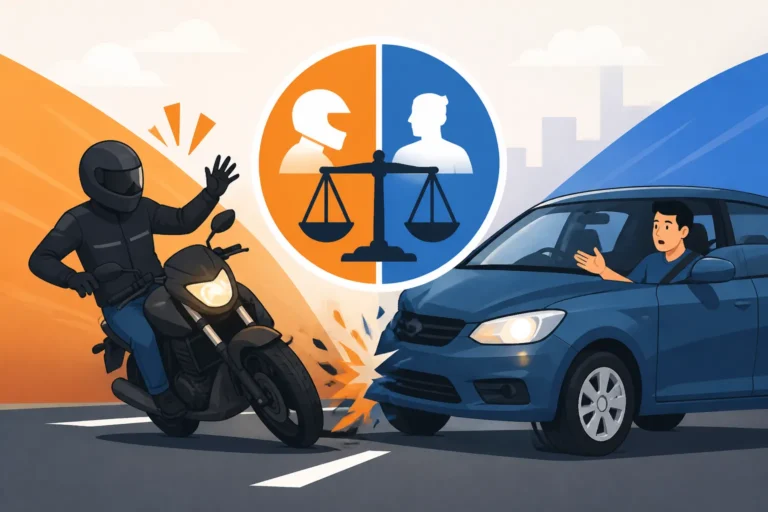
Shared fault in motorcycle accidents affects injury claims through comparative negligence laws that assign percentage blame.
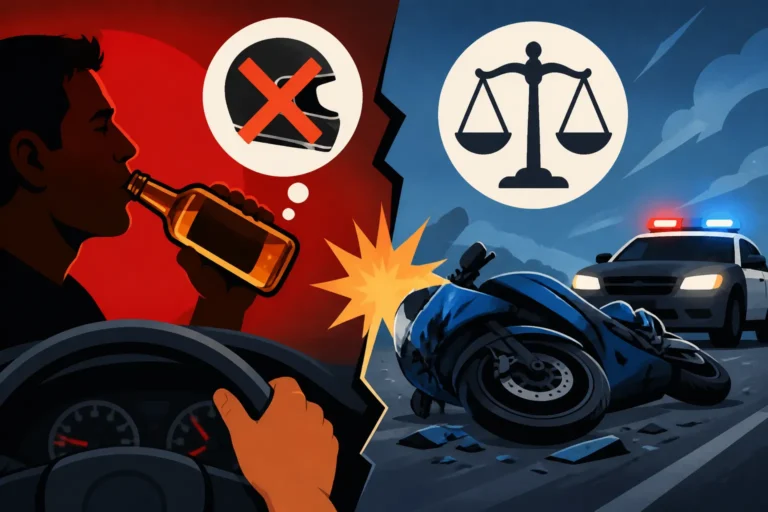
Drunk driving impacts motorcycle accident claims by establishing clear liability, overcoming rider bias, and increasing compensation.
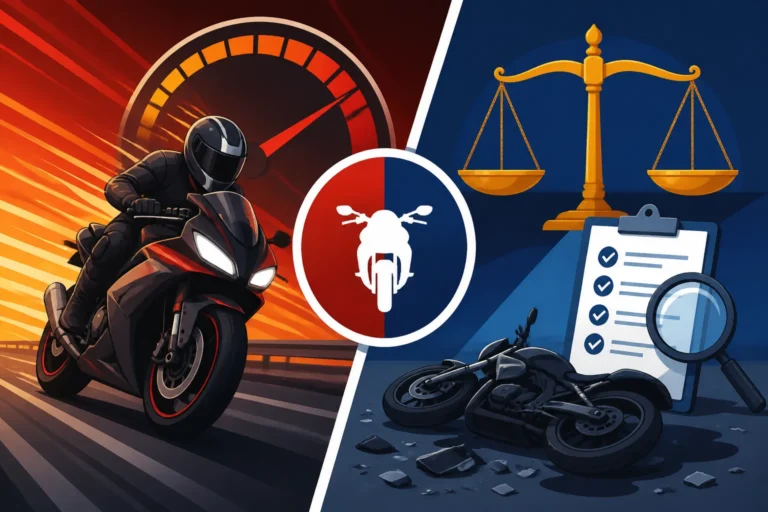
Speeding accusations in motorcycle accidents affect fault determination, insurance claims, and negligence assessments during legal disputes.
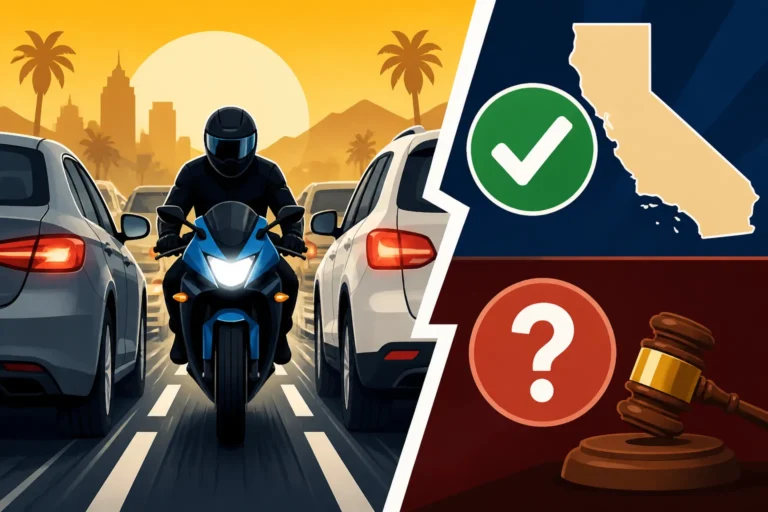
California motorcycle laws and Assembly Bill 51 explicitly legalize lane splitting, making it the only US state permitting the practice.
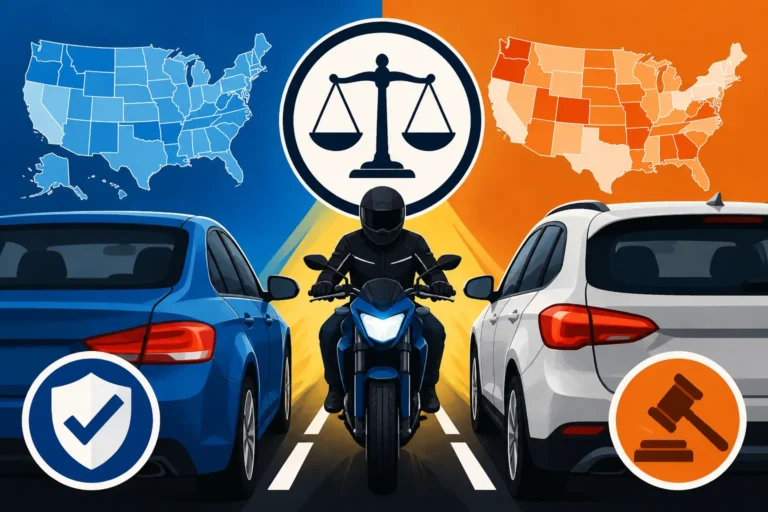
State laws regarding motorcycle lane splitting and filtering determine legal fault in accidents across the United States.
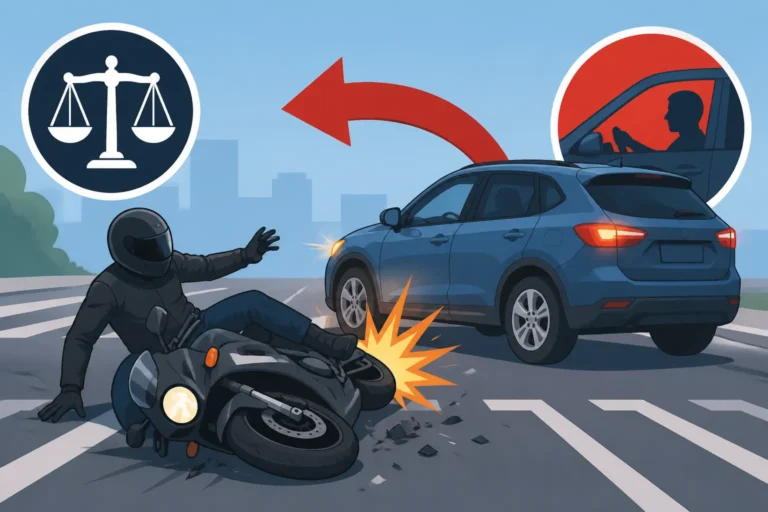
Left-turn motorcycle accidents usually hold car drivers liable due to right-of-way rules, speeding misjudgments, and distractions.
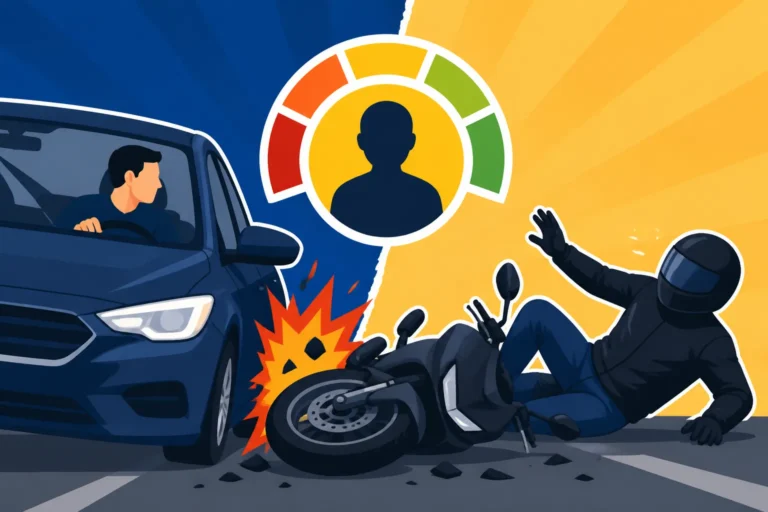
Motorcycle crash statistics show car drivers are at fault in about two thirds of collisions, often during left turns or lane changes.
Motorcycle accident fault statistics and insurance company bias reveal why riders face unfair blame and reduced claim payouts.
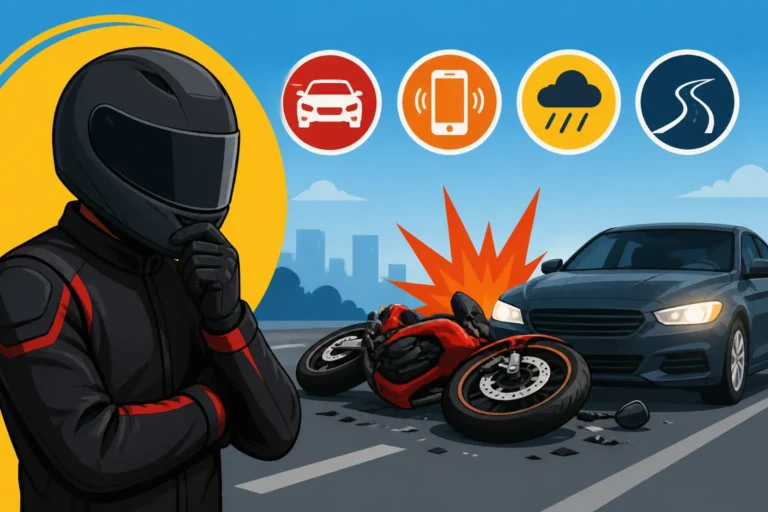
Driver inattention, left-turn collisions, and unsafe lane changes cause most motorcycle crashes, challenging rider fault misconceptions.
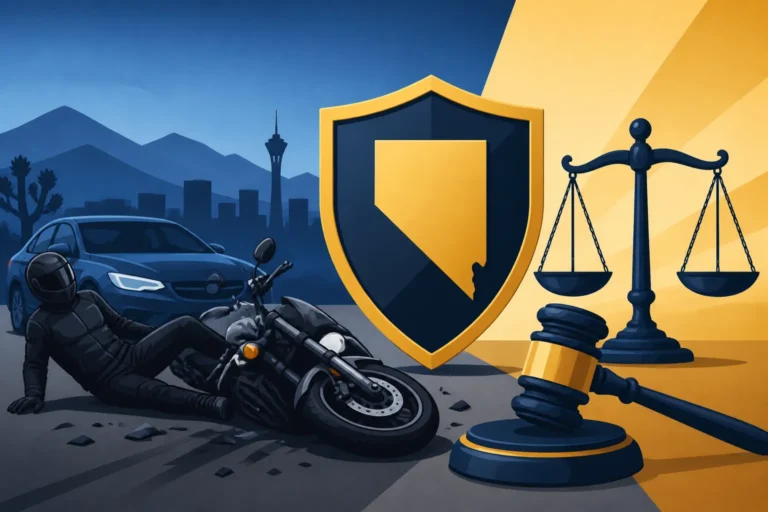
Nevada motorcycle accident fault laws and the modified comparative negligence system determine compensation for injured riders.