Are Motorcycle Accidents Usually the Rider’s Fault
It's a frustrating, all-too-common scenario: you're riding your motorcycle, minding your own business, and then, BAM! An accident happens. Before the dust even settles, you can almost hear the whispered accusations or see the judgmental glares suggesting that, because you were on a bike, it must have been your fault. This guide is here to tell you that this pervasive myth is often far from the truth and to help you understand the realities of fault in motorcycle accidents.
The Lingering Stereotype and Its Unfair Impact on Riders
Let's be real: there's a deeply ingrained societal bias against motorcyclists. Many drivers, and even some jurors, hold onto the outdated idea that anyone on two wheels is inherently reckless, speeding, or taking unnecessary risks. This stereotype isn't just annoying; it can profoundly impact how a motorcycle accident claim is perceived and handled, often unfairly shifting the blame onto the rider.
The "Reckless Rider" Myth in the Public Consciousness
Where does this myth even come from? It's a mix of media portrayal, a lack of understanding about motorcycle operation, and a general discomfort some people feel seeing motorcycles on the road. When someone hears about a motorcycle accident, their first thought might jump to images of stunts, high speeds, or aggressive maneuvers, rather than considering the careful, experienced rider who was simply commuting to work. This predisposed notion can make it incredibly difficult for riders to get a fair shake, even when objective evidence points squarely to another party's negligence. It's a battle not just against the facts of the accident, but against public perception.
How Insurance Companies Exploit Rider Bias to Assign Blame
Sadly, insurance companies are well aware of this bias, and some will use it to their advantage. Their primary goal is to minimize payouts, and if they can argue that the motorcyclist was wholly or even partially at fault, they can significantly reduce or even deny a claim. They might try to paint you as speeding, weaving, or not being visible, even if these claims are baseless. This is where the initial hours and days after an accident become critical, as insurers often move quickly to gather information that supports their predetermined narrative. Understanding How Insurance Companies Assign Blame to Riders is crucial for protecting yourself. They'll scrutinize every detail, from your riding gear to your license endorsement, looking for any perceived lapse to bolster their case.
Real-World Consequences for Injured Riders
The consequences of this unfair blame game are far-reaching. Beyond the physical pain and trauma of an accident, motorcyclists often face an uphill battle to recover damages for their medical bills, lost wages, and pain and suffering. If fault is unfairly assigned, your settlement can be drastically reduced, leaving you to bear the financial burden of an accident that wasn't your fault. Imagine dealing with extensive injuries, needing time off work, and then being told your claim is worth less because "you were on a motorcycle." It's disheartening, and it adds immense stress to an already difficult situation.
Common Causes of Motorcycle Accidents and Who is Truly at Fault
It's vital to dissect the actual data on motorcycle accidents, rather than relying on gut feelings or stereotypes. The facts often reveal a different picture entirely about Who Is at Fault in a Motorcycle Accident. While some accidents are indeed caused by rider error, a significant percentage stems from the negligence of other drivers.
Driver Negligence as a Primary Factor in Collisions
Despite common misconceptions, car and truck drivers are often the primary cause of motorcycle accidents. Many drivers simply fail to see motorcycles, misjudge their speed or distance, or are distracted. This isn't just an anecdotal observation from riders; numerous studies and accident analyses confirm it.
Left-Turn Accidents and the "I Didn't See You" Defense
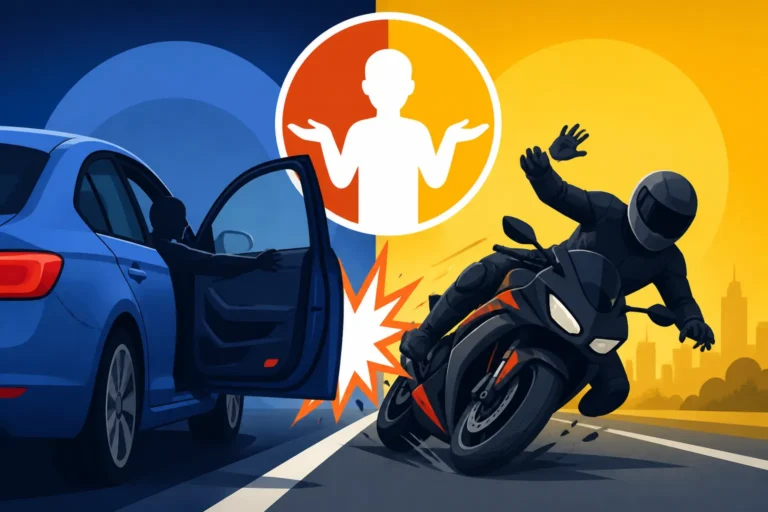
One of the most frequent and dangerous scenarios involves cars making left turns in front of motorcycles. A driver turning left might claim they "didn't see" the motorcycle, but often, it's a failure to properly look, scan, or yield the right-of-way. The consequences for the rider in these situations are almost always severe. These are specific types of Motorcycle Accidents Caused by Left-Turn Collisions where the car driver is almost universally deemed at fault. It's a classic case of negligence, but the "I Didn't See the Motorcycle" Defense Explained is a tactic often employed by the at-fault driver's insurance company.
Unsafe Lane Changes and Distracted Driving
Another prevalent issue is drivers making unsafe lane changes without checking their blind spots or signaling properly. Motorcycles can easily be overlooked by drivers who aren't actively scanning. Furthermore, the rise of distracted driving – texting, talking on the phone, or even eating – has only exacerbated this problem. A momentary lapse in attention from a driver can lead to a catastrophic accident for a motorcyclist. These acts of negligence by other drivers contribute significantly to Common Causes of Motorcycle Accidents.
Road Hazards and Third-Party Liability
Sometimes, the fault lies not with a driver or rider, but with the road conditions themselves. Potholes, gravel, uneven pavement, or construction debris can be minor annoyances for a car, but they can be incredibly dangerous, even deadly, for a motorcyclist.
When an accident is caused by a dangerous road condition, the entity responsible for maintaining that road – often a city, county, or state government agency – could be held liable. Similarly, if a defective part on the motorcycle contributed to the crash, the manufacturer could be at fault. These are complex cases that fall under How Fault Is Determined in Motorcycle Accidents beyond just driver-rider interaction.
When a Rider Might Share Some Fault
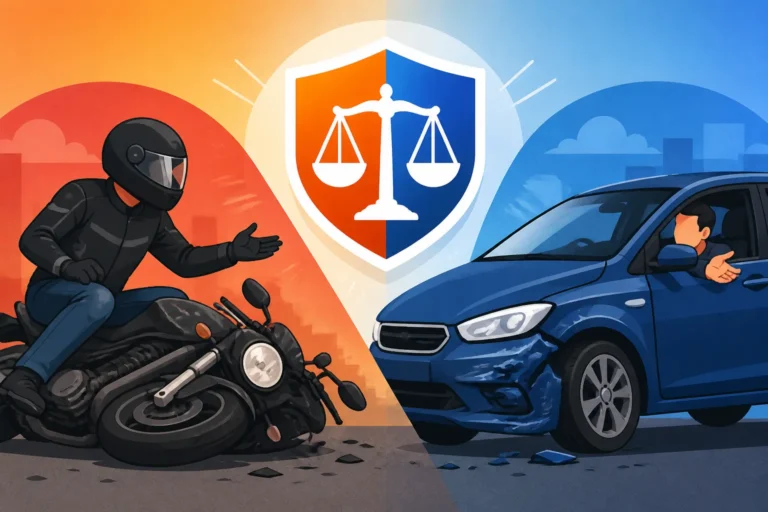
While it's important to dispel the "always the rider's fault" myth, it's also realistic to acknowledge that, like any motorist, motorcyclists can sometimes contribute to an accident. Perhaps a rider was speeding, or engaged in lane splitting in a state where it's illegal, or made an improper lane change themselves. In such situations, the legal concept of Comparative Negligence in Motorcycle Accidents often comes into play.
This means that even if you were partially at fault, you might still be able to recover damages, although your compensation would likely be reduced by your percentage of fault. For example, if a jury determines you were 20% at fault for an accident, your total damages might be reduced by 20%. It's a fairer system than "contributory negligence," which in some states, would bar you from any recovery if you were found even 1% at fault. Understanding Shared Fault in Motorcycle Accidents is crucial to knowing your rights.
Evidence is Key: Proving Who is Really to Blame
In the aftermath of an accident, emotions run high, and memory can be hazy. This is why concrete evidence is your best friend when trying to establish fault and combat unfair stereotypes. Without solid proof, your claim can be easily dismissed or devalued.
Gathering Critical Evidence at the Scene
The moments immediately following an accident are chaotic, but if you're able, gathering evidence at the scene is paramount.
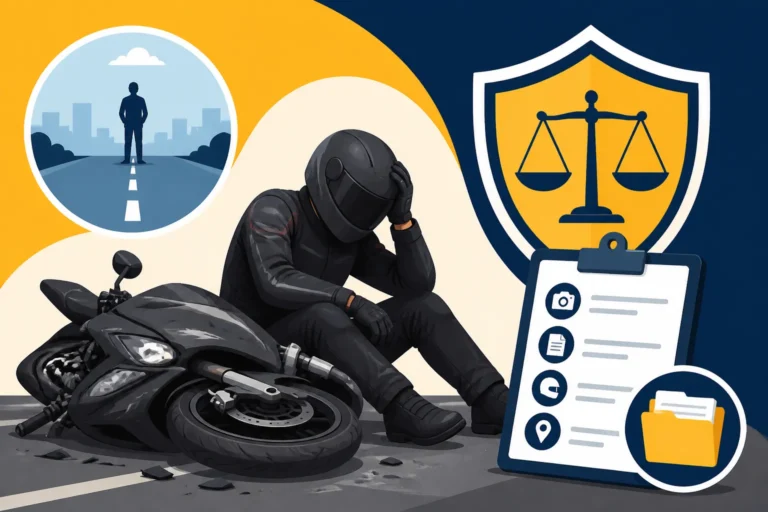
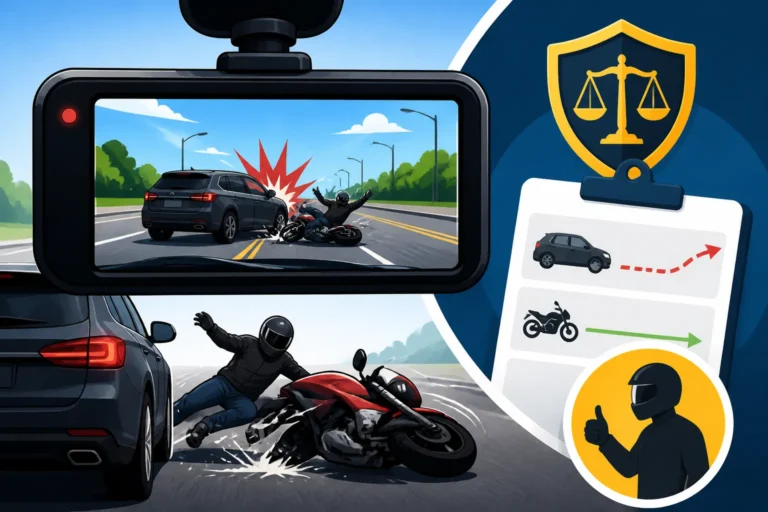
- Photographs and Videos: Capture everything – the position of vehicles, road conditions, skid marks, traffic signs, debris, and any visible injuries. Modern smartphones make this easier than ever. These visual records are incredibly persuasive.
- Witness Statements: Independent witnesses can provide unbiased accounts of what happened. Get their contact information immediately. How Witnesses Affect Motorcycle Fault can be significant, as their testimony often carries more weight than either party involved.
- Police Reports: The investigating officer will document the scene, gather information, and often make an initial determination of fault. While not always conclusive, a favorable police report can be a strong piece of evidence. However, know that How a Police Report Can Hurt Your Claim if it contains errors or bias, so review it carefully.
- Medical Records: Seek immediate medical attention, even if you feel fine. This creates an official record of your injuries, linking them directly to the accident. Delays in treatment can be used by insurance companies to argue your injuries weren't serious or weren't caused by the crash.
This evidence forms the backbone of your claim, proving Motorcycle Accident Evidence for Proving Fault.
The Role of Accident Reconstruction Experts
Sometimes, the circumstances of an accident are complex, and it's not immediately clear how it unfolded. This is where an accident reconstruction expert can be invaluable. These professionals use scientific principles, physics, and detailed analysis of physical evidence (like vehicle damage, skid marks, impact points, and traffic camera footage) to recreate the accident scene. Their objective findings can cut through conflicting testimonies and biases, providing a clear picture of what happened and, critically, who was at fault. Their expertise can often be the decisive factor in cases where fault is heavily disputed.
Countering the Helmet Defense and Other Biases
You've probably heard it before: "If only they had worn a helmet, their injuries wouldn't be so bad." This is known as the "helmet defense," and insurance companies frequently use it to try and reduce a rider's compensation, even in states with partial or no helmet laws. The argument is that the rider's failure to wear a helmet, or a DOT-compliant helmet, contributed to their head injuries, thus reducing the at-fault driver's liability.
However, The Helmet Defense Explained is not always a slam-dunk for insurers. It generally only applies to head injuries and can't be used to reduce compensation for other injuries like road rash, broken bones, or spinal damage. Furthermore, the defense has to prove that a helmet would have prevented or reduced the specific head injury sustained. Many states have specific rules about How Helmet Laws Affect Your Accident Claim, and a skilled legal team can often successfully counter this defense, ensuring you get the full compensation you deserve. It’s important to understand your state's particular helmet laws, as they vary widely across the country.
Navigating the Claim Process When Fault is Disputed
Dealing with the aftermath of a motorcycle accident is tough enough, but when fault is disputed, the process can become incredibly stressful and overwhelming. You're not just recovering from injuries; you're also fighting to prove your side of the story against insurance companies that are often looking for any reason to deny or minimize your claim.
Dealing with Insurance Adjusters: Tactics and Self-Protection
After an accident, you can expect a call from the other driver's insurance adjuster, and sometimes even your own. Remember, these adjusters are not on your side. Their job is to protect their company's bottom line. They might seem friendly and empathetic, but they are trained to gather information that could be used against you. They might ask for a recorded statement, push for a quick settlement, or try to get you to sign a release for medical records.
It's crucial to be polite but firm. Never give a recorded statement without legal counsel. Do not admit fault or minimize your injuries. Stick to the facts you know, and decline to speculate. Do not sign anything without having a legal professional review it. Early settlement offers, especially when you haven't reached maximum medical improvement (MMI), are almost always lowball offers that don't account for the true extent of your damages, including future medical costs and lost earning capacity.
The Value of Legal Representation in Proving Fault and Maximizing Settlement
Trying to go up against an insurance company on your own, especially when fault is disputed, is like bringing a knife to a gunfight. They have vast resources, legal teams, and experience in these matters. This is precisely why asking Do You Need a Motorcycle Accident Lawyer after a crash, especially one where fault is not immediately clear, is almost always a resounding "yes."
A knowledgeable motorcycle accident lawyer can:
- Investigate thoroughly: They will gather all necessary evidence, including police reports, witness statements, accident reconstruction data, medical records, and expert testimonies.
- Handle communications: They will deal with insurance adjusters on your behalf, protecting you from tactics that could harm your claim.
- Prove fault: They understand the nuances of traffic laws, accident dynamics, and how to effectively present evidence to establish the other party's negligence. This includes countering common defenses like the "helmet defense."
- Calculate damages: A lawyer knows how to accurately assess all your damages, both economic (medical bills, lost wages, property damage) and non-economic (pain and suffering, emotional distress, loss of enjoyment of life), ensuring that How Motorcycle Accident Settlements Are Calculated is done comprehensively.
- Negotiate effectively: They will negotiate with the insurance company for a fair settlement that fully compensates you for your losses. If negotiations fail, they are prepared to take your case to court.
Having an advocate who understands the bias against motorcyclists and knows how to fight for your rights can make all the difference in the outcome of your claim, ensuring you receive the justice and compensation you deserve.
Understanding Fault Determination in Motorcycle Accidents
To truly grasp how fault is assigned, it's helpful to look at the factors involved and how they weigh against each other. It's not always black and white, but a good understanding can empower you.
| Factor | Typical Impact on Fault Determination |
|---|---|
| Traffic Law Violations | High Impact: If a driver or rider violated a traffic law (e.g., speeding, running a red light, failure to yield), it strongly points to their fault. A police report documenting a citation for the other driver is powerful evidence. Conversely, a ticket issued to the motorcyclist will be used by insurers against the rider. |
| "I Didn't See You" Defense | Moderate Impact (often countered): While a common defense from drivers, it doesn't automatically absolve them. It highlights inattentiveness or a failure to properly scan the road, which is often negligence. Expert testimony and physical evidence can dismantle this defense. |
| Right-of-Way Laws | High Impact: Failure to yield the right-of-way (especially in left-turn or intersection accidents) almost always places fault on the party who violated the right-of-way. |
| Blind Spots | Moderate Impact: While vehicles have blind spots, drivers are legally obligated to check them before maneuvering. Hitting a motorcyclist in a blind spot often indicates driver negligence in failing to adequately scan or signal before a lane change or turn. |
| Road Hazards | High Impact (on third party): If the accident was primarily caused by a significant road defect (pothole, debris) that a government entity or construction company was responsible for maintaining, fault shifts to that third party, not the rider or other driver. |
| Motorcycle Equipment Failure | High Impact (on manufacturer): If a defective motorcycle part (e.g., brakes, tires) caused the crash, the manufacturer could be held liable. This requires specialized investigation and expert analysis. |
| Eyewitness Accounts | High Impact: Unbiased accounts from people who saw the accident can be crucial in corroborating one party's story or refuting another's, especially in "he said, she said" situations. |
| Lack of Protective Gear (Helmet Defense) | Limited Impact (on specific damages): Not wearing a helmet might reduce compensation for head injuries in some states under comparative negligence rules, but it typically does not assign overall fault for the accident itself. It's a mitigation of damages argument, not a fault argument for the collision's cause. This can sometimes be confused, which is why a clear understanding of How Comparative Negligence Reduces Your Payout is essential. |
The Complexity of Contributory vs. Comparative Negligence
Understanding the fault laws in your state is absolutely paramount. Some states follow a pure comparative negligence system, like California, where you can recover damages even if you are 99% at fault, though your payout will be reduced proportionally. Other states, like Texas, use a modified comparative negligence rule, typically a "51% bar rule," meaning you can only recover if you are 50% or less at fault. If you are found 51% or more at fault, you get nothing. A few rare states still adhere to a strict contributory negligence rule, where even 1% fault on your part bars you from any recovery. This spectrum of laws drastically changes how Motorcycle Accident Liability: A Complete Guide plays out and how a shared fault scenario impacts your case.
Conclusion: Dispelling the Myth
The idea that motorcycle accidents are usually the rider's fault is a pervasive and unfair stereotype that needs to be challenged. While rider error can sometimes be a factor, statistics and real-world experience repeatedly show that other drivers' negligence, often related to visibility issues or distracted driving, is a leading cause.
Don't let bias or misleading narratives dictate the outcome of your recovery. If you've been in a motorcycle accident, understanding your rights, acting quickly to gather evidence, and seeking professional legal guidance are the most crucial steps you can take. Your focus should be on your recovery, not fighting an unjust battle against stereotypes and insurance company tactics.
Disclaimer
Please remember that this article provides general information and insights into motorcycle accident claims and fault determination. This content is not legal advice. Every accident case is unique, and the laws governing motorcycle accidents vary significantly by state. For personalized advice regarding your specific situation, it is always recommended to consult with a qualified legal professional.