Average Motorcycle Accident Settlement in Texas
Dealing with the aftermath of a motorcycle accident in Texas can feel overwhelming, especially when you're hurt and facing mounting medical bills. Beyond the physical recovery, many riders are left wondering what their injury claim might actually be worth and how the legal landscape in the Lone Star State might impact their ability to recover compensation. This comprehensive guide will break down the factors that influence motorcycle accident settlements in Texas, helping you understand what to expect and how to navigate this challenging process.
Understanding Motorcycle Accident Settlements in Texas
When you've been involved in a motorcycle accident in Texas, one of the first questions on your mind is often about compensation. Unlike some other states, Texas operates under an "at-fault" system for vehicle accidents, including motorcycles. This means that the party responsible for causing the crash is generally liable for the damages incurred by others. This liability typically falls on their insurance provider, making the insurance claim process a critical step toward a settlement.
However, the idea of an "average" settlement can be a bit misleading because every single motorcycle accident is truly unique. There isn't a simple calculator you can plug numbers into to get an exact figure. What one rider might receive for a broken arm in Dallas could be vastly different from another rider with a similar injury in Houston, depending on a multitude of variables that we'll explore. It’s not just about the injury; it’s about everything surrounding the incident, from police reports to witness statements and your own actions.
Moreover, while we can discuss general ranges and influencing factors, a specific average can be tough to pin down definitively. Insurance companies are notoriously tight-lipped about their settlement data, and many cases settle confidentially. What we can do is give you a realistic picture of what goes into determining a settlement and the kinds of figures that are often discussed, based on common injuries and legal precedents in Texas. This understanding can empower you to approach your own claim with greater confidence, knowing the landscape you're navigating.
The Role of Fault in Texas Accidents
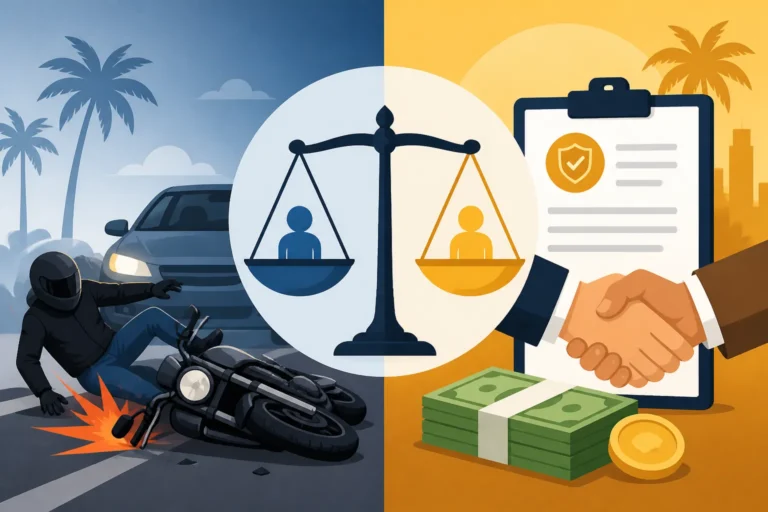
Texas law plays a significant role in determining how much compensation you might receive. Specifically, the state follows a "modified comparative negligence" rule, often referred to as the "51% bar rule." What this means is that if you are found to be 51% or more at fault for the motorcycle accident, you are legally barred from recovering any damages from the other party. This isn't just a minor detail; it's a huge hurdle that insurance companies will try to leverage against you.
Imagine you're involved in a collision, and the other driver clearly violated a traffic law. However, if they or their insurance company can convince a jury (or an adjuster) that you were, for example, speeding slightly, or that your lane positioning contributed to the crash, your percentage of fault could increase. Even if the other driver was 70% at fault, your 30% fault means your total compensation would be reduced by 30%. For a $100,000 claim, that's a $30,000 reduction. This aspect of Comparative Negligence in Motorcycle Accidents is absolutely critical.
This system is why establishing Who Is at Fault in a Motorcycle Accident is so important, and why insurance companies work so hard to assign blame, often unfairly, to motorcyclists. They know that even a small percentage of fault on your part can significantly reduce their payout. Documenting the scene, gathering evidence, and understanding How Fault Is Determined in Motorcycle Accidents are all vital steps to protect your claim against these tactics.
Texas Insurance Minimums
Another foundational piece of the puzzle in Texas motorcycle accident settlements is the state's minimum insurance requirements. Every driver in Texas is legally required to carry a minimum amount of liability insurance. As of early 2024, these minimums are typically expressed as 30/60/25:
- $30,000 for bodily injury liability per person
- $60,000 for total bodily injury liability per accident
- $25,000 for property damage liability per accident
These numbers represent the bare minimum coverage an at-fault driver must have. However, as any rider who has faced serious injuries knows, medical bills and property damage can quickly soar past these limits. If the at-fault driver only carries these minimums and your damages exceed them, you could find yourself in a difficult position. This is where your own uninsured/underinsured motorist (UM/UIM) coverage becomes a lifesaver, if you have it.
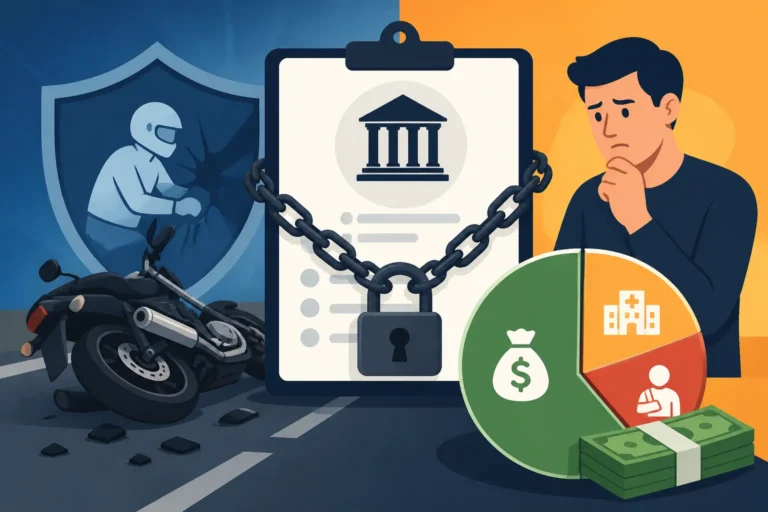
It's a harsh reality that many drivers on Texas roads carry only the minimum coverage, leaving seriously injured motorcyclists in a bind. Even if the other driver is clearly 100% at fault, their insurance policy limits can act as a cap on your settlement. Understanding How Insurance Policy Limits Affect Your Payout is crucial before you even begin negotiations. Always check your own policy to ensure you have adequate UM/UIM coverage to protect yourself against drivers who are either uninsured or simply don't have enough coverage to compensate you fully.
Key Factors Influencing Your Texas Motorcycle Settlement
When you hear about huge settlements in the news, it's easy to think your own case might yield a similar result. However, several critical factors come into play that significantly influence the actual payout amount for a motorcycle accident in Texas. These aren't just minor details; they are the bedrock upon which your entire claim is built, and understanding them is key to managing your expectations and pursuing fair compensation.
Severity of Injuries and Medical Expenses
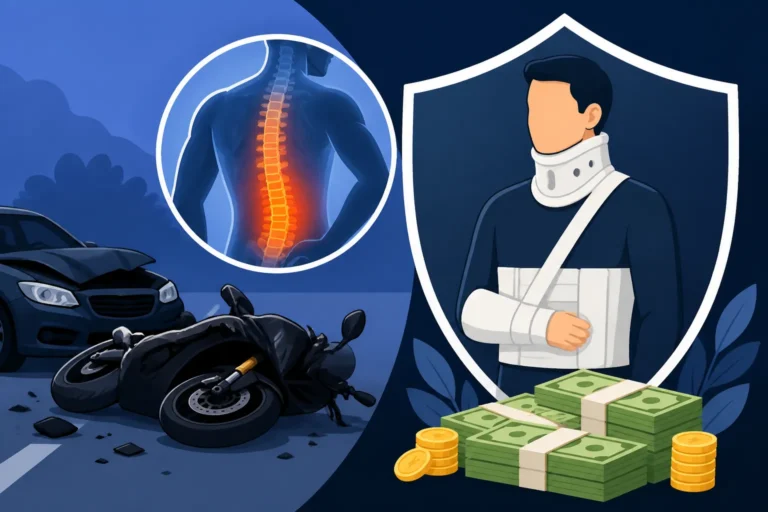
Without a doubt, the severity of your injuries is the most impactful factor in determining a settlement amount. Motorcycle accidents notoriously result in more severe injuries compared to car accidents because riders lack the protective shell of a vehicle. Common injuries include everything from severe Motorcycle Road Rash: Claims and Compensation and Motorcycle Broken Bones: Claims and Compensation to much more catastrophic outcomes like Motorcycle Traumatic Brain Injury: Claims and Compensation or Motorcycle Spinal Cord Injury: Claims and Compensation.
The more extensive and long-lasting your injuries, the higher your medical expenses will be. This includes everything from emergency room visits, ambulance rides, and hospital stays to surgeries, rehabilitation, physical therapy, prescription medications, and even long-term care. Insurance adjusters will scrutinize every bill, so documenting your injuries for a claim meticulously is paramount. Keep detailed records of all medical treatment, diagnoses, and prognoses from doctors in Houston, Dallas, or wherever you received care. Future medical costs, especially for permanent injuries, are a huge component of a settlement.
Beyond the immediate costs, severe injuries often lead to lasting pain, disability, and a diminished quality of life. A rider suffering from paralysis after a collision on I-35 near Austin will understandably have a much higher settlement value than someone with minor scrapes and bruises. The impact on your ability to work, enjoy hobbies, and perform daily tasks forms a significant part of your "non-economic" damages, which we'll discuss next.
Economic and Non-Economic Damages
Motorcycle accident settlements are typically composed of two main categories of damages: economic and non-economic.
Economic Damages are quantifiable financial losses that have a clear dollar amount. These are often easier to calculate and prove. In Texas, these can include:
- Medical Bills: Past and future medical expenses, as discussed above. This can include everything from your initial emergency treatment at Baylor Scott & White in Temple to ongoing therapy.
- Lost Wages: Any income you've lost because you couldn't work due to your injuries. This includes current lost earnings and lost earning capacity if your injuries prevent you from earning at the same level in the future.
- Property Damage: The cost to repair or replace your motorcycle, helmet, gear, and any other personal property damaged in the crash.
- Out-of-Pocket Expenses: Costs like transportation to medical appointments, home modifications for disability, or necessary adaptive equipment.
Non-Economic Damages are subjective losses that don't have a direct monetary value but significantly impact your life. These are often much harder to quantify and are frequently the source of contentious negotiations with insurance companies. In Texas, these typically include:
- Pain and Suffering: Physical pain and discomfort, both past and future.
- Mental Anguish/Emotional Distress: Psychological impact such as anxiety, depression, fear, and PTSD After a Motorcycle Accident.
- Loss of Enjoyment of Life: The inability to participate in hobbies, activities, or aspects of life you enjoyed before the accident, like riding your motorcycle or spending time with family.
- Scarring and Disfigurement: Compensation for permanent marks or changes to your physical appearance, which can be particularly significant for injuries like road rash.
Establishing the value of non-economic damages often involves a "multiplier method," where your economic damages are multiplied by a factor (usually 1.5 to 5, depending on injury severity) to arrive at a pain and suffering figure. However, this is just a guideline, and insurance companies will always try to minimize this aspect of your claim.
Evidence and Documentation
The strength of your claim hinges almost entirely on the quality and quantity of evidence you can provide. A well-documented case is much harder for an insurance company to dispute. This includes:
- Police Report: A detailed police report outlining the accident, potential citations, and initial fault findings can be very influential.
- Medical Records: Comprehensive records from every doctor, specialist, and therapist you've seen, clearly detailing your injuries, treatment, and prognosis.
- Witness Statements: Eyewitness accounts that support your version of events.
- Photos and Videos: Pictures of the accident scene, vehicle damage, road conditions, and your injuries. Dashcam footage or helmet cam video can be incredibly powerful.
- Accident Reconstruction: In complex cases, an expert might reconstruct the accident to clearly establish fault and impact severity.
- Lost Wage Documentation: Pay stubs, tax returns, and employer statements proving your lost income.
Without strong evidence, an insurance company might argue that your injuries weren't severe, that they weren't caused by the accident, or that you were more at fault. This is why immediate action after a crash, like gathering evidence and seeking medical attention, is critical to building a robust claim.
Navigating the Settlement Process in Texas
The path to a motorcycle accident settlement in Texas is rarely a straight line. It's often a complex, drawn-out process filled with paperwork, negotiations, and potential setbacks. Understanding the typical stages can help you prepare for the journey ahead and avoid common pitfalls that could jeopardize your compensation.
Initial Steps and Investigation
Right after your motorcycle accident in Texas, the first and most crucial steps involve ensuring your safety and documenting the scene. This means seeking immediate medical attention for your injuries, even if they seem minor at first. Some serious injuries, like Motorcycle Traumatic Brain Injury: Treatment and Long-Term Impact, might not show symptoms right away. Then, gather as much evidence as possible, including photos, witness contact information, and the other driver's insurance details. This forms the foundation of your claim.
Once you've addressed your immediate medical and safety needs, you'll typically file a claim with the at-fault driver's insurance company. They will assign an adjuster who will begin their own investigation. This adjuster's primary goal is to settle your claim for the lowest possible amount, and they are not on your side. They will review the police report, contact witnesses, and potentially even request your medical records. Be very cautious about what you say to insurance adjusters; anything you say can and will be used against you.
During this investigative phase, it's also critical to understand that you are under no obligation to provide a recorded statement to the other driver's insurance company. In fact, it's generally advised against doing so until you've had a chance to consult with an attorney. You might inadvertently say something that could be misconstrued and used to reduce your settlement.
Negotiation and Demand Letters
After you've reached "Maximum Medical Improvement" (MMI) – meaning your doctors believe your condition has stabilized and further treatment won't significantly improve it – you or your legal representative will compile a detailed demand package. This package is essentially a comprehensive summary of your case, outlining the other driver's fault, the full extent of your injuries, all your economic damages (medical bills, lost wages, property damage), and a justification for your non-economic damages (pain and suffering).
This demand package is then sent to the at-fault driver's insurance company, initiating the negotiation process. It's rare for an insurance company to accept your initial demand without question. More often than not, they will respond with a much lower counter-offer, sometimes even a "lowball" offer that doesn't come close to covering your actual losses. This is where How to Negotiate a Motorcycle Accident Settlement becomes critical. Effective negotiation requires a deep understanding of legal precedents, injury valuation, and the tactics insurance companies employ.
It's common for negotiations to go back and forth several times. An experienced attorney can be invaluable during this stage, presenting a strong case, countering low offers, and providing the evidence necessary to justify your requested settlement amount. They can also advise you on When to Reject a Settlement Offer and when an offer is fair given the circumstances.
Mediation and Litigation
If direct negotiations with the insurance company reach an impasse, there are often further steps before a case goes to trial. Mediation is a common alternative dispute resolution method in Texas. In mediation, a neutral third party (the mediator) works with both you and the insurance company to facilitate a compromise and reach a mutually agreeable settlement. The mediator doesn't make decisions but helps guide the parties toward a resolution.
While mediation can be effective in avoiding the time and expense of a trial, it's not always successful. If mediation fails, or if the insurance company remains unwilling to offer a fair settlement, the next step is typically to file a lawsuit and proceed to litigation. This means your case will go through the court system, involving discovery (where both sides exchange information), depositions (sworn testimonies), and potentially a trial by jury. Motorcycle Accident Settlement vs Trial is a big decision, and it’s important to understand the pros and cons.
Going to trial is a significant undertaking, often more time-consuming and expensive than settling out of court. However, sometimes it's the only way to compel an insurance company to offer fair compensation, especially in cases involving severe injuries or disputed fault. Your attorney will help you weigh the risks and benefits of litigation versus settling. The goal is always to achieve the best possible outcome for you, whether that's through negotiation, mediation, or a jury verdict.
Maximizing Your Payout After a Texas Motorcycle Accident
Getting into a motorcycle accident is a jarring experience, and the thought of navigating the legal and insurance labyrinth can be daunting. However, by taking proactive steps and making informed decisions, you can significantly improve your chances of securing a fair and maximum possible settlement for your injuries and losses in Texas.
Document Everything Meticulously
From the moment an accident occurs, you should be focused on documenting everything. This isn't just about photos at the scene; it's an ongoing process.
- Medical Journey: Keep a detailed record of every doctor's visit, therapy session, prescription, and medical recommendation. This includes dates, names of providers, and the specific care you received. An injury journal can be incredibly helpful for tracking your pain levels, limitations, and how your injuries impact your daily life, providing crucial evidence for pain and suffering damages.
- Financial Records: Maintain careful records of all accident-related expenses, including medical bills, receipts for medications, costs for transportation to appointments, and repair estimates for your motorcycle. For lost wages, gather pay stubs, employment records, and a letter from your employer detailing your missed workdays and lost income. If you're self-employed, tax returns and financial statements are vital.
- Communication Log: Keep a log of all communications with insurance adjusters, law enforcement, and other involved parties. Note the date, time, person you spoke with, and a summary of the conversation. Never agree to a recorded statement without legal counsel.
The more thoroughly you document your injuries, treatments, and financial losses, the harder it will be for insurance companies to dispute your claim or offer a lowball settlement. This meticulous record-keeping is a foundational element in How to Maximize Your Motorcycle Accident Settlement.
Avoid Admitting Fault and Don't Settle Prematurely
One of the most common mistakes injured riders make is inadvertently admitting fault at the accident scene or in early conversations with insurance adjusters. Even a simple "I'm sorry" can be twisted and used against you. Remember, Why You Should Never Admit Fault at the Scene. Stick to the facts and avoid speculation or apologies.
Furthermore, resist the urge to accept a quick settlement offer from the insurance company, especially early in the process. Insurance adjusters often try to settle claims quickly, before the full extent of your injuries and their associated costs are known. This is particularly true for motorcycle accidents, where injuries can be severe and their long-term impact may not be immediately apparent. Until you've reached Maximum Medical Improvement (MMI) and understand all your future medical needs and lost earning capacity, you simply cannot know the true value of your claim. Settling too early almost always means settling for less than your case is worth.
Consider Hiring an Experienced Motorcycle Accident Lawyer
While you can technically handle a claim on your own, the complexities of Texas law, the tactics of insurance companies, and the sheer volume of documentation required make it incredibly challenging. An experienced motorcycle accident lawyer can be your strongest advocate. They understand Texas personal injury laws, including comparative negligence rules and insurance regulations. They also have experience dealing with insurance adjusters and know how to counter their strategies.
A lawyer will:
- Investigate thoroughly: Gather evidence, interview witnesses, and if necessary, work with accident reconstructionists.
- Value your claim accurately: Accurately calculate both economic and non-economic damages, ensuring all your current and future losses are accounted for.
- Negotiate aggressively: Handle all communications and negotiations with insurance companies, protecting you from unfair tactics and lowball offers.
- Represent you in court: If a fair settlement cannot be reached, they will be prepared to take your case to trial.
Hiring a lawyer on a contingency fee basis means you typically don't pay anything upfront, and they only get paid if they win your case. This makes quality legal representation accessible, regardless of your current financial situation. If you're wondering, Do You Need a Motorcycle Accident Lawyer, the answer is often yes, especially for anything beyond minor property damage. They can significantly impact How Much of a Settlement You Actually Keep.
Average Motorcycle Accident Settlement Ranges in Texas
While pinning down an exact "average" is elusive, we can discuss typical settlement ranges based on injury severity and the factors we've discussed. It’s critical to remember these are broad estimates, and your specific case could fall outside these ranges.
Generally, minor injury claims (e.g., minor road rash, sprains, bruises, soft tissue injuries with limited medical treatment) might settle anywhere from a few thousand dollars to perhaps $25,000-$50,000, assuming no complications and clear fault. These are the cases where an insurer might offer a quick payout.
Moderate injury claims (e.g., broken bones requiring casts or minor surgery, significant road rash requiring grafting, concussions, disc bulges, or more extensive physical therapy) often range from $50,000 to $250,000, depending heavily on the permanency of the injury, lost wages, and pain and suffering.
Severe or catastrophic injury claims (e.g., traumatic brain injuries, spinal cord injuries leading to paralysis, amputations, multiple complex fractures, internal organ damage, or injuries requiring long-term care and significantly impacting future earning capacity) can settle for hundreds of thousands of dollars, or even over a million dollars in some tragic cases. These often involve extensive future medical costs and significant non-economic damages.
Here’s a general table illustrating how different injury types might influence settlement value, keeping in mind the Texas context:
| Injury Type | Severity Level | Typical Medical Treatment | Potential Settlement Impact (Texas, high-level) |
|---|---|---|---|
| Minor Road Rash / Bruises | Minor | Wound care, bandages, pain medication | Low to Moderate (e.g., $5,000 – $25,000) |
| Sprains / Whiplash | Minor to Moderate | Physical therapy, chiropractic care, medication | Moderate (e.g., $15,000 – $50,000) |
| Simple Fractures (e.g., wrist, clavicle) | Moderate | Casting, pain management, physical therapy | Moderate to High (e.g., $40,000 – $150,000) |
| Complex Fractures (e.g., leg, pelvis) | Severe | Surgery (plates/screws), extensive physical therapy, long recovery | High (e.g., $100,000 – $350,000+) |
| Spinal Disc Injuries (bulge, herniation) | Moderate to Severe | Physical therapy, injections, potentially surgery | High (e.g., $75,000 – $500,000+) |
| Traumatic Brain Injury (TBI – mild to moderate) | Severe | ER visit, neurological follow-ups, cognitive therapy | High to Very High (e.g., $150,000 – $750,000+) |
| Catastrophic Injuries (e.g., paralysis, amputation) | Extreme | Multiple surgeries, long-term care, adaptive equipment, prosthetics | Very High (e.g., $500,000 – Multi-Million) |
Disclaimer: These figures are purely illustrative and can vary wildly based on individual case specifics, insurance policy limits, shared fault, and the jurisdiction within Texas.
Remember, these are not guarantees, but rather an indication of the potential ranges. Factors like the age of the victim, their profession (affecting lost wages), the clarity of fault, the specific policy limits involved, and the skill of your legal representation all play a huge role in where your settlement will ultimately land within these ranges. Always consult with a legal professional for an assessment tailored to your unique circumstances.
Disclaimer
Please remember that the information provided in this guide is for general informational purposes only and does not constitute legal advice. Every motorcycle accident case is unique, and the laws governing personal injury claims can be complex and subject to change. It is crucial to consult with a qualified personal injury attorney in Texas to discuss the specifics of your situation and receive personalized legal advice. Relying solely on general information without professional legal guidance may not be in your best interest.