Does Not Wearing a Helmet Affect a Claim in North Carolina
Riding a motorcycle in North Carolina offers some of the most breathtaking routes, from the Blue Ridge Parkway to the Outer Banks. But when an accident unexpectedly happens, a cascade of worries sets in, often compounded by injuries and property damage. A common question that riders in the Tar Heel State face, particularly if they weren't wearing a helmet, is how this decision might affect their ability to recover compensation after a crash. This guide dives deep into North Carolina's specific helmet laws and the significant implications of not wearing a helmet on your motorcycle accident claim.
Understanding North Carolina's Helmet Law
North Carolina is one of the states that takes helmet safety very seriously, and for good reason. Riders are more vulnerable on the road, and head injuries are, tragically, among the most severe and life-altering consequences of a motorcycle accident. The state legislature has enacted laws to protect riders, and these laws carry significant weight in any post-accident legal proceedings.
The Specifics of NC's Universal Helmet Mandate
North Carolina operates under what's known as a universal helmet law. This isn't just a suggestion; it's a firm legal requirement. According to North Carolina General Statute § 20-140.4, every person operating or riding on a motorcycle or moped on a public highway or street must wear a safety helmet. This mandate applies to all riders, regardless of age, experience, or the size of their motorcycle. There are no exceptions for adult riders, unlike some other states that might only require helmets for those under 21.
This universal requirement means that if you're out cruising around Asheville or heading down I-40 near Raleigh, you and any passenger must have a compliant helmet securely fastened. These aren't just any helmets, either. They must be Department of Transportation (DOT) compliant, meaning they meet strict federal safety standards for impact absorption and penetration resistance. If you’ve ever browsed the helmet selection at a place like Cycle Gear, you’ll notice they clearly mark which helmets meet DOT standards. Riding with a non-DOT approved "novelty helmet" or no helmet at all is a direct violation of this law. The police can and will issue citations for non-compliance, which can result in fines and points on your license, even if no accident occurs.
Distinguishing Universal vs. Partial Helmet Laws
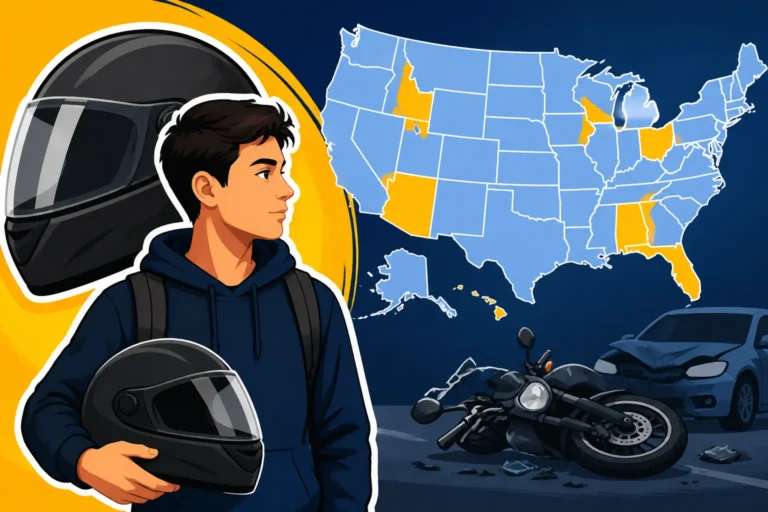
It's easy to get confused by helmet laws across different states, as they vary widely. North Carolina's universal law stands in contrast to what are often called "partial" helmet laws. In states with partial laws, only specific groups of riders might be required to wear helmets. For example, some states only mandate helmets for riders under the age of 18 or 21. Other states might allow adult riders to forgo a helmet if they have a certain amount of insurance coverage, or if they've completed an approved safety course.
This difference is crucial when discussing accident claims. In a partial helmet law state, if an adult rider legally wasn't required to wear a helmet, the fact that they weren't wearing one often cannot be used against them in a civil claim. However, because North Carolina has a universal helmet law, the legal framework is entirely different. If you were involved in a motorcycle accident and weren't wearing a helmet, you were in direct violation of state law, and that fact can become a central point of contention in your personal injury claim. This distinction sets the stage for a much more challenging legal battle than you might face in a state with less stringent helmet requirements. Understanding these nuances is key to navigating the aftermath of a crash in North Carolina.
How Helmet Non-Use Can Impact Your Claim
This is where things get really serious for motorcycle riders in North Carolina. The state's unique legal landscape, particularly its strict contributory negligence rule, can turn a claim on its head if you weren't wearing a helmet. It's not just a minor detail; it can be a deal-breaker.
The "Helmet Defense" in North Carolina
Insurance companies are always looking for ways to reduce the amount they have to pay out in a claim, and they are incredibly skilled at exploiting every legal avenue available to them. When a rider is involved in a motorcycle accident in North Carolina and wasn't wearing a helmet, the "helmet defense" is almost guaranteed to be deployed. This defense argues that the rider's injuries, particularly head injuries, were either caused or made significantly worse by their failure to wear a legally required safety helmet.
The insurance company for the at-fault driver will assert that even if their client caused the collision, you, as the injured rider, contributed to your own injuries by breaking the law. They might present expert testimony or accident reconstruction evidence to suggest that a DOT-compliant helmet would have prevented or minimized the severity of your head trauma. This isn't about whether the other driver was at fault for the crash itself, but whether you bear some responsibility for the extent of your injuries. This argument is powerful because it taps into a core principle of North Carolina personal injury law: contributory negligence.
Contributory Negligence and Its Severe Implications
North Carolina is one of the few states that still adheres to the strict doctrine of pure contributory negligence. This rule is incredibly harsh and often misunderstood by people unfamiliar with NC law. In simple terms, if you are found to be even 1% at fault for your own injuries, you are completely barred from recovering any compensation from the other party. Yes, you read that right – 1%.
Now, apply this to the helmet defense. If the insurance company can convince a judge or jury that your failure to wear a helmet contributed in any way to your head injuries, then under North Carolina's contributory negligence law, you could lose your entire claim. It doesn't matter if the other driver ran a red light, was texting, or pulled out in front of you without looking. If your helmet non-use is deemed contributory negligence, your claim for medical bills, lost wages, and pain and suffering related to those head injuries could be completely wiped out. This is a critical point that differentiates North Carolina from most other states, which use some form of comparative negligence, allowing injured parties to recover damages even if they were partially at fault. You can learn more about the differences by reading our guide on Contributory vs Comparative Negligence Explained.
For example, imagine a driver in Charlotte makes a sudden left turn in front of your motorcycle, causing a severe collision. You suffer a traumatic brain injury because you weren't wearing a helmet. Even if the driver was clearly at fault for the left-turn collision, their insurance company will argue that your brain injury would have been less severe, or perhaps even avoided, had you been wearing a helmet. If the court agrees that your lack of a helmet contributed to that specific injury, you may not recover any damages for that TBI, or potentially your entire claim, depending on how it's argued.
Causation and Damages: How a Helmet Could Have Mitigated Injury
The heart of the helmet defense often lies in establishing a link between the lack of a helmet and the severity of the injuries. This is a question of "causation" and "damages." The defense isn't typically arguing that your lack of a helmet caused the accident itself. Instead, they argue that your failure to follow the law caused or exacerbated your injuries, particularly those to the head, face, or neck.
They will try to demonstrate that if you had been wearing a DOT-approved helmet, your medical expenses would have been significantly lower, your recovery period shorter, and your overall suffering greatly reduced. This can impact not only claims for head injuries, but also how insurers calculate other damages. For instance, if you suffered a severe skull fracture, but also a broken leg, the insurer might concede liability for the leg injury but argue fiercely against compensation for the skull fracture due to the helmet defense. This complex interplay of how Types of Damages in a Motorcycle Accident Claim are calculated means you need a strong counter-argument.
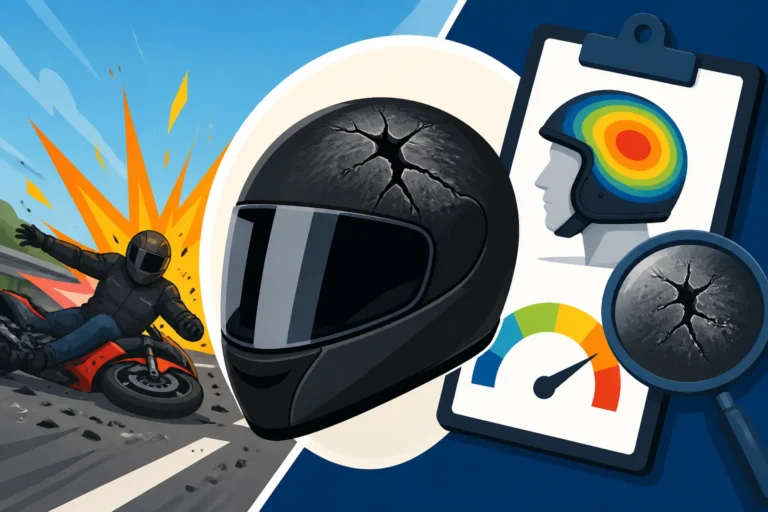
It's a nuanced argument that requires a thorough understanding of accident reconstruction, biomechanics, and medical evidence. The burden of proof for the helmet defense typically falls on the insurance company to demonstrate that the helmet would have made a difference. However, given North Carolina's strict contributory negligence laws, even a slight successful argument on this front can devastate your recovery. This is why preserving evidence, including any damaged gear, is incredibly important after a crash.
Strategies to Counter the Helmet Defense
While North Carolina's contributory negligence rule presents a significant hurdle, it doesn't mean your claim is automatically lost if you weren't wearing a helmet. There are strategic approaches to challenge the helmet defense and protect your right to compensation. It takes careful planning and often the expertise of a seasoned legal professional.
Proving the Helmet Wouldn't Have Prevented Injuries
One of the most effective ways to counter the helmet defense is to demonstrate that the absence of a helmet was not a contributing factor to the specific injuries you sustained, or to the accident itself. This argument focuses on breaking the chain of causation the defense tries to establish.
For instance, if your injuries are primarily to your legs, arms, or torso – such as road rash on your arms, a broken ankle, or internal injuries – it's much harder for the defense to argue that a helmet would have prevented or mitigated these specific injuries. A helmet, by design, protects the head. It offers no direct protection to a broken femur or a shattered wrist. In such cases, your attorney can argue that while you may have been in violation of the helmet law, that violation had no bearing on the injuries for which you are seeking compensation. It's crucial to differentiate between injuries that are clearly head-related and those that are not. Documenting all your injuries meticulously, as detailed in How to Document Injuries for a Claim, becomes paramount here.
Another angle could be if the impact was so severe that even a DOT-approved helmet would not have prevented the injury. While this is a harder argument to make, in cases of extreme trauma, an accident reconstructionist might be able to testify that the forces involved were beyond the protective capabilities of any helmet, thus severing the causal link between helmet non-use and injury severity. This requires expert testimony and a deep dive into the specifics of the crash dynamics.
Demonstrating the Other Driver's Sole Negligence
The absolute best way to overcome the helmet defense in North Carolina is to prove, without a doubt, that the other driver was 100% at fault for the accident and that your actions, including not wearing a helmet, played no role in causing the crash. Remember, North Carolina’s contributory negligence rule applies to causing the accident or contributing to your own injuries. If you can definitively establish that the other driver's negligence was the sole cause of the collision, and that your non-helmet use did not contribute to the crash, then the focus shifts entirely to their liability.
This involves a rigorous investigation into the accident details. Did the other driver run a stop sign? Were they distracted by their phone? Were they under the influence of alcohol or drugs? Each of these scenarios points directly to the other driver's negligence as the sole proximate cause of the collision. For example, if you were hit by a drunk driver, their impairment is likely the overwhelming cause of the crash, and your lack of a helmet would generally be seen as irrelevant to the cause of the collision itself, even if it contributed to injury severity. Our post on Motorcycle Accident Liability: A Complete Guide explores how fault is determined in depth.
By proving that the accident was entirely the other driver's fault, and that your non-helmet use only pertains to the damages incurred (not the cause of the collision), you can significantly weaken the insurance company's argument. However, they will still try to argue that your injury severity was your fault. This leads back to the first strategy of proving the helmet wouldn't have mitigated your specific injuries.
The Importance of Immediate Medical Attention
After any motorcycle accident, your health is the absolute top priority. Beyond that, seeking immediate medical attention is also crucial for your legal claim, especially when facing a potential helmet defense. When paramedics arrive, or when you visit an emergency room, doctors will document all your injuries. This immediate documentation creates an official record of exactly what injuries you sustained in the crash.
Any delay in seeking medical treatment can be used by the insurance company to argue that your injuries weren't serious, or that they weren't directly caused by the accident. If you wait days or weeks to see a doctor for a head injury, the defense will suggest that the injury might have occurred elsewhere, or that its severity was exaggerated. Prompt medical attention helps to establish a clear timeline and direct causal link between the accident and your injuries, making it harder for the defense to create doubt about the origins or extent of your trauma. Moreover, medical professionals can provide expert opinions on the nature of your injuries, which can be invaluable in countering the helmet defense by clarifying which injuries are head-related and which are not. For more on this, consider reading Why You Should Seek Immediate Treatment.
Essential Gear Beyond the Helmet
While the legal focus in North Carolina often hones in on helmet use due to specific state laws, it's vital to remember that a helmet is just one piece of the protective puzzle. Responsible riders know that comprehensive gear provides a layer of defense that goes far beyond what's legally mandated, and this proactive approach can also subtly strengthen your position in an accident claim.
The Role of Protective Apparel
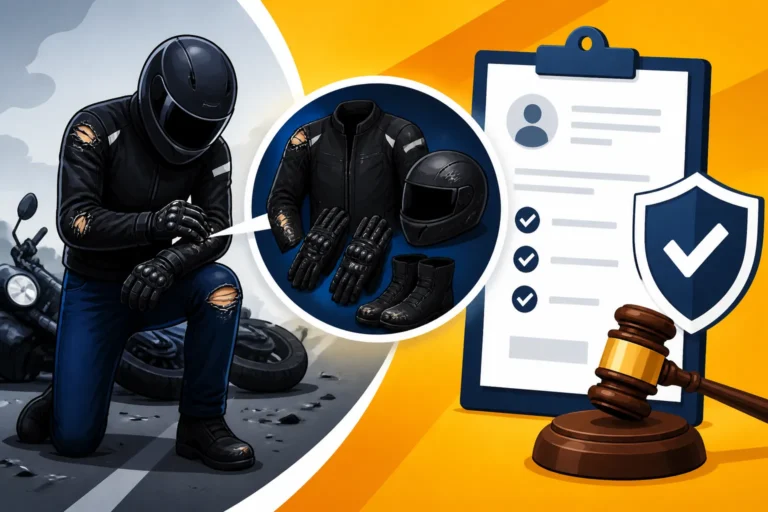
Motorcycle accidents are notorious for causing severe injuries like road rash, broken bones, and internal trauma, often far beyond just head injuries. That's why wearing comprehensive protective apparel is so important. This includes:
- Motorcycle Jackets: Designed with abrasion-resistant materials like leather or specialized textiles (e.g., Cordura) and often include CE-approved armor in critical areas such as shoulders, elbows, and back. These can prevent devastating road rash and significantly reduce the impact forces transferred to your upper body.
- Motorcycle Pants: Similar to jackets, these are made from durable materials, often reinforced with Kevlar or other protective fabrics, and include armor in the hips and knees. Regular jeans offer virtually no protection against asphalt at speed.
- Gloves: Essential for protecting your hands, which are often the first thing riders put out in a fall. Motorcycle-specific gloves feature reinforced palms, knuckle protection, and secure closures to prevent them from coming off during a slide.
- Boots: High-quality motorcycle boots protect your ankles and feet from crushing injuries, twisting, and abrasion. They should cover the ankle and have sturdy, oil-resistant soles.
Wearing this full array of gear isn't just about personal safety; it’s a smart move in the context of a potential claim. While North Carolina doesn't have a universal law mandating all this gear (beyond helmets and eye protection in some circumstances), demonstrating that you took every possible precaution to protect yourself can have a positive, albeit indirect, effect on how your case is perceived. You can find a wide range of these items at stores like Cycle Gear or through reputable online retailers.
How Full Gear Strengthens Your Claim
Even though specific gear beyond a helmet might not be legally required, wearing it shows that you are a responsible and safety-conscious rider. This perception can be invaluable when battling an insurance company that tries to paint all motorcyclists with a broad brush of recklessness.
Firstly, if you are wearing full protective gear, you are likely to sustain fewer and less severe injuries (outside of head trauma if you weren't wearing a helmet). For instance, a quality riding jacket could mean the difference between minor bruising and severe third-degree road rash requiring skin grafts. Fewer and less severe injuries mean lower medical bills, less pain and suffering, and a quicker return to work.
Secondly, if the other side tries to argue any form of comparative fault (which is typically irrelevant in NC due to pure contributory negligence, but they might still try to introduce it to influence perception), your full gear demonstrates your commitment to safety. While it won't directly counter a contributory negligence argument based on helmet non-use for a head injury, it can help present you as a careful and responsible individual. This positive perception can subtly influence how adjusters, judges, and juries view your overall case. If you have significant non-head injuries, the presence of protective gear can help you argue that you mitigated your non-head related damages, meaning you did everything reasonable to minimize those particular harms. Documenting the condition of your damaged gear, as discussed in How Gear Damage Supports Your Claim, can also provide strong evidence of the impact forces involved and your efforts to protect yourself.
Consider it a proactive measure. While it won't negate the legal consequences of not wearing a helmet in North Carolina for head injuries, it can definitely make your overall injury claim stronger and more credible. It signals that you value safety and actively work to reduce risk, which can be an important narrative counter-balance when the insurance company tries to diminish your claim.
Seeking Legal Guidance in North Carolina
Navigating the aftermath of a motorcycle accident in North Carolina is already complex, especially when facing serious injuries. Add the state's unique contributory negligence laws and the potential "helmet defense," and it quickly becomes overwhelming. This is precisely why obtaining experienced legal representation is not just an option, but often a necessity.
When a Lawyer Becomes Indispensable
Given North Carolina's pure contributory negligence rule, any claim where the rider wasn't wearing a helmet is automatically an uphill battle. If you've suffered a head injury and weren't wearing a helmet, the insurance company will aggressively argue that you contributed to your own injuries, potentially barring you from any recovery. This isn't a situation you want to tackle on your own.
An attorney specializing in motorcycle accidents in North Carolina understands the specific nuances of state law, including how the helmet defense is typically applied and, more importantly, how to fight it. They know the courts in places like Charlotte, Wilmington, or Greensboro, and are familiar with the strategies used by major insurance carriers like GEICO or Progressive. Without a lawyer, you risk saying or doing something that could be used against you, or simply failing to present your case effectively enough to overcome the harsh contributory negligence standard. A lawyer becomes indispensable when the stakes are high, when you have significant injuries, or when fault is disputed. They can help you understand How Fault Is Determined in Motorcycle Accidents and build a strong case.
What an Attorney Can Do for Your Case
A skilled motorcycle accident attorney in North Carolina will perform several critical functions that are essential for protecting your claim:
- Investigation and Evidence Gathering: They will launch an immediate and thorough investigation into your accident. This includes securing the police report, interviewing witnesses, collecting photographic and video evidence, and, if necessary, engaging accident reconstruction experts. Their goal is to prove the other driver's clear negligence and, crucially, to establish that your lack of a helmet was not a contributing factor to the cause of the accident or, if applicable, that your specific injuries were not exacerbated by helmet non-use.
- Expert Consultation: Attorneys work with a network of experts, including medical professionals, biomechanical engineers, and accident reconstructionists. These experts can provide testimony to support your claim, for example, by demonstrating that your non-head injuries were severe regardless of helmet use, or that the impact forces were so great that even a helmet might not have prevented certain head injuries.
- Negotiation with Insurance Companies: Dealing with insurance adjusters can be a full-time job. They are not on your side and will use tactics to minimize your settlement. An attorney will handle all communication, ensuring you don't inadvertently harm your case. They will present a strong demand package, negotiate fiercely on your behalf, and challenge any unfair attempts to blame you due to helmet non-use. They know How Insurers Use Rider Stereotypes Against You and how to fight back.
- Navigating Contributory Negligence: This is perhaps their most vital role. They will craft legal arguments specifically designed to overcome North Carolina's harsh contributory negligence rule, presenting your case in a light that minimizes any perceived fault on your part and maximizes the other driver's liability.
- Litigation if Necessary: If a fair settlement cannot be reached, your attorney will be prepared to take your case to court. They will represent you vigorously, presenting evidence, questioning witnesses, and making arguments to a judge or jury to secure the compensation you deserve.
In essence, an attorney acts as your advocate, protecting your rights and fighting to ensure you receive fair compensation, even when facing the challenging circumstances of a helmet defense in a contributory negligence state like North Carolina. Their expertise can truly make the difference between a devastating loss and a successful recovery.
Disclaimer
Please remember that this information is for educational purposes only and not legal advice. Every motorcycle accident claim is unique, and the outcome depends on specific facts, evidence, and applicable laws. If you or a loved one has been involved in a motorcycle accident in North Carolina, it is highly recommended to consult with a qualified personal injury attorney to discuss your specific situation and understand your legal options.