Helmet Laws for Three-Wheeled Motorcycles
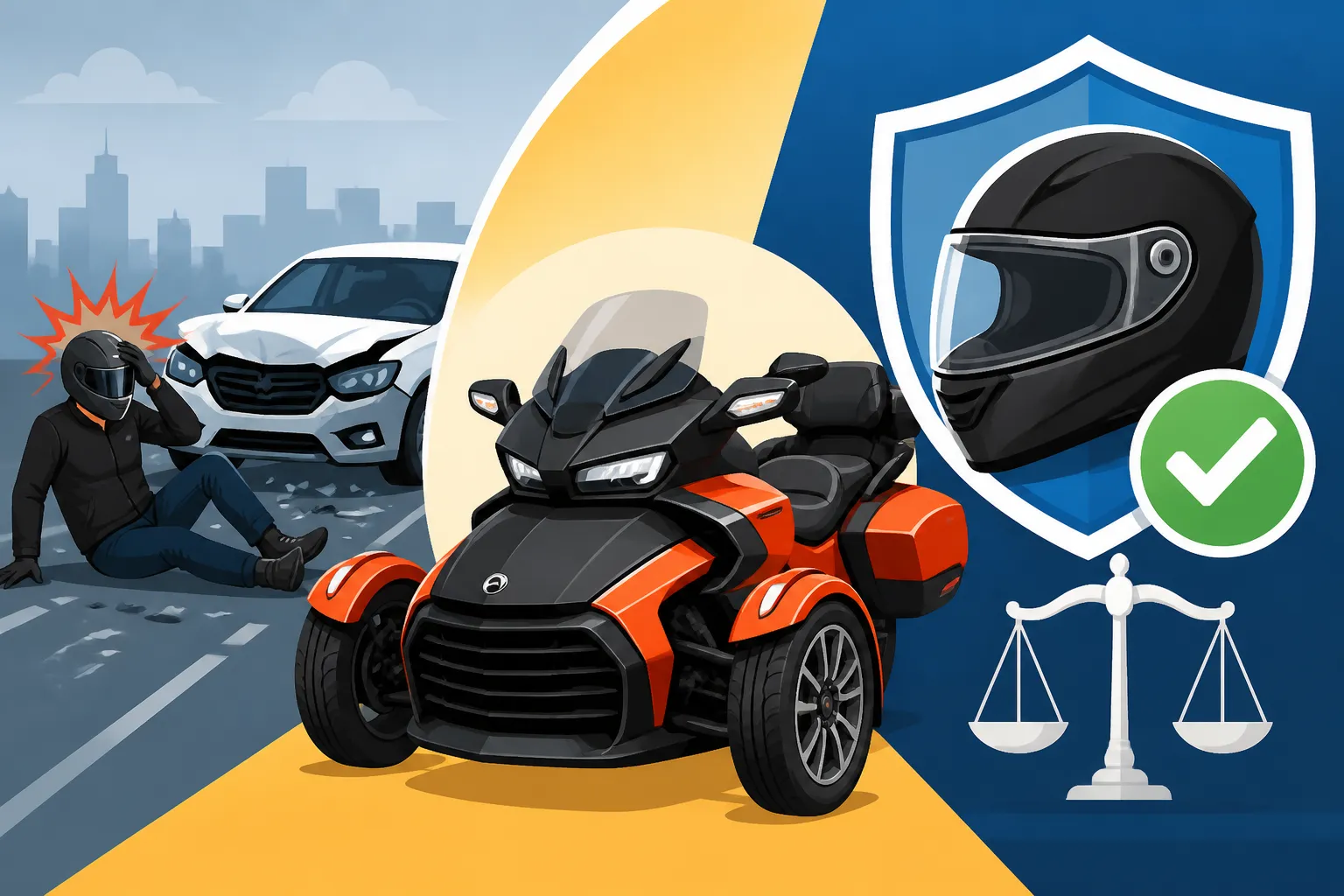
Riding a three-wheeled motorcycle, whether it's a traditional trike, a Can-Am Spyder, or a Polaris Slingshot, offers a unique sense of freedom on the open road. However, many riders often find themselves scratching their heads, wondering if the same helmet laws that apply to their two-wheeled counterparts also apply to them. This can be incredibly confusing, especially when crossing state lines or dealing with different vehicle classifications. This comprehensive guide aims to clear up that confusion, detailing the specific helmet laws for three-wheeled motorcycles and how they might impact your riding experience and potential accident claims.
The Nuances of Three-Wheeled Motorcycle Helmet Laws
It's easy to assume that if it has handlebars and an engine, it's a motorcycle, and thus helmet laws universally apply. But with three-wheeled vehicles, the lines get wonderfully, or frustratingly, blurry. Many states have specific definitions that carve out distinctions, directly affecting whether you need to strap on a helmet before hitting the highway. This isn't just a legal technicality; it’s a critical piece of information for every rider.
Understanding the "Motorcycle" Definition
The core of the confusion often lies in how each state legally defines a "motorcycle." For a traditional two-wheeled motorcycle, the definition is usually straightforward. However, when a third wheel enters the picture, some states begin to categorize these vehicles differently. For instance, some jurisdictions classify three-wheeled motorcycles, often referred to as trikes, as standard motorcycles, meaning all the same rules, including helmet laws, apply without exception. You'll find this approach common in states that prioritize universal safety standards for all powered two or three-wheeled vehicles. They see the inherent risks of open-air riding as consistent, regardless of the wheel count.
Then there are vehicles like the Polaris Slingshot, which are often classified as "autocycles." These are typically three-wheeled vehicles with a steering wheel and side-by-side seating, often resembling a car more than a traditional motorcycle. Many states have created entirely separate classifications for autocycles, often exempting their drivers and passengers from motorcycle helmet laws, especially if they have seatbelts and an enclosed cabin-like feel. The logic here is that the additional safety features, like a roll cage or seatbelts, mitigate some of the risks that helmets are designed to address in open-air vehicles. Understanding these nuanced definitions is your first step in determining what gear you legally need.
State-Specific Variations for Trikes and Autocycles
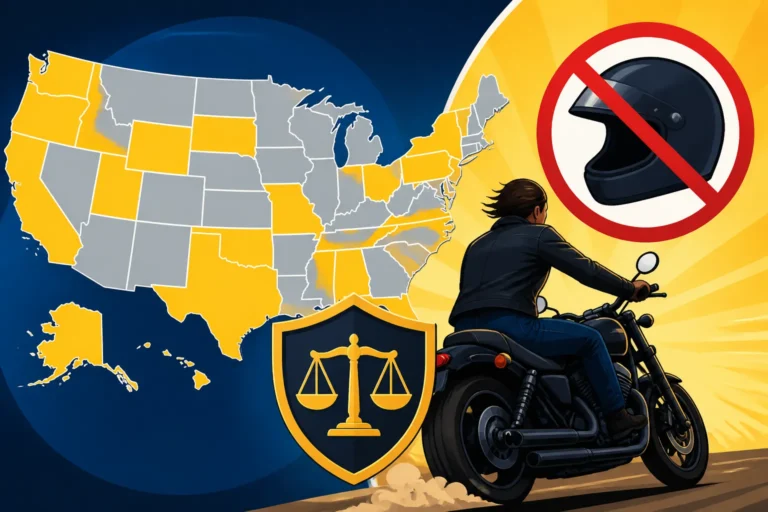
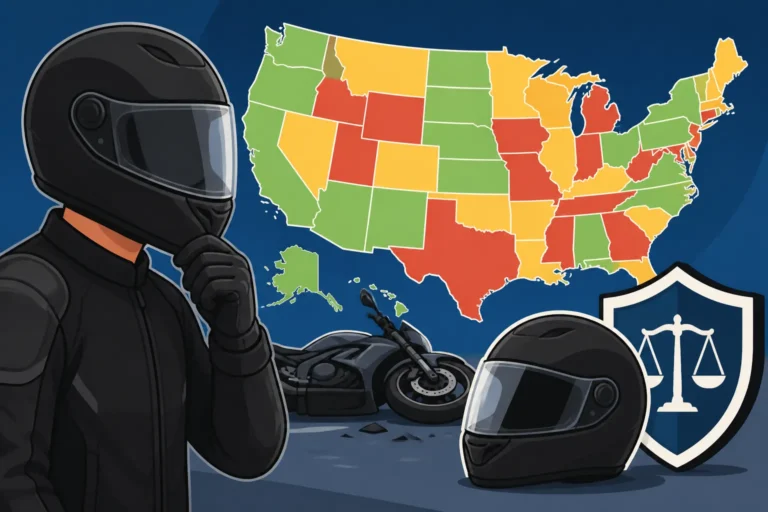
The legal landscape regarding three-wheeled vehicles is truly a patchwork quilt across the United States. What's legal in one state might land you a ticket in another. For example, some states might require helmets for traditional trikes but exempt autocycles. Other states might exempt all three-wheeled vehicles from helmet laws, treating them more like open-top cars. These variations can be frustrating for riders who plan long road trips, as the requirements can change simply by crossing an invisible line on the map.
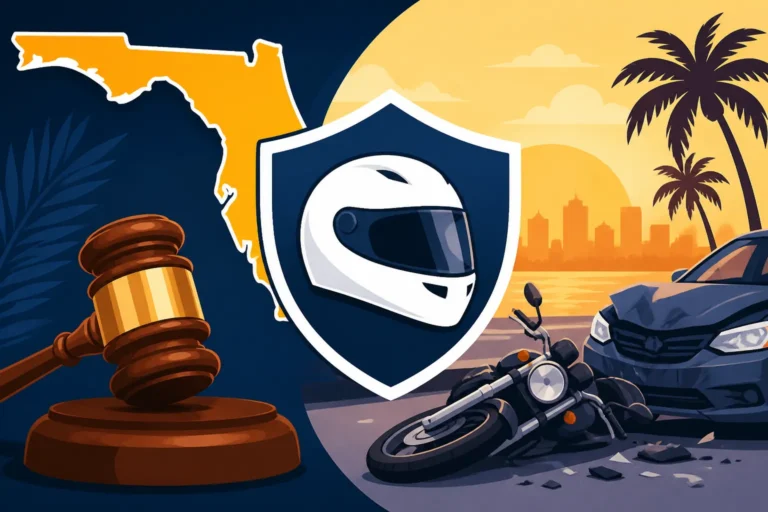
Take Florida, for instance. While Florida has a partial helmet law for two-wheeled motorcycles (riders over 21 with at least $10,000 in medical insurance coverage can ride without a helmet), three-wheeled motorcycles with an enclosed cab or a roll cage, like some autocycles, are often exempt from helmet requirements entirely. Conversely, a state like California has a Universal vs Partial Helmet Laws Explained requirement for all motorcycle operators and passengers, including those on three-wheeled motorcycles, unless the vehicle is explicitly defined otherwise, such as certain types of autocycles with specific safety features. It really boils down to the exact wording in each state's vehicle code and how they define "motorcycle" versus other three-wheeled vehicles. It's not just about how many wheels you have; it’s about how the state legislature perceives and categorizes your ride.
How Helmet Laws Differ Across States for Trikes
The inconsistent application of helmet laws across state lines can be a real headache. As a rider, you're responsible for knowing the laws wherever your wheels take you. This section dives into how universal, partial, and no-helmet-law states typically handle three-wheeled motorcycles.
Universal Helmet Law States and Trikes
In states with universal helmet laws, all motorcycle riders, regardless of age or insurance coverage, are generally required to wear a helmet. This blanket requirement often extends to three-wheeled motorcycles as well, treating them similarly to their two-wheeled brethren. States like California, Georgia, and Washington are prime examples where you'd be hard-pressed to find an exemption for a trike or a Can-Am Spyder. In these states, the fundamental belief is that helmets provide crucial protection against head injuries, which are often severe in motorcycle accidents, regardless of whether the vehicle has two or three wheels.
Riders in these states should always assume a helmet is mandatory unless they have specifically verified their vehicle falls under a rare, explicit exemption, such as a fully enclosed autocycle that meets car safety standards. Even then, you might still face scrutiny from law enforcement who aren't always up-to-date on every single nuance of the vehicle code, especially for newer categories like autocycles. It’s always safer to err on the side of caution and wear a DOT-compliant helmet. After all, your safety is paramount.
Partial Helmet Law States and Three-Wheelers
Partial helmet law states typically require helmets for riders under a certain age (e.g., under 18 or 21), or for all riders unless they meet specific criteria, like having adequate medical insurance. When it comes to three-wheeled motorcycles, these states often apply the same partial rules. For example, in Texas, riders over 21 can ride without a helmet if they have proof of insurance covering at least $10,000 in medical benefits. This rule generally applies to trikes as well.
However, some partial helmet law states introduce further exemptions specifically for three-wheeled vehicles. Florida is a classic example, as mentioned before, where some types of enclosed three-wheelers might be exempt. Michigan is another state that has shifted its helmet laws over the years. While a universal law was in effect until 2012, it's now a partial law. For traditional trikes, the partial law applies. However, autocycles like the Slingshot, with a steering wheel and seatbelts, are often exempt from helmet requirements entirely in Michigan. This makes doing your homework incredibly important. A quick search for "Motorcycle Helmet Laws by State " can help clarify the specific rules for your destination.
States with Exemptions or No Helmet Laws for Trikes
A handful of states either have no universal helmet law for motorcycles, or they have specific exemptions that frequently apply to three-wheeled vehicles. New Hampshire famously has "Live Free or Die" on its license plates and no universal helmet law for any motorcycle rider, regardless of age. This freedom often extends to three-wheeled motorcycles as well. Similarly, Iowa and Illinois do not have universal helmet laws, allowing riders 18 and older to choose whether to wear a helmet. These states often apply the same freedom of choice to operators and passengers of trikes.
The more significant exemptions typically occur for autocycles. States like Arizona, Colorado, and North Carolina, while having some form of motorcycle helmet law, often exempt autocycles (like the Slingshot) from helmet requirements due to their car-like features. It's crucial to understand that these exemptions are highly specific and typically hinge on the vehicle having seatbelts, a steering wheel, and potentially a roll cage or partial enclosure. Just because your vehicle has three wheels doesn't automatically grant you an exemption. You need to verify the exact definition of your vehicle type and the corresponding laws in each state you plan to ride through.
Here's a simplified look at how some states approach helmet laws for three-wheeled motorcycles and autocycles:
| State | General Helmet Law (2-wheelers) | Trike (Traditional 3-wheeler) | Autocycle (e.g., Slingshot) | Notes |
|---|---|---|---|---|
| California | Universal (All Riders) | Universal | Universal | Generally treats all open-air 3-wheelers as motorcycles. |
| Florida | Partial (Over 21 w/ ins.) | Partial | Often Exempt | Exemptions often apply if vehicle has seatbelts/roll cage. |
| Michigan | Partial (Over 21 w/ ins.) | Partial | Exempt | Autocycles specifically exempted due to steering wheel/seatbelts. |
| New Hampshire | None | None | None | No helmet law for any motorcycle or autocycle. |
| Ohio | Partial (Under 18 req.) | Partial | Often Exempt | Exemptions for autocycles are common, but check specific vehicle. |
| Texas | Partial (Over 21 w/ ins.) | Partial | Often Exempt | Similar to Florida, autocycles with specific features may be exempt. |
This table provides a general overview and is not exhaustive or legal advice. Always verify current laws with official state resources.
Practical Implications and Safety Considerations
Beyond the legal obligations, there are significant practical and safety reasons to consider wearing a helmet, even if your three-wheeled motorcycle is legally exempt. As a veteran rider, I've seen firsthand the difference a good helmet can make.
Beyond the Law: Why Helmets Still Matter
Even if your state or the state you're visiting doesn't mandate a helmet for your three-wheeled ride, choosing to wear one is always a smart move. The primary function of a helmet is to protect your head in the event of an accident. While a trike might offer more stability than a two-wheeler, it doesn't make you invincible. Common Causes of Motorcycle Accidents still apply, and you can still be ejected from the vehicle or strike your head against the ground or another object. Head injuries, including traumatic brain injuries, are catastrophic and can have lifelong consequences.
A helmet also offers protection from road debris, insects, and harsh weather conditions. Imagine taking a pebble to the face at 60 mph – not fun, and potentially dangerous. Eye protection, often integrated into a helmet's visor, is crucial for maintaining clear vision. Even if your state only requires eye protection, a full-face helmet combines both head and eye safety in one go. You can find a fantastic selection of helmets, from full-face to modular, that meet DOT standards at places like Cycle Gear, ensuring you have the right fit for comfort and safety.
Ensuring Your Helmet is Compliant and Safe
If you choose to wear a helmet, or if it's legally required, ensuring it's compliant is critical. A compliant helmet means it meets the safety standards set by the Department of Transportation (DOT). This is usually indicated by a "DOT" sticker on the back of the helmet. Don't fall for novelty helmets that don't meet these standards; they offer minimal protection and can actually harm your Motorcycle Accident Claim if you're injured while wearing one. You can learn more about What Is a DOT-Compliant Helmet to make sure you're getting the real deal.
Beyond DOT certification, consider the type of helmet that best suits your riding style and needs. A full-face helmet offers the most comprehensive protection for your head and face, which is especially important given the higher risk of facial injuries in motorcycle crashes. Modular helmets provide flexibility, allowing you to lift the chin bar, while open-face helmets offer more airflow but less protection. When you're browsing for gear, checking out options at a specialist retailer like Cycle Gear can help you find a helmet that not only meets safety standards but also fits properly. A well-fitting helmet is essential; it shouldn't shift around on your head, nor should it create pressure points that become uncomfortable on longer rides.
Impact on Accident Claims and the Helmet Defense
This is where the rubber meets the road, quite literally. If you're involved in a motorcycle accident while riding a three-wheeled vehicle, whether or not you were wearing a helmet, and if it was legally required, can significantly impact your injury claim. Even in states where helmets aren't mandatory for your specific three-wheeler, not wearing one can still be used against you by the at-fault driver's insurance company. This is known as the "helmet defense."
In a personal injury claim, the defense might argue that your injuries, particularly head injuries, would have been less severe had you been wearing a helmet, regardless of the law. This argument can potentially reduce the amount of compensation you receive for medical bills, pain and suffering, and lost wages. This is particularly relevant in states that follow comparative negligence rules. For instance, if you were found 20% at fault for your head injury due to not wearing a helmet, your overall settlement could be reduced by that percentage. Understanding How Not Wearing a Helmet Affects Your Settlement is crucial. Even if the other driver was clearly at fault, failing to take reasonable safety precautions can still negatively impact your case. This is why many experienced riders, myself included, advocate for always wearing appropriate Motorcycle Safety Gear and Legal Protection, including a high-quality helmet, regardless of the specific legal mandates for your three-wheeled machine.
Navigating the Legal Landscape and Staying Informed
Given the complexity and variability of helmet laws for three-wheeled motorcycles, staying informed is not just good practice—it's essential for your safety and legal protection.
Checking Your State's DMV and Local Ordinances
The most reliable source for current helmet laws for your specific vehicle type is your state's Department of Motor Vehicles (DMV) website or equivalent agency. These official sources will have the most up-to-date definitions of motorcycles, autocycles, and other three-wheeled vehicles, as well as the corresponding helmet requirements. Don't rely solely on forum discussions or anecdotal evidence; laws can change, and interpretations vary.
Furthermore, it's not just about state laws. While less common for helmet mandates, some local municipalities might have specific ordinances, although these usually defer to state law regarding vehicle equipment and safety. When planning a trip across state lines, it's wise to review the motor vehicle laws for each state you intend to travel through. A quick search for "Motorcycle Helmet Law in [State Name]" will usually lead you to the official DMV page. This proactive approach can save you from potential tickets and ensure you're compliant, allowing you to enjoy your ride worry-free.
Staying Current with Changing Regulations
The automotive and motorcycle industries are constantly evolving, with new vehicle types emerging that challenge traditional legal classifications. Autocycles are a prime example of this, leading many states to review and update their vehicle codes. What might be an exemption today could become a requirement tomorrow, or vice versa. Therefore, staying current with changes in vehicle law is vital, especially if you own a unique three-wheeled vehicle.
Subscribing to updates from your state's DMV, following motorcycle advocacy groups, or consulting with a legal professional specializing in motorcycle law can help you stay informed. Organizations like the American Motorcyclist Association (AMA) often track legislative changes that affect riders, including helmet laws. Being informed means you can make educated decisions about your gear and riding practices, ensuring both your safety and your legal standing are always protected. Ultimately, a helmet is a piece of safety equipment, and choosing to wear one, regardless of whether it's legally mandated for your specific three-wheeler, is a choice for your well-being.
Disclaimer
This article is for general informational purposes only and does not constitute professional advice. Laws and regulations vary by location and change over time. Consult a qualified professional for guidance on your specific situation.