Motorcycle Helmet Law in Nevada
Riding a motorcycle in Nevada can be an exhilarating experience, with incredible routes like the Valley of Fire Highway or the scenic loop through Red Rock Canyon. But when an accident happens, one of the first things that often comes up is whether you were wearing a helmet, and more specifically, if you were following Nevada's specific helmet laws. It's a frustrating reality that despite someone else causing a collision, the focus can sometimes shift to what you could have done differently. This guide is here to shed light on Nevada's motorcycle helmet law, how it impacts you if you're involved in a crash, and why understanding these details is crucial for protecting your rights.
Nevada's Universal Helmet Law and What It Means for Every Rider
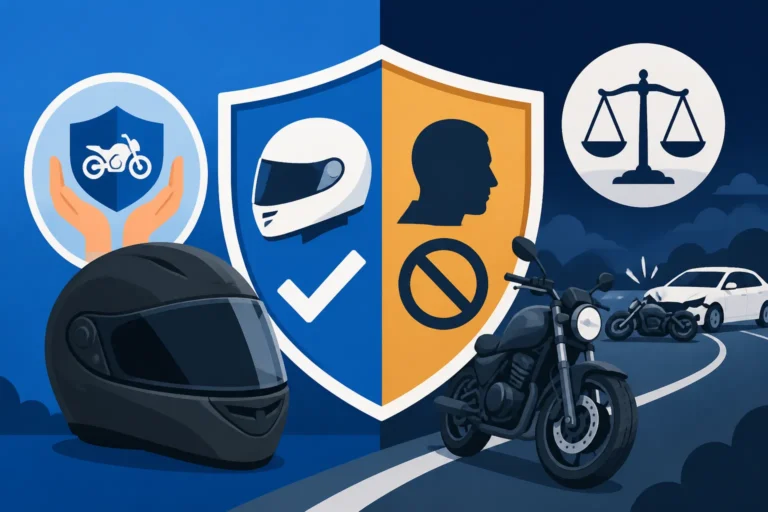
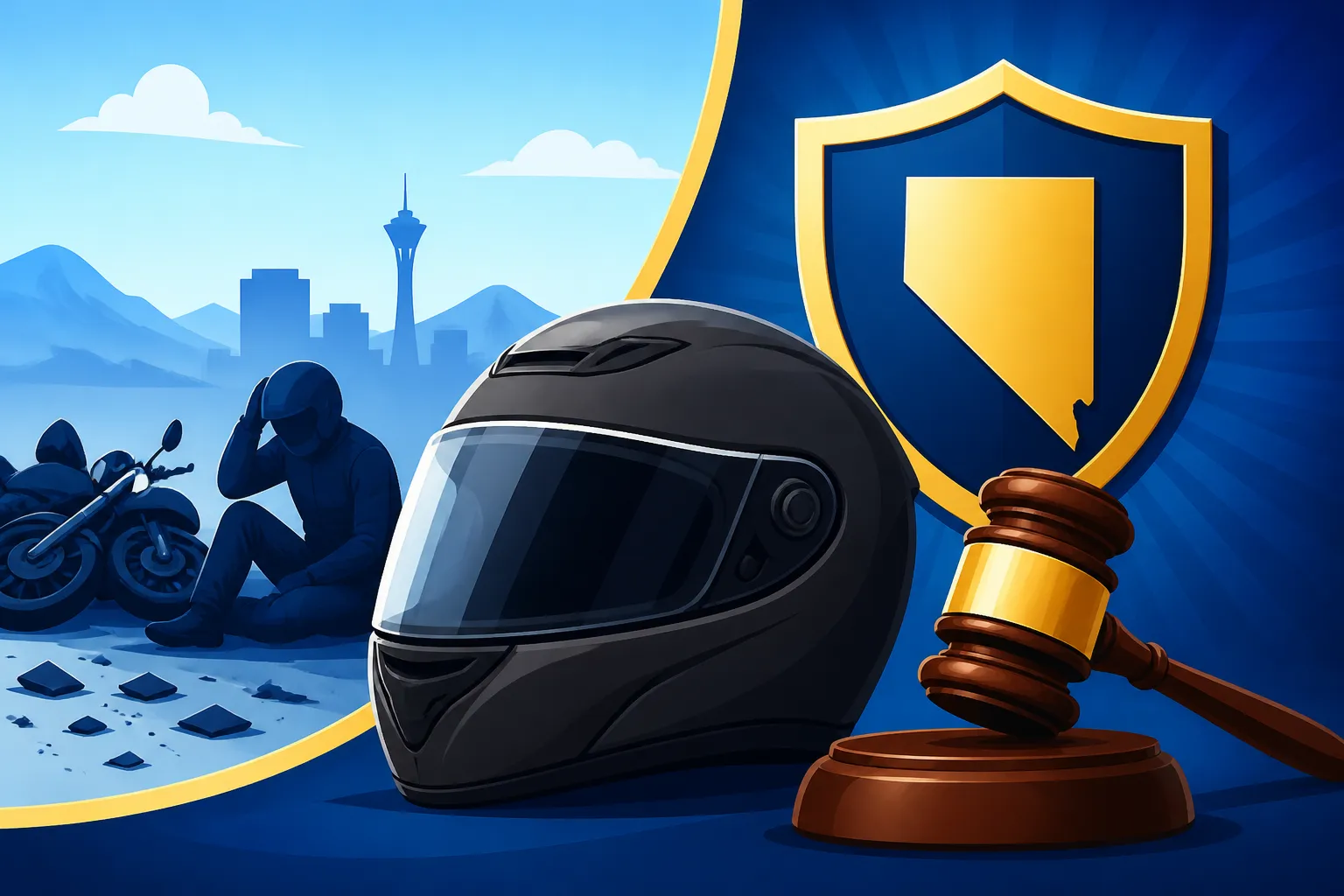
Let's cut right to the chase: Nevada has a universal helmet law, plain and simple. This isn't one of those states where it only applies to riders under a certain age, or where you can skip it if you have enough insurance. No, if you're riding a motorcycle on any public street or highway in Nevada, whether you're the operator or a passenger, you must wear a protective helmet. This is codified in Nevada Revised Statute 486.231, making it a legal requirement for everyone, regardless of age or experience level.
For many riders, this isn't a huge surprise. Safety is paramount, and most of us choose to wear a helmet anyway. However, it's important to understand that this law isn't just about personal safety; it has significant legal ramifications if you're ever involved in a crash. Imagine you're cruising down I-15 near Las Vegas, minding your own business, and a distracted driver suddenly swerves into your lane. Even if that driver is clearly at fault for causing the accident, the fact that you weren't wearing a helmet could still become a point of contention in any subsequent injury claim. It's not fair, but it's the reality of how these situations can play out.
In other states, you might see "partial" helmet laws, where only young riders or new riders are mandated to wear helmets, or even "no helmet" states where adults have the freedom to choose. Nevada isn't one of them. This strict universal rule means there's no gray area for riders traveling through or living in the Silver State. Whether you're making a quick run to the store in Reno or embarking on a cross-state tour, a helmet is legally required. This uniformity, while sometimes seen as restrictive by some riders, does eliminate confusion about when and where a helmet is necessary. It also means that insurance companies and legal teams won't have to debate the nuances of age or insurance coverage if you're involved in a crash; the simple fact of compliance or non-compliance will be a clear point of fact.
The "Helmet Defense" and How It Impacts Your Accident Claim
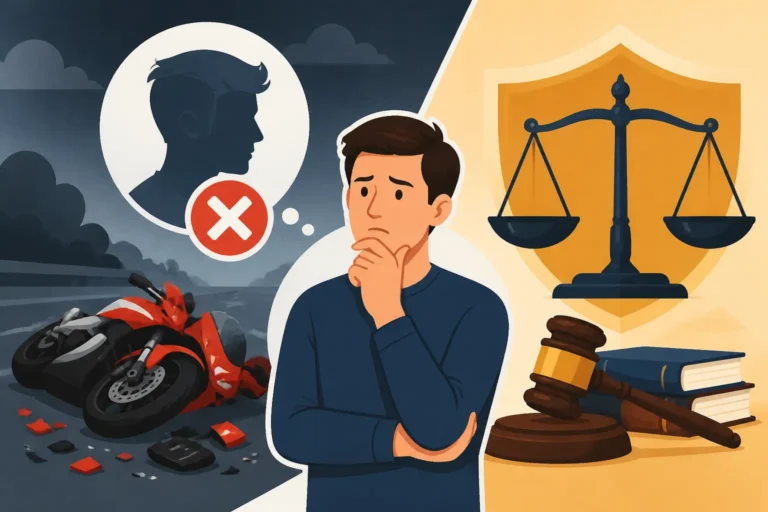
This is where things can get particularly frustrating and complex for injured riders. Even if another driver was 100% at fault for causing your motorcycle accident – maybe they made an illegal left turn or failed to yield – if you weren't wearing a helmet as required by Nevada law, the other party's insurance company will almost certainly try to use that against you. This tactic is known as the "helmet defense," and it's something every Nevada rider needs to be aware of.
The core idea behind the helmet defense is that while the other driver might have caused the collision itself, your failure to wear a helmet contributed to the severity of your head or brain injuries. They'll argue that if you had been wearing a proper helmet, your injuries wouldn't have been as bad, and therefore, they shouldn't have to pay for the full extent of your damages. This is a common strategy employed by insurers to reduce the amount they have to pay out in a settlement. It’s a cynical move, designed to shift some of the blame for your injuries back onto you, even when you did nothing to cause the initial collision. For a deeper dive into how insurers try to assign blame, check out our guide on how insurance companies assign blame to riders.
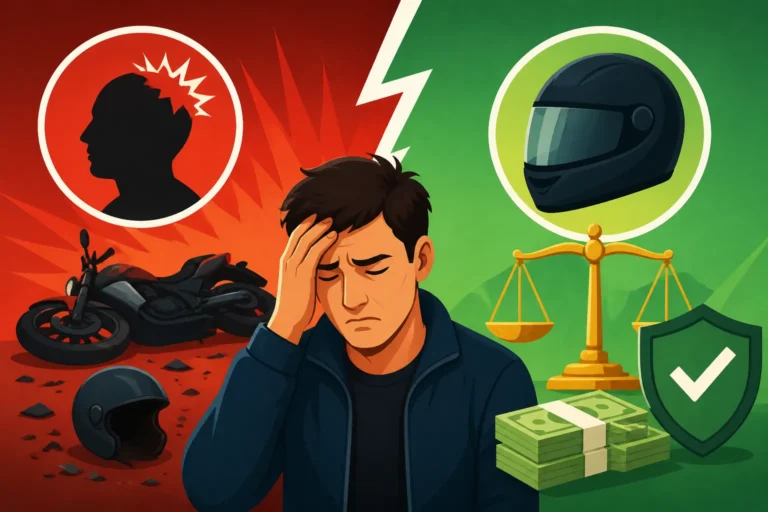
Nevada is a modified comparative negligence state. What this means is that if you are found to be partially at fault for your injuries (even if not for the accident itself), your total compensation can be reduced by your percentage of fault. For example, if a jury determines your total damages are $100,000, but your failure to wear a helmet contributed 20% to your head injury, your award could be reduced by $20,000. If you are found to be 51% or more at fault for your injuries, you might be barred from recovering any damages at all related to those specific head injuries. It's a critical distinction to understand: you might not be at fault for the crash, but you could be deemed partially responsible for the extent of your injuries due to not wearing a helmet. Our article on how comparative negligence reduces your payout offers more insight into this complex topic.
This defense doesn't necessarily mean your entire claim is dead in the water, especially if you suffered other injuries like road rash, broken bones, or internal injuries that a helmet wouldn't have prevented. However, it can significantly complicate things, leading to lengthy disputes and potentially reducing your settlement amount. It makes a strong case for always complying with the law, not just for your safety, but for the integrity of any future legal claim. You can learn more about How Helmet Laws Affect Your Accident Claim in our detailed article. The implications of not wearing a helmet when the law requires it are far-reaching, extending beyond just immediate safety to your financial recovery after a crash.
What Makes a Helmet Legal: DOT Compliance in Nevada
It's not enough to simply wear a helmet in Nevada; it has to be the right kind of helmet. Nevada law explicitly states that the protective headgear must be "of a type approved by the Department of Transportation" (DOT). This isn't just bureaucratic jargon; it's a vital safety standard that dictates a helmet's construction, impact absorption, and coverage. DOT certification is your assurance that a helmet has met stringent federal safety requirements.
So, what exactly does "DOT approved" mean? A DOT-compliant helmet has undergone rigorous testing to ensure it can withstand certain impact forces, distribute energy effectively, and protect the rider's head. These helmets typically have a sturdy outer shell, an impact-absorbing liner (usually made of expanded polystyrene or EPS foam), a comfort padding layer, and a strong chin strap. When you're shopping for gear, whether it's at a local Cycle Gear store in Henderson or browsing online, always look for the DOT sticker on the back of the helmet. This sticker isn't just for show; it's proof that the manufacturer certifies the helmet meets Federal Motor Vehicle Safety Standard (FMVSS) 218. Our comprehensive guide on What Is a DOT-Compliant Helmet provides even more detail on these crucial standards.
The flip side of DOT compliance is the issue of novelty helmets. You’ve probably seen them – those ultra-thin, minimalistic helmets that offer little to no real protection, often with an unofficial-looking "DOT" sticker. These are explicitly not considered legal in Nevada, or indeed in any state with a universal helmet law and DOT requirement. They might look cool, but they won't protect you in an accident, and they certainly won't stand up in court if the helmet defense is raised. An insurance adjuster will quickly point out that a novelty helmet provides essentially no protection against traumatic brain injuries, rendering it legally equivalent to not wearing a helmet at all in the eyes of the law and potentially the jury.
Choosing a proper helmet, like those available at reputable retailers such as Cycle Gear, isn't just about avoiding a ticket. It's about maximizing your chances of survival and minimizing injury in a crash. Furthermore, wearing a DOT-compliant helmet is crucial for protecting your legal standing. If you can demonstrate that you were fully compliant with the law by wearing an approved helmet, it becomes much harder for the opposing side to successfully argue the "helmet defense" against your head injury claims. This simple act of compliance can mean the difference between recovering full compensation for your injuries and having your award significantly reduced.
Practical Steps for Nevada Riders: Beyond the Law
Beyond simply knowing the law, there are practical steps you can take as a Nevada rider to enhance your safety and protect your rights in the unfortunate event of an accident. It's about being proactive and prepared, rather than reactive and scrambling after a collision.
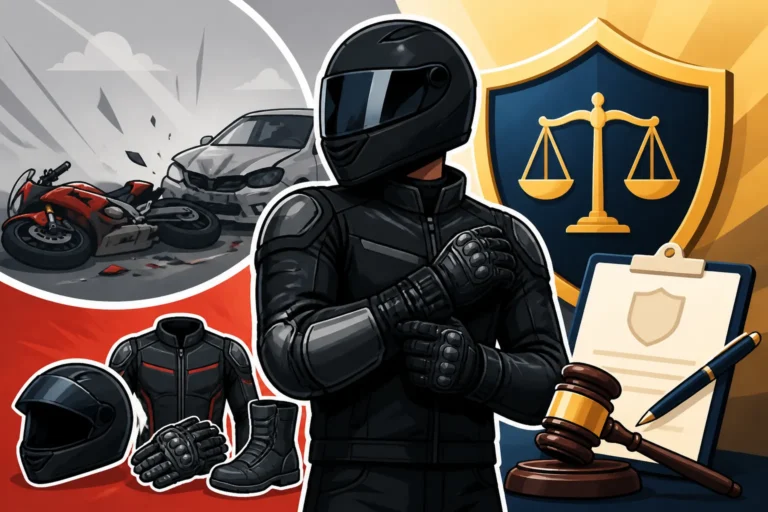
First and foremost, always wear a DOT-compliant helmet. This seems obvious, but it's the single most impactful thing you can do for your personal safety and your future claim. Choose a full-face helmet whenever possible, as it offers the most comprehensive protection for your head and face. Investing in quality gear from trusted brands available at stores like Cycle Gear is always a wise decision. Make sure it fits properly, is securely fastened, and is in good condition. A damaged or ill-fitting helmet offers compromised protection.
Second, document everything immediately after an accident. If you're physically able, take photos of the scene, the vehicles involved, road conditions, and any visible injuries. Critically, if you were wearing a helmet, take photos of it – especially if it shows signs of impact. This evidence can be invaluable in proving that you were compliant with the law and that your helmet sustained damage in the crash, which helps counter any "helmet defense" arguments. For more detailed advice, read our article on Motorcycle Accident Evidence for Proving Fault. It's easy to overlook these steps in the chaos of a crash, but they are absolutely essential for a strong claim.
Nevada Motorcycle Helmet Law Summary
| Aspect | Requirement | Impact on Claim (if not followed) |
|---|---|---|
| Who Must Wear | All riders and passengers (universal law) | Potential reduction in compensation for head injuries |
| Helmet Type | DOT-approved (Federal Motor Vehicle Safety Standard 218) | Novelty helmets treated as non-compliant; claims can be affected |
| Protective Gear | Not explicitly mandated, but strongly recommended | Lack of other gear (e.g., jackets, gloves) can increase other injury damages |
| Legal Basis | Nevada Revised Statute 486.231 | Opposing counsel can use non-compliance via "helmet defense" |
| Comparative Neg. | Nevada is a modified comparative negligence state (51% rule) | Compensation reduced by percentage of fault for injuries |
Finally, seek medical attention immediately, even if you feel fine. Some serious injuries, especially those related to the head or spine, might not manifest symptoms right away. A documented medical record from shortly after the incident is crucial for your health and for establishing a direct link between the accident and your injuries. If you choose not to wear a helmet and sustain a head injury, delaying medical treatment only gives the opposing side more ammunition to argue that your injuries weren't serious or weren't directly caused by the crash. This immediate action also supports your ability to pursue Motorcycle Accident Traumatic Brain Injuries, Spinal Cord Injuries from Motorcycle Accidents, or other serious injury claims effectively. Being prepared and diligent can make a significant difference in the outcome of your claim, ensuring you receive the compensation you deserve for your physical and emotional recovery. Always remember, protecting your legal rights is as important as protecting yourself on the road.
Disclaimer
Please note that this article provides general information about Nevada's motorcycle helmet laws and their potential impact on accident claims. It is not intended as legal advice. Laws can change, and every accident case is unique. For personalized advice regarding your specific situation, it is always recommended to consult with a qualified legal professional specializing in motorcycle accident claims in Nevada.