Spinal Cord Injuries from Motorcycle Accidents
The road is a place of freedom and exhilaration for us riders, but it also carries immense risks. Few things are as devastating as a spinal cord injury (SCI) sustained in a motorcycle accident, robbing individuals of their mobility, independence, and often, their entire way of life. This comprehensive guide aims to shed light on spinal cord injuries from motorcycle accidents, exploring their causes, immediate and long-term impacts, and the critical steps involved in securing the support and compensation needed for a challenging future.
Understanding Spinal Cord Injuries from Motorcycle Accidents
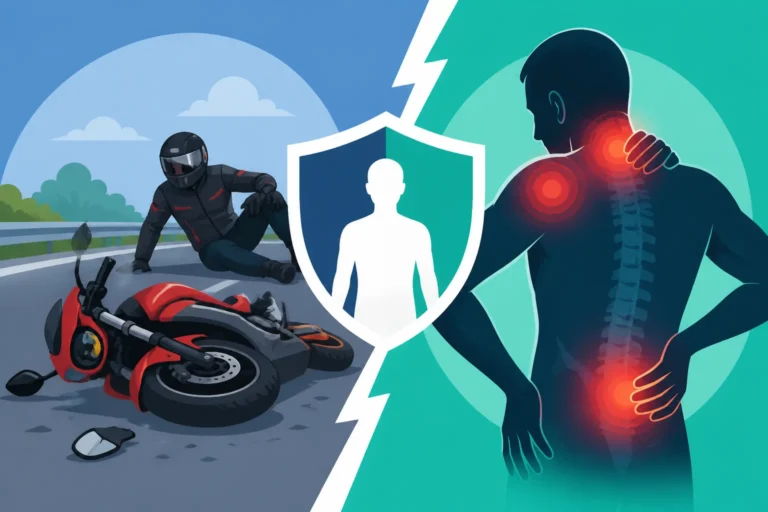
When you’re out on two wheels, you feel connected to the road in a way car drivers can only dream of. But this connection comes at a price: the severe lack of protection compared to a closed vehicle. This inherent vulnerability makes motorcycle riders particularly susceptible to catastrophic injuries, with spinal cord damage being among the most life-altering.
The Anatomy of a Vulnerable Spine
To truly grasp the severity, let's briefly consider what the spinal cord is and why it's so vital. Your spinal cord is essentially the superhighway for messages between your brain and the rest of your body, encased within a protective column of bones called vertebrae. These vertebrae, cushioned by discs, allow for flexibility and movement while safeguarding the delicate nerves. However, this natural protection is often no match for the immense forces involved in a motorcycle crash. Unlike a car driver, who is surrounded by a steel cage, airbags, and seatbelts, a motorcyclist has no crumple zone. The rider is the crumple zone. This means that when a collision occurs, your body, and especially your spine, directly absorbs the impact, making it incredibly vulnerable to severe trauma.
How Motorcycle Crashes Cause SCIs
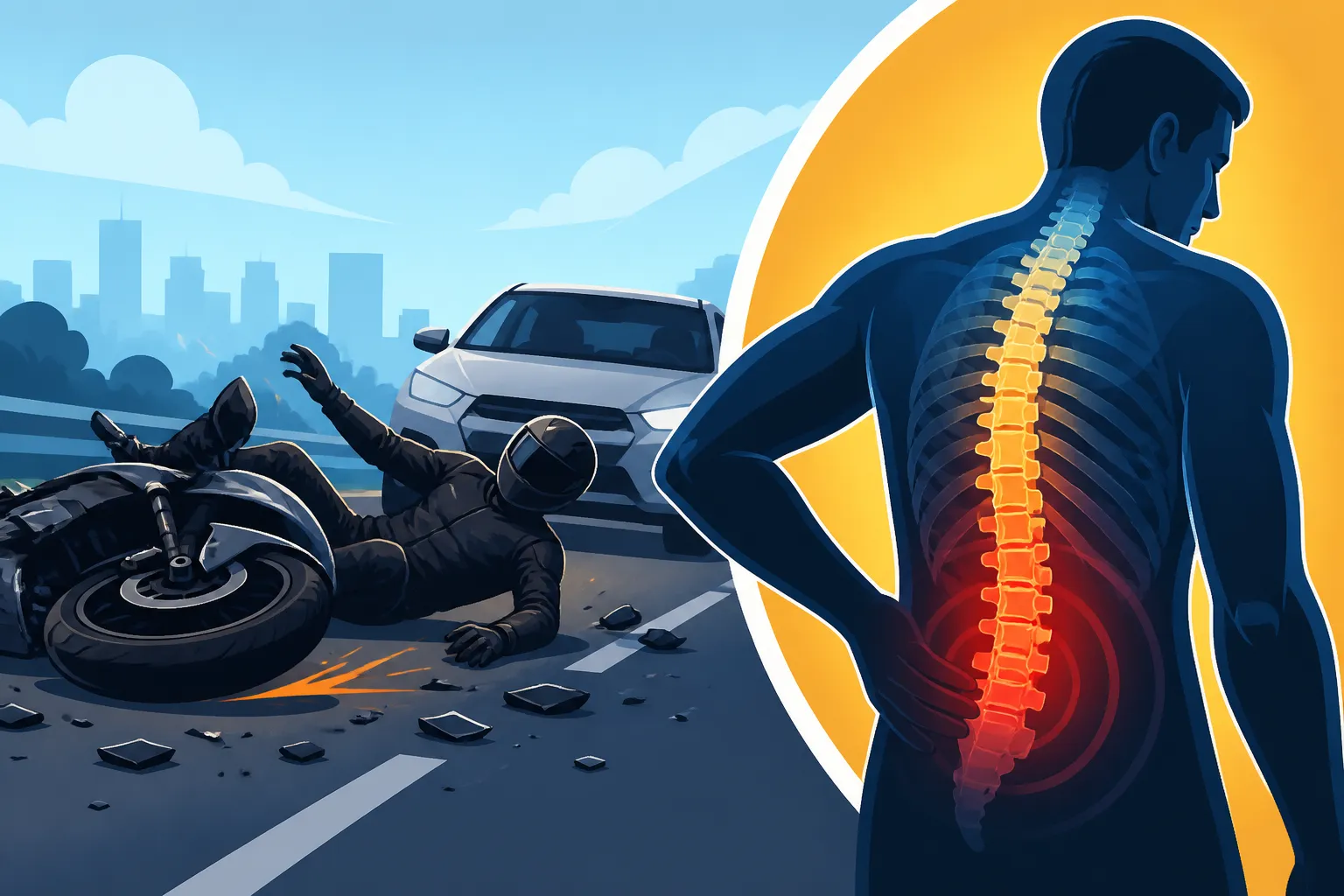
Spinal cord injuries don't just happen one way; they can result from a complex interplay of forces. One common scenario is direct impact trauma. Imagine being thrown from your bike and hitting the pavement or another vehicle with your back or head. The sheer force can cause vertebrae to fracture, dislocate, or burst, sending bone fragments into the spinal cord itself. This kind of impact can be sudden and brutal, directly damaging the neural tissue.
Another frequent mechanism is flexion and extension injuries, often referred to as a "whiplash effect" but on a much more severe scale. If your head or torso is violently thrown forward and then backward, or twisted, the ligaments holding your spine together can tear, and the vertebrae can become unstable. This kind of sudden, uncontrolled movement can stretch or compress the spinal cord, leading to damage. For instance, a rear-end collision, though less common for motorcycles, could hyperextend the neck and upper back. Additionally, severe compression injuries can occur if you land heavily on your feet or head, forcing vertebrae together and potentially crushing the spinal cord. In some rare but terrifying instances, penetrating injuries from debris or sharp objects can directly sever or damage the cord. Riders often find themselves in situations that lead to "Common Causes of Motorcycle Accidents" which can involve any of these dangerous scenarios.
Differentiating Complete and Incomplete SCIs
The medical world classifies spinal cord injuries into two main categories: complete and incomplete. Understanding the difference is crucial for both prognosis and the subsequent legal and medical journey. A complete spinal cord injury means there is a total loss of motor function and sensation below the level of the injury. If you have a complete injury at, say, the T6 vertebra, you would typically experience paralysis from the chest down, including loss of bladder and bowel control, and an inability to feel anything below that point. It's a devastating diagnosis that profoundly alters every aspect of life.
An incomplete spinal cord injury, on the other hand, means that some function, sensation, or both, are preserved below the primary injury site. This could manifest in various ways: perhaps you can still feel some touch but can't move your legs, or you can move one side of your body but not the other. There might be patchy sensation, or some muscle groups may still respond to commands. The degree of preservation can vary wildly, from almost full recovery to only minor improvements. While still immensely challenging, an incomplete SCI often offers a more hopeful prognosis for some recovery and rehabilitation. The classification is typically made using the ASIA (American Spinal Injury Association) Impairment Scale, which meticulously assesses sensory and motor function to determine the extent and level of the injury.
Immediate Aftermath and Diagnosis of a Spinal Cord Injury
The moments immediately following a motorcycle accident involving a suspected spinal cord injury are chaotic, frightening, and absolutely critical. The actions taken by first responders and medical professionals during this initial phase can significantly impact the long-term outcome for the injured rider.
First Responders and On-Scene Care
When a rider is involved in a serious crash, the top priority for emergency medical services (EMS) personnel like firefighters and paramedics is to stabilize the individual's spine. You've likely seen it on TV or in real life: a neck brace, or cervical collar, is meticulously placed, and the person is carefully secured to a rigid backboard. This isn't just standard procedure; it's a life-saving measure designed to prevent further damage to a potentially compromised spinal cord during transport. Even minor movements can exacerbate an existing injury, turning an incomplete injury into a complete one, or worsening paralysis.
The delicate process of extrication, moving the injured rider from the scene to the ambulance, is performed with extreme caution. Paramedics are highly trained to maintain "inline stabilization" of the head and neck, ensuring the spine remains as straight and still as possible. They will assess vital signs, check for sensation and movement, and gather initial information from witnesses or the rider if conscious and able to communicate. This immediate, careful attention by first responders is an unsung hero in the story of many SCI survivors, setting the stage for subsequent medical interventions. Knowing "What to Do Immediately After a Motorcycle Accident" is vital, but when an SCI is suspected, the best thing you can do is stay still and let the pros handle it.
Hospital Assessment and Diagnostic Tools
Once at the emergency room, a suspected spinal cord injury triggers a rapid and intensive diagnostic protocol. The trauma team will conduct a thorough neurological examination to assess motor function, sensation, and reflexes. This often involves checking your ability to move specific muscle groups, feeling light touch or pinpricks, and testing reflexes across your body. The ASIA Impairment Scale (AIS) is frequently used here, assigning a grade (A-E) based on the completeness of the injury and the neurological level.
Beyond the physical exam, advanced imaging is paramount. X-rays can quickly identify obvious fractures or dislocations of the vertebrae. However, to get a detailed view of the spinal cord itself and surrounding soft tissues, computed tomography (CT) scans and magnetic resonance imaging (MRI) are indispensable. A CT scan provides cross-sectional images that are excellent for revealing bone injuries and acute hemorrhages. An MRI, on the other hand, is superior for visualizing the delicate spinal cord, ligaments, and discs, and can detect swelling, bruising, or compression of the cord that might not show up on a CT scan. These tools collectively allow doctors to precisely locate the injury, understand its nature, and begin formulating a treatment plan.
Initial Medical Interventions and Treatment
The initial medical treatment for an SCI aims to stabilize the spine, minimize secondary damage, and manage any life-threatening complications. In some cases, high doses of corticosteroids, like methylprednisolone, were historically used immediately after injury to reduce swelling around the spinal cord, though their efficacy is now debated and their use is less universal. More critical in many cases is surgical intervention. If there are fractured vertebrae causing instability or bone fragments compressing the spinal cord, surgery may be necessary to decompress the cord and stabilize the spinal column. This could involve procedures to remove bone fragments, fuse vertebrae with rods and screws, or repair damaged ligaments.
Beyond surgery, managing secondary complications is vital. Immediately after an SCI, the body can experience what's called "spinal shock," leading to a temporary loss of reflexes and muscle tone below the injury. Blood pressure can plummet, and respiratory function can be compromised, especially with higher-level injuries affecting the diaphragm. Medical teams work diligently to maintain stable blood pressure, oxygenation, and fluid balance to optimize the environment for spinal cord recovery and prevent further neurological deterioration.
Navigating Life with a Spinal Cord Injury
A spinal cord injury from a motorcycle accident isn't just a physical wound; it's a life-altering event that necessitates a complete re-evaluation of one's existence. The journey of recovery and adaptation is long, arduous, and fraught with both physical and emotional challenges.
Physical and Medical Challenges
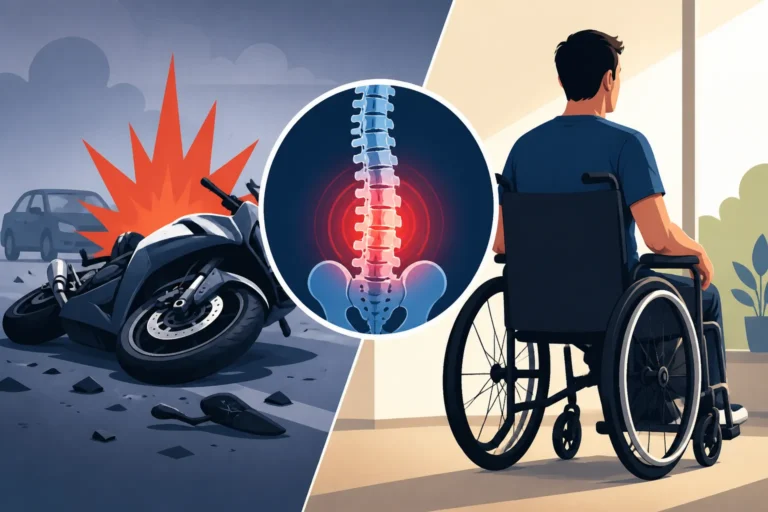
The most immediate and obvious changes manifest as physical and medical challenges. Depending on the level and completeness of the injury, individuals face either paraplegia (paralysis affecting the lower half of the body) or quadriplegia/tetraplegia (paralysis affecting all four limbs and the torso). This loss of motor function means relearning fundamental tasks like sitting, standing, and moving, often with the aid of a wheelchair or other assistive devices. Coupled with motor loss is the significant impact on sensation; many individuals lose the ability to feel touch, temperature, or pain below their injury level. This sensory loss creates risks for unnoticed injuries like pressure sores, which can become serious infections.
Beyond the paralysis, SCIs bring a host of secondary medical issues. Bladder and bowel control are frequently affected, requiring lifelong management through catheters, medication, or specific routines. Spasticity, involuntary muscle contractions and stiffness, is common and can be painful and debilitating. Respiratory complications are a major concern for higher-level cervical injuries, as the muscles controlling breathing may be weakened or paralyzed, requiring ventilator support or extensive breathing exercises. Chronic pain, nerve pain, and neuropathic pain are also prevalent, often proving difficult to manage. The long-term impact of these injuries is profound, touching every system of the body. You can learn more about the broader "Long-Term Effects of Motorcycle Injuries" in our other guides.
Emotional and Psychological Impact
While the physical challenges are visible, the emotional and psychological toll of an SCI is equally, if not more, devastating. Riders often identify deeply with their freedom and independence, and the sudden loss of these can lead to profound grief. Many struggle with depression, anxiety, and post-traumatic stress disorder (PTSD) as they come to terms with their new reality. The feeling of being "trapped" in a body that no longer responds can lead to immense frustration and despair. Relationships with family and friends can be strained, and social isolation can become a real problem.
Adjusting to a drastically different life, needing assistance for personal care, and facing the limitations imposed by paralysis can be overwhelming. There's a grieving process for the life that was, and a difficult journey of acceptance for the life that is. Psychological support, including counseling, therapy, and peer support groups, becomes absolutely critical for mental and emotional well-being. Without it, the challenges of physical recovery can be magnified by a deep sense of hopelessness.
Long-Term Rehabilitation and Care Needs
The path to living with an SCI involves extensive and ongoing rehabilitation. This journey often begins with inpatient rehabilitation, where individuals spend weeks or months in specialized facilities like those at the Shepherd Center in Atlanta or Craig Hospital in Englewood, Colorado. Here, physical therapists help rebuild strength and function, occupational therapists teach adaptive techniques for daily living, and speech therapists assist if communication or swallowing is affected. The focus is on maximizing independence, even if that means learning entirely new ways to perform tasks.
Once home, rehabilitation often continues on an outpatient basis. But the care needs extend far beyond therapy. Many individuals require assistive devices, from advanced power wheelchairs to specialized braces and adaptive equipment for eating, dressing, and hygiene. Home modifications are almost always necessary, including ramps, widened doorways, accessible bathrooms with roll-in showers, and sometimes even elevators. Depending on the severity, ongoing personal care assistance or even skilled nursing care may be required for years, or even a lifetime. This level of long-term care planning is exhaustive and incredibly expensive, making the financial aspects of an SCI claim paramount.
The Staggering Financial Burden of Spinal Cord Injuries
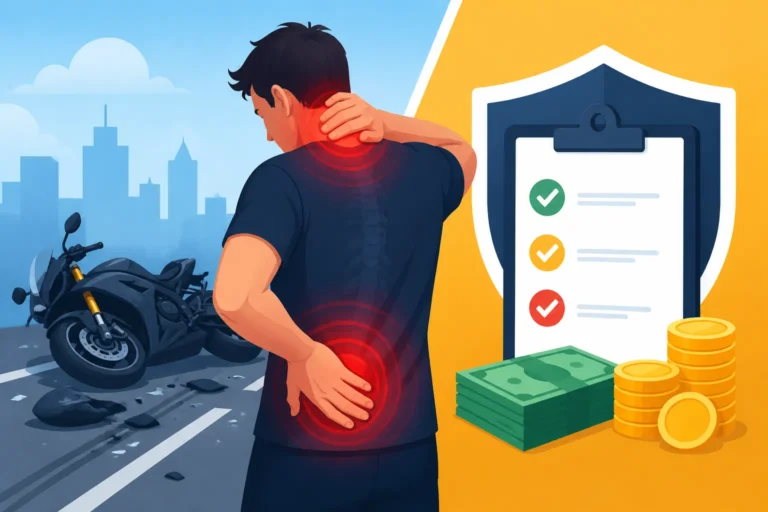
Few injuries carry the financial weight of a spinal cord injury. The costs are not just immediate; they extend throughout a person's entire lifetime, creating a burden that can quickly become insurmountable without proper compensation. Understanding these costs is fundamental to pursuing a just settlement.
Calculating Medical Expenses
The initial medical expenses following a severe SCI are staggering. Think about the ambulance ride, emergency room stabilization, multiple surgeries to decompress and stabilize the spine, and weeks or months in an intensive care unit. Even basic medications to manage pain, spasticity, or bladder issues add up quickly. After the acute phase, the cost of inpatient and then outpatient rehabilitation, with multiple therapy sessions each week, can run into the hundreds of thousands of dollars annually.
But it doesn't stop there. An SCI survivor will require lifelong ongoing medical care: regular visits to neurologists, urologists, physiatrists, and other specialists. There are frequent tests, medications, wound care supplies, and equipment replacements (e.g., wheelchairs, hospital beds, breathing machines). A single pressure sore can lead to lengthy hospitalization and surgery. According to the National Spinal Cord Injury Statistical Center, the estimated lifetime costs for a high tetraplegia (C1-C4) injury can exceed $5 million, even for a 25-year-old. For an incomplete motor functional SCI, it can still be well over $2 million. These figures only cover direct medical and living expenses, not lost income or pain and suffering. Accurately calculating "How Medical Expenses Are Calculated in a Motorcycle Claim" is a highly specialized process.
Lost Income and Earning Capacity
Beyond medical bills, a spinal cord injury can completely derail a person's ability to earn a living, leading to a profound loss of income and earning capacity. Immediately after the accident, the inability to work results in lost wages. If the rider was the primary breadwinner for their family, this can throw the household into immediate financial crisis. This isn't just a temporary setback; for many, it means a permanent end to their previous career.
Consider a construction worker who was a motorcycle enthusiast, now facing quadriplegia. His physical job is no longer an option. Even for someone in a less physically demanding profession, the challenges of adapting to a disability, managing medical appointments, and dealing with chronic pain can severely limit their ability to return to their former employment. This loss of future earning capacity, the difference between what they would have earned and what they can now earn over their lifetime, must be meticulously calculated. This also includes the loss of important fringe benefits like health insurance, retirement contributions, and bonuses that would have been part of their compensation package. Our guide on "How Lost Wages Are Calculated in a Motorcycle Claim" offers further insight into this complex calculation.
Other Economic and Non-Economic Damages
The financial impact of an SCI extends to many other areas. First, there's the property damage to the motorcycle itself, which in a severe crash is often a complete loss. Then come the essential home modifications needed to make living spaces accessible, which can involve significant renovations. Specialized vehicles with hand controls or wheelchair lifts are also a substantial expense. These are all considered economic damages – direct, quantifiable financial losses.
But the law also recognizes non-economic damages, which are harder to quantify but no less real. This category includes the profound pain and suffering endured, both physical and emotional. Imagine the chronic nerve pain, the emotional anguish of losing independence, the depression, and the frustration. It also includes the loss of enjoyment of life – the inability to participate in hobbies, sports, or simply enjoy everyday activities that were once taken for granted. For married individuals, there's often a claim for loss of consortium, recognizing the impact on the marital relationship. These non-economic damages are a crucial part of securing fair compensation, acknowledging the human cost of such a devastating injury. Understanding the difference between "Economic vs Non-Economic Damages Explained" is key to a comprehensive claim.
| Damage Category | Description | Typical Examples for SCI |
|---|---|---|
| Economic | Quantifiable financial losses, easily calculated. | Medical bills (ER, surgery, rehab, medication, ongoing care), lost wages, future lost earning capacity, home modifications, specialized vehicle costs, assistive devices, personal care attendants. |
| Non-Economic | Non-financial losses, subjective, harder to quantify but deeply impactful. | Physical pain and suffering, emotional distress, mental anguish, loss of enjoyment of life, disfigurement, loss of consortium (for spouse). |
| Punitive | Awarded in rare cases to punish egregious conduct, not to compensate for losses. | Drunk driving, extreme recklessness (e.g., street racing). |
Building Your Motorcycle Accident Claim After an SCI
Securing fair compensation after a spinal cord injury from a motorcycle accident is not a simple task. It requires meticulous documentation, a thorough understanding of liability, and often, skilled legal advocacy. The stakes are incredibly high, as the outcome of your claim will directly influence the quality of your life for decades to come.
Gathering Critical Evidence
The foundation of any strong personal injury claim, especially one involving a severe SCI, is robust evidence. This begins with an exhaustive collection of all medical records: ambulance reports, emergency room charts, surgical notes, hospital discharge summaries, rehabilitation records, and ongoing specialist reports. These documents are vital for proving the extent and severity of your injuries, as well as the causality – that the injuries directly resulted from the motorcycle accident. It's not enough to say you're hurt; you need clinical proof. This is why learning "How to Document Injuries for a Claim" from day one is paramount.
Beyond medical documents, accident-specific evidence is crucial. This includes the official police report, photographs and videos of the accident scene, your damaged motorcycle, and your injuries. Witness statements from anyone who saw the crash can provide invaluable third-party accounts. For complex accidents, an expert accident reconstructionist may be hired to analyze physical evidence, vehicle data, and witness statements to recreate the events leading to the collision, definitively proving how it occurred and who was at fault. Additionally, expert testimony from neurologists, physiatrists, and life care planners will be essential to explain the injury's impact and project future needs.
Proving Fault and Liability
In most personal injury cases, you must prove that another party's negligence caused your injuries. This means demonstrating that the at-fault driver (or other responsible party) breached a duty of care, and this breach directly led to your accident and subsequent spinal cord injury. Examples of negligence include distracted driving, speeding, running a red light, or driving under the influence. It’s a sad reality that many drivers simply don’t see motorcycles, leading to devastating accidents, especially during "Left-Turn Motorcycle Accidents Explained".
However, proving fault can be complicated, especially if the other party's insurance company tries to assign partial blame to the motorcyclist. This is where comparative negligence laws come into play, which vary by state. In California, for instance, a "pure comparative negligence" rule means you can recover damages even if you are 99% at fault, though your compensation will be reduced by your percentage of fault. In other states like Texas, a "modified comparative negligence" rule with a 51% bar means you cannot recover anything if you are found to be more than 50% at fault. This nuance makes expert legal guidance indispensable. Sometimes, liability might extend beyond the driver to a municipality for a dangerous road hazard or even a manufacturer for defective motorcycle parts. A comprehensive understanding of "Motorcycle Accident Liability: A Complete Guide" is vital for a strong claim.
The Role of an Attorney in SCI Cases
Given the devastating nature of spinal cord injuries and the astronomical costs involved, attempting to navigate the claims process alone is incredibly risky. This is precisely why you "Do You Need a Motorcycle Accident Lawyer" who specializes in severe injury cases, particularly those involving motorcycle accidents. An experienced attorney brings a wealth of knowledge and resources to your claim.
They understand the complex legal and medical landscape unique to SCIs. They know which medical experts to consult, how to interpret intricate medical records, and how to build a compelling case for the full extent of your economic and non-economic damages. Your attorney will handle all communication with the at-fault driver's insurance company, protecting you from adjusters who may try to minimize your injuries or trick you into admitting fault. They will gather all necessary evidence, negotiate fiercely on your behalf, and prepare your case for trial if a fair settlement cannot be reached. In short, they become your advocate, allowing you to focus on your recovery without the added stress of legal battles.
Maximizing Compensation for Spinal Cord Injury Victims
When dealing with a spinal cord injury, "compensation" isn't just about covering bills; it's about securing a lifeline for a future that will undoubtedly be filled with extraordinary expenses and challenges. Maximizing this compensation is not about getting rich, but about ensuring a decent quality of life.
Understanding Insurance Policies and Coverage Limits
One of the harsh realities of personal injury claims is that the amount of compensation you can ultimately receive is often dictated by the available insurance coverage. The primary source of recovery will typically be the at-fault driver's liability insurance policy. Unfortunately, many drivers carry only the minimum state-mandmandated liability coverage, which might be as low as $25,000 or $50,000. While this might be sufficient for minor injuries, it is woefully inadequate for a spinal cord injury, which can incur millions in lifetime costs. This is where your own insurance policies become incredibly important.
If the at-fault driver is uninsured or underinsured, your uninsured/underinsured motorist (UM/UIM) coverage can step in to cover the gap. This is why having robust UM/UIM coverage is absolutely critical for motorcyclists, who are statistically more likely to be involved in accidents with underinsured drivers. Additionally, your personal injury protection (PIP) or medical payments (MedPay) coverage, if you have it, can provide immediate funds for medical expenses regardless of fault. It's a sad reality that "How Insurance Policy Limits Affect Your Payout" can be a hard cap on what you receive, making maximizing every available policy crucial.
The Importance of a Life Care Plan
For spinal cord injuries, a life care plan is not just helpful; it's often the single most important document in a catastrophic injury claim. A life care plan is a comprehensive, detailed projection of all the medical, rehabilitation, equipment, home care, and personal assistance needs an SCI survivor will have over their entire lifetime. It's developed by a certified life care planner, often in conjunction with medical experts like physiatrists and occupational therapists.
This plan quantifies the exact costs associated with everything from future surgeries, medications, and therapy sessions, to the replacement of wheelchairs, adaptive vehicle modifications, and the wages for personal care attendants. It considers inflation, the individual's projected lifespan, and specific needs based on their injury level. Without a thoroughly developed life care plan, it's virtually impossible to accurately assess the full value of a spinal cord injury claim. It serves as irrefutable evidence for jurors or insurance adjusters, demonstrating the concrete financial demands of a lifetime with an SCI. It makes the abstract concept of future needs tangible, especially when discussing "Future Medical Costs Explained".
Negotiating and Litigating for a Fair Settlement
The process of securing a fair settlement for an SCI is rarely straightforward. Insurance companies, even those of their policyholders, are businesses first and foremost. Their goal is to pay as little as possible. This means they will often start with a lowball offer, hoping you are desperate enough to accept. A skilled attorney understands these tactics and will prepare a comprehensive demand letter backed by all the evidence, including your life care plan and expert testimony. This initiates a negotiation process that can be protracted and challenging.
If negotiations fail to yield a reasonable offer, your attorney will advise you on the next steps, which may involve filing a lawsuit. While most cases settle before trial, the willingness and ability of your legal team to take a case to court significantly strengthens your negotiating position. A jury, particularly one made aware of the immense lifetime challenges and costs associated with an SCI, may award a much higher amount than an insurance company is willing to offer in settlement. Understanding "How Motorcycle Accident Settlements Are Calculated" in these severe cases involves intricate legal and medical calculations, making professional guidance indispensable.
Support Systems and Resources for SCI Survivors
Life after a spinal cord injury can feel incredibly isolating, but it doesn't have to be. A robust network of support systems and resources exists to help survivors and their families navigate the physical, emotional, and financial complexities. Tapping into these resources is crucial for long-term well-being and adaptation.
Connecting with Support Networks
One of the most powerful resources for SCI survivors is connecting with others who understand what they are going through. Peer support groups, both online and in-person, offer invaluable emotional support, practical advice, and a sense of community. Organizations like the United Spinal Association and the Christopher & Dana Reeve Foundation offer extensive resources, including peer mentoring programs, educational materials, and advocacy initiatives. These groups can provide tips on managing daily challenges, navigating healthcare systems, and maintaining mental health.
Beyond formal groups, never underestimate the power of your personal network. Family and friends, though they may struggle to understand the full scope of your challenges, are vital for emotional support and practical assistance. Don't be afraid to lean on them and communicate your needs clearly. Local community centers, churches, or disability services often have programs or connections that can offer additional support, from transportation services to recreational activities adapted for individuals with disabilities.
Government Programs and Financial Aid
The financial burden of an SCI often necessitates accessing various government programs. Medicaid and Medicare can provide crucial assistance with medical expenses, depending on your income and disability status. Medicaid is often available for low-income individuals, while Medicare typically kicks in after a period of receiving Social Security Disability Insurance (SSDI) benefits. SSDI itself provides income replacement for individuals who can no longer work due to a severe, long-term disability. The application processes for these programs can be lengthy and complex, but the benefits are essential for sustaining life with an SCI.
Many states also offer vocational rehabilitation services, which can help SCI survivors explore new career paths, acquire new skills, and find employment opportunities adapted to their abilities. Programs for housing assistance, accessible transportation, and personal care services are also available through various state and local agencies. Researching these options early can alleviate significant financial stress and enhance independence.
Advocacy and Research
Finally, staying informed and engaging with advocacy and research efforts can be empowering. Organizations like the Christopher & Dana Reeve Foundation are not only dedicated to improving the lives of individuals with paralysis but also to funding cutting-edge research aimed at finding cures and developing innovative treatments. By staying updated on scientific advancements, survivors can make informed decisions about potential new therapies and clinical trials.
Advocacy plays a critical role in promoting policies that improve accessibility, healthcare access, and quality of life for people with disabilities. Engaging with these efforts, even in small ways, can provide a sense of purpose and contribute to a better future for the entire SCI community. It’s a testament to the resilience of the human spirit that even after such a devastating injury, individuals can find ways to contribute and thrive.
Disclaimer
Please remember that the information provided in this article is intended for general informational purposes only and does not constitute legal or medical advice. Every motorcycle accident and spinal cord injury case is unique. You should consult with a qualified personal injury attorney specializing in motorcycle accidents and a medical professional for advice tailored to your specific situation.