Economic vs Non-Economic Damages Explained
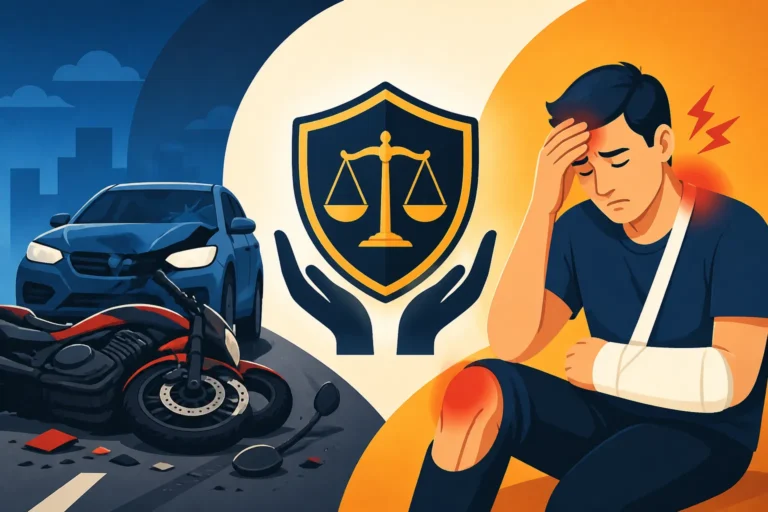
Experiencing a motorcycle accident is an incredibly jarring and confusing time. Beyond the immediate shock and physical pain, many riders are quickly overwhelmed by a cascade of worries: how will I pay for this ambulance ride? Who's going to fix my bike? Can I even work right now? These aren't just minor headaches; they're very real, very pressing financial and personal burdens. This comprehensive guide aims to demystify the two main categories of compensation you might pursue in a motorcycle accident claim – economic and non-economic damages – helping you understand what they are, how they’re calculated, and why documenting everything is so crucial.
Understanding the Financial Aftermath of a Motorcycle Accident
When you're reeling from the impact of a motorcycle accident, the last thing on your mind might be legal definitions. Yet, understanding the different types of damages you can claim is absolutely essential for your recovery. It’s not just about getting your bike fixed; it’s about rebuilding your entire life after a traumatic event. The financial burdens alone can feel crushing, and they often extend far beyond what you might initially perceive.
The Immediate Burden: Medical Bills and Bike Repair
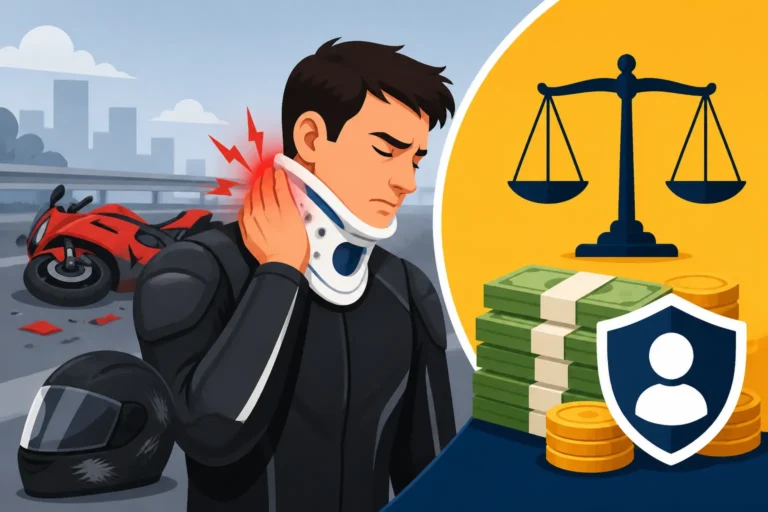
The moments immediately following a motorcycle accident are often chaotic and terrifying. You might be lying on the asphalt, adrenaline surging, with the blare of sirens growing closer. Once the immediate medical crisis is handled, usually at the scene by paramedics and then at an emergency room, the bills start rolling in almost instantly. That ambulance ride, the ER visit, diagnostic tests like X-rays or CT scans – these are just the tip of the iceberg, and they can quickly rack up thousands of dollars. It’s a gut punch, financially, at a time when you’re already at your most vulnerable.
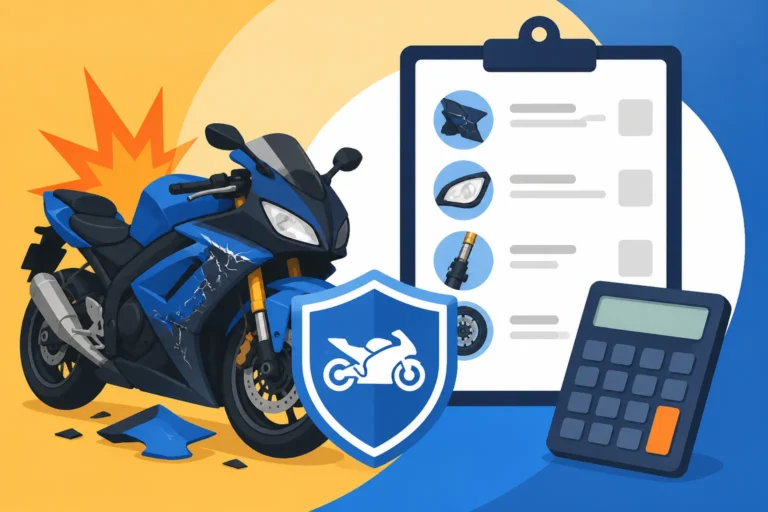
On top of your personal injuries, there’s the devastating sight of your motorcycle. For many of us, our bikes are more than just transportation; they're an extension of ourselves, a passion, a source of freedom. Seeing it damaged, perhaps mangled beyond recognition, adds a significant emotional and financial weight. You're left wondering if it can even be repaired, how much it will cost, and how you’ll get around in the meantime. The repair estimates can be shocking, and if your bike is totaled, the valuation process can feel like a cold, impersonal calculation that ignores its true value to you. This immediate onslaught of costs and concerns can feel like an impossible mountain to climb, even before you've fully grasped the extent of your injuries.
Beyond the Crash Scene: Long-Term Financial Strain
Unfortunately, the financial fallout from a motorcycle accident rarely ends with the initial medical treatment and bike repairs. Many riders face a much longer, more insidious financial strain that gradually reveals itself in the weeks, months, and even years following the crash. Perhaps you initially thought your broken arm would heal in six weeks, only to find yourself needing extensive physical therapy for months, unable to return to your job as a mechanic. Or maybe that concussion you sustained turned into a persistent post-concussion syndrome, making it impossible to focus at work and leading to significant lost income.
These long-term issues are often the biggest drivers of a claim's value. You might need ongoing specialist visits, pain management, psychological counseling for trauma, or even future surgeries. These aren't just potential costs; they're probable costs that can devastate your savings and future financial stability. The loss of income, whether it’s from missing work entirely, having to take a lower-paying job due to physical limitations, or losing out on potential career advancements, can be truly life-altering. It's a cruel reality that just when you need to focus all your energy on healing, you're forced to grapple with an increasingly complex and overwhelming financial burden.
What Are Economic Damages in a Motorcycle Accident Claim
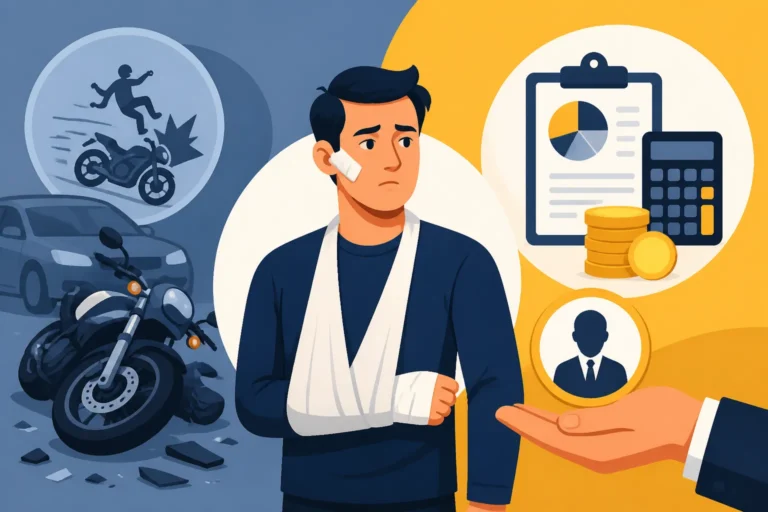
When we talk about economic damages, we're discussing the quantifiable, calculable financial losses you've suffered because of your motorcycle accident. Think of them as the direct debits from your bank account or the lost deposits that should have been there. These are losses that can be proven with receipts, invoices, pay stubs, and other verifiable documentation. They represent the objective, concrete costs that directly impact your financial well-being.
Medical Expenses: The Tangible Costs of Healing
One of the most significant categories of economic damages in any motorcycle accident claim, especially given the severity of common motorcycle injuries, is medical expenses. These aren't just about a single doctor's visit; they encompass a wide range of costs associated with diagnosing, treating, and recovering from your injuries. From the moment the paramedics arrive at the accident scene to years of potential rehabilitation, every single medical cost counts.
Let's break down what falls under this umbrella:
- Emergency Care: This includes the ambulance ride, emergency room visits, and any immediate life-saving procedures you underwent. The bills for these can be staggering, often reaching thousands of dollars for even a relatively short stay.
- Hospital Stays: If your injuries were severe enough to require hospitalization, you're looking at charges for your room, nursing care, meals, medications, and various tests performed during your stay. A few days in the hospital can quickly lead to five-figure bills.
- Surgeries: Many serious motorcycle accidents result in fractures, internal injuries, or traumatic brain injuries that necessitate surgery. The costs associated with surgical procedures, including the surgeon's fees, anesthesiology, and operating room charges, are typically among the highest medical expenses.
- Doctor's Visits and Specialist Care: Beyond initial emergency treatment, you'll likely have follow-up appointments with your primary care physician, as well as specialists such as orthopedists, neurologists, physical therapists, or pain management doctors. Each visit generates a bill, and these can accumulate rapidly over time.
- Prescription Medications: Pain relievers, anti-inflammatories, antibiotics, and other necessary medications can add up, especially if you need them for an extended period.
- Physical Therapy and Rehabilitation: Recovering from serious injuries often requires extensive physical therapy, occupational therapy, or other rehabilitation services to regain strength, mobility, and function. These sessions are crucial but can be costly.
- Assistive Devices: Crutches, wheelchairs, braces, prosthetics, or adaptive equipment for daily living are all direct medical expenses that you might incur.
- Diagnostic Tests: Beyond initial ER tests, you might need MRIs, CT scans, X-rays, nerve conduction studies, or other diagnostic procedures to monitor your recovery or diagnose new issues.
It is absolutely vital to keep every single bill, receipt, and explanation of benefits (EOB) from your insurance company related to your medical treatment. This meticulous documentation is the backbone of proving your Medical Expenses in a Motorcycle Claim. Even seemingly small co-pays or prescription costs can add up and provide a clear picture of the financial toll your injuries have taken. Without detailed records, insurance companies will often dispute the necessity or amount of your medical care, trying to minimize their payout.
Lost Wages and Earning Capacity: When Your Income Takes a Hit
Beyond the direct costs of healing, one of the most immediate and impactful financial losses for many accident victims is the inability to work, which directly translates into lost wages. For those of us who rely on our income to support ourselves and our families, being suddenly sidelined can be terrifying. This category of economic damages addresses not only the money you've already lost but also the potential income you'll miss out on in the future.
- Past Lost Wages: This refers to the income you've already lost from the day of the accident up to the point of your settlement or trial. If you're an hourly employee, this is often straightforward to calculate: the number of hours you missed multiplied by your hourly rate. For salaried employees, it's typically your regular salary for the period you were out of work. If you receive commissions, bonuses, or other forms of compensation, these also need to be factored in. For self-employed individuals, proving lost wages can be a bit more complex, often requiring tax returns, business records, and contracts to demonstrate past earnings and project lost income. The insurance company will want to see proof from your employer detailing your missed time and usual earnings.
- Lost Earning Capacity (Future Lost Wages): This is where things can get even more complex and, for many, more devastating. Lost earning capacity refers to your diminished ability to earn income in the future due to your accident-related injuries. Perhaps you can no longer perform the physical demands of your previous job as a construction worker after a severe back injury, forcing you into a lower-paying desk job. Or maybe a traumatic brain injury has permanently affected your cognitive abilities, preventing you from advancing in your career as a software engineer. This isn't just about the job you had; it's about the career you could have had if not for the accident.
Proving Loss of Earning Capacity Explained often requires expert testimony from vocational rehabilitation specialists and economists. These experts can assess your pre-accident earning potential, compare it to your post-accident capabilities, and project your future lost income over your working life expectancy. They consider factors like your age, education, work history, and the severity and permanence of your injuries. This part of your claim is incredibly important for long-term financial security, especially for younger riders who have many years of potential earnings ahead of them. Documenting your income before the accident with pay stubs, W-2s, and tax returns is critical, as is keeping records of any reduced hours, job changes, or medical advice against returning to your previous work duties.
Property Damage: Getting Your Bike Back on the Road or Replaced
For many motorcyclists, our bikes are far more than mere property; they are cherished machines, meticulously maintained, and often customized. The sight of your damaged motorcycle after a crash can be heartbreaking. This category of economic damages specifically covers the costs associated with repairing or replacing your bike, as well as any other personal property damaged in the accident.
- Motorcycle Repair Costs: If your bike is repairable, this includes the cost of parts, labor, and any specialized services needed to restore it to its pre-accident condition. You'll typically need to get estimates from reputable motorcycle repair shops. It’s important to make sure these estimates are thorough and account for all damage, both obvious and hidden.
- Total Loss Valuation: Sometimes, the damage is so extensive that the repair costs exceed the bike's actual cash value. In such cases, your motorcycle is deemed a "total loss." The insurance company will then pay you the fair market value of your bike just before the accident. This valuation can often be contentious, as insurers may use methods that result in a lower payout than you believe your bike is worth, especially if you have custom parts or modifications. Understanding How Property Damage Are Calculated in a Motorcycle Claim is crucial here, as you'll want to present evidence of your bike's true value, including receipts for upgrades and recent appraisals.
- Damage to Gear: Your motorcycle gear—helmet, jacket, gloves, boots—is designed to protect you, and often takes the brunt of the impact in a crash. Replacing a high-quality helmet (which should always be done after an impact, even if it looks undamaged), specialized riding jacket, or custom leathers can be quite expensive. These replacement costs are also recoverable as economic damages.
- Transportation Costs: While your bike is in the shop or being replaced, you might incur costs for alternative transportation, such as rental car fees, public transit, or even ride-sharing services. These related expenses, if reasonable and necessary, can also be included in your property damage claim.
It's common for insurance adjusters to try and settle the property damage claim quickly, sometimes even before you’ve fully assessed your personal injuries. Be wary of this. While you want your bike handled, ensure that resolving your property damage doesn't inadvertently affect your ability to claim all your personal injury damages down the line. Keep detailed photos of your damaged bike and gear, all repair estimates, and receipts for any replacement gear you purchase.
Other Out-of-Pocket Expenses: The Hidden Costs
When a motorcycle accident disrupts your life, the financial impact isn't always confined to glaring medical bills or lost paychecks. There's often a slew of smaller, yet cumulatively significant, out-of-pocket expenses that might not immediately come to mind. These "hidden costs" can quickly add up, further burdening you during an already difficult time. Neglecting to track these can lead to a considerable reduction in your overall recovery.
Consider the practicalities of daily life when you're injured. If you can't drive or ride your motorcycle, you might need to rely on alternative transportation to get to doctor's appointments, physical therapy, or even just run errands. This could mean paying for taxis, ride-sharing services like Uber or Lyft, or even a rental car if necessary for an extended period. These transportation costs are directly related to your inability to function normally due to the accident.
Beyond transportation, think about the impact on your home life. If your injuries prevent you from performing routine household chores – cleaning, cooking, yard work, or even caring for your children – you might need to hire temporary help. The cost of a cleaning service, a lawn care provider, or even a babysitter for a few hours while you attend appointments can be recovered. Similarly, if your home needs modifications to accommodate a temporary or permanent disability (e.g., ramps, grab bars, widening doorways), these expenses, though often significant, are also a form of economic damage.
There are also administrative costs. Filing paperwork, making copies, postage, and even lost time dealing with insurance adjusters and medical providers can be exhausting and indirectly costly. While some of these might be minor, others, like the cost of obtaining medical records or police reports, are tangible expenses you incur to support your claim. Remember, if you had a planned vacation or event that you had to cancel due to your injuries, and those costs were non-refundable, you might also be able to claim those losses. The key takeaway is to keep meticulous records of every dollar you spend or lose due to the accident, no matter how small it seems. These details paint a complete picture of the financial hardship you've endured.
Diving Deep into Non-Economic Damages
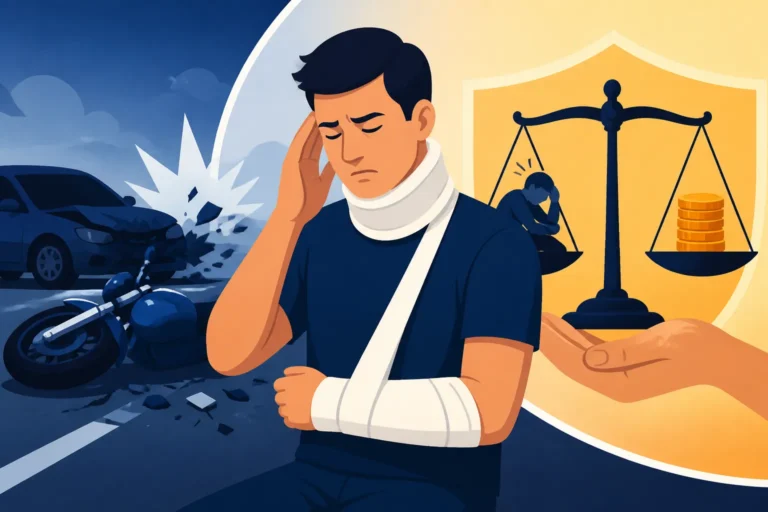
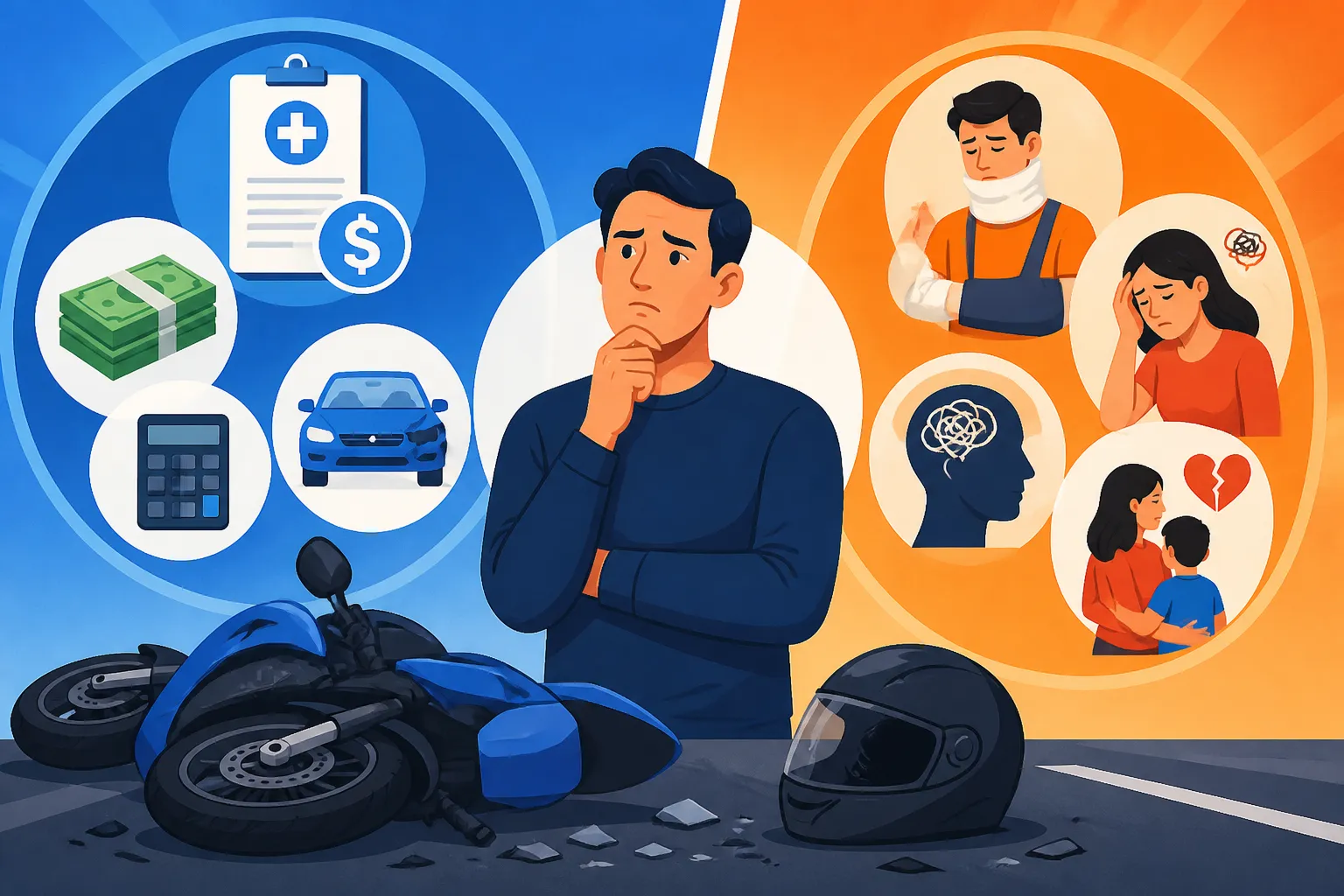
While economic damages deal with the concrete, measurable financial losses, non-economic damages address the intangible, subjective, and deeply personal suffering you've endured due to the accident. These are the aspects of your injury that don't come with a receipt or an invoice, but they are no less real or impactful. In many severe motorcycle accident cases, non-economic damages can constitute a significant portion, if not the majority, of the total compensation awarded.
Pain and Suffering: The Invisible Wounds
One of the most commonly understood types of non-economic damages is "pain and suffering." This isn't just a legal term; it represents the very real physical agony and discomfort you experience as a direct result of your injuries. For motorcyclists, injuries are often severe, making the concept of pain and suffering all too vivid.
- Physical Pain: This encompasses the immediate, acute pain from fractures, road rash, burns, internal injuries, and other trauma sustained in the crash. It also includes the chronic pain that might linger for weeks, months, or even years after the initial injury has seemingly healed. Think about the constant ache from a back injury, the throbbing of a fractured limb, or the persistent burning sensation of nerve damage. This continuous discomfort affects every aspect of your daily life, from sleeping and eating to simply moving around.
- Discomfort and Incapacity: Beyond sharp pain, there's the pervasive discomfort and physical limitations. Maybe you can no longer lift your arm above your head, making simple tasks like getting dressed or reaching for a cabinet excruciatingly difficult. Perhaps you can't sit for long periods without severe discomfort, impacting your ability to work or enjoy social outings. The loss of normal bodily function and the constant reminders of your physical limitations contribute significantly to your suffering.
- The Struggle of Recovery: The journey through physical therapy, rehabilitation, and potentially multiple surgeries is often fraught with pain and setbacks. Each exercise, each session, can be a painful reminder of what your body endured and the long road ahead. This ongoing struggle, the forced rest, and the inability to participate in activities you once enjoyed are all components of your pain and suffering.
It’s important to understand that Pain and Suffering Damages Explained are not hypothetical. They are incredibly real to the person experiencing them, and while difficult to quantify in dollars, they represent a legitimate loss that the legal system seeks to compensate. Keeping a detailed injury journal, where you document your daily pain levels, how your injuries restrict your activities, and your emotional responses, is invaluable in conveying the depth of this suffering. Your doctor's notes and testimony will also play a crucial role in validating the medical basis for your pain.
Emotional Distress and Mental Anguish: Beyond the Physical
While the physical scars of a motorcycle accident might be visible, the emotional and psychological wounds often run deeper and can be far more debilitating. These are the unseen struggles that can fundamentally alter your sense of self and your ability to navigate the world. Emotional distress and mental anguish are critical components of non-economic damages that deserve serious consideration.
- Anxiety and Depression: It’s not uncommon for accident victims to develop anxiety, particularly about riding again or even being in traffic. This anxiety can manifest as panic attacks, constant worrying, or an inability to relax. Depression, stemming from the loss of your physical abilities, financial independence, or simply the trauma of the event, can also take a heavy toll. These conditions can disrupt sleep, appetite, and your general outlook on life, requiring professional mental health support.
- Post-Traumatic Stress Disorder (PTSD): Motorcycle accidents, given their sudden, violent, and often life-threatening nature, are significant triggers for PTSD. You might experience flashbacks of the crash, nightmares, intrusive thoughts, hyper-vigilance, or a strong avoidance of anything that reminds you of the accident scene, including riding a motorcycle again. PTSD After a Motorcycle Accident is a recognized medical condition that can severely impact your quality of life, making it difficult to maintain relationships, hold a job, or simply find peace.
- Fear and Phobias: Beyond general anxiety, specific fears can develop. The fear of another accident, fear of certain intersections, or a debilitating fear of motorcycles themselves can prevent you from returning to the activities you once loved. This loss of freedom and the constant internal battle are significant forms of mental anguish.
- Grief and Loss: If the accident resulted in severe, life-altering injuries such as paralysis or amputation, you might experience a profound sense of grief for the life you once led and the abilities you’ve lost. This grieving process, while natural, is a form of emotional distress that warrants compensation.
Proving Emotional Distress Damages requires careful documentation, often including therapy notes, psychiatric evaluations, and detailed accounts in your personal journal. The testimony of family and friends can also provide crucial insight into how your emotional state has changed since the accident. Insurance companies are notorious for downplaying these types of damages, often suggesting that mental anguish is less legitimate than physical injury. However, with solid evidence and expert opinions, it is absolutely possible to secure fair compensation for these profound invisible wounds.
Loss of Enjoyment of Life: When Your Passions are Stolen
Imagine your life before the accident: perhaps you loved weekend rides through the mountains, played golf every Saturday, or enjoyed evening walks with your family. Now, due to your injuries, those activities are either impossible, excruciatingly painful, or simply no longer bring you joy. This is where "loss of enjoyment of life" comes into play as a crucial non-economic damage. It addresses the diminished quality of life you experience when the ability to participate in and enjoy the activities that once brought you happiness is taken away.
This type of damage is particularly relevant for motorcyclists. Riding a motorcycle is often more than just a commute; it's a lifestyle, a passion, a deep-seated love for the open road and the freedom it represents. If your injuries prevent you from ever riding again, or significantly reduce your ability to do so, the loss is profound. It’s not just the loss of an activity; it’s the loss of a part of your identity and your fundamental sense of well-being.
Consider these scenarios:
- Hobbies and Recreational Activities: If you can no longer play your guitar due to hand injuries, hike your favorite trails because of knee damage, or garden due to chronic back pain, those losses are quantifiable in terms of the enjoyment they brought to your life.
- Social and Family Activities: Perhaps you can no longer participate in family outings, attend social events due to pain or anxiety, or engage in active play with your children or grandchildren. This isolation and inability to connect with loved ones in familiar ways contribute to a diminished quality of life.
- Everyday Pleasures: Even simple pleasures can be affected. The ability to sleep comfortably, walk without pain, or even perform basic tasks like showering or cooking independently can be severely curtailed. When these fundamental aspects of daily living are compromised, your enjoyment of life inevitably suffers.
This aspect of damages seeks to compensate you for the inability to pursue your passions and engage in the activities that make life fulfilling. It acknowledges that true recovery isn't just about physical healing; it's about regaining your life. Documenting what you loved to do before the accident and how your injuries have prevented you from continuing those activities is key. Photos and videos of you enjoying your hobbies pre-accident, coupled with your injury journal entries detailing your current limitations, can be very powerful evidence.
Loss of Consortium: Impact on Relationships
A serious motorcycle accident doesn't just impact the injured rider; it sends ripples through their entire family, particularly their spouse or partner. When a profound injury affects a couple's relationship, the non-economic damage known as "loss of consortium" becomes incredibly important. This claim seeks to compensate the uninjured spouse for the loss of companionship, affection, support, and intimacy they experience due to their partner's injuries.
It's a recognition that a marriage or partnership is more than just a legal agreement; it's a complex bond of shared experiences, emotional intimacy, and mutual support. When one partner is severely injured, many facets of this bond can be irrevocably altered:
- Loss of Companionship: This refers to the loss of shared activities, conversations, and the simple joy of spending time together. If the injured rider is constantly in pain, emotionally distressed, or physically unable to participate in outings they once enjoyed, the uninjured spouse loses that companionship.
- Loss of Affection and Emotional Support: The emotional toll of an accident can make it difficult for an injured partner to provide the same level of emotional support and affection they once did. They might become withdrawn, irritable, or simply too overwhelmed by their own suffering to nurture the relationship in the same way. The uninjured spouse often bears the brunt of this emotional distance.
- Loss of Intimacy: Physical injuries, pain, and psychological trauma can severely impact the intimate aspects of a relationship, leading to a loss of sexual relations or physical closeness. This can be a very private and painful loss, but it is a legitimate component of a loss of consortium claim.
- Loss of Household Services: While sometimes considered economic, the inability of the injured spouse to contribute to household chores, childcare, or home maintenance also impacts the marital dynamic and often falls within the broader scope of how the relationship is diminished.
- Loss of Parental Guidance (for children): In cases where a parent is severely injured or tragically killed, their children may also have a claim for loss of consortium, recognizing the profound loss of guidance, care, and emotional support from their parent.
Proving Loss of Consortium Explained often involves testimony from the uninjured spouse and close family members, detailing the changes in the relationship before and after the accident. Medical and psychological experts can also provide opinions on how the injured spouse's condition impacts their ability to maintain a healthy relationship. While no amount of money can truly replace the lost connection and intimacy, this damage aims to provide some compensation for the profound suffering experienced by the injured person's closest loved ones.
How These Two Damage Types are Calculated and Proven
Understanding what economic and non-economic damages are is one thing, but knowing how they are actually calculated and, perhaps more importantly, proven in a legal claim is another entirely. This is where meticulous documentation, expert testimony, and a clear strategy become indispensable. Insurance companies are not in the business of simply handing out money; they will scrutinize every claim and challenge every asserted damage.
Quantifying Economic Damages: Receipts and Records are King
Proving economic damages is, in theory, the more straightforward aspect of a motorcycle accident claim because these losses are quantifiable. However, "straightforward" doesn't mean "easy." It requires an incredible amount of organization and diligence from the injured party. The golden rule here is: if you spent money or lost money because of the accident, document it. Keep every single piece of paper, every digital record, and maintain clear logs.
- Medical Bills and Records: This is the bedrock of your medical expense claim. You need every single bill from every healthcare provider—emergency room, hospital, surgeon, physical therapist, chiropractor, pharmacy, etc. Don't rely solely on your health insurance statements (Explanation of Benefits, or EOBs) as they might only show what your insurer paid, not the total billed amount. You'll need the original statements from the providers showing the total charges. Also, keep all medical reports, doctor's notes, diagnostic test results (X-rays, MRIs), and prescriptions. These documents not only prove the cost but also the necessity of your treatment and the severity of your injuries. Proving How to Document Injuries for a Claim effectively relies heavily on these records.
- Lost Wage Documentation: To prove lost income, gather pay stubs, W-2 forms, tax returns for several years prior to the accident, and letters from your employer detailing your missed work days, your usual rate of pay, and any changes in your employment status due to the injury. If you're self-employed, compile business records, invoices, client contracts, and tax returns that clearly illustrate your income before the accident. For future lost earning capacity, expert economists and vocational specialists will analyze these documents to project your career trajectory.
- Property Damage Evidence: Keep all repair estimates for your motorcycle and gear, receipts for any replacement gear, and documentation of its fair market value if it was a total loss (e.g., KBB values, NADA guides, recent sales of similar bikes). Photos of the damage are also incredibly important.
- Miscellaneous Expense Receipts: For those "hidden costs" like transportation to appointments, household help, or home modifications, keep every receipt, invoice, or cancelled check. Even mileage logs for travel to medical appointments can be valuable.
The clearer and more comprehensive your documentation, the harder it is for the insurance company to dispute your economic losses. Consistency in tracking is paramount; don't wait until weeks or months later to try and recall expenses. Start a dedicated folder (physical or digital) immediately after the accident and add to it diligently.
Valuing Non-Economic Damages: The Multiplier and Per Diem Methods
Unlike economic damages, which are calculated by adding up bills and lost income, placing a dollar value on pain, suffering, and emotional distress is inherently subjective and much more challenging. There’s no exact formula, but insurance companies and legal professionals typically use a few methods to estimate these non-economic losses.
- The Multiplier Method: This is one of the most common approaches. Insurers and attorneys will take the total amount of your economic damages (medical bills, lost wages, etc.) and multiply it by a number, or "multiplier," to arrive at an estimate for non-economic damages. The multiplier usually ranges from 1.5 to 5, sometimes even higher in cases of catastrophic injury. The severity of your injuries, the duration of your recovery, the impact on your daily life, and the clarity of your pain and suffering evidence will determine where your case falls on this multiplier scale. For instance, a minor injury with a quick recovery might warrant a 1.5x multiplier, while a permanent, debilitating injury causing immense pain and psychological trauma could justify a 5x or higher multiplier. Understanding How the Multiplier Method Works is crucial for evaluating initial settlement offers.
- The Per Diem Method: Less frequently used but still a consideration, this method assigns a dollar amount for each day you experienced pain and suffering, from the date of the accident until you reach maximum medical improvement (MMI) or your injuries are resolved. For example, if you were assigned $200 per day for 180 days, your non-economic damages would be $36,000. This method is often favored in cases with a clear, finite recovery period.
- Subjective Factors and Precedents: Ultimately, the value of non-economic damages is also influenced by more subjective factors and the legal precedents of similar cases in your jurisdiction. A jury, if your case goes to trial, will consider the evidence presented and make a determination based on what they believe is fair compensation for your suffering. This is why personal accounts, detailed medical records, and expert testimony are so vital.
It’s important to remember that insurance companies will always try to use the lowest possible multiplier or per diem rate when they make an initial offer. Their goal is to minimize their payout. This is where a skilled legal professional becomes invaluable. They understand How Insurers Value Pain and Suffering and how to effectively negotiate for a higher, more appropriate valuation of your non-economic damages, often by highlighting the severity of your injuries, the impact on your life, and the strength of your evidence.
The Role of Experts and Testimony
In any significant motorcycle accident claim, especially one involving serious injuries and substantial damages, expert witnesses become crucial. They don't just offer opinions; they provide authoritative, evidence-based assessments that can significantly strengthen your case, both for economic and non-economic damages. Their testimony helps bridge the gap between your personal experience and the legal requirements for proof, making your claims more credible and compelling.
- Medical Experts: Your treating physicians, specialists (orthopedists, neurologists, pain management doctors), and other medical professionals play a critical role. They can testify about the nature and extent of your injuries, the course of your treatment, your prognosis, and the likelihood of future medical needs. For example, a neurosurgeon might explain the long-term impact of a traumatic brain injury, while a rehabilitation specialist can detail the necessary ongoing therapy and adaptive equipment. Their objective medical opinions are indispensable in proving the severity of your injuries, which directly correlates with both types of damages.
- Vocational Rehabilitation Specialists: These experts assess how your injuries affect your ability to work. They can evaluate your pre-accident earning capacity, your current physical and mental limitations, and your future earning potential. If you can no longer perform your previous job, they can identify alternative occupations you might be able to pursue and the associated income reduction. This testimony is particularly vital for establishing Loss of Earning Capacity Explained.
- Economists: For complex cases involving substantial future lost wages, loss of earning capacity, or significant future medical expenses, an economist can provide a detailed financial projection. They consider factors like inflation, interest rates, and life expectancy to calculate the present value of future losses, ensuring that you are adequately compensated for financial burdens that extend far into the future.
- Accident Reconstructionists: While primarily focused on determining fault, an accident reconstruction expert can also indirectly support damages by explaining the mechanics of the crash and the forces involved, which can correlate to the severity of injuries sustained.
- Psychological Experts: In cases where emotional distress, PTSD, or severe psychological trauma are significant, a psychiatrist or psychologist can provide expert testimony. They can diagnose conditions, explain their impact on your mental health and daily life, and outline the necessary course of treatment, thereby substantiating your non-economic claim for mental anguish.
The coherent and persuasive testimony of these experts helps a jury or insurance adjuster understand the full scope of your losses, moving beyond simple calculations to paint a vivid picture of the impact the accident has had on your life, both financially and personally.
The Impact of Injury Severity on Damages
It almost goes without saying, but the severity of your injuries is arguably the most significant factor influencing the value of both your economic and non-economic damages in a motorcycle accident claim. Motorcycles offer little to no physical protection, meaning riders often sustain catastrophic injuries in crashes that might be considered minor for someone in a car. The more severe and long-lasting your injuries, the greater the financial and personal toll, and consequently, the higher the potential for compensation.
Minor vs. Catastrophic Injuries: A Stark Contrast
The spectrum of injuries sustained in motorcycle accidents is vast, ranging from relatively minor road rash to life-altering, catastrophic trauma. This difference in severity creates a stark contrast in the type and amount of damages you can expect to claim.
- Minor Injuries: These might include scrapes, bruises, minor sprains, or even mild concussions that resolve quickly with minimal medical intervention. For example, if you suffer a case of Motorcycle Road Rash: Treatment and Long-Term Impact that only requires basic wound care and heals within a few weeks, your economic damages would likely be limited to a few doctor's visits, pain medication, and the cost of replacement gear. Your non-economic damages for pain and suffering would also be relatively low, reflecting the short duration and less intense nature of your discomfort. While still legitimate, claims involving minor injuries typically result in smaller settlements or awards.
- Catastrophic Injuries: On the other end of the spectrum are catastrophic injuries, which often involve permanent disability, severe disfigurement, or require lifelong medical care. Think about cases involving Motorcycle Spinal Cord Injury: Claims and Compensation leading to paralysis, or a severe Motorcycle Traumatic Brain Injury: Claims and Compensation resulting in cognitive impairments, or even amputations. In these situations, the economic damages skyrocket. They include extensive emergency medical care, multiple surgeries, prolonged hospital stays, intensive rehabilitation, adaptive equipment, home modifications, and potentially lifelong attendant care. The lost earning capacity can be total, meaning you may never be able to work again.
For catastrophic injuries, the non-economic damages are also astronomically higher. The physical pain is often chronic and debilitating. The emotional distress can lead to severe depression, anxiety, and PTSD. The loss of enjoyment of life is profound, as hobbies, social activities, and even basic independence are stripped away. How Injury Severity Affects Compensation is truly the dominant factor in determining the overall value of a claim, directly influencing both the measurable financial losses and the subjective, immeasurable suffering. The more devastating the injury, the more comprehensive and aggressive the pursuit of damages must be to ensure the victim can maintain some semblance of quality of life.
Permanent Disability and Disfigurement
Among the most impactful consequences of a severe motorcycle accident are permanent disability and disfigurement. These aren't just temporary setbacks; they are irreversible changes to your body and your life, and they significantly elevate the value of both economic and non-economic damages.
- Permanent Disability: When an injury results in a lasting impairment that affects your physical or mental function, it's considered a permanent disability. This could mean anything from chronic pain and limited range of motion in a joint, to the complete loss of a limb or cognitive function after a brain injury. For instance, a rider who suffers a Motorcycle Amputation: Claims and Compensation will face not only the immediate trauma but also the lifelong challenges of learning to use a prosthetic, constant pain, and a profound change in their independence. The economic damages for permanent disability include future medical care, rehabilitation, adaptive equipment, home modifications, and, critically, a significant amount for lost earning capacity. If you can no longer perform your job or must take a lower-paying one due to your disability, the financial impact over a lifetime is enormous. Permanent Disability Compensation aims to address these long-term financial and personal losses.
- Disfigurement and Scarring: Many motorcycle accidents leave survivors with severe road rash, burns, or surgical scars that cause permanent disfigurement. While some scars might fade, others, especially on the face or exposed limbs, can be highly visible and lead to significant emotional distress, self-consciousness, and psychological trauma. The cost of reconstructive surgeries or cosmetic procedures to minimize scarring is an economic damage. However, the emotional impact – the embarrassment, depression, anxiety, and social discomfort – falls under non-economic damages for Disfigurement and Scarring Damages. This is particularly true if the disfigurement affects your ability to interact socially, impacts your career (especially in fields requiring public interaction), or simply makes you feel less like yourself.
The permanence of these conditions means that the associated suffering and financial burdens are not temporary; they are lifelong. Therefore, the compensation sought must reflect this enduring impact. Expert medical testimony is vital to establish the permanence of the disability or disfigurement, and psychological evaluations can help articulate the emotional toll. These damages acknowledge that the accident has not only caused pain but has also irrevocably altered your future and your identity.
Navigating the Claim Process and Maximizing Your Recovery
After a motorcycle accident, the path to recovery can feel like a labyrinth, especially when you're trying to heal while simultaneously dealing with insurance companies and legal complexities. However, understanding how to navigate the claims process effectively and taking proactive steps can significantly impact your ability to maximize your recovery for both economic and non-economic damages. It’s about being smart, being diligent, and knowing when to ask for help.
Why Early Medical Attention Matters
In the chaotic aftermath of a motorcycle accident, it’s common for riders to feel a surge of adrenaline, which can mask pain and the true extent of injuries. You might think you're "fine" or just "shaken up," especially if your injuries don't seem immediately life-threatening. However, delaying medical attention can be one of the most detrimental mistakes you can make for your health and your potential claim.
- Undiscovered Injuries: Many serious injuries, particularly concussions, internal injuries, or soft tissue damage (like whiplash), might not present severe symptoms immediately. What feels like a minor headache could be a traumatic brain injury, or a dull ache in your abdomen could be internal bleeding. Seeking immediate medical evaluation ensures that all injuries, visible and invisible, are properly diagnosed and treated. This early diagnosis is critical for your health and prevents conditions from worsening.
- Crucial Documentation: From a legal perspective, seeking prompt medical attention creates an immediate, objective record of your injuries directly linking them to the motorcycle accident. This initial documentation from paramedics, emergency room staff, and doctors is invaluable. It establishes a clear timeline and causality, making it much harder for insurance companies to argue that your injuries were pre-existing, were not caused by the accident, or that you exacerbated them by delaying treatment.
- Consistency in Treatment: Once you begin treatment, it's equally important to follow through with all recommended medical care, including specialist visits, physical therapy, and medication. Gaps in treatment can be used by insurance companies to suggest that your injuries weren't as severe as claimed or that you weren't committed to your recovery. Consistently attending appointments and adhering to your doctor's orders reinforces the legitimacy and severity of your injuries.
In essence, getting Why You Should Seek Immediate Treatment is not just about your well-being – though that is, of course, the top priority. It's also about protecting your legal rights and building a strong foundation for your claim. The sooner your injuries are documented and linked to the accident, the more difficult it is for the at-fault party's insurance company to dispute the extent of your damages.
The Importance of a Detailed Injury Journal
While medical records and bills document the objective aspects of your injuries, an injury journal serves as a powerful, personal chronicle of your subjective experience. It's a tool that helps you articulate the profound impact the accident has had on your daily life, providing invaluable evidence for your non-economic damages, particularly pain and suffering and loss of enjoyment of life.
- Daily Pain Levels and Symptoms: In your journal, make daily entries detailing your pain levels (on a scale of 1-10), the type of pain (sharp, dull, throbbing), and where it's located. Note any new symptoms or changes in existing ones. This creates a consistent, detailed record that helps illustrate the severity and persistence of your discomfort, making your "pain and suffering" claim more credible.
- Impact on Daily Activities: Document how your injuries prevent you from performing routine tasks. Can you no longer dress yourself without assistance? Is cooking difficult or impossible? Are you struggling to sleep? Can you play with your kids, do household chores, or pursue your hobbies? These entries vividly demonstrate your "loss of enjoyment of life" and the limitations imposed by your injuries. For example, "Day 15: Couldn't even lift my coffee cup without searing shoulder pain. Missed my usual morning ride, which always helps me clear my head. Feeling incredibly frustrated and isolated."
- Emotional and Psychological State: Don't shy away from documenting your emotional struggles. Are you experiencing anxiety, depression, anger, or fear? Are you having nightmares or flashbacks? How is your mood affecting your relationships with family and friends? These entries are crucial for substantiating claims for emotional distress and mental anguish.
- Medication and Treatment Effectiveness: Note any medications you're taking, their dosages, and how effective they are (or aren't). Record your experiences with physical therapy sessions, including any pain or progress. This demonstrates your commitment to treatment and the ongoing nature of your recovery.
- Conversations and Observations: You can also jot down key details from conversations with doctors, insurance adjusters, or even family members about your condition. Include any observations about how your injuries affect you, even seemingly small things.
A consistent, heartfelt, and detailed injury journal is a potent piece of evidence. It helps fill in the gaps that medical charts might miss, providing a narrative of your personal journey through recovery. It reminds you of the subtle ways your life has changed, which can be hard to recall accurately months or years down the line. Insurance companies often try to minimize non-economic damages, but a well-maintained How to Keep an Injury Journal can be a powerful counter to their arguments, making your suffering undeniable.
How Legal Counsel Can Bridge the Gap
Let's be honest, dealing with the aftermath of a motorcycle accident, especially when you're injured, is overwhelming. You're trying to heal, manage pain, keep track of bills, and somehow navigate the complex world of insurance claims. This is precisely why having experienced legal counsel can be a game-changer. They don't just "handle paperwork"; they are your advocate, your guide, and your protector in a system that often seems stacked against injured riders.
- Identifying All Potential Damages: An experienced motorcycle accident attorney understands the full scope of potential damages, both economic and non-economic, that you might be entitled to. They'll know to look beyond immediate medical bills to account for future medical needs, lost earning capacity, and the subtle ways your life has been impacted, ensuring nothing is overlooked. For example, they'll know to seek expert opinions for your Motorcycle Spinal Cord Injury: Claims and Compensation or the long-term impact of Motorcycle Traumatic Brain Injury: Claims and Compensation.
- Gathering and Presenting Evidence: A lawyer will systematically gather all necessary documentation—medical records, bills, lost wage statements, police reports, and witness statements. They know how to effectively present this evidence in a compelling manner to insurance adjusters or, if necessary, to a jury. They can also connect you with the necessary expert witnesses, like accident reconstructionists or vocational specialists, to bolster your claim.
- Negotiating with Insurance Companies: This is where a lawyer truly shines. Insurance companies are skilled at minimizing payouts, often using tactics like lowball offers, questioning the severity of your injuries, or even trying to shift blame to you. An attorney knows these tactics and can effectively counter them, advocating tirelessly for a fair settlement that truly reflects the extent of your losses. They understand How Insurers Value Pain and Suffering and will fight for a higher multiplier for your non-economic damages.
- Protecting Your Rights: From ensuring you don't inadvertently say something that could hurt your case to protecting you from signing away your rights prematurely, a lawyer safeguards your interests throughout the entire process. They ensure you adhere to crucial deadlines, such as the statute of limitations.
- Litigation if Necessary: While most cases settle out of court, if a fair settlement cannot be reached, your attorney will be prepared to take your case to trial. They have the expertise to build a strong legal argument, present your case to a jury, and fight for the justice you deserve.
The truth is, while you can try to handle a claim on your own, it’s like performing surgery on yourself—you're likely to miss crucial steps and make mistakes that could cost you dearly. Deciding Do You Need a Motorcycle Accident Lawyer often comes down to the severity of your injuries and the complexity of your claim. However, the data strongly suggests that retaining legal counsel often leads to significantly higher settlements. A lawyer can often achieve a much better outcome, proving How a Lawyer Increases Your Settlement even after their fees are factored in, ensuring you get the full compensation you need to truly recover and rebuild your life.
Damages Comparison Table
To help clarify the differences, here's a quick comparison of economic and non-economic damages:
| Feature | Economic Damages | Non-Economic Damages |
|---|---|---|
| Nature | Objective, calculable, tangible | Subjective, intangible, personal |
| Proof | Receipts, bills, invoices, pay stubs, tax records | Testimony, medical records, journals, expert opinion |
| Examples | Medical bills, lost wages, property damage, rental car costs | Pain and suffering, emotional distress, loss of enjoyment of life, loss of consortium |
| Quantification | Addition of specific dollar amounts | Multiplier or per diem methods, subjective valuation |
| Purpose | Reimburse for direct financial losses | Compensate for personal suffering and diminished quality of life |
Disclaimer
Please note that this article provides general information and is not intended as legal advice. Every motorcycle accident claim is unique, and the specific laws and procedures vary by state. It is crucial to consult with a qualified personal injury attorney specializing in motorcycle accidents to discuss the details of your case and receive advice tailored to your situation.