Non-Economic Damages Explained
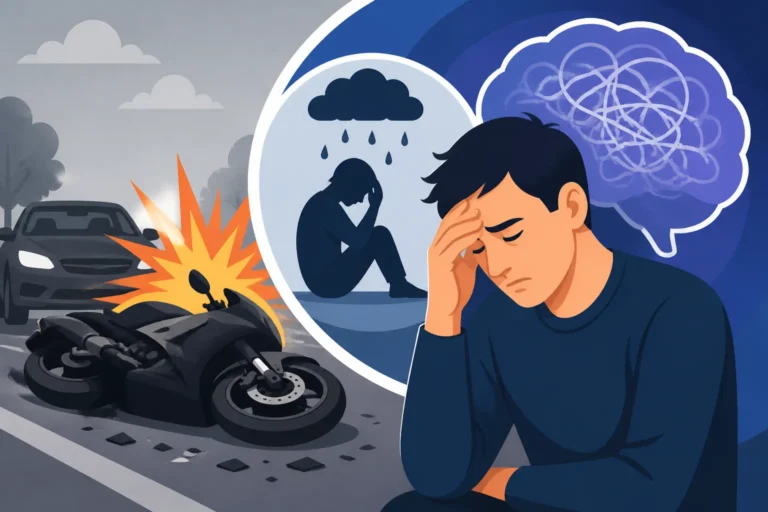
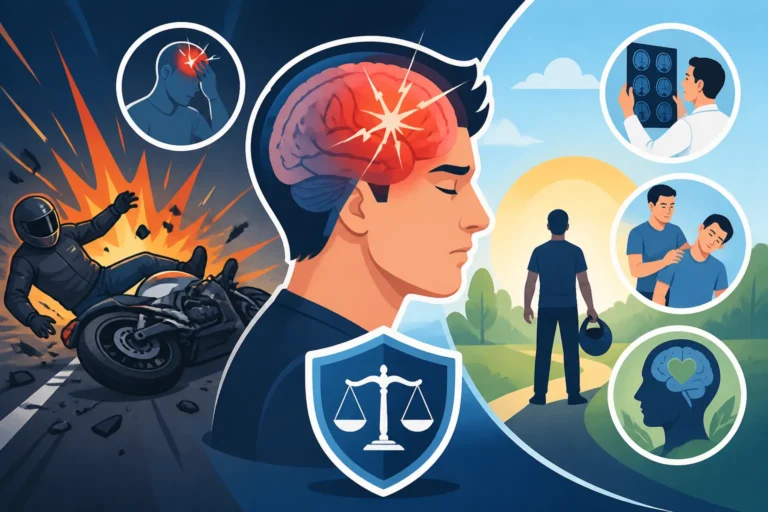
It's incredibly frustrating when you've been in a motorcycle accident, and after dealing with the physical pain and mounting medical bills, you realize there's another, often harder-to-quantify layer of suffering. How do you put a price on the constant ache, the sleepless nights, or the fear of getting back on your bike? This guide is here to demystify non-economic damages, helping you understand how these vital, intangible losses are recognized and valued in a motorcycle accident claim.
What Exactly Are Non-Economic Damages?
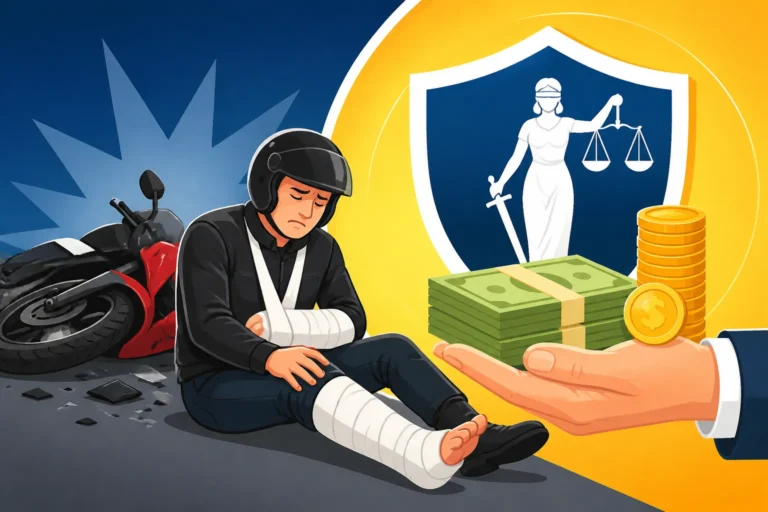
When you're involved in a motorcycle accident, the immediate focus often shifts to the tangible losses: the wrecked bike, the ambulance ride, the ER visit, and all the subsequent doctor appointments. These are the "easy" numbers to track because there's a receipt or a bill attached. But anyone who has been through a serious crash knows that the impact goes far beyond these concrete expenses. That's where non-economic damages come into play. They represent the non-monetary losses you've endured, the subjective and personal experiences of pain and suffering that don't come with a price tag, but are undeniably real.
Beyond the Bills: Understanding Intangible Losses
Think about it this way: your medical bills cover the cost of healing your body, but they don't cover the agony you felt while your body was healing. They don't compensate you for the sheer terror of the crash itself, or the emotional toll it takes on your daily life. These are the intangible losses, the ones that are deeply personal and subjective. While they don't have a direct dollar amount, they profoundly affect your quality of life. For instance, the broken leg might mend, but the phantom pains that linger, or the inability to enjoy your favorite hobby like hiking or riding, are real losses that deserve consideration. This is a critical distinction from the more straightforward calculation of economic damages, which cover things like lost wages, property damage, and those hefty medical bills.
The Human Cost of a Motorcycle Accident
A motorcycle accident isn't just an incident; it's an event that can irrevocably alter a person's life. The human cost extends far beyond what a hospital invoice can capture. Perhaps you loved riding your motorcycle every weekend, using it as a way to de-stress and connect with the open road. After a severe crash, maybe you're not just physically unable to ride, but the thought of getting back on a bike fills you with crippling anxiety. That loss of a cherished activity, that mental anguish, is a profound human cost. It speaks to the emotional, psychological, and lifestyle changes forced upon you, often through no fault of your own. Recognizing these costs is vital because they are just as much a part of your recovery, if not more, than the physical healing process.
Differentiating from Economic Damages
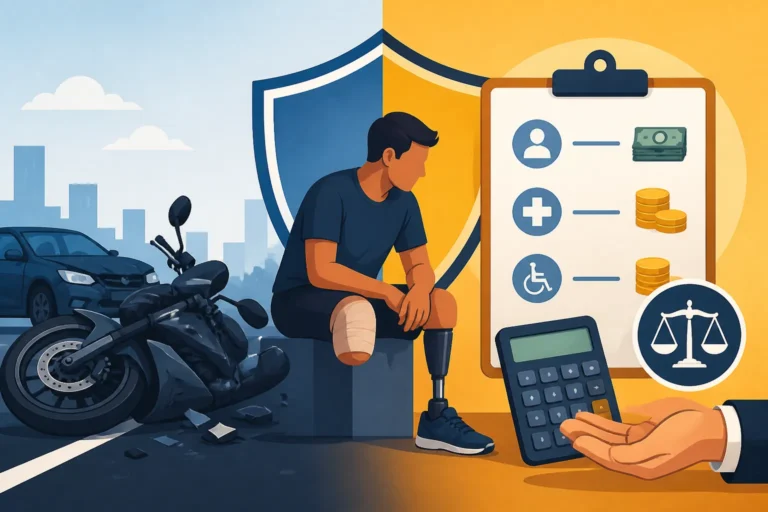
It's helpful to clearly delineate between the two main categories of damages you can claim after a motorcycle accident. Economic damages are quantifiable, concrete financial losses. These include your past and future medical expenses, lost wages from time missed at work, the cost to repair or replace your motorcycle, and even things like rehabilitation costs or modifications to your home if your injuries are severe. These are the damages that an insurance company adjuster can easily add up by looking at your bills and pay stubs.
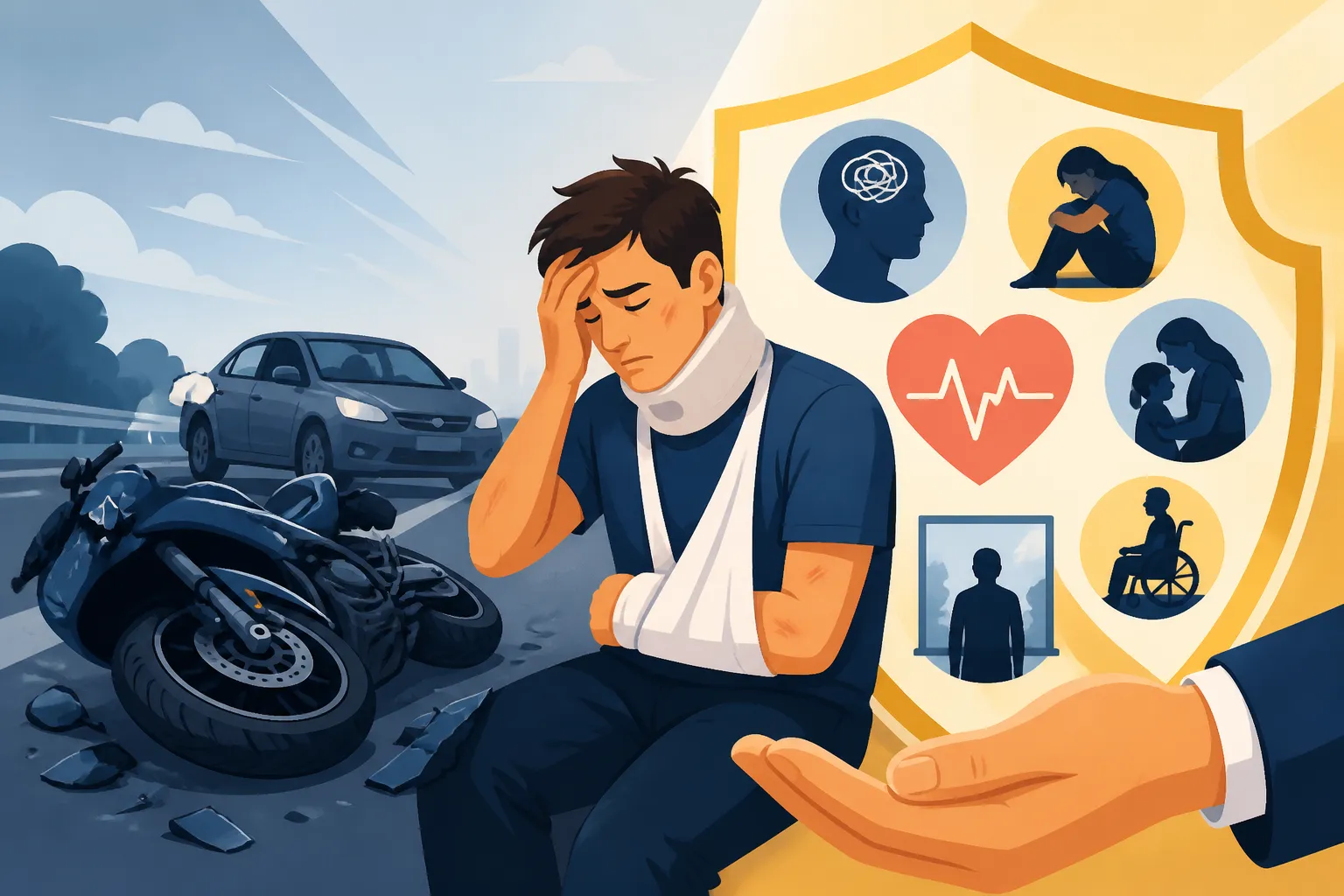
Non-economic damages, on the other hand, are the subjective, non-pecuniary losses. They don't have a specific invoice or a direct monetary value, but they are equally significant. This category includes your pain and suffering, emotional distress, loss of enjoyment of life, disfigurement, and loss of consortium. While harder to calculate, these damages often represent a large portion of a motorcycle accident settlement, especially given the severe nature of injuries often sustained by riders. Understanding this difference is key to knowing what you're truly entitled to and building a comprehensive claim.
Here’s a quick overview to help distinguish between them:
| Type of Damage | Definition | Examples | How It's Calculated (Generally) |
|---|---|---|---|
| Economic | Tangible, quantifiable financial losses. | Medical bills, lost wages, property damage, rehabilitation costs, future medical care. | Directly summed from invoices, receipts, pay stubs, and expert projections. |
| Non-Economic | Intangible, subjective losses that affect quality of life. | Pain and suffering, emotional distress, loss of enjoyment of life, disfigurement, loss of consortium. | Multiplier method, per diem method, or jury discretion based on severity, duration, and impact. |
The Common Types of Non-Economic Damages
When you hear "non-economic damages," your mind might immediately go to "pain and suffering." While that's a huge part of it, this category is actually much broader, encompassing a range of deeply personal impacts that can affect every aspect of your life after a crash. Understanding each distinct type is crucial for making sure your claim fully addresses all the ways the accident has hurt you.
Pain and Suffering
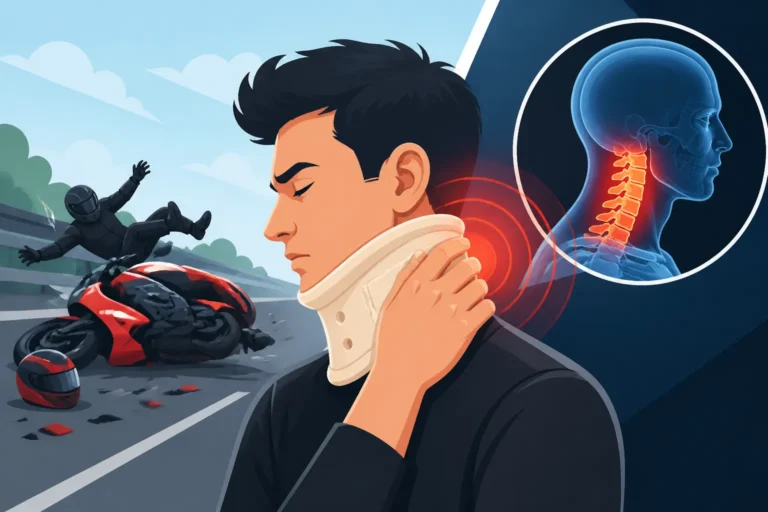
This is perhaps the most widely recognized form of non-economic damage, and for good reason. "Pain and suffering" isn't just about the physical discomfort of a broken bone or road rash, though that's certainly a major component. It also includes the mental anguish that comes with such injuries. Imagine trying to sleep at night with a throbbing leg, or the constant irritation of nerve damage. This isn't just a fleeting discomfort; it can be an ongoing, debilitating experience that impacts your ability to rest, concentrate, and generally live a comfortable life.
The concept stretches to include the chronic pain that can develop after an accident, sometimes lasting for years or even a lifetime. It's about the headaches, the stiffness, the difficulty performing everyday tasks like lifting groceries or even sitting comfortably. For motorcycle riders, injuries are often severe, meaning the physical pain can be immense and prolonged, truly disrupting their entire existence. The challenges of documenting and proving this type of damage are real, as there's no machine that can measure exactly how much pain you're in, but medical records detailing injuries, pain medication, and therapy sessions are crucial. For more insights on this, you might find our guide on Pain and Suffering in Motorcycle Settlements particularly helpful.
Emotional Distress and Mental Anguish
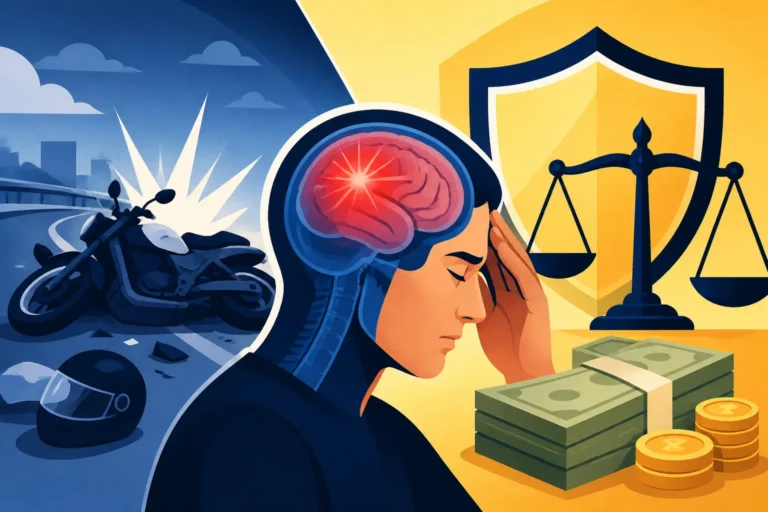
Beyond the purely physical, motorcycle accidents often leave deep psychological scars. Emotional distress and mental anguish are critical components of non-economic damages. It’s not uncommon for riders to experience significant trauma after a crash. This can manifest as anxiety, fear, depression, or even post-traumatic stress disorder (PTSD). Think about the rider who suddenly develops a panic attack every time they hear a loud vehicle approaching, or the veteran rider who can no longer bring themselves to get back on two wheels. These aren't minor inconveniences; they can be debilitating conditions that require professional psychological support.
The constant worry about future medical bills, the stress of dealing with insurance companies, or the frustration of being unable to work can also contribute to this mental anguish. For many, the joy of riding is tied to freedom and a sense of control, and having that abruptly taken away can lead to profound feelings of loss and helplessness. These psychological impacts can be just as, if not more, disabling than physical injuries and can require extensive therapy, medication, and long-term care, adding significantly to the true cost of the accident.
Loss of Enjoyment of Life
This category really hits home for many motorcycle enthusiasts. Loss of enjoyment of life refers to the inability to participate in activities or hobbies that brought you joy and fulfillment before the accident. If you're a passionate rider, your motorcycle isn't just transport; it's your escape, your community, your passion. A severe injury might mean you can no longer ride, or that you can only do so with significant pain or discomfort. But it’s not just about riding. Maybe you can no longer play with your kids the way you used to, go hiking, tend your garden, or even simply walk without pain.
This loss profoundly diminishes your quality of life. It’s about being robbed of the simple pleasures and meaningful experiences that made life worth living. For example, if you were an avid golfer or a dedicated volunteer at a local animal shelter before your crash, and your injuries now prevent you from continuing those activities, that’s a direct loss of enjoyment of life. Proving this often involves demonstrating your lifestyle before the accident through photos, social media, and witness statements, contrasted with your current limitations.
Disfigurement and Scarring
Unfortunately, motorcycle accidents often result in severe visible injuries, leading to disfigurement and scarring. Road rash can be particularly nasty, sometimes requiring skin grafts that leave permanent marks. Broken bones might heal, but the surgical scars from plates and screws, or the visible deformity from a severe fracture, can be lifelong reminders of the crash. Facial injuries are also devastating, impacting not just physical appearance but also self-esteem and social interactions.
These types of injuries carry a significant emotional and psychological burden. Living with visible scars or altered appearance can lead to embarrassment, self-consciousness, and even depression. The impact on one's body image and self-worth is a legitimate form of suffering. For example, a severe burn scar on an arm might not cause physical pain after it heals, but the emotional pain of constantly being reminded of the accident, or feeling judged by others, is a very real, non-economic loss. Documenting these injuries with clear, dated photographs from the scene and throughout the healing process is absolutely critical.
Loss of Consortium
Loss of consortium is a specific type of non-economic damage that focuses on the impact of the injury on your relationships, particularly with your spouse or partner. When a motorcycle accident victim is severely injured, it doesn't just affect them personally; it can strain their most intimate relationships. This claim seeks to compensate the uninjured spouse for the loss of companionship, affection, intimacy, moral support, and the ability to perform household services that the injured partner can no longer provide.
For instance, if a husband who was always an active partner in childcare and household chores is now unable to contribute due to a spinal cord injury, his wife experiences a loss of his assistance and support. More sensitively, if the injuries severely impact physical intimacy or emotional connection, that profound loss within the marital relationship is also considered. It's a way to acknowledge the ripple effect of a severe injury on the family unit, recognizing that the spouse also suffers a real, albeit intangible, loss. This type of claim is usually brought by the uninjured spouse as part of the overall personal injury lawsuit.
How Insurance Companies and Courts Value the Intangible
This is where things get tricky, right? How do you put a dollar amount on something as subjective as pain, fear, or the inability to enjoy your favorite motorcycle rides? Insurance companies and courts don't have a crystal ball, but they do have established methods and guidelines. It's not an exact science, and there's a good deal of negotiation involved, which is why understanding these methods is so important. When dealing with claims, especially those involving significant non-economic damages, knowing how insurance companies assign blame to riders can impact their willingness to offer a fair settlement.
The Multiplier Method
One of the most common approaches to valuing non-economic damages is the multiplier method. Here's how it generally works: the total sum of your economic damages (medical bills, lost wages, property damage, etc.) is calculated first. This number then gets multiplied by a factor, usually between 1.5 and 5, to arrive at an estimate for your non-economic damages. The specific multiplier chosen depends heavily on the severity of your injuries, the duration of your recovery, and the overall impact on your life.
For example, a minor accident with a few weeks of physical therapy and no permanent issues might warrant a multiplier of 1.5 or 2. However, a catastrophic motorcycle injury involving a traumatic brain injury, multiple surgeries, or permanent disability, like paralysis, could easily see a multiplier of 4 or 5. If your economic damages total $50,000, and your injuries are considered severe (say, a multiplier of 4), your non-economic damages could be estimated at $200,000. It’s not just the injury itself but its long-term effects that influence this multiplier.
The Per Diem Method
Another less frequently used, but still viable, method is the per diem (per day) method. This approach assigns a specific dollar amount for each day you experienced pain and suffering from the date of the accident until you reach maximum medical improvement (MMI). MMI is the point where your condition has stabilized and is not expected to improve further, even with continued treatment. The daily rate might be based on your daily lost wages, or it could be a subjective figure determined by the severity of your pain.
For instance, if your daily lost wages are $200, and you experienced pain and suffering for 180 days (about six months) until you reached MMI, your non-economic damages could be calculated as $200 x 180 = $36,000. This method tends to be more applicable in cases where injuries have a clear and relatively short recovery period before reaching a stable state, making it less suitable for long-term or permanent injuries where the suffering extends indefinitely.
Subjectivity and Jury Discretion
While these methods provide a framework, it’s crucial to remember that valuing non-economic damages ultimately involves a significant degree of subjectivity, especially if a case goes to trial. Juries, comprised of ordinary people, are tasked with deciding what constitutes fair compensation for someone else's pain, emotional distress, and loss of life enjoyment. They consider factors like the credibility of the victim and witnesses, the severity and permanence of the injuries, and the overall narrative of how the accident has impacted the plaintiff's life.
This is why compelling testimony, detailed medical records, and expert opinions are so important. A jury in San Diego, California, might react differently to the same facts than a jury in rural Texas, and individual jurors' personal experiences can unconsciously influence their decisions. This inherent subjectivity is precisely why settlement negotiations are so crucial, as both sides try to predict what a jury might decide, aiming for a resolution before the uncertainty of a trial.
The Challenges of Proving Non-Economic Damages
Proving non-economic damages is often the most challenging part of a motorcycle accident claim. Unlike a stack of medical bills, you can't just hand over a receipt for your constant anxiety or the loss of your favorite weekend rides. Insurance adjusters and opposing counsel are inherently skeptical of these "invisible" injuries, and they will often try to minimize their impact. You're up against a system that, while recognizing these damages, makes you work hard to demonstrate their true value. This is particularly true in motorcycle accidents, where biases against riders can sometimes complicate matters. When determining how fault is determined in motorcycle accidents, even a small percentage of shared fault can significantly reduce your payout, including non-economic damages.
The "Helmet Defense" and Rider Bias
One of the most frustrating aspects for riders is the pervasive "helmet defense" and general anti-motorcyclist bias that can creep into claims. Even if you were wearing a DOT-approved helmet, insurance companies or opposing lawyers might try to argue that your injuries were somehow exacerbated by factors related to riding a motorcycle, or even suggest you were somehow inherently more reckless. In states where helmet laws are universal, like California, this defense is usually less effective, but in states with partial or no helmet laws, not wearing a helmet can significantly impact your claim for head injuries, regardless of who was at fault for the crash.
The defense typically argues that your decision not to wear a helmet, or to wear one that didn't meet specific standards, contributed to the severity of your head injuries, thus reducing their liability for related pain and suffering. They're trying to shift some of the blame, even if the other driver was clearly at fault for causing the accident. This bias can extend beyond helmets, sometimes implying that motorcyclists are inherently risk-takers, which can unfortunately color perceptions of your pain and emotional distress, making it harder to secure full compensation. For a deeper dive into how this defense works, check out our article on The Helmet Defense Explained.
Lack of Immediate Medical Treatment
A critical hurdle in proving non-economic damages is any delay or gap in seeking medical treatment after your accident. In the immediate aftermath, adrenaline can mask pain, or you might feel fine enough to simply go home. However, symptoms of serious injuries, particularly concussions or internal injuries, can manifest hours or even days later. If you don't seek medical attention promptly, insurance companies will often argue that your injuries weren't severe enough to warrant immediate care, or worse, that they weren't caused by the accident at all.
This gap in treatment creates a powerful argument for the defense to downplay your pain and suffering. They can claim that if you were truly in that much pain or experiencing significant emotional distress, you would have seen a doctor right away. This makes it incredibly difficult to connect your later-diagnosed pain, suffering, and emotional trauma directly to the accident. Always prioritize your health by seeking immediate medical evaluation, even if you feel okay after a minor crash. It's the best way to start documenting your injuries and protecting your claim. Our guide on What to Do Immediately After a Motorcycle Accident emphasizes this critical first step.
Documenting Invisible Injuries
How do you document pain? Or the crippling anxiety that keeps you from leaving the house? This is the core challenge. Unlike a broken bone visible on an X-ray, emotional distress, chronic pain, and loss of enjoyment of life are often called "invisible injuries." You know they're real, you feel them every day, but they don't show up on a medical scan. Insurance adjusters will often try to minimize these subjective claims, arguing that they are exaggerated or simply a normal part of recovering from an accident.
To counter this, meticulous documentation is key. This includes maintaining a detailed pain journal, where you record your daily pain levels, emotional state, sleep patterns, and any activities you're unable to do. Seeking professional help from therapists, counselors, or psychiatrists for emotional distress not only aids your recovery but also provides objective medical records that corroborate your claims. Witness testimony from family and friends who can attest to changes in your behavior, mood, and capabilities before and after the accident can also be invaluable. This comprehensive approach helps bridge the gap between your subjective experience and the objective evidence required by the legal system. For comprehensive advice on this, you should read How to Document Injuries for a Claim.
Strategies for Maximizing Your Non-Economic Damages Claim
Dealing with the aftermath of a motorcycle accident is overwhelming. You're trying to heal, navigate medical appointments, and somehow piece your life back together. But during this chaotic time, it's crucial to be proactive about documenting your non-economic losses. Many riders mistakenly believe that their physical injuries are enough, but maximizing your claim means proving the profound impact these "invisible" damages have had on your life.
Meticulous Documentation of Your Recovery
This can't be stressed enough: document, document, document! From the moment the accident happens until your claim is resolved, every piece of information matters. Beyond just collecting medical bills, start a detailed recovery journal. In it, record:
- Daily Pain Levels: Use a scale of 1-10 and describe the type of pain (sharp, dull, throbbing).
- Emotional State: Note feelings of frustration, sadness, anxiety, fear, or depression.
- Sleep Patterns: Record any difficulties sleeping, nightmares, or disrupted rest.
- Impact on Daily Activities: List specific things you can no longer do, or do with difficulty (e.g., "Couldn't lift my coffee mug without pain," "Couldn't ride my motorcycle this weekend," "Struggled to walk the dog").
- Medications: Keep track of all prescribed and over-the-counter pain relievers and other medications.
- Therapy Sessions: Document physical therapy, occupational therapy, or mental health counseling sessions.
Also, take photographs of your injuries as they heal. Document road rash, bruising, swelling, surgical incisions, and any visible scarring over time. These visual records provide undeniable proof of the physical trauma. The more detailed and consistent your records, the harder it is for an insurance company to dismiss your suffering. This diligent effort is a key part of how to maximize your motorcycle accident settlement.
The Importance of Mental Health Support
It's common for motorcycle accident victims to experience significant emotional distress, anxiety, or even PTSD. Unfortunately, many people hesitate to seek mental health support due to stigma or simply not realizing its importance for their physical recovery and legal claim. However, seeing a psychologist, psychiatrist, or counselor is not only vital for your well-being but also provides crucial evidence for your non-economic damages.
These professionals can diagnose conditions like depression, anxiety, or PTSD directly resulting from the accident. Their session notes, diagnoses, and treatment plans serve as objective medical documentation of your emotional distress and mental anguish. This evidence is incredibly powerful because it validates your "invisible" injuries through a credible medical source, making it much harder for insurance companies to argue that your emotional suffering is exaggerated or unrelated to the crash. Don't underestimate the dual benefit of mental health support: it aids your healing journey while simultaneously strengthening your legal case for non-economic damages.
Witness Testimonies and Personal Statements
While your own meticulous documentation is invaluable, the testimony of others can add significant weight to your non-economic damages claim. Friends, family members, co-workers, or even neighbors can provide powerful witness statements about how the accident has changed you. They can attest to your previous active lifestyle, your joyful demeanor, and your ability to engage in hobbies or work, contrasting it with your current limitations, pain, and emotional struggles.
For example, a spouse can offer testimony about the loss of consortium, detailing how the accident has impacted your marital relationship and shared activities. A friend might describe how you, an avid rider, now refuse to even sit on a motorcycle, or how your once-outgoing personality has become withdrawn. These personal accounts provide a human element to your claim, illustrating the real-world impact of your injuries beyond just medical terms. They help a jury or an insurance adjuster truly understand the depth of your suffering and loss of enjoyment of life, making it harder for them to minimize your non-economic damages.
State-Specific Considerations and Limitations
Navigating the complexities of a motorcycle accident claim means understanding that the legal landscape isn't uniform across the United States. While the general principles of economic and non-economic damages apply, specific state laws can significantly impact how much you can recover, particularly for your intangible losses. These variations can be a source of frustration, adding another layer of complexity to an already stressful situation.
Damage Caps in Certain States
One of the most significant limitations on non-economic damages in some states comes in the form of "damage caps." These laws place a statutory limit on the amount of money a plaintiff can receive for non-economic damages, regardless of how severe their pain and suffering, emotional distress, or disfigurement may be. These caps vary widely; some states might cap non-economic damages at a few hundred thousand dollars, while others might not have any caps at all. For example, states like Maryland and Mississippi have caps on non-economic damages, while others like New York do not.
The rationale behind these caps is often cited as a way to control insurance costs and prevent excessive jury awards. However, for severely injured motorcycle accident victims, these caps can be devastating, potentially preventing them from receiving full and fair compensation for their lifelong suffering. It's important to research the specific laws in your state or consult with a legal professional to understand if such caps might apply to your claim. This is a critical factor that can directly affect what affects your motorcycle accident payout.
Comparative Negligence Impact on Non-Economic Awards
Another major factor that influences non-economic damages is the concept of comparative negligence or contributory negligence, which varies significantly by state. If you are found to be partially at fault for the motorcycle accident, even if the other driver was primarily to blame, this shared fault can directly reduce the amount of damages you can recover, including your non-economic awards.
In "pure comparative negligence" states (like California, Florida, and New York), you can recover damages even if you are 99% at fault, but your total award will be reduced by your percentage of fault. So, if your non-economic damages are valued at $100,000, but you were found 20% at fault, you would only receive $80,000. In "modified comparative negligence" states (like Texas, Pennsylvania, and Ohio), you typically cannot recover any damages if you are found 50% or 51% or more at fault, depending on the specific state law. And in the few "contributory negligence" states (like Maryland, North Carolina, Virginia, and Alabama), if you are found even 1% at fault, you are completely barred from recovering any damages whatsoever. This is a huge hurdle for riders, as bias can sometimes lead to an unfair assignment of partial fault. Our guide on how comparative fault reduces your payout goes into much greater detail.
No-Fault States and Non-Economic Claims
A handful of states operate under a "no-fault" insurance system, which can significantly alter how you pursue non-economic damages. In a traditional no-fault system, after an accident, each driver first turns to their own insurance company to cover their medical expenses and lost wages, regardless of who was at fault. This is often done through Personal Injury Protection (PIP) coverage.
However, to step outside the no-fault system and pursue a claim against the at-fault driver for non-economic damages (like pain and suffering), you typically need to meet a certain "threshold." This threshold can be a monetary amount of medical expenses (e.g., your bills must exceed $5,000) or a verbal description of the injury's severity (e.g., requiring permanent disfigurement, a broken bone, or significant disability). If your injuries don't meet this threshold, you might be limited to recovering only your economic damages from your own insurer. This system, found in states like Florida and Michigan (though Michigan's law has recently seen significant changes), adds another layer of complexity for motorcycle accident victims seeking comprehensive compensation. Navigating these rules often requires the expertise of a professional, making it clear why you might need a motorcycle accident lawyer to guide you.
Disclaimer
Please remember that this article provides general informational guidance only and is not intended as legal advice. Every motorcycle accident claim is unique, and the laws governing personal injury cases vary significantly by state. It is crucial to consult with a qualified motorcycle accident attorney in your jurisdiction to discuss the specific details of your case and understand your legal rights and options. Relying solely on the information presented here without professional legal counsel is not advised.