How Injury Severity Affects Compensation
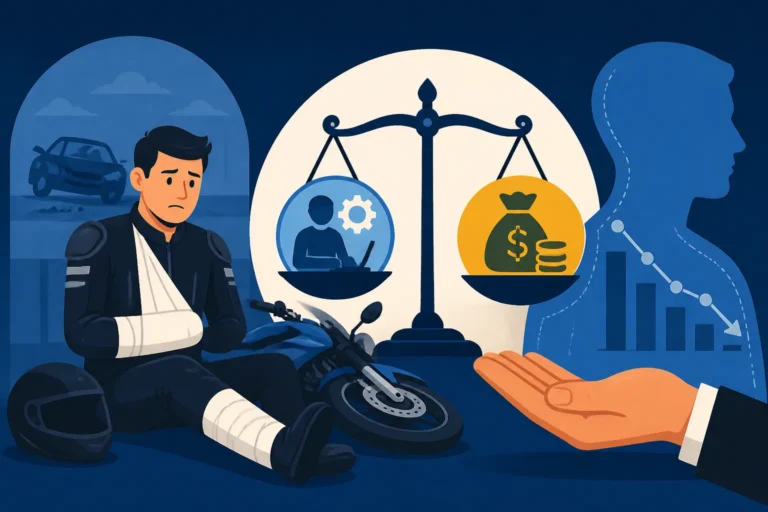
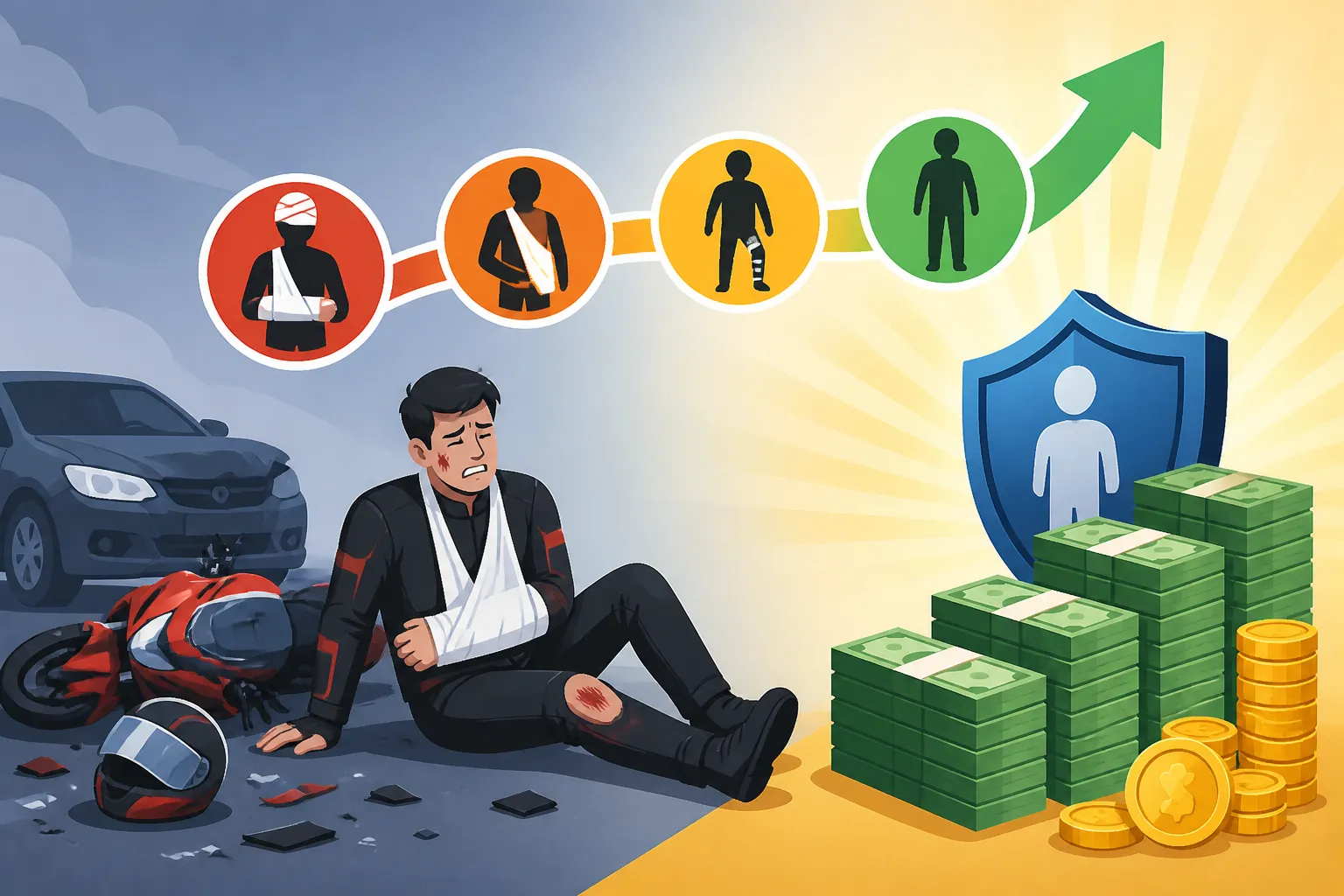
After a motorcycle accident, one of the most pressing questions on a rider's mind, after their immediate health, is how their injuries will affect their ability to recover compensation. It's incredibly frustrating to endure significant pain and financial hardship only to feel like the insurance company is downplaying what you've been through. This guide is here to meticulously break down exactly how the severity and nature of your motorcycle accident injuries directly influence the amount of compensation you can realistically expect to receive.
Understanding Injury Severity in Motorcycle Accidents
Riding a motorcycle comes with an undeniable thrill, but it also carries inherent risks that car drivers simply don't face. When an accident occurs, the vulnerability of a rider often leads to injuries that are far more severe than those sustained by occupants in a passenger vehicle. This fundamental difference is the starting point for understanding how injury severity impacts your claim.
Why Motorcycle Injuries are Often Severe
Unlike a car, a motorcycle offers no steel cage, no airbags, and very little crumple zone to absorb impact force. When a rider is involved in a collision, they are typically ejected from the bike, directly impacting the ground, other vehicles, or roadside objects. This lack of protection means that even a low-speed incident can result in serious, life-altering injuries. The sheer kinetic energy involved in an accident, combined with the lack of physical barriers, creates a recipe for significant trauma.
Think about a typical scenario: a driver makes a left turn in front of an oncoming motorcycle, a common cause of serious crashes. The car driver might walk away with minor scrapes, but the motorcyclist could suffer devastating injuries like multiple fractures, internal bleeding, or a traumatic brain injury. This stark difference in outcomes is precisely why the legal and insurance systems recognize the unique severity often associated with motorcycle accidents. The nature of the vehicle itself means the bodily impact is usually direct and unforgiving, often requiring extensive medical intervention and a long road to recovery.
The Spectrum of Common Motorcycle Injuries
Motorcycle accidents can result in a wide array of injuries, ranging from painful but relatively minor abrasions to catastrophic conditions that require lifelong care. Understanding this spectrum is crucial because each type of injury carries its own financial and personal toll, which in turn influences compensation. Some common injuries include road rash, broken bones, sprains, dislocations, and soft tissue damage. These might be considered "minor" compared to others, but can still lead to significant pain, missed work, and medical bills.
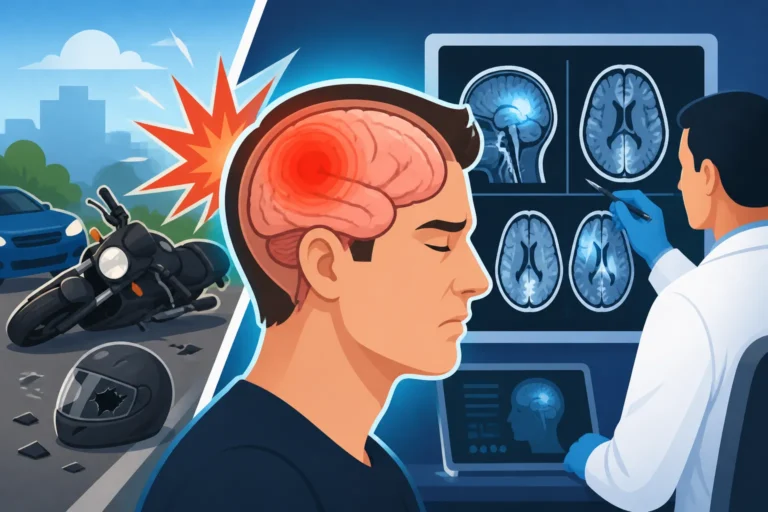
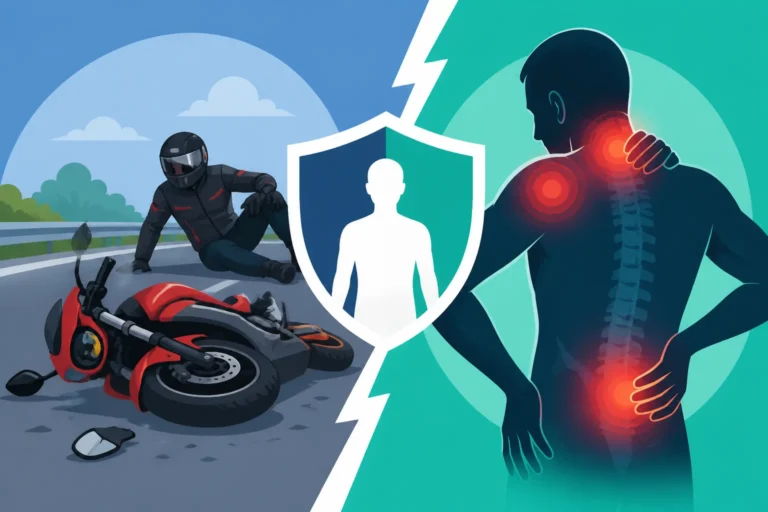
On the more severe end of the spectrum, we see injuries like spinal cord damage, traumatic brain injuries (TBIs), internal organ damage, severe burns, and amputations. These types of catastrophic injuries not only demand immediate and intensive medical care but often lead to permanent disability, chronic pain, and a drastically altered quality of life. For instance, a broken leg might heal in a few months, allowing a return to normal activities, but a severe spinal cord injury could mean permanent paralysis. The type and extent of your injuries directly dictate the immediate and long-term costs, forming the foundation of your compensation claim.
Initial Medical Assessment and Documentation
The moments immediately following a motorcycle accident are chaotic, but seeking prompt medical attention is paramount, not just for your health, but for your claim. Even if you feel "fine" or just a little shaken up, adrenaline can mask serious injuries. It's not uncommon for symptoms of a concussion, internal bleeding, or soft tissue damage to appear hours or even days later. Getting checked out by paramedics at the scene or going to an emergency room like Banner Health or your local urgent care center provides immediate documentation that your injuries are directly linked to the accident.
Every doctor's visit, every diagnostic test – X-rays, MRIs, CT scans – and every prescription fills in the medical narrative of your injury. This documentation serves as irrefutable evidence of your physical suffering and the necessity of your treatments. If there are gaps in your medical treatment, or if you delay seeking care, the insurance company might argue that your injuries weren't severe or weren't caused by the accident, which can significantly reduce your potential compensation. For a deeper dive, check out our guide on How to Document Injuries for a Claim. Keeping a detailed record of all medical appointments, bills, and even your personal recovery journal will become vital evidence as your case progresses.
Economic Damages: Quantifying Your Financial Losses
When you've been hurt in a motorcycle accident, the financial strain can be overwhelming. These tangible, calculable losses are known as economic damages, and they form a significant portion of any compensation claim. Proving these damages means presenting clear, verifiable evidence of every dollar lost or spent due to the crash.
Medical Expenses: From ER to Long-Term Care
Medical bills pile up quickly after a motorcycle accident, and they often become the largest component of economic damages. This isn't just about the initial ambulance ride and emergency room visit, though those are certainly part of it. It encompasses the entire journey of your recovery. This could include subsequent doctor appointments with specialists like orthopedic surgeons or neurologists, physical therapy sessions at facilities like Select Medical or ATI Physical Therapy, medications, medical devices (crutches, wheelchairs, braces), and even home modifications if your injuries result in permanent disability.
What many riders don't realize is that future medical expenses are also a critical component. If your injury is severe enough to require ongoing treatment, future surgeries, long-term rehabilitation, or palliative care, these anticipated costs must be estimated and included in your claim. This often requires expert testimony from medical professionals who can project the full scope and cost of your future medical needs. For example, a severe Spinal Cord Injuries from Motorcycle Accidents could mean decades of specialized care, which translates into millions of dollars in economic damages. Accurately tallying these costs, both current and projected, is essential for a comprehensive settlement.
Lost Wages and Diminished Earning Capacity
Another significant hit to your wallet after a crash is the income you lose because you can't work. This includes not just the wages you've already missed, but also any future income you'll lose if your injuries prevent you from returning to your previous job, or if you have to take a lower-paying position. Proving lost wages requires clear documentation like pay stubs, tax returns, and a statement from your employer detailing your absence and lost income. For self-employed riders, it might involve business records and a forensic accountant's assessment.
Beyond immediate lost wages, there's the concept of "diminished earning capacity." This refers to the reduction in your ability to earn money in the future due to permanent injury or disability. For instance, if you were a mechanic who relied on fine motor skills and strength, but a severe hand injury prevents you from performing that work, your earning capacity has been diminished. This is a complex calculation that often involves vocational experts and economists who can assess your pre-injury earning potential versus your post-injury potential. This figure can be substantial, especially for younger individuals whose careers have been cut short or altered forever.
Property Damage and Other Out-of-Pocket Costs
While personal injuries are often the focus, the damage to your motorcycle itself can be considerable. Whether it's a totaled Harley-Davidson or a damaged Yamaha, the cost of repair or replacement is a direct economic damage. Photos of the damaged bike, repair estimates, and receipts for any temporary transportation you needed are all important pieces of evidence. This also extends to any personal property damaged in the accident, like your helmet, gear, or phone.
Beyond the obvious, there are many other out-of-pocket expenses that might not immediately come to mind but are absolutely recoverable. This could include mileage and parking fees for medical appointments, the cost of hiring help for household chores you can no longer perform (like lawn care or cleaning), prescription co-pays, and even cancellation fees for trips or events you missed due to your injuries. These seemingly small costs can add up quickly, and diligently tracking every single one is vital for ensuring you receive fair compensation for all your Types of Damages in a Motorcycle Accident Claim.
Non-Economic Damages: Valuing Pain and Suffering
While economic damages are about quantifying your financial losses with receipts and bills, non-economic damages are about putting a monetary value on the intangible suffering you've endured. This category is often harder to calculate but can represent a significant portion of a motorcycle accident settlement, particularly with severe injuries.
The Subjective Nature of Pain and Suffering
"Pain and suffering" is a broad term that encompasses the physical pain you experience, both acute and chronic, as well as the emotional and mental anguish resulting from your injuries. Unlike a medical bill, there's no fixed price tag for enduring a broken femur or the persistent ache of nerve damage. Because this is subjective, insurance companies and juries often use different methods to assign a value. One common approach is the "multiplier method," where your total economic damages are multiplied by a number (typically between 1.5 and 5, or even higher for severe cases) based on the severity and duration of your pain and suffering.
Consider a rider who suffers extensive Road Rash Injuries and Claims. While the medical bills for treatment and skin grafts are economic damages, the excruciating pain of the initial injury, the discomfort of healing, and the psychological distress of scarring are all part of non-economic damages. The more intense, prolonged, and debilitating the pain, the higher the multiplier tends to be. Documenting your pain levels, medication use, and how your pain impacts daily activities in an injury journal is crucial to substantiate this aspect of your claim.
Impact on Quality of Life and Emotional Distress
A serious motorcycle accident doesn't just hurt your body; it can deeply affect your entire way of life. This impact on your quality of life and the resulting emotional distress are key components of non-economic damages. Perhaps you can no longer enjoy riding your motorcycle, or participate in hobbies like hiking, playing with your kids, or simply walking without pain. This "loss of enjoyment of life" is a tangible loss, even if it's not financially calculable in the traditional sense.
Emotional distress can manifest in many ways: anxiety, depression, fear of riding again (even as a passenger), sleep disturbances, and even PTSD After a Motorcycle Accident. These psychological scars can be just as debilitating as physical ones. For example, a rider involved in a head-on collision might develop severe anxiety attacks whenever they see a car approaching an intersection, preventing them from driving or even being a passenger. Seeking psychological counseling or therapy, much like physical therapy, creates documentation of this suffering and its impact. The more profoundly your injuries have altered your ability to live a full and joyful life, the greater your claim for these damages.
Disfigurement, Scarring, and Permanent Impairment
Some motorcycle injuries leave lasting physical marks that go beyond pain. Severe burns, extensive road rash requiring skin grafts, amputations, or significant facial trauma can result in permanent disfigurement or scarring. These physical changes can lead to profound emotional distress, self-consciousness, and a reduced quality of life, impacting social interactions, personal relationships, and even employment opportunities. The visible nature of these injuries often makes them particularly compelling in a claim.
Similarly, any permanent physical impairment or disability that results from the accident contributes significantly to non-economic damages. If a Motorcycle Accident Traumatic Brain Injuries leaves you with cognitive deficits, or a crushed limb results in a permanent limp, these limitations impact every aspect of your future. The degree of permanent impairment is often assessed by medical experts who can provide a "disability rating." This rating helps quantify the extent to which your body's function has been permanently altered, directly informing the value of your non-economic damages. These are often considered Catastrophic Motorcycle Injuries Explained and command the highest compensation.
How Different Injury Types Influence Compensation
The severity of an injury is not a one-size-fits-all concept. What might be considered "minor" to one person could be debilitating to another. In motorcycle accident claims, injuries are broadly categorized, and their specific characteristics, prognosis, and long-term effects play a huge role in determining compensation.
Minor Injuries vs. Catastrophic Injuries
There’s a world of difference between a minor injury and a catastrophic one when it comes to compensation. A minor injury might involve soft tissue sprains, bruises, or superficial road rash that heals completely within a few weeks or months. While these injuries are certainly painful and inconvenient, they typically don't involve extensive medical treatment, long periods of lost work, or permanent impairment. The compensation for such injuries usually covers medical bills, a few weeks of lost wages, and a relatively modest amount for Pain and Suffering Damages Explained.
Catastrophic injuries, on the other hand, are those that result in long-term or permanent disability, significant disfigurement, or require extensive, lifelong medical care. This includes things like severe spinal cord injuries leading to paralysis, traumatic brain injuries with permanent cognitive impairment, amputations, or severe burns over large areas of the body. The compensation for catastrophic injuries is exponentially higher because it must account for not only current medical bills but also future medical needs, lost earning capacity over a lifetime, extensive pain and suffering, and the profound impact on the injured person's quality of life. These cases often involve millions of dollars, as they are truly life-altering events.
Specific Injury Examples: Road Rash, Broken Bones, TBIs, Spinal Injuries
Let's look at some common motorcycle injuries and how their severity typically impacts compensation:
- Road Rash: Minor road rash (first-degree) might just be surface scrapes, healing relatively quickly with topical treatments. Compensation would be lower. However, severe road rash (third or fourth-degree) can involve deep tissue damage, nerve damage, and require painful skin grafts, leading to permanent scarring and infection risks. The more severe the road rash, the higher the compensation, accounting for extensive medical treatment, possible reconstructive surgery, and significant pain and disfigurement.
- Broken Bones: A simple, clean fracture of a finger might heal quickly with a cast, resulting in moderate compensation. But a complex, comminuted fracture of a femur or pelvis, especially if it's an open fracture, can require multiple surgeries, internal fixation (rods, plates, screws), prolonged immobilization, physical therapy, and may never fully regain pre-injury function, potentially leading to chronic pain or arthritis. Such severe fractures command significantly higher compensation.
- Traumatic Brain Injuries (TBIs): A mild concussion might resolve with rest, with lower compensation. However, a severe Motorcycle Accident Traumatic Brain Injuries could involve brain swelling, hemorrhages, and permanent cognitive deficits, memory loss, personality changes, or motor impairments. These are extremely serious, lifelong injuries, and compensation would be among the highest, covering extensive neurological care, rehabilitation, lost earning capacity, and profound changes to quality of life.
- Spinal Cord Injuries: A minor back strain might yield moderate compensation. But any injury to the spinal cord itself, which can result in partial or complete paralysis (paraplegia or quadriplegia), is catastrophic. These injuries lead to permanent loss of sensation and motor function, requiring extensive medical equipment, home modifications, continuous care, and a complete change in lifestyle. Compensation for Spinal Cord Injuries from Motorcycle Accidents is consistently among the highest due to the devastating, permanent nature of the damage.
The Role of Medical Prognosis and Future Needs
The compensation amount isn't just about the injuries you have right now; it's heavily influenced by what your medical future looks like. This is where the "prognosis" comes in – your doctor's prediction of your long-term recovery. If the prognosis is excellent, meaning a full recovery is expected with no long-term effects, the compensation will reflect that. If the prognosis is poor, indicating permanent disability, chronic pain, or a need for ongoing medical care, the compensation will be significantly higher to cover those lifelong needs.
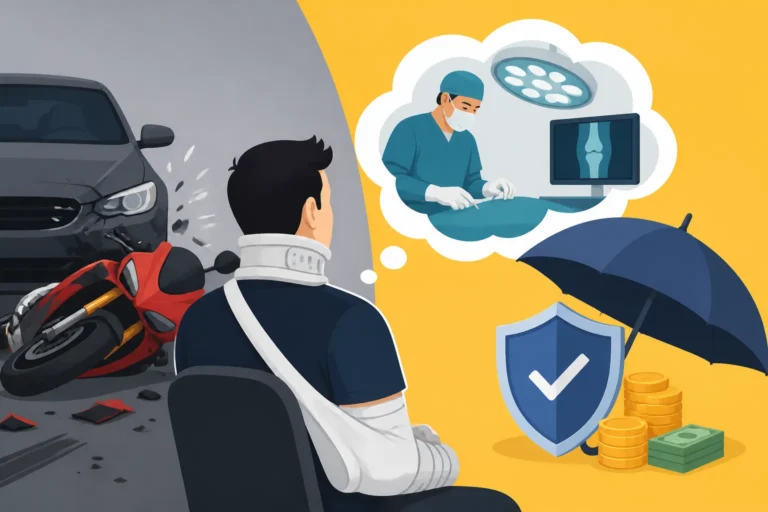
This includes factors like the likelihood of future surgeries, the need for assistive devices, ongoing medication, and home healthcare. For example, if a doctor testifies that you will need another knee surgery in five years due to your accident injury, the estimated cost of that future surgery and related rehabilitation will be included in your current settlement. This forward-looking assessment is critical, and it's why it's often advisable to wait until you have reached Maximum Medical Improvement (MMI) before settling your claim, as this allows for a clearer picture of your long-term medical needs.
Factors That Can Reduce Your Compensation
While the severity of your injuries is a major driver of compensation, several other factors can significantly reduce the amount you ultimately receive. It's frustrating to think that even when you're hurt, elements beyond your control, or even perceived missteps, can affect your recovery.
Comparative Negligence and Shared Fault
One of the biggest hurdles motorcycle riders face is the concept of comparative negligence or shared fault. Many states, including California and Florida, operate under some form of comparative negligence. This means if you are found partially at fault for the accident, your compensation will be reduced by your percentage of fault. For example, if a jury determines your damages are $100,000 but you were 20% at fault for the crash (perhaps for speeding, even if the other driver was primarily liable), your award would be reduced by $20,000, leaving you with $80,000.
Some states, like North Carolina and Alabama, use a harsher rule called "contributory negligence," where if you are found even 1% at fault, you are completely barred from recovering any compensation. This is incredibly unfair and makes proving the other driver's sole fault critically important. Insurance companies will almost always try to assign some percentage of fault to the motorcyclist, often playing into Rider Bias in Fault Determination. Understanding How Comparative Fault Reduces Your Payout is essential, as this defense is frequently used to lower settlement offers, regardless of injury severity.
Insurance Policy Limits and Underinsurance
Even if your injuries are catastrophic and your damages total millions, there's a practical ceiling on what you can recover: the at-fault driver's insurance policy limits. Most states only require relatively low minimum liability coverage (e.g., $25,000 per person for bodily injury in Texas). If your medical bills alone exceed these limits, the at-fault driver's insurance company won't pay a penny more than their policy maximum.
This is a common and incredibly frustrating scenario, leaving seriously injured riders with uncompensated losses. This is where your own Underinsured Motorist (UIM) or Uninsured Motorist (UM) coverage becomes incredibly important. If the at-fault driver has minimal or no insurance, your UM/UIM policy can kick in to cover your damages up to your policy limits. Without adequate UM/UIM coverage, even the most severe injuries can go largely uncompensated if the at-fault driver doesn't have personal assets to pursue. Learning How Insurance Policy Limits Affect Your Payout can save you a lot of heartache.
Gaps in Medical Treatment or Poor Documentation
As mentioned earlier, consistent medical treatment and thorough documentation are cornerstones of a strong personal injury claim. If you have significant gaps in your medical treatment – for example, you go to the ER right after the crash but don't follow up with a doctor for several weeks or months – the insurance company will seize on this. They might argue that your injuries weren't serious enough to warrant continuous care, or even that a new injury occurred during the gap, unrelated to the accident.
Similarly, poor documentation, whether it's incomplete medical records, a lack of detailed notes from your doctor, or a failure to keep a personal injury journal, can weaken your case. Every aspect of your injury and recovery should be clearly documented. If you claim debilitating pain but your medical records only show one or two brief visits, it becomes very difficult to prove the severity of your suffering to an insurance adjuster or jury. Diligence in managing your health also extends to managing your claim.
Maximizing Your Claim: The Importance of Documentation and Expert Help
Navigating the aftermath of a motorcycle accident is tough, especially when you're dealing with serious injuries. To ensure you receive the compensation you deserve, meticulous preparation and the right support are absolutely crucial. You need to build an ironclad case.
Comprehensive Medical Records and Treatment Adherence
Your medical records are the backbone of your injury claim. They provide objective evidence of your injuries, the treatments you've undergone, and your prognosis. This includes everything from initial ambulance reports and emergency room notes to specialist consultations, diagnostic imaging results (X-rays, MRIs), physical therapy records, surgical reports, and prescription histories. It's not enough to just attend appointments; you need to adhere strictly to your doctor's recommendations. Missing appointments or failing to follow treatment plans can be interpreted by insurance adjusters as a sign that your injuries aren't as severe as you claim, or that you're not taking your recovery seriously.
Beyond formal medical documents, keeping a personal injury journal can be incredibly powerful. In this journal, record your daily pain levels, how your injuries impact your sleep, mood, and ability to perform everyday tasks, and any emotional distress you're experiencing. This personal account helps to illustrate the full, human impact of your injuries, which is vital for proving Pain and Suffering Damages Explained. This consistent and detailed documentation bridges the gap between clinical records and your lived experience, making your claim for non-economic damages much stronger.
Gathering Evidence: Photos, Witness Statements, Police Reports
Medical records are paramount, but they're just one piece of the puzzle. A strong claim for compensation requires a comprehensive collection of evidence from the accident scene and beyond. Immediately after the crash, if you are able, take as many photos and videos as possible. This includes damage to your motorcycle and the other vehicles involved, road conditions, skid marks, traffic signs, and most importantly, your visible injuries. These visual records provide undeniable proof of the accident's severity and the immediate impact on your body and bike.
Obtain contact information from any witnesses who saw the accident unfold. Their statements can corroborate your version of events and counter any attempts by the other driver or their insurance company to shift blame. The police report is also a critical document, as it typically includes details about the accident, involved parties, and often an initial determination of fault. While not always conclusive, a favorable police report can significantly bolster your position. For more guidance, our article on Motorcycle Accident Evidence for Proving Fault can walk you through the specifics. The more evidence you have, the harder it is for the insurance company to deny the severity of your injuries or the other driver's fault.
The Value of Legal Representation
Dealing with a motorcycle accident claim, especially one involving severe injuries, is incredibly complex. Insurance companies are not on your side; their primary goal is to minimize payouts. This is why having an experienced motorcycle accident attorney can make an enormous difference in the outcome of your claim. An attorney understands the nuances of personal injury law, the specific challenges motorcycle riders face, and how to effectively value and negotiate for maximum compensation.
They can help gather all necessary evidence, interpret complex medical reports, work with expert witnesses (like accident reconstructionists or vocational experts), and meticulously calculate both your economic and non-economic damages. They also handle all communications with the insurance companies, shielding you from their aggressive tactics and ensuring you don't inadvertently say or do anything that could jeopardize your claim. Many attorneys, such as those at Stewart Law Offices or Morgan & Morgan, work on a contingency fee basis, meaning you don't pay anything upfront, and they only get paid if they win your case. This allows you to focus on your recovery while a professional fights for your rights. If you're wondering if you need professional help, consider reading Do You Need a Motorcycle Accident Lawyer.
Disclaimer
Please remember that this article provides general information and is not intended as legal advice. Every motorcycle accident claim is unique, and the specific laws and outcomes can vary significantly based on your location and the individual circumstances of your case. For personalized advice regarding your situation, it is always recommended to consult with a qualified legal professional.