Motorcycle Amputation: Treatment and Long-Term Impact
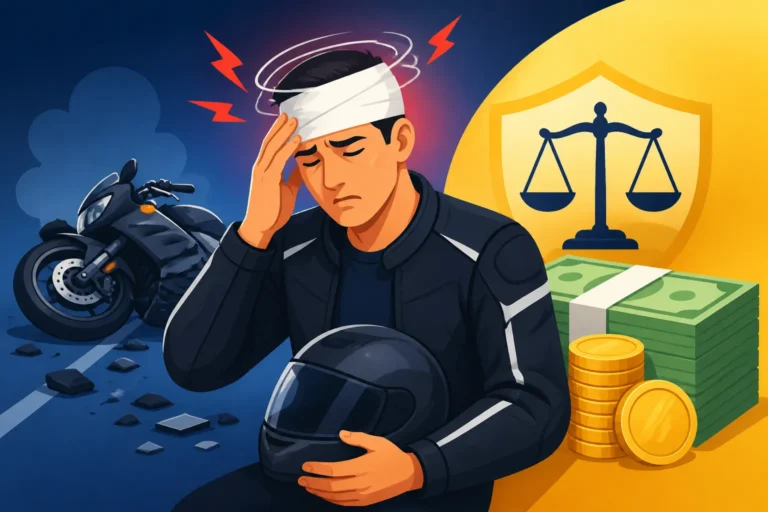
Experiencing a motorcycle accident is terrifying, but for some riders, the aftermath includes the devastating reality of an amputation. This isn't just about losing a limb; it's about facing a complete shift in life, confronting immense physical challenges, emotional trauma, and a future that suddenly looks very different. This guide is here to walk you through the complex journey of motorcycle amputation, from the immediate medical treatment to the long-term impacts on your life, offering an honest look at what lies ahead.
Understanding Motorcycle Amputation Injuries
When a motorcycle accident happens, the forces involved can be truly catastrophic, often leading to severe, life-altering injuries that are far more intense than those typically seen in car collisions. For some, these injuries culminate in an amputation, a medical decision made to save a life or prevent further complications. It’s a moment no one prepares for, and understanding why and how it occurs is the first step in comprehending the immense journey ahead.
Common Causes of Amputation in Motorcycle Accidents
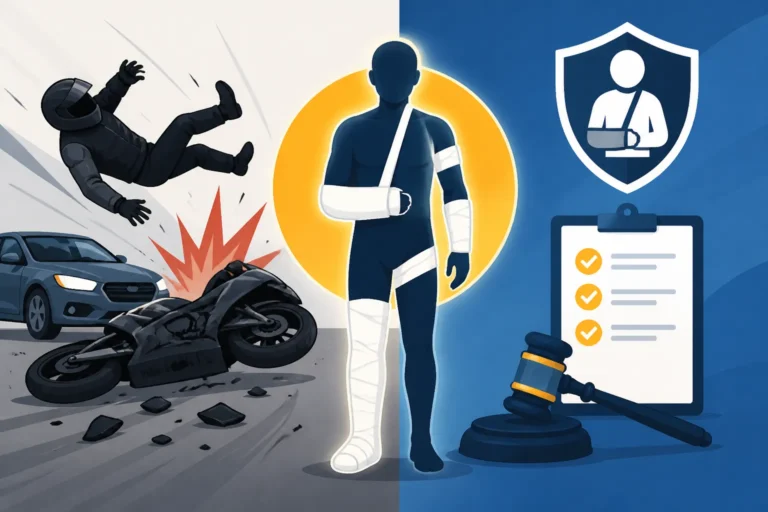
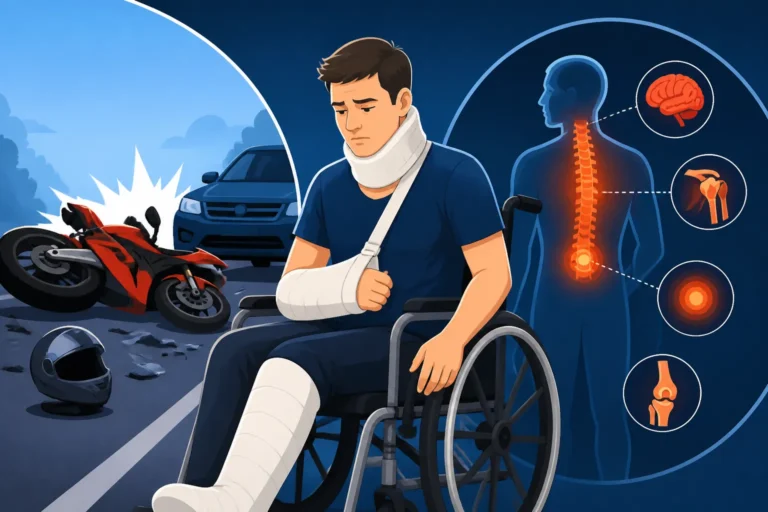
Motorcycle accidents often involve direct impacts, crushing forces, or severe degloving injuries that can make limb salvage impossible. Imagine a scenario where a rider is T-boned by a car running a red light in a busy intersection, like at Main Street and Elm in any town. The sheer force of impact can shear off a limb instantly, or cause such extensive damage to bones, muscles, nerves, and blood vessels that reconstruction isn't feasible. Another common cause is being pinned under a vehicle or against a guardrail, leading to crushing injuries that compromise the limb's viability. Sometimes, even if a limb isn't immediately severed, the lack of blood flow, severe infection, or irreparable nerve damage can necessitate an amputation days or weeks after the initial trauma. These kinds of injuries are why many motorcycle crashes result in what we refer to as Catastrophic Motorcycle Injuries Explained—they fundamentally change a person's life in an instant.
Immediate Medical Response and Stabilization
The moments immediately following a severe motorcycle accident are critical. When paramedics arrive at the scene of a crash, for example, on a busy highway like I-5 near San Diego, their first priority is always to stabilize the patient and control any life-threatening bleeding. If an amputation has occurred or is imminent, they will apply tourniquets to stop hemorrhage, administer pain relief, and ensure the patient's airway, breathing, and circulation are maintained. This initial trauma care is crucial in preventing further blood loss and stabilizing vital signs before transport to a specialized trauma center. Once at the hospital, an emergency medical team, including trauma surgeons, orthopedic specialists, and vascular surgeons, will assess the extent of the damage. Their goal is to save life and limb whenever possible, but sometimes, an emergency amputation is the only viable option to prevent sepsis, organ failure, or further critical injury.
Types of Amputations
Amputations aren't a one-size-fits-all medical event; they vary significantly depending on which limb is affected and at what level. For instance, a leg amputation might be below the knee (transtibial), above the knee (transfemoral), or even at the hip (hip disarticulation). Arm amputations can be below the elbow (transradial), above the elbow (transhumeral), or at the shoulder (shoulder disarticulation). Each type presents its own set of challenges for rehabilitation and prosthetic fitting. For a rider, the loss of a foot might impact their ability to shift gears, while an arm amputation could affect steering and throttle control, assuming they ever ride again. The level of amputation directly influences the amount of residual limb available, which in turn affects prosthetic options, mobility, and overall functional outcomes. The surgical team will always strive to preserve as much of the limb as possible to improve the chances of successful prosthetic use and a better quality of life moving forward.
The Initial Treatment Journey for Amputations
After the shock of an accident and the immediate emergency response, the actual treatment journey for an amputation begins. This phase is intense, requiring complex surgical procedures, meticulous pain management, and crucial wound care. But beyond the physical, it also marks the beginning of an equally vital journey: addressing the profound psychological impact of limb loss.
Emergency Surgery and Stump Revision
Once stable, the rider will undergo emergency surgery. This isn't just about removing the damaged limb; it's a careful procedure aimed at preparing the residual limb, often called the "stump," for future prosthetic use. Surgeons will meticulously sculpt the bone, muscle, and skin to create a well-padded, functional residual limb that can comfortably bear weight and withstand the pressures of a prosthesis. This process is known as stump revision. Sometimes, multiple surgeries might be necessary to achieve the optimal shape, address complications like infection, or further refine the residual limb. The goal is to ensure adequate blood flow, nerve integrity, and muscle balance, all while minimizing pain and promoting healing. It's a delicate balance, as any complications here can significantly impact the long-term success of prosthetic fitting and rehabilitation.
Pain Management and Wound Care
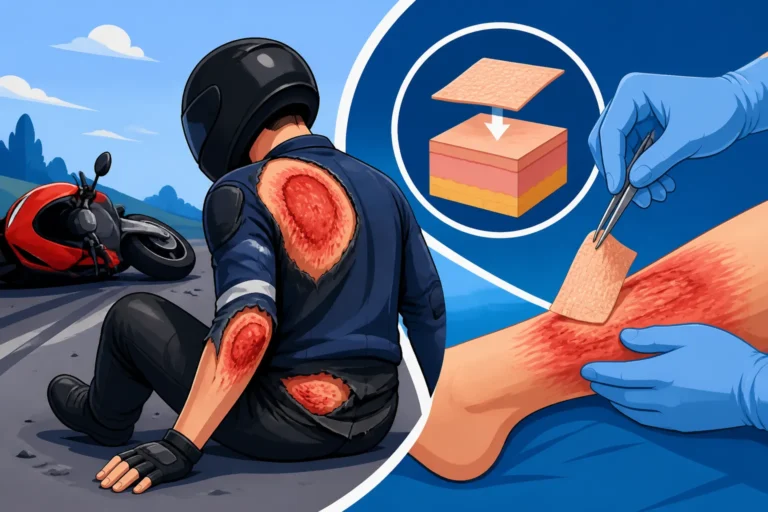
The pain following an amputation can be excruciating and complex, extending beyond the immediate surgical site. Effective pain management is paramount, often involving a combination of medications, nerve blocks, and non-pharmacological therapies. Patients might experience incision pain, muscle spasms, or even "phantom limb pain," where it feels as if the missing limb is still there and in agony. This phantom pain is a real neurological phenomenon and requires specialized treatment approaches. Alongside pain management, meticulous wound care is essential to prevent infection, promote healing, and minimize scarring. This involves regular cleaning, dressing changes, and monitoring for any signs of complications. A wound infection can set back the recovery process significantly, leading to prolonged hospital stays and additional surgical interventions. Nurses and physical therapists work closely with patients, teaching them how to care for their residual limb at home.
Psychological Support from the Outset
While the physical trauma is undeniable, the psychological impact of an amputation is often just as profound, if not more so. Riders often experience a range of intense emotions: grief, anger, depression, anxiety, and a profound sense of loss. Imagine a rider who lived for the open road, the feeling of the wind, and the freedom their motorcycle gave them—now facing a future where that freedom feels irrevocably lost. Emotional Distress Damages are a very real part of what victims experience. Psychological support, ideally starting in the hospital, is crucial. This can include counseling, support groups with other amputees, and access to mental health professionals specializing in trauma and limb loss. Addressing these emotional wounds early on can significantly impact a person's ability to cope, engage in rehabilitation, and ultimately reintegrate into their life. It's not just about learning to walk or use a new hand; it's about learning to live and thrive in a body that has changed forever.
Long-Term Rehabilitation and Life After Amputation
The road to recovery after a motorcycle amputation is not a sprint; it’s a marathon that continues long after the surgical wounds have healed. Rehabilitation is a multi-faceted process, focused on regaining independence, adapting to a new body, and navigating persistent physical and psychological challenges. It's a testament to human resilience, but also a daily grind that requires immense dedication.
Prosthetics and Adaptive Devices
A significant part of long-term recovery involves fitting and learning to use prosthetics and adaptive devices. The type of prosthesis recommended will depend on the level of amputation, the individual's lifestyle, and their goals. For instance, a rider who lost a leg might get a prosthetic designed for everyday walking, but they might also consider specialized sports prosthetics if they hope to return to certain activities.
Here's a look at some common types of prosthetics:
| Prosthetic Type | Description | Common Use Case |
|---|---|---|
| Body-Powered Prostheses | Operated by movements of other parts of the body (e.g., shoulder harness). | Basic function, durable, often used for manual tasks. |
| Myoelectric Prostheses | Controlled by electrical signals from remaining muscles in the residual limb. | More advanced, provides a greater range of motion and dexterity, lifelike appearance. |
| Passive Prostheses | Primarily for cosmetic purposes; no active function. | Restoring appearance, often for hands or feet where grip isn't primary. |
| Activity-Specific Prostheses | Designed for particular sports or hobbies (e.g., running blades, swimming attachments). | Enabling participation in specific physical activities. |
The process starts with custom molding and fitting to ensure comfort and functionality. Learning to use a prosthetic, especially a sophisticated one like a myoelectric arm, requires extensive training and patience. It's not just about putting it on; it's about re-learning movements, balance, and proprioception. As the body changes, so too might the fit of the prosthesis, requiring adjustments or even new devices over time. The cost of these devices can be substantial, and ongoing maintenance and replacements add up significantly, which becomes a major consideration in any Motorcycle Accident Settlement Process Explained.
Physical and Occupational Therapy
Physical therapy (PT) and occupational therapy (OT) are the cornerstones of amputation rehabilitation. PT focuses on strengthening the residual limb, improving balance, mobility, and learning to walk or move with a prosthetic. For a rider with a leg amputation, this means re-learning fundamental movements, improving gait, and building the stamina needed for daily activities. Occupational therapy, on the other hand, helps individuals adapt to daily tasks and activities, whether it's dressing, cooking, driving, or returning to work. Therapists might suggest modifications to the home or workplace, teach new ways to perform tasks, or help train with adaptive equipment. This holistic approach ensures that not only is the body healing and strengthening, but the individual is also developing the practical skills and confidence needed to navigate their daily life. This extended period of therapy is a critical component in understanding the Long-Term Effects of Motorcycle Injuries.
Managing Phantom Limb Pain and Chronic Issues
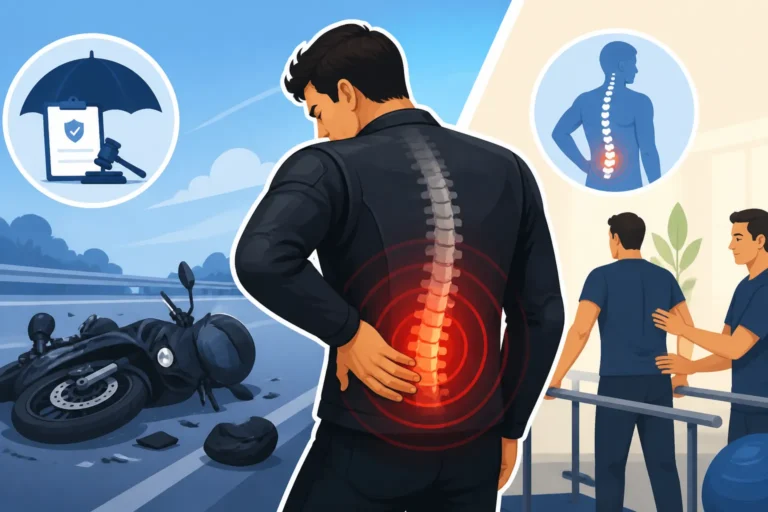
Even years after an amputation, many individuals continue to experience phantom limb pain—sensations that feel like they're coming from the missing limb. This can range from tingling or itching to severe burning or crushing pain. It's not "all in their head"; it's a complex neurological phenomenon that can be incredibly debilitating. Treatments include medication, nerve stimulation, mirror therapy, and even psychological techniques. Beyond phantom pain, individuals may face other chronic issues, such as skin problems on the residual limb, neuromas (nerve endings that can become painful), and musculoskeletal issues from compensatory movements. The remaining joints and muscles may take on additional strain, leading to arthritis or chronic pain in other parts of the body. Managing these long-term challenges requires ongoing medical care and a proactive approach to maintaining health and well-being.
Navigating the Financial and Emotional Impact
An amputation from a motorcycle accident is more than just a physical injury; it creates a cascade of financial burdens and deeply personal emotional and social adjustments. Understanding these multifaceted impacts is crucial for anyone facing this life-altering event, ensuring they can advocate for the comprehensive support they will need.
Estimating the Lifetime Costs of Amputation
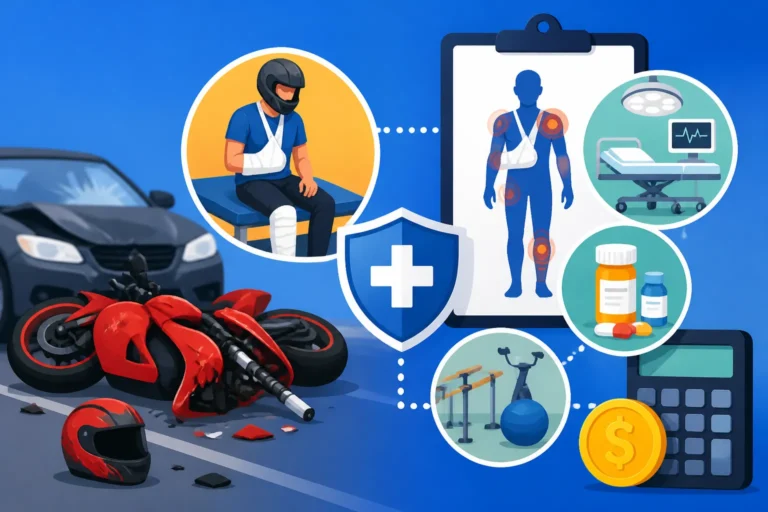
The financial implications of a motorcycle amputation are staggering and extend far beyond initial medical bills. We're talking about a lifetime of expenses that can quickly add up. First, there are the immediate costs: emergency care, multiple surgeries, extended hospital stays, and intensive rehabilitation programs. These alone can quickly run into hundreds of thousands of dollars. But then consider the ongoing costs:
- Prosthetics: As discussed, prosthetics are not a one-time purchase. They require regular maintenance, repairs, and replacements every few years as technology advances or as the body changes. A high-quality prosthetic can cost tens of thousands, or even hundreds of thousands, of dollars over a lifetime. You might want to learn more about Prosthetics and Long-Term Care Costs.
- Medications: Ongoing pain management, anti-inflammatories, and other prescriptions.
- Therapy: Continuous physical and occupational therapy sessions, sometimes for years.
- Home Modifications: Ramps, widened doorways, bathroom accessibility changes, and adaptive equipment can be necessary for an accessible home.
- Lost Wages and Earning Capacity: Many riders are unable to return to their previous jobs, or they may need to take on lower-paying roles, leading to a significant loss of income over their lifetime.
- Transportation: Vehicles may need to be modified with hand controls or wheelchair lifts.
When we talk about Types of Damages in a Motorcycle Accident Claim, these are the very real, tangible costs that need to be accounted for. Estimating these lifetime costs is complex but absolutely essential for securing fair compensation.
Emotional and Social Adjustments
The emotional toll of an amputation is immense. Riders often grapple with a profound sense of loss, not just of a limb, but of their former identity, independence, and the life they envisioned. Feelings of grief, anger, frustration, and depression are incredibly common. The constant pain, the challenges of rehabilitation, and the struggle to adapt can lead to significant psychological distress. Society's perception can also be a challenge; navigating public spaces, dealing with stares, or feeling misunderstood can add to the emotional burden. Relationships with family and friends may shift as everyone adjusts to the new reality. Support groups, therapy, and a strong personal support system are vital for processing these complex emotions and building resilience. This is where recognizing and valuing Pain and Suffering in Motorcycle Settlements becomes so crucial, as it directly addresses these intangible, yet deeply impactful, harms.
Legal Considerations for Amputation Claims
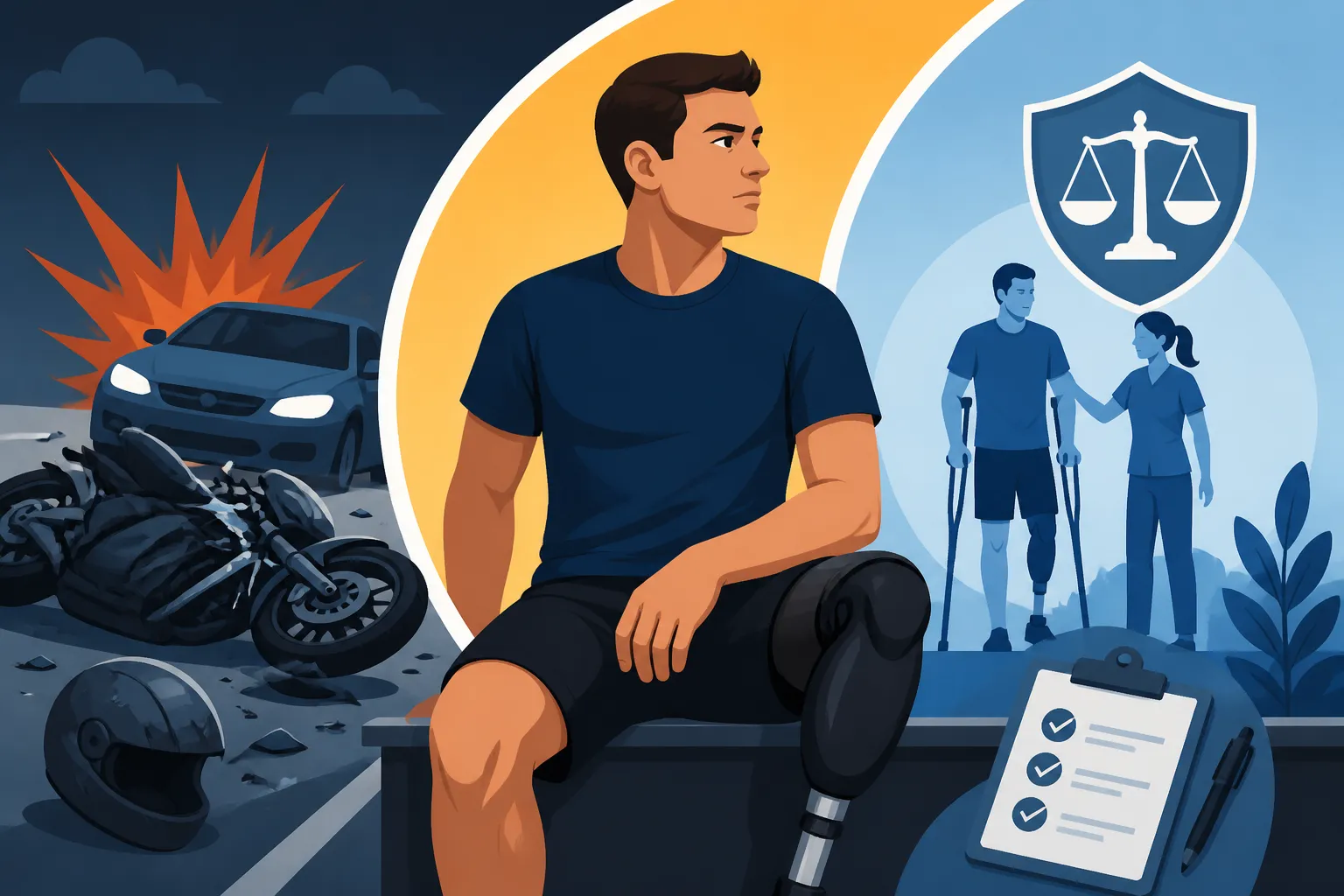
If your amputation was the result of a motorcycle accident caused by someone else's negligence, pursuing a personal injury claim becomes a critical step to secure the financial resources needed for your lifetime of care. This is not about revenge; it's about survival and ensuring you can afford the extensive medical treatment, prosthetics, adaptive equipment, lost income, and the immense pain and suffering you've endured. A claim will involve proving fault, which can be challenging, especially with the inherent biases against motorcyclists. Documenting all your injuries, medical treatments, and the psychological impact is paramount. The at-fault driver's insurance company will likely try to minimize their payout, making it essential to accurately calculate all your current and future damages. This includes not just your immediate How Medical Bills Affect Your Settlement but also long-term care, future prosthetics, and the impact on your quality of life. An experienced legal team can help you navigate this complex process, ensuring that your rights are protected and that you receive the maximum possible compensation to face your new future with some sense of financial security.
Disclaimer
Please remember that this article provides general information and is not a substitute for professional medical or legal advice. If you have been involved in a motorcycle accident, it is crucial to seek immediate medical attention and consult with a qualified legal professional to discuss your specific situation.