Long-Term Effects of a TBI
When you’ve been in a motorcycle accident, the immediate shock and physical pain can be overwhelming. But what many riders don’t realize, or perhaps don’t fully comprehend in the chaotic aftermath, is that a traumatic brain injury (TBI) can cast a long, often invisible shadow over their entire future. This guide aims to shed light on the pervasive and challenging long-term effects of a TBI, helping you understand what to expect, how to manage these changes, and why understanding them is crucial for your recovery and any potential motorcycle accident claim.
Understanding Traumatic Brain Injuries from Motorcycle Crashes
A traumatic brain injury isn't just a bump on the head; it's a complex injury with a broad spectrum of severity and consequences. For motorcycle riders, the risk of TBI is significantly higher due to the inherent lack of external protection compared to occupants in a closed vehicle. Even with a DOT-compliant helmet, the sheer force of impact in a crash can cause the brain to violently collide with the inside of the skull, leading to devastating damage.
The Mechanics of Brain Injury
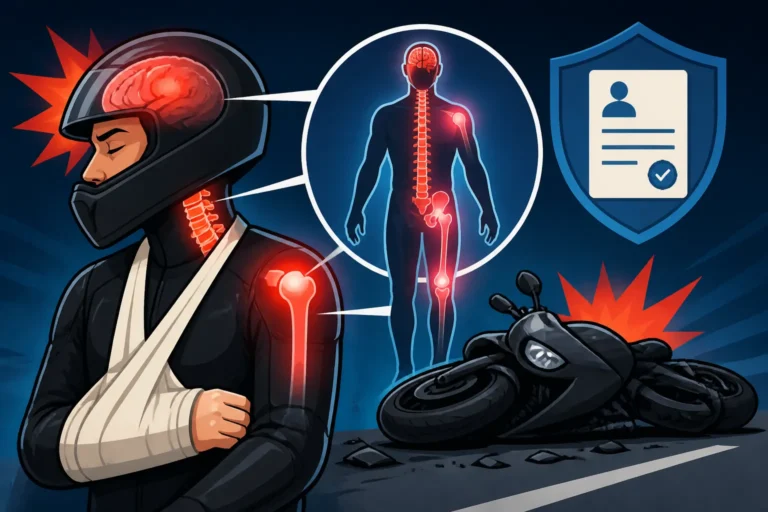
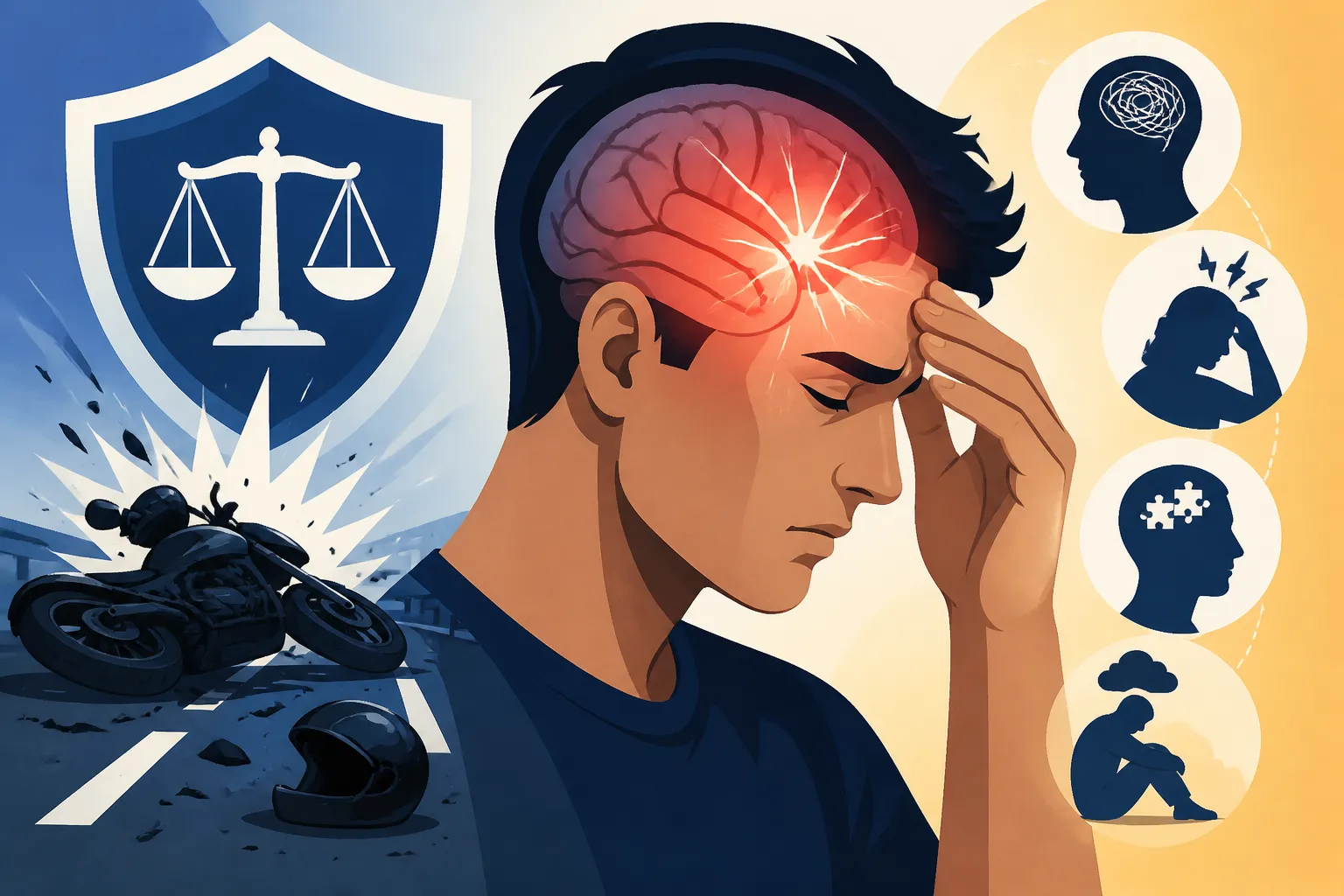
When your motorcycle goes down, whether it's a low-side slide or a high-speed collision, your head can experience sudden acceleration and deceleration forces. This can result in two primary types of brain injury. First, there's the direct impact, known as a coup injury, where the brain hits the skull at the point of impact. But then, as the brain rebounds, it can suffer a contrecoup injury on the opposite side. This back-and-forth motion, often combined with rotational forces from the head twisting, stretches and tears nerve fibers, blood vessels, and brain tissue. This diffuse axonal injury (DAI) is particularly insidious because the damage is widespread and microscopic, making it difficult to detect with standard imaging tests like CT scans or even MRIs initially.
Beyond these mechanical forces, a TBI can also involve secondary injuries. These aren't caused by the initial impact but develop hours or days later. Think about swelling (edema), bleeding within the skull (hematoma), or reduced blood flow (ischemia). These secondary injuries can compound the original damage, leading to even more severe and prolonged effects. It’s why what might seem like a mild concussion at the scene can evolve into something much more serious days later, requiring ongoing vigilance and medical follow-up.
Why Riders Are Especially Vulnerable
It's a stark reality that motorcycle riders face unique risks for severe head injuries. While helmets are undeniably life-savers, greatly reducing the risk of fatal head injuries and preventing open skull fractures, they don't eliminate the risk of a TBI entirely. A helmet absorbs impact, distributing the force, but it cannot always prevent the brain from moving within the skull during a violent impact. This is why even riders wearing proper gear can still sustain a devastating TBI. Many of the Common Causes of Motorcycle Accidents involve sudden impacts, like a Left-Turn Motorcycle Accidents Explained collision or being rear-ended, which can throw a rider with incredible force. The vulnerability also extends to the lack of a crumple zone, airbags, or a steel cage, meaning the rider’s body, and specifically their head, often bears the brunt of the collision energy.
Moreover, the phenomenon of "rider bias" in fault determination can sometimes lead to assumptions about a rider's safety practices, even when they were wearing appropriate Motorcycle Safety Gear and Legal Protection. This unfair bias can influence perceptions of injury severity, making it even more important for riders to meticulously document their protective gear and the circumstances of the crash.
The Insidious Nature of Long-Term Physical Effects
The immediate physical injuries from a motorcycle crash—broken bones, road rash, internal bleeding—are often visible and demand urgent attention. But a TBI can leave a different kind of wound, one that manifests in persistent, sometimes debilitating physical symptoms long after other injuries have healed. These aren't just inconvenient; they can fundamentally alter your quality of life.
Chronic Pain and Headaches
Many TBI survivors grapple with chronic headaches, often tension-type headaches or migraines, which can be relentless. Imagine waking up day after day with a dull ache, or having sudden, throbbing pain derail your plans. This isn't just about taking pain relievers; it's about a persistent discomfort that drains energy and makes concentration incredibly difficult. Sometimes, the pain extends beyond the head, manifesting as chronic neck pain or muscle spasms stemming from nerve damage or cervical spine issues sustained during the accident. This constant battle with pain can lead to increased stress, anxiety, and even depression, creating a vicious cycle that impacts every aspect of your life.
Motor Coordination and Balance Issues
Damage to specific areas of the brain, particularly the cerebellum, can lead to persistent issues with motor control and balance. This might mean feeling constantly unsteady, struggling with fine motor tasks, or experiencing tremors. Simple activities like walking on uneven surfaces, climbing stairs, or even reaching for objects can become challenging or dangerous. For a rider, who relies on precise coordination and balance, this can be an especially cruel blow, potentially ending their riding days. It's a frustrating reality when your body just doesn't respond the way it used to, making you feel clumsy or prone to falls, which then leads to a fear of further injury.
Sensory Impairments
A TBI can disrupt any of the five senses. Vision problems are common, ranging from blurred or double vision to light sensitivity (photophobia) or even partial blindness. Hearing can be affected, with ringing in the ears (tinnitus) or difficulty processing sounds. Alterations in taste and smell are also frequently reported, making food less enjoyable and potentially putting you at risk if you can't detect gas leaks or spoiled food. These sensory changes, while often overlooked by outsiders, can profoundly impact daily life, making navigation, communication, and even basic enjoyment of life incredibly difficult. Imagine trying to ride with compromised vision or constantly battling a phantom ringing in your ears – it’s a world turned upside down.
Fatigue and Sleep Disturbances
One of the most pervasive, yet often misunderstood, long-term effects of TBI is overwhelming fatigue. This isn't just feeling tired; it's a profound exhaustion that isn't relieved by sleep, often referred to as "brain fatigue." It can strike unexpectedly, making it impossible to concentrate or perform even simple tasks. Alongside this, many TBI survivors experience significant sleep disturbances. This could be insomnia, waking frequently, or abnormal sleep-wake cycles. The brain's regulatory systems for sleep are often damaged, leading to a frustrating cycle of exhaustion during the day and restless nights, severely hindering recovery and cognitive function.
Post-Traumatic Seizures
In some cases, a TBI can lead to the development of post-traumatic epilepsy, where individuals experience recurrent seizures. These seizures can occur immediately after the injury or develop months, or even years, later. They can range from subtle focal seizures, where you might stare blankly or experience brief confusional episodes, to full-blown grand mal seizures with loss of consciousness and convulsions. The unpredictability of seizures can be terrifying and severely restricts a person's independence, affecting their ability to drive, work, or live alone, necessitating ongoing medication and medical management.
Navigating the Complex World of Cognitive and Emotional Changes
Beyond the physical scars and symptoms, the most devastating and often hidden consequences of a TBI are the changes in cognitive function and emotional well-being. These can be particularly challenging for both the survivor and their loved ones, as they fundamentally alter who a person is, how they think, and how they interact with the world.
Memory and Concentration Problems
One of the hallmarks of a TBI is its impact on memory and concentration. Survivors often struggle with short-term memory, forgetting recent conversations, appointments, or where they put everyday items. Long-term memory can also be affected, making it difficult to recall personal history or acquired skills. Maintaining focus on tasks, following conversations, or reading a book can become monumental challenges. This isn't just inconvenient; it can be incredibly frustrating, leading to a loss of confidence and making it nearly impossible to return to previous employment or hobbies. Imagine trying to explain your side of the story in a Motorcycle Accident Liability: A Complete Guide without reliable memory.
Executive Function Deficits
Executive functions are the high-level cognitive skills that allow us to plan, organize, problem-solve, make decisions, and manage our time. A TBI can severely impair these abilities. Someone who was once highly organized and efficient might suddenly struggle with simple tasks, find it impossible to multitask, or get overwhelmed by choices. They might become impulsive, have difficulty initiating tasks, or struggle to adapt to new situations. This can make holding down a job, managing finances, or even planning a simple meal a monumental struggle, requiring significant support and rehabilitation strategies.
Mood Swings, Irritability, Depression, and Anxiety
The emotional and psychological toll of a TBI is profound. Damage to brain regions that regulate emotions can lead to unpredictable mood swings, increased irritability, and a diminished ability to cope with stress. Depression and anxiety are incredibly common, stemming from both the neurological changes in the brain and the immense psychological burden of coping with new disabilities and lost independence. Survivors might feel a deep sense of loss, frustration, and isolation. These emotional challenges can put immense strain on relationships and make engagement in therapy or daily activities incredibly difficult. Often, family members feel the brunt of these shifts, struggling to understand why their loved one is "different."
Personality Changes and Social Difficulties
Perhaps the most heartbreaking long-term effect for families is a noticeable change in personality. Someone who was once jovial might become withdrawn, or a previously mild-mannered individual might exhibit uncharacteristic anger or impulsivity. These changes are not intentional; they are direct consequences of brain damage affecting areas responsible for personality and social behavior. This can lead to significant social difficulties, as survivors may struggle to interpret social cues, maintain appropriate conversations, or control their impulses. As a result, relationships can fray, and individuals may experience profound loneliness, further contributing to conditions like PTSD After a Motorcycle Accident.
The Ripple Effect: Impact on Daily Life and Relationships
A TBI doesn't just affect the individual; it sends ripples through every aspect of their life, profoundly impacting their independence, career, finances, and relationships. It’s a complete life overhaul that few are prepared for.
Loss of Independence and Employment Challenges
For many motorcycle riders, independence is paramount. A TBI can shatter that. Depending on the severity and specific effects, individuals may lose their ability to drive, work, or live independently. Returning to work, especially in jobs requiring high cognitive function or physical dexterity, often becomes impossible. Even with accommodations, the cognitive and physical deficits can be too significant. This loss of professional identity and financial independence is a crushing blow, affecting self-esteem and future planning. It might mean a complete career change, or in severe cases, the inability to ever work again, leading to significant financial stress for the rider and their family.
Strain on Personal Relationships
The emotional lability, personality changes, and cognitive deficits associated with a TBI can put immense strain on personal relationships. Spouses, partners, and children often find themselves in new roles as caregivers, mourning the loss of the person they once knew while trying to support the new one. Communication difficulties, misunderstandings, and the constant need for patience can lead to friction and resentment. Friends may distance themselves, unsure how to interact with the "new" you. It's a lonely road, and maintaining strong relationships requires incredible understanding, communication, and often, professional family counseling.
Financial Burdens
The financial impact of a long-term TBI is staggering. Medical costs can soar, encompassing emergency care, hospitalization, surgeries, physical therapy, occupational therapy, speech therapy, psychological counseling, and potentially lifelong medication. Beyond direct medical costs, there are indirect expenses: lost wages, reduced earning capacity, home modifications for accessibility, adaptive equipment, and even specialized transportation. These expenses can quickly deplete savings and lead to severe financial hardship, especially if the accident settlement doesn't adequately cover future needs. This is why accurately calculating Average Motorcycle Accident Settlement Amounts, which account for both current and future damages, is so critical.
Need for Long-Term Care and Therapy
Many TBI survivors require ongoing, long-term care and various therapies to manage their symptoms and maximize their functional abilities. This can include physical therapy to regain strength and balance, occupational therapy to relearn daily living skills, speech therapy for communication issues, and neuropsychological rehabilitation to address cognitive deficits. Some may need residential care or assisted living facilities, while others may require in-home care for significant portions of their lives. This continuous need for support underscores the profound, permanent shift a TBI can inflict, requiring a robust long-term plan for both medical and financial stability.
Long-Term TBI Effects: A Snapshot
To help visualize the broad impact of a TBI, here's a table summarizing the categories of long-term effects.
| Category | Common Long-Term Effects | Impact on Daily Life |
|---|---|---|
| Physical | Chronic headaches/migraines, persistent neck/back pain, dizziness, vertigo, balance issues, motor coordination problems, muscle weakness, spasticity, vision disturbances (double vision, light sensitivity), hearing loss, tinnitus, altered taste/smell, profound fatigue, sleep disorders, post-traumatic seizures. | Difficulty with mobility, increased risk of falls, inability to perform fine motor tasks, constant discomfort, reduced enjoyment of activities, driving restrictions, challenges with communication, sensory overload, chronic exhaustion, loss of independence. |
| Cognitive | Memory loss (short-term & long-term), concentration difficulties, attention deficits, slowed processing speed, impaired executive functions (planning, problem-solving, decision-making), impulsivity, disorganization, difficulty with multi-tasking. | Struggles with work/school, inability to manage personal finances, difficulty learning new information, impaired social interactions, increased frustration, challenges with daily routines, difficulty following instructions. |
| Emotional/Behavioral | Mood swings, irritability, anxiety, depression, apathy, emotional lability (rapid shifts in emotion), anger outbursts, reduced empathy, changes in personality, social withdrawal, inappropriate social behavior, PTSD symptoms, substance abuse. | Strain on relationships (family, friends), social isolation, difficulty maintaining employment, increased conflict, feelings of hopelessness, loss of enjoyment in hobbies, impaired judgment, difficulty regulating emotions. |
Protecting Your Future After a TBI
Given the profound and lasting impact of a TBI, taking proactive steps immediately after an accident and throughout your recovery journey is not just important—it’s absolutely critical for your future well-being and any potential legal claims.
The Importance of Immediate and Consistent Medical Care
The absolute first step after any motorcycle accident, even if you feel fine, is to seek immediate medical attention. Adrenaline can mask symptoms, and internal injuries, including TBIs, might not be immediately apparent. A medical professional can assess your condition, diagnose injuries, and begin a treatment plan. But the journey doesn't end there. Consistent follow-up care with specialists like neurologists, neuropsychologists, and rehabilitation therapists is vital. How Medical Records Support Your Claim is an often-overlooked aspect, but continuous documentation of your symptoms, diagnoses, treatments, and prognosis provides an undeniable timeline of your suffering and need for care. Gaps in treatment can be used by insurance companies to argue that your injuries weren't severe or weren't related to the accident. Your health, both physical and mental, must be your top priority.
Documenting Everything for Your Claim
When you're dealing with the chaos of a crash and the bewildering symptoms of a TBI, the idea of meticulous documentation might seem impossible. But it’s one of the most powerful tools you have. This means keeping a detailed injury journal, noting every symptom, every doctor's visit, every medication, every therapy session, and how your TBI impacts your daily life. Take photos of your injuries, even seemingly minor ones, and any visible damage to your motorcycle or gear. Collect police reports, witness statements, and all medical bills and records. Documenting your expenses, from prescriptions to parking fees for appointments, is also crucial. This comprehensive record will be invaluable when demonstrating How to Document Injuries for a Claim and proving the full extent of your damages, both economic and non-economic, such as How to Value Pain and Suffering.
Seeking Legal Guidance for Compensation
Navigating the aftermath of a motorcycle accident and a TBI is incredibly complex, especially when you're also dealing with your own recovery. Insurance companies are not on your side; their primary goal is to minimize payouts. They may try to downplay your injuries, question the necessity of your treatment, or even suggest your TBI was pre-existing. This is precisely why asking yourself, Do You Need a Motorcycle Accident Lawyer, is so important. An experienced motorcycle accident attorney understands the nuances of TBI claims and the bias often faced by riders. They can gather essential evidence, consult with medical experts to fully understand and project your future medical needs, and aggressively negotiate with insurance companies on your behalf. Their expertise can be the difference between a lowball offer that barely covers immediate medical bills and a comprehensive settlement that truly accounts for the lifelong impact of your TBI, helping you to How to Maximize Your Motorcycle Accident Settlement. They can also guide you through the intricacies of Motorcycle Accident Liability: A Complete Guide, ensuring your rights are protected.
Disclaimer
Please remember that this article is intended for informational purposes only and does not constitute legal or medical advice. The information provided is a general overview and should not be used as a substitute for professional legal consultation or medical diagnosis and treatment. Always consult with a qualified attorney for advice regarding your individual legal situation and a medical professional for any health concerns or before making any decisions related to your health or treatment.