How Amputation Claims Are Valued
Experiencing a motorcycle accident is terrifying, but facing the devastating reality of an amputation afterward can feel like your entire world has been shattered. The physical pain is immense, but the emotional, psychological, and financial impact can be even more overwhelming, leaving you wondering how you'll ever recover, let alone get fair compensation. This guide is here to walk you through the complex process of understanding how amputation claims are valued after a motorcycle accident, ensuring you know what to expect and how to fight for the future you deserve.
Understanding the Devastating Impact of Amputation in Motorcycle Accidents
An amputation, especially one resulting from a sudden, violent event like a motorcycle crash, isn't just a loss of a limb; it's a loss of function, independence, and often a piece of who you are. The journey from the accident scene to long-term recovery is fraught with challenges, both visible and invisible.
The Immediate Trauma and Medical Emergency
The moments immediately following a motorcycle accident can be a blur of chaos and intense pain. If an amputation occurs traumatically at the scene, or is deemed medically necessary shortly after, the focus shifts to immediate life-saving measures. Paramedics, emergency room doctors, and surgeons work quickly to stabilize your condition, manage blood loss, and prevent infection. This initial phase involves critical procedures, often multiple surgeries, and an extended stay in the hospital, sometimes in the ICU. The cost of just this initial emergency care can easily soar into the hundreds of thousands of dollars, a figure that is just the tip of the iceberg when it comes to the true financial burden of an amputation.
Beyond the Physical: Emotional and Psychological Scars
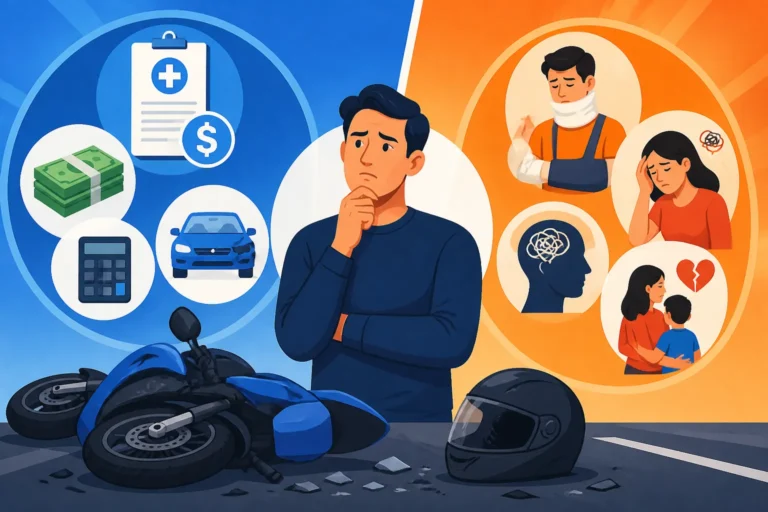
While the physical recovery from an amputation is grueling, the emotional and psychological toll can be just as, if not more, profound. Riders often grapple with intense grief over the loss of their limb, a sense of profound shock, and a struggle to adapt to their new body image. It's common for individuals to experience post-traumatic stress disorder (PTSD), depression, anxiety, and even phantom limb pain—a real, persistent pain felt in the limb that is no longer there. These mental health challenges require ongoing therapy, medication, and support, which can be just as critical to recovery as physical rehabilitation. Ignoring these aspects in a claim would be a huge disservice, as they represent a significant portion of the victim's suffering and long-term needs. The Long-Term Effects of Motorcycle Injuries often extend far beyond the visible wounds.
Key Components in Valuing an Amputation Claim
When it comes to putting a monetary value on something as life-altering as an amputation, it's not simply about adding up a few bills. It's a comprehensive process that seeks to compensate you for every aspect of your loss, both tangible and intangible. This is where understanding the different Types of Damages in a Motorcycle Accident Claim becomes crucial.
Economic Damages: Tangible Losses You Can Calculate
Economic damages are the calculable financial losses you incur as a direct result of your amputation. These are typically easier to quantify with receipts, invoices, and expert projections, but they are incredibly extensive in an amputation case.
Medical Expenses: Past, Present, and Future Care
This category is massive for amputation claims. It includes every single medical cost you've incurred since the accident and, critically, those you will incur for the rest of your life.
- Emergency Services & Hospitalization: Ambulance rides, emergency room visits, initial surgeries, and extended hospital stays.
- Rehabilitation: Extensive physical therapy, occupational therapy, and pain management.
- Prosthetics: The initial prosthetic device, along with the numerous replacements and adjustments you'll need over the decades. A basic prosthetic might cost tens of thousands, but advanced bionic limbs can be well over $100,000 per limb. These devices wear out, your body changes, and technology evolves, meaning these are ongoing, significant costs.
- Medications: Painkillers, anti-depressants, and other necessary pharmaceutical interventions.
- Future Medical Care: This is often the largest component. It involves projecting future surgeries (such as stump revisions), follow-up doctor visits, prosthetic replacements, and ongoing therapy for decades. Expert life care planners are often brought in to meticulously detail these lifetime costs, ensuring nothing is overlooked. For a deeper dive, check out our guide on Future Medical Costs Explained.
Lost Wages and Earning Capacity
An amputation can severely impact your ability to work, either temporarily or permanently.
- Lost Wages: This covers the income you've already lost from the date of the accident until you can return to work, or until your case settles. If you were working as a carpenter in construction, for example, and lost a leg, you'd likely be out of work for an extended period, if not permanently from that specific profession.
- Loss of Earning Capacity: This is often even more significant. It represents the difference between what you would have earned over your working lifetime had the accident not occurred, and what you are now capable of earning with your amputation. If you were a motorcycle mechanic and lost a hand, your career trajectory and potential income might be severely limited. Even if you retrain for a desk job, the difference in earning potential is a compensable loss. Vocational experts are often used to determine this future earning loss. You can learn more about how this is calculated in How Lost Wages Are Calculated.
Property Damage
While not directly tied to the amputation itself, your motorcycle and riding gear are often destroyed in these severe accidents. Compensation for your bike's repair or replacement, along with damaged helmets, leathers, boots, and other safety gear, is a standard part of your claim.
Non-Economic Damages: The Intangible Toll
These are the subjective, non-monetary losses that are harder to put an exact price tag on but are incredibly real and often represent the bulk of the suffering.
Pain and Suffering
The physical agony associated with an amputation is profound and prolonged. This includes the initial acute pain, the pain from multiple surgeries, phantom limb pain (which can be excruciating and persistent), and chronic discomfort associated with prosthetic use. Beyond physical pain, there's also the emotional suffering—the constant struggle, the frustration, the loss of enjoyment in activities you once loved. Pain and Suffering Damages Explained is a critical read if you want to understand how this vital component is calculated.
Emotional Distress
This covers the psychological impact we discussed earlier—PTSD, depression, anxiety, grief, humiliation, and the overall mental anguish that accompanies such a life-altering injury. The fear of future medical complications, the constant battle with one's self-image, and the stress of adapting to a new normal are all part of emotional distress.
Loss of Consortium or Companionship
An amputation can severely impact personal relationships. This damage compensates your spouse for the loss of companionship, affection, support, and intimacy they experience due to your injury. It acknowledges the ripple effect of the accident on your entire family unit.
Disfigurement and Scarring
The visible changes to your body, including surgical scars, the appearance of the residual limb, and the presence of a prosthetic, all fall under disfigurement. This category accounts for the emotional distress and self-consciousness stemming from these permanent physical alterations.
Factors That Increase or Decrease Claim Value
The specific value of an amputation claim isn't static; it's a dynamic figure influenced by numerous factors unique to your situation.
- Severity and Type of Amputation: Losing an entire limb (e.g., above-knee or above-elbow) generally results in a higher valuation than losing a digit or a partial foot, due to the greater impact on function and quality of life. The higher the amputation on a limb, the more severe the impairment.
- Age of the Victim: Younger victims often command higher settlements for several reasons. They have a longer projected lifespan, meaning more years of lost earning capacity, more prosthetic replacements, and more years of pain and suffering.
- Impact on Career and Hobbies: If the amputation prevents you from continuing a high-paying career, or from engaging in activities central to your identity (like professional sports, music, or even riding your motorcycle), the claim value will reflect this profound loss.
- Pre-Existing Conditions: While not an absolute bar to recovery, insurance companies often try to argue that pre-existing conditions contributed to the severity of your injuries. However, the "eggshell skull" rule dictates that you take your victim as you find them, meaning the at-fault party is responsible for all injuries, even if you were more susceptible.
- Evidence of Fault: The clearer the other driver's fault, the stronger your claim. If there's shared fault, your settlement could be reduced under Comparative Negligence in Motorcycle Accidents laws, depending on your state. A clear understanding of How Fault Affects Your Settlement is essential.
- Insurance Policy Limits: Unfortunately, even the most catastrophic injuries can be limited by the available insurance coverage. If the at-fault driver only has minimum liability coverage, your ability to recover full compensation might be impacted unless you have robust Underinsured/Uninsured Motorist (UM/UIM) coverage yourself.
The Complexities of Future Costs: A Lifetime of Needs
One of the most challenging, yet critical, aspects of valuing an amputation claim is accurately predicting and accounting for the lifetime of future needs. This isn't a one-time expense; it's an ongoing financial commitment that will last for decades.
Prosthetic Devices and Their Evolution
The world of prosthetics is constantly evolving, offering increasingly sophisticated and functional limbs. However, this technology comes at a steep price, and your initial prosthetic is rarely your last.
- Initial Prosthetics: These are custom-made for your residual limb and can cost anywhere from $5,000 for a basic device to over $100,000 for advanced bionic limbs.
- Replacements and Revisions: Prosthetics are not permanent. They wear out, break, and need to be replaced every few years—typically every 3 to 5 years for adults, and even more frequently for growing children. Your body also changes over time, requiring new sockets or entirely new limbs.
- Advanced Technology: As technology improves, you may want or need more advanced prosthetics offering greater mobility and functionality. These cutting-edge devices, like microprocessor knees or advanced robotic hands, are significantly more expensive but can dramatically improve your quality of life. These ongoing costs, compounded over a lifetime, can run into the millions.
Rehabilitation, Therapy, and Home Modifications
Beyond the prosthetic itself, you'll need ongoing support to adapt to life with an amputation.
- Physical and Occupational Therapy: These therapies are vital for learning to use your prosthetic, improving mobility, strength, and adapting daily tasks. This can continue for many years.
- Vocational Rehabilitation: If your injury prevents you from returning to your previous profession, vocational therapists can help you explore new career paths, acquire new skills, and find suitable employment.
- Home and Vehicle Modifications: To maintain independence, you may need significant modifications to your home, such as ramps, wider doorways, accessible bathrooms, and stairlifts. Your vehicle may also require modifications for hand controls or space for a wheelchair, if applicable. These adaptations are often necessary for basic functioning and are significant expenses.
Accounting for the Long Haul
Accurately projecting these lifetime costs requires specialized expertise. This isn't something an insurance adjuster is equipped to do, nor is it something you should attempt on your own.
- Expert Witnesses: In amputation cases, it’s standard practice to engage a team of expert witnesses. A life care planner will meticulously detail all your future medical needs, therapies, equipment, and personal care requirements. An economist will then project these costs over your expected lifespan, accounting for inflation and the time value of money. Medical specialists, such as orthopedic surgeons, physiatrists, and psychologists, will provide detailed reports on your prognosis and future medical needs.
- Structured Settlements: For very large settlements, especially those involving catastrophic injuries like amputation, a structured settlement might be considered. This involves receiving payments over time rather than a single lump sum, which can offer long-term financial security and tax benefits. However, it's a complex decision that needs careful consideration.
Here’s a simplified look at how various damages might be categorized in an amputation claim:
| Damage Type | Description | Examples Relevant to Amputation |
|---|---|---|
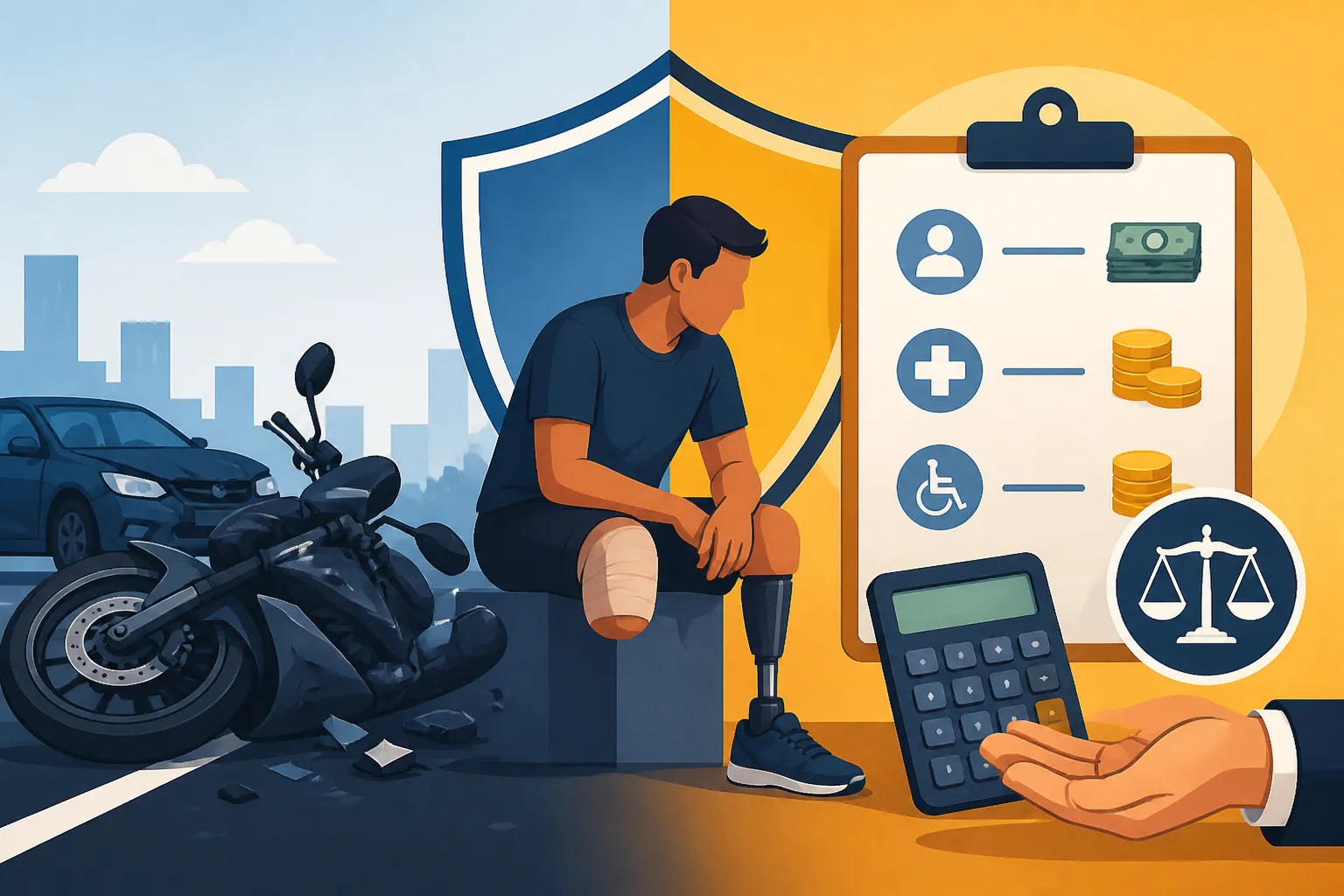
| Economic Damages | Quantifiable financial losses, easily proven with documentation. | Medical bills (surgeries, rehab), prosthetic costs (initial & future), lost wages, home modifications, vehicle adaptations. |
| Non-Economic Damages | Subjective, non-monetary losses related to pain, suffering, and quality of life. | Physical pain (acute, chronic, phantom limb), emotional distress (PTSD, depression), disfigurement, loss of enjoyment of life, loss of consortium. |
| Punitive Damages | Awarded in rare cases to punish extreme negligence or malice. | Rarely applicable in standard accidents, but possible if driver was intoxicated or grossly reckless. |
Navigating the Legal Process and Maximizing Your Claim
Dealing with an amputation is a monumental challenge, and trying to navigate the complex legal and insurance landscape on your own can feel impossible. This is precisely why having strong legal representation is so critical.
Documenting Everything: Your Evidence Arsenal
From the moment of your accident, every piece of information is valuable evidence. For an amputation claim, this is magnified exponentially.
- Medical Records and Bills: These are paramount. Keep every single record—ambulance reports, emergency room notes, surgical reports, physical therapy logs, prescriptions, and all medical bills. They prove the extent and cost of your injuries.
- Photos and Videos: Visual evidence is incredibly powerful. Take photos of the accident scene, your injuries immediately after, throughout your healing process, and of your prosthetic. Documenting your recovery and daily challenges through video can also be compelling. Learning Photos to Take to Prove Motorcycle Fault can be helpful immediately after the crash.
- Injury Journal: Maintain a detailed journal documenting your daily pain levels, emotional struggles, limitations, and how the amputation impacts your daily life and relationships. This helps personalize your suffering and connect it directly to the accident. A more general guide to How to Document Injuries for a Claim offers excellent advice.
- Witness Statements: Eyewitness accounts, especially from those who saw the immediate aftermath or observed the other driver's negligent actions, can be invaluable.
The Role of Legal Representation
For an injury as severe and life-altering as an amputation, hiring an experienced motorcycle accident attorney isn't just helpful—it's essential. You might be wondering, Do You Need a Motorcycle Accident Lawyer? The answer in an amputation case is almost unequivocally yes.
- Expert Knowledge: A lawyer specializing in motorcycle accidents understands the unique challenges riders face, including the biases often held against them. They also know the specific laws and precedents for catastrophic injury claims.
- Gathering Evidence: Your attorney will thoroughly investigate the accident, gather all necessary evidence, and work with accident reconstructionists, medical experts, and life care planners to build an unshakeable case. They know what Motorcycle Accident Evidence for Proving Fault is needed.
- Negotiating with Insurers: Insurance companies are in the business of minimizing payouts. They will often try to lowball you, use tactics to assign partial blame to you (like How Insurers Use Rider Stereotypes Against You), or downplay the long-term impact of your amputation. An attorney will protect your rights, counter these tactics, and negotiate vigorously for a fair settlement.
- Accurate Valuation: A skilled attorney will ensure that all economic and non-economic damages are meticulously calculated, accounting for your entire lifetime of needs, not just immediate costs. This is where How to Maximize Your Motorcycle Accident Settlement really comes into play.
Settlement vs. Trial
Most personal injury claims, even complex ones, are resolved through a settlement outside of court. However, for a severe injury like an amputation, the stakes are incredibly high, and sometimes going to trial is necessary to secure adequate compensation.
- Negotiation: Your attorney will prepare a comprehensive demand letter, backed by all evidence and expert reports, outlining the full extent of your damages. This typically initiates settlement negotiations with the insurance company.
- Mediation/Arbitration: If direct negotiations stall, alternative dispute resolution methods like mediation (where a neutral third party helps facilitate an agreement) or arbitration (where a neutral third party makes a binding decision) may be pursued.
- Litigation and Trial: If a fair settlement cannot be reached, your attorney will be prepared to file a lawsuit and take your case to trial. While time-consuming and emotionally taxing, a trial allows a jury to hear your story and determine the full value of your damages. For a comprehensive overview, read our article on Motorcycle Accident Settlement vs Trial. In cases of severe, permanent injury, When You Definitely Need an Attorney is before the insurance company has a chance to undervalue your future.
Amputation claims are among the most complex and high-value personal injury cases because they represent a fundamental, permanent change to a person's life. Don't go it alone. With the right support and legal guidance, you can fight for the compensation that will allow you to rebuild your life with dignity and financial security.
Disclaimer
The information provided in this article is for general informational purposes only and does not constitute legal advice. Every motorcycle accident claim is unique, and the value of an amputation claim can vary significantly based on individual circumstances, jurisdiction, and the specific facts of the case. It is crucial to consult with an experienced motorcycle accident attorney to discuss your specific situation and understand your legal options.