How Chronic Pain Affects Your Settlement
Dealing with the aftermath of a motorcycle accident is tough enough, but when those initial injuries refuse to heal, leaving you with persistent, debilitating chronic pain, it feels like the world has truly stacked the deck against you. This guide is here to walk you through exactly how that long-term suffering impacts your motorcycle accident claim and what steps you can take to ensure your settlement truly reflects the ongoing battle you face every single day.
The Lingering Shadow: Understanding Chronic Pain After a Motorcycle Accident
When you've been in a motorcycle accident, the immediate pain is often overwhelming. You're dealing with broken bones, road rash, and maybe even a concussion. But what happens when weeks turn into months, and that pain just won't fade? That's the reality for far too many riders, and it's a critical component of any comprehensive motorcycle accident claim.
Differentiating Acute and Chronic Pain
It’s important to understand the fundamental difference between acute and chronic pain, especially in the context of an injury claim. Acute pain is your body's alarm system, a direct response to injury or illness. It's usually sharp, sudden, and typically resolves as your body heals, often within days, weeks, or a few months. Think of the intense throbbing right after a broken arm, or the soreness that follows a bad scrape. As the injury mends, the pain subsides.
Chronic pain, on the other hand, is a different beast entirely. It's pain that persists for an extended period, typically defined as lasting longer than three to six months, even after the initial injury has seemingly healed. It can be constant, or it can come and go, but its defining characteristic is its stubborn persistence. It moves beyond being just a symptom and becomes a condition in itself, often having profound effects on every aspect of your life. This distinction is crucial because insurance adjusters often try to minimize long-term suffering by treating it as mere lingering acute pain, failing to grasp its debilitating nature.
Common Sources of Persistent Pain from Motorcycle Crashes
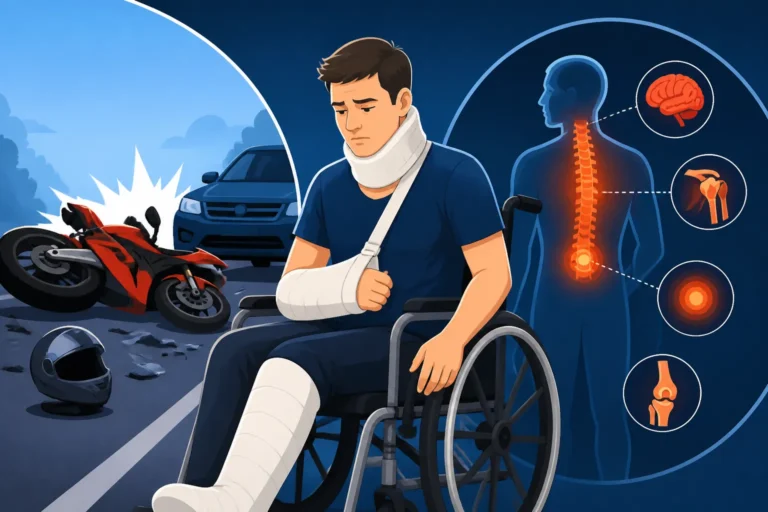
Motorcycle accidents, by their very nature, often lead to severe and complex injuries that are prime candidates for developing into chronic pain conditions. It's not just about the initial impact; it's about the forces involved and the vulnerability of the rider. For instance, many riders suffer from Spinal Cord Injuries from Motorcycle Accidents, which can result in nerve damage that causes intractable back, neck, or limb pain long after surgical intervention.
Another frequent culprit is Motorcycle Accident Traumatic Brain Injuries. Even a mild concussion can lead to persistent headaches, neck pain, and cognitive issues that translate into chronic discomfort. Beyond these, injuries like complex fractures, nerve damage (such as brachial plexus injuries common in motorcycle crashes), joint damage (shoulders, knees, hips), and even severe road rash that damages nerve endings can all evolve into chronic pain syndromes. Conditions like Complex Regional Pain Syndrome (CRPS) can also develop, a truly debilitating chronic pain state often triggered by trauma, making even the lightest touch agonizing. These are not minor aches; they are life-altering conditions that demand proper recognition in a claim.
The Hidden Costs and Emotional Toll of Chronic Pain
The physical agony of chronic pain is just one piece of the puzzle. The financial implications are staggering, and the emotional and psychological toll can be even more devastating. Financially, you're looking at ongoing medical treatments – physical therapy, pain management specialists, medications, injections, even surgeries – for years, possibly for the rest of your life. These are significant economic damages that accumulate quickly. Then there’s the impact on your ability to work, or to work at the same capacity, leading to lost wages and diminished earning potential.
Emotionally, chronic pain can erode your quality of life, leading to depression, anxiety, sleep disturbances, irritability, and social isolation. Activities you once loved, like riding your motorcycle, playing with your kids, or even just taking a walk, become unbearable. This profound loss of enjoyment of life, often categorized under Pain and Suffering Damages Explained, is incredibly difficult to quantify but is undeniably real and deserves substantial compensation. The constant battle with pain can also strain relationships, affecting family dynamics and personal well-being, turning your life upside down in ways that others may not immediately see or understand.
Building an Air-Tight Case: Documenting Your Chronic Pain for a Claim
One of the biggest hurdles in any motorcycle accident claim involving chronic pain is proving its existence and its direct link to the accident. Insurance companies are notoriously skeptical of "invisible injuries" and will often try to minimize or outright deny their severity. Thorough, consistent documentation is your most powerful weapon. Learning How to Prove Your Injuries is absolutely essential.
Medical Records as Your Primary Evidence
Your medical records are the bedrock of your claim. Every doctor's visit, every diagnosis, every treatment, every prescription, and every note from a medical professional paints a picture of your suffering and the efforts you're making to manage it. It's not enough to simply say you're in pain; you need medical professionals corroborating your experience with objective findings whenever possible. This includes records from your primary care physician, specialists like orthopedists, neurologists, pain management doctors, physical therapists, and even mental health professionals if you're experiencing depression or anxiety related to your pain.
Consistency is key here. Gaps in treatment or long delays in seeking care for worsening pain can be used by the defense to argue that your pain isn't as severe as you claim or isn't related to the accident. Ensure that every medical professional you see clearly documents your complaints of pain, its location, intensity, and how it impacts your daily life. Diagnostic tests like X-rays, MRIs, CT scans, nerve conduction studies, or electromyograms (EMGs) can also provide objective evidence of injuries that contribute to chronic pain, even if they don't always perfectly capture the subjective experience of pain itself.
The Power of Personal Journals and Witness Testimony
While medical records are essential, your personal account of living with chronic pain is equally vital. Keeping a detailed "pain journal" where you consistently record your daily pain levels (e.g., on a scale of 1-10), what activities aggravate it, what alleviates it, how it affects your sleep, mood, and ability to perform daily tasks, provides a raw, honest, and compelling narrative of your experience. This isn't just a casual diary; it's a crucial piece of evidence demonstrating the pervasive nature of your suffering.
In addition to your journal, gathering statements from friends, family members, and even co-workers who have witnessed your struggle can be incredibly impactful. They can speak to the changes they've observed in your personality, your limitations, and how your life has been altered since the accident. Perhaps you were an avid hiker before the crash, and now you can barely walk a block. These accounts provide an external, verifiable perspective on the devastating impact of chronic pain, complementing your medical documentation and personal testimony, making it harder for the defense to dismiss your claims. This forms a critical part of How to Document Injuries for a Claim.
Leveraging Medical Experts for Diagnostic Clarity
Sometimes, the nature of chronic pain is so complex that it requires more than just standard medical records. This is where medical experts become invaluable. An accident reconstruction expert might testify about the forces involved in the crash and how they align with your injuries. More importantly, a qualified pain management specialist, neurologist, or physiatrist can provide expert testimony, offering their professional opinion on the cause of your chronic pain, its severity, prognosis, and the long-term treatment it will require.
These experts can explain to a jury or an insurance adjuster the mechanisms of chronic pain, validate your symptoms, and debunk common misconceptions. They can interpret complex diagnostic test results, assess your functional limitations, and articulate how your injuries from the motorcycle accident directly led to your current chronic condition. Their testimony provides a layer of credibility and scientific backing that is often necessary to counter the defense's attempts to undermine your claim, especially when dealing with conditions that may not have obvious objective markers.
Calculating the True Impact: How Chronic Pain Shapes Your Settlement
When chronic pain is a factor, calculating a fair settlement becomes significantly more complex than simply tallying up initial medical bills. The pervasive nature of persistent pain touches every aspect of a victim's life, requiring a much broader approach to valuation. This is where understanding Types of Damages in a Motorcycle Accident Claim truly comes into play.
Economic Damages: Covering the Financial Strain
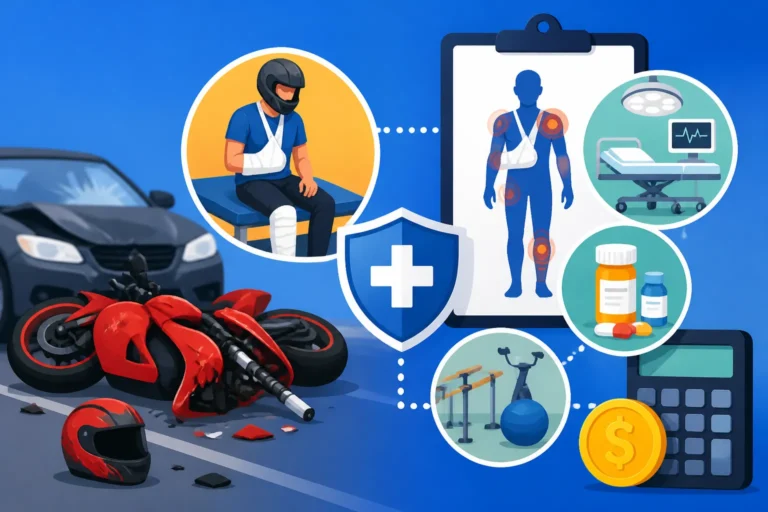
Economic damages are the quantifiable financial losses you incur due to your chronic pain. This includes all past and future medical expenses related to managing your pain. Think about the costs of ongoing physical therapy, chiropractic care, pain medication prescriptions, epidural injections, nerve blocks, consultations with pain specialists, mental health counseling, and even potential future surgeries or assistive devices. These aren't one-time bills; they are recurring, often lifelong expenses that need to be carefully projected.
Beyond medical costs, chronic pain often severely impacts your ability to earn a living. This includes past lost wages for time missed from work due to pain, treatment, or recovery. Crucially, it also encompasses lost earning capacity – the difference between what you would have earned over your lifetime without the injury and what you are now expected to earn with your chronic condition. If your pain prevents you from returning to your pre-accident job, or forces you into a lower-paying role, that difference can amount to hundreds of thousands or even millions of dollars over the course of your working life. These are concrete financial losses that must be calculated with precision.
Non-Economic Damages: Acknowledging Your Suffering
This is where the subjective, yet incredibly real, aspects of chronic pain truly make their mark on a settlement. Non-economic damages are designed to compensate you for the intangible losses that don't have a direct bill attached to them, but profoundly diminish your life. This primarily includes pain and suffering – not just the physical discomfort, but the emotional distress, anxiety, depression, frustration, and anger that often accompany a life of persistent pain.
It also covers the loss of enjoyment of life. Imagine not being able to ride your motorcycle, play with your grandchildren, participate in hobbies, or even enjoy simple daily activities without excruciating pain. These losses, while difficult to put a dollar figure on, represent a significant portion of a chronic pain settlement. The longer the pain is expected to last, the more severe its impact on your daily existence, and the more substantial these non-economic damages become. While there's no fixed formula, insurers and juries will consider the intensity, duration, and impact on your daily life when valuing these crucial components.
The Role of a "Life Care Plan" in Long-Term Valuation
For severe chronic pain conditions, especially those resulting from Long-Term Effects of Motorcycle Injuries like spinal cord trauma or traumatic brain injury, a life care plan becomes an indispensable tool. A life care plan is a comprehensive document prepared by a specialized medical professional (a life care planner) that outlines all of your future medical needs and associated costs for the remainder of your life.
This plan details everything from future medical appointments, pain management treatments, medications, adaptive equipment, home modifications (e.g., ramps, wider doorways), vocational retraining, and personal care assistance. It provides a detailed, expert-backed projection of the financial resources needed to manage your chronic pain and its related disabilities over your entire lifespan. Presenting a meticulously crafted life care plan to the insurance company or a jury can dramatically increase the perceived value of your claim, ensuring that all future expenses are accounted for, not just those incurred in the immediate aftermath of the crash.
Navigating the Legal Landscape: Strategies to Maximize Your Chronic Pain Settlement
Securing a fair settlement for chronic pain is a marathon, not a sprint. It requires patience, strategic thinking, and often, professional guidance. Insurance companies will always seek to pay the least amount possible, and they have well-honed tactics to achieve that goal.
Why Rushing a Settlement is a Bad Idea
When you're dealing with ongoing pain and mounting medical bills, the temptation to accept a quick settlement offer from the insurance company can be immense. However, this is almost always a mistake, particularly when chronic pain is a factor. Early offers are designed to be appealing but rarely account for the full scope of future medical treatment, lost wages, and the immense non-economic damages associated with long-term suffering.
Chronic pain often takes time to fully manifest and stabilize. Doctors need time to accurately diagnose the condition, explore various treatment options, and provide a prognosis regarding its permanence. Settling too early means you are signing away your right to seek additional compensation, even if your condition worsens or new, unforeseen costs arise down the line. It's crucial to wait until you have reached what medical professionals call "Maximum Medical Improvement" (MMI), meaning your condition has stabilized and further recovery is unlikely, to properly assess the full extent of your damages. This waiting period, though agonizing, is often necessary to truly understand the long-term financial and personal impact of your injuries and to then pursue How to Maximize Your Motorcycle Accident Settlement.
Countering Insurance Company Tactics
Insurance companies are not in the business of readily offering generous settlements, especially for chronic pain, which they often characterize as subjective or exaggerated. They employ various tactics to devalue claims. They might suggest your pain is from a pre-existing condition, or that you're "doctor shopping" for a diagnosis, or even that your pain is psychological. They may scrutinize your social media for any signs of an active lifestyle that might contradict your claims of disability. They might even try to argue that your own actions contributed to the accident, reducing their liability through principles like Comparative Negligence in Motorcycle Accidents.
To counter these tactics, you must be meticulously prepared. This means consistent medical treatment and documentation, maintaining your pain journal, being honest and consistent with your medical providers, and understanding that everything you say or do can potentially be used against you. Avoid discussing the accident or your injuries with anyone other than your doctors and legal counsel. An experienced legal team will anticipate these defense strategies and build a case with robust evidence to directly refute them.
The Undeniable Advantage of Experienced Legal Representation
Navigating a chronic pain claim is incredibly complex. The legal intricacies, the medical documentation requirements, the negotiation with seasoned insurance adjusters, and the potential need for litigation are overwhelming for someone already battling persistent pain. This is precisely why you need a knowledgeable and aggressive attorney on your side. An attorney specializing in motorcycle accidents understands the unique prejudices riders face and the severe nature of their injuries.
They can help you gather all necessary medical records, identify and consult with appropriate medical experts, develop a comprehensive life care plan, and effectively calculate all economic and non-economic damages, including the elusive Pain and Suffering Damages Explained. A skilled lawyer knows how to counter the insurance company's lowball offers and aggressive tactics. They can demonstrate to the opposing side that you are serious about your claim and prepared to go to trial if necessary, often leading to a much fairer settlement. If you're wondering When to Hire a Motorcycle Accident Lawyer, the moment you realize your pain is long-lasting and debilitating is the time to reach out.
Chronic Pain Conditions and Settlement Impact
Below is a table outlining common chronic pain conditions that can arise from motorcycle accidents and their potential impact on different aspects of a personal injury settlement.
| Chronic Pain Condition | Common Symptoms | Impact on Economic Damages | Impact on Non-Economic Damages |
|---|---|---|---|
| Chronic Back/Neck Pain | Persistent aching, stiffness, shooting pain down limbs, muscle spasms, limited mobility. | Ongoing physical therapy, chiropractic care, injections (epidural, nerve blocks), pain medication, potential future surgeries (fusion, disc replacement), lost wages due to inability to work or perform physically demanding tasks. | Significant impact on daily activities (sitting, standing, lifting), sleep disturbance, emotional distress (frustration, depression), inability to participate in hobbies, reduced quality of life, constant discomfort affecting mood and relationships. |
| Complex Regional Pain Syndrome (CRPS) | Severe burning pain, swelling, extreme sensitivity to touch, changes in skin temperature/color/texture, limited range of motion. | Extensive specialist care (neurologists, pain management), specialized therapies (nerve blocks, spinal cord stimulators), high medication costs, physical/occupational therapy, psychological counseling, potential for permanent disability and vocational retraining costs. | Excruciating, debilitating pain often rated higher than childbirth, severe functional impairment, social isolation, profound emotional distress (anxiety, depression, PTSD), body image issues due to skin/limb changes, complete loss of enjoyment of previously simple activities, constant fear of flare-ups. |
| Phantom Limb Pain | Sensation of pain in a limb that has been amputated. | Prosthetics (initial and replacement costs), fitting and adjustment services, pain management therapy (medication, nerve blocks, mirror therapy), physical therapy, psychological support for trauma and adaptation, vocational rehabilitation if job function is impacted. | Deep emotional trauma (grief, loss, body image issues), persistent and often confusing pain, frustration with prosthetic limitations, social challenges, mental health support needed for coping mechanisms, impact on intimacy and relationships, long-term adjustment to a new body. |
| Chronic Headaches/Migraines | Frequent or constant headaches, throbbing pain, sensitivity to light/sound, nausea, visual disturbances. | Neurologist visits, MRI/CT scans, specialized medications (preventative and abortive), trigger point injections, physical therapy for neck tension, alternative therapies (acupuncture), lost workdays due to severe episodes, impact on cognitive function. | Reduced ability to concentrate, participate in social events, or engage in hobbies, irritability, anxiety about next headache, sleep disturbances, chronic fatigue, impact on family life due to inability to perform duties, overall reduction in personal freedom and spontaneous activity. |
| Neuropathic Pain | Burning, tingling, numbness, shooting pain, electric shock sensations due to nerve damage. | Specialized medications (antidepressants, anticonvulsants for nerve pain), nerve blocks, physical therapy, TENS units, neurostimulators, vocational retraining if fine motor skills or prolonged standing/sitting is affected, ongoing diagnostic testing. | Constant irritation and discomfort, sleep disruption, loss of sensation or abnormal sensations making daily tasks difficult (e.g., holding objects), heightened sensitivity causing distress, emotional toll from persistent, often unexplained pain, fear of worsening condition, significant impact on mobility and dexterity. |
Disclaimer
The information provided in this article is for general informational purposes only and does not constitute legal or medical advice. Every motorcycle accident claim is unique, and the outcome depends on specific facts, applicable laws, and individual circumstances. It is crucial to consult with a qualified legal professional specializing in motorcycle accident claims and appropriate medical specialists for advice tailored to your situation.