How Home Modification Costs Are Claimed
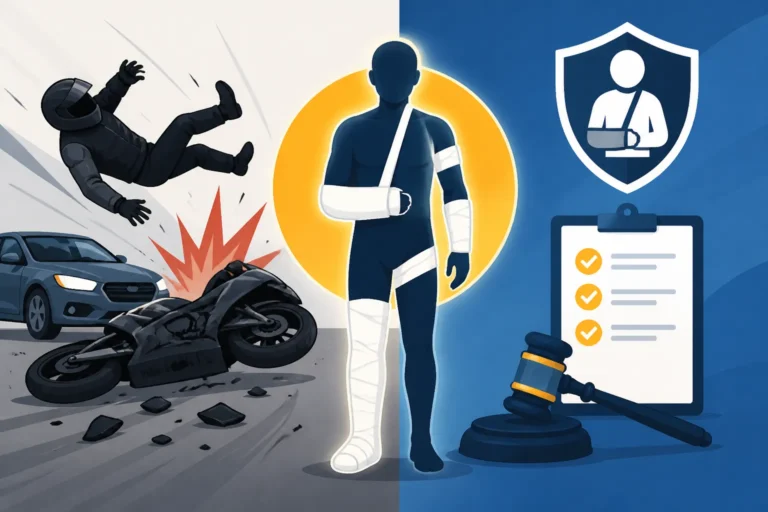
Navigating life after a serious motorcycle accident is tough enough without having to worry about how you'll manage everyday tasks in your own home. Many riders suffer injuries so severe that their living space, once a haven, becomes a frustrating obstacle course. The good news is that the costs for necessary home modifications to regain your independence can be a significant part of your motorcycle accident claim. This guide will walk you through understanding, documenting, and successfully claiming these crucial expenses.
Understanding the Need for Home Modifications After a Motorcycle Accident
When you've been in a motorcycle crash, especially one involving a negligent driver, the injuries sustained can be life-altering. You might be facing a long road to recovery, or even a future with permanent disabilities that drastically change how you interact with your environment. Suddenly, simple things like getting into the shower, cooking a meal, or even just moving from one room to another can become monumental challenges.
Common Injuries Requiring Modifications
Motorcycle accidents often result in devastating injuries due to the lack of protection for the rider. These injuries frequently necessitate extensive home modifications to ensure safety, accessibility, and quality of life. For instance, a spinal cord injury can lead to paralysis, making stairs an insurmountable barrier and standard doorways too narrow for a wheelchair.
Similarly, severe fractures in the legs or hips, or even an amputation, can mean you'll rely on crutches, walkers, or wheelchairs for an extended period, or perhaps permanently. A traumatic brain injury might impact your balance, coordination, or even cognitive functions, requiring safety railings, non-slip surfaces, or smart home technology for assistance. Imagine trying to navigate a narrow bathroom on crutches with a broken leg, or attempting to enter your home if it has steps and you're now using a wheelchair. These are not just inconveniences; they are fundamental barriers to daily living and independence. These types of severe injuries significantly impact a victim's ability to live independently and safely. You can learn more about Common Motorcycle Accident Injuries.
Types of Home Modifications
The range of home modifications needed can vary widely depending on the nature and severity of your injuries. It's not just about installing a ramp; it often involves a holistic approach to making your entire living space functional again.
Structural modifications are often the most extensive and costly. These might include widening doorways and hallways to accommodate a wheelchair, constructing ramps for entryways or between different levels of a home, or even redesigning bathrooms to create roll-in showers and accessible vanity units. Sometimes, a lift or elevator might be necessary if multi-story living is unavoidable. These changes are fundamental to the physical layout of your home and directly address mobility challenges.
Accessibility enhancements focus on making existing fixtures and areas easier to use. This could involve lowering countertops and sinks in the kitchen, installing grab bars in bathrooms, adding lever-style door handles, or repositioning light switches and outlets to a reachable height. These modifications are about adapting the functional elements of your home to your new physical capabilities.
Finally, assistive technology and smart home solutions are becoming increasingly vital. Voice-activated lighting or climate control, automated door openers, specialized communication systems, and even remote monitoring devices can empower individuals with severe injuries to manage their environment and communicate needs more effectively. These technologies offer a layer of independence and safety that traditional modifications alone might not provide, especially for those dealing with a Motorcycle Traumatic Brain Injury: Claims and Compensation or other cognitive impairments.
Documenting and Proving Your Home Modification Needs
One of the biggest hurdles in claiming home modification costs is proving their absolute necessity and getting a fair valuation. Insurance companies are notorious for scrutinizing every expense, so thorough documentation is not just helpful, it's absolutely critical.
The Importance of Professional Assessments
You can’t just tell the insurance company you need a ramp; you need an expert to back you up. This is where rehabilitation professionals come in. Occupational therapists (OTs) and physical therapists (PTs) play a crucial role. They will evaluate your specific physical limitations, assess your current home environment, and identify exactly what modifications are necessary for you to live safely and independently. An OT, for instance, might observe you struggling to reach items in your kitchen or to get in and out of your bed. They can then write a detailed report outlining precise recommendations, from the height of grab bars to the ideal layout of an accessible kitchen.
Beyond therapists, engaging a certified aging-in-place specialist or a home modification consultant can be invaluable. These professionals often have architectural and construction expertise combined with an understanding of accessibility standards. They can develop comprehensive plans, complete with blueprints and specifications, that clearly outline the proposed changes. Their reports carry significant weight because they come from a place of specialized knowledge, making it much harder for an insurance company to dismiss the recommendations as optional or excessive.
Gathering Evidence and Cost Estimates
Once you have professional assessments detailing what needs to be done, the next step is to figure out how much it will cost. This is where collecting solid financial evidence becomes paramount. You need to obtain detailed bids and estimates from reputable, licensed contractors who specialize in accessible home modifications. Don't settle for just one quote; aim for at least two or three. This helps establish a reasonable market rate for the work and demonstrates that you've done your due diligence.
Each quote should be itemized, breaking down the costs for materials, labor, permits, and any design fees. Generic estimates won't cut it. For example, if you need a roll-in shower, the quote should detail the cost of demolition, waterproofing, tiling, the specific shower fixtures, and installation. If possible, include before-and-after photos of similar projects the contractor has completed to showcase their experience.
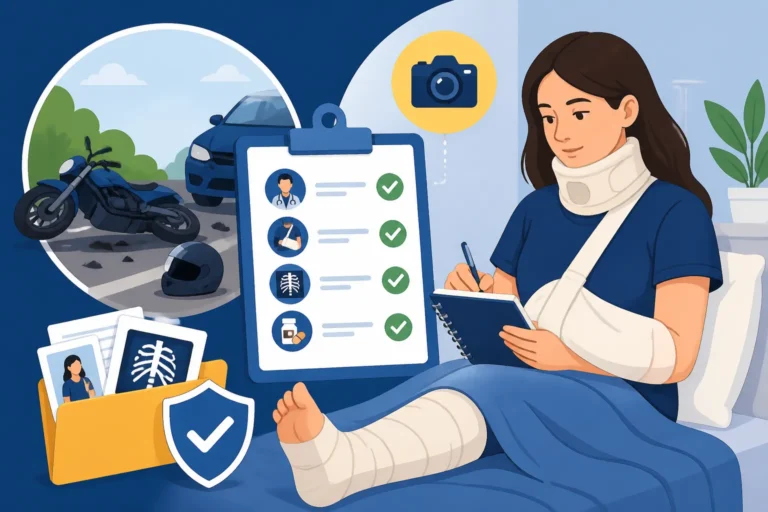
Alongside these contractor estimates, your medical records serve as the foundational evidence. These records link your specific injuries – like a Motorcycle Spinal Cord Injury: Claims and Compensation or the need for a prosthetic after an Motorcycle Amputation: Claims and Compensation – directly to the necessity of the modifications. Detailed notes from your treating physicians, rehabilitation specialists, and therapists explaining your limitations and how they directly impede your ability to function in your unaltered home are critical. This comprehensive package of medical and financial documentation forms an irrefutable argument for your claim.
Claiming Home Modification Costs in Your Motorcycle Accident Settlement
Successfully claiming home modification costs isn't just about showing they're needed; it's about integrating them effectively into your overall personal injury claim. This often means looking at both current and future expenses, and being prepared to negotiate with insurers who might try to minimize your legitimate needs.
Economic Damages and Future Costs
Home modification costs fall squarely under the umbrella of economic damages. These are tangible, quantifiable losses that result directly from your motorcycle accident. Other examples of economic damages include medical bills, lost wages, and property damage. Unlike non-economic damages, such as pain and suffering, economic damages have a clear dollar value attached to them. For more on the different categories, you might find our guide on Types of Damages in a Motorcycle Accident Claim helpful.
Because serious injuries often require modifications that will last a lifetime, or at least for many years, you’ll need to account for not just immediate needs but also future expenses. This is where a life care plan comes into play. A life care planner is a medical professional who assesses all your present and future needs stemming from the injury, including ongoing medical care, medication, therapy, assistive devices, and, crucially, home modifications. They can project the costs of these modifications, potential repairs or upgrades over your lifetime, and even the cost of maintaining accessible equipment.
It's often recommended to wait until you've reached Maximum Medical Improvement (MMI) before finalizing these projections. MMI is the point where your medical condition has stabilized, and further improvement is not expected. At this stage, your doctors and rehabilitation specialists can give a more accurate picture of your long-term needs and functional limitations, which in turn allows for a more precise estimation of necessary home modifications. Trying to settle too early could mean you underestimate future needs, leaving you financially vulnerable down the road. Our article on How Future Medical Costs Are Estimated provides more details on this process.
Negotiation with Insurance Companies
Dealing with insurance companies after a motorcycle accident can be incredibly frustrating. They are in the business of minimizing payouts, and they will likely scrutinize every aspect of your home modification claim. They might argue that certain modifications are "luxuries" rather than necessities, or that the costs are inflated. For instance, they might try to claim that a basic grab bar is sufficient when an occupational therapist has clearly recommended a full roll-in shower due to severe mobility limitations.
This is where your meticulous documentation becomes your most powerful tool. Presenting comprehensive reports from OTs, PTs, and home modification specialists, coupled with multiple, detailed contractor bids, makes it much harder for the insurer to dispute the necessity or the cost. You should also highlight how these modifications directly improve your quality of life and independence, and reduce the need for expensive long-term in-home care.
Having an experienced motorcycle accident attorney on your side is paramount during these negotiations. They understand the tactics insurance adjusters use and know how to effectively counter them. An attorney can present your case in a compelling manner, leverage legal precedents, and advocate for the full and fair compensation you deserve. They can also advise you on how to Maximize Your Motorcycle Accident Settlement and navigate the complex process of How to Negotiate a Motorcycle Accident Settlement.
The Role of Expert Testimony
If negotiations with the insurance company reach an impasse, or if your case proceeds to trial, expert testimony becomes incredibly important. This means bringing in the professionals who created your assessments and life care plans to testify on your behalf.
A rehabilitation specialist, such as an occupational therapist, can explain to a jury or judge precisely how your injuries affect your daily functioning, why each specific home modification is medically necessary, and how it will improve your ability to live independently. They can describe the barriers you face in your current home and how the proposed modifications directly address those challenges. Their expert opinion provides a crucial link between your injuries and the need for financial compensation for home modifications.
Similarly, a life care planner can testify about the projected costs over your lifetime, including not just the initial modification expenses but also ongoing maintenance, potential replacements, and the impact of inflation. They can also explain the long-term cost savings of home modifications compared to continuous professional care or institutional living. This kind of detailed, evidence-based testimony from qualified experts can be the difference between a lowball offer and a settlement or verdict that truly covers your lifetime needs. If you're wondering about hiring legal help, our guide Do You Need a Motorcycle Accident Lawyer can offer insights.
Challenges and Considerations in Your Claim
Even with robust documentation, claiming home modification costs can present unique challenges. Anticipating these issues and understanding how to address them can significantly strengthen your claim and ensure you receive the compensation you truly need.
Pre-Existing Conditions and Age of Home
Insurance companies are always looking for ways to reduce their liability. One common tactic is to argue that some modifications are unrelated to the accident. For instance, they might contend that your home needed updates anyway due to its age, or that a "pre-existing condition" is the primary reason for your disability, not the accident itself. They might try to argue that an older home would eventually need new plumbing or electrical work, and your modifications are just piggybacking on those inevitable expenses.
To counter these arguments, you need to clearly demonstrate that the necessity for the modifications arose solely from the accident. Your medical records must explicitly link your current disabilities to the motorcycle crash. While your home might be older, the specific modifications (like widening doorways for a wheelchair) are directly attributable to your new physical limitations. This is where the legal concept of the "eggshell skull rule" often applies, meaning the negligent party takes the victim as they find them – even if you had a pre-disposition, the at-fault driver is liable for aggravating or causing new injuries. Our article on How Pre-Existing Conditions Affect Claims delves deeper into this.
Furthermore, estimates from contractors should clearly distinguish between necessary accessibility modifications and general home upgrades. For example, if you're installing a roll-in shower, the cost of the accessible features and installation should be separated from any purely cosmetic upgrades that aren't strictly necessary for accessibility.
Temporary vs. Permanent Modifications
The distinction between temporary and permanent modifications can also become a point of contention. In the immediate aftermath of an accident, you might need temporary solutions like portable ramps, a commode chair, or a temporary shower chair. These are legitimate expenses and should be included in your claim, as they are crucial for your safety and comfort during initial recovery.
However, many severe injuries necessitate permanent structural changes to your home. While temporary solutions provide immediate relief, they often aren't sustainable or safe for long-term use. For example, a temporary metal ramp might suffice for a few weeks, but a custom-built, properly graded concrete ramp with handrails is a much safer and more effective permanent solution for someone relying on a wheelchair indefinitely.
The insurance company might try to argue that only temporary solutions are necessary or that permanent changes are too costly. Your rehabilitation specialists and home modification experts will be vital in explaining why permanent, well-integrated modifications are essential for long-term safety, dignity, and independence. They can highlight the risks associated with inadequate temporary solutions and the overall better quality of life provided by thoughtfully designed permanent changes.
Relocation versus Modification
Sometimes, the extent of the injuries is so severe, or the existing home's structure is so unsuitable, that modifications become prohibitively expensive or practically impossible. Imagine a rider who lives in a multi-story historic home with narrow staircases and load-bearing walls that cannot be altered. In such cases, the cost of modifying the existing home might exceed the cost of moving to a new, already accessible property, or to one that is more easily adaptable.
In these extreme situations, your claim might include the costs associated with relocation. This could encompass the expenses of selling your current home, purchasing a new accessible home, and the moving costs. This is a complex area, and insurers will undoubtedly push back, arguing that relocation is a "choice" rather than a necessity.
However, if an expert life care planner or an architect can demonstrate that modifying your existing home to meet your needs is either structurally infeasible, poses undue risk, or is significantly more expensive than moving to an accessible alternative, then the costs of relocation can become a legitimate part of your claim. This is a nuanced area of law that often requires robust expert testimony and strong legal advocacy. The ultimate goal is to ensure you have a safe and functional living environment, whether that means modifying your current home or moving to a more suitable one. The severity of your injuries directly affects How Injury Severity Affects Compensation and the scope of these potential claims.
Common Home Modifications and Their Purpose
To give you a clearer picture, here's a table outlining some common home modifications and why they are so vital for injured riders.
| Modification Type | Purpose | Key Benefit |
|---|---|---|
| Ramps | Provide smooth access over steps or elevated thresholds | Eliminates barriers for wheelchairs, walkers, and scooters; reduces fall risk. |
| Widened Doorways/Hallways | Allows unobstructed passage for wheelchairs, power chairs, or walkers | Enables free movement throughout the home, improving independence. |
| Grab Bars | Provide stability and support in bathrooms, near toilets, and in showers | Prevents falls, aids transfers, and enhances safety. |
| Roll-in Showers | Curbless showers with seating; allows direct wheelchair access | Enables independent bathing for individuals with mobility impairments. |
| Lowered Countertops/Sinks | Brings kitchen and bathroom surfaces to a reachable height for seated users | Facilitates meal preparation, hygiene, and daily tasks from a wheelchair. |
| Lever-Style Door Handles | Easier to operate than doorknobs for individuals with limited hand dexterity | Improves accessibility and reduces frustration for those with hand injuries. |
| Stair Lifts/Elevators | Mechanized systems to transport individuals between home levels | Provides access to all floors for those unable to use stairs. |
| Smart Home Systems | Voice-activated lighting, thermostats, door locks | Enhances control over environment, especially for those with limited mobility. |
Disclaimer
Please remember that the information provided in this article is for general informational purposes only and does not constitute legal advice. Every motorcycle accident claim is unique, and the laws regarding personal injury, damages, and settlements can vary significantly by state and specific circumstances. It is crucial to consult with a qualified personal injury attorney specializing in motorcycle accidents to discuss your particular situation and understand your legal rights and options. An attorney can provide tailored advice based on the specifics of your case and the applicable laws in your jurisdiction.