Is a Motorcycle Shoulder Injury a Permanent Injury
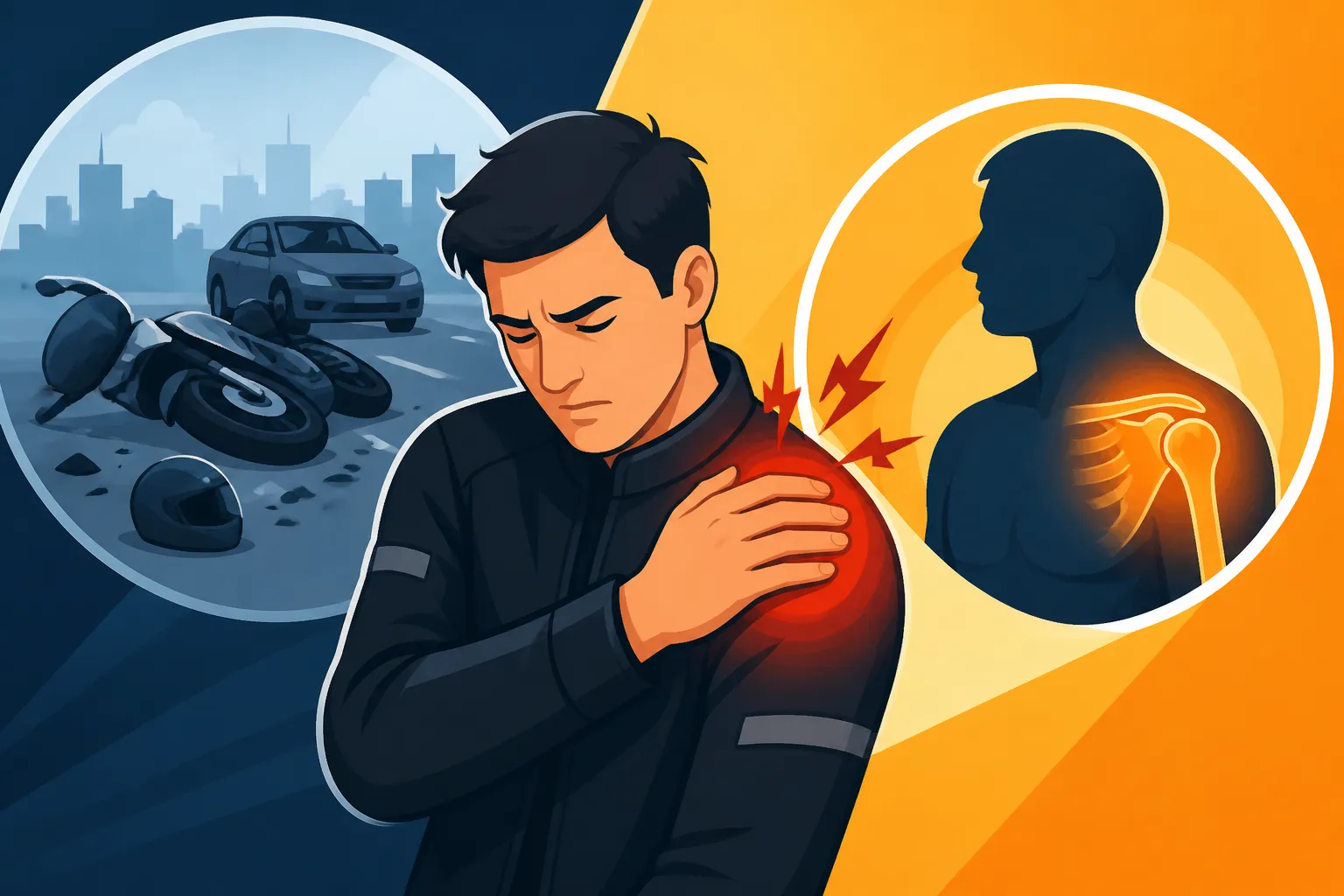
Getting into a motorcycle accident is a terrifying experience, and one of the most common and devastating injuries riders face is to their shoulder. The thought of permanent damage, of losing the ability to do the things you love or even just simple daily tasks, can be incredibly overwhelming. This guide is here to shed some light on whether a motorcycle shoulder injury can become a permanent injury, delving into the types of damage, factors that influence long-term outcomes, and what that truly means for your life and any potential accident claim.
Understanding Motorcycle Shoulder Injuries
When you're out on two wheels, your body is exposed in a way it simply isn't in a car. This vulnerability means that in a crash, direct impact or awkward falls can lead to severe and complex shoulder injuries. It's not just a "bump" or a "bruise" – we're talking about a intricate joint that's crucial for almost every arm movement.
Common Types of Shoulder Injuries in Motorcycle Accidents
Motorcycle accidents often involve high-impact forces, leading to a range of severe shoulder injuries. The way a rider is thrown, lands, or slides can dictate the specific type of trauma.
Firstly, rotator cuff tears are incredibly common. Your rotator cuff is a group of four muscles and their tendons that surround the shoulder joint, providing stability and allowing for rotation and lifting of the arm. In a crash, a sudden jerking motion, direct impact to the shoulder, or falling onto an outstretched arm can cause these tendons to tear, either partially or completely. This type of injury can range from a mild strain to a debilitating tear requiring extensive surgery and a long rehabilitation period. Even with the best medical care, some individuals experience persistent weakness or pain.
Next, we frequently see shoulder dislocations or subluxations. A dislocation occurs when the head of your upper arm bone (humerus) pops out of the shallow socket of your shoulder blade (scapula). A subluxation is a partial dislocation. The extreme forces in a motorcycle crash can easily wrench the shoulder out of its normal alignment. Once dislocated, the surrounding ligaments and tissues are stretched or torn, making the shoulder prone to future dislocations, a condition known as chronic instability. Repeated dislocations can cause further damage to the bone and cartilage, potentially leading to chronic pain and reduced function.
Then there are fractures. The clavicle (collarbone), scapula (shoulder blade), and humerus (upper arm bone) are all vulnerable to breaks. A broken collarbone, for instance, is a classic motorcycle injury, often occurring when a rider is thrown forward or falls directly on their shoulder. Fractures can be simple, clean breaks, or they can be comminuted, meaning the bone shatters into multiple pieces, which complicates healing and can necessitate surgical intervention with plates, screws, or rods. Depending on the severity and location, a fracture can lead to permanent structural changes, nerve damage, or persistent stiffness.
Perhaps one of the most severe types of shoulder-related trauma is a brachial plexus injury. The brachial plexus is a network of nerves that originates in the spinal cord in the neck and controls movement and sensation in the shoulder, arm, and hand. In a motorcycle accident, the head and shoulder can be violently pulled apart, stretching or tearing these delicate nerves. These injuries can result in anything from temporary numbness or weakness to complete paralysis of the arm and hand, a condition that is often permanent and life-altering. You can learn more about how severe nerve damage can impact your claim by reading our article on Motorcycle Spinal Cord Injury: Claims and Compensation.
Factors Influencing Injury Severity and Permanency
The path a shoulder injury takes after a motorcycle accident – whether it fully recovers or leaves behind a lasting impact – depends on a complex interplay of factors. Understanding these elements is crucial for anticipating the long-term outlook and preparing for a potential claim.
First and foremost is the impact force and mechanism of injury. A low-speed tip-over might result in minor bruising, while a high-speed collision with another vehicle or a fixed object can generate immense force, leading to devastating, multi-system trauma. For instance, a direct broadside impact on the rider's side often results in different injuries and greater severity than a rear-end collision, where the rider might be propelled forward. The specific way your body absorbed the energy, whether you slid, were thrown, or twisted, directly affects which structures in your shoulder were damaged and to what extent.
Another significant factor is the promptness and quality of initial medical treatment. Getting immediate medical attention after a crash isn't just about pain relief; it's about preventing further damage and setting the stage for optimal healing. Delaying care, even for a day or two, can allow swelling to worsen, displaced bones to settle improperly, or nerve damage to progress. A well-executed diagnosis and treatment plan, whether it involves conservative measures like bracing and physical therapy or urgent surgery, significantly influences the recovery trajectory. Don't underestimate the importance of seeing a doctor right away, even if you feel okay at first. Our guide on Why You Should Seek Immediate Treatment offers more insights into this critical step.
The rider's age and pre-existing health conditions also play a substantial role. A younger, healthier rider generally has a better capacity for healing and recovery compared to an older individual or someone with pre-existing conditions like arthritis, osteoporosis, or prior shoulder injuries. These pre-existing issues can complicate recovery, prolong rehabilitation, and even increase the likelihood of a permanent impairment. Insurance adjusters will often scrutinize your medical history to try and attribute your current pain to old injuries, making careful documentation of your new injury vital. To learn more about how previous health issues might affect your claim, check out our piece on How Pre-Existing Conditions Affect Claims.
Finally, the specific type and severity of the injury itself is paramount. A minor ligament sprain is unlikely to cause permanent issues with proper care. However, a complete rotator cuff tear, a comminuted fracture, or, especially, a severe brachial plexus avulsion (where nerves are torn from the spinal cord) carries a much higher risk of long-term disability, chronic pain, and permanent functional loss. The complexity of the repair, the extent of tissue damage, and the involvement of nerves all directly contribute to whether the shoulder can ever fully regain its pre-accident strength and range of motion.
When a Shoulder Injury Becomes Permanent
The term "permanent injury" can feel abstract, but for those living with it after a motorcycle accident, it's a stark reality that reshapes daily life. It's not just about ongoing pain; it's about a fundamental change in how your body functions.
Defining "Permanent Injury" in a Medical and Legal Context
When we talk about a "permanent injury," especially in the context of a motorcycle accident claim, we're really looking at two perspectives: the medical and the legal. While they are closely related, they each have distinct implications.
From a medical standpoint, a permanent injury is generally understood as one that has reached its Maximum Medical Improvement (MMI). This means that your treating physicians believe you have recovered as much as you possibly can through medical treatment, surgery, physical therapy, and rehabilitation. At this point, even if you're not 100% back to your pre-accident state, further medical intervention is unlikely to significantly improve your condition. For a shoulder injury, this might mean you still experience chronic pain, persistent weakness, limited range of motion, nerve damage, or ongoing stiffness that doctors don't expect to resolve. Your doctor might then assign an impairment rating, which is a percentage estimate of the loss of function of a body part or the whole person, based on established medical guidelines, like those published by the American Medical Association (AMA). This rating is a crucial piece of evidence in personal injury claims, as it quantifies the extent of your permanent physical limitation.
In a legal context, a permanent injury goes beyond just the physical limitation; it encompasses the injury's impact on your life. It means the injury will affect your daily activities, your ability to earn a living, and your overall quality of life indefinitely. For example, if your shoulder injury prevents you from lifting your arm above your head, that's a medical limitation. Legally, the permanency is about how that limitation affects your ability to work as a carpenter, play with your children, or enjoy your favorite sport. Attorneys and insurance companies look at how this physical impairment translates into loss of function, chronic pain, and disability in a broader sense. This includes the inability to perform certain tasks, the need for ongoing pain management or adaptive equipment, and the emotional distress that comes with living with a debilitating condition. The legal definition is often concerned with how permanent injury justifies compensation for things like future medical expenses, lost earning capacity, and pain and suffering, which we discuss further in our article on Types of Damages in a Motorcycle Accident Claim.
The intersection of these two definitions is where your claim lives. A strong medical record establishing MMI and an impairment rating, combined with detailed accounts of how the injury impacts your daily life, forms the bedrock of proving a permanent injury in court or during settlement negotiations. Without clear medical evidence of permanency, an insurance company might argue that your injury is temporary or fully recoverable, significantly devaluing your claim. This is why thorough How to Document Injuries for a Claim is so critical.
Long-Term Outlook for Common Shoulder Injuries
The long-term outlook for a motorcycle shoulder injury varies dramatically depending on the specific type and initial severity of the trauma. Some injuries, even with the best care, carry a high probability of lasting effects.
For rotator cuff tears, even after surgical repair and extensive physical therapy, a full return to pre-injury strength and range of motion is not always guaranteed. Many individuals experience some degree of persistent pain, especially with certain movements or overhead activities. Stiffness, weakness, and a nagging ache can become chronic companions. For those whose work involves heavy lifting or repetitive arm movements, this can lead to a significant impact on their career, potentially forcing a job change or early retirement. The scar tissue that forms after surgery, while essential for healing, can also limit flexibility and contribute to long-term discomfort.
Brachial plexus injuries are perhaps the most concerning in terms of permanency. When these critical nerves are severely stretched, torn, or avulsed (pulled completely off the spinal cord), the damage can be irreversible. While some less severe injuries might see partial recovery over months or even years, significant nerve damage often results in permanent weakness, numbness, or even complete paralysis of the affected arm and hand. This isn't just about physical limitation; it's about the profound loss of function that can render an arm essentially useless. Patients may face lifelong challenges with basic tasks, require assistive devices, or even consider surgical options like nerve transfers, which themselves have limited outcomes. The emotional and psychological toll of such a catastrophic injury is immense, often leading to depression, anxiety, and a complete reevaluation of one's life. Such profound damage often falls under the category of Catastrophic Motorcycle Injuries Explained.
Severe fractures of the clavicle, scapula, or humerus, especially those that are comminuted or involve the joint surface, can lead to permanent issues like post-traumatic arthritis, chronic pain, and limited range of motion. Even if the bones heal properly, the impact on the surrounding soft tissues, ligaments, and tendons can result in long-term stiffness and discomfort. The hardware used for surgical repair (plates, screws) can sometimes become a source of irritation or pain, occasionally requiring removal in a subsequent surgery. This can also lead to chronic regional pain syndrome (CRPS), a debilitating nerve condition.
Lastly, a shoulder that has experienced chronic dislocations or significant ligamentous damage can remain permanently unstable. Even after multiple surgeries to tighten ligaments or repair labral tears (cartilage in the shoulder socket), the joint may never feel completely secure. This ongoing instability can lead to fear of movement, reluctance to participate in sports or hobbies, and a constant worry about the shoulder "popping out" again. This can severely restrict activities of daily living and leisure, leading to a diminished quality of life.
The Far-Reaching Impact of Permanent Shoulder Injuries
A permanent shoulder injury isn't just a medical diagnosis; it's a life-altering event. The consequences extend far beyond physical pain, touching every aspect of a rider's existence.
Daily Life and Quality of Life Implications
Living with a permanent shoulder injury from a motorcycle accident means adapting to a new normal, one often characterized by persistent pain, functional limitations, and an emotional weight that can be hard to bear.
Simple, everyday tasks that most people take for granted can become monumental challenges. Imagine trying to dress yourself when you can't lift your arm to put on a shirt, or struggling to wash your hair because of limited range of motion. Cooking, cleaning, and even sleeping comfortably become arduous endeavors. For many, driving a car, especially operating a stick shift or turning the steering wheel sharply, becomes painful or impossible. The loss of independence in these fundamental activities can be deeply frustrating and emotionally draining.
Beyond the essentials, a permanent shoulder injury can steal away hobbies and passions that once brought joy. If you loved playing golf, tennis, or even just working in the garden, these activities might now be out of reach or severely curtailed. The inability to participate in sports, lift children, or even hug loved ones without discomfort can lead to a profound sense of loss. This reduction in the ability to enjoy life's pleasures is a significant component of what's known as "loss of enjoyment of life" and contributes heavily to Pain and Suffering Damages Explained in a legal claim.
The emotional and psychological toll cannot be overstated. Chronic pain is a relentless burden that can wear down even the strongest individuals, leading to fatigue, irritability, and difficulty concentrating. Many accident victims experience depression, anxiety, and even post-traumatic stress disorder (PTSD) as they grapple with the physical limitations, financial stress, and the trauma of the accident itself. There's a grieving process involved – grieving the loss of your physical capabilities, your independence, and the future you envisioned for yourself. These non-economic damages are just as real as medical bills and deserve full consideration in your claim.
Economic and Occupational Consequences
The financial burden of a permanent shoulder injury is staggering and can quickly spiral into hundreds of thousands, or even millions, of dollars over a lifetime. It’s not just about the bills you see today, but the costs that stretch far into the future.
Firstly, there are the lost wages and loss of earning capacity. If your permanent shoulder injury prevents you from returning to your previous job, particularly if it was physically demanding, you're looking at a significant and long-term financial setback. A construction worker, a mechanic, or a nurse, for example, might find themselves completely unable to perform their duties. This isn't just about the income you missed while recovering; it's about the difference between what you could have earned throughout your career and what you will earn with a diminished capacity. This might necessitate vocational retraining for a less physically demanding role, often at a significantly reduced salary, if such options are even available. This long-term financial impact is a critical component of Economic Damages Explained.
Then there are the ongoing medical costs. A permanent shoulder injury often means a lifetime of medical management. This can include regular visits to orthopedic specialists, pain management doctors, and neurologists. Physical therapy or occupational therapy might be needed intermittently to maintain what function you have or to address flare-ups. Medications – for pain, inflammation, or nerve damage – can become a recurring expense. Furthermore, there's always the possibility of future surgeries, perhaps to remove hardware, address new complications like arthritis, or attempt further reconstructive procedures. These future medical expenses can be difficult to predict but are vital to calculate accurately for your claim.
Beyond medical bills and lost income, you might face costs for adaptive equipment or home modifications. If your injury is severe enough to affect your ability to get dressed, cook, or even move around your home, you might need special aids, handrails, or modifications to your living space. Transportation can also become an issue if you can no longer drive your motorcycle or a standard car, potentially requiring costly vehicle modifications or reliance on ride services. All these expenses add up, creating a significant drain on your financial resources that you would not have faced had the accident not occurred.
Table: Permanency Outlook for Common Motorcycle Shoulder Injuries
| Injury Type | Likelihood of Permanent Impairment | Typical Long-Term Issues | Common Functional Limitations |
|---|---|---|---|
| Rotator Cuff Tear | Moderate to High | Chronic pain, weakness, stiffness, reduced range of motion | Difficulty lifting, overhead activities, reaching behind back |
| Shoulder Dislocation | Moderate | Chronic instability, recurrent dislocations, arthritis | Fear of movement, limited participation in sports |
| Clavicle Fracture | Low to Moderate | Residual pain, deformity, nerve irritation, stiffness | Discomfort with heavy lifting, repetitive arm movements |
| Scapula Fracture | Moderate to High | Chronic pain, muscle weakness, nerve damage | Significant shoulder movement restrictions, posture issues |
| Humerus Fracture | Moderate to High | Stiffness, arthritis, nerve damage, deformity, pain | Limited arm mobility, grip strength issues |
| Brachial Plexus Injury | High (often severe) | Weakness, numbness, paralysis, chronic neuropathic pain | Inability to move or feel parts of the arm/hand, muscle atrophy |
Proving Permanency in a Motorcycle Accident Claim
If your shoulder injury is indeed permanent, proving that fact to insurance companies or in court is absolutely critical for securing fair compensation. They will scrutinize every detail to minimize their payout.
Essential Medical Documentation
Building a rock-solid case for a permanent shoulder injury hinges on meticulous and consistent medical documentation. This is your primary evidence, and without it, your claim stands on shaky ground.
Firstly, diagnostic imaging is paramount. X-rays, MRIs, and CT scans provide objective evidence of the structural damage to your shoulder. An MRI, for instance, can clearly show rotator cuff tears, labral tears, ligament damage, and nerve impingements that an X-ray might miss. These images, along with the detailed reports from radiologists, form the technical bedrock of your injury claim. It’s not enough to say you have pain; you need to show the physical pathology that causes it.
Next, specialist reports and notes from orthopedic surgeons, neurologists (especially for brachial plexus injuries), pain management specialists, and rehabilitation physicians are crucial. These professionals offer expert opinions on your diagnosis, prognosis, treatment plan, and most importantly, whether your condition has reached MMI and if it is permanent. Their reports should detail the progression of your injury, the treatments attempted, and the rationale for their conclusions regarding permanency and any assigned impairment ratings. These detailed narratives help paint a comprehensive picture for adjusters and juries.
Furthermore, physical therapy and occupational therapy notes are invaluable. These records document your functional limitations, your progress (or lack thereof) during rehabilitation, and the exercises you struggle with. If you consistently fail to regain full range of motion or strength despite diligent therapy, these notes serve as powerful evidence of persistent impairment. They show the real-world impact of your injury on your ability to perform daily tasks and improve your physical condition.
Finally, consider keeping a personal pain journal or injury diary. While not "medical documentation" in the traditional sense, this can supplement your medical records by detailing your daily symptoms, pain levels, difficulties with specific activities, and emotional struggles. While insurers might initially dismiss it, a consistent and credible journal can provide a human element to your claim, illustrating the constant struggle of living with a permanent injury. It helps bridge the gap between clinical diagnoses and your actual lived experience, showing the true extent of your Long-Term Effects of Motorcycle Injuries.
Legal Strategies for Demonstrating Long-Term Harm
Beyond medical records, a successful motorcycle accident claim involving a permanent shoulder injury requires strategic legal maneuvering to effectively communicate the long-term harm to all parties involved. This often means bringing in additional experts and presenting a compelling narrative of your suffering.
A key strategy is the use of expert medical testimony. While your treating physician's reports are essential, a lawyer might bring in an independent medical expert to provide an unbiased opinion on your condition, its permanency, and its future implications. This expert can explain complex medical jargon in an understandable way to a jury, connecting the dots between the accident, your specific injury, and the lifelong consequences. They can articulate why further improvement is unlikely and how your injury affects your overall health and longevity. This can be especially important when there are disputes about whether the injury is truly permanent or whether a pre-existing condition is being unfairly blamed.
Another powerful tool is hiring a vocational rehabilitation expert. If your permanent shoulder injury prevents you from returning to your previous occupation, this expert can conduct an assessment of your skills, education, and physical limitations to determine what alternative jobs you might be qualified for. Crucially, they can also calculate the difference in earning potential between your pre-accident job and any new, lower-paying role. This quantifiable evidence of "loss of earning capacity" is a significant component of damages in a permanent injury claim. They can show, for instance, how a seasoned mechanic now faces a future as a greeter at a hardware store, with a substantial reduction in income.
Sometimes, a "day in the life" video can be incredibly persuasive. This professionally produced video documents the daily struggles of someone living with a permanent injury. It can show you struggling to get out of bed, prepare a meal, perform personal hygiene, or interact with your family. These visuals make the abstract concept of "permanent impairment" tangible and relatable for a jury or an insurance adjuster, demonstrating the profound impact on your quality of life. While not always used, in cases of severe and undeniable permanent injury, they can be highly effective.
Finally, witness statements from family members, friends, or coworkers can corroborate the profound changes in your life since the accident. They can attest to your previous active lifestyle, your hobbies, your work capabilities, and how all of that has diminished due to your shoulder injury. Their testimony can add an emotional weight and credibility to your claim, showing that the injury isn't just medical, but has deeply affected your personal and social life. All of this evidence works together to establish the true extent of your long-term suffering and help you recover the full How Much Compensation for Motorcycle Shoulder Injury.
Disclaimer
Please note that this article provides general informational content and should not be considered legal or medical advice. Every motorcycle accident claim and every injury is unique. It is crucial to consult with a qualified medical professional for diagnosis and treatment of any injury, and to speak with an experienced personal injury attorney regarding your specific legal situation. Laws vary by jurisdiction, and this information may not apply to your specific state or circumstances.