When You Can Handle a Claim Without a Lawyer
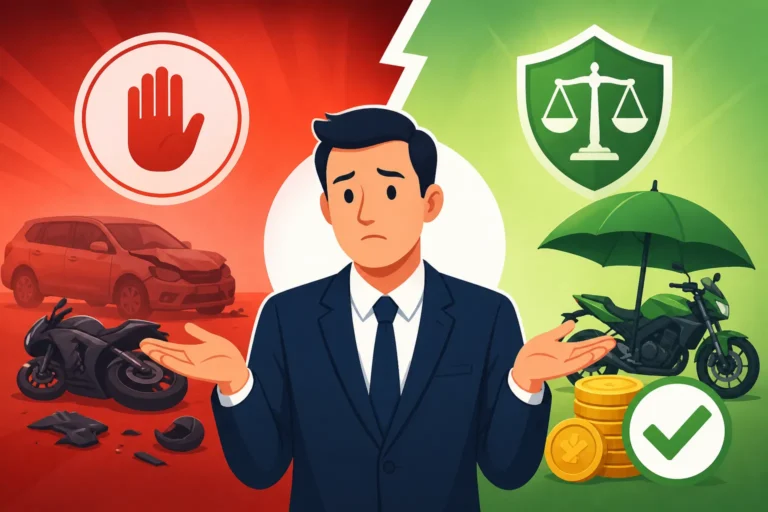
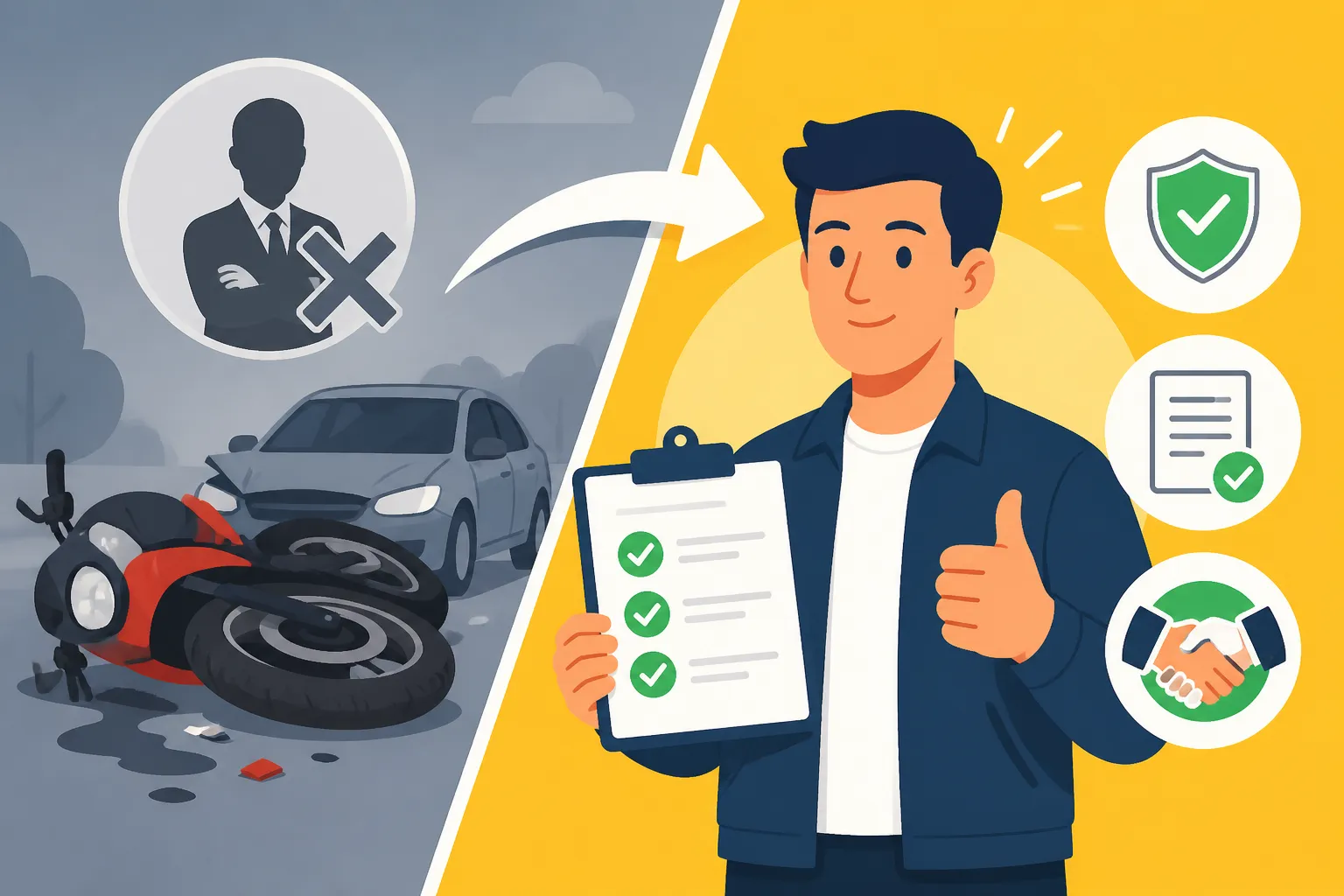
Navigating the aftermath of a motorcycle accident can feel incredibly overwhelming, especially when you're dealing with injuries, bike repairs, and the daunting prospect of facing insurance companies. Many riders find themselves wondering if they really need to hire a lawyer, often intimidated by potential fees or wanting to maintain control over their claim. This guide will meticulously break down scenarios where you might reasonably handle your motorcycle accident claim on your own, the significant challenges you'll likely encounter, and crucial situations where professional legal representation isn't just helpful, but truly essential.
Understanding the Core Components of a Motorcycle Accident Claim
Before you even think about tackling a claim yourself, it’s vital to understand what exactly goes into it. A motorcycle accident claim isn't just about getting your bike fixed; it's about recovering all the damages you've suffered, both visible and invisible. This typically involves proving that another party was at fault, demonstrating the full extent of your injuries and losses, and negotiating with an insurance company whose primary goal is to pay out as little as possible.
Establishing Fault and Liability
One of the foundational pillars of any successful accident claim is establishing who was actually at fault for the crash. This might seem obvious to you at the scene – maybe a car clearly ran a red light or drifted into your lane. However, insurance companies and their adjusters often go to great lengths to shift blame, even subtly, onto the motorcyclist. They might invoke stereotypes or try to find minor traffic infractions on your part to reduce their payout. Understanding principles like Comparative Negligence in Motorcycle Accidents is crucial, as even being partially at fault can impact your compensation.
For instance, if a driver turns left in front of you, causing a collision, it might seem like a clear-cut case of the driver being at fault. However, the insurance company might argue you were speeding, or that you could have avoided the crash. They'll scrutinize every detail, from the police report to witness statements, trying to find anything that suggests shared responsibility. This is why gathering evidence, like photos and witness contact information, at the scene is so critical, even for seemingly obvious cases.
Documenting Injuries and Damages
Motorcycle accidents, unfortunately, often result in more severe injuries compared to car accidents due to the lack of physical protection. From minor road rash to catastrophic brain injuries, the spectrum of harm is wide. When handling your claim, you're responsible for thoroughly documenting every single injury, medical treatment, and associated cost. This includes not just your immediate emergency room visits, but ongoing therapy, specialist consultations, prescriptions, and even future medical needs.
Beyond the physical, there are also property damages – the cost to repair or replace your motorcycle, helmet, and any damaged gear. You'll need estimates, repair bills, and sometimes even total loss valuations. Moreover, you're entitled to compensation for non-economic damages, often referred to as "pain and suffering," which can include physical pain, emotional distress, loss of enjoyment of life, and more. Accurately valuing these damages is complex, and insurance companies will certainly try to minimize them. Our guide on Types of Damages in a Motorcycle Accident Claim can provide a deeper dive into what you can claim.
Scenarios Where You Might Consider Handling a Claim Without a Lawyer
While lawyers are invaluable in many situations, there are specific circumstances where a rider might genuinely consider handling a motorcycle accident claim on their own. These typically involve less complex situations with minimal stakes.
Minor Accidents with Clear Fault and Minimal Injuries
If you were involved in a low-impact collision where the other driver's fault is undeniable, and your injuries are genuinely minor, like superficial scrapes or bruises that don't require extensive medical treatment beyond a quick check-up, you might be able to handle the claim yourself. This means no broken bones, no head injuries, no ongoing pain, and certainly no lost time from work. For example, a fender bender where a driver backs into your parked motorcycle, causing only property damage and maybe a slight bruise on your shin, could fit this category.
In such scenarios, the financial compensation sought would likely be limited to property damage (bike repairs, helmet replacement) and perhaps a small amount for very minor medical bills. The insurance adjuster might offer a quick settlement, and if you’re satisfied with that offer covering all your costs, you could decide to proceed. However, it's paramount that you are absolutely certain your injuries are minor and won't develop into something more serious later. What initially feels like a minor tweak could evolve into significant neck or back pain weeks down the line, drastically changing the nature of your claim.
Property Damage Only Claims
Perhaps the most straightforward type of claim to handle without a lawyer is one involving only property damage. If your motorcycle was damaged but you, thankfully, walked away without a scratch, your claim will primarily focus on getting your bike repaired or replaced. This eliminates the incredibly complex process of valuing personal injuries, future medical costs, and pain and suffering.
In this situation, you'll need to gather repair estimates from reputable motorcycle shops or provide documentation of your bike's market value if it's a total loss. The insurance company will likely send out their own adjuster to inspect the damage and offer a settlement. While they might still try to lowball you or push you towards their preferred repair shops, the process is generally less adversarial than injury claims. You'll still need to negotiate, but without the added stress of physical recovery and mounting medical bills. Just remember that even a property damage claim can get sticky if the other party's insurance tries to deny fault completely.
Small Claims Court for Lower Value Disputes
For very low-value disputes, typically under a few thousand dollars, you might consider pursuing your claim in small claims court. The rules of evidence and procedure in small claims court are significantly relaxed, making it more accessible for individuals without legal representation. The maximum amount you can sue for varies by state (e.g., $10,000 in California, $5,000 in Texas).
This option is generally reserved for situations where the insurance company has refused to pay a fair amount for minor damages, or perhaps in cases where the at-fault driver was uninsured, and you're seeking compensation directly from them. While it bypasses the need for a lawyer, you still need to present a compelling case with evidence. This includes photographs, repair estimates, medical bills, and any communication with the at-fault party or their insurer. It requires a commitment of time and effort, but for a small enough sum, it can be a viable path if you're prepared to do the legwork yourself.
The Hidden Pitfalls of DIY Claims: Why It's Often Riskier
While the idea of saving on legal fees and having full control sounds appealing, going it alone in a motorcycle accident claim comes with significant risks. Insurance companies are not your friends, and they have vast resources and experience in minimizing payouts.
Dealing with Aggressive Insurance Adjusters
Insurance adjusters are professionals trained to protect their company's bottom line, not to ensure you receive maximum compensation. They know the ins and outs of accident law, insurance policies, and negotiation tactics. Without legal representation, you're at a distinct disadvantage. They might ask leading questions designed to elicit statements that can be used against you, or pressure you into accepting a quick, lowball settlement before you even fully understand the extent of your injuries. Our article on How Insurance Companies Assign Blame to Riders highlights some of their strategies.
For example, an adjuster might call you shortly after the accident, expressing sympathy and asking if you're "feeling okay." A natural response might be, "I'm a bit shaken up, but I think I'm fine." This seemingly innocuous statement can later be used to argue that your injuries weren't severe, even if you develop chronic pain or discover a hidden fracture days or weeks later. They might also demand recorded statements, which you are generally not obligated to give, and which can be easily twisted.
Underestimating the True Value of Your Claim
One of the biggest mistakes unrepresented individuals make is underestimating the true value of their claim. It's not just about the immediate medical bills and bike repairs. What about future medical treatment, rehabilitation, lost wages if you can't work, or diminished earning capacity if your injury impacts your long-term career? Then there's the significant component of pain and suffering, which often makes up a substantial portion of a fair settlement, especially in motorcycle accidents.
Calculating these non-economic damages, like emotional distress or loss of enjoyment of life, is highly subjective and complex. Without an understanding of legal precedents, jury awards in similar cases, and expert testimony (if needed), you're essentially guessing. An insurance company's initial offer will rarely reflect the full, fair value of your claim, particularly for serious injuries. They'll use their own formulas to determine How Motorcycle Accident Settlements Are Calculated, which often lean heavily in their favor.
Navigating Complex Legal and Medical Issues
Motorcycle accident claims can quickly become legally and medically complicated. You might be dealing with multiple at-fault parties, conflicting witness statements, or disputes over who had the right-of-way. Perhaps the other driver was uninsured, or their policy limits are insufficient to cover your damages, requiring you to explore your own How UM/UIM Coverage Increases Payouts. These situations require a deep understanding of insurance law and civil procedure.
Medically, if you have pre-existing conditions, the insurance company will likely try to argue that your current pain isn't solely from the accident. Proving that the accident exacerbated a pre-existing condition or caused new injuries despite a prior health issue can be challenging. Furthermore, understanding the nuances of medical documentation, coding, and future prognosis often requires a lawyer who can consult with medical experts and present your case effectively.
The Claims Process When You're Going Solo
If you've decided to tackle your motorcycle accident claim without legal representation, understanding the general steps involved is crucial. This will help you stay organized and ensure you don't miss any critical deadlines or pieces of evidence.
Documenting Everything from the Start
The moment the accident happens, and assuming you're medically stable, your job as your own advocate begins. Start by documenting absolutely everything. This includes taking copious photos and videos of the accident scene, vehicle damage, road conditions, traffic signs, and any visible injuries. Exchange information with the other driver, and get contact details for any witnesses. Always make sure to get a copy of the police report. Our guide on What to Do After a Motorcycle Accident offers a detailed checklist for these immediate post-accident steps.
Beyond the scene, maintain a meticulous file of all related documents. This means every medical record, doctor's visit, prescription receipt, therapy bill, and even a log of your pain levels and daily limitations. Keep track of all communication with the insurance company, including dates, times, names of adjusters, and summaries of conversations. If you have to miss work, gather pay stubs or employer statements to document your lost wages. The more organized and thorough your documentation, the stronger your position will be when negotiating with the insurance company.
Communicating and Negotiating with Insurers
Once you've gathered your evidence and sought medical treatment, you'll need to formally notify the at-fault driver's insurance company. Be polite but firm, and avoid admitting any fault or speculating about the accident's cause. Stick to the facts. When they offer a settlement, which they likely will, it's almost certainly a lowball offer. Do not accept the first offer. You need to present your case, backed by all your documentation, to justify a higher amount.
This is where the negotiation truly begins. You'll submit a demand letter outlining your injuries, damages, and a reasonable settlement figure. The insurer will likely counter with a lower offer. This back-and-forth can be frustrating and lengthy. They might try tactics to delay or minimize your claim. Understanding How to Handle a Lowball Settlement Offer is essential. You need to be prepared to articulate why your requested amount is fair, referencing your medical bills, lost wages, and the impact the injury has had on your life. Remember, the insurance company wants to resolve the claim quickly and cheaply, so leverage your comprehensive documentation to push back on their initial estimates.
Understanding Deadlines and Potential Pitfalls
Even if you're handling the claim yourself, you're still bound by legal deadlines, primarily the statute of limitations. This is the strict time limit within which you must file a lawsuit if a settlement cannot be reached. These deadlines vary significantly by state and type of claim (e.g., personal injury vs. property damage, or claims against a government entity). If you miss this deadline, you will almost certainly lose your right to pursue compensation, regardless of the merits of your case. Our article, The Statute of Limitations Explained, provides more details on these critical timelines.
Beyond deadlines, be wary of signing anything without fully understanding its implications. Insurance companies might send you a "general release" that, if signed, could waive your right to pursue future claims for injuries that emerge later. They might also try to get you to sign medical record authorizations that are overly broad, giving them access to your entire medical history, which they could then use to find pre-existing conditions to deny your claim. Always read every document carefully and consider getting even limited legal advice if you're unsure about a specific form or agreement.
| Aspect of Claim | Handling It Yourself (Pros & Cons) | Hiring a Lawyer (Pros & Cons) |
|---|---|---|
| Cost | Pros: No attorney fees initially. Keep full settlement (minus expenses). Cons: Risk of lower overall settlement, potential for overlooked damages. |
Pros: Higher potential net settlement, lawyer handles expenses initially. Cons: Attorney fees (typically 25-40% of settlement). |
| Expertise | Pros: Direct control, learn the process. Cons: Lack of legal knowledge, negotiation experience, understanding of nuances. |
Pros: Expert legal advice, negotiation skills, knowledge of accident law. Cons: Less direct control over daily decisions. |
| Time/Effort | Pros: Set your own pace. Cons: Significant time commitment for documentation, communication, research. |
Pros: Lawyer handles all paperwork, communication, and legal legwork. Cons: Case may move at lawyer's pace. |
| Risk | Pros: None if claim is simple. Cons: High risk of receiving less than full value, missing deadlines, being taken advantage of by insurers. |
Pros: Reduced risk of mistakes, maximizes chances for fair compensation. Cons: No guarantee of outcome, but significantly improved odds. |
| Complexity | Pros: Good for very simple, low-damage cases. Cons: Overwhelmed by complex legal/medical issues. |
Pros: Handles complex fault, serious injuries, multiple parties. Cons: May not take very minor cases. |
When to Absolutely Call a Lawyer: Don't Go It Alone
There are certain situations where the risks of self-representation far outweigh any perceived benefits. If your situation falls into any of these categories, consulting with an experienced motorcycle accident lawyer is not just recommended, it's practically a necessity.
Serious or Catastrophic Injuries
If you've suffered anything beyond the most minor scrapes and bruises, especially injuries that require ongoing medical care, surgery, or result in permanent disability, you must consult an attorney. This includes traumatic brain injuries, spinal cord injuries, broken bones, amputations, or severe internal injuries. These types of injuries lead to astronomical medical bills, significant lost wages, and profound impacts on your quality of life. Accurately calculating future medical costs, future lost earning capacity, and adequately compensating for severe pain and suffering is incredibly complex and requires expert financial and medical analysis.
For instance, a seemingly "simple" broken leg might require surgery, extensive physical therapy, and lead to chronic pain or arthritis years down the line. An insurance company will offer you pennies for these long-term consequences if you don't have someone who understands how to project those future costs and negotiate them into a settlement. If you try to manage such a claim yourself, you're almost guaranteed to settle for far less than you deserve, potentially leaving you on the hook for substantial future expenses. For serious injuries, the question is not "if" you need a lawyer, but How to Choose a Motorcycle Accident Attorney.
Disputed Fault or Complex Liability
If there's any disagreement about who caused the accident, or if multiple parties might share some degree of fault, it's time to bring in professional legal help. For example, if you were involved in a crash at an intersection where both you and the other driver claim to have had the green light, proving fault becomes challenging. Similarly, if a road hazard contributed to your crash, it might involve suing a government entity, which introduces an entirely new layer of complexity. Our article on Who Is at Fault in a Motorcycle Accident can help illustrate just how complicated fault determination can be.
Insurance companies are masters at shifting blame, especially onto motorcyclists due to existing biases. They'll scrutinize every piece of evidence, from traffic camera footage to vehicle damage analysis, looking for ways to argue you were partly or wholly responsible. A lawyer can gather additional evidence, interview witnesses, work with accident reconstruction specialists, and effectively counter the insurance company's attempts to pin blame on you. They understand how to present evidence to clearly establish the other party's negligence and protect your rights, especially in states with Comparative Negligence in Motorcycle Accidents laws.
Large Monetary Damages or Policy Limit Issues
When your total damages (medical bills, lost wages, bike damage, pain and suffering) far exceed just a few thousand dollars, or if the at-fault driver has minimal insurance coverage, a lawyer is indispensable. Motorcycle accidents often result in damages that quickly hit or exceed the typical auto insurance policy limits, leaving you wondering how you'll cover the rest. In such scenarios, an attorney can explore alternative avenues for compensation, such as your own uninsured/underinsured motorist (UM/UIM) coverage, or identifying other liable parties who might have deeper pockets.
Trying to negotiate a six-figure or even seven-figure claim on your own is like bringing a butter knife to a gunfight. Insurance companies will simply not take you seriously. They know you lack the legal leverage, resources, and experience to challenge their offers effectively or take the case to trial if necessary. A lawyer understands How Insurance Policy Limits Affect Your Payout and can strategize to maximize your recovery, potentially by seeking damages from multiple sources or by litigating if a fair settlement cannot be reached.
Resources for Self-Representation and Reconsideration
Even if you're initially set on handling your claim yourself, it's wise to know what resources are available and to remain open to seeking professional help if the situation escalates.
Online Legal Resources and DIY Guides
For those determined to navigate the process solo, a wealth of information exists online. Websites from legal aid organizations, state bar associations, and even some law firms offer free articles, FAQs, and guides on personal injury law and the claims process. You can find templates for demand letters, advice on how to document injuries, and explanations of common legal terms. Platforms like LegalMatch, for instance, can sometimes provide resources or connect you with attorneys for initial consultations even if you're just exploring your options. Utilizing these resources can help you understand the terminology and process better, giving you a slight edge when communicating with adjusters.
However, remember that these general resources are not a substitute for personalized legal advice. Every accident claim is unique, with its own set of facts, legal nuances, and potential challenges. What applies in one state or specific scenario might not apply to yours. Always verify information with your local state laws and consider how it specifically relates to your situation. These tools are best used to educate yourself, not to replace the strategic and tactical expertise of an actual lawyer.
Free Consultations and Limited Scope Legal Advice
Many personal injury law firms offer free initial consultations. This is an invaluable resource, even if you still plan to handle the claim yourself. During this consultation, you can discuss the specifics of your accident, your injuries, and the challenges you're facing. A lawyer can provide an initial assessment of your case's strength, identify potential pitfalls you might not have considered, and give you an estimated value of your claim. This advice, even if you don't retain them, can be incredibly empowering and help you make more informed decisions moving forward.
Some attorneys might also offer "limited scope representation," where they advise you on specific aspects of your case, like reviewing a settlement offer or helping draft a demand letter, without taking on full representation. This can be a good middle ground if you feel competent handling most of the legwork but want expert eyes on critical documents or negotiations. Remember, an informed decision is the best decision, and a quick chat with a professional can shine a light on aspects of your claim you never considered. You don't have to fully commit to hiring a lawyer just to get some crucial initial advice, and finding legal professionals through services like LegalMatch can make these initial conversations more accessible.
When to Reconsider and Retain Counsel
Ultimately, the decision to hire a lawyer is a personal one. However, if you find yourself feeling overwhelmed, experiencing aggressive tactics from the insurance company, facing complex legal arguments, or realizing your injuries are more severe than initially thought, it's a strong sign that you should reconsider. If your medical bills are mounting, your pain isn't resolving, or you're losing significant income, the stakes are too high to risk going it alone.
A lawyer, especially one specializing in motorcycle accidents, understands the biases against riders and how to combat them. They can handle all communications with insurance companies, investigate the accident thoroughly, gather expert testimony if needed, and negotiate aggressively for a fair settlement. If negotiations fail, they are prepared to take your case to court. The peace of mind and the potential for a significantly higher, fairer settlement often far outweigh the contingency fees they charge. Our article on How a Lawyer Increases Your Settlement explains this dynamic in more detail.
Disclaimer
Please remember that this article provides general informational guidance and is not a substitute for professional legal advice. Every motorcycle accident claim is unique, and the laws governing personal injury vary significantly by jurisdiction. We strongly recommend consulting with a qualified attorney to discuss the specifics of your situation and understand your legal rights and options.