Who Is at Fault in a Drunk Driving Motorcycle Accident
Being involved in a motorcycle accident is terrifying enough, but when you realize the other driver was impaired by alcohol, it adds a whole new layer of frustration, anger, and concern about what comes next. It’s a gut-wrenching feeling to know someone’s reckless choice put your life at risk. This guide is here to shed light on exactly who is typically at fault in a drunk driving motorcycle accident and what that means for your path forward.
The Undeniable Reality of Drunk Driving Fault
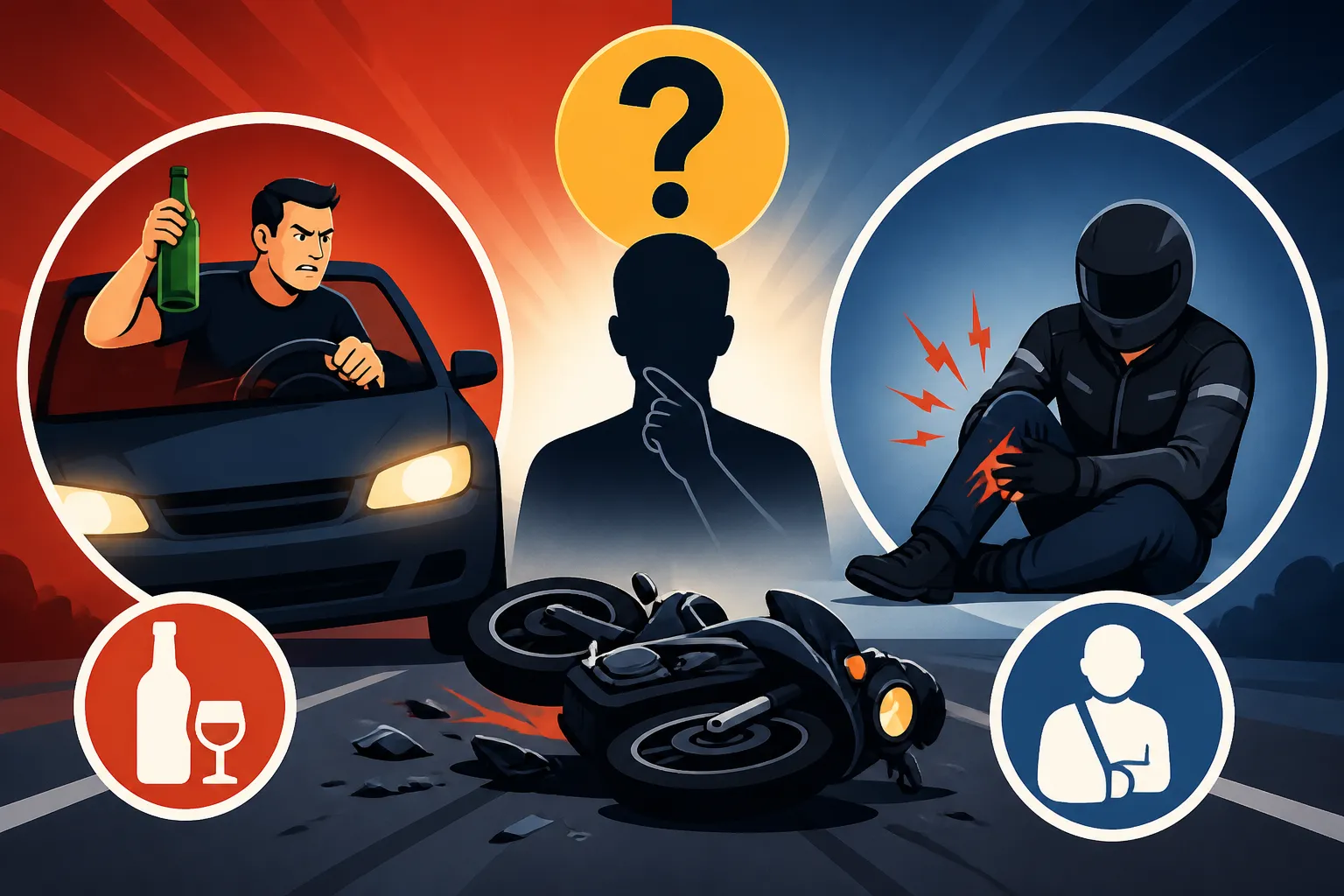
When a motorcyclist is hit by a driver who is under the influence of alcohol, the question of fault often feels like a no-brainer. After all, drunk driving is illegal, irresponsible, and a direct cause of countless collisions. However, the legal process of assigning fault, even in such clear-cut scenarios, involves specific steps and considerations that are crucial for your claim. The primary focus will almost always fall on the impaired driver, but understanding the mechanisms behind this is vital.
Driver's Impairment as the Primary Cause
In virtually every jurisdiction across the United States, operating a motor vehicle while intoxicated is a serious offense. This isn't just a minor traffic infraction; it's a criminal act that demonstrates a blatant disregard for public safety. When an intoxicated driver causes an accident, their impairment is almost invariably considered the direct and primary cause of the collision. They are deemed negligent because they breached their duty to operate their vehicle safely and legally. This breach of duty directly leads to the accident and your injuries.
Think about it from a common-sense perspective: a sober driver would theoretically react differently, notice you, or simply obey traffic laws that an impaired driver might miss or ignore. The impairment itself reduces reaction time, distorts perception, and compromises judgment, making it exceedingly difficult, if not impossible, for them to operate a vehicle safely. Whether they swerved into your lane, ran a red light, or simply failed to see you, their judgment was clouded by alcohol. This fundamental failure makes them primarily, if not entirely, at fault. This is why when you're looking at Common Causes of Motorcycle Accidents, drunk driving stands out as particularly egregious.
Legal Standards for Drunk Driving and Negligence
Legally speaking, the concept of "negligence per se" often comes into play with drunk driving accidents. Negligence per se is a legal doctrine that establishes negligence when a defendant violates a statute (like DUI laws), and that violation causes the type of harm the statute was designed to prevent. Since DUI laws are specifically designed to prevent accidents and injuries caused by impaired driving, a drunk driver who causes a crash is often automatically presumed negligent.
For example, if the at-fault driver's blood alcohol content (BAC) was above the legal limit of 0.08% in states like California or Florida, or even if they were driving under the influence of illegal substances, this fact alone often serves as powerful evidence of their negligence. It removes much of the guesswork about why the accident occurred; the driver's impairment speaks volumes. This simplifies the initial hurdle of proving fault, shifting the focus more quickly to the extent of your damages and compensation. States often have specific laws regarding How Drunk Driving Affects a Motorcycle Claim, often allowing for more significant damages due to the egregious nature of the offense.
Crucial Evidence to Pinpoint Fault in Drunk Driving Accidents
Even when fault seems obvious in a drunk driving accident, gathering concrete evidence is absolutely essential to solidify your claim. Insurance companies, even in the face of a DUI, will still try to minimize payouts. The stronger your evidence, the harder it is for them to dispute liability or try to shift blame.
The Role of Police Reports and DUI Arrests
The police report is arguably the single most important piece of evidence in a drunk driving motorcycle accident. When officers arrive at the scene, their primary duty is to investigate what happened, determine if any laws were broken, and identify contributing factors. If they suspect intoxication, they will conduct field sobriety tests and likely administer a Breathalyzer or arrange for blood tests. A DUI arrest and subsequent charges against the other driver are incredibly strong indicators of fault.
The police report will document observations of the driver's behavior, any admissions they made, and the results of sobriety tests. It will detail the circumstances of the crash, witness statements, and, crucially, the fact that the other driver was charged with or cited for driving under the influence. This official documentation from law enforcement provides an objective and powerful account that insurers cannot easily dismiss. Understanding How Police Reports Establish Fault is key for any motorcycle accident claim, but especially so in drunk driving cases.
Documenting the Scene and Gathering Witness Statements
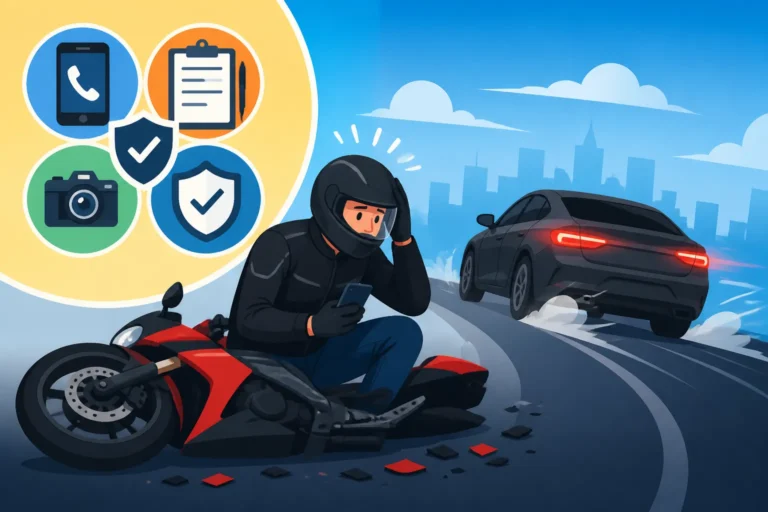
Beyond the official police investigation, your own actions at the scene can significantly bolster your case. If you are physically able, documenting the scene immediately after the accident is paramount. This includes taking copious photos and videos with your smartphone.
What to photograph:
- Vehicle positions: Capture how your motorcycle and the other vehicle came to rest.
- Damage: Detailed shots of damage to both vehicles.
- Debris: Skid marks, broken glass, parts scattered on the road.
- Road conditions: Any relevant road hazards or conditions.
- Driver behavior: If safe to do so, subtly capture any signs of the other driver's impairment, such as slurred speech, unstable gait, or empty alcohol containers near their vehicle.
- Traffic signs and signals: Show the intersection or road where the accident occurred.
Witness statements are also incredibly valuable. Other drivers, pedestrians, or even occupants of the other vehicle might have observed the drunk driver's erratic behavior leading up to the crash, or their condition afterward. Get their contact information and ask if they'd be willing to provide a statement. An independent witness can corroborate your account and the police officer's observations, providing an unbiased perspective on the cause of the accident. This is all part of comprehensive Motorcycle Accident Evidence for Proving Fault.
Here's a quick reference table outlining key evidence in drunk driving motorcycle accidents:
| Type of Evidence | Description | Why it's Important |
|---|---|---|
| Police Report | Official document detailing the incident, observations, and DUI charges. | Establishes initial fault, records officer observations of impairment, and confirms DUI arrest. |
| BAC Test Results | Blood, breath, or urine test results showing blood alcohol content. | Provides irrefutable scientific proof of intoxication, directly linking impairment to negligence. |
| Witness Statements | Accounts from independent individuals who saw the accident or driver's behavior. | Corroborates your story and police findings, offering unbiased perspectives on the drunk driver's actions. |
| Photos/Videos | Visual documentation of the scene, vehicle damage, and signs of impairment. | Captures objective facts, proves extent of damage, and can show physical evidence of alcohol consumption. |
| Medical Records | Documentation of your injuries, treatment, and prognosis. | Proves the direct link between the accident and your injuries, crucial for calculating damages. |
| Accident Reconstruction | Expert analysis of the crash dynamics, often used in complex cases. | Can scientifically demonstrate how the drunk driver's actions caused the collision. |
Navigating Complex Fault Scenarios and Rider Considerations
While the drunk driver is overwhelmingly at fault, the legal landscape of personal injury can sometimes be tricky. You might find insurance adjusters attempting to shift some blame, even if it feels outrageous. Understanding how concepts like comparative negligence work is essential.
When Comparative Negligence Comes into Play
In many states, the legal principle of Comparative Negligence in Motorcycle Accidents allows for fault to be divided between multiple parties. This means that if you, as the motorcyclist, were found to be even partially at fault for the accident, your total compensation could be reduced by your percentage of fault. For instance, if the drunk driver ran a red light, but you were speeding, an insurance company might argue you contributed to the severity of the crash.
However, in drunk driving cases, the bar for proving comparative negligence against the sober party is significantly higher. The drunk driver's actions are often considered so egregious that they overshadow most minor infractions committed by the motorcyclist. It's difficult to argue that speeding, for example, somehow caused a drunk driver to swerve into your lane or run a stop sign. Still, insurance companies might try tactics like claiming you were lane splitting unsafely, or that your headlight wasn't on, even if it had no bearing on the drunk driver's impairment. Be prepared for these arguments. A thorough investigation can often show that even if you had a minor violation, it didn't cause the accident. For more detail, you might explore When a Rider Is Partially at Fault in other accident scenarios.
Special Damages and How Drunk Driving Affects Your Payout
One significant aspect of drunk driving accidents is the potential for enhanced damages. Beyond covering your medical bills, lost wages, and pain and suffering, these cases can sometimes involve "punitive damages." Unlike compensatory damages, which are meant to make you whole again, punitive damages are designed to punish the at-fault party for their reckless or malicious behavior and to deter others from similar conduct.
Because drunk driving is considered such a gross act of negligence, courts are often willing to award punitive damages against a drunk driver. This can significantly increase the total value of your claim and your Average Motorcycle Accident Settlement Amounts. However, getting punitive damages isn't always straightforward. It requires proving the drunk driver's actions went beyond simple negligence and demonstrated a willful and wanton disregard for the safety of others. This is a complex area, but it's crucial to understand how Punitive Damages in Motorcycle Cases can play a role in your total compensation. The presence of these damages highlights the severity of the drunk driver's actions in the eyes of the law.
Overcoming Challenges and Protecting Your Claim
Even with clear evidence of drunk driving, you can expect insurance companies to put up a fight. Their goal is always to minimize payouts, and they have sophisticated strategies to do so.
Insurer Tactics and Rider Bias
It's an unfortunate truth that motorcyclists sometimes face an unfair bias in the aftermath of an accident. Insurance adjusters might try to imply that you, as a rider, were inherently taking a greater risk or somehow contributed to the accident simply by being on a motorcycle. They might use stereotypes against you, even when faced with a drunk driver. They might even suggest that your injuries are more severe because you chose to ride a motorcycle, rather than focusing on the drunk driver's role in causing those injuries. This is often referred to as Rider Bias in Fault Determination.
They may also try to challenge the extent of your injuries or suggest that your medical treatment was unnecessary. You might hear them say, "But did you really need that much physical therapy?" or "That injury could have been pre-existing." To counter this, meticulous documentation of your injuries, medical treatments, and how the accident has impacted your life is vital. Keeping a detailed injury journal can be incredibly helpful in proving the full scope of your pain and suffering.
The Importance of Timely Legal Action
After a drunk driving motorcycle accident, your immediate priority is your health and recovery. However, it's critical not to delay in seeking legal advice. Every state has a "statute of limitations," which is a strict deadline for filing a personal injury lawsuit. If you miss this deadline, you forfeit your right to pursue compensation, no matter how clear the other driver's fault.
Beyond the statute of limitations, acting quickly allows for better evidence preservation. Skid marks fade, witness memories become less clear, and surveillance footage can be overwritten. An experienced personal injury attorney, particularly one specializing in motorcycle accidents, can act swiftly to secure vital evidence, communicate with insurance companies on your behalf, and protect your rights. They understand how to counter insurer tactics and build a strong case, maximizing your chances of a fair settlement. For more insights on this, you might find information on Why You Should Never Admit Fault at the Scene and What to Do After a Motorcycle Accident to be useful. Don't wait; the sooner you get professional help, the better positioned you'll be.
Disclaimer
Please remember that this information is for educational purposes only and not legal advice. Every motorcycle accident claim is unique, and the outcome depends on specific facts, state laws, and jurisdiction. It is always recommended to consult with a qualified legal professional for advice tailored to your individual situation.