How Insurers Use Rider Stereotypes Against You
It’s a frustrating reality many riders face: after a motorcycle accident, the immediate aftermath often involves not just physical recovery and vehicle repairs, but also battling unfair perceptions. Insurance companies, unfortunately, are often quick to leverage long-standing rider stereotypes to minimize payouts or even deny claims outright. This guide will walk you through how these biases manifest, the specific tactics insurers employ, and crucial strategies you can use to protect your rights and ensure a fair outcome for your motorcycle accident claim.
The Pervasive Nature of Rider Stereotypes
Before we even get to the nuts and bolts of insurance claims, let's acknowledge the elephant in the room: the widespread misconceptions about motorcyclists. For decades, popular culture and media have painted riders with broad, often negative strokes. These stereotypes aren't just annoying; they seep into public perception, including the minds of jurors, police officers, and, critically, insurance adjusters. When an adjuster looks at a motorcycle accident report, they might unconsciously, or even consciously, filter the facts through these preconceived notions, often to your detriment.
"Reckless Rider" and "Daredevil" Narratives
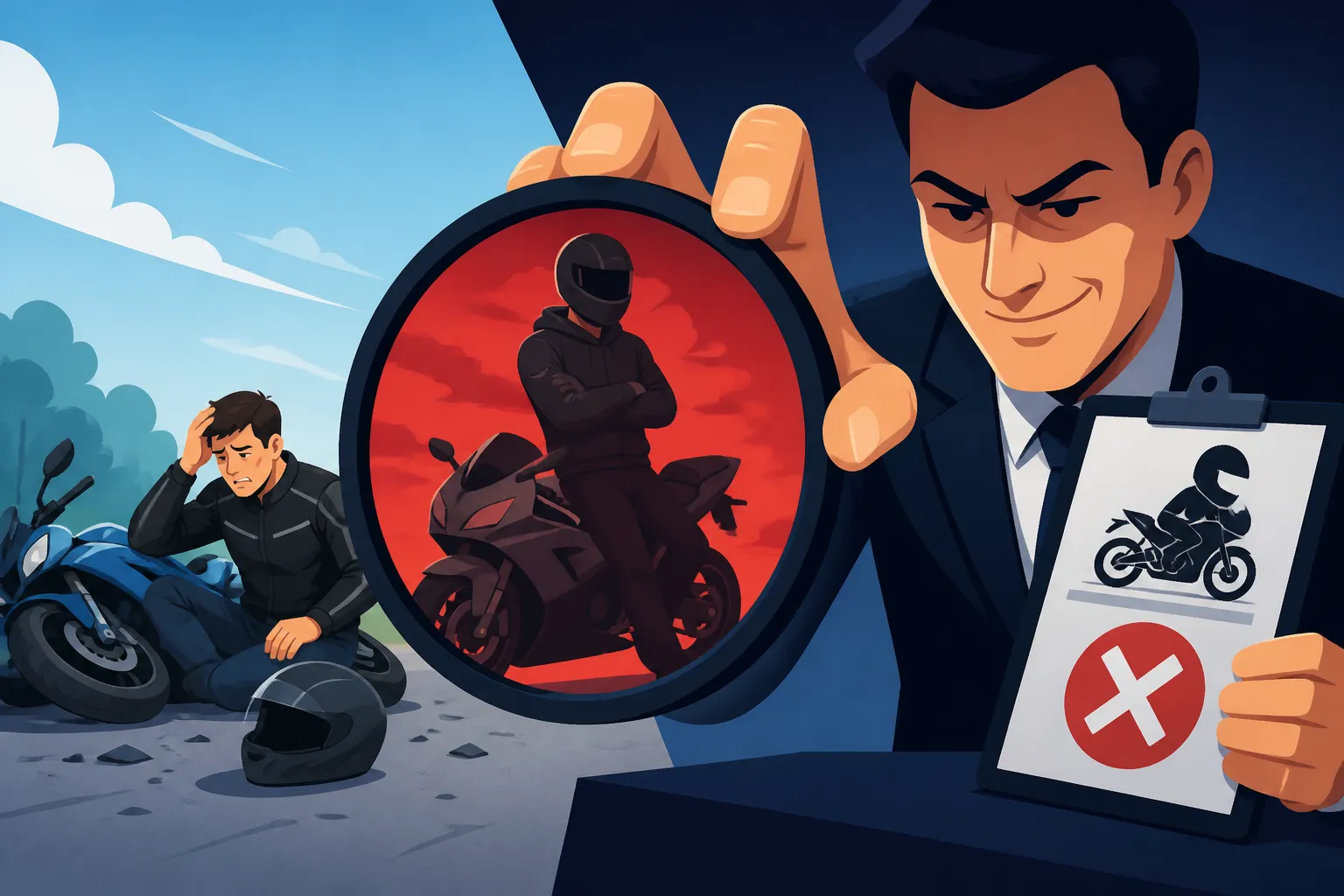
One of the most damaging stereotypes is that all motorcyclists are inherently reckless, speed demons, or "daredevils" constantly pushing limits. This narrative suggests that if you're on a bike, you must have been doing something dangerous, regardless of the actual circumstances of the crash. It implies that your injuries are a natural consequence of your own choices, rather than the negligence of another driver.
Think about the casual comments you might hear after a crash: "He was probably speeding" or "Motorcycles are just dangerous." These aren't just offhand remarks; they are reflections of a deep-seated bias. This bias can lead an insurance adjuster to scrutinize your actions with a magnifying glass, looking for any shred of evidence, however minor, to support the idea that you were at fault, or at least partially responsible. They might try to argue that even if a car pulled out in front of you, you should have been able to react faster if you weren't riding "too aggressively," even if you were perfectly within the speed limit and riding safely. This is a common hurdle when determining Who Is at Fault in a Motorcycle Accident.
The "Invisible" Rider Fallacy
Another insidious stereotype is the "invisible" rider. This isn't about riders literally disappearing, but about the common refrain from car drivers after an accident: "I didn't see them." While sometimes drivers genuinely miss motorcycles due to their smaller profile, the stereotype implies that riders somehow contribute to their own invisibility by not being "present" enough on the road. It downplays the responsibility of other drivers to actively look for and acknowledge all vehicles, including motorcycles.
This fallacy subtly shifts blame. Instead of focusing on the driver who failed to yield or check their blind spot, the narrative can become about what the motorcyclist could have done to be seen. Were they wearing bright enough gear? Was their headlight on? Even when these factors are irrelevant to the actual cause of the collision, the implication is that a motorcyclist's very presence is somehow less valid or noticeable than a car's. This is particularly prevalent in situations like Left-Turn Motorcycle Accidents Explained or when a driver makes an unsafe lane change.
How Insurance Companies Exploit These Stereotypes
Insurance companies are not charities; they are businesses focused on minimizing payouts. They are incredibly skilled at identifying and exploiting weaknesses in a claim, and unfortunately, pre-existing rider stereotypes present a significant advantage for them. They understand that these biases resonate with many people, including potential jury members, and they use that to their strategic benefit.
Shifting Blame and Denying Liability
One of the most direct ways insurers use stereotypes is to shift blame away from their insured driver and onto you, the motorcyclist. If the stereotype of the "reckless rider" is already in play, it makes it easier for them to argue that you were primarily or entirely responsible for the crash. They might seize on any minor infraction, perceived or real, to bolster their argument. For instance, if you were riding slightly above the speed limit, even if the other driver ran a stop sign, they might try to argue that your "excessive speed" was the true cause.
This tactic aims to either deny your claim entirely or significantly reduce the amount they have to pay by assigning a high percentage of fault to you. In states with modified comparative negligence laws, being found 50% or 51% at fault can completely bar your recovery. This is why understanding How Fault Is Determined in Motorcycle Accidents is so critical, as insurers will actively work to manipulate this determination. They might highlight anecdotal evidence of motorcyclists taking risks, or even imply that your choice to ride a motorcycle means you willingly accepted a higher risk of injury, thereby diminishing the other driver's culpability.
Devaluing Your Injuries and Damages
Beyond fault, stereotypes can also impact the perceived severity and legitimacy of your injuries. Because motorcycles offer less protection than enclosed vehicles, injuries sustained in a motorcycle accident are often severe, ranging from broken bones and road rash to traumatic brain injuries and spinal cord damage. However, an adjuster steeped in stereotypes might subtly suggest that these injuries are simply "what you sign up for" when riding a motorcycle.
They might downplay the long-term impact of your injuries, arguing that you should recover faster or that your pain and suffering aren't as significant as someone in a car crash with similar injuries. For example, if you suffered severe road rash, they might suggest it’s merely a skin abrasion, ignoring the potential for infection, nerve damage, scarring, and the immense pain involved. This subtle devaluation aims to reduce the "pain and suffering" component of your settlement, which can be a significant portion of your overall compensation. They might even try to claim that your choice not to wear certain gear, even if not legally required, contributed to your injuries.
Lowball Settlement Offers
When the previous tactics succeed in either shifting blame or devaluing injuries, the natural consequence is a lowball settlement offer. Insurance companies start with a figure that is significantly less than what your claim is truly worth, hoping that you, overwhelmed by medical bills, lost wages, and the stress of recovery, will accept it just to get it over with. They rely on the idea that you might not know your rights or the true value of your claim, especially if you're feeling a sense of implicit guilt due to societal stereotypes.
These initial offers are rarely fair, and they often exploit the financial and emotional vulnerability of accident victims. They count on the rider's potential lack of legal knowledge and their desire for a quick resolution. This is a common strategy by insurers, and knowing How Insurers Lowball Motorcycle Riders is crucial for preparing your defense. They may present a quick offer, hoping you won't seek legal advice or take the time to fully understand the extent of your future medical needs and lost earning capacity.
Tactics Insurers Use to Reinforce Stereotypes
Insurance adjusters aren't always overt in their use of stereotypes. More often, they employ subtle tactics that feed into these biases, building a narrative that works against you. Understanding these tactics can help you recognize them when they occur and prepare a stronger counter-argument.
Scrutinizing Your Riding History
One of the first things an insurance company will do is delve into your riding history. They're looking for anything that could support the "reckless rider" stereotype. This includes past traffic violations, even minor ones like speeding tickets or lane change infractions, regardless of how long ago they occurred or if they had any bearing on the current accident. They might even look at social media for photos or videos that depict you riding in a way they can deem "risky," even if it's perfectly legal and safe.
This scrutiny goes beyond just legal records. They might try to obtain your medical records to see if you've ever sought treatment for a prior injury that could be misconstrued as being related to reckless behavior, or to suggest that your current injuries are pre-existing. The goal here is to paint a picture of you as a habitual risk-taker, making it easier to argue that you were negligent in the current accident. Be very careful about what information you share, as everything can be used to reinforce their biased narrative.
Questioning Helmet and Gear Choices
Even if you wore a DOT-compliant helmet and full protective gear, insurers might still try to question your choices. In states with partial or universal helmet laws, if you weren't wearing a helmet (and were legally required to), this becomes a major point of contention. However, even if helmet use was not legally mandated, or if you were fully compliant, they might argue that different gear could have prevented or lessened your injuries. This is often referred to as the "helmet defense."
They might focus on minute details, such as the age of your helmet, the brand of your gloves, or the type of jacket you were wearing, suggesting that these choices somehow indicate a lack of seriousness about safety. This is an attempt to introduce an element of contributory negligence, implying that your own choices, rather than the other driver's fault, led to your injuries. Understanding How Helmet Laws Affect Your Accident Claim is crucial, as this area is ripe for exploitation by insurers seeking to reduce your settlement amount.
Using Witness Statements Selectively
After an accident, witness statements are invaluable. However, insurance adjusters have a knack for using them selectively. They might prioritize statements from witnesses who reinforce negative stereotypes about motorcyclists or downplay the other driver's negligence. For example, if a witness states, "The motorcycle was going pretty fast," even if it wasn't the cause, the adjuster will highlight that statement, while downplaying another witness who saw the car driver texting.
They might even actively seek out witnesses who hold existing biases against motorcyclists, knowing that their testimony will naturally lean towards blaming the rider. It's not uncommon for an adjuster to frame questions in a way that elicits responses that support their narrative. This is why it's so important to collect as much objective evidence as possible, including your own detailed account and photos, to counteract any biased or incomplete witness testimony. When you're trying to prove Proving Fault in a Motorcycle Accident, unbiased witness accounts are golden.
Practical Strategies to Combat Stereotypes in Your Claim
Dealing with these ingrained biases can feel like an uphill battle, but it's far from unwinnable. There are very concrete steps you can take to proactively challenge stereotypes and build a strong, fact-based claim that leaves little room for unfair assumptions.
Documenting Everything Meticulously
The single most powerful weapon against stereotypes is irrefutable evidence. Immediately after an accident, and throughout your recovery, document everything. This means:
- Photos and Videos: Take extensive photos and videos at the accident scene from multiple angles. Capture vehicle positions, damage to both vehicles, road conditions, skid marks, traffic signs, and any debris. Also, photograph your injuries as they progress, from initial wounds to scarring, and any damaged gear. Show your DOT-approved helmet, your sturdy jacket, and any other protective equipment that might have prevented even worse injuries. These visual records help counteract the "reckless" narrative by showing the objective reality of the crash and your responsible gear choices.
- Medical Records: Seek immediate medical attention, even if you feel fine. Document all your medical visits, diagnoses, treatments, and prescriptions. Gaps in treatment can be used by insurers to argue your injuries aren't serious. Maintain a detailed journal of your pain levels, limitations, and how your injuries impact your daily life. This helps validate the severity of your injuries and the impact on your quality of life, countering any attempts to devalue your suffering.
- Police Reports: While police reports aren't always perfect, they provide an official account. Ensure the report accurately reflects the scene and any statements made. If you believe there are inaccuracies, seek to have them corrected. This is often the first piece of evidence an insurer sees, and an accurate report can help set the tone for your claim.
- Lost Wages and Expenses: Keep meticulous records of all financial losses, including lost wages, medical bills, transportation costs to appointments, and any out-of-pocket expenses related to your injury. This provides concrete evidence of economic damages that are harder for insurers to dispute.
Collecting Motorcycle Accident Evidence for Proving Fault is not just helpful; it's essential.
Gathering Unbiased Witness Testimony
While some witnesses might be biased, many others are simply observers who want to help. Make every effort to gather contact information from all witnesses at the scene. Ask them what they saw, and politely request their contact details. Even if an initial statement seems unhelpful, their full testimony later might reveal crucial details.
A neutral witness who saw the other driver distracted, speeding, or failing to yield can be invaluable in dismantling the "reckless rider" stereotype. Their objective account of the other driver's negligence can shift the focus away from assumptions about your riding style. If you can, ask them to write down what they saw or record a brief statement on your phone right there at the scene. This contemporaneous account often holds more weight. This can be crucial in cases where How Police Reports Establish Fault might be ambiguous or incomplete.
The Power of Legal Representation
Perhaps the most effective strategy for combating rider stereotypes is hiring an experienced motorcycle accident attorney. Here's why:
- They Understand the Bias: A lawyer specializing in motorcycle accidents knows these stereotypes intimately. They anticipate how insurance companies will try to use them and are prepared to proactively counter them. They've seen it all before, from adjusters implying you were "asking for it" by riding to downplaying your severe injuries.
- They Speak the Insurer's Language: Insurance adjusters often act differently when dealing with a claimant who has legal representation. They know a lawyer will not fall for lowball offers or unfair blame-shifting tactics. A good attorney understands the intricacies of the law, including Comparative Negligence in Motorcycle Accidents and how it applies to your specific state, ensuring you aren't unfairly penalized.
- They Build a Strong Case: An attorney will independently investigate your accident, gather evidence, consult with accident reconstructionists if necessary, and meticulously document all your damages. They know how to present your case in a way that emphasizes facts and minimizes the impact of unfair stereotypes.
- They Protect Your Rights: A lawyer acts as a buffer between you and aggressive insurance adjusters. They handle all communications, ensuring you don't accidentally say something that could be twisted and used against you. They protect your right to fair compensation and advocate fiercely on your behalf.
If you're asking yourself, Do You Need a Motorcycle Accident Lawyer? The answer is almost always yes, especially if injuries are significant or fault is disputed. They can help you How to Fight an Unfair Fault Assignment and ensure the focus remains on the facts of the accident, not on outdated prejudices.
Here's a quick look at how common stereotypes are often countered:
| Stereotype / Insurer Tactic | How Insurers Use It | Your Counter-Strategy |
|---|---|---|
| "Reckless Rider" | Argues you were speeding, lane splitting illegally, or riding dangerously. | Provide police report, witness statements, dashcam/helmet cam footage, accident reconstruction. Show adherence to traffic laws. Document your safe riding history (if applicable). |
| "Invisible Rider" | Claims their driver "didn't see" you; implies you should have been more visible. | Provide evidence of proper lighting (headlight on), bright gear, proper lane positioning. Focus on other driver's failure to check blind spots, mirrors, or yield right-of-way. Highlight that How to Prove the Other Driver Was Distracted. |
| "Asking For It" / Injury Deval. | Suggests severe injuries are inherent risk of riding, thus less compensable. | Meticulously document all medical treatment, diagnoses, pain levels, and long-term impacts. Provide doctor's prognosis, physical therapy records, and personal injury journal. Emphasize how injuries affect daily life, work, and hobbies. |
| Blame-Shifting | Seeks to assign partial or full fault to the rider based on any minor detail or bias. | Gather all available evidence (photos, videos, witness contacts, police report). Focus on the other driver's direct negligence. Consult with an attorney early to build a strong case for Motorcycle Accident Liability: A Complete Guide. |
| Lowball Offer | Offers a small settlement, relying on rider's financial pressure and assumed lack of legal knowledge. | Do not accept the first offer. Understand How to Maximize Your Motorcycle Accident Settlement by calculating all damages, including future medical costs and lost earning capacity. Engage an attorney to negotiate on your behalf. |
By understanding the tactics insurance companies employ and taking proactive steps to gather evidence and seek expert legal help, you can effectively combat rider stereotypes and secure the fair compensation you deserve after a motorcycle accident.
Disclaimer
Please remember, the information provided in this guide is intended for informational purposes only and does not constitute legal advice. Every motorcycle accident claim is unique, and the outcome depends heavily on the specific facts and applicable laws in your jurisdiction. It is always recommended to consult with a qualified legal professional to discuss your individual situation and receive personalized advice.