Passenger Helmet Requirements
It's a familiar scenario for many of us riders: you're planning a trip, maybe a weekend ride with a friend or a loved one on the back, and suddenly a nagging question pops into your head. What are the rules for them? Do they need a helmet? Does it matter how old they are? The patchwork of motorcycle helmet laws across states can feel like navigating a maze, and when it comes to your passenger's safety and your legal standing, getting it wrong isn't an option. This guide is here to untangle the confusion, shed light on passenger helmet requirements, and explain how these laws can impact your ride and any potential accident claim.
The Shifting Landscape of Helmet Laws for Passengers
Riding a motorcycle is an exhilarating experience, a feeling of freedom that's hard to match. But that freedom comes with immense responsibility, especially when you have someone riding pillion. The rules governing helmet use for motorcycle passengers are often misunderstood, varying significantly from state to state and sometimes even within the same state depending on specific circumstances. This isn't just about avoiding a ticket; it's about safeguarding your passenger and understanding the potential repercussions if an accident occurs.
Why Passenger Laws Can Be So Confusing
One of the biggest frustrations for riders nationwide is the sheer inconsistency of motorcycle laws. What's perfectly legal in California might land you a hefty fine in Texas, and it's even more convoluted when you bring a passenger into the mix. This confusion often stems from a mix of legislative history, varying interpretations of rider safety, and the differing lobbying efforts that have shaped traffic codes over decades. For instance, some states prioritize individual choice for adult riders but mandate helmets for younger passengers, while others maintain universal helmet laws for everyone on a motorcycle, regardless of age or experience. It’s enough to make you pull your hair out trying to keep track, especially if you enjoy cross-state tours. You might find yourself frantically searching online the night before a road trip, trying to decipher obscure statutes.
The Varying Definitions of a "Motorcycle Passenger"
Adding another layer of complexity is how different jurisdictions define a "motorcycle passenger." It might seem straightforward – anyone not operating the bike, right? But some states might differentiate based on whether the passenger is a minor, if they are sitting on a dedicated passenger seat versus a modified setup, or even if they are in a sidecar. For example, in some regions, a person in a sidecar might be treated differently under helmet laws than someone directly behind the rider. These nuanced definitions can affect whether a helmet is legally required and can sometimes be a point of contention in accident claims. It highlights the importance of not just knowing if a helmet is required, but who exactly it's required for under the specific letter of the law in your riding area.
Age Restrictions and Specific State Rules
Age is often a major factor in determining passenger helmet requirements. Many states that don't have universal helmet laws for all riders will still mandate helmet use for passengers under a certain age, commonly 18 or 21. For example, states like Florida permit adult riders (over 21 with specific insurance coverage) to ride without a helmet, but still require all passengers under 21 to wear one. This is usually rooted in the belief that younger individuals are at higher risk for severe injuries and may not be capable of making informed safety decisions. It also reflects a societal interest in protecting minors. Before any ride, especially with a younger passenger, it's absolutely crucial to check the specific age requirements in your state and any states you plan to pass through. Failure to comply can lead to fines, but more importantly, it leaves your young passenger vulnerable to severe head injuries in an accident, which is a risk no responsible rider wants to take.
Understanding Universal vs. Partial Helmet Laws
The debate around motorcycle helmet laws is a long-standing one, often pitting personal freedom against public safety. When it comes to passengers, this debate is no less contentious, resulting in a fractured legal landscape across the United States. Knowing whether you're in a "universal" or "partial" helmet law state is fundamental to ensuring your passenger's safety and staying on the right side of the law.
States with Universal Passenger Helmet Laws
In states with universal helmet laws, the rule is simple and clear: everyone on a motorcycle, driver and passenger alike, must wear a DOT-compliant helmet, regardless of age or insurance status. These states, which include places like California, New York, and Georgia, aim to maximize safety for all riders, acknowledging the severe risks associated with head injuries in motorcycle accidents. For riders in these states, there's no ambiguity; if your passenger is on your bike, they need a helmet. This uniformity actually makes things a bit easier to remember, as you don't have to worry about age cut-offs or specific insurance requirements. It's a "no exceptions" approach to rider safety.
The logic behind universal laws is quite strong. Motorcycle accidents, even at low speeds, can result in devastating head trauma. Helmets, when properly worn, significantly reduce the risk of fatal head injuries and serious brain damage. For passengers, who often have less control over the situation than the driver, this protection is even more critical. If you're riding through a state like Washington or North Carolina, you and your passenger will both be required to wear helmets, simplifying your planning and prioritizing safety. These laws often streamline the process of dealing with an insurance claim as well, as the "helmet defense" argument is less likely to be leveraged against a passenger who was complying with universal law. For more on how these laws affect your claim, you can explore topics like How Helmet Laws Affect Your Accident Claim.
States with Partial Passenger Helmet Laws
The majority of states fall into the "partial helmet law" category. These states typically mandate helmets for certain groups of riders, most commonly those under a specific age (e.g., 18 or 21). However, they might also have exceptions for adult riders who carry a certain level of insurance coverage, such as a specified amount of medical payments coverage. Florida is a prime example of a state with a partial helmet law, requiring helmets for riders and passengers under 21, but allowing those 21 and older to ride without one if they have at least $10,000 in medical benefits coverage. Texas follows a similar pattern, with exceptions for riders over 21 who have completed a safety course or carry sufficient medical insurance.
This is where the confusion really kicks in. If you're an adult riding in a partial law state, you might be legally allowed to go helmetless yourself (given you meet the other criteria), but your 19-year-old passenger might still be legally required to wear one. It puts the onus on the rider to be intimately familiar with the specifics of the law, not just for themselves but for anyone they choose to carry. The nuances of these laws mean that a quick glance at a state's general helmet policy isn't enough; you need to dig into the details concerning passengers and age limits. This variable approach can be frustrating, especially for touring riders who cross state lines frequently, as the rules can change literally within minutes.
The Few States with No Specific Passenger Helmet Laws
While increasingly rare, a handful of states historically have had no helmet laws at all, or their laws are so minimal they essentially amount to the same thing, often for adult riders and passengers. Iowa and New Hampshire are two states often cited in this category, though even their laws have subtle nuances. In New Hampshire, for instance, helmets are required for riders and passengers under 18. For those 18 and older, it's generally a matter of personal choice. Iowa's laws are similar, requiring helmets for riders under 18, but not for adults.
It's tempting to think of these as "free" states for riders, but it's important to remember that the absence of a legal mandate does not equate to the absence of risk. Riding without a helmet, whether you're the driver or the passenger, dramatically increases the potential for severe, life-altering, or fatal head injuries in an accident. Even if the law permits it, prioritizing safety by wearing a DOT-compliant helmet is always the wisest choice. The legal implications for your passenger in a no-helmet state can also be complex. While they might not have violated a law, an insurance company could still attempt to argue that their injuries were exacerbated by the lack of a helmet, potentially impacting any settlement, a concept often referred to as The Helmet Defense Explained. It's a reminder that legal compliance and optimal safety aren't always the same thing.
| State Type | Typical Rule for Passengers | Example States | Key Consideration |
|---|---|---|---|
| Universal | All passengers (and riders) must wear a DOT-compliant helmet. | California, Georgia, New York, Washington | Simplest rule; maximum legal protection, enhanced safety. |
| Partial | Helmets required for passengers under a certain age (e.g., 18/21) OR if rider lacks specific insurance. | Florida, Texas, Arizona, Pennsylvania | Requires careful check of age, insurance, and local statutes. |
| No Specific Law | Helmets generally not mandated for adult passengers (but often required for minors). | Iowa (under 18), New Hampshire (under 18) | Legal choice, but significantly increases injury risk and potential claim challenges. |
The Critical Role of DOT-Compliant Helmets for Passengers
Okay, so you've figured out if your passenger needs a helmet. But just any old helmet won't do. The type of helmet your passenger wears is just as important as whether they wear one at all. In the world of motorcycle safety, "DOT-compliant" isn't just jargon; it's a critical standard that can literally be the difference between life and death.
What Makes a Helmet DOT-Compliant
When a helmet is labeled "DOT-compliant," it means it meets the safety standards set by the U.S. Department of Transportation's Federal Motor Vehicle Safety Standard (FMVSS) 218. This isn't some arbitrary sticker; it signifies that the helmet has undergone rigorous testing to ensure it can protect the wearer's head in a crash. These tests evaluate factors like impact absorption, penetration resistance, chin strap integrity, and peripheral vision. A DOT-compliant helmet typically has a sturdy outer shell, an impact-absorbing liner (usually expanded polystyrene or EPS foam), a comfort padding layer, and a secure retention system (chin strap).
You'll usually find a "DOT" sticker on the back of compliant helmets. This sticker isn't just for show; it's an indicator that the manufacturer certifies the helmet meets the standard. When you're looking for a helmet for your passenger, whether it's for occasional use or regular rides, always prioritize DOT certification. Brands like Bell, Shoei, HJC, and Arai are known for producing a wide range of DOT-compliant helmets that also meet other advanced safety standards like ECE or Snell. Investing in a quality, certified helmet for your passenger is one of the most proactive steps you can take to protect them. Remember, a helmet is only effective if it's worn and fits correctly, so even the most expensive helmet is useless if it's rattling around on your passenger's head. You can find out more about what a compliant helmet entails in What Is a DOT-Compliant Helmet.
The Dangers of Novelty Helmets for Passengers
This is a really important point, and it's where many well-meaning riders unknowingly put their passengers at risk. Novelty helmets might look cool, or match a certain aesthetic, but they offer virtually no protection in an accident. These helmets are designed for appearance, not safety. They often lack the crucial impact-absorbing liner, have a thin, flimsy shell, and a weak chin strap that can easily come undone during a collision. They frequently do not meet DOT standards, and sometimes even carry disclaimers stating they offer no crash protection.
Riding with a passenger wearing a novelty helmet is incredibly dangerous. In the event of an accident, these helmets will not absorb impact forces, leaving the passenger's head directly exposed to trauma. Beyond the severe injury risk, wearing a non-DOT-compliant helmet, even if legally required to wear a helmet, can create significant problems if an accident leads to a personal injury claim. Insurance companies and defense attorneys will undoubtedly point to the inadequacy of the helmet to argue that the passenger's injuries were self-inflicted or exacerbated, even if the other driver was clearly at fault. This can severely reduce any potential settlement for medical bills, pain and suffering, and other damages. It’s simply not worth the risk, for their safety or your potential legal headaches.
How to Ensure Your Passenger Has the Right Fit and Type
A DOT-compliant helmet is only effective if it fits properly. A helmet that's too loose can shift during impact, leaving parts of the head exposed, while one that's too tight can be uncomfortable and distracting. For passengers, finding the right fit is crucial because they might not be accustomed to wearing a helmet. Start by measuring their head circumference and consulting the helmet manufacturer's sizing chart. When they try it on, it should be snug, but not painfully tight. The helmet shouldn't move independently of their head when they shake it side to side or nod. The chin strap should be securely fastened, allowing only one finger to fit between the strap and the chin.
Consider the type of helmet as well. While open-face (3/4) helmets are DOT-compliant, full-face helmets offer superior protection for the chin and face, which are common impact zones in motorcycle crashes. For passengers, especially those who are new to riding or nervous, the added protection and wind noise reduction of a full-face helmet can greatly enhance their comfort and safety. Shops like Cycle Gear often have knowledgeable staff who can help your passenger get properly fitted, ensuring maximum protection and comfort. It's an investment in their well-being that you simply can't afford to skimp on.
How Passenger Helmet Use Impacts an Accident Claim
Imagine the worst-case scenario: you and your passenger are involved in an accident. Amidst the chaos and concern for injuries, the question of helmet use, or lack thereof, can quickly become a central point of contention in any subsequent legal or insurance claim. It's not just about compliance with the law; it's about how your passenger's protective gear choices can affect their ability to recover damages.
The "Helmet Defense" and Its Application to Passengers
The "helmet defense" is a legal tactic commonly employed by insurance companies and defense attorneys to reduce or deny a claimant's damages. Essentially, if a rider or passenger was not wearing a helmet (or wearing a non-DOT-compliant one) in a state where one was legally required, or even if it wasn't required but generally accepted as a safety measure, the defense will argue that the resulting head injuries would have been less severe, or avoided entirely, had a proper helmet been worn. This argument tries to shift some of the blame for the severity of head injuries onto the injured party.
For passengers, this can be particularly devastating. If your passenger sustains a traumatic brain injury (TBI) but wasn't wearing a helmet in a state with a universal helmet law, the defense will almost certainly invoke the helmet defense. Even in states with partial laws, if a helmet was legally required due to the passenger's age, for instance, the defense will make this argument. The legal principle behind this is often rooted in the concept of mitigation of damages – the idea that an injured party has a duty to take reasonable steps to prevent or minimize their injuries. The nuances of this defense can be complex, and its success often depends on state laws, expert testimony, and the specific facts of the case. For a deeper dive into this, you might look into The Helmet Defense Explained.
Comparative Negligence and Passenger Injuries
The impact of not wearing a helmet (or wearing an improper one) on a passenger's claim is often tied into the legal doctrine of comparative negligence. Most states operate under some form of comparative negligence, which allows an injured party to recover damages even if they were partially at fault for their injuries, but their compensation is reduced proportionally to their percentage of fault. For example, if a passenger is determined to be 20% at fault for the severity of their head injury because they weren't wearing a helmet when they should have been, their total damage award could be reduced by 20%.
This can significantly reduce the payout for severe injuries, especially those like a traumatic brain injury or spinal cord injury, which often incur exorbitant medical costs and long-term care needs. The insurance company will use the lack of a helmet to assign a percentage of fault to your passenger, arguing that their injuries were preventable or less severe if they had taken reasonable precautions. Even in states where a helmet wasn't legally required for an adult passenger, a defense attorney might still argue that a reasonable person would wear one, attempting to assign some comparative fault. Understanding how comparative negligence affects your payout is crucial in these scenarios. This is why advocating for your passenger to wear a high-quality, DOT-compliant helmet is not just about safety, but also about protecting their legal rights should the unthinkable happen.
Documenting Helmet Use After a Crash
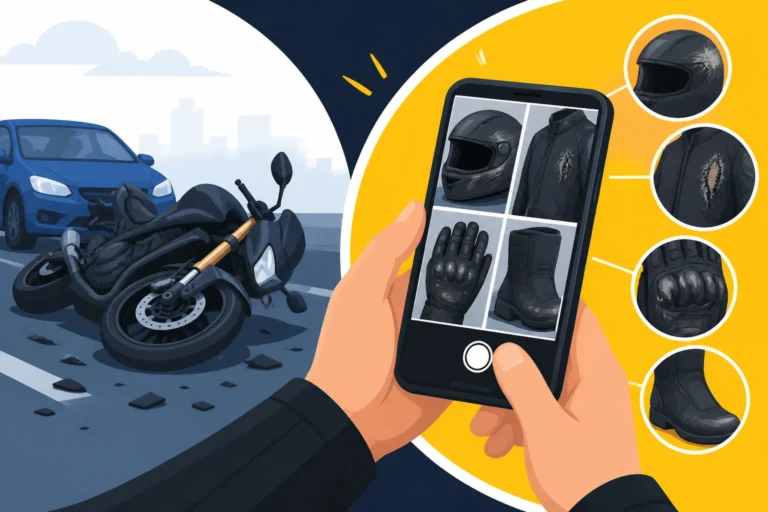
In the immediate aftermath of a motorcycle accident, your passenger's well-being is the absolute priority. Once medical attention is secured, and if you are able, documenting the scene is incredibly important. This includes capturing clear evidence of helmet use. If your passenger was wearing a DOT-compliant helmet, take multiple photos of it – showing it on their head (if safely possible and they're still wearing it), showing the DOT sticker, and any damage it sustained. This evidence can be vital in countering any "helmet defense" arguments that an insurance company might try to raise later.
Conversely, if a helmet was not worn, or if it was a novelty helmet, it's a stark reality that this fact will be part of the record. While you should never admit fault at the scene, the absence of a helmet is often obvious to emergency responders and will be noted in police reports. This underscores the proactive step of ensuring your passenger always wears proper protection. Having solid documentation of a compliant helmet being worn and damaged provides irrefutable proof that reasonable safety precautions were taken, helping to strengthen your passenger's claim for damages related to their injuries. This is a critical part of What to Do Immediately After a Motorcycle Accident to protect your claim.
Beyond Helmets: Other Essential Gear for Passengers
While a helmet is undeniably the most crucial piece of safety gear for a motorcycle passenger, it's far from the only one. Many states also have specific requirements or strong recommendations for other protective equipment, and even where not legally mandated, comprehensive gear significantly reduces the risk and severity of injuries in a crash. Think of it as creating a full protective bubble around your passenger.
Eye Protection and Its Legal Requirements
Just like drivers, motorcycle passengers are incredibly vulnerable to road debris, insects, wind, and other elements that can impair vision or cause injury. Many states, even those with more lenient helmet laws, have explicit requirements for eye protection for both riders and passengers. This usually means wearing a face shield attached to a helmet, goggles, or safety glasses designed for motorcycling. Regular eyeglasses or sunglasses typically don't count as sufficient protection, as they can easily fly off or break, creating additional hazards.
For instance, in states like Pennsylvania, all riders and passengers must wear eye protection. This isn't just a suggestion; it's a legal mandate aimed at preventing vision impairment that could lead to an accident, or direct eye injuries from foreign objects. Failing to wear appropriate eye protection can result in a citation, and in the event of an accident, an insurance adjuster might argue that an eye injury could have been prevented had proper gear been worn. Always ensure your passenger has clear, unobstructed vision and protected eyes. A good quality, anti-fog face shield on a full-face helmet or dedicated riding goggles are excellent choices that provide both safety and comfort.
Protective Clothing for Passenger Safety
While not as universally mandated by law as helmets or eye protection, wearing appropriate protective clothing is an absolute game-changer for passenger safety. "All the gear, all the time" (ATGATT) applies just as much to passengers as it does to riders. This means sturdy jackets, pants, gloves, and boots. Road rash, broken bones, and joint injuries are incredibly common in motorcycle accidents, and everyday clothing like jeans, t-shirts, and sneakers offer almost no protection against the abrasive forces of asphalt or impact.
Investing in riding-specific gear for your passenger can prevent or mitigate severe injuries. A quality motorcycle jacket made of abrasion-resistant materials like leather or reinforced textile (such as Cordura) with CE-rated armor in the shoulders, elbows, and back can save them from significant road rash and impact injuries. Similarly, riding pants (or jeans with protective liners) protect the hips, knees, and shins. Brands like Cycle Gear offer a wide selection of protective apparel designed specifically for motorcycle passengers, often with women's and youth sizing to ensure a comfortable and secure fit. While this might seem like a significant upfront cost, it pales in comparison to the medical bills and suffering that can result from a crash where a passenger is inadequately protected. These protections are vital for minimizing Common Motorcycle Accident Injuries and can even impact How Injury Severity Affects Compensation.
Footwear and Gloves for Enhanced Protection
Completing the ensemble of protective gear are proper footwear and gloves. You might be surprised how often people ride with open-toed shoes or flimsy sneakers. In an accident, exposed feet and ankles are extremely vulnerable to crushing injuries, fractures, and severe road rash. Solid, over-the-ankle boots made of leather or sturdy synthetic materials offer crucial protection. They also provide better grip on the footpegs, improving passenger stability and comfort during the ride.
Gloves are equally important. Beyond providing a better grip on the grab handles, motorcycle-specific gloves protect hands from abrasions and impacts. Our natural instinct in a fall is to brace ourselves with our hands, making them highly susceptible to injury. Gloves with reinforced palms and knuckle protection can significantly reduce the risk of broken fingers, road rash, and other hand injuries. While these items might not always be legally required for passengers, they are essential components of a comprehensive safety strategy. Encouraging your passenger to wear full, appropriate gear from head to toe is a powerful way to enhance their safety and reduce the potential severity of injuries if an accident were to occur. It's all part of adhering to Motorcycle Gear Laws and Requirements, even if not all aspects are strictly codified by law.
Navigating Unique Scenarios and State Variations
The world of motorcycle passenger helmet laws isn't always black and white. There are various unique situations and specific state-by-state nuances that can add layers of complexity, even for seasoned riders. Being aware of these exceptions and variations is key to avoiding legal trouble and, more importantly, ensuring your passenger's safety.
Out-of-State Riders and Reciprocity Rules
What happens if you're riding with a passenger from a state with no helmet law, and you cross into a state with a universal helmet law? This is where reciprocity rules, or rather the lack thereof in many cases, come into play. Generally, when you ride your motorcycle into another state, you are subject to that state's traffic laws, including their helmet requirements, regardless of the laws in your home state. So, if you're an adult rider and passenger from New Hampshire (where adult helmet use is optional) and you ride into Massachusetts (which has a universal helmet law), you both must wear helmets in Massachusetts.
This can be a common pitfall for riders on long road trips or vacations. It's easy to assume your home state's rules apply, but that's rarely the case. Before embarking on any multi-state adventure with a passenger, take the time to research the specific helmet laws for every state you plan to enter. Ignoring these laws can lead to traffic citations, fines, and potentially complicate matters immensely if an accident occurs across state lines. Ignorance of the law is generally not a valid defense, and you, as the driver, are ultimately responsible for ensuring your passenger complies with the local regulations.
Helmet Laws for Specific Vehicle Types
The term "motorcycle" itself can encompass a surprising variety of two- and three-wheeled vehicles, and sometimes the helmet laws vary depending on the specific type of machine you're riding. Mopeds, scooters, and three-wheeled motorcycles (like Can-Am Spyders or Harley-Davidson Trikes) sometimes fall under different regulations than traditional two-wheeled motorcycles. For example, some states might have universal helmet laws for conventional motorcycles but only require helmets for moped riders under a certain age, or vice versa.
In many states, three-wheeled vehicles are classified differently than two-wheeled ones, and the passenger helmet requirements might be less stringent, sometimes mirroring those for enclosed vehicles. For instance, in states like Florida, passengers in enclosed cabs of three-wheeled vehicles might not be required to wear helmets, while a passenger on the back of an open-air trike still is. Always check the specific definitions and regulations for the exact type of vehicle you're operating, especially when carrying a passenger. Don't assume that the rules for your cruiser automatically apply to a scooter or a trike. The legal landscape around these alternative vehicles is constantly evolving, so staying informed is crucial.
Penalties for Non-Compliance
The immediate consequence of failing to ensure your passenger wears a legally required helmet is usually a traffic citation. This can mean a fine, and in some jurisdictions, points on your driving record. While a ticket might seem like a minor annoyance compared to the joys of riding, multiple infractions can lead to increased insurance premiums, or even the suspension of your motorcycle endorsement.
However, the legal penalties are truly secondary to the potential impact on your passenger's safety and any subsequent accident claim. As discussed, a lack of a helmet can be used by insurance companies to reduce compensation for head injuries. Furthermore, if you, as the driver, knowingly permitted a minor passenger to ride without a legally required helmet, you could face more severe legal repercussions, potentially including charges related to child endangerment or negligence, depending on the state and the outcome of any accident. The penalties for riding without a required helmet extend far beyond just the initial ticket; they touch upon financial liability, future insurance costs, and most importantly, the immense emotional and physical cost of preventable injuries.
Disclaimer
Please note that this guide provides general information about motorcycle passenger helmet requirements and their implications. Motorcycle laws, including helmet laws, vary significantly by state and can change over time. This content is not legal advice and should not be relied upon as such. For specific legal guidance regarding your situation or for detailed information on the laws in your particular state or jurisdiction, it is essential to consult with a qualified legal professional or refer to the most current state Department of Motor Vehicles or traffic safety resources.