How Gear Damage Supports Your Claim
It’s a truly frustrating experience to be involved in a motorcycle accident, not just for the physical and emotional toll it takes, but also for the immediate aftermath of dealing with insurance companies and proving what really happened. Many riders often overlook one of the most powerful, silent witnesses to their crash: their damaged riding gear. This guide will meticulously unpack how the scrapes, tears, and deformities on your helmet, jacket, pants, and boots can become indispensable evidence, bolstering your personal injury claim and helping ensure you receive the compensation you truly deserve.
The Unseen Witness: How Damaged Gear Speaks Volumes
When you're lying on the asphalt after a crash, the last thing on your mind might be your torn jacket or scuffed helmet. But here's the honest truth: that gear, which just absorbed the impact that could have otherwise shattered your bones or worse, is now a crucial piece of evidence. It's not just about the cost of replacing it; it's about what that damage tells the story of your accident. Insurance adjusters and even juries sometimes carry preconceived notions about motorcyclists, often attempting to assign blame or minimize injuries. Your gear damage can be a powerful counter-narrative, showcasing the harsh realities of the impact and your efforts to protect yourself.
Beyond Aesthetics: The Real Value of Your Gear
Think about it: you invest good money in riding gear, not just because it looks cool, but because it's designed to protect you. That investment pays off in a crash. A helmet isn't just a hat; it's a meticulously engineered piece of safety equipment. Your armored jacket and pants aren't just clothes; they're layers of abrasion-resistant material and impact-absorbing pads. When these items are damaged, it's not merely a cosmetic issue. It’s a testament to the forces involved in the collision and the protective function they served.
For instance, if your expensive full-face helmet from brands like Shoei or Arai has a severe crack or deep gouges, it unequivocally demonstrates a significant head impact. Without that helmet, the impact would have been directly on your skull, leading to far more devastating consequences. This physical evidence directly refutes any attempts to downplay the severity of the incident or your injuries. It illustrates that the gear did its job, but the forces were so extreme that damage was inevitable, indicating a serious accident, not a minor tumble.
Connecting the Dots: Injury Severity and Gear Damage
There's a direct correlation between the type and extent of damage to your riding gear and the severity of the potential injuries you might have sustained. This connection is vital for your claim. Imagine you suffered a severe case of road rash, despite wearing proper riding pants. If those pants are shredded and show clear signs of extensive abrasion, it strengthens your argument that the road rash was a direct result of the accident, rather than a pre-existing condition or a minor scrape.
Similarly, if you're claiming a broken collarbone or shoulder injury, and your riding jacket shows significant impact marks in that specific area, it provides compelling physical proof that the force was concentrated there. This isn't just anecdotal; it's tangible evidence that supports your medical records and diagnoses. It helps paint a clearer picture for anyone evaluating your claim, bridging the gap between what you say happened and what the physical evidence confirms. This kind of evidence is crucial when you are trying to prove your injuries to an insurer who might be skeptical or trying to minimize your payout.
Types of Gear Damage and What They Indicate
Understanding the nuances of different types of gear damage can significantly strengthen your motorcycle accident claim. Each scuff, tear, or crack tells a part of the story, providing tangible evidence of the forces at play and the protective role your gear fulfilled.
Impact Marks and Abrasions: Telling the Story of the Crash
These are perhaps the most common and illustrative forms of gear damage. Impact marks, often seen as concentrated dents or deep scratches, clearly show where your body or your motorcycle made forceful contact with another object, the ground, or the vehicle that hit you. For example, a dented tank bag or a heavily scuffed pair of riding boots can indicate where your leg was pinned or dragged. These marks aren't random; they correspond to specific points of impact during the collision sequence.
Abrasion damage, commonly known as road rash on your gear, occurs when your body slides across the pavement. The extent and pattern of this abrasion can reveal the speed and duration of your slide, as well as the initial point of contact. If your riding pants from a brand like Alpinestars or Dainese are severely abraded on one hip and knee, it indicates you slid on that side of your body. If the abrasion is extensive and reaches through multiple layers of material, it demonstrates a high-speed or prolonged slide, which directly supports claims for severe road rash injuries. Without this gear, your skin would have taken the brunt, leading to far worse consequences. The depth of the abrasion on your gear also correlates with the intensity of friction and impact, which directly feeds into how seriously your injuries should be considered.
Helmet Damage: A Window into Head Trauma Risk
Your helmet is arguably the single most critical piece of safety equipment, and any damage to it after a crash is paramount evidence. A visible crack, a deep gouge, or even significant scuffing on the outer shell of your helmet is direct proof of a head impact. Even if you feel fine initially, such damage indicates that your helmet absorbed a significant amount of kinetic energy that would have otherwise been transferred to your brain.
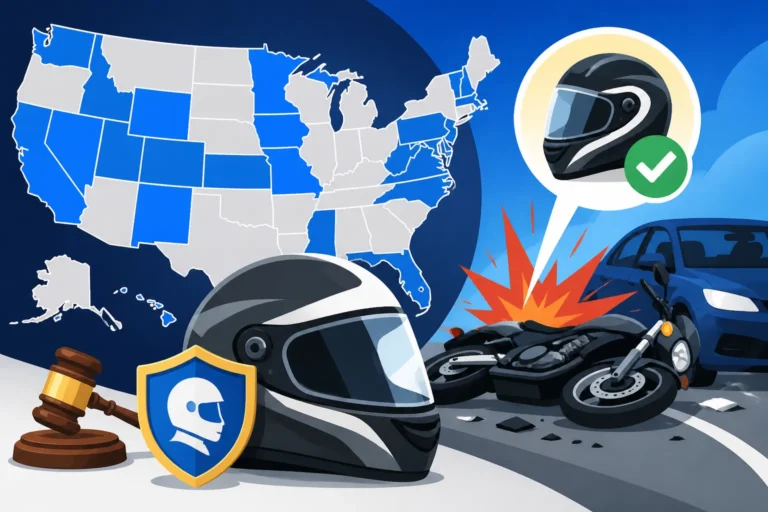
Beyond visible damage, internal components of a helmet, like the EPS liner, compress to absorb impact. This compression might not be externally visible but renders the helmet compromised and unsafe for future use. The presence of any impact damage on your helmet should immediately raise concerns about the potential for a traumatic brain injury (TBI), even if symptoms are delayed. Insurance companies will often try to minimize head injuries if there's no visible blood or obvious signs at the scene. Your damaged helmet provides undeniable proof of head impact, making it harder for them to dispute the potential for a TBI claim. This is especially relevant in states with universal helmet laws, where insurers might try to use "the helmet defense" to reduce settlements if you weren't wearing one, but if you were wearing a damaged helmet, it strongly supports your case.
Tears, Rips, and Scrapes on Riding Apparel
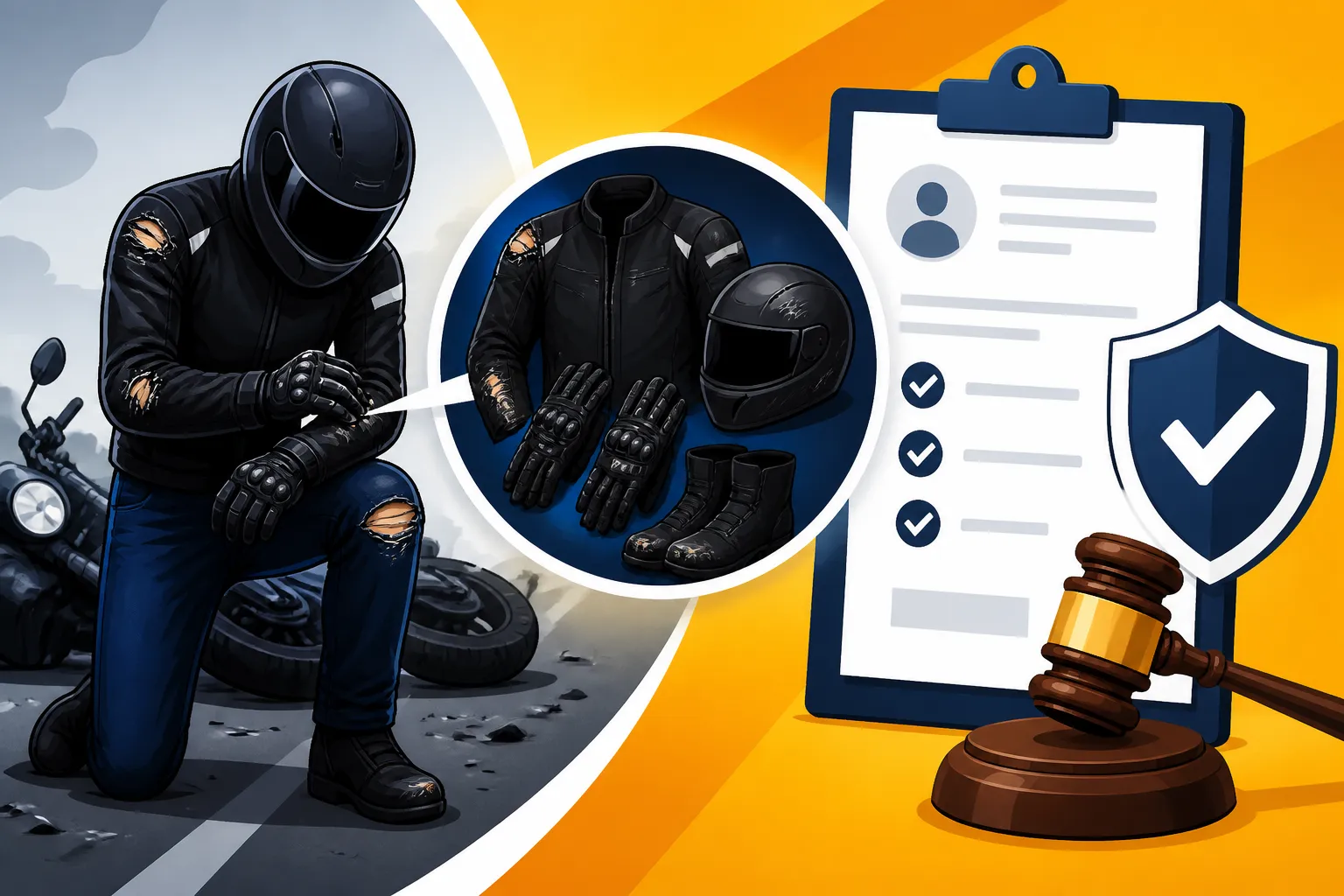
While impact marks and helmet damage are crucial, don't overlook the seemingly smaller tears, rips, and scrapes on your riding jacket, gloves, or other apparel. These, too, contribute to the narrative. A torn seam on your glove could indicate where your hand jammed against something or where you tried to brace your fall. A rip in your jacket sleeve might pinpoint an area where your arm was snagged or hit.
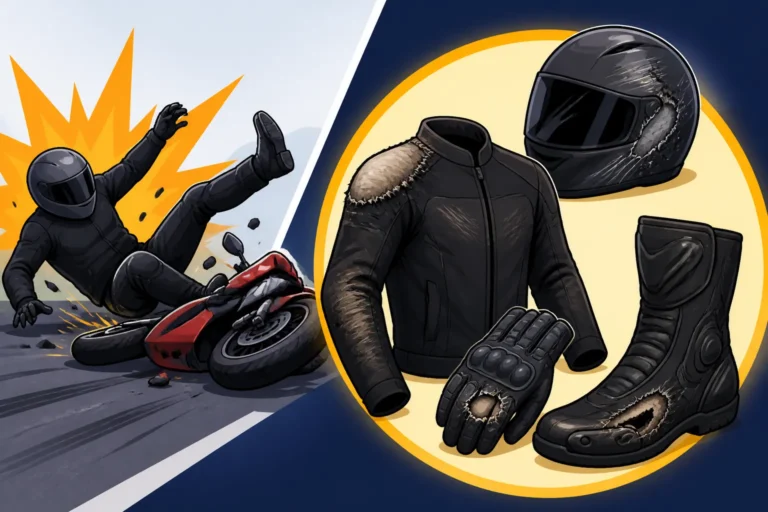
The location and direction of these tears can provide valuable clues about the dynamics of the crash. For instance, if a tear runs perpendicular to the fabric weave, it might suggest a tearing force rather than a direct impact. If there are multiple small punctures, it could indicate contact with sharp debris. Each detail adds to the overall picture. These minor damages, when combined, reinforce the narrative of a violent and chaotic event, which often characterizes a motorcycle accident. They show how your protective gear sacrificed itself to save your skin and bones, a silent testament to the efficacy of proper riding attire and the severity of the incident.
Documenting Your Damaged Gear: A Critical Step
After a motorcycle accident, the moments immediately following the crash can be chaotic and overwhelming. However, securing evidence from your damaged gear is one of the most proactive steps you can take to safeguard your future claim. This isn't just about snapping a quick photo; it requires a systematic approach to capture the full story your gear has to tell.
Immediate Actions at the Scene
If you are physically able to, and it is safe to do so, document your damaged gear right there at the accident scene. This means before paramedics cut anything off or your gear is moved. Take out your phone and start taking photos. This initial documentation is invaluable because it shows the gear in situ, alongside your motorcycle, the other vehicle, and any road debris. This context helps establish a clear link between the crash and the damage sustained by your gear.
Focus on wide shots that show your position and the gear, then move in for detailed close-ups of specific damage. Don't just focus on the most obvious damage; photograph all scuffs, tears, and impacts, no matter how minor they seem. If your helmet has rolled away, take a photo of its final resting place relative to your body and bike. Remember, police reports often focus on vehicle damage and accident cause, but may not meticulously document personal property damage like gear. Your immediate photos fill this crucial gap and become part of the comprehensive Motorcycle Accident Evidence for Proving Fault.
Detailed Photography and Videography
Once you're safely away from the scene and have received medical attention, revisit your damaged gear for even more detailed documentation. Lay out all damaged items – helmet, jacket, pants, gloves, boots – on a neutral background.
For photography:
- Multiple Angles: Take pictures from every conceivable angle.
- Close-ups: Focus on specific tears, abrasions, cracks, and impact points. Use a ruler or a coin next to the damage for scale.
- Contextual Shots: Take photos that show the inside of your gear, especially the helmet liner, as internal damage might not be visible externally.
- Lighting: Ensure good lighting to clearly show textures and depths of damage. Natural daylight is often best.
- Sequence: Take pictures that demonstrate the progression of a tear or scrape.
For videography:
- Narrate: As you film, verbally describe what you are seeing and pointing out. "Here's a deep gouge on the left side of my helmet, right where I hit the pavement."
- Pan Slowly: Move the camera slowly over each item, allowing all details to be captured.
- Highlight: Use your finger or a pen to point to specific areas of damage as you describe them.
These detailed photos and videos serve as undeniable proof for insurance adjusters, helping them understand the extent of the impact and injuries. They also provide visual support when you're trying to prove the other driver was distracted or that their unsafe lane changes caused the collision.
Collecting Receipts and Valuation
Beyond documenting the damage itself, you'll also need to prove the value of your gear. Dig up those old receipts! Proof of purchase helps establish the original cost and validates the quality of the gear you were wearing. If you don't have physical receipts, check your email for online purchase confirmations or credit card statements.
If you bought your gear from a local shop like a Cycle Gear store, they might be able to provide a duplicate receipt or at least verify your purchase history. Knowing the brand and model can also help in finding its current market value for replacement purposes. This is important for calculating your economic damages. Even if the gear is older, showing its original value and then arguing for its current depreciated value (or replacement value if severely damaged and new replacement is needed) is a part of seeking fair compensation. Remember, you're not just claiming for your injuries; you're also claiming for property damage to your valuable safety equipment.
Leveraging Gear Damage in Your Claim
The physical evidence from your damaged riding gear isn't just a grim souvenir; it's a powerful asset in building a robust motorcycle accident claim. This evidence can be a game-changer, helping to establish fault, validate your injuries, and directly counter common defenses raised by insurance companies.
Establishing the Mechanics of the Accident
Your damaged gear can often speak volumes about how the accident actually occurred. For example, if your helmet has impact marks on the back, it suggests a rear-end collision or being thrown backward, which aligns with being struck from behind. If your knee sliders are severely ground down, it suggests a hard lean and slide, possibly indicating you were trying to avoid a sudden hazard or were pushed off your line.
This tangible evidence helps reconstruct the event, providing physical proof that corroborates your testimony and potentially refutes the other party's version of events. If a driver claims you "came out of nowhere," but your gear shows impact consistent with being hit while in your lane, it directly contradicts their narrative. This kind of forensic evidence from your gear can be particularly compelling alongside other forms of accident reconstruction. It strengthens your argument about Who Is at Fault in a Motorcycle Accident and helps prevent the insurance company from twisting the facts in their favor.
Supporting Your Injury Claims
Motorcycle accidents often result in severe injuries, from road rash and broken bones to devastating traumatic brain injuries. Your damaged gear provides direct, irrefutable evidence of the forces your body endured. If your helmet is cracked and scuffed, it dramatically underscores the potential for a head injury, even if symptoms aren't immediately obvious. This can significantly bolster claims for medical expenses, therapy, and long-term care associated with head trauma.
Similarly, if your armored jacket is ripped at the shoulder and you've suffered a shoulder fracture, the correlation is clear. The gear acted as a sacrificial layer, absorbing much of the initial impact, but the force was still sufficient to cause serious harm. This visible connection between gear damage and bodily injury helps demonstrate to insurers and legal teams the legitimacy and severity of your medical claims. It moves beyond subjective pain reports and offers objective physical evidence, thereby strengthening your demand for compensation for Motorcycle Traumatic Brain Injury Claims and Compensation or other significant injuries. This also plays a role in How Injury Severity Affects Compensation.
Countering "Rider Error" Defenses
Unfortunately, there's a pervasive bias against motorcyclists, often leading insurance companies to assume "rider error" even when the motorist is clearly at fault. One of the common tactics used by insurers is to claim that the rider was somehow responsible or that their injuries wouldn't have been as bad if they had been "more careful." Your damaged gear can effectively counter these dismissive narratives.
If your gear, which you diligently invested in for safety (perhaps at a Cycle Gear store known for its protective equipment), is severely damaged, it showcases your proactive commitment to safety. This undermines arguments that you were somehow negligent. Moreover, the type of damage can specifically refute claims of excessive speed or reckless riding. For example, specific abrasion patterns can indicate a controlled slide rather than a reckless tumble. By presenting a damaged DOT-approved helmet, for instance, you can directly challenge arguments that you weren't properly protected or that your injuries were your own fault. This evidence helps shift the narrative away from biased assumptions and towards a factual account of the accident and your due diligence in safety. This is a powerful tool to fight back against How Insurers Use Rider Stereotypes Against You.
Common Challenges and How to Overcome Them
Even with compelling evidence from your damaged gear, navigating a motorcycle accident claim can present its own set of hurdles. Insurance companies are experts at minimizing payouts, and they'll often look for any reason to devalue your claim. Being prepared for these challenges is crucial.
Dealing with Insurers Downplaying Damage
One of the most common frustrations riders face is when insurance adjusters try to downplay the significance of gear damage. They might dismiss a cracked helmet as "just cosmetic," or suggest that a shredded jacket is "normal wear and tear" or simply a sign of "minor impact." They might argue that since the gear did its job, your injuries weren't that bad, essentially turning your protective measures against you. This is a classic tactic to reduce the perceived severity of the accident and, consequently, your potential settlement.
To overcome this, you need to be armed with knowledge and persistence. First, firmly explain the protective function of each piece of gear. For a helmet, emphasize that any impact sufficient to damage the shell or deform the liner means it's compromised and must be replaced, regardless of visible injury. Refer to manufacturers' guidelines, which almost universally recommend replacing a helmet after any impact. Highlight that the gear's damage proves severe impact, not the absence of injury. Second, have expert opinions if necessary. An accident reconstruction expert or a medical professional can speak to the forces involved and how the gear damage correlates with potential injury mechanisms. They can also explain the mechanics behind The Helmet Defense Explained and how a damaged helmet still represents serious impact.
Proving Causation: Gear Damage vs. Pre-existing Wear
Another challenge arises when insurers attempt to attribute gear damage to pre-existing wear and tear, or to an incident unrelated to the current crash. They might scrutinize older gear, claiming that a tear was already there or that scuffs weren't fresh. This tactic aims to disconnect the gear damage from the accident, thereby reducing its evidentiary value for your claim.
To combat this, meticulous documentation is key. If you have photos of your gear before the accident, even casual ones, they can be invaluable. This might be difficult, as most riders don't photograph their gear regularly, but even a social media post showing you in your gear might help. For future incidents, consider taking "baseline" photos of new gear. After an accident, ensure your "after" photos are timestamped and clearly show fresh damage. If a tear or scuff looks genuinely new, point this out.
Furthermore, consider the type of damage. Fresh impact marks or deep, linear abrasions are distinctly different from faded, older scuffs or fabric fatigue. You can also refer back to your receipts to show how recently you purchased the gear. For example, if you bought new gloves from Cycle Gear last month and they’re now torn, it’s highly unlikely the damage is pre-existing. An experienced motorcycle accident attorney can help articulate these distinctions and connect the new damage unequivocally to the crash event, demonstrating How Police Reports Establish Fault and how your gear suffered damage directly from the collision.
Protecting Your Gear and Your Claim
After a motorcycle accident, what you do with your damaged gear can be just as important as how you documented it at the scene. This isn't just about preserving evidence; it's about protecting your ability to claim compensation for both your injuries and the cost of replacing your valuable safety equipment.
Storing Damaged Gear Safely
Once you've thoroughly documented your damaged gear through photos and videos, it's absolutely crucial not to discard it. Your gear is physical evidence, and it needs to be preserved. Store all damaged items – your helmet, jacket, pants, gloves, and boots – in a secure, dry place where they won't be further damaged or lost. A box in a closet or garage is fine, as long as it's out of the way and protected from elements or accidental disposal.
Resist the urge to throw it out because it’s "ruined" or "smells bad." This gear might need to be inspected by experts later, or even presented in court if your case proceeds to trial. If you dispose of it, the insurance company could argue that you destroyed evidence, or that the damage wasn't as severe as you claimed. Keeping it intact preserves your right to use it as a powerful tool in proving your case, illustrating Protective Gear as Evidence in a Claim. Even if you plan to purchase replacement gear, hold onto the damaged items until your claim is fully resolved.
Expert Analysis and Testimony
In complex cases, or when the insurance company is particularly stubborn, having an expert analyze your damaged gear can be incredibly beneficial. An accident reconstruction expert, for instance, can examine the impact points on your helmet and jacket, the abrasion patterns on your riding suit, and the scuffs on your boots to provide an expert opinion on the dynamics of the crash. They can often determine the direction of impact, the angle of your fall, and even estimate the speed at which you slid, directly corroborating your account or challenging the other driver's version.
Furthermore, a medical expert could analyze the gear damage in conjunction with your injuries to explain how the forces transmitted through the gear contributed to your specific diagnoses. For example, a biomechanical engineer might testify how the specific dent in your helmet correlates with the type of traumatic brain injury you sustained. This kind of expert testimony carries significant weight in negotiations and in court, lending scientific credibility to your claim. It adds an objective layer of proof that goes beyond just photos, reinforcing the value of your case and helping to secure the maximum possible settlement for Economic Damages Explained and non-economic damages. These experts are particularly useful when trying to counter an insurer's attempts to minimize the severity of your injuries or attribute fault elsewhere.
Disclaimer
Please remember that this article provides general information and is not legal advice. Every motorcycle accident claim is unique, and the specifics of your case, including the laws in your state, will dictate the best course of action. For personalized advice regarding your situation, it is always recommended to consult with a qualified legal professional.