Does Not Wearing a Helmet Affect a Claim in New York
It’s a harrowing thought, isn’t it? You’ve been in a motorcycle accident, you’re dealing with injuries, and on top of everything, you're worried about whether not wearing a helmet will completely derail your claim. For riders in New York, the rules around helmets are strict, and misunderstanding them can add a huge layer of stress to an already difficult situation. This guide is here to break down exactly how not wearing a helmet might affect your motorcycle accident claim in the Empire State, giving you a clear, empathetic, and realistic view of what you might face.
New York's Motorcycle Helmet Law: The Basics
Navigating the aftermath of a motorcycle accident is tough enough without grappling with complex legal jargon. When it comes to helmets in New York, the law is pretty straightforward, but its implications for a personal injury claim can be anything but simple. Understanding these foundational rules is the first step in comprehending how your helmet status might play out.
Universal Helmet Requirement
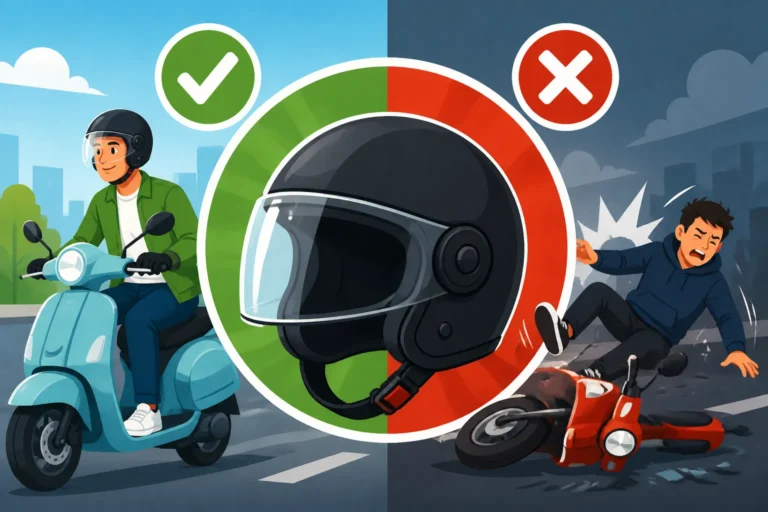
Unlike some states that have age-based or partial helmet laws, New York operates under what's known as a "universal helmet law." This means that every single person riding a motorcycle in New York State, whether they are the operator or a passenger, is legally required to wear an approved motorcycle helmet. There are no exceptions for age, experience, or type of road. This isn't just a recommendation; it’s a strict mandate designed to protect riders from the severe head and brain injuries that are tragically common in motorcycle collisions.
Think about it this way: if you’re riding through the Adirondacks or cruising down the Long Island Expressway, the law expects your head to be protected. This universal requirement has been in place for decades, making it a well-established part of New York’s vehicle and traffic law. It’s a measure that public safety advocates champion, and one that insurance companies and legal teams certainly pay close attention to if an accident occurs. Ignoring this law doesn't just put your safety at risk; it introduces a significant challenge to any future injury claim you might need to pursue. For more context on how these rules vary, you might want to look into other states’ regulations, as discussed in our guide on Motorcycle Helmet Laws by State.
DOT-Approved Helmets
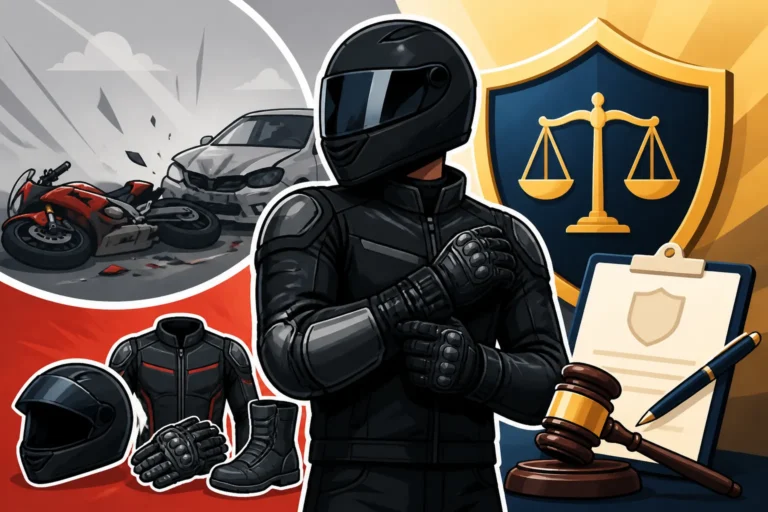
It’s not enough to just put any helmet on your head. New York law specifies that the helmet must meet certain safety standards. Specifically, it must be approved by the U.S. Department of Transportation (DOT). You’ll typically see a DOT sticker on the back of compliant helmets. This isn't a trivial detail; it’s about ensuring the helmet offers actual protection. Helmets that don't meet DOT standards, often referred to as "novelty helmets," might look cool, but they offer minimal protection in a crash and are not considered legal under New York law.
A DOT-approved helmet undergoes rigorous testing to ensure it can withstand impact, resist penetration, and provide adequate peripheral vision. This distinction is crucial for your safety and for your claim. If you were wearing a helmet, but it turns out to be a non-DOT-compliant novelty helmet, it could be treated similarly to not wearing a helmet at all when it comes to assessing liability for head injuries. When you’re at a place like Cycle Gear, make sure you’re always choosing helmets that clearly display that DOT certification. It’s about protecting your brain and your legal standing. Understanding What Is a DOT-Compliant Helmet can give you more specific details on identifying a proper helmet.
How Helmet Non-Use Can Impact Your Accident Claim in New York
So, you were involved in a crash, and you weren't wearing a helmet, or perhaps you were wearing one that wasn't DOT-approved. This is where things can get complicated and incredibly frustrating. The legal system, and particularly insurance companies, don't look kindly on a rider who wasn't following the law, especially when it directly relates to potential injuries.
The "Helmet Defense" and Comparative Negligence
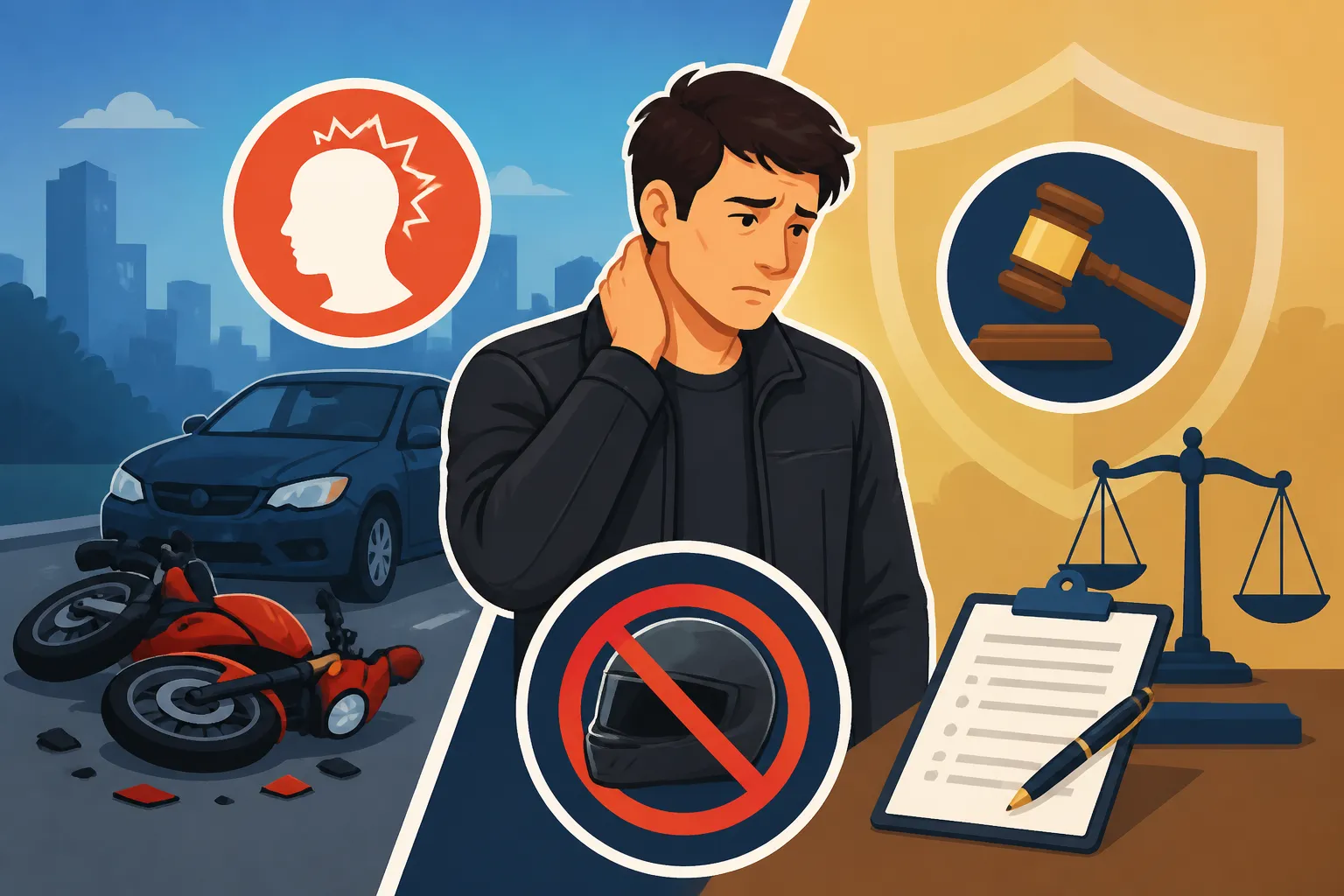
This is often the core of the issue. Insurance adjusters and opposing lawyers will almost certainly bring up what's known as the "helmet defense" if you weren't wearing one. The essence of this defense is that your failure to wear a legally required helmet contributed to the severity of your head injuries, and therefore, you should bear some or all of the responsibility for those specific injuries. This doesn't mean they can completely dismiss your claim if the other driver was clearly at fault for the accident itself, but it can significantly reduce the compensation you receive for head trauma.
New York operates under a "pure comparative negligence" system. This means that even if you are found partially at fault for an accident (or, in this case, for the severity of your injuries), you can still recover damages. However, your total compensation will be reduced by your percentage of fault. For instance, if a jury determines your total damages are $100,000, but that your failure to wear a helmet contributed 30% to the severity of your head injuries, your award for those head injuries would be reduced by 30%. This can be a huge blow, especially with the high costs associated with traumatic brain injuries. Our article on How Comparative Negligence Reduces Your Payout delves deeper into this concept. It’s a mechanism that aims to apportion blame fairly, but it can feel incredibly unfair to a rider already suffering.
Connecting Helmet Non-Use to Specific Injuries
For the helmet defense to truly stick, the opposing side needs to prove a direct link between your lack of a helmet and the specific head injuries you sustained. They can't just say, "You weren't wearing a helmet, so you get nothing." They need to establish what's called "causation." This often involves expert medical testimony and accident reconstructionists. These experts might testify that had you been wearing a DOT-approved helmet, the nature and severity of your head injuries would have been substantially reduced, or perhaps avoided altogether.
For example, if you sustained a serious traumatic brain injury (TBI), the defense would argue that a helmet would have either prevented the TBI or made it a much less severe concussion. However, if your injuries are primarily road rash on your arms and legs, or a broken leg, the lack of a helmet typically wouldn't be relevant to those specific injuries, as a helmet wouldn't have prevented them. The challenge lies in isolating which injuries could have been mitigated by a helmet and demonstrating that scientific connection. This battle over causation can be complex and often requires a skilled legal team to counter. You can learn more about this strategic defense by reading The Helmet Defense Explained.
Here's a quick overview of how helmet status can affect different injury types:
| Injury Type | Potential Impact of No Helmet | Legal Argument |
|---|---|---|
| Head Injuries (TBI, concussion, skull fracture) | High Impact | Direct causation. Defense will argue helmet would have prevented or minimized these injuries, reducing compensation. |
| Facial Injuries | Moderate to High Impact | Open-face helmets offer less protection. Defense may argue a full-face helmet would have significantly reduced damage. |
| Neck/Spinal Injuries | Low to Moderate Impact | Helmets primarily protect the skull. While a heavy helmet might exacerbate some neck injuries, lack of one is less direct. |
| Road Rash (limbs, torso) | No Impact | Unrelated to helmet use. These injuries are typically mitigated by proper riding jackets, pants, and gloves (like those from Cycle Gear). |
| Broken Bones (limbs) | No Impact | Unrelated to helmet use. |
| Internal Injuries | No Impact | Unrelated to helmet use. |
What to Expect from Insurance Companies and the Legal Process
After a motorcycle accident, especially one where helmet use is a factor, dealing with insurance companies can feel like an uphill battle. They are, first and foremost, businesses looking to minimize payouts. Knowing their tactics and how the legal process works can empower you, even if you’re facing challenges.
Insurer Tactics and Challenging the Defense
Insurance adjusters are trained to find any reason to reduce the value of your claim. Your lack of a DOT-approved helmet in New York will be one of the first things they latch onto. They might aggressively argue that your head injuries are solely your fault, or that your non-compliance with the law makes you ineligible for full compensation. They may even try to suggest that because you weren't wearing a helmet, you were generally negligent or reckless, trying to influence the overall perception of your case. This is a common tactic, and it's frustrating because it attempts to shift blame away from the at-fault driver.
It's vital to remember that not wearing a helmet doesn't automatically mean you lose your entire claim. The other driver's negligence in causing the accident is still paramount. If they ran a red light, for instance, or made an unsafe lane change that caused your crash, their fault for the collision itself remains. What the helmet defense primarily targets is the damages related to head injuries. A good legal strategy involves separating the causation of the accident from the causation of specific injuries. Our piece on How Insurance Companies Assign Blame to Riders sheds light on these tactics. It’s a nuanced fight, but it’s one that experienced legal counsel can help you navigate.
The Role of Evidence and Expert Testimony
In New York, proving or disproving the impact of helmet non-use often hinges on compelling evidence and expert testimony. The insurance company will likely bring in medical experts and accident reconstructionists who will attempt to demonstrate that a helmet would have significantly altered the outcome of your head injuries. They will analyze the crash dynamics, the points of impact, and the nature of your injuries.
However, your legal team can also present counter-evidence. This might include:
- Medical Records: To detail the specific nature of your injuries, some of which may be unrelated to head trauma.
- Accident Reconstruction: To show that the force of the impact was so severe that even a helmet might not have prevented certain injuries, or that other injuries are completely independent of helmet use.
- Expert Medical Opinions: To argue that while a helmet offers protection, the specific injuries you sustained were due to factors beyond helmet protection, or that the comparative negligence percentage proposed by the defense is overstated.
- Witness Testimony: If there are witnesses who can attest to the other driver's egregious actions, it can help bolster the argument that the primary fault lies with them.
The battle over the "helmet defense" is often a "battle of the experts," and the quality of evidence presented on both sides can significantly swing the outcome. This is why thorough documentation, from the moment of the accident, is so critical. Our article on Motorcycle Accident Evidence for Proving Fault details the types of evidence that can be crucial.
Protecting Your Claim Even Without a Helmet
While the lack of a helmet can present significant hurdles in a New York motorcycle accident claim, it doesn't mean your claim is automatically doomed. There are still critical steps you can take to protect your rights and pursue the compensation you deserve, focusing on other aspects of the accident and your injuries.
Documenting Other Factors of the Accident
The core of your personal injury claim still revolves around proving the other driver's negligence. Even if you weren't wearing a helmet, the fact remains that another party caused the collision. Did they run a stop sign? Were they distracted by their phone? Did they make a dangerous left-turn collision? These are the questions your claim needs to answer definitively.
Immediately after the accident, if you are able, focus on documenting everything related to the other driver’s actions and the scene itself. This includes:
- Photos and Videos: Capture the position of vehicles, road conditions, traffic signs, and any visible damage. Also, photograph the other driver's license plate, insurance, and contact information.
- Witness Information: Get names and contact details from anyone who saw the crash. Their impartial testimony can be invaluable in establishing the other driver's fault.
- Police Report: Ensure law enforcement officers are called to the scene. The official police report, while not definitive on fault, often contains crucial details about the accident's immediate circumstances and any citations issued to the other driver. Our guide on What to Do Immediately After a Motorcycle Accident offers a comprehensive checklist for these crucial first steps. The stronger your evidence is for the other driver's direct fault, the harder it will be for the defense to shift all blame onto your helmet use.
Seeking Prompt Medical Attention and Legal Counsel
Regardless of your helmet status, your immediate health is paramount. Seek medical attention right away, even if you feel okay. Some serious injuries, especially those affecting the brain or spine, might not present symptoms until hours or days later. Prompt medical care not only ensures your well-being but also creates an official record of your injuries and their severity, which is crucial for any claim. Gaps in medical treatment can be used by insurance companies to argue that your injuries weren’t as severe or weren’t caused by the accident.
Beyond medical care, contacting a motorcycle accident lawyer experienced in New York's specific laws is incredibly important, especially if helmet non-use is a factor. An attorney can:
- Assess your case: Understand the nuances of New York's comparative negligence and helmet defense laws.
- Gather evidence: Help collect police reports, witness statements, medical records, and potentially hire accident reconstructionists.
- Negotiate with insurers: Protect you from common insurance company tactics and ensure they don't unfairly devalue your claim.
- Counter the helmet defense: Present arguments and evidence to minimize the impact of not wearing a helmet on your overall compensation, focusing on the other driver's clear fault.
Even though New York has a universal helmet law, it doesn't mean you automatically forfeit all your rights if you weren't wearing one. It just means the battle will be more challenging, and having an expert in your corner can make all the difference. Our article, How Not Wearing a Helmet Affects Your Settlement, elaborates on the financial implications and the importance of strong legal representation. Remember, places like Cycle Gear offer a wide range of DOT-approved helmets precisely because safety and legal compliance go hand-in-hand.
Disclaimer
Please remember that this article provides general information and is not a substitute for professional legal advice. Laws can change, and every accident case is unique. If you have been involved in a motorcycle accident in New York, it is crucial to consult with a qualified attorney to discuss the specifics of your situation and understand your legal options.