Does Not Wearing a Helmet Affect a Claim in Arizona
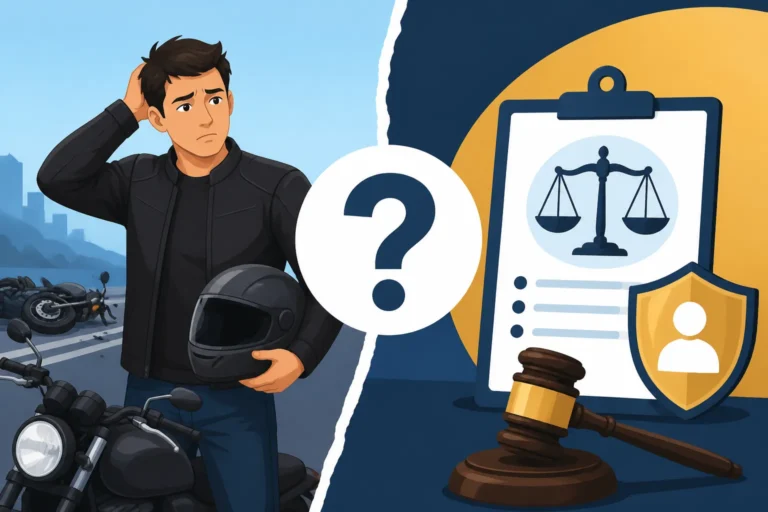
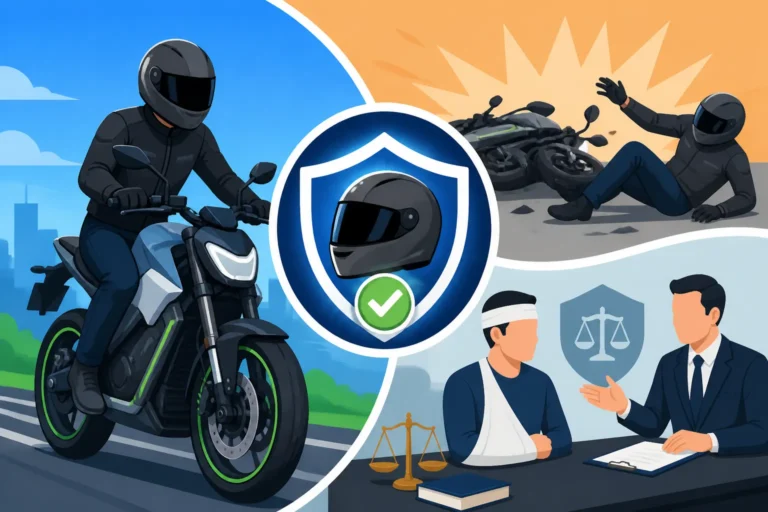
Experiencing a motorcycle accident is terrifying enough, but when you realize you weren't wearing a helmet, a wave of panic often sets in. You might immediately worry that your entire injury claim is sunk, especially here in Arizona where the rules aren't always crystal clear. This guide will meticulously break down how not wearing a helmet can impact your motorcycle accident claim in Arizona, providing realistic insights and practical advice.
Understanding Arizona's Motorcycle Helmet Laws
First things first, let's clear up the confusion about Arizona's helmet laws. It's a common misconception that all riders in Arizona are required to wear a helmet. The reality is a bit more nuanced, and understanding these specifics is crucial before diving into how it affects your accident claim.
The Specifics for Riders Under 18
In Arizona, the law is quite clear for younger riders. If you are under the age of 18, you are legally mandated to wear a U.S. Department of Transportation (DOT) compliant helmet at all times when operating or riding as a passenger on a motorcycle. This isn't just a suggestion; it's the law, codified under Arizona Revised Statutes (A.R.S.) § 28-964. This means if a 17-year-old rider, for example, is involved in an accident without a helmet, they are not only in violation of the law but also open to specific legal challenges regarding their injuries. The legal system looks at this age group differently, as they are often seen as needing more protection and guidance under the law. Failure to adhere to this simple rule, while not necessarily preventing a claim, certainly adds a layer of complexity and potential reduction in recovery for head injuries.
Implications for Adult Riders
Now, for those 18 and older, Arizona operates under what's known as a "partial helmet law." This means that if you are an adult, you are not legally required to wear a helmet when riding a motorcycle. This provision gives adult riders the freedom to choose whether or not to don head protection. On the face of it, this seems straightforward – if it's not illegal, why would it affect your claim? However, this is where the legal and insurance complexities really come into play. Even though you had the legal right to ride without a helmet, that choice can become a significant point of contention for insurance companies and opposing legal teams when assessing damages related to head injuries. They will argue that, regardless of legality, a helmet would have prevented or minimized the severity of certain injuries. This isn't about fault for the accident itself, but about the extent of the damages you can claim.
The "Helmet Defense" and How Insurers Use It in Arizona
When you're dealing with the aftermath of a motorcycle accident, the last thing you want is for the at-fault driver's insurance company to try and shift blame or reduce your settlement. Unfortunately, if you weren't wearing a helmet, you can almost certainly expect them to employ what's known as the "helmet defense."
What the Helmet Defense Is
The helmet defense is a legal strategy used by defendants (often the at-fault driver's insurance company) to argue that even if their client was negligent and caused the accident, your injuries, particularly those to your head, were exacerbated or entirely caused by your failure to wear a helmet. Essentially, they're saying, "Yes, our driver was at fault for the crash, but you are at fault for your head injuries because you chose not to wear protective gear." This defense doesn't typically try to absolve their driver of all responsibility for the accident, but rather aims to reduce the amount of compensation they have to pay for your specific head-related damages. They are hoping to prove that you, the injured rider, failed to mitigate your own damages, even if you were operating within Arizona's adult helmet laws.
For instance, imagine you're riding your Harley-Davidson on Route 66 near Winslow, Arizona, and a distracted driver makes an unsafe lane change, causing you to lay down your bike. If you suffer a traumatic brain injury and weren't wearing a helmet, the other driver's insurance company, perhaps a major player like GEICO or Progressive, will likely bring up the helmet defense. They'll try to prove that had you been wearing a DOT-compliant helmet, your brain injury would have been less severe or avoided altogether. They might even cite statistics showing the effectiveness of helmets in preventing serious head trauma. This tactic is designed to chip away at the value of your claim, particularly the portions related to medical bills, pain and suffering, and lost wages directly attributable to your head injury.
Causation is Key for the Defense
For the helmet defense to be successful in Arizona, it's not enough for the other side to just point out that you weren't wearing a helmet. They have to establish a direct causal link between your lack of a helmet and the severity of your head injuries. This is a critical point that many riders miss. The burden of proof for this causal link rests squarely on the defendant. They must present compelling evidence, often through expert testimony, that your head injuries would have been significantly less severe or would not have occurred at all if you had been wearing a helmet.
This often involves medical experts, accident reconstruction specialists, and biomechanical engineers. For example, a biomechanical expert might analyze the forces involved in your particular crash and simulate the impact with and without a helmet. They would then offer an opinion on what specific head injuries could have been mitigated. If you suffered a broken leg, for example, the absence of a helmet has no bearing on that particular injury, and the helmet defense cannot be used to reduce compensation for your leg injury. It strictly applies to injuries that a helmet is designed to protect against. This is why when fault is disputed in a motorcycle crash, the investigation into causation becomes so complex.
Here's a simple breakdown of common injuries and how helmet use can (or cannot) impact a claim:
| Injury Type | Directly Impacted by Helmet Use? | How Insurers May Argue |
|---|---|---|
| Traumatic Brain Injury (TBI) | Yes | Would argue TBI would be less severe or avoided entirely. |
| Skull Fracture | Yes | Would argue fracture prevented or reduced severity. |
| Concussion | Yes | Would argue concussion minimized or prevented. |
| Facial Lacerations / Fractures | Partially (full-face helmets) | Would argue full-face helmet would have offered protection. |
| Road Rash (on face) | Partially (full-face helmets) | Would argue full-face helmet would have offered protection. |
| Broken Arm/Leg | No | Helmet use has no direct bearing on limb injuries. |
| Spinal Cord Injury (neck/back) | Indirectly (depending on impact) | Might argue helmet could stabilize head, reducing neck strain. |
| Internal Organ Damage (chest/abdomen) | No | Helmet use has no direct bearing on torso injuries. |
As you can see, the defense is usually focused on head and sometimes neck/face injuries. It's not a blanket argument against all your damages.
Comparative Negligence in Arizona and Helmet Use
The legal landscape in Arizona operates under a system called "pure comparative negligence." This is vitally important to understand, especially when considering the helmet defense, as it dictates how fault is apportioned and how that apportionment affects your eventual compensation.
Arizona's Pure Comparative Negligence Rule
In many states, if you are found to be even 1% at fault for your injuries, your claim might be barred entirely or significantly limited. Not so in Arizona, which follows a "pure comparative negligence" standard. What this means is that a plaintiff (the injured rider) can recover damages even if they are found to be 99% at fault for their injuries. However, their total recoverable damages will be reduced by their percentage of fault. So, if a jury determines your total damages are $100,000, but you were 20% at fault for your head injuries due to not wearing a helmet, your compensation would be reduced by 20%, leaving you with $80,000 for those specific damages.
This system is designed to allow injured parties to still recover some compensation, even if they share some responsibility. It's a key difference from other states that might employ a "modified comparative negligence" rule, where if you are over a certain percentage of fault (e.g., 50% or 51%), you recover nothing. For a deeper dive, you might find our article on Pure vs Modified Comparative Negligence quite insightful.
Reducing Your Damages Through Contributory Negligence
While the helmet defense doesn't typically establish fault for the actual collision, it introduces an element of "contributory negligence" specific to your injuries. The argument is that while the other driver caused the crash, your actions (or inaction, in this case) contributed to the severity of your injuries. This is often an attempt by the defense to apply the principles of Comparative Negligence in Motorcycle Accidents to the damages portion of your claim.
Let's imagine you're riding through Scottsdale and another driver, clearly distracted by their phone, swerves into your lane, leading to a serious crash. You suffer significant road rash, a broken collarbone, and a severe concussion. The evidence clearly shows the other driver was 100% at fault for causing the accident. However, because you weren't wearing a helmet, the defense might argue that 30% of your concussion-related damages could have been avoided. In this scenario, your compensation for the concussion would be reduced by that 30%. Your road rash and broken collarbone damages, however, would likely remain unaffected by the helmet defense, as a helmet wouldn't typically prevent those. Understanding How Comparative Negligence Reduces Your Payout is crucial for managing expectations and preparing for negotiations.
Insurance adjusters are skilled at using this defense to minimize payouts. They will often present what appears to be a reasonable settlement offer, but it will already have factored in a reduction for your lack of helmet use. This is where having a seasoned motorcycle accident attorney becomes invaluable. They can challenge the causation argument and fight to ensure that any reduction in your settlement is fair and accurately reflects the evidence, rather than being an arbitrary percentage assigned by the insurer.
Strategies to Protect Your Claim Even Without a Helmet
Even if you weren't wearing a helmet at the time of your motorcycle accident in Arizona, your claim is far from hopeless. There are still crucial steps you can take and strategies you can employ to strengthen your position and fight for the compensation you deserve.
Documenting the Scene and Your Injuries Meticulously
The moments immediately following an accident are chaotic, but what you do (or don't do) can significantly impact your claim down the line. First and foremost, if you are able, document everything at the scene. Take extensive photos and videos of the accident scene from multiple angles, showing vehicle positions, road conditions, debris, and any damage to your motorcycle and the other vehicle. This evidence is crucial for proving how fault is determined in motorcycle accidents. Capture any visible injuries, especially non-head injuries, as these are unlikely to be subject to the helmet defense.
Exchange information with the other driver, and get contact details for any witnesses. Even if you don't think they saw anything related to your helmet use, their testimony about how the accident occurred can be vital. Our guide on What to Do Immediately After a Motorcycle Accident provides a comprehensive checklist. Seek immediate medical attention, even if you feel okay. Some injuries, especially concussions or internal injuries, might not manifest symptoms right away. A prompt medical evaluation creates an official record that links your injuries directly to the accident, making it harder for insurance companies to argue that your injuries were pre-existing or unrelated. Detailed medical records are key to proving your injuries for a claim.
Expert Testimony and Medical Evidence
When the helmet defense is raised, overcoming it often requires the input of expert witnesses. This isn't just about hiring any expert; it's about finding specialists who can articulate why your injuries occurred as they did, and why the absence of a helmet might not be as significant as the defense claims.
Medical experts, such as neurologists or trauma surgeons, can provide detailed testimony about the nature of your head injuries, their severity, and their prognosis. They can also offer an opinion on whether a helmet, given the specific impact dynamics, would have truly prevented or significantly mitigated the injuries. Sometimes, the force of an impact can be so extreme that even a DOT-approved helmet would not have prevented severe trauma. This nuanced perspective is essential.
Accident reconstructionists can analyze the scene, vehicle damage, and impact data to recreate the sequence of events. They can often provide crucial insights into how your head impacted surfaces and the forces involved. This data can be used to counter the defense's arguments about causation. For instance, if the impact involved a direct frontal collision with extreme force, an expert might testify that a helmet would not have offered substantially more protection against certain types of diffuse brain injury. They can explain the physics of the crash and how different parts of your body, not just your head, were affected. This kind of detailed analysis is often part of proving fault in a motorcycle accident.
Emphasizing Other Driver's Fault and Unrelated Injuries
It's paramount to continually emphasize that the other driver's negligence was the primary cause of the accident, regardless of your helmet use. The helmet defense is about mitigating your damages, not absolving the other driver of their fault in causing the collision. For example, if the other driver was found to be texting and driving, leading to a distracted driving motorcycle accident, their actions are still the root cause of the crash. Our article How to Prove the Other Driver Was Distracted offers strategies for demonstrating their negligence.
Highlighting all non-head related injuries is also crucial. Road rash, broken bones, internal injuries, and emotional distress are all valid damages that are completely unrelated to whether or not you wore a helmet. These injuries can form a significant portion of your settlement and should be aggressively pursued. Ensure all your medical treatments, physical therapy, and even psychological counseling for PTSD after a motorcycle accident are thoroughly documented.
While Arizona law permits adults to ride without a helmet, investing in quality gear, including a DOT-approved helmet, is always the safest choice. Reputable retailers like Cycle Gear offer a wide array of protective equipment that can make a huge difference in an accident. Although not a legal requirement for adults in Arizona, wearing appropriate gear, like armored jackets, riding pants, and sturdy boots, can dramatically reduce the severity of injuries like road rash and fractures. Even if you choose not to wear a helmet, having other protective gear demonstrates a commitment to safety, which can subtly, yet positively, influence perceptions of your overall prudence. In the long run, investing in the best gear you can afford at places like Cycle Gear is always a smart move for any rider.
Final Considerations and Seeking Legal Guidance
Navigating a motorcycle accident claim is complex, and adding the element of not wearing a helmet only adds more layers. It's a challenging situation, but it's important to remember that you still have rights and avenues for recovery.
The Value of Experienced Legal Counsel
The nuances of Arizona's comparative negligence laws, coupled with the specific challenges of the helmet defense, mean that trying to handle your claim alone is incredibly risky. Insurance companies have vast resources and experienced adjusters whose primary goal is to minimize payouts. They will use every tool at their disposal, including the helmet defense, to achieve this.
This is precisely why you need a motorcycle accident lawyer who understands these specific challenges in Arizona. An experienced attorney can:
- Evaluate your case thoroughly: They can assess the strength of the helmet defense against you and estimate its potential impact on your claim.
- Gather evidence: They know what evidence is needed to counter the helmet defense, including accident reconstruction, medical expert opinions, and witness testimonies.
- Negotiate with insurers: They are skilled negotiators who can push back against lowball offers and fight for fair compensation, even if a percentage of fault for your head injuries is assigned.
- Represent you in court: If negotiations fail, they are prepared to take your case to trial, presenting a compelling argument to a jury.
Don't let the fear of not wearing a helmet prevent you from exploring your legal options. Many attorneys offer free consultations, allowing you to discuss your case without any upfront financial commitment. This initial meeting can help you understand the strengths and weaknesses of your claim and what steps you need to take next. If you're wondering When to Hire a Motorcycle Accident Lawyer, the answer is usually as soon as possible after the initial shock and medical care.
Focusing on the Other Driver's Negligence
Ultimately, the core of any personal injury claim rests on proving the other party's negligence. While your lack of a helmet might be a factor in determining the extent of your head-related damages, it doesn't change the fact that the other driver caused the collision. Keep the focus firmly on their negligent actions – whether it was distracted driving, speeding, failing to yield, or any other violation that led to your crash.
Your legal team will work to present a clear narrative: the accident was caused by the other driver's fault, and you suffered injuries as a direct result. While the helmet defense might complicate compensation for specific head injuries, it doesn't negate the pain, suffering, medical bills, and lost wages resulting from all your other injuries and the overall impact of the accident on your life. The severity of motorcycle accidents means that common motorcycle accident injuries often extend far beyond just the head. An attorney can help you navigate these issues and build the strongest possible case.
Disclaimer
Please remember that this article provides general information and is not a substitute for legal advice. Laws can change, and every accident case is unique. If you have been involved in a motorcycle accident in Arizona, especially if you weren't wearing a helmet, it is crucial to consult with a qualified motorcycle accident attorney in your area to discuss the specifics of your situation and understand your legal rights and options.