Does Not Wearing a Helmet Affect a Claim in Michigan
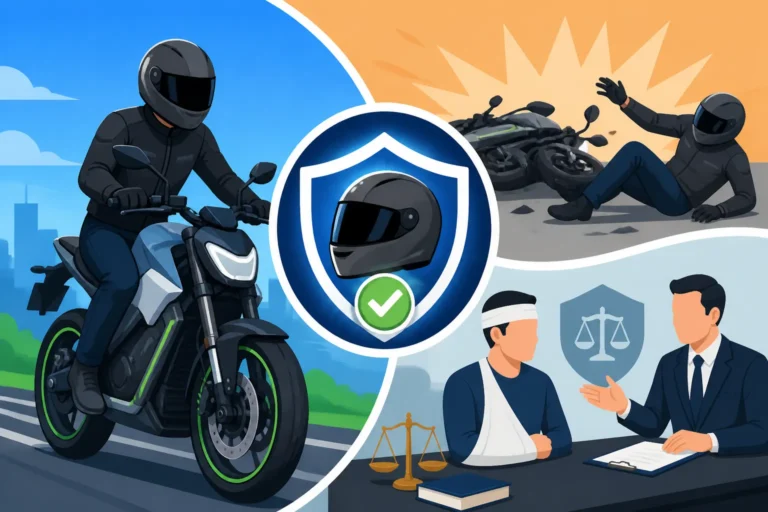
Riding a motorcycle in Michigan offers some of the most beautiful scenic routes, from the winding roads of the Upper Peninsula to the shoreline cruises along Lake Michigan. But when the unthinkable happens and you're involved in an accident, the situation becomes incredibly stressful, especially if you weren't wearing a helmet. It's a question many riders in Michigan grapple with: will not wearing a helmet completely derail your ability to seek compensation for your injuries? This guide aims to clear up the confusion and provide a realistic look at how Michigan's unique helmet laws can impact your personal injury claim.
Michigan's Motorcycle Helmet Laws Explained
Michigan's helmet law can be a bit of a head-scratcher, especially since it changed back in 2012. It’s not as straightforward as a universal helmet law where everyone has to wear one, nor is it a free-for-all. Understanding the specifics is your first line of defense, even after an accident.
The Evolution of Helmet Requirements
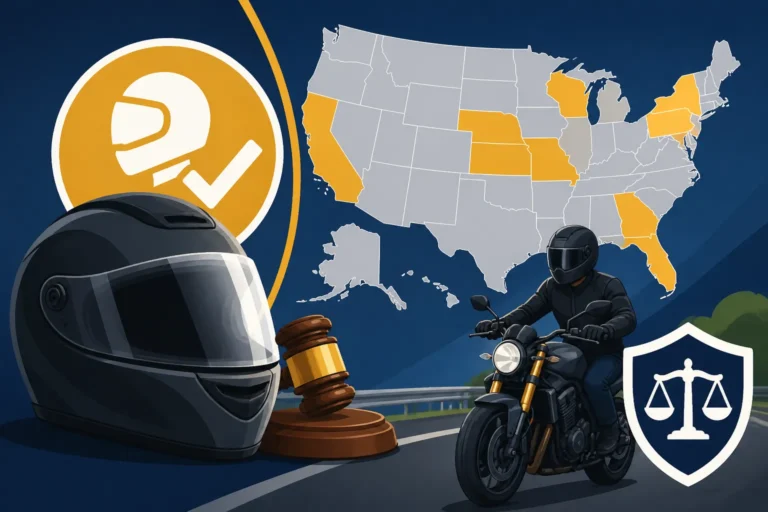
For decades, Michigan had a strict universal helmet law, meaning every rider and passenger on a motorcycle had to wear a helmet, regardless of age or experience. However, in April 2012, the law was significantly amended. This change was a big deal for the motorcycle community, introducing a "partial" helmet law that allowed some adult riders to opt out. The intention was to give experienced riders more freedom while still prioritizing safety for newer, younger riders. It created a unique legal landscape that sets Michigan apart from many other states. If you're wondering about the broad strokes, you can dive into Motorcycle Helmet Laws by State to see how Michigan stacks up.
Who Can Ride Without a Helmet in Michigan
This is where the details really matter. If you're 21 years old or older, you can legally ride a motorcycle in Michigan without a helmet, but you must meet two very specific criteria:
- Proof of Medical Insurance: You need to carry at least $20,000 in first-party medical benefits coverage. This isn't just basic health insurance; it’s specific coverage designed to pay for your medical expenses if you're injured in an accident, regardless of who is at fault. This benefit comes from your motorcycle insurance policy or, in some cases, the at-fault driver’s auto insurance policy. The state wants to ensure that if you choose to ride without a helmet and suffer head injuries, there's a financial safety net in place to cover your immediate medical costs, rather than burdening public funds or leaving you personally bankrupt.
- Riding Experience or Education: You must have held a motorcycle endorsement on your driver’s license for at least two years, or you need to have successfully passed an approved motorcycle safety course. This requirement is about ensuring that riders who choose to go helmetless have demonstrated a certain level of skill and awareness on the road. The logic is that more experienced riders, or those who have undergone formal training, are theoretically better equipped to handle the challenges of motorcycling safely.
What about passengers? This often confuses people. If you're carrying a passenger, they also need to wear a helmet unless they are 21 or older and the rider (you) meets the insurance and experience requirements. The passenger doesn't necessarily need their own separate $20,000 medical coverage if the rider's policy covers them. However, if the passenger is under 21, they must wear a helmet, no exceptions. This nuance is crucial and often overlooked.
It’s important to note that these are the legal requirements. Even if you meet them, the safety implications of riding without a helmet remain. Products from retailers like Cycle Gear offer a wide selection of DOT-approved helmets that far exceed the minimum safety requirements, providing advanced protection for riders who prioritize their well-being.
The "Helmet Defense" in Michigan Motorcycle Accident Claims
So, you were in an accident, and you weren't wearing a helmet. Even if you were legally allowed to ride without one, you might find yourself facing a tricky argument from the opposing insurance company: the "helmet defense." This isn't about proving you caused the accident, but rather that your choice not to wear a helmet worsened your injuries.
How Insurance Companies Use Non-Helmet Use
The "helmet defense" is essentially an argument made by the at-fault driver's insurance company that your injuries, specifically head injuries, were either caused or significantly exacerbated by your decision not to wear a helmet. They're not trying to say you caused the collision – that's a separate issue of fault in a motorcycle accident. Instead, they're attempting to reduce the amount of compensation they have to pay you for your damages, especially for head and brain injuries. They'll often argue that had you been wearing a proper helmet (like those readily available at places such as Cycle Gear), your injuries would have been far less severe, or perhaps even avoided entirely.
This defense isn't unique to Michigan; many states where helmet laws are less stringent or allow exemptions see insurers raise this argument. It’s a classic tactic to shift some of the financial burden away from their insured driver. They'll scrutinize your medical records, look at the nature of your head injuries, and then claim a portion of your medical bills and pain and suffering is attributable to your own choices. This is where understanding How Helmet Laws Affect Your Accident Claim becomes critically important.
The Role of Comparative Negligence
Michigan follows a modified comparative negligence rule, specifically the "51% rule." This means that if you are found to be 51% or more at fault for the accident itself, you generally cannot recover any damages. However, the helmet defense primarily relates to damages, not fault for the collision.
Let's clarify: not wearing a helmet does not make you at fault for the accident occurring. If a car driver ran a red light and hit you, they are still at fault for causing the accident. But, if you suffered a traumatic brain injury (TBI) and weren't wearing a helmet, the insurance company might argue that your lack of a helmet contributed to the severity of that TBI. This would then reduce your damages for the head injury based on your percentage of "comparative fault" for that specific injury. For instance, if your total damages are $100,000 and a jury finds your non-helmet use contributed 20% to your head injuries, your compensation for those head injuries might be reduced by 20%. It's a nuanced application of comparative negligence principles, focusing on injury mitigation rather than accident causation. Learning about Comparative Negligence in Motorcycle Accidents can give you a broader understanding of how shared fault generally works.
Impact on Your Claim and Potential Damages
The helmet defense, when successfully employed by the opposing party, can have a significant and devastating impact on the amount of compensation you receive. It's not just about losing a little bit; it can severely diminish your recovery, especially for the most critical injuries.
Reducing Economic Damages
Economic damages are the quantifiable losses you've incurred due to the accident. These include things like:
- Medical Bills: This is often the largest component. If you sustain a head injury, the cost of emergency care, surgeries, hospital stays, medication, physical therapy, and long-term rehabilitation can be astronomical. The insurance company will argue that a significant portion of these costs – particularly those related to your head injury – could have been avoided or greatly reduced if you had worn a helmet. For example, they might present expert testimony suggesting that your extensive neurosurgery or prolonged ICU stay would have been unnecessary had you worn a DOT-compliant helmet.
- Lost Wages and Loss of Earning Capacity: If your head injury prevents you from working, either temporarily or permanently, your lost income falls under economic damages. The defense might argue that the extent of your disability, and therefore your inability to work, was worsened by not wearing a helmet. They could claim that with a helmet, you might have been able to return to work sooner or maintain your previous earning capacity, thus reducing their liability for these losses. This can be especially frustrating for riders who rely on their physical and cognitive abilities for their livelihood.
- Property Damage: This is generally unaffected by the helmet defense. Your motorcycle repairs or replacement value are typically covered regardless of your helmet use, as the helmet doesn't impact the property damage itself.
The goal of the defense is to carve out any part of your economic losses that they can attribute to your own actions (or inactions) regarding safety gear.
Diminishing Non-Economic Damages
Non-economic damages are often referred to as "pain and suffering." These are much harder to quantify but are often a substantial part of a motorcycle accident settlement because motorcycle accidents frequently result in catastrophic injuries. These include:
- Physical Pain and Suffering: The actual physical discomfort, agony, and prolonged recovery from injuries.
- Emotional Distress: Anxiety, depression, PTSD, fear of riding again, and other psychological impacts.
- Loss of Enjoyment of Life: Inability to participate in hobbies, recreational activities, or daily routines you once enjoyed.
- Disfigurement and Scarring: Permanent changes to your appearance.
For non-economic damages, the helmet defense can be particularly effective. Jurors, like anyone else, can be swayed by the argument that a rider's suffering could have been lessened. If you're claiming severe pain and suffering from a TBI, and you weren't wearing a helmet, the defense will argue that your choice contributed to that suffering. They might suggest that your level of pain, emotional distress, and loss of enjoyment of life would have been significantly less if you had been wearing proper protective gear. This directly impacts How Not Wearing a Helmet Affects Your Settlement.
The table below illustrates how different types of damages can be affected by the helmet defense:
| Type of Damage | Description | Potential Impact of Helmet Defense (in Michigan) |
|---|---|---|
| Medical Expenses | Costs for all treatments, surgeries, therapy, medication, long-term care. | Can be significantly reduced, especially for head/brain injuries, as defense argues costs were exacerbated by non-helmet use. |
| Lost Wages | Income lost due to inability to work after the accident. | May be reduced if defense argues recovery time/disability was prolonged due to worsened head injuries. |
| Pain and Suffering | Physical pain, emotional distress, mental anguish, loss of enjoyment of life. | Highly susceptible to reduction, as defense contends emotional and physical suffering was increased by non-helmet use. |
| Property Damage | Cost to repair or replace your damaged motorcycle and gear. | Generally not affected. The helmet defense focuses on personal injury, not damage to property. |
| Disfigurement | Scarring or permanent changes to appearance, particularly facial injuries. | Can be reduced if defense shows facial disfigurement would have been less severe with a full-face helmet. |
Michigan's Helmet Law and the "Helmet Defense"
It's a common misconception that if you legally rode without a helmet in Michigan (i.e., you met the $20,000 medical insurance and experience requirements), the helmet defense cannot be used against you. This is incorrect. While you might not receive a ticket for violating the helmet law, the legal precedent in Michigan still allows a jury to consider your non-helmet use when determining damages, particularly for head and neck injuries. This is why some riders mistakenly believe that meeting the legal exemptions completely protects them from this defense in a civil claim.
The issue isn't about the legality of your choice, but its practical effect on your injuries. Even if you were within your legal rights to ride helmetless, that doesn't shield you from the factual argument that a helmet would have mitigated the severity of your injuries. This is a critical distinction and why it's so important to consult with a professional who understands the specific nuances of [Michigan Motorcycle Accident Fault Laws].
Strategies to Counter the Helmet Defense
Facing the helmet defense can feel like an uphill battle, especially when you're already dealing with serious injuries. However, it's not an automatic loss. There are strategies to counter these arguments and protect your claim.
Proving the Helmet Wouldn't Have Mattered
This is a key area for your legal team. The burden of proof typically falls on the defense to show that a helmet would have prevented or significantly reduced your injuries. Your counter-argument can often involve:
- Accident Reconstruction: Experts in accident reconstruction can analyze the forces involved in the crash, the point of impact, and your trajectory. They might be able to demonstrate that, given the extreme forces or specific impact angle, your head injuries would have been severe even with a helmet. For instance, in a high-speed collision or a head-on impact, a helmet, while offering protection, might not prevent all severe trauma.
- Medical Expert Testimony: Doctors and forensic pathologists can provide expert opinions on your injuries. They can testify that the nature of your specific injury (e.g., a diffuse axonal injury versus a focal impact injury) might not have been preventable or significantly lessened by a helmet in that particular crash scenario. They might explain that the brain injury resulted from rapid deceleration rather than direct impact, which a helmet might not fully address.
- Circumstances of the Accident: Sometimes the type of accident makes the helmet defense less relevant. For example, if your injuries are primarily to your legs, arms, or torso, and not your head, then the helmet defense becomes much weaker. However, if there's any head trauma, the defense will almost certainly raise the issue. It's crucial to How to Document Injuries for a Claim comprehensively, including areas of your body not affected by head trauma.
The goal here is to establish that even if you had worn a helmet, your injuries would have been substantially the same, or at least the defense's argument about mitigation is speculative at best. This is a complex area, often requiring detailed scientific and medical evidence.
Demonstrating Limited Injury Causation
Another approach is to limit the scope of injuries that the helmet defense can apply to. As mentioned, the helmet defense primarily targets head and neck injuries. If your injuries are predominantly to other parts of your body, the defense’s argument loses much of its punch.
- Non-Head Injuries: Perhaps you suffered severe road rash (which can be protected by appropriate motorcycle gear like leather jackets and pants, sometimes bought at Cycle Gear), broken limbs, or spinal injuries. While these are serious, a helmet wouldn't have directly prevented them. Your legal team can argue that these injuries, and their associated costs and suffering, are entirely independent of your helmet use. This distinction is vital for preserving your claim for these non-head-related damages.
- Pre-Existing Conditions: Sometimes, a pre-existing condition might be exacerbated by the accident. While insurers love to blame pre-existing conditions, a skilled attorney can argue that the accident significantly worsened it, and your helmet use (or lack thereof) is irrelevant to that aggravation. The legal principle known as the "eggshell skull" rule (meaning you take your victim as you find them, pre-existing conditions and all) can sometimes apply here.
The Importance of Legal Counsel
Navigating the complexities of Michigan's helmet laws and fighting the helmet defense is incredibly challenging without experienced legal representation. An attorney specializing in motorcycle accidents will:
- Understand Michigan Specifics: They know the nuances of MCL 257.658 and how courts in Michigan typically handle the helmet defense. They'll be familiar with local precedents and judge tendencies.
- Gather Expert Witnesses: They have connections with accident reconstructionists, medical specialists (neurologists, orthopedists), and vocational experts who can provide testimony to counter the defense's claims.
- Negotiate with Insurers: Insurance companies often try to use rider bias against motorcyclists, assuming they are reckless. An attorney can fight back against these stereotypes and effectively negotiate for a fair settlement. This involves understanding the value of your case, which often means calculating How Motorcycle Accident Settlements Are Calculated and demanding that the insurance company pay up.
- Prepare for Trial: If negotiations fail, an attorney will be ready to take your case to court, presenting a strong argument to a jury regarding why your non-helmet use should not disproportionately reduce your compensation. They will present evidence that demonstrates the true extent of your damages, separate from any perceived contribution from not wearing a helmet.
While Do You Have to Wear a Helmet to Recover Damages might seem like a simple yes or no, the reality, especially in Michigan, is far more complex. Your legal team will work diligently to ensure that even with the helmet defense being raised, you can still recover maximum compensation for all aspects of your injuries and losses.
What to Do After a Motorcycle Accident in Michigan
Being involved in a motorcycle accident is traumatic, and it's easy to feel overwhelmed. However, the steps you take immediately afterward can significantly impact your ability to recover compensation, especially if you weren't wearing a helmet.
Prioritizing Safety and Medical Attention
Your health is paramount. Even if you feel okay, or are able to walk away, internal injuries or head trauma can have delayed symptoms.
- Seek Immediate Medical Care: Call 911 or have someone call for you. If you hit your head, even lightly, it's critical to get checked out. This isn't just for your health; it also creates an official record of your injuries directly linked to the accident. A gap in medical treatment can be used by insurance companies to argue your injuries aren't severe or weren't caused by the crash. Remember, while Cycle Gear focuses on protective gear, your health comes first after an incident.
- Follow Medical Advice: Once you’ve seen a doctor, follow all their recommendations. Attend all follow-up appointments, physical therapy, and take prescribed medications. Not adhering to medical advice can be used by the defense to claim you aren't serious about your recovery or that you are responsible for prolonging your injuries.
Documenting the Scene and Evidence
The more evidence you gather, the stronger your position will be against any defense, including the helmet defense.
- Photographs and Videos: Use your phone to take extensive photos and videos of everything: the accident scene from multiple angles, damage to your motorcycle, damage to other vehicles, road conditions (debris, potholes, skid marks), traffic signs, and your injuries. If you weren't wearing a helmet, take photos of your head injuries, but also of any other injuries on your body that a helmet wouldn't have prevented. These visual records are invaluable.
- Witness Information: Get contact information from anyone who saw the accident. Their testimony can be crucial in establishing fault and countering any claims that your non-helmet use somehow contributed to the crash itself.
- Police Report: Cooperate with the police, but be careful what you say. Stick to the facts. The police report can be an important piece of evidence, although it's not always definitive regarding fault or injury causation.
- Keep Your Gear (or lack thereof): If your helmet was damaged (or if you weren't wearing one and there's clear evidence of the impact on your head), preserve any evidence carefully. If you were wearing a helmet, its damage can speak volumes about the impact forces. If you weren't, then the argument will focus on what would have happened if you were.
Avoiding Common Mistakes
Insurance companies are not on your side. They are looking for reasons to pay you less.
- Do Not Admit Fault: Never admit fault at the scene or to an insurance adjuster, even if you think you might be partially to blame. The full circumstances of the accident might not be clear in the immediate aftermath.
- Do Not Give Recorded Statements: Do not give a recorded statement to the other driver's insurance company without consulting an attorney first. Anything you say can be used against you.
- Do Not Sign Anything: Do not sign any medical releases or settlement offers without legal review. You might unknowingly sign away your rights to future compensation.
- Contact an Attorney Promptly: Given the complexities of Michigan's helmet laws and the potential for the "helmet defense" to be raised, it's highly advisable to contact a motorcycle accident attorney as soon as possible. They can guide you through the process, handle communications with insurance companies, and build a strong case to protect your rights and maximize your compensation. They'll also explain how Motorcycle Accident Liability: A Complete Guide will factor into your case.
Navigating a motorcycle accident claim without a helmet in Michigan is challenging, but with careful documentation, immediate medical attention, and experienced legal counsel, you can still fight for the compensation you deserve.
Disclaimer
Please remember that this article provides general information and insights into Michigan motorcycle helmet laws and their potential impact on accident claims. This content is not intended as legal advice, and individual circumstances can vary greatly. It is crucial to consult with a qualified personal injury attorney in Michigan to discuss the specifics of your case and receive advice tailored to your situation.